
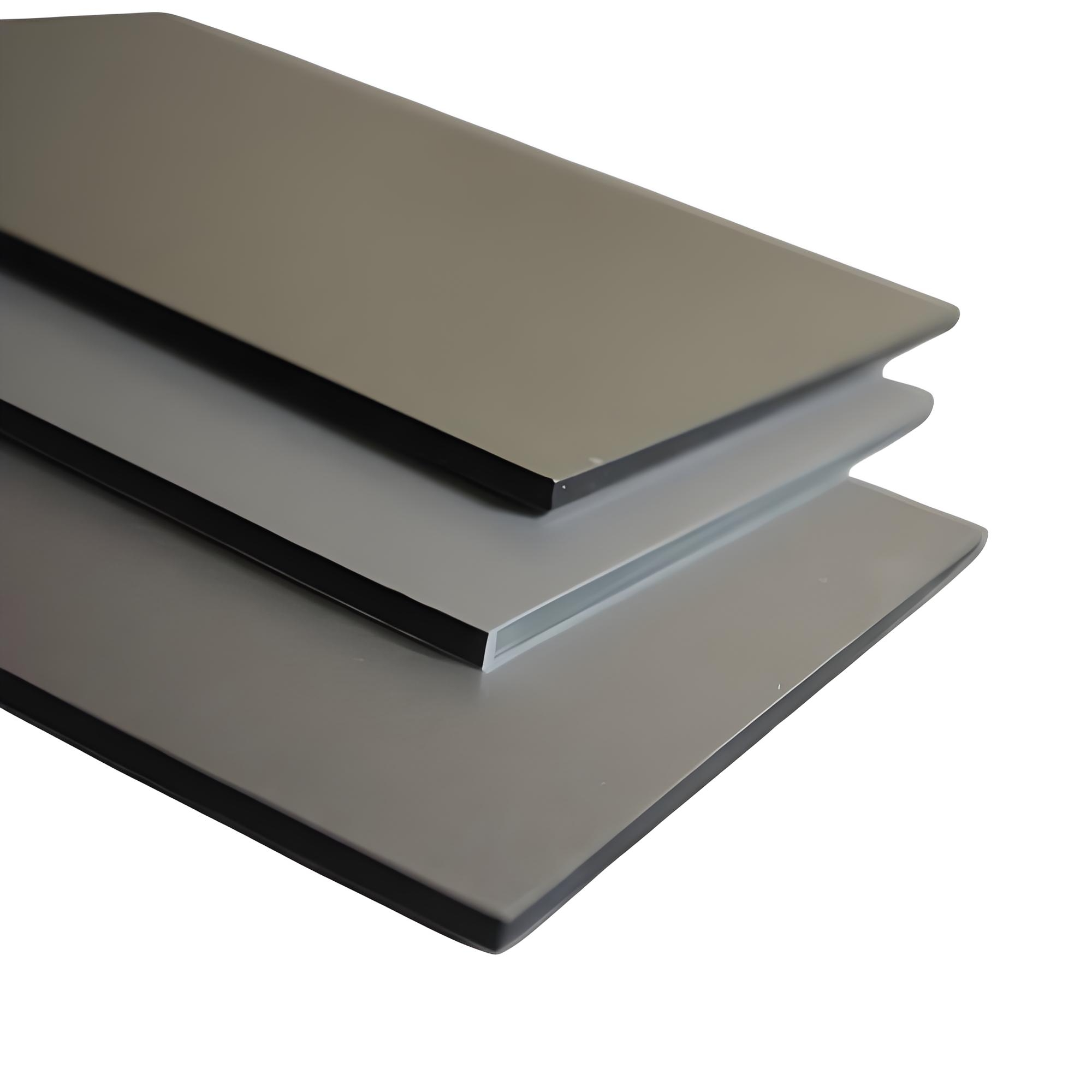

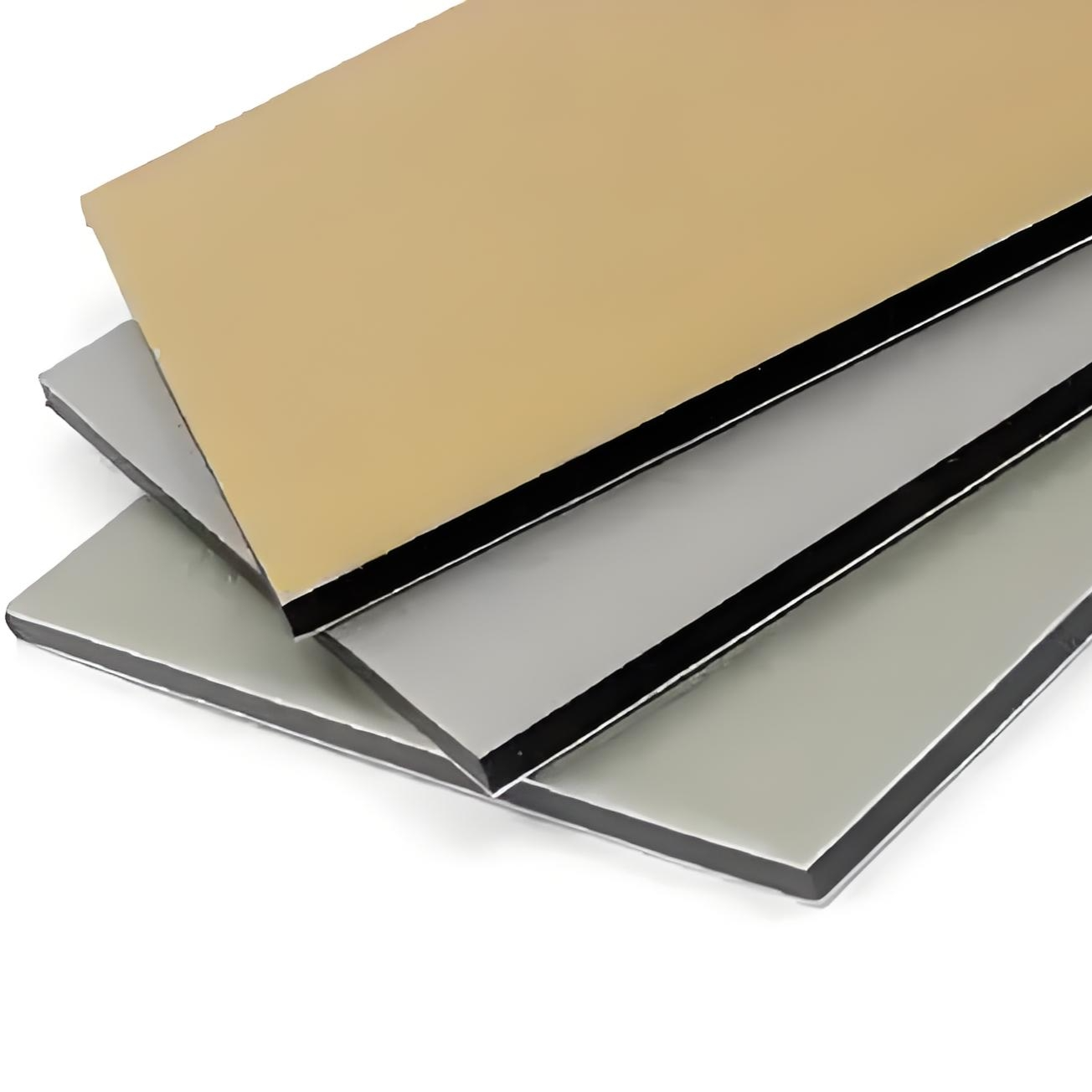
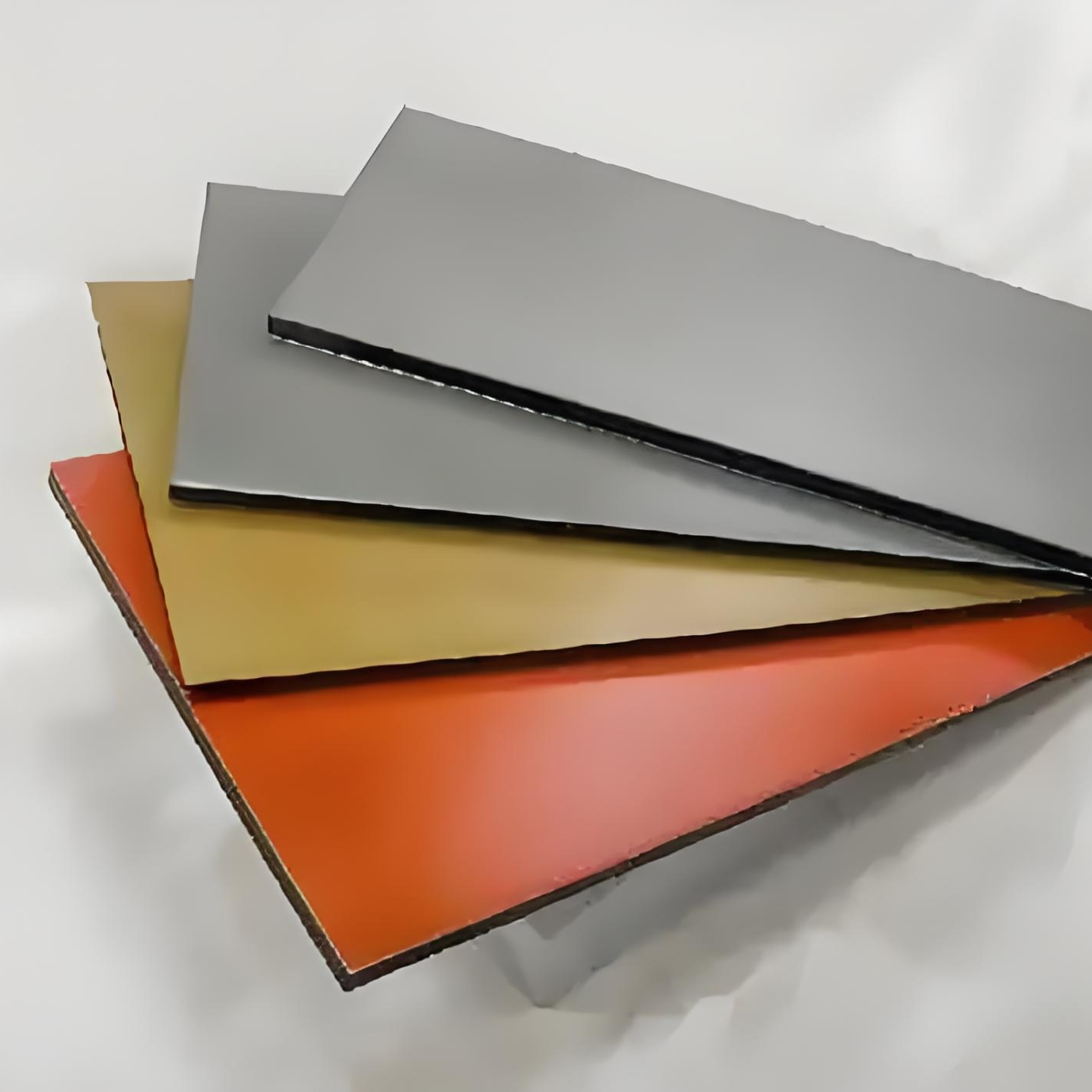







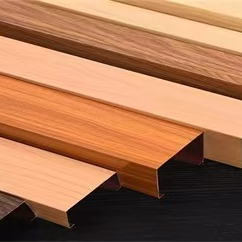
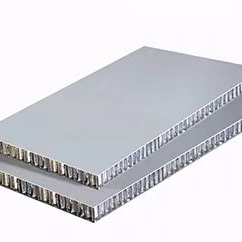
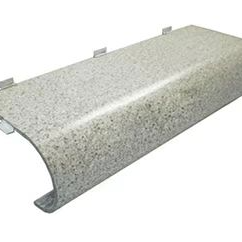
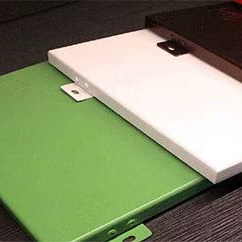
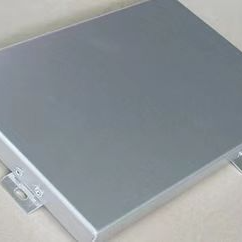
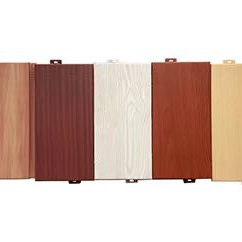
Aluminum-plastic panels, also known as aluminum-plastic composite panels, are a new type of decorative material made by bonding aluminum alloy plates with a plastic core layer through a high-temperature composite process. They combine the strength of metal with the lightness of plastic, and are widely used in architectural facades, advertising signs, and interior decoration.
Structure and Composition of Aluminum-Plastic Composite Panel
Aluminum-plastic panels are typically composed of a three-layer composite structure:
Surface: Both sides are thin aluminum alloy plates (typically 0.1-0.5mm thick), offering strength and a metallic texture.
Core Layer: Centered with a polyethylene (PE) or polyvinyl chloride (PVC) plastic layer, which imparts the material with characteristics such as lightweighting, thermal insulation, and noise reduction.
Core Features
The advantages of aluminum-plastic panels stem from the characteristics of their composite material:
Lightweight & High Strength: Weighs only 1/3 of pure aluminum sheet, yet offers high bending strength.
Weather resistance: Surface treated with fluorocarbon or polyester coating, resistant to UV rays and acid rain corrosion;
Easy to process: Cuttable, bendable, and punchable, suitable for complex shaping requirements;1
Fire Retardancy: Some models have passed A级 fire rating (fire-retardant agent added to the core layer).