
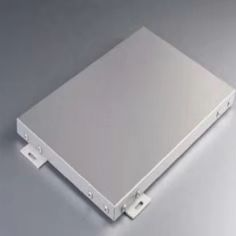

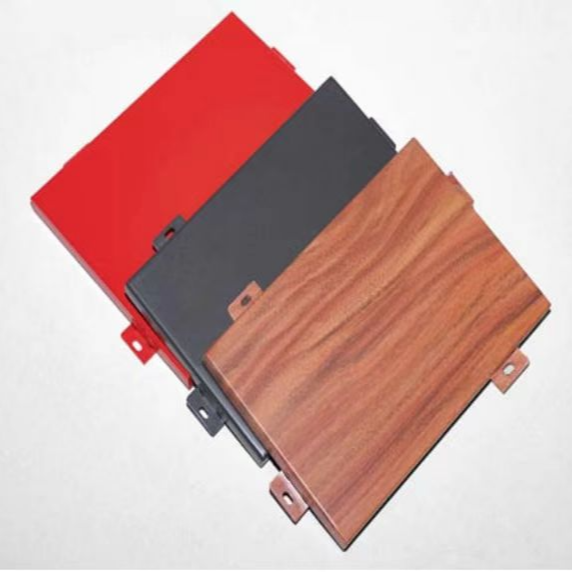







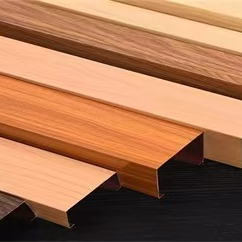
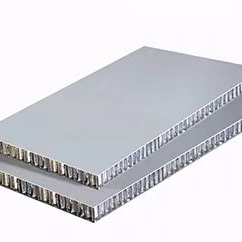
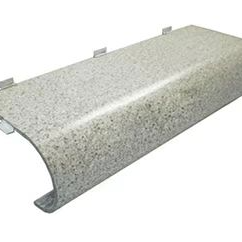
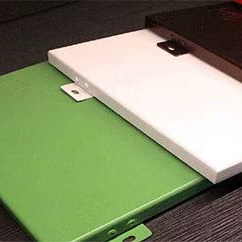
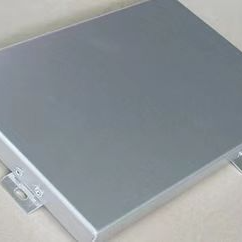
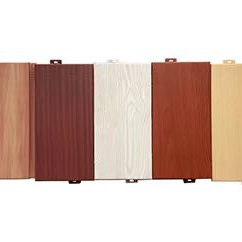
Fluorocarbon aluminum composite panels are high-performance architectural decorative materials made by spraying fluorocarbon coatings on high-quality aluminum alloy substrates after being processed by CNC molding technology. They are widely used in building facades, exterior walls, and interior decoration fields. Their core advantages include excellent weather resistance, lightweight and high-strength characteristics, and a wide variety of surface treatment effects. 1 2
Material Composition and Manufacturing Process
Base Material Selection: Utilizes high-strength aluminum alloy plates from the 3003, 5005 series, with thickness typically ranging from 1.5 to 4mm, ensuring material strength and corrosion resistance.23
Forming Process: Fabricated through CNC bending, molding, and other techniques to produce flat or curved complex shapes, maintaining flatness error of the sheet material less than 0.1mm.1
Surface Treatment:
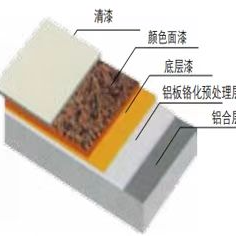
Pre-treatment such as cleaning and degreasing should be performed before coating.
Utilize a three-coat/three-bake or four-coat/four-bake process to apply PVDF fluorocarbon paint.
Coating thickness ≥ 30μm, adhesion reaches Grade 0 standard. 2 4
Core Performance Features
Excellent Weather Resistance: Resists ultraviolet rays, acid rain, and salt spray erosion, maintaining color for over 20 years. Cases show that iconic buildings like the Burj Khalifa in Dubai have remained in good condition after more than 15 years of use.45
Self-cleaning Ability: The fluorocarbon coated surface has strong hydrophobic properties, allowing rain to accomplish over 90% of the cleaning, reducing maintenance costs by 70% compared to glass curtain walls.46
Safe & Environmentally Friendly
Fire rating reaches A2 level (GB8624-2012).
Formaldehyde/VOC emissions-free, over 95% recycling rate