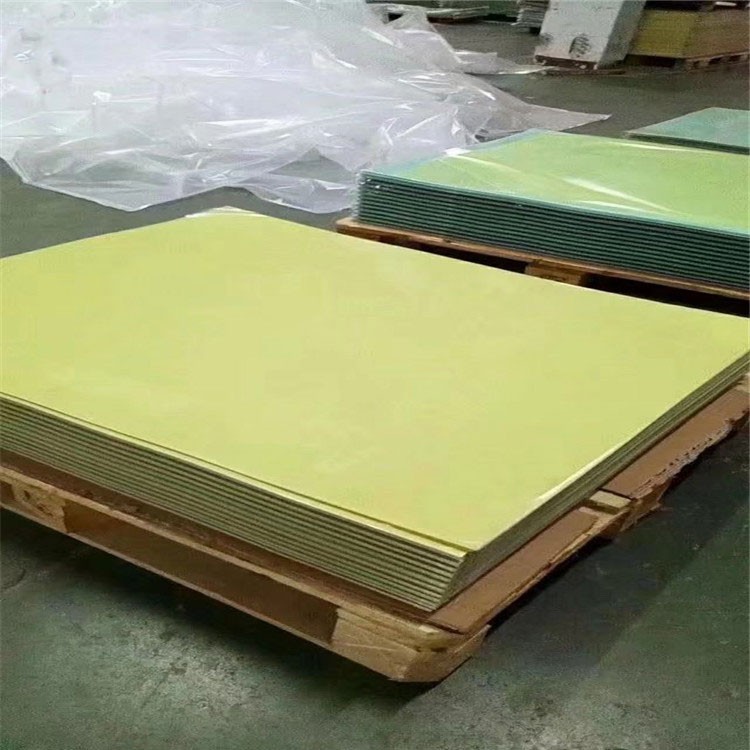


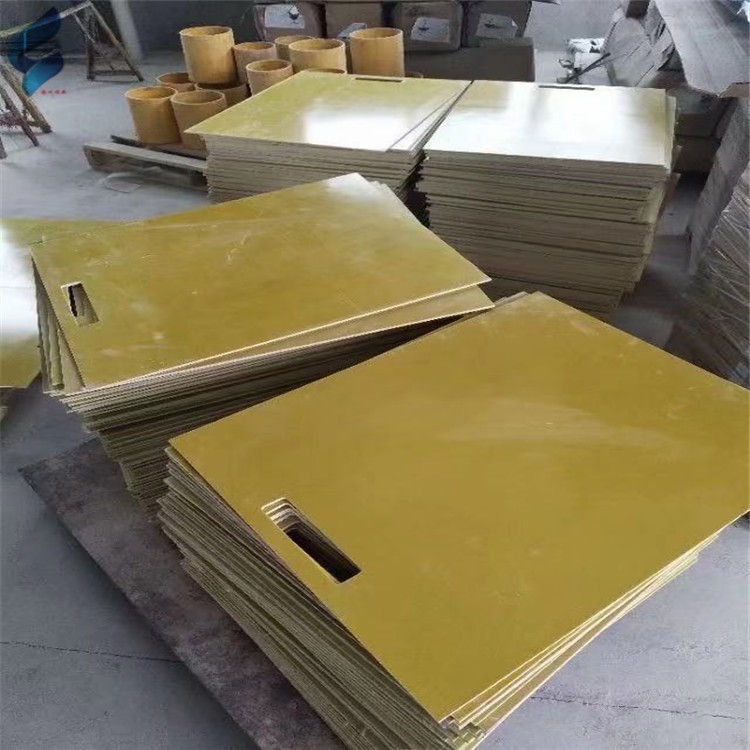
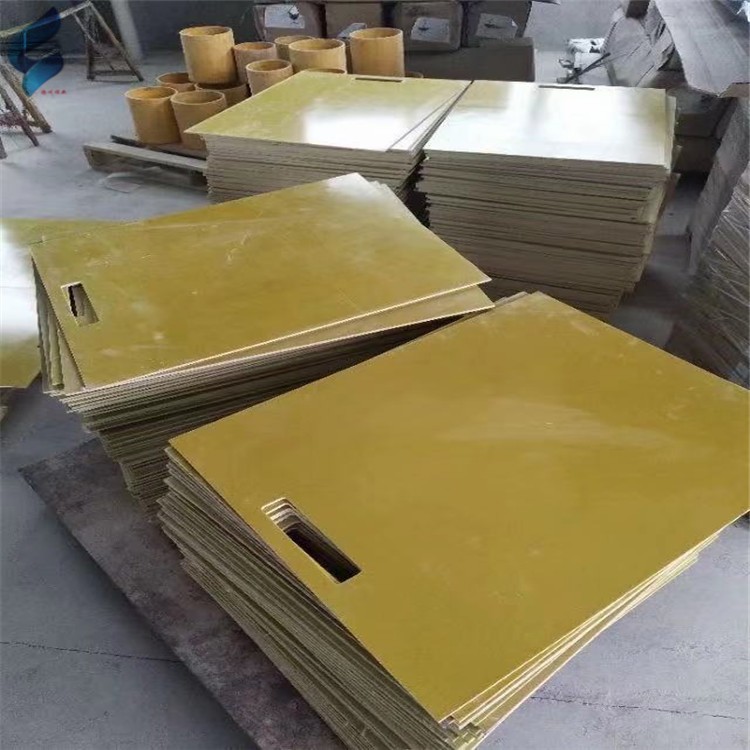









3240 Epoxy SheetElectrical glass cloth impregnated with epoxy resin, dried and heat-pressed. Epoxy resin is a general term for organic macromolecular compounds containing two or more epoxide groups in their molecules, with the exception of a few, their relative molecular mass is not high. The molecular structure of epoxy resin is characterized by the presence of active epoxide groups within the molecular chain, which can be located at the end, middle, or form a ring structure. The 3240 is the national standard brand number, corresponding to the EPGC201 type in IEC 893-3-2[1].
3240 is the national standard grade, corresponding to the EPGC201 type in IEC 893-3-2[1].
According to the JB-T 2197-1996 Classification, Nomenclature, and Model Compilation Method for Electrical Insulating Materials:
3240 - Four Arabic numerals
3 represents laminated products, wound products, and vacuum pressure impregnated products
Second "2" represents inorganic base laminates.
The third "4" represents the Temperature Index Level, 155 degrees.
The fourth digit "0" represents the product variety code.
3240 is full name Epoxy Laminated Glass Cloth Sheet
Surface of 3240 epoxy board should be flat, bubble-free, blemish-free, and wrinkle-free. Other defects that do not affect use are permitted, such as scratches, indentations, stains, and a few spots. The edges should be cleanly cut, and the ends should not have delamination or cracks.
Standard of Execution: GB/T1303.1-1998 (Natural), red, green, and black are the agreed standards.
Color: Natural (yellow), red, green, black, etc. (colors can be added, mixed to create various shades)
Characteristics: The cured epoxy resin system boasts excellent mechanical properties, with high tensile strength at moderate temperatures and good electrical performance stability under high humidity conditions.
Electrical Properties: The cured epoxy resin system is an excellent insulating material with high dielectric properties, resistance to surface leakage, and arc resistance.
Application: Suitable for mechanical, electrical, electronic, and electrical fields. Also used in the processing of insulating components, manufacturing various insulating accessories and parts for insulation structures.
Thickness: Normally ranges from 0.5 to 50mm, and can also be produced up to 50 to 150mm thick plates as per requirement.
Epoxy resins and the curing agents used undergo reaction through direct addition reactions or by the ring-opening polymerization of the epoxy groups within the resin molecules, without releasing water or other volatile by-products. Compared to unsaturated polyester resins and phenolic resins, they exhibit very low shrinkage during the curing process (less than 2%).
WeChat Official Account

Scan to follow Official Account