









Artificial mica production typically employs the internal heating method, with the technical scheme primarily utilizing three-phase AC to maintain a constant power heating of the graphite electrodes within the insulation furnace. This causes the mixed raw materials placed in the furnace to reach temperatures above 1357°C, where they transition from solid to molten state within a certain time frame, and then crystallize into mica crystals upon cooling. The current internal heating method generally meets product requirements, but the heat conduction used during the synthesis process is sharp-point discharge, meaning the electrodes are vertically arranged, with the upper end heating up quickly and the material melting early. Heat then transmits from the top of the furnace through the material to the plane radial and vertical directions, resulting in a slow overall thermal balance of the furnace. Additionally, the upper part of the material in the furnace becomes glassified due to prolonged heating, leading to non-production of mica crystals, while the material at the bottom of the furnace melts more slowly due to slower heating. Overall, the existing technology suffers from uneven material heating, which lowers product production quality. This is mainly manifested by the difficulty in melting the material at the bottom of the furnace, preventing the furnace from reaching higher temperatures that affect the size of the mica crystals; the temperature conduction from top to bottom is disturbed by multiple sources, directly impacting the yield of the product. Moreover, the concentrated heat release at the top is easily exchanged with the air,不利于 heat conduction, and increases heat loss, which is not conducive to energy conservation and environmental protection.
Product Description
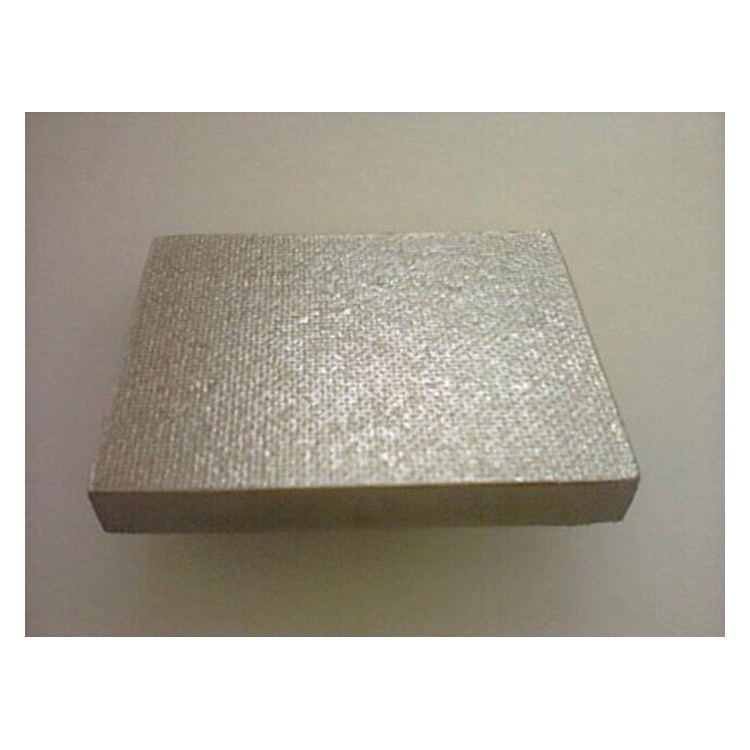
High-temperature resistant mica board is a hard, insulating material made by bonding high-quality mica paper with pamica as raw material using high-temperature silicone resin and baking compression. It boasts excellent insulation and high-temperature resistance, capable of long-term use at temperatures up to 900-1000 degrees Celsius. It is widely used in industries such as electronics, metallurgy, chemical engineering, and high-end household appliances. The product has passed the UL safety certification, file number E216697, and is compliant with the IEC 371-3-3 standard.
Specs
Panel size: 1000x600mm
1000x1200mm
10002000mm (Large)
Can stamp various parts according to drawings, with stamping thickness ranging from 0.1mm to 1.9mm.
Product Certification: Passed
Temperature Resistance: 1000 (°C)
Category: White Sheets
Model: PS5662
: PAMICA ;
Custom Processing: Yes
WeChat Official Account

Scan to follow Official Account