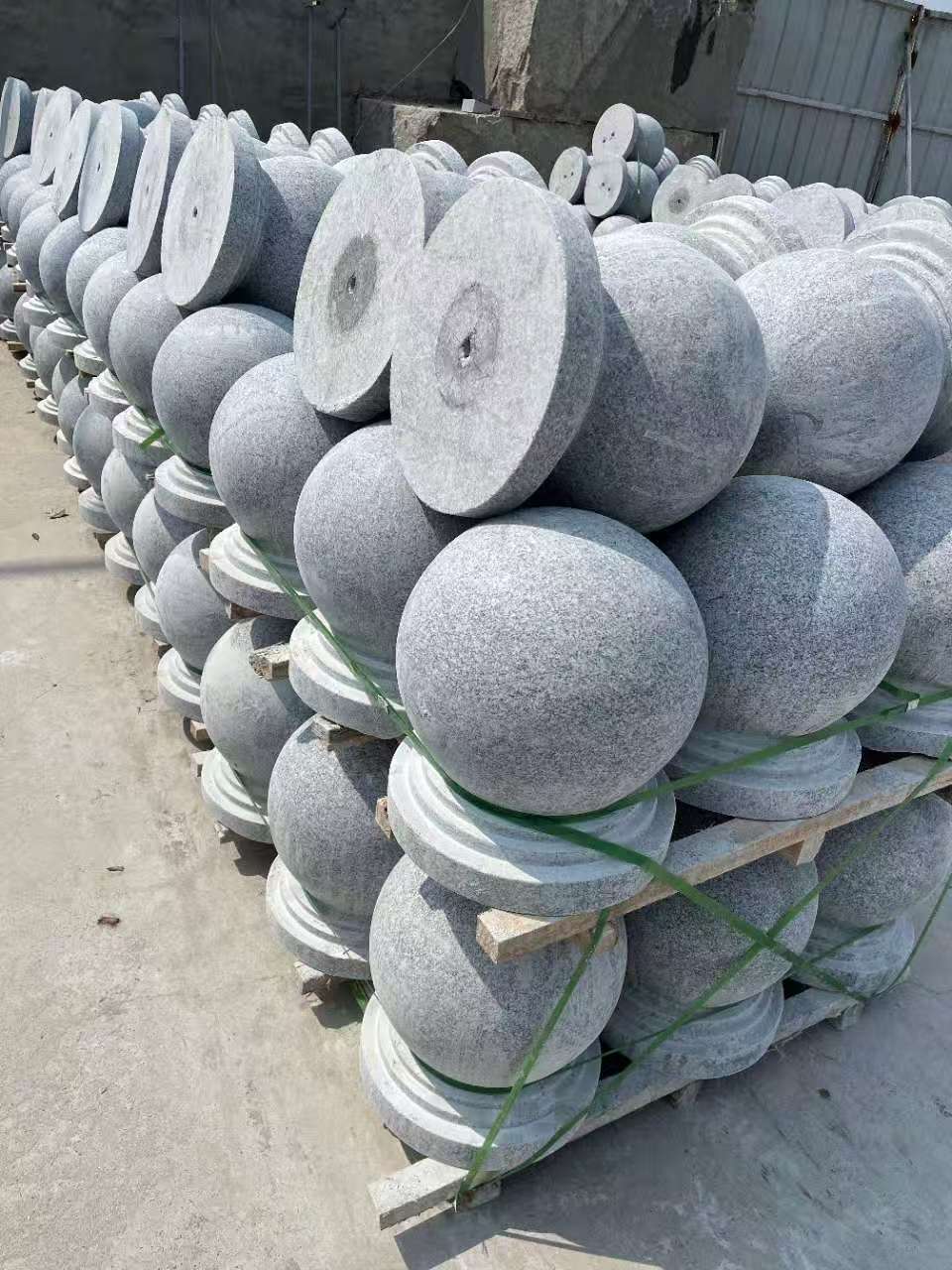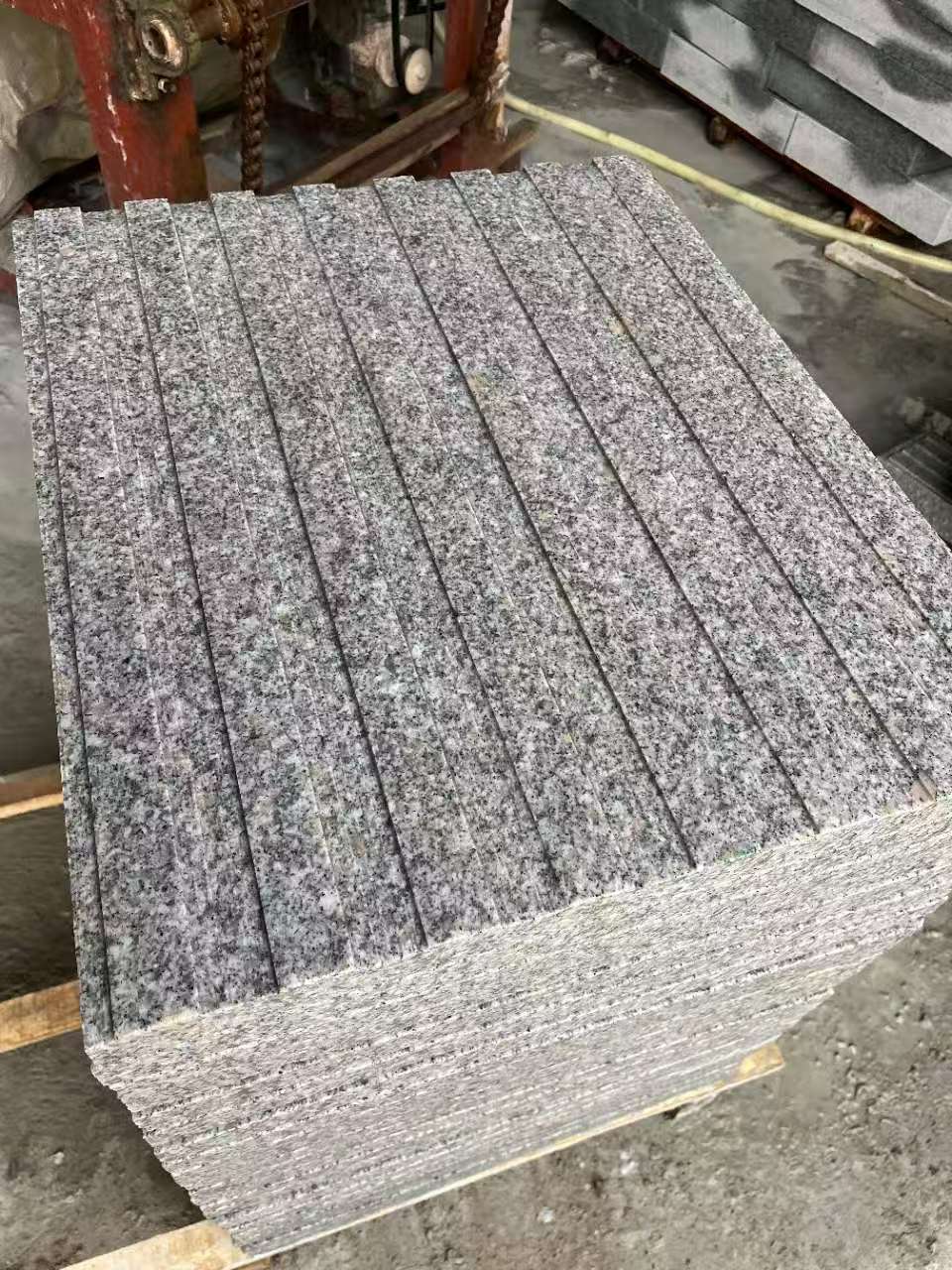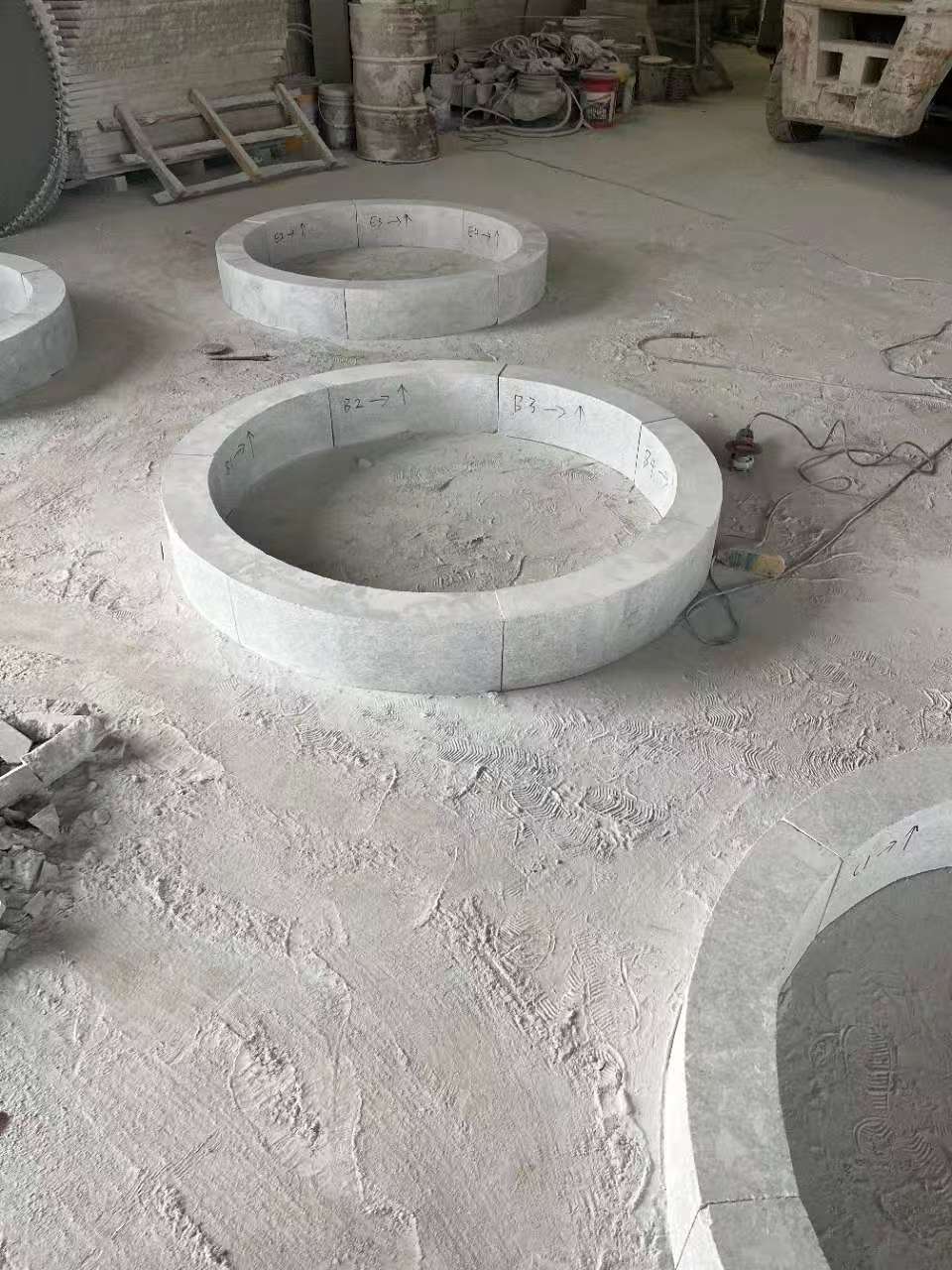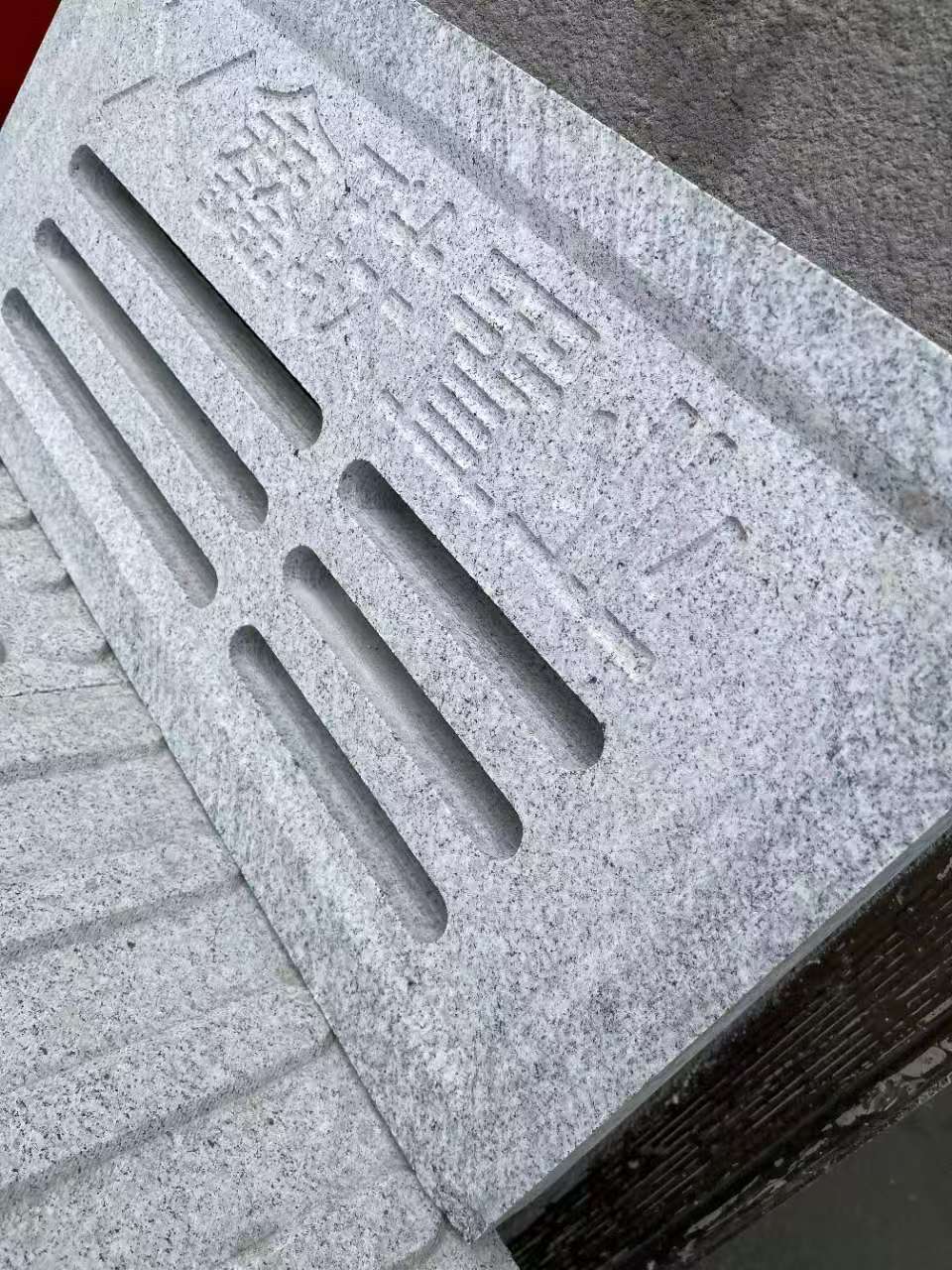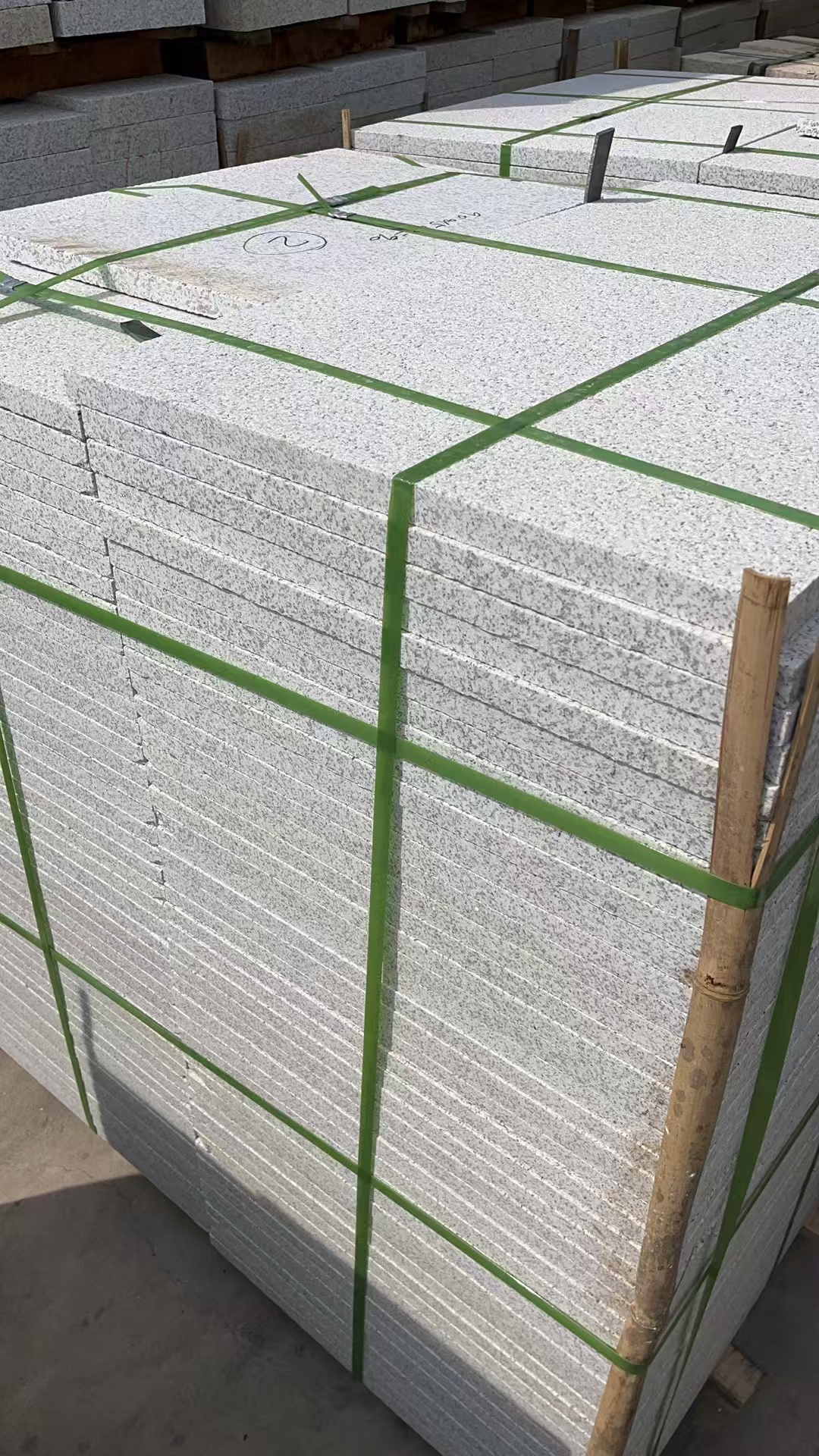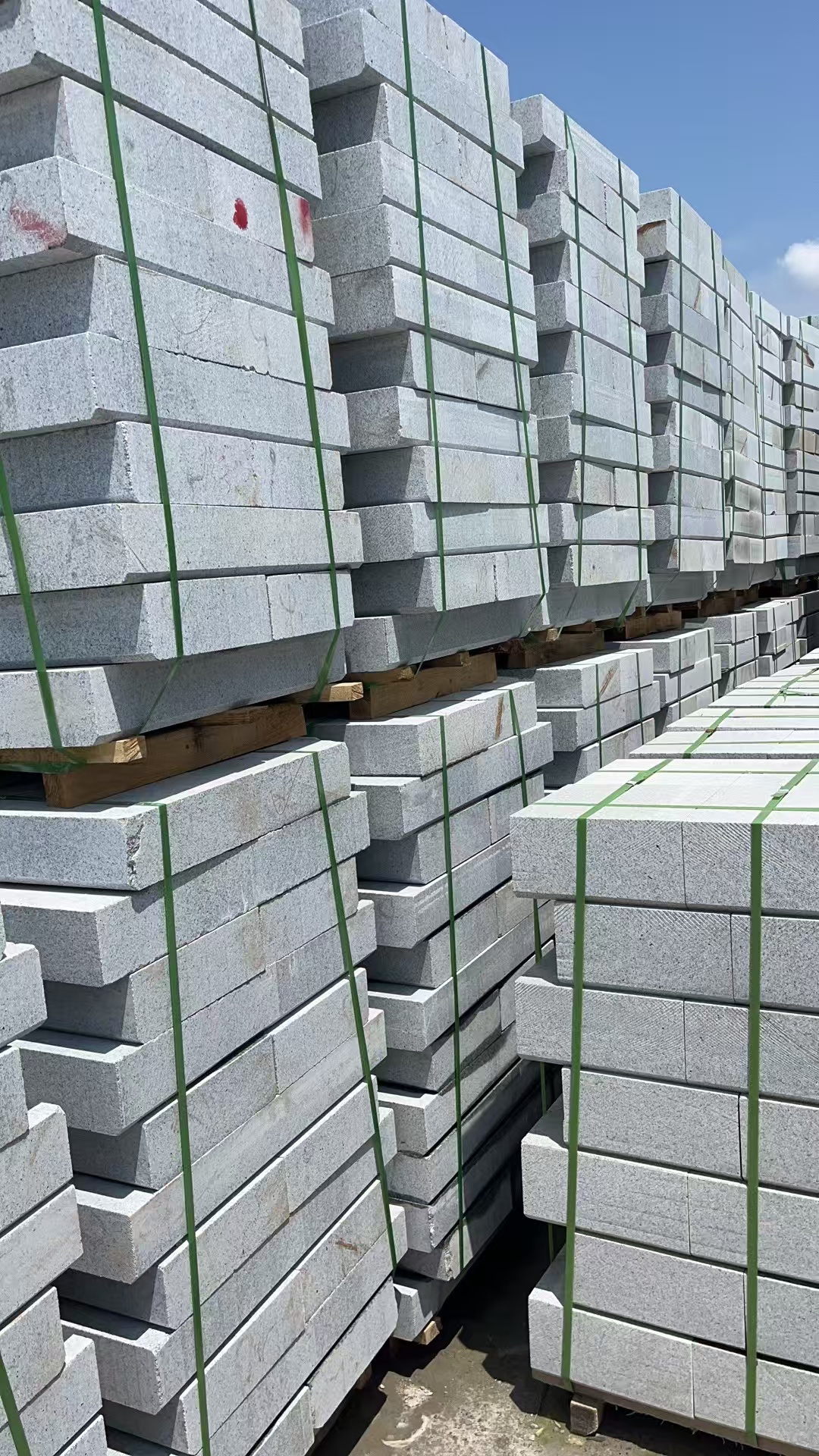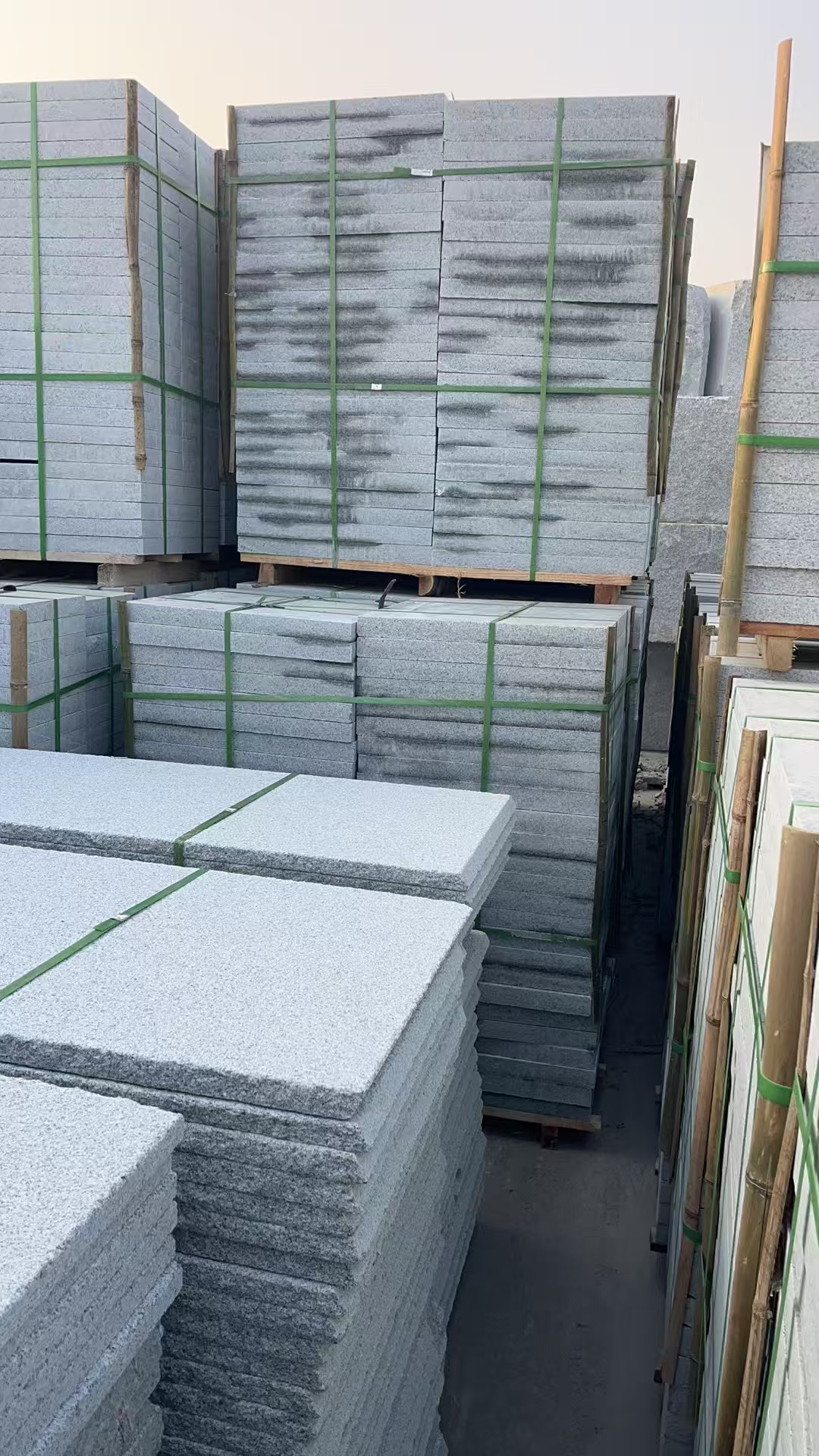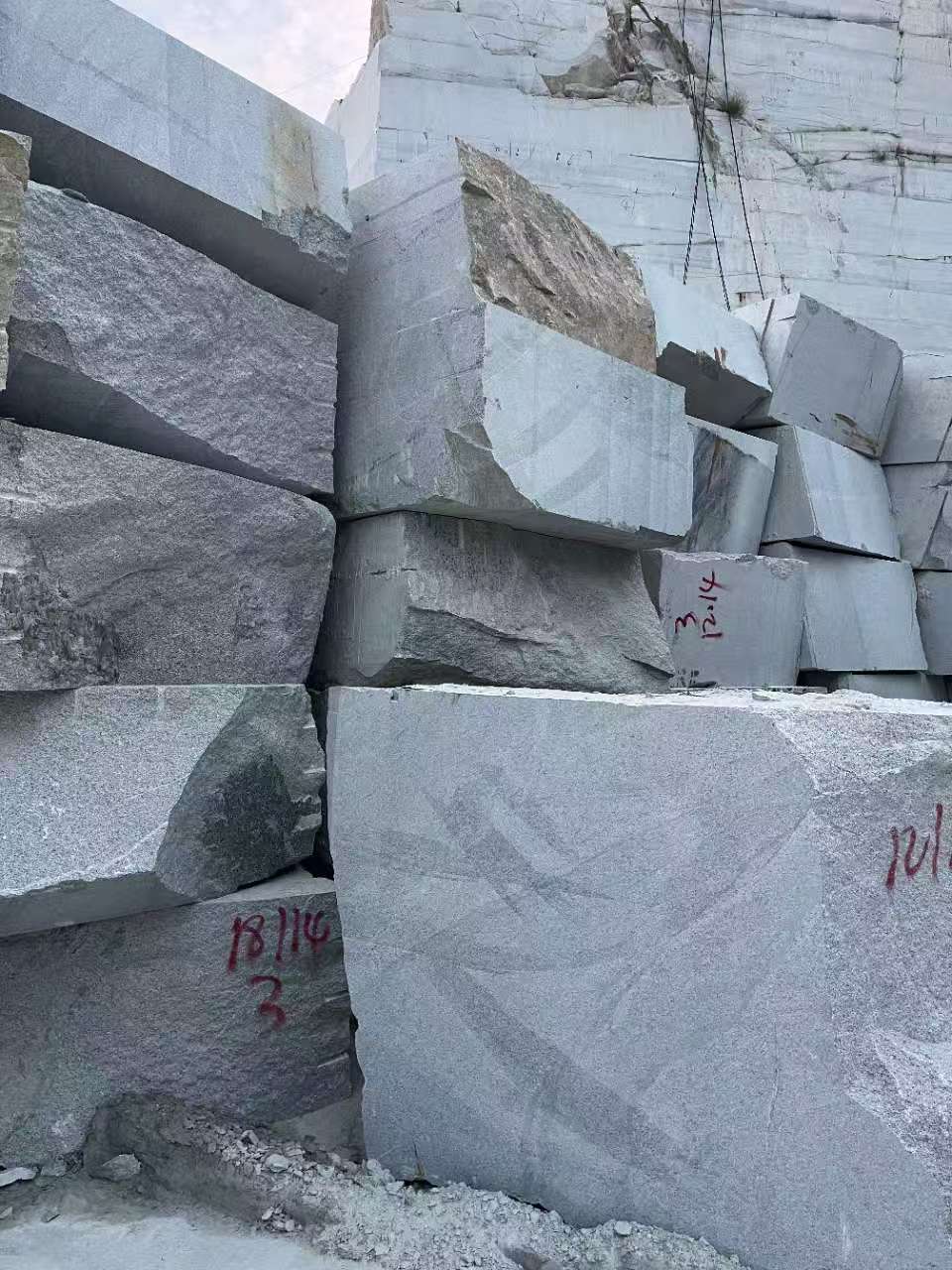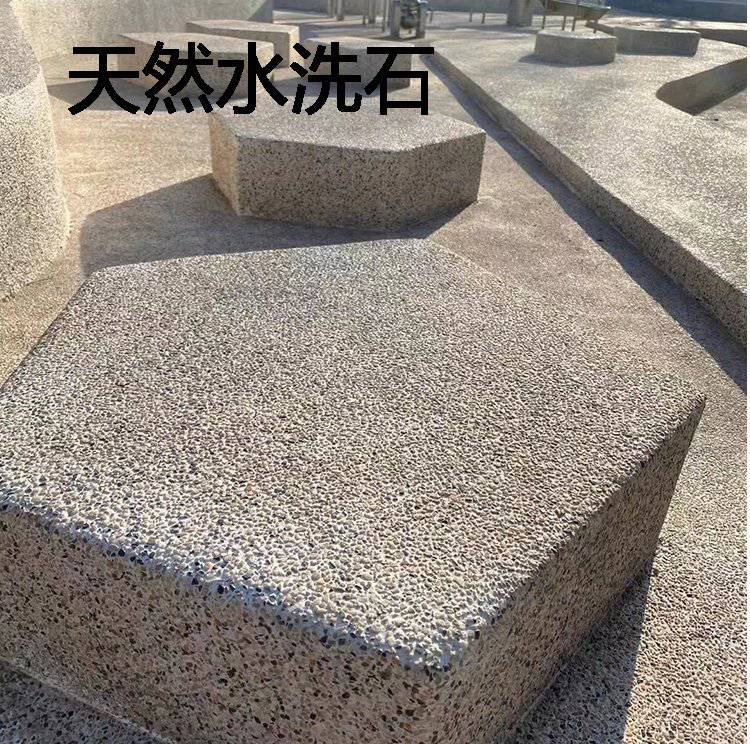

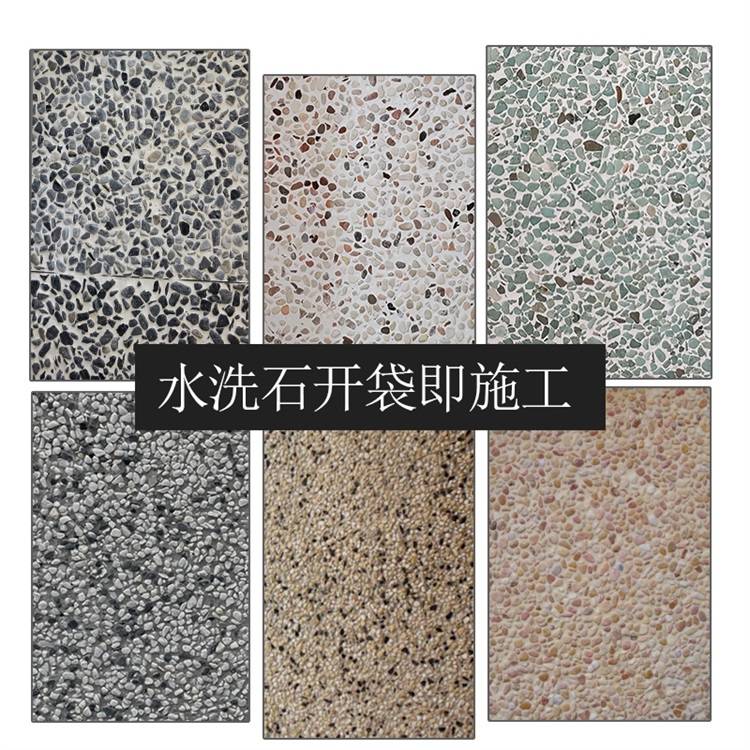









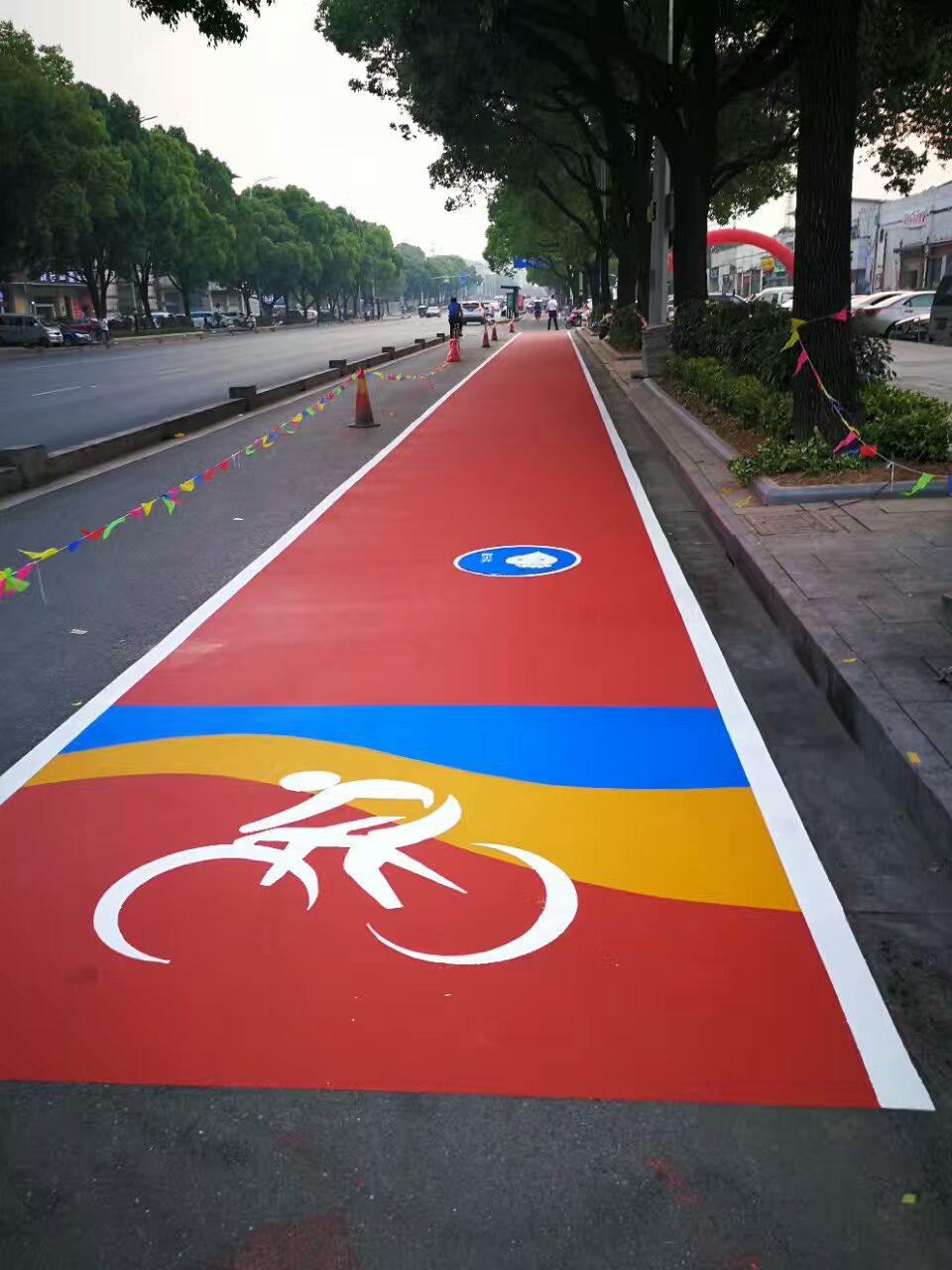
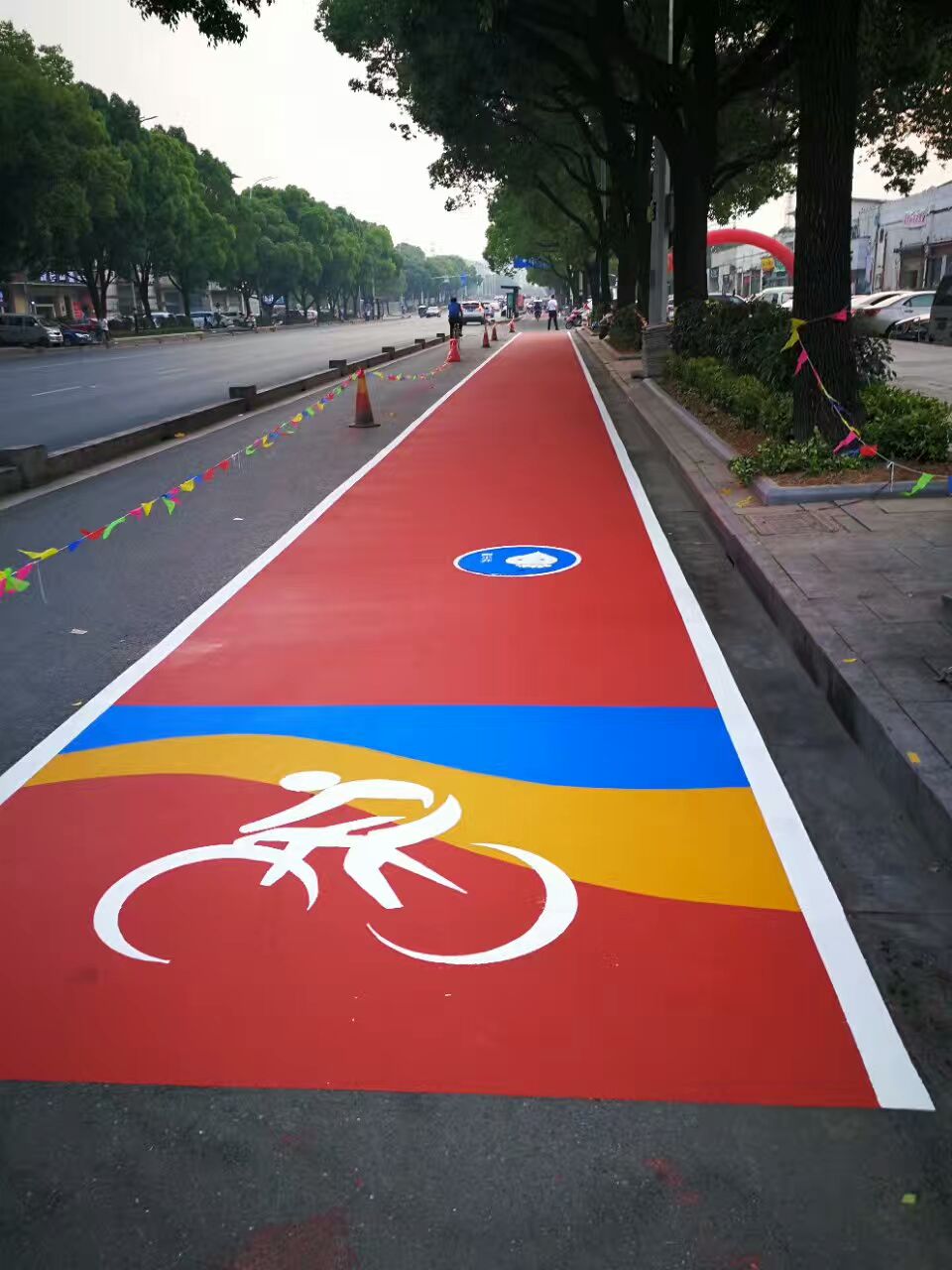
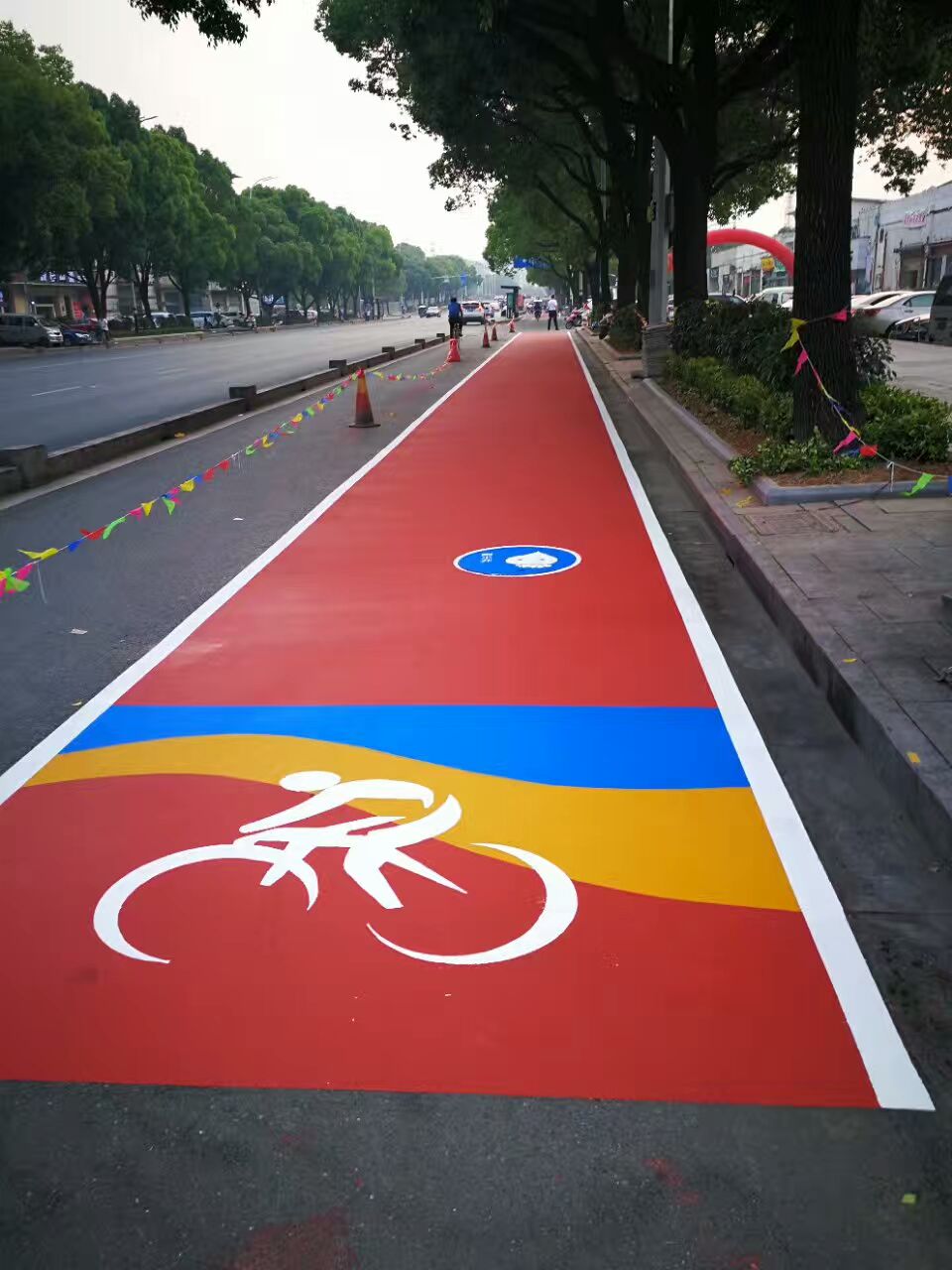
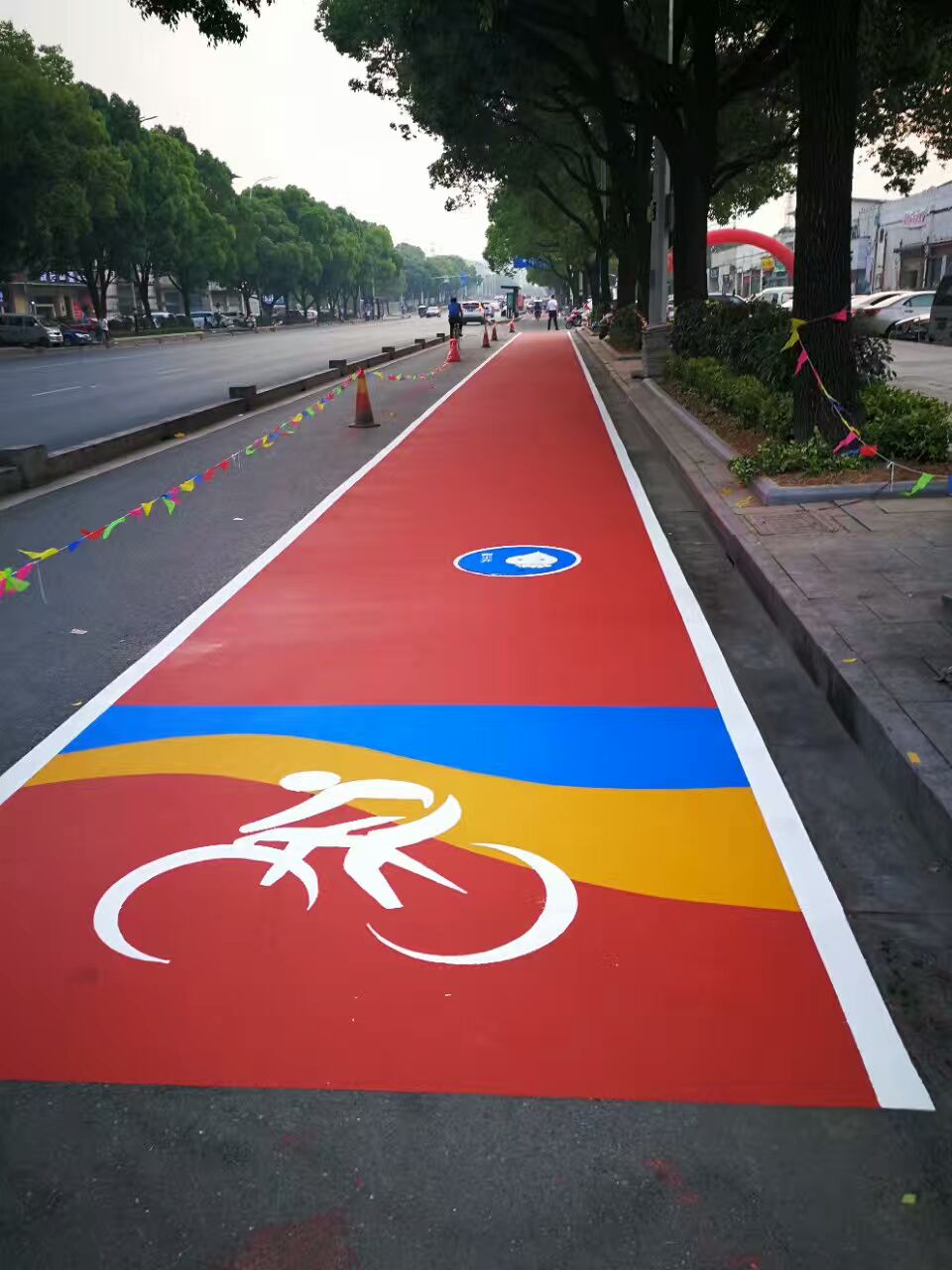
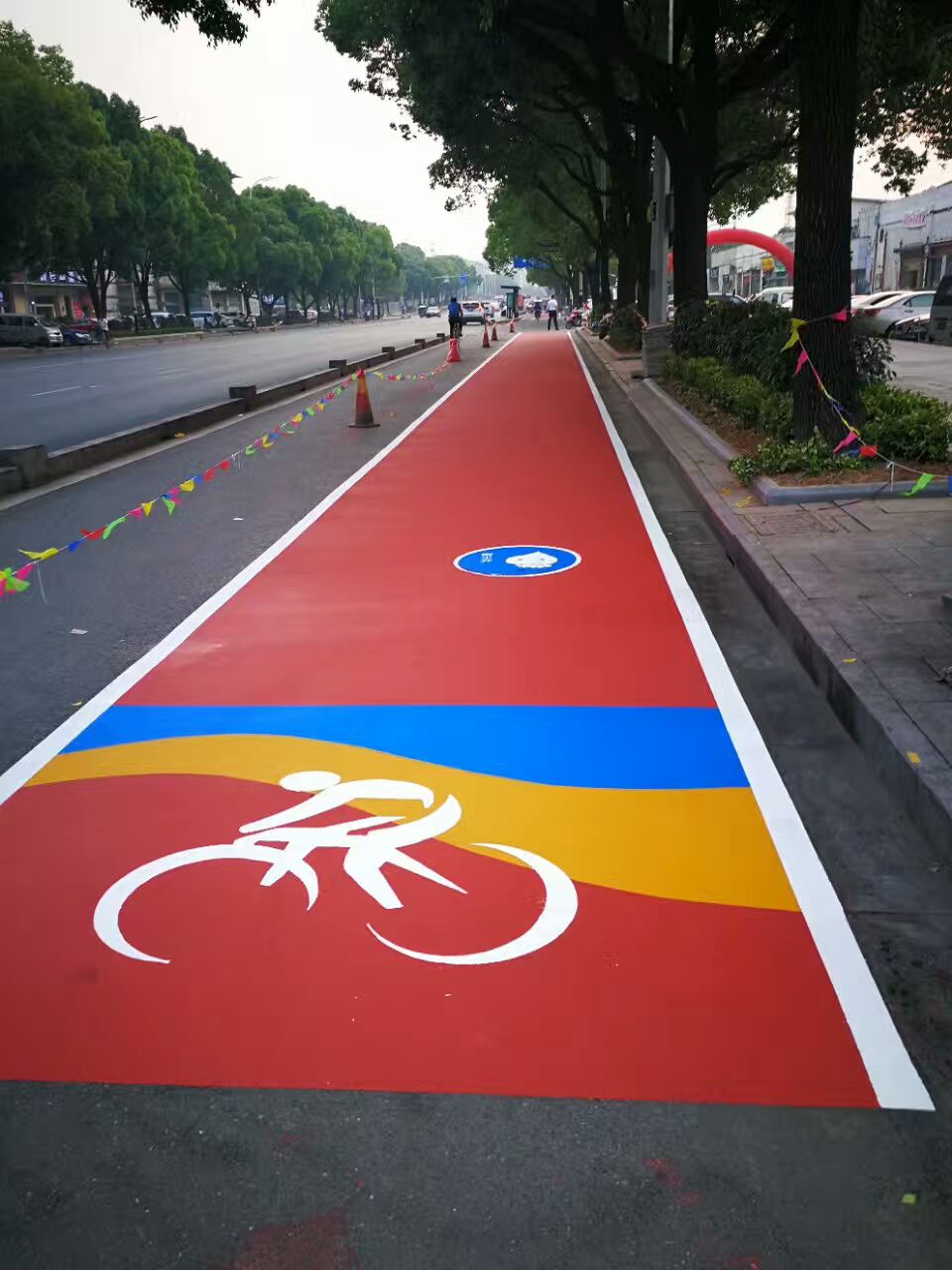
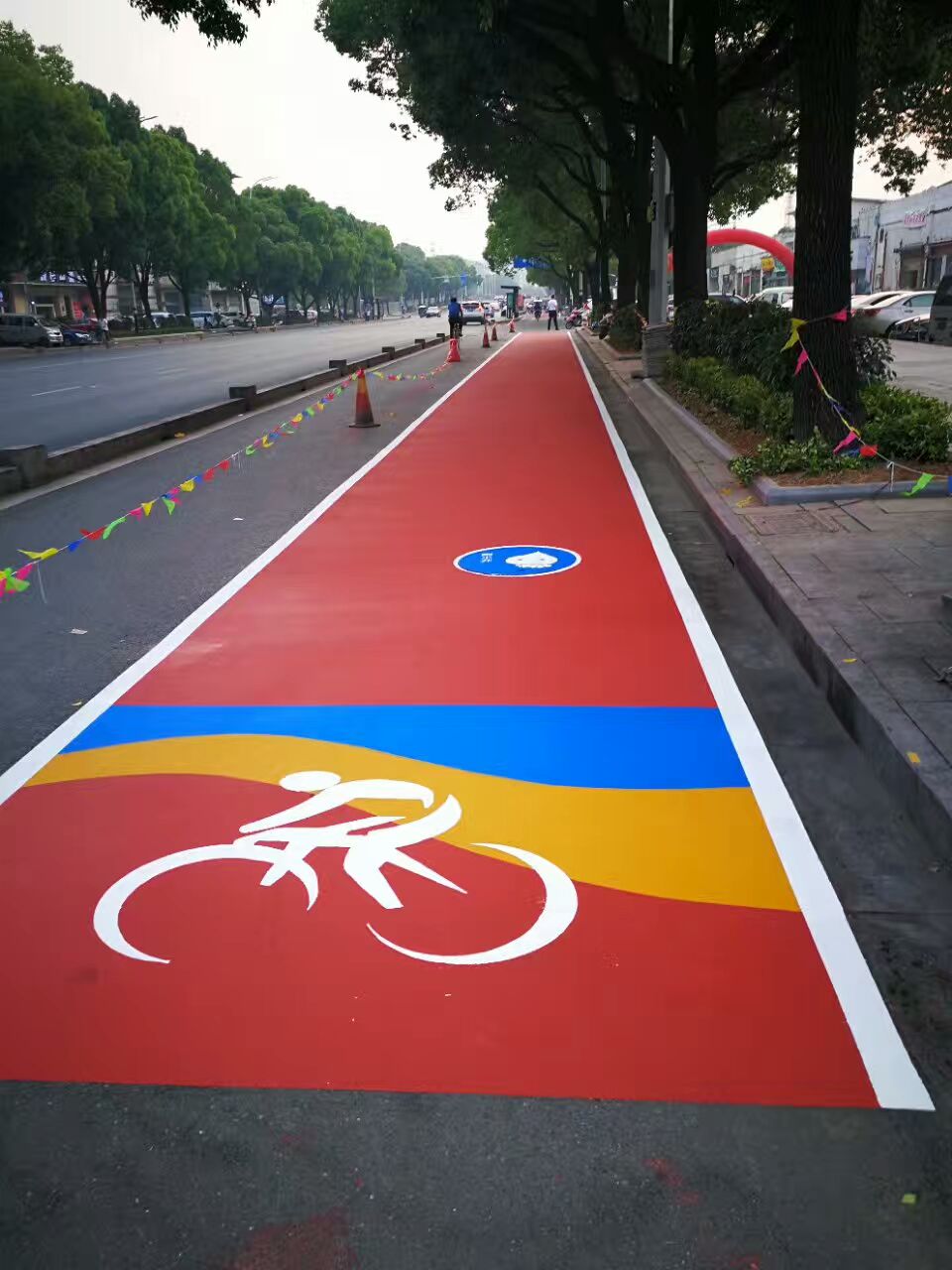
Water-washed stone is a highly important material for decorative roadways, featuring various shapes and a diverse array of colors, making it aesthetically pleasing and exquisite. Unlike marble or polished stone, it has a smoother surface, which makes it a highly demanded decorative option. There are numerous manufacturers of water-washed stone, scattered throughout the country, to cater to consumer demand for this material and offer greater convenience.

Water-washed stone is a decorative technique that involves mixing natural river or sea pebbles or gravels with cement in a specific ratio, applying it to the base, flattening it with a load-bearing tool, cleaning the surface adhesive to reveal the original appearance of the stones. It resembles the water-washed stone technique popular in the 70s and 80s.

The difficulty in wall construction is greater, but quality is easily ensured; ground construction is not too challenging, yet it's prone to cracking and localized settlement. Therefore, the foundation design and construction must ensure the stability of the subgrade, and it may be necessary to use reinforced concrete foundation pads. Additionally, settlement joints should generally be set at intervals of 5 to 6 meters.

Primary Characteristics of Washed Stone
1. The pebbles are evenly distributed with no color variation; the flatness, patterns, and designs are accurately constructed, with clear lines and no distortion.
2. Short project timeline, reducing engineering costs.
3. A clean construction site and cost-saving engineering.
4. Reduced construction complexity and labor intensity, enhancing efficiency and lowering labor costs.
5. Any curved or angular construction surface can be seamlessly fitted, greatly enhancing the design space for architectural appearance.