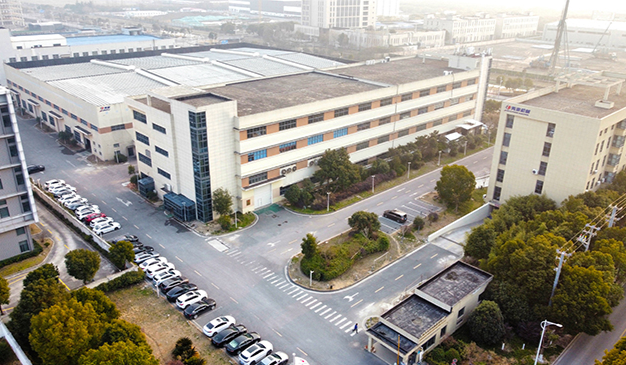


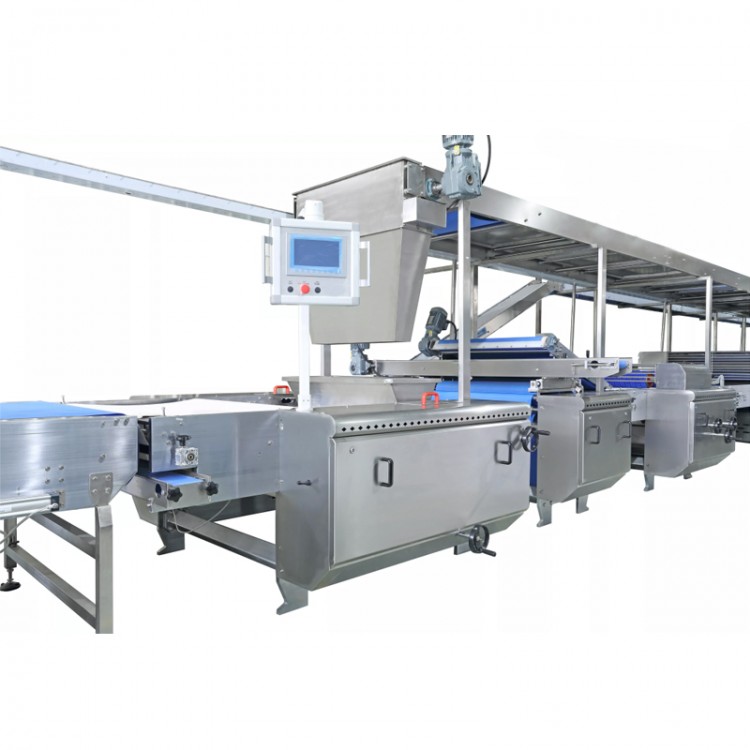
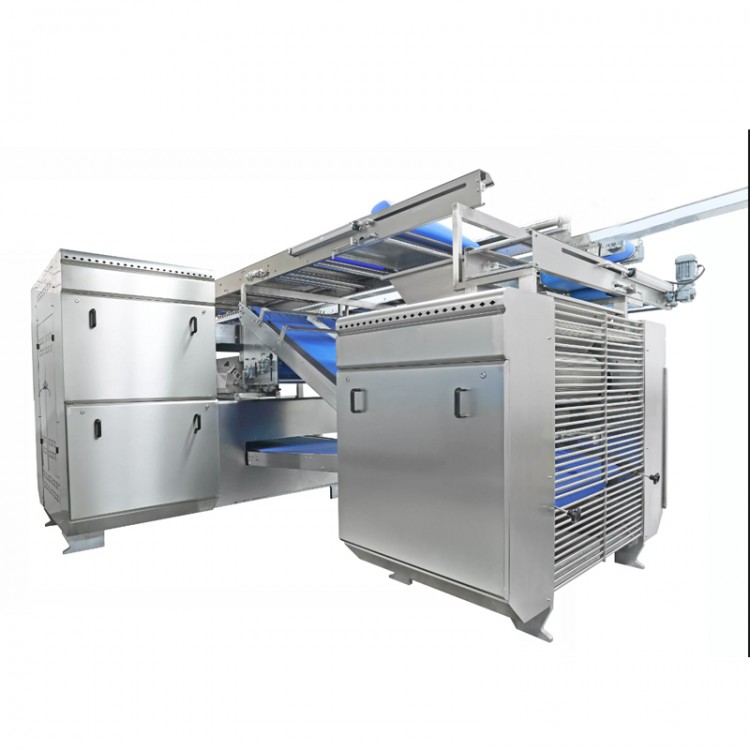












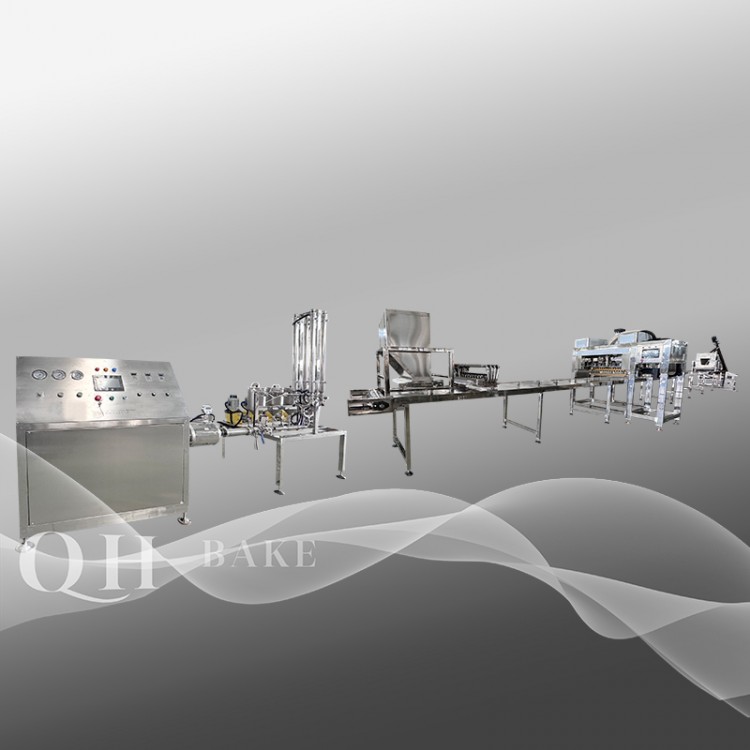
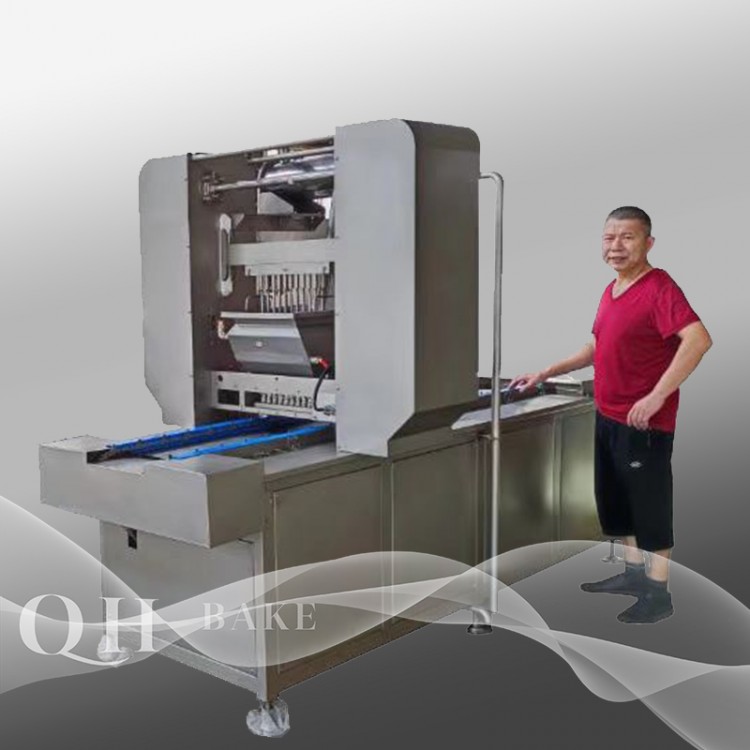
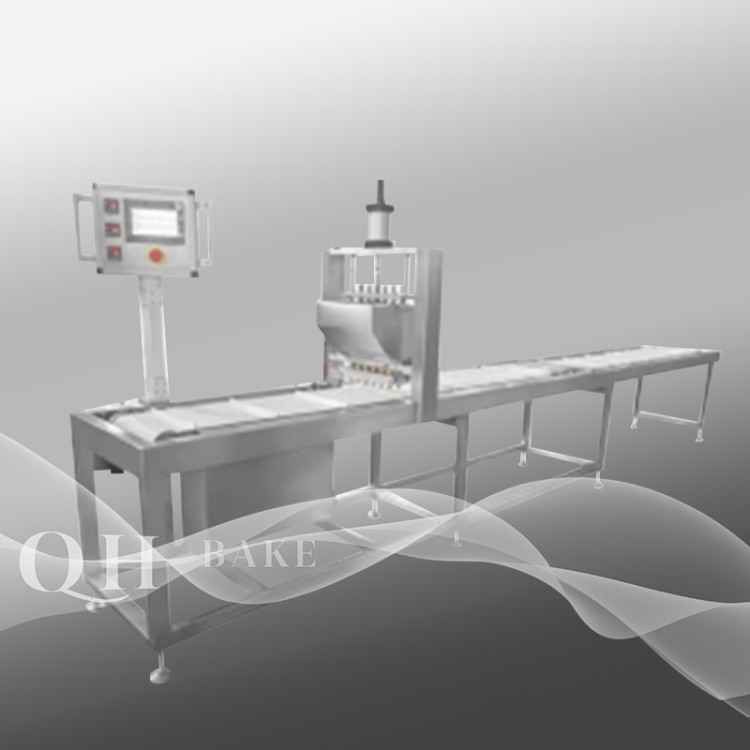
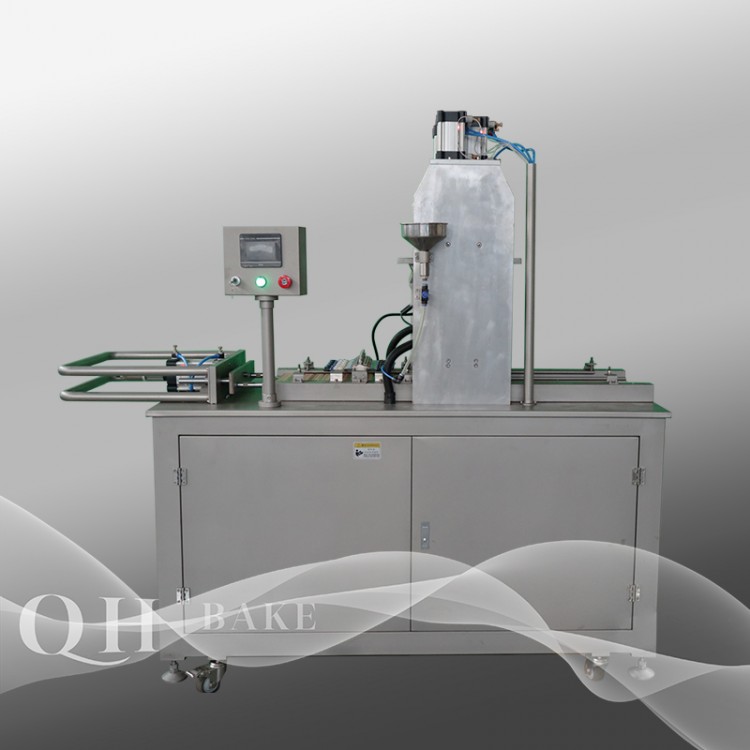
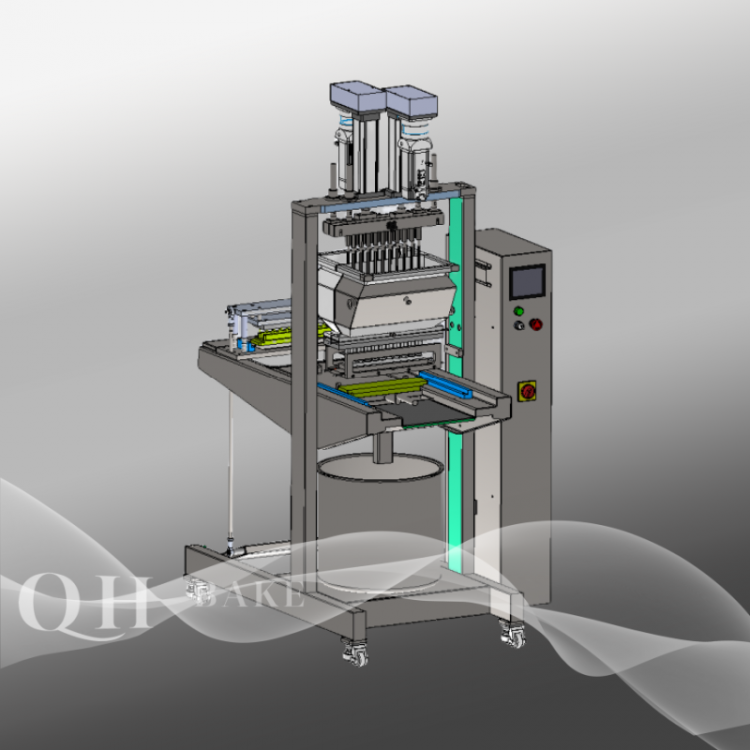
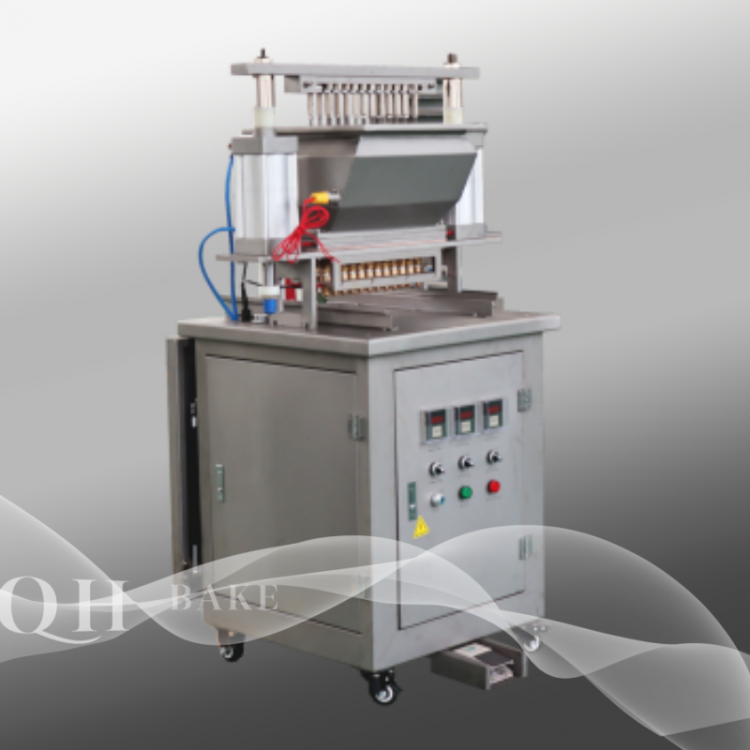
This production line series can be customized to meet customers' site requirements, biscuit types, and process needs by combining different molds and tunnel ovens with various types of energy sources, along with various recipe processes to produce a variety of biscuit types.
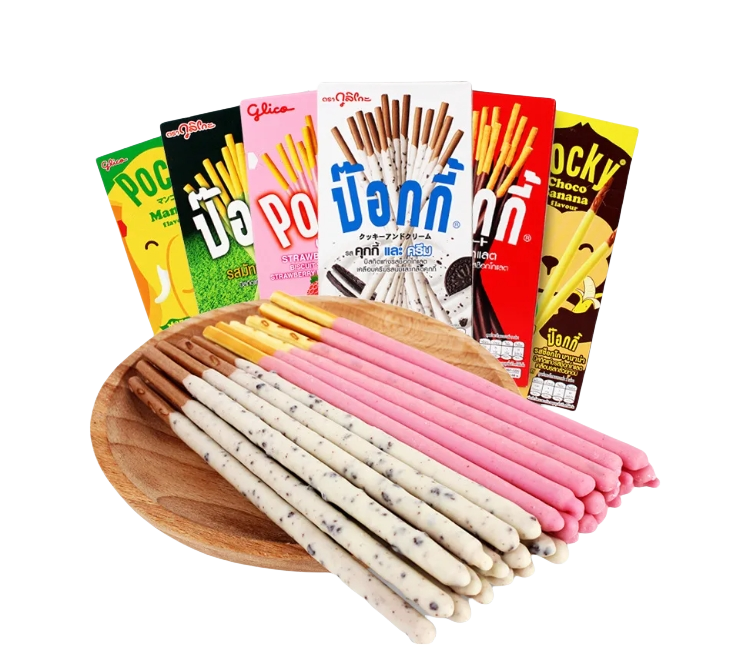
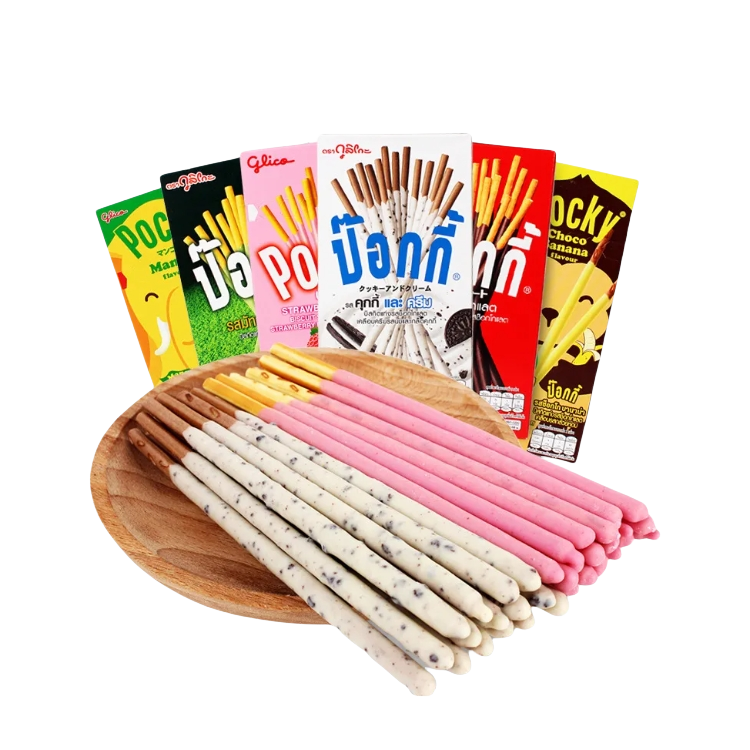
As for flexible biscuits: Soda crackers, finger biscuits, animal crackers...
Crunchy Biscuits: Peach Crisp, Caramel Biscuits, Oreo Biscuits...
Flexible Biscuit Making Equipment
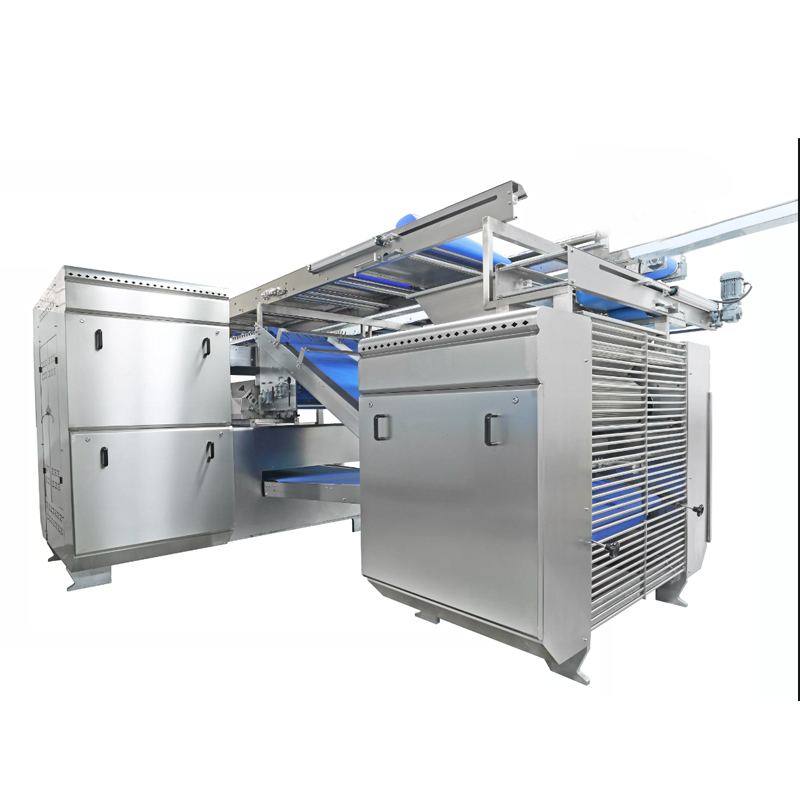
Resilient biscuits, commonly known as doughy biscuits, are made from dough that requires fermentation for most of its ingredients. We recommend using a layering machine along with 3-4 sets of roller mills and a cutter for production. This results in biscuits with a strong crispiness, a smooth and even surface, and a layered cross-section, like soda biscuits, animal biscuits, crisp biscuits, and finger biscuits, etc.
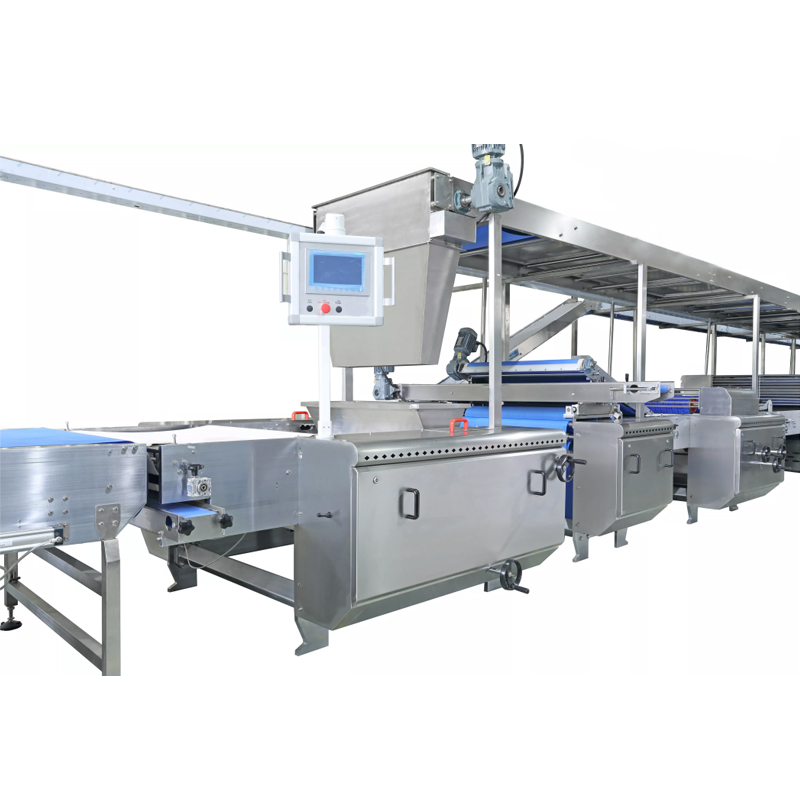
Equipment Principle: After the dough is mixed and fermented, either in vertical or horizontal mode, it passes through a stacker (optional), a triple-roll feeder, and then through a three-roll calender. It is then cut into shape by a mold roller. Any excess dough is separated by a wafer separator and returned to the first feeding machine. The shaped biscuits are then transported to the next baking equipment.
Crisp Biscuit Machinery
Crumbly biscuits are made from a higher proportion of oil, low-gluten flour, and sugar. These biscuits have a crisp texture, forming less gluten during the dough mixing process, which offers good plasticity and adhesion. Therefore, we recommend using roller printing machines for clients, which can enhance the patterns and fun aspects of the biscuits. Common biscuits include: Peach Crisps, Oreo, Oatmeal Cookies, Caramel Butter Cookies, etc.
Equipment Principle: After the dough is worked horizontally, it is directly conveyed to the crisp mold press for roller embossing. The conveyor belt bottom features rubber rollers to assist in the grip between the mold roller and the conveyor belt, ensuring better printing and shaping of the biscuits with no excess waste. The biscuits can then be sprinkled with salt and sugar directly before being baked in the oven. Typically, the baking time required is shorter than that for flexible biscuits.

Model | JYB-280 | JYB-400 | JYB-600 | JYB-800 | JYB-1000 | JYB-1200 | JYB-1500 | Note remark |
Production Capacity (kg/h) | 100 | 250 | 500 | 750 | 1000 | 1250 | 1500 | Up to (Max) |
Overall Equipment Length (mm) | 29600 | 64500 | 85500 | 92500 | 125000 | 125000 | 150000 | If No U Turn Conveyor |
Baking Temperature (℃) | 190-240℃ | 190-240℃ | 190-240℃ | 190-240℃ | 190-240℃ | 190-240℃ | 190-240℃ | Depend |
Overall Power Whole line power ( kW ) | 105 | 190 | 300 | 400 | 500 | 600 | 750 | If Use Electric Oven |
Overall Weight Whole line weight ( kg ) | 6000 | 12000 | 20000 | 28000 | 35000 | 45000 | 55000 | Approx |
Production Line Composition
The fully automatic biscuit production line integrates multiple advanced machines, achieving full automation from raw material mixing to finished product packaging. Key equipment includes:
Dough Mixer: Efficiently blends flour, sugar, fats, and other raw materials to form a uniform dough.
Dough Sheet Machine: Converts dough into uniformly thin sheets.
Biscuit Shaping Machine: Utilizes various molds to press dough into different shapes for biscuits.
Tunnel Oven: Equipped with electric, gas, or diesel heating options, ensuring even baking of cookies.
Cooling conveyor: Cools baked biscuits to stabilize their texture.
Spraying Machines: Sprays oil or other coatings as needed to enhance taste and appearance.
Packaging Machine: Automatically completes the packaging of cookies, preparing the product for distribution.
Working Principle
Dough Preparation: The dough mixer combines various raw materials into a uniform dough.
Dough Sheet Pressing: The sheet press turns dough into flat sheets of a specified thickness.
Molding: The biscuit molding machine cuts the pressed dough into the set shape using molds.
Baking: After shaping, the dough sheets are baked in a tunnel oven, with precise temperature control ensuring even heating.
Cooling: Baked biscuits are cooled on a conveyor belt to stabilize their texture.
Spraying and Coating: Optional spraying machines add flavor and luster to biscuits.
Packaging: Afterward, the packaging machine automatically completes the packaging process.
Technical Features and Advantages
Highly automated: Reduces manual operations, enhancing production efficiency. The entire production line, from raw material input to finished product packaging, is fully automated, saving labor costs and improving production efficiency and product quality consistency.
Diverse Product Range: By changing molds and adjusting formulas, we can produce various types of biscuits, such as cream biscuits, filled biscuits, soda biscuits, animal-shaped biscuits, and vegetable-flavored biscuits, to cater to the needs of different consumer groups.
Energy-saving and Efficient: The oven employs energy-saving technology, such as quartz heating tubes and an advanced temperature control system, reducing energy consumption. Compared to traditional ovens, it can save energy.30%。
Easy to operate: A user-friendly control panel and an intuitive interface make it easy for operators to manage the production process.
Sanitary Design: Made from high-quality stainless steel, ensuring food safety and hygiene, and easy to clean and maintain, meeting the stringent standards of the food processing industry.
Customizable Production Volume: Adaptable to meet customer demand, suitable for various production scales from small to large, with a wide range of equipment models to flexibly satisfy the capacity requirements.