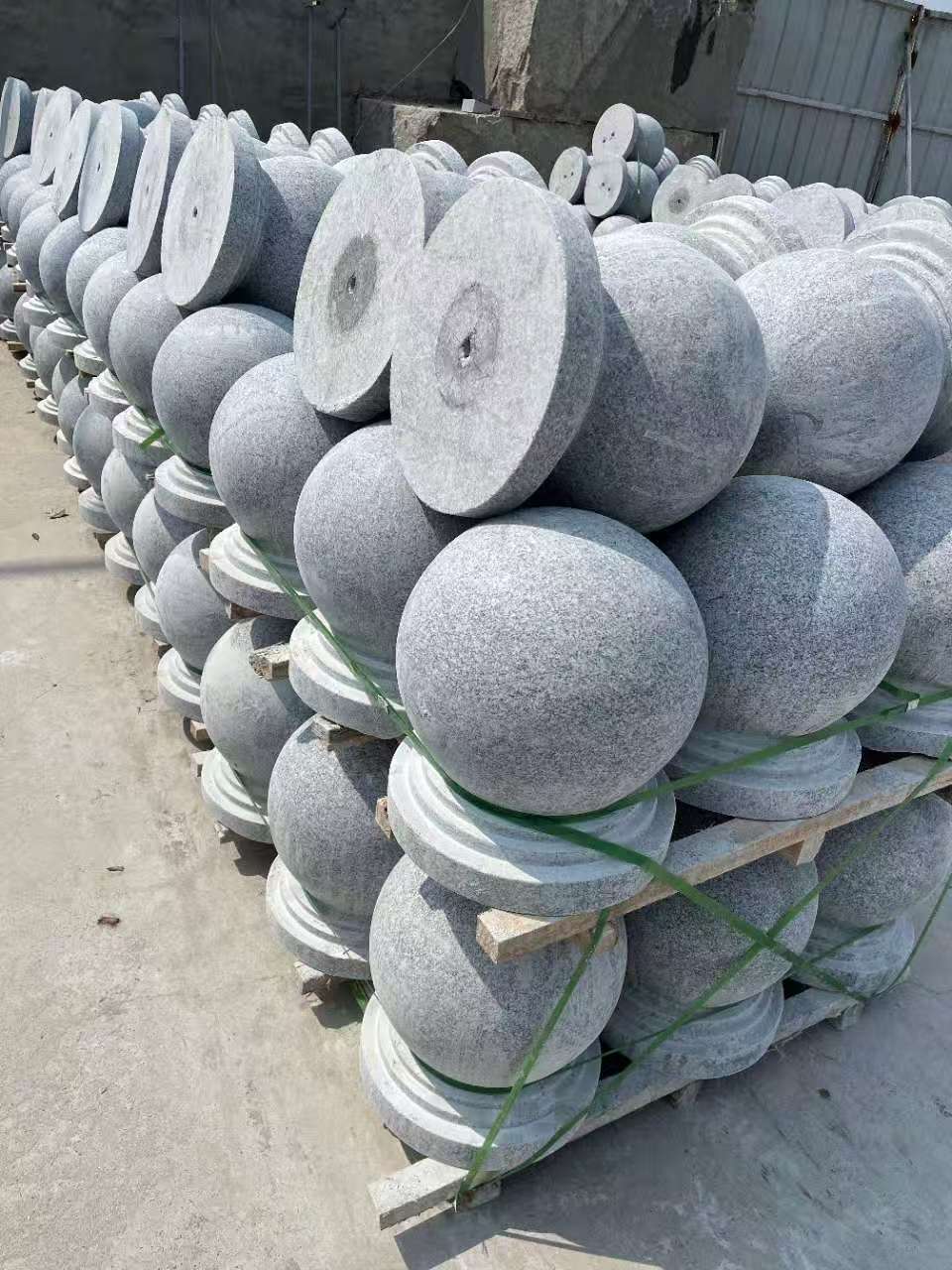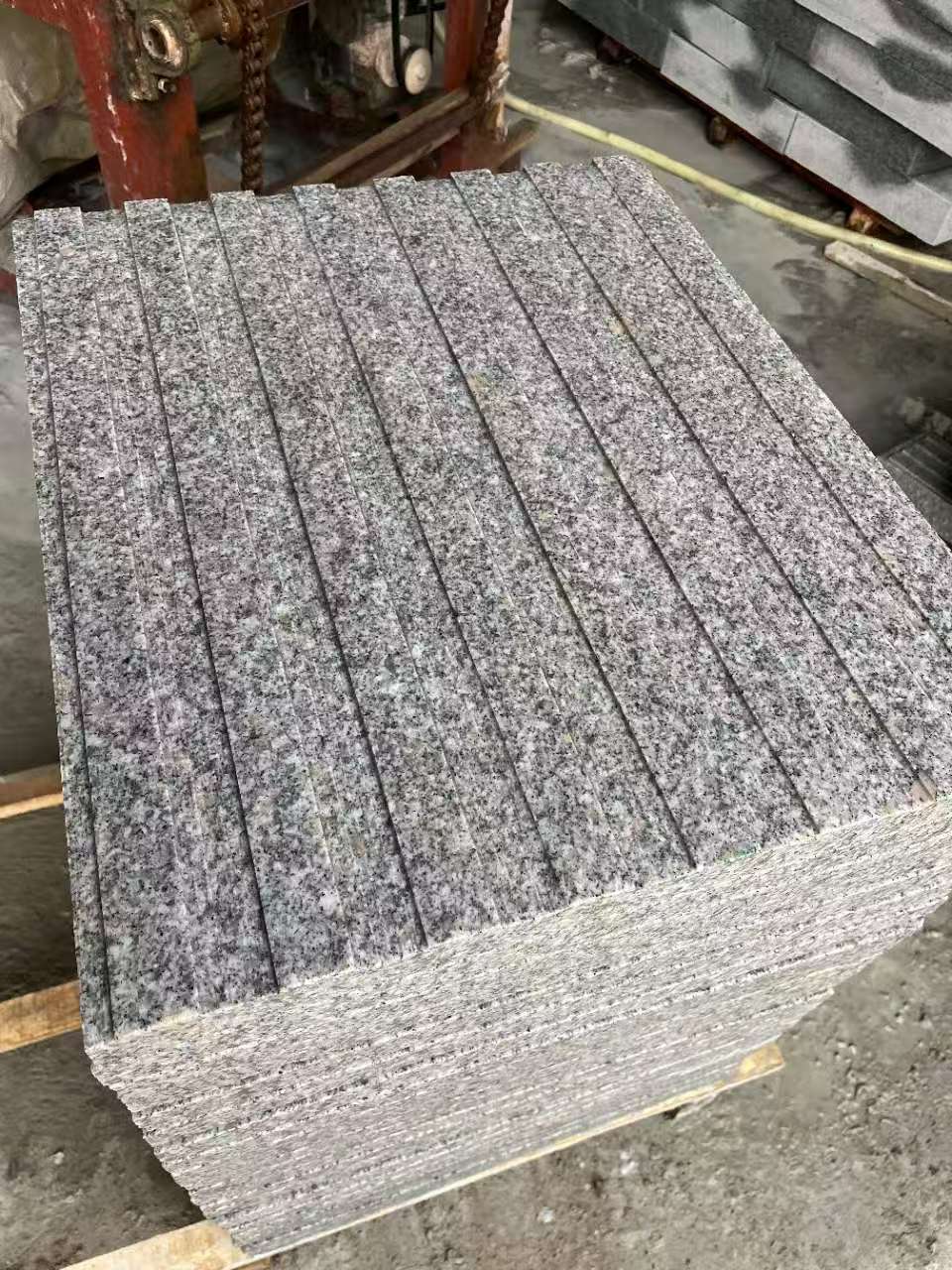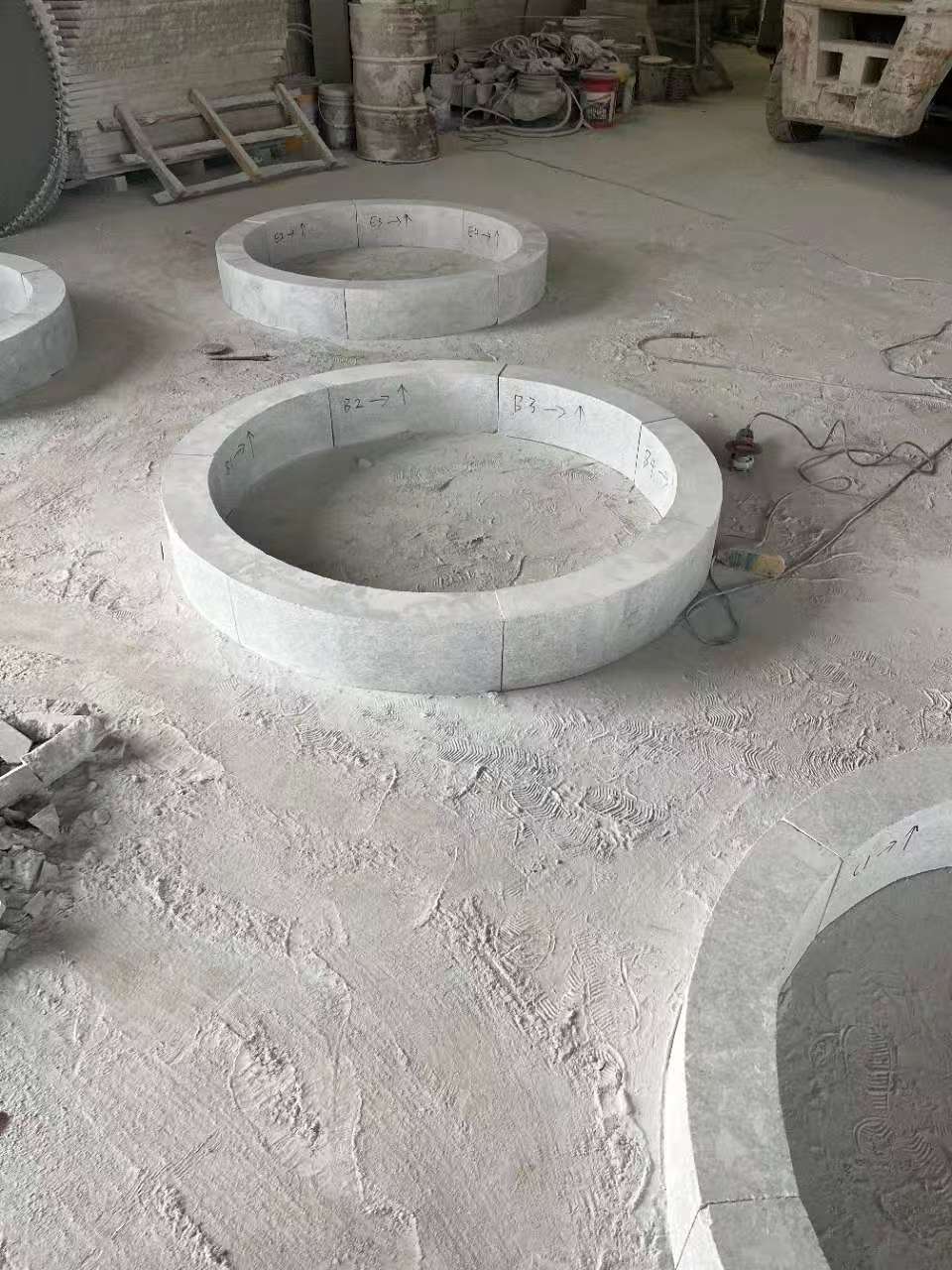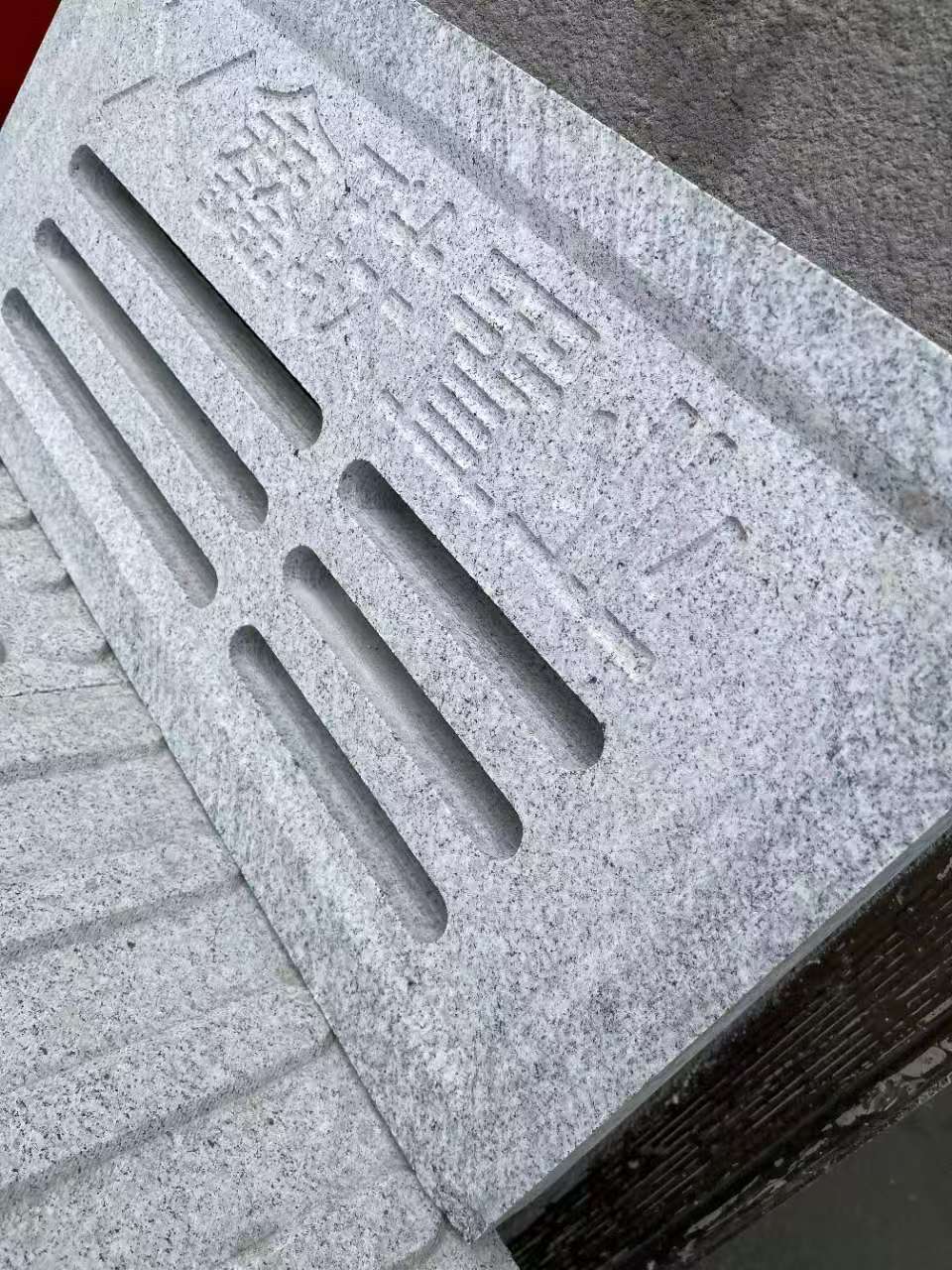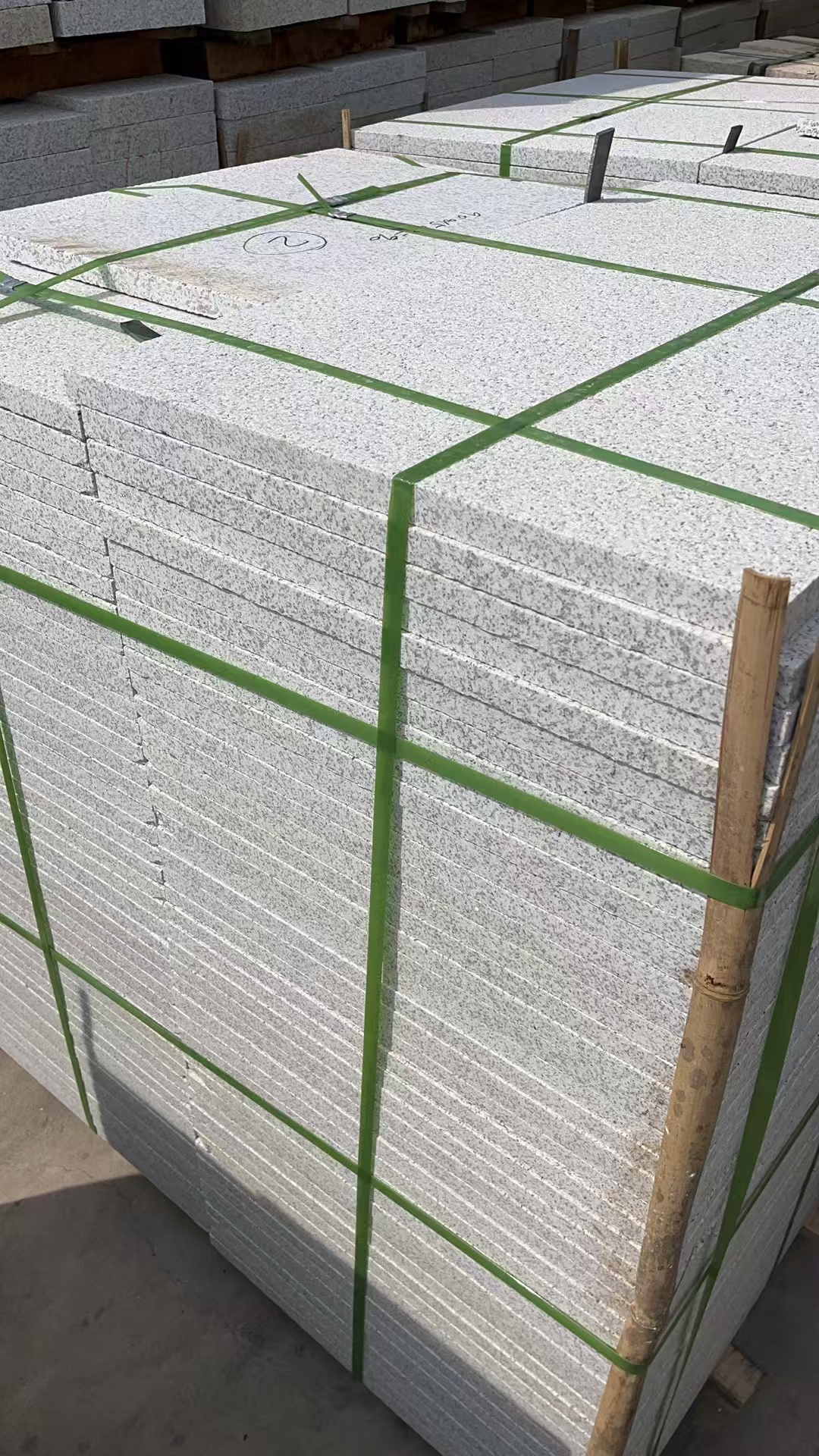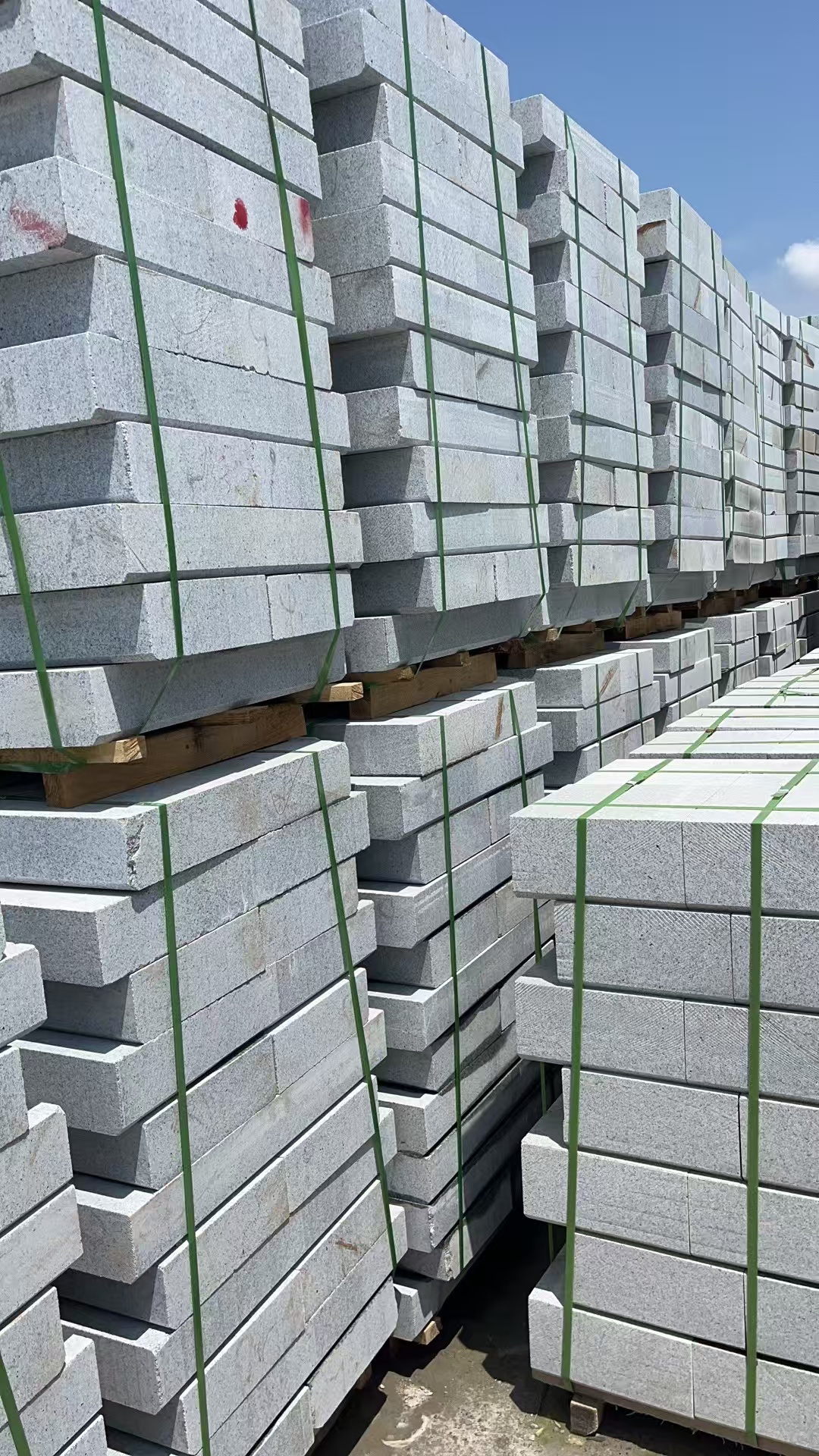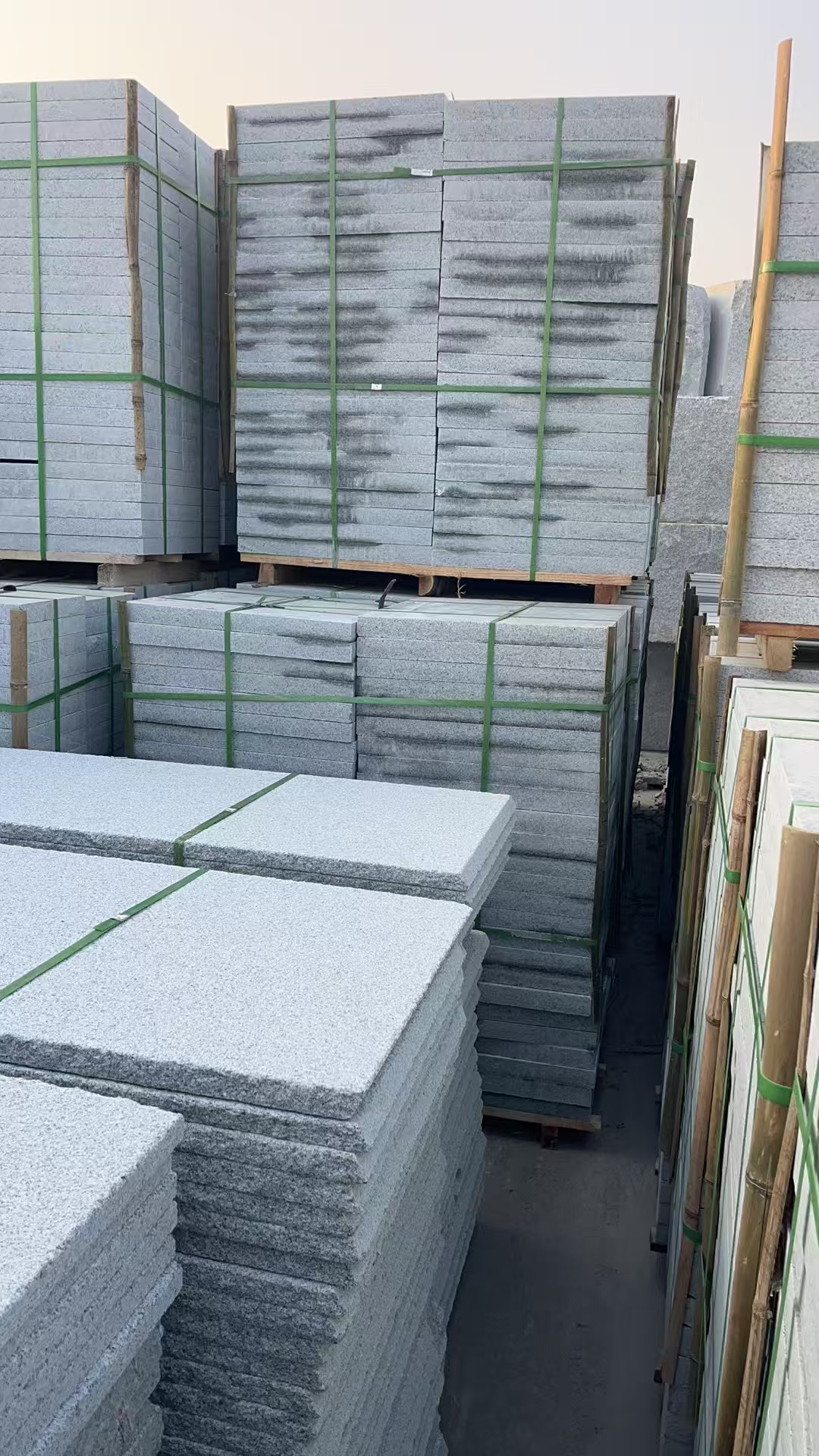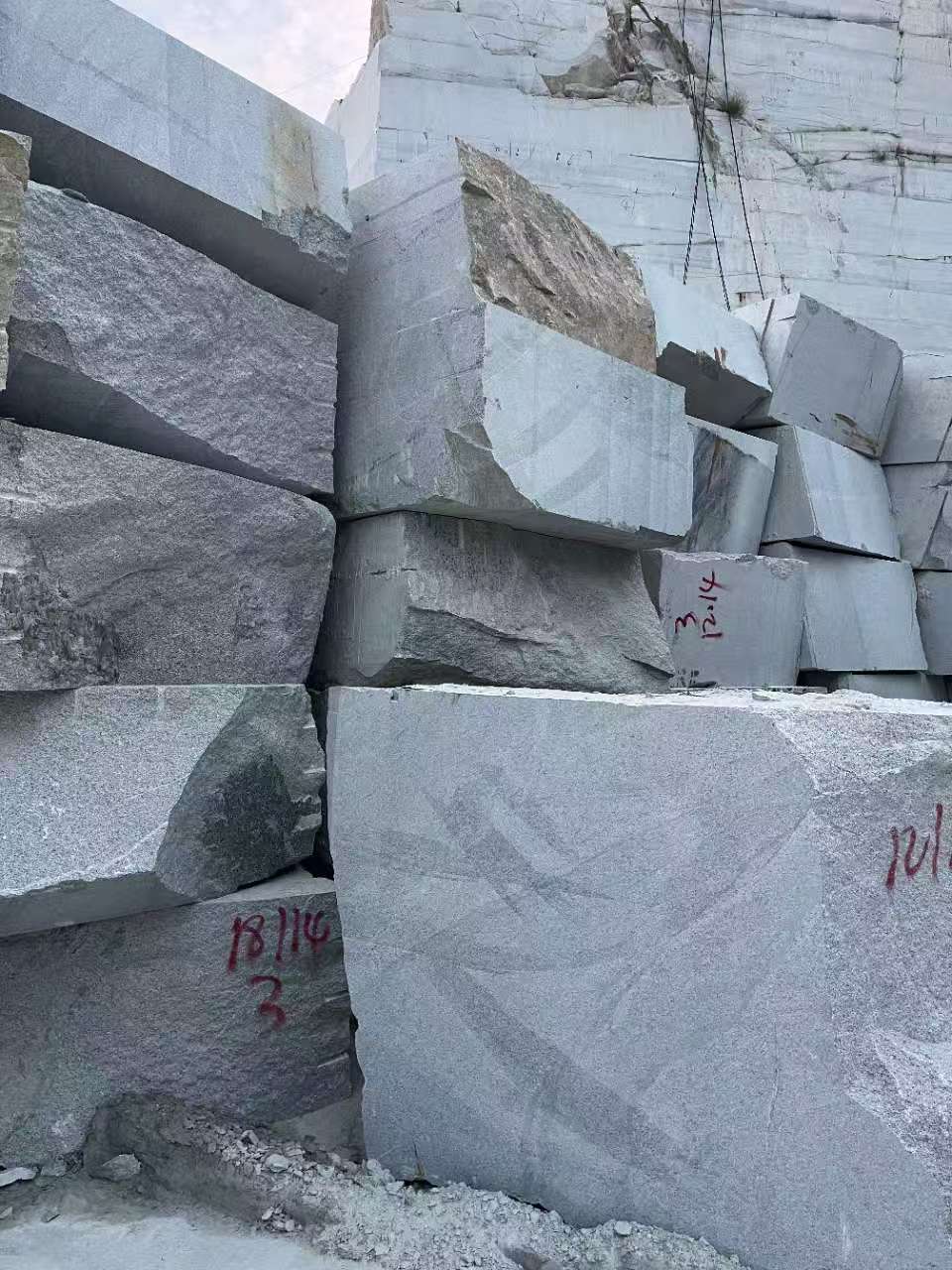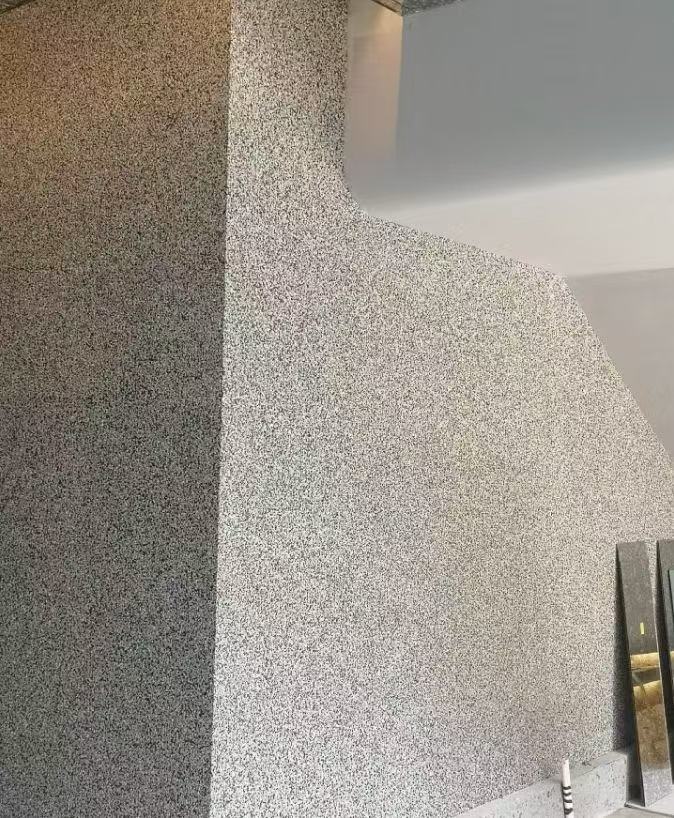

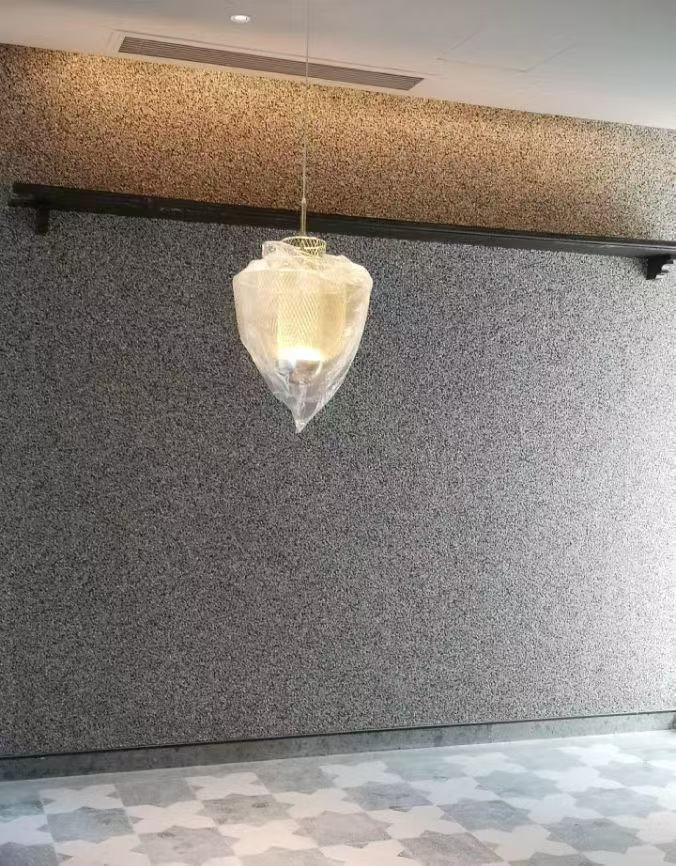
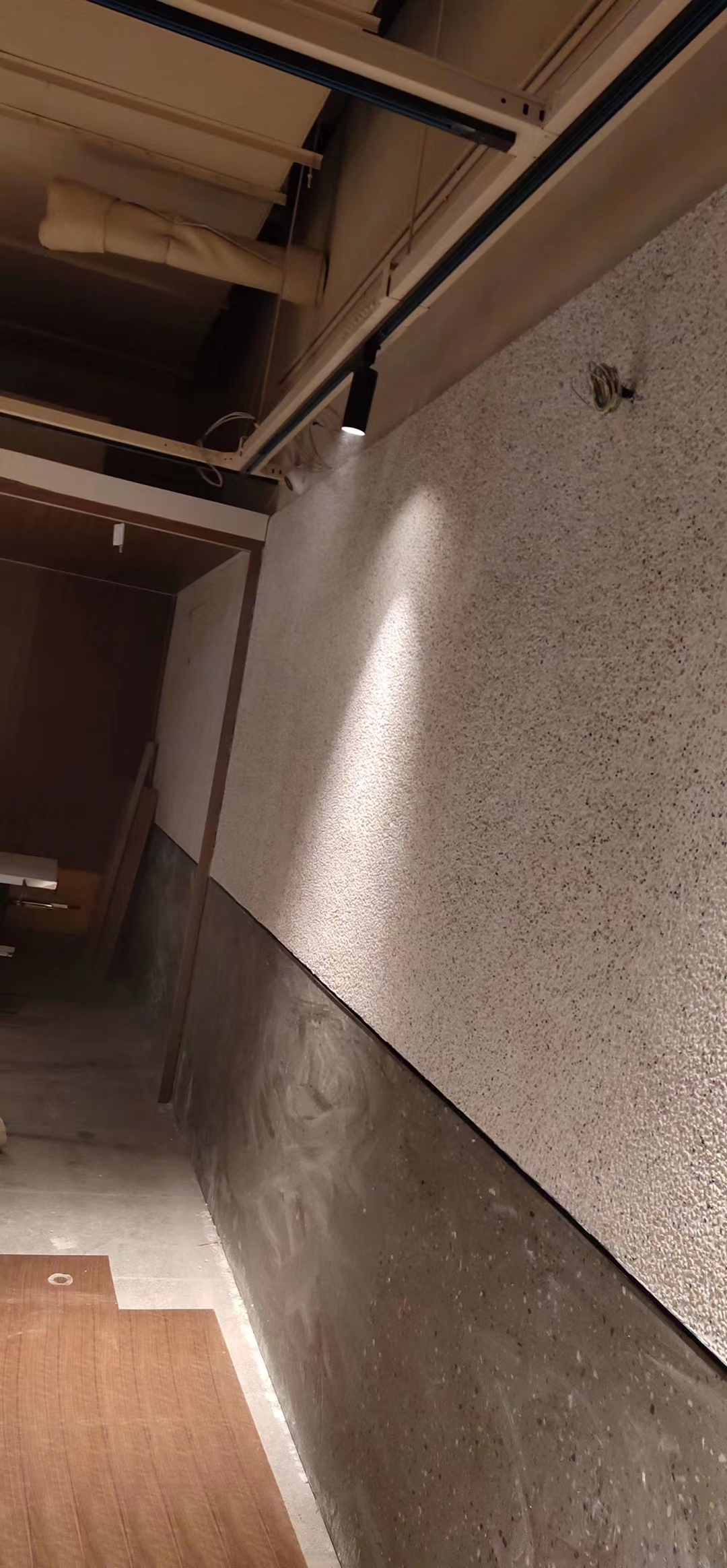


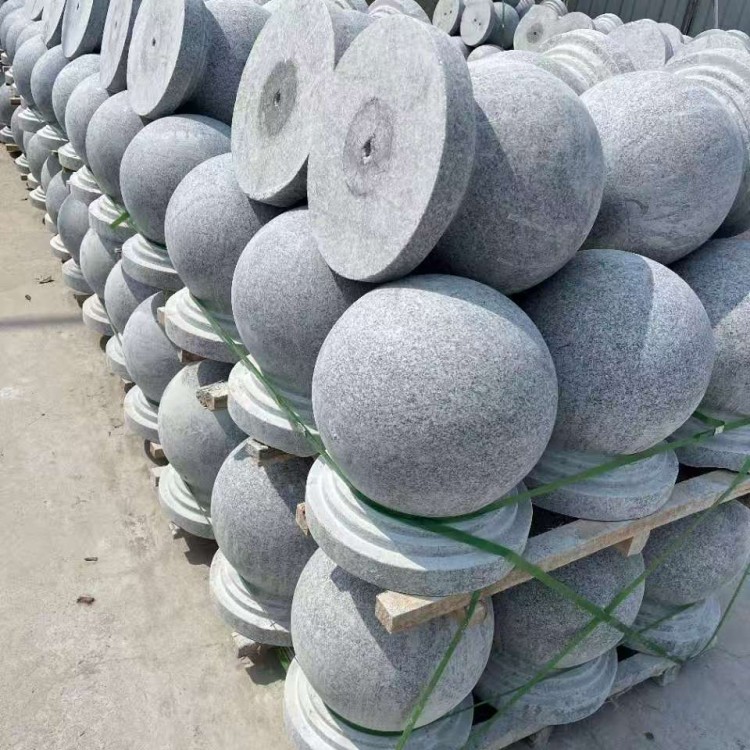
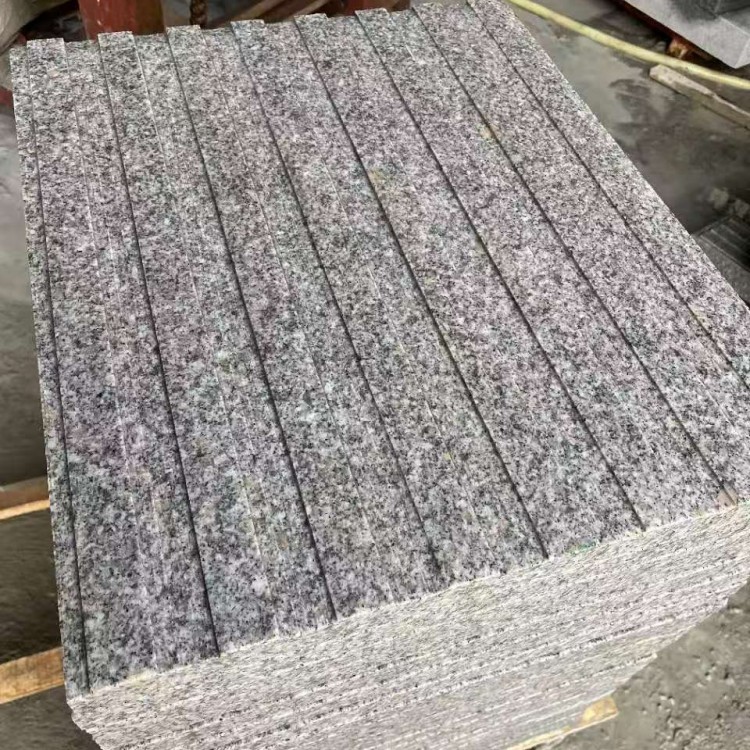













Water-washed stone is a construction technique that has been increasingly used in recent years. Its essence is quite similar to the water-washed stone of the 1960s. While the difficulty in wall construction is greater, the quality is relatively easy to maintain. Ground construction is not too difficult, but it is prone to cracking and localized settlement. Therefore, the foundation design and construction must ensure the stability of the subsoil. It is necessary to use reinforced concrete foundation pads. Additionally, it is generally recommended to set settlement joints every 5 to 6 meters.

Key Features of Washed Stone
1. The stones are evenly distributed with no color variation; flatness and perpendicularity are easy to achieve; various mosaic patterns and designs are accurately constructed with clear lines and no distortion.
2. Short project timeline, reducing engineering costs.
3. A clean construction site and cost-saving engineering measures
4. Reduced construction difficulty and labor intensity, improved work efficiency, and lowered labor costs.
5. Any curved or angular construction surface can be fitted, greatly expanding the space for architectural exterior design.

The process of washed stone
1. Clean up the grassroots:
Clean dust, grease, and debris from the base. If uneven, level it out; wash off the grease with a 10% lye solution, and then dry.
2. Apply base mortar layer:
Apply a base coat of cement mortar, applying the base layer in separate, successive coats; flatten the base layer with a straightedge and abrade it with a wooden trowel. After the mortar has reached its final set, water cure it.
3. Gravel paste surface layer
Apply a coat of plain cement slurry, apply the aggregate slurry in two layers, the surface should be 1mm higher than the sides of the ground, then flatten and compact the aggregate slurry layer.
4. Maintenance and Care:
Brush the surface with water to remove the mud, then recompact and smooth it; repeat this process 3 to 4 times. Once the surface is clean and the stones are visible, rinse with clear water, seal the area, and assign a specialist for maintenance. If mud residue is found on the stone surface, use oxalic acid to scrub it off, ensure to dilute it promptly and drain it into the sewer; do not allow it to flow into the green areas.