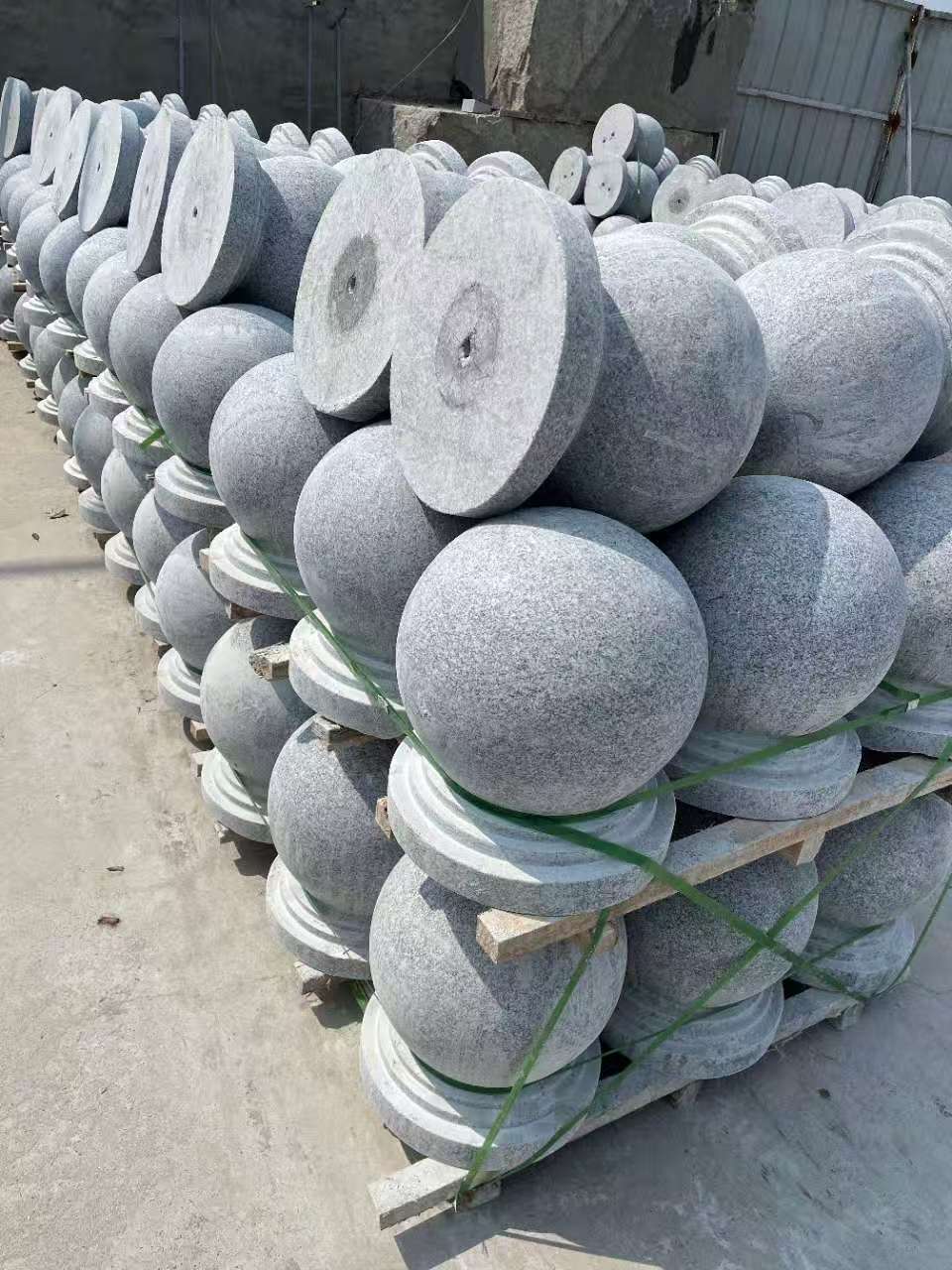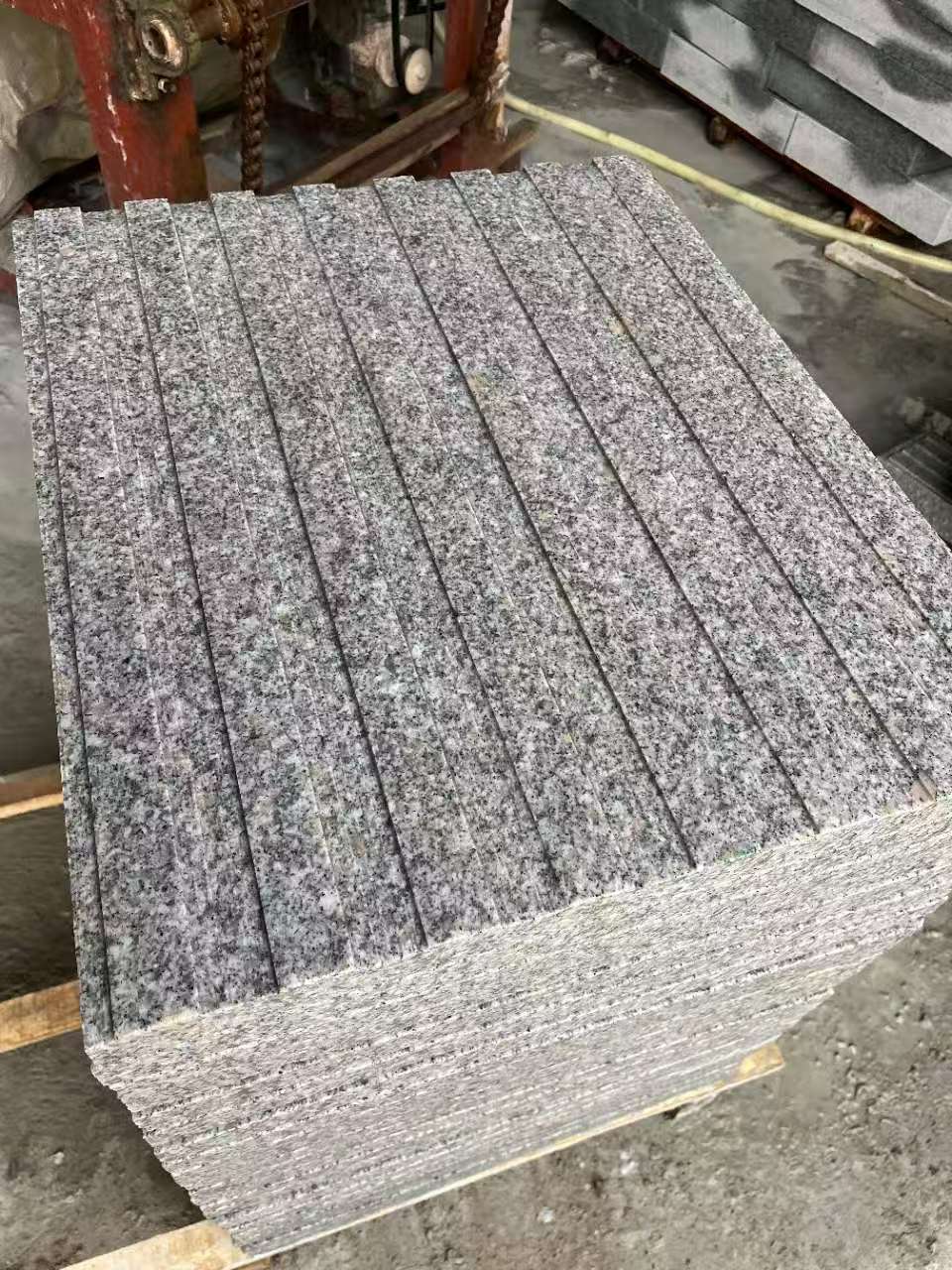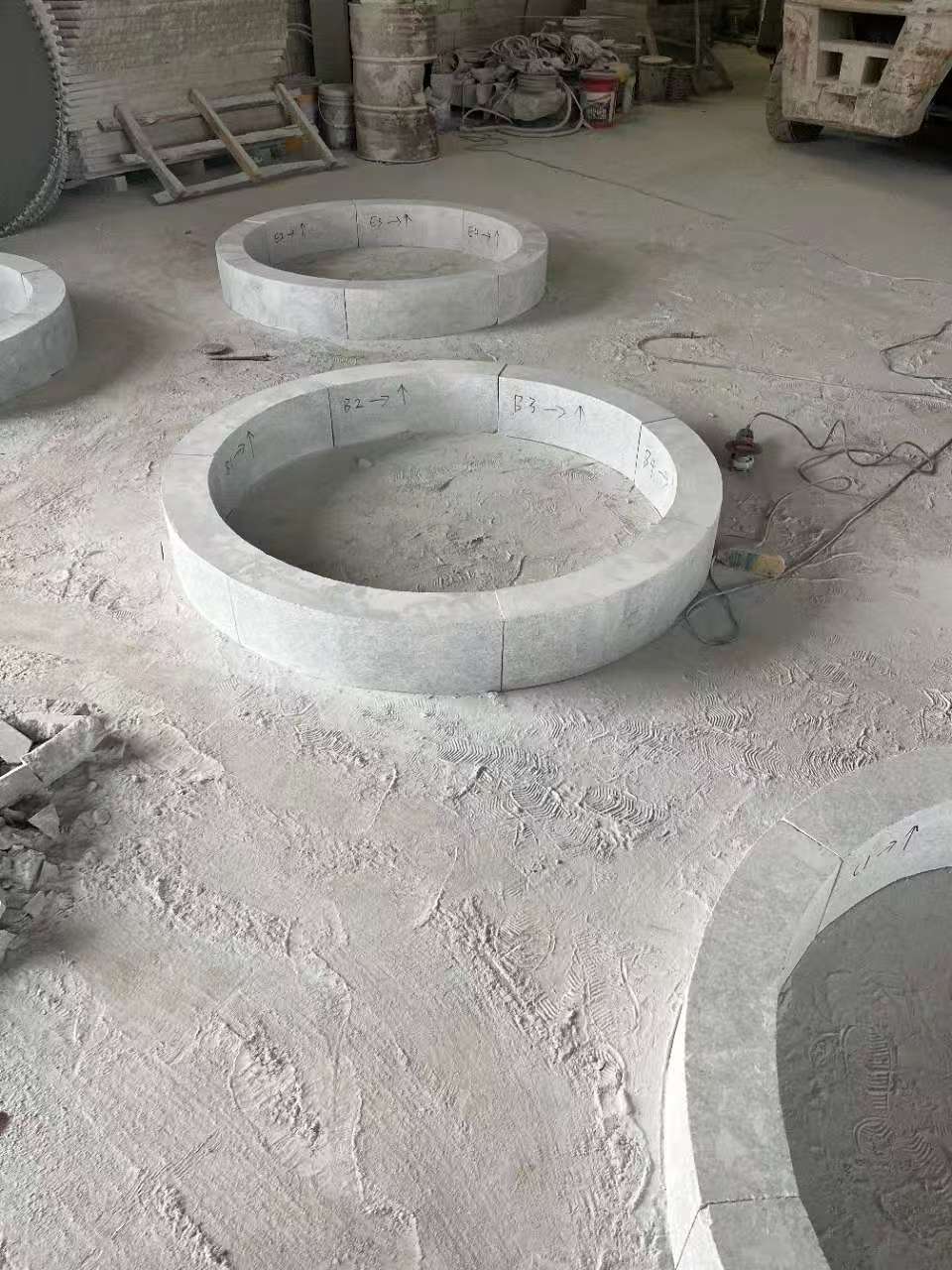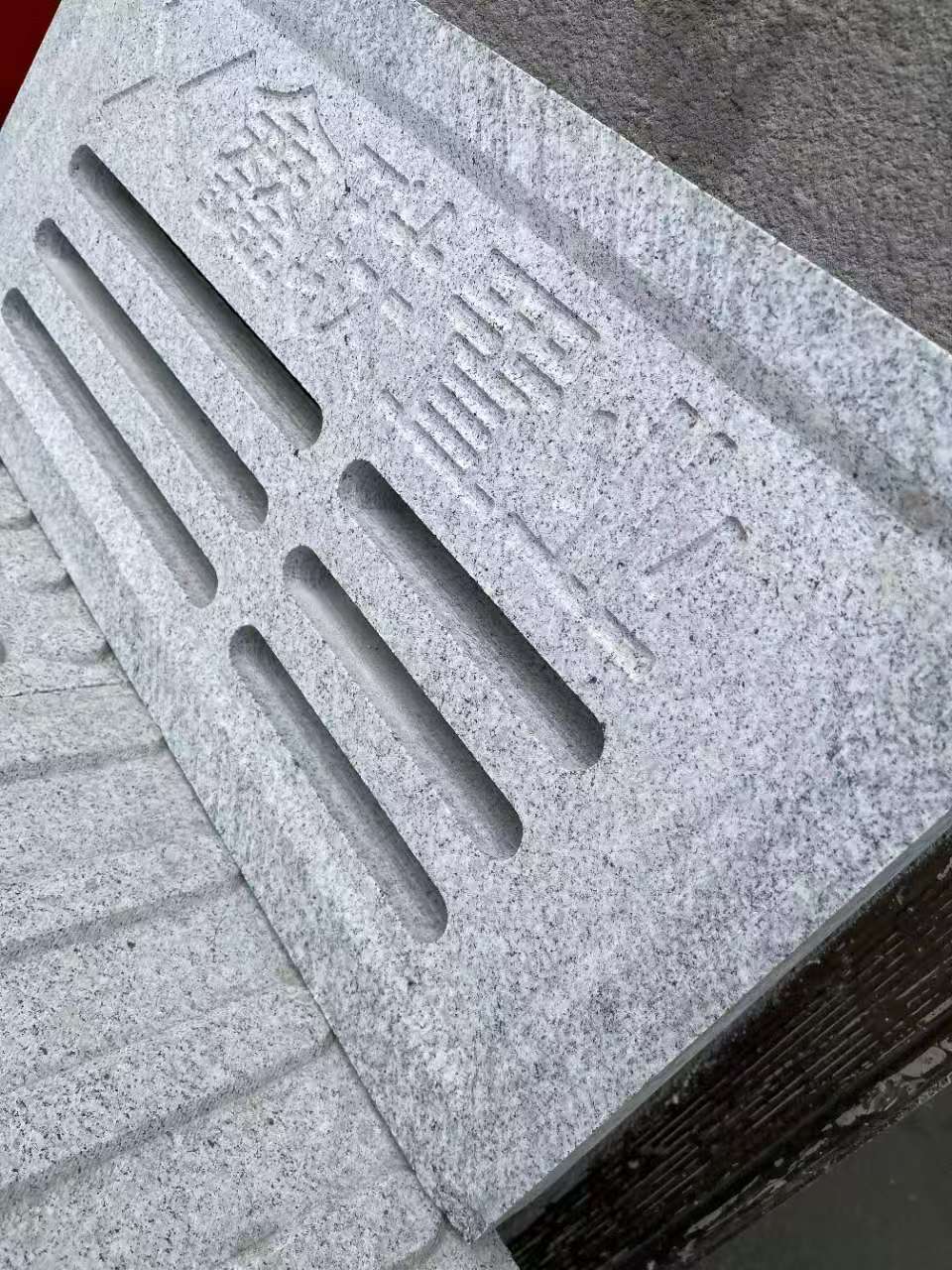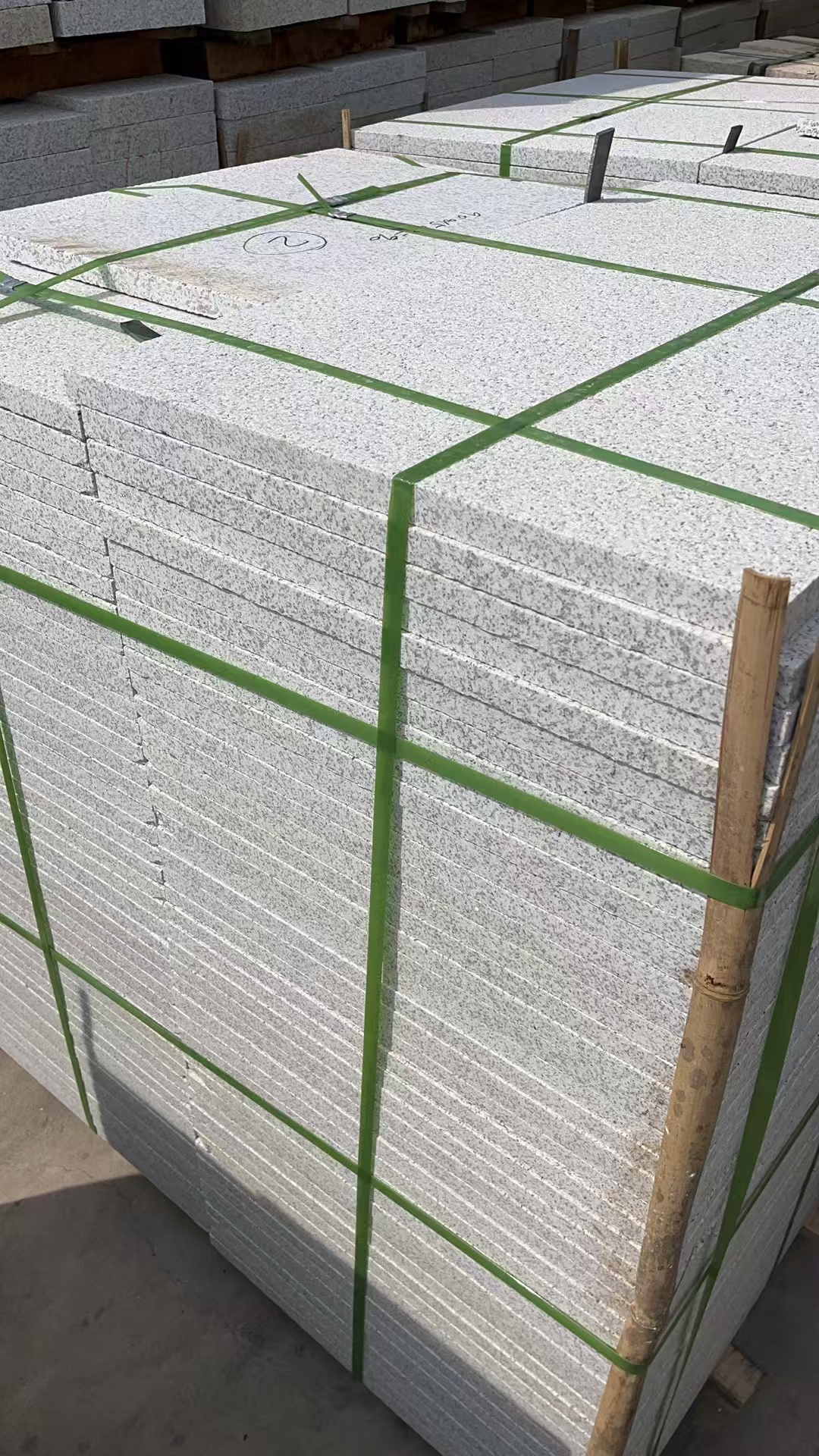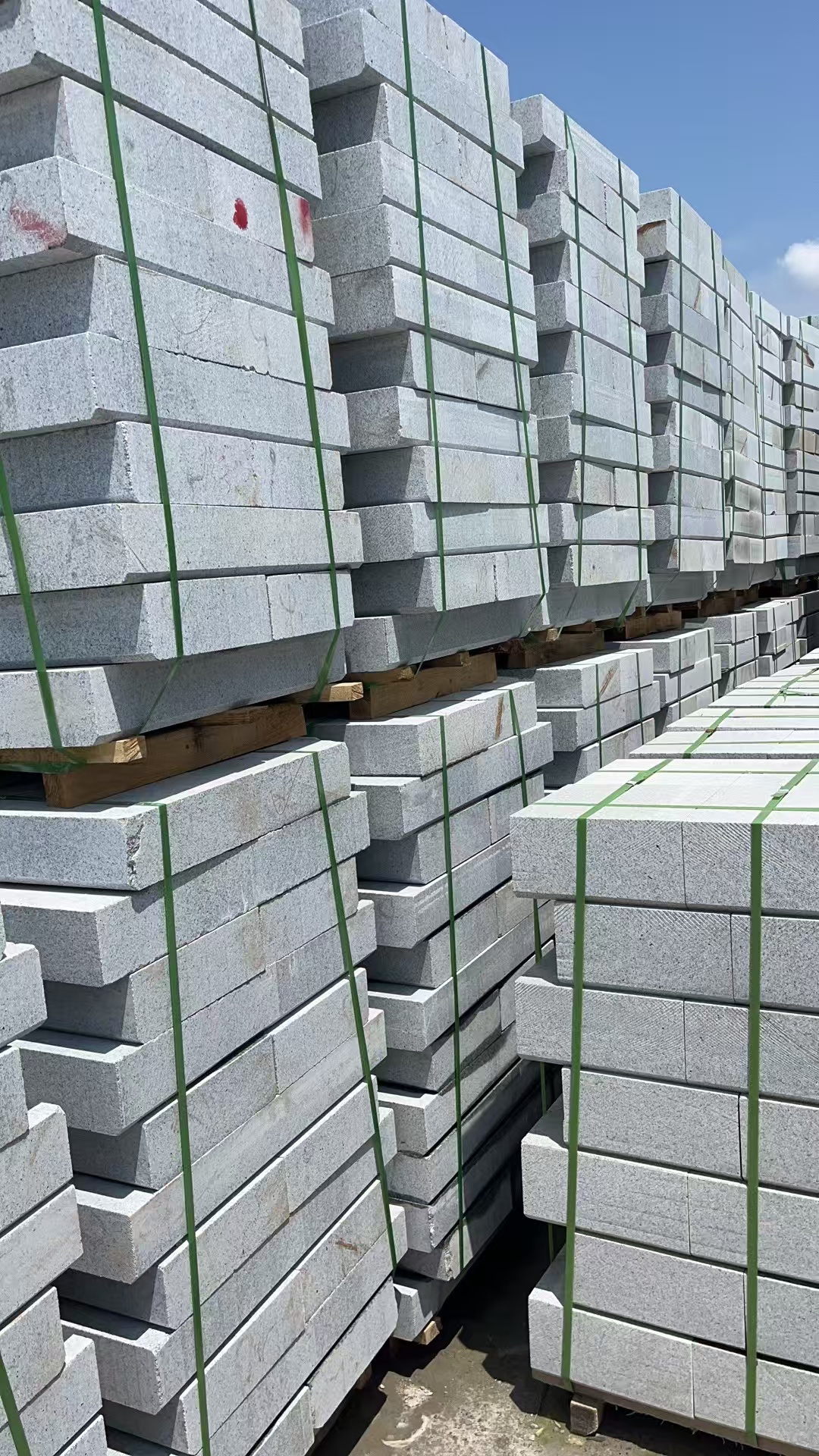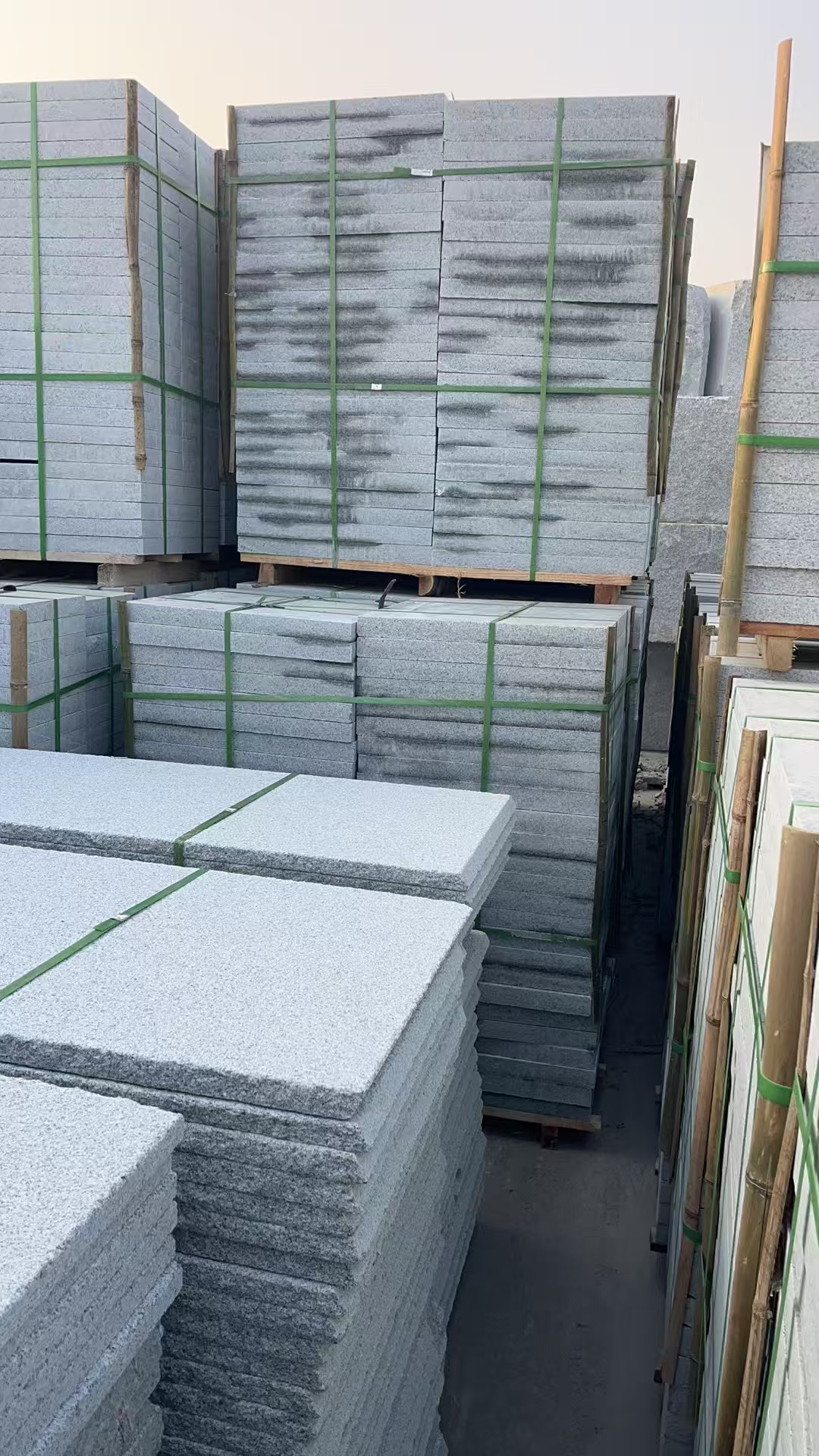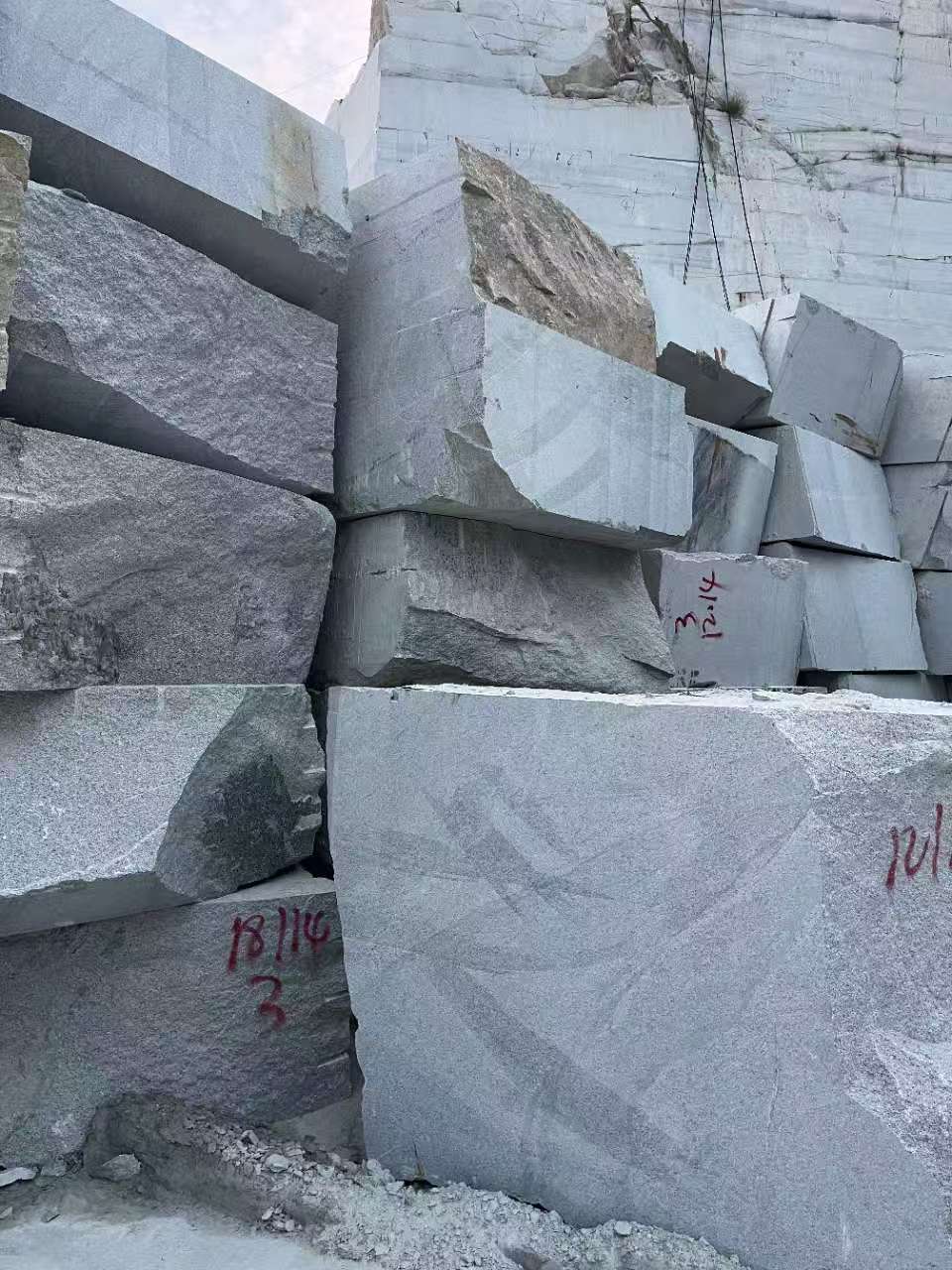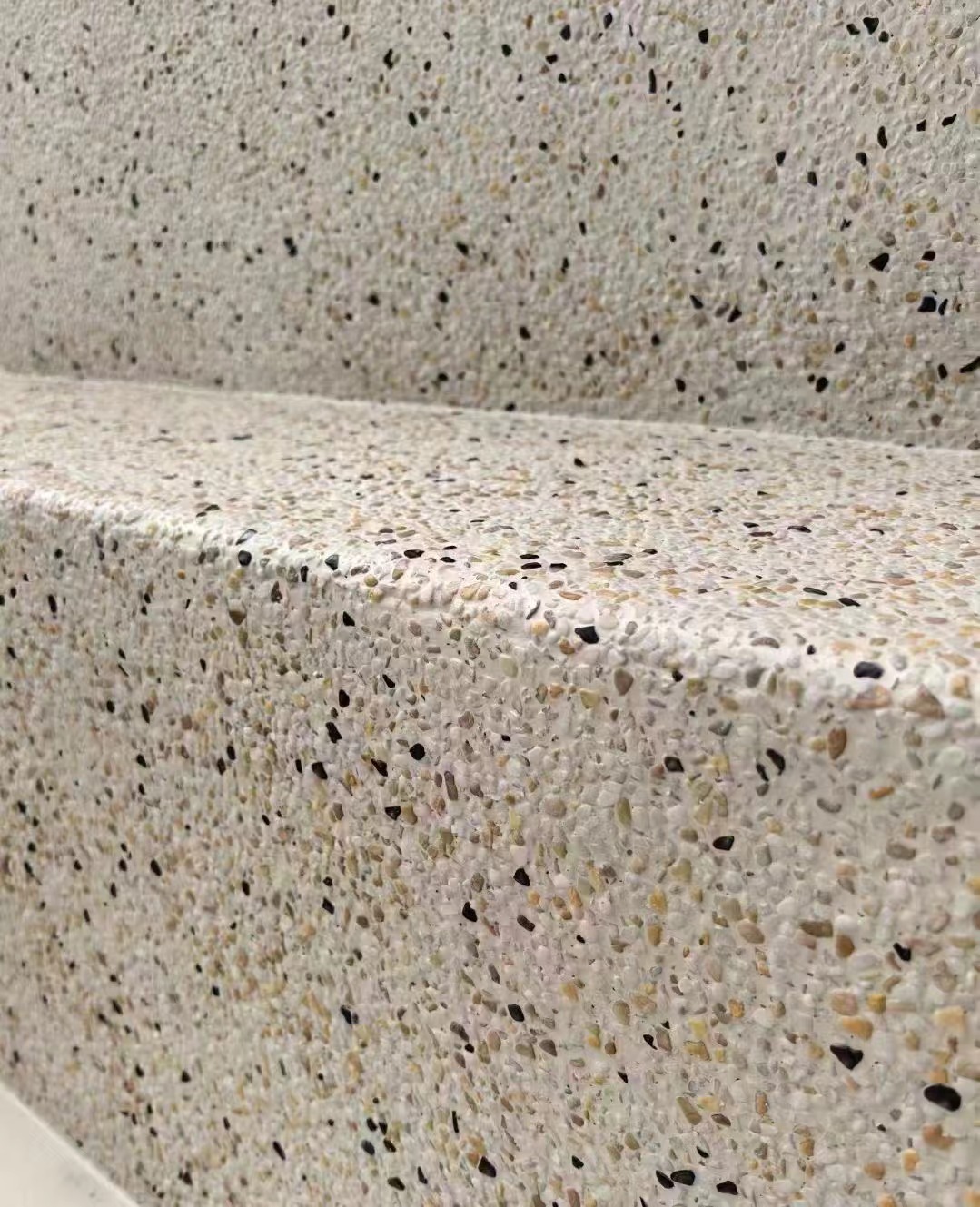

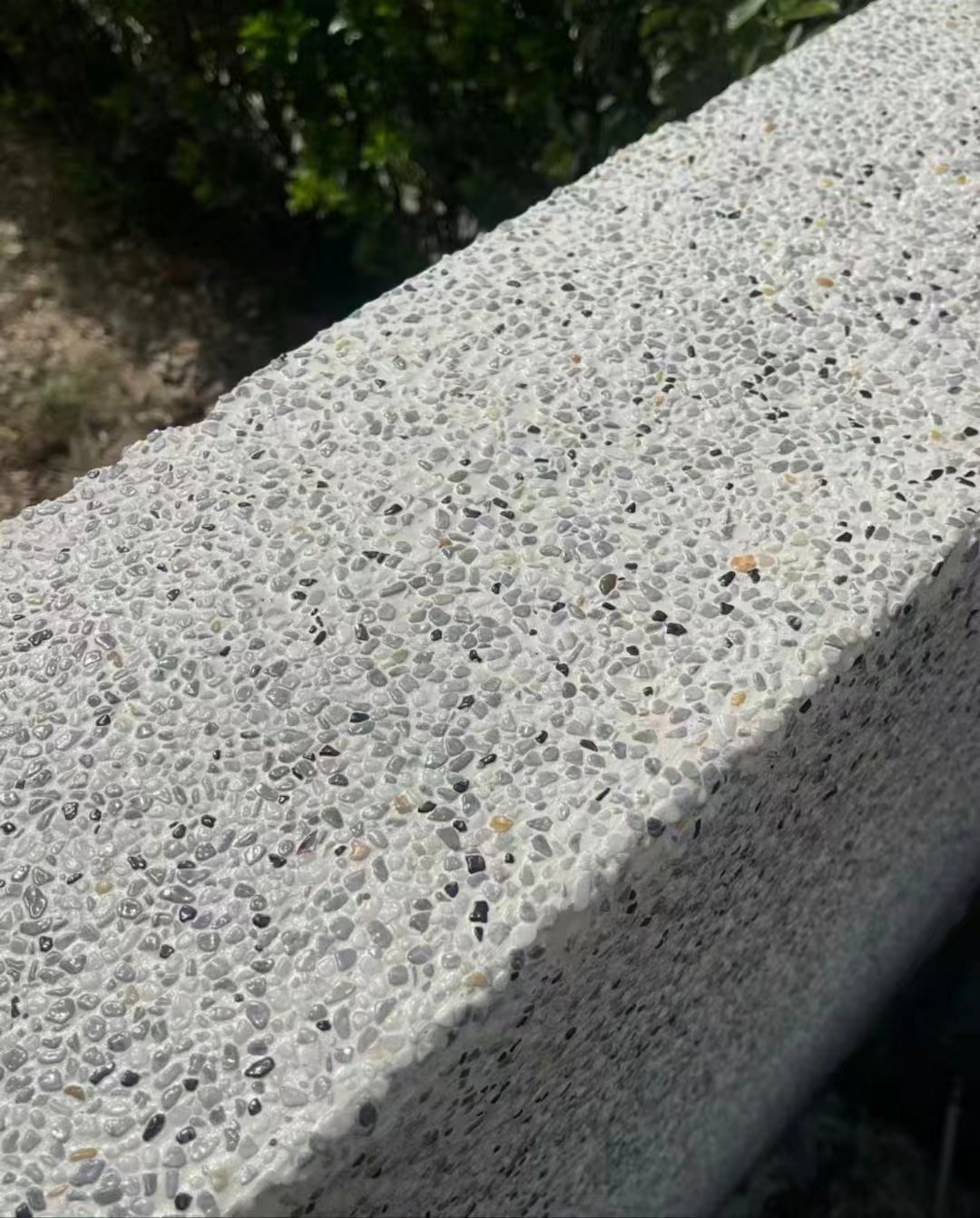


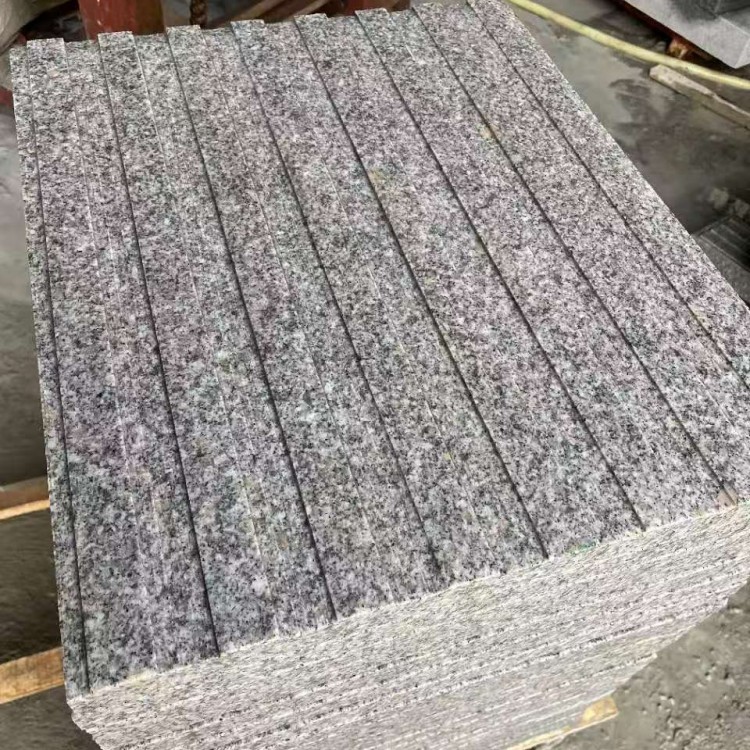







Water-washed stone is a decorative material made from natural stone. Through special processing techniques, the fine particles on the surface of the stone are removed, revealing the stone's natural texture and color. This treatment method highlights the stone's texture and aesthetics while enhancing its durability and anti-slip properties.

Water-washed stone boasts numerous features that make it highly favored in architectural and landscape design. Firstly, it possesses a natural, primitive look that blends seamlessly with the surrounding environment, creating a unique ambiance. Secondly, water-washed stone offers a variety of colors and textures to meet the needs and design styles of different projects. Moreover, its surface treatment provides excellent anti-slip properties, making it an ideal choice for pedestrian areas and vehicle pathways.

How to wash stone
1. Clear the grassroots level:
Clean dust, grease, and debris from the grassroots.
2. Apply base mortar:
Apply a base coat of cement slurry, layering and applying the undercoat mortar in successive coats; level the undercoat mortar with a straightedge and roughen it with a wooden trowel. After the mortar has set, water it for curing.
3. Stone chipping overlay layer
Scrape a layer of plain cement paste, apply the gravel paste in two coats, making the surface 1mm higher than the sides of the ground. Then, flatten and compact the gravel paste layer.
4. Maintenance & Care:
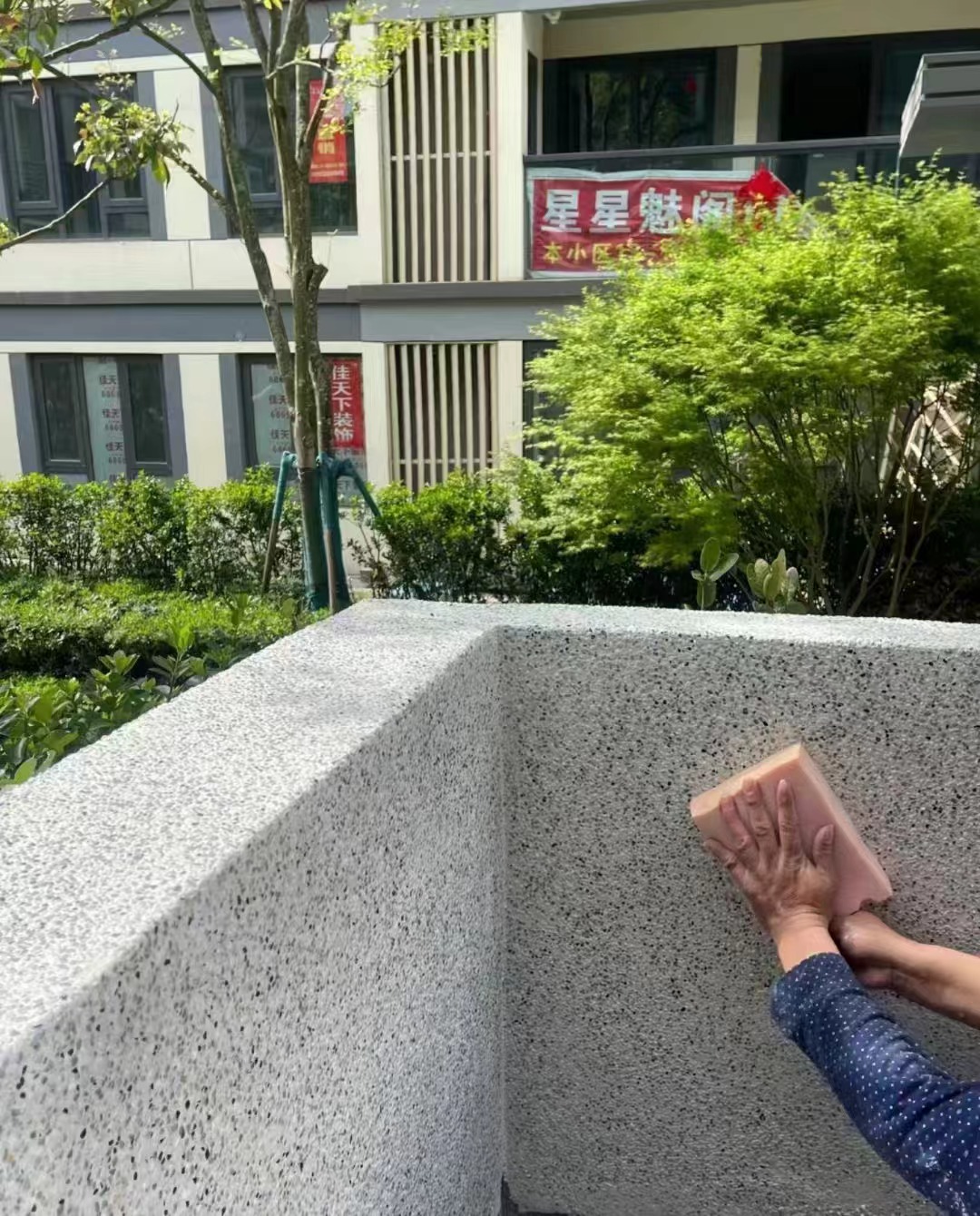
Dip the brush in water, brush off the surface mud, recompact and smooth it, then repeat the process 3 to 4 times; once the surface is clean and the stones are exposed, rinse thoroughly with clean water, seal it, and assign a person for special care.

Water-washed stone is a decorative technique that involves mixing natural river or sea pebbles or gravels with cement in a certain proportion, applying it to the base, leveling it with a load-bearing tool, cleaning the surface adhesive to reveal the stone's original appearance. It resembles the water-washed stone technique popular in the 70s and 80s. While wall construction is more challenging, quality is easily ensured; ground construction is less difficult but prone to cracking and localized settling. Therefore, the foundation design and construction must ensure the stability of the subgrade, and reinforced concrete foundation pads may be necessary. Additionally, settlement joints should generally be set at intervals of 5 to 6 meters.