








| Detailed Description: |
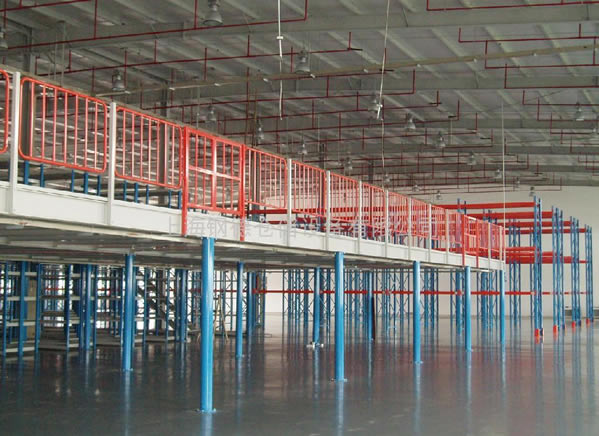
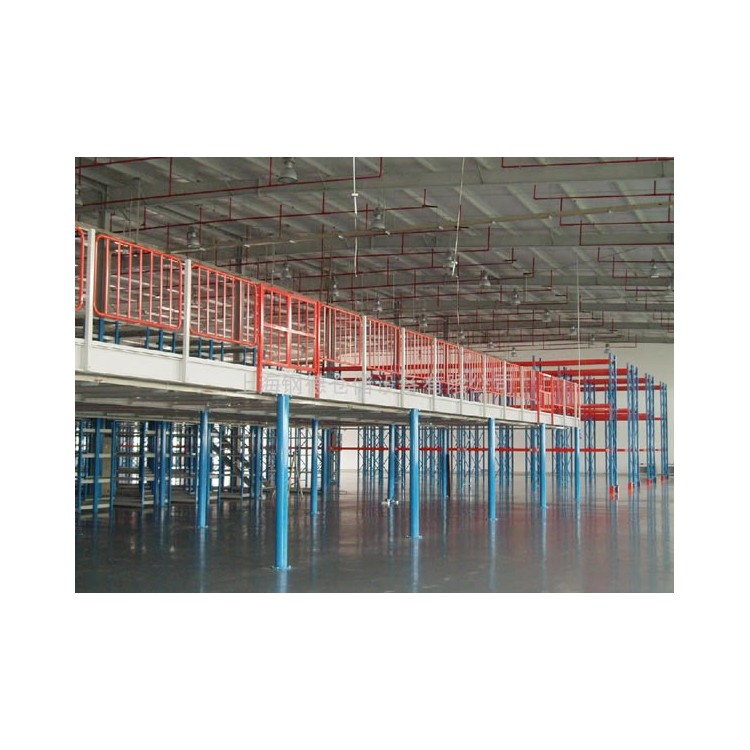
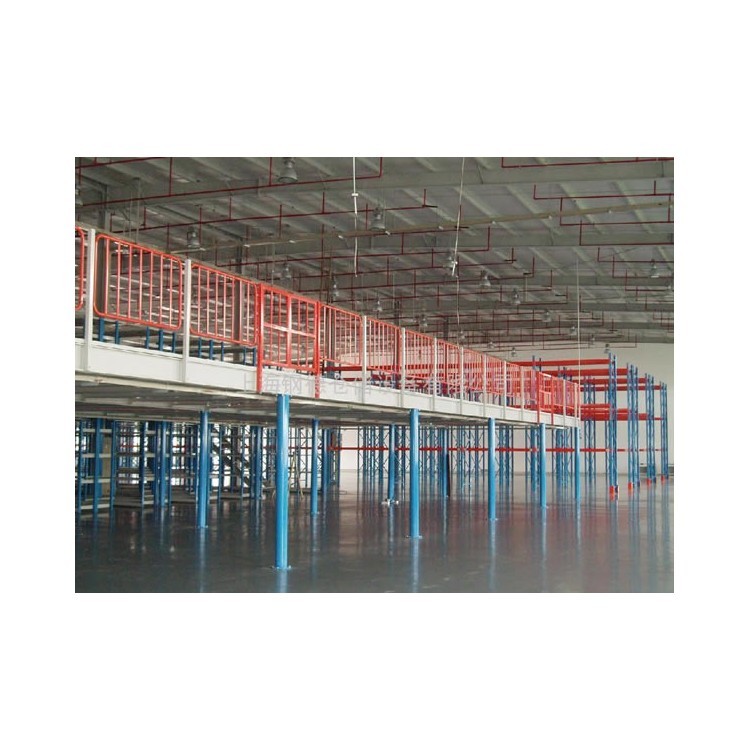
| Steel structure platforms, also known as work platforms, come in various designs and are equipped with comprehensive functionalities. Their most distinctive feature is the fully assembled structure, which offers flexibility and is widely used in modern storage. These engineering structures are typically composed of beams, columns, and plates made from steel sections and plates; these components are connected using welds, screws, or rivets. Platform structure layout: 1. It must meet the requirements of process production operations, ensuring clear passage and operation space. The general clear height for passage should not be less than 1.8M, and protective railings should be set around the platform perimeter, typically 1M in height. For platforms over 2M high, a toe board of 100-150mm should be placed below the protective railings. A ladder for access should be provided, with a width of at least 600mm. 2. When determining the plan dimensions, elevation, beam layout, and column grid of the platform structure, in addition to meeting usage requirements, the placement of beams and columns should also consider the position of equipment loads and other significant concentrated loads on the platform, as well as the suspension of large-diameter industrial pipelines; 3. The layout of the platform structure should strive for economic and reasonable force transmission, with beam layouts that match their spans. When beams have a larger span, the spacing between them should also be increased. Make full use of the allowable span of the deck plates, and reasonably arrange the beam layout to achieve better economic results. |
WeChat Official Account

Scan to follow Official Account