








| Detailed Description: |
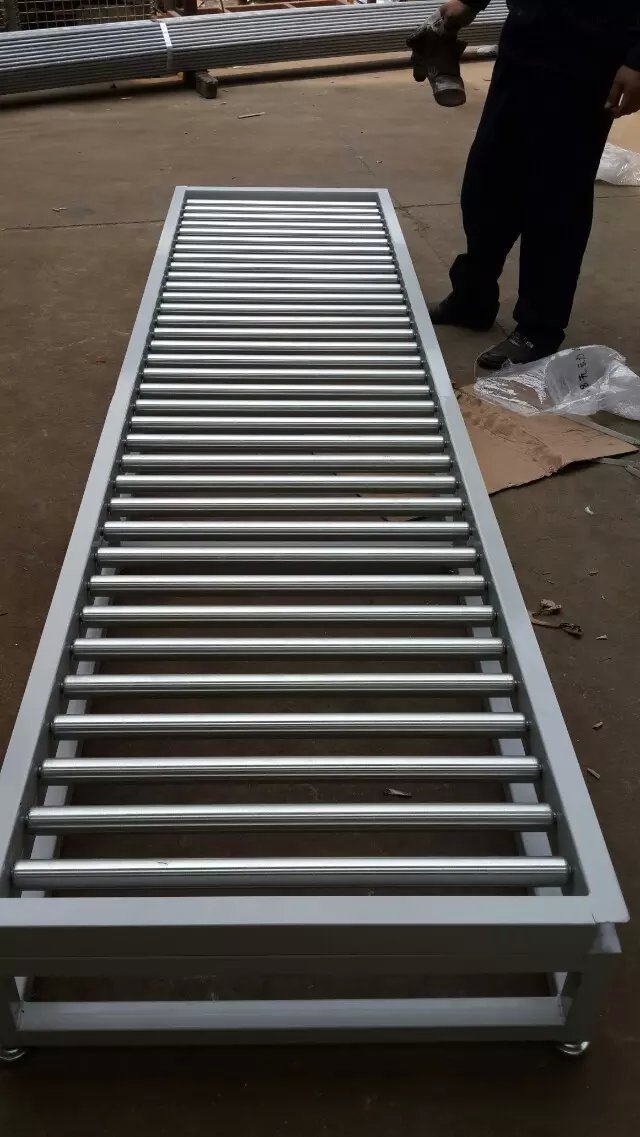
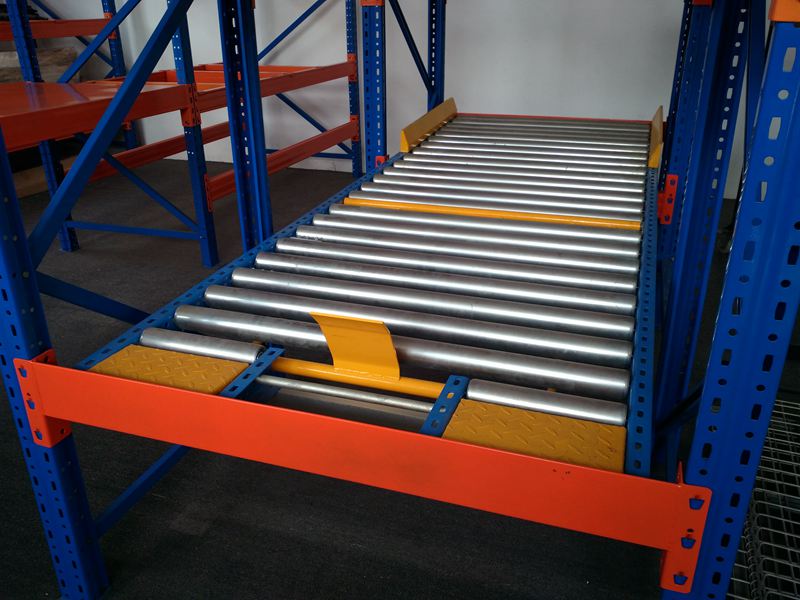
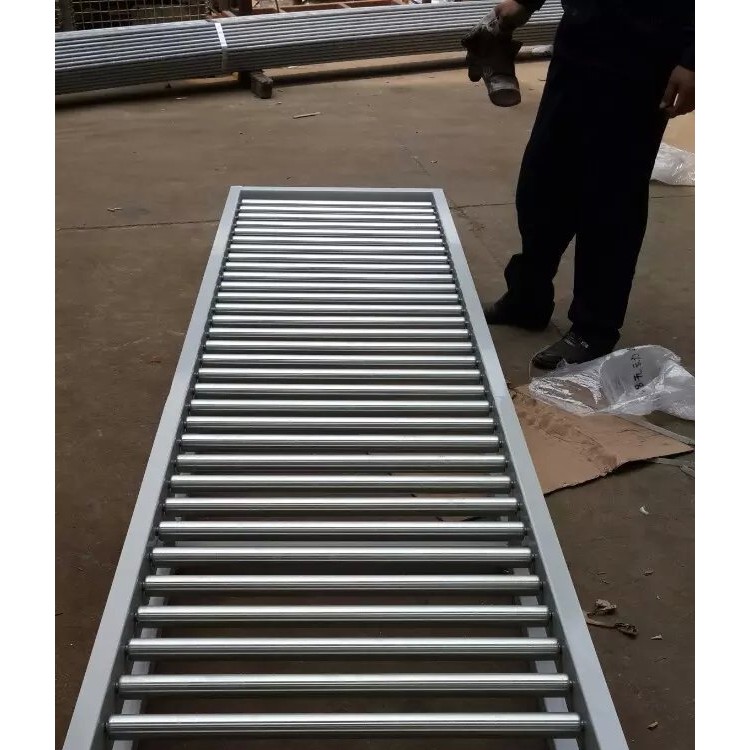
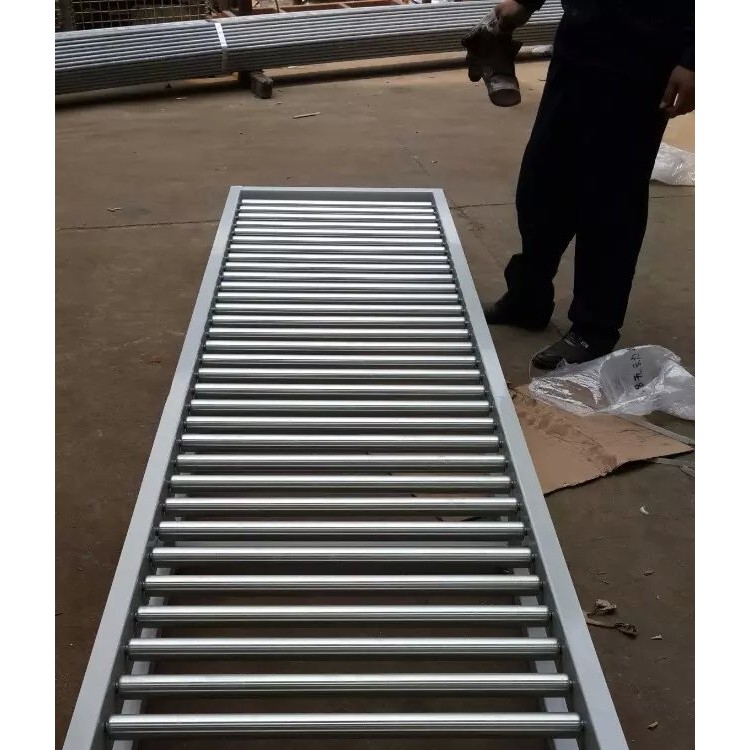
| Assembly lines, also known as production lines, are an industrial production method where each production unit focuses on handling a specific segment of work to enhance efficiency and output. They can be broadly categorized into seven types based on the conveying method: belt assembly lines, plate chain lines, variable-speed chain lines, plug-in lines, mesh belt lines, suspended lines, and drum conveyors. Typically, they consist of components such as traction parts, support structures, driving units, tensioning devices, redirection units, and supporting elements. Assembly lines are highly expandable, allowing for customizable conveying volume, speed, assembly stations, and auxiliary components (including quick connectors, fans, lights, power outlets, process boards, storage shelves, 24V power sources, pneumatic nailers, etc.), making them popular among businesses. Assembly lines effectively combine people and machines, showcasing the flexibility of equipment. They integrate conveying systems, auxiliary fixtures, on-line special machines, and inspection equipment to meet the requirements for the transportation of various products. The conveying methods of assembly lines can be synchronous (forced) or asynchronous (flexible), depending on the configuration chosen, to fulfill assembly and conveying needs. Assembly lines are indispensable in mass production within enterprises. The advantages of assembly lines include: 1. Integration of production processes, allowing for the arrangement of multiple workstations on the line to meet production requirements; 2. High expandability, enabling the design of lines that align with product production needs based on factory requirements; 3. Cost savings in production, potentially reducing the number of production workers and achieving a certain degree of automation with minimal initial investment and high return on investment. |
WeChat Official Account

Scan to follow Official Account