















Material
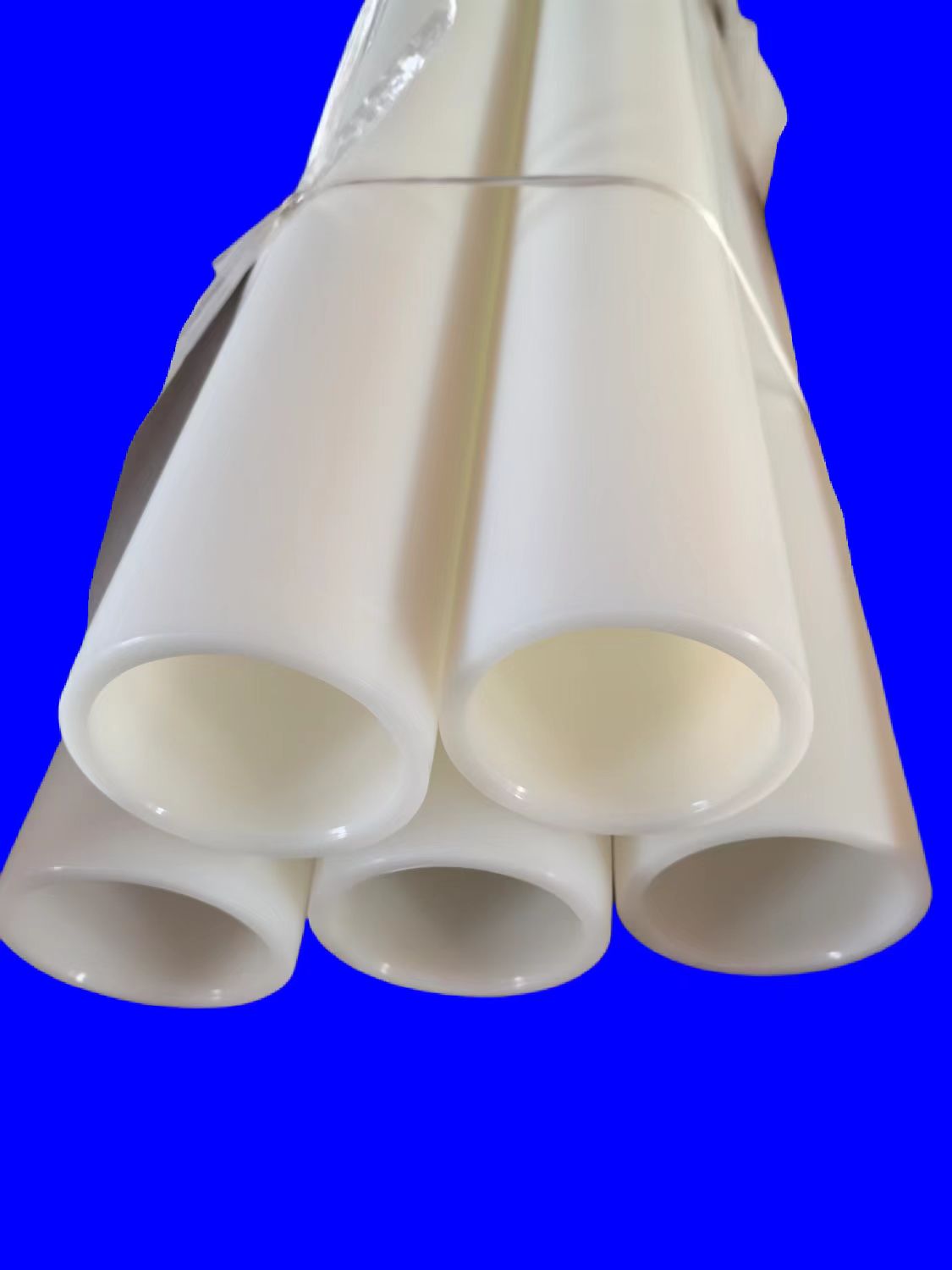
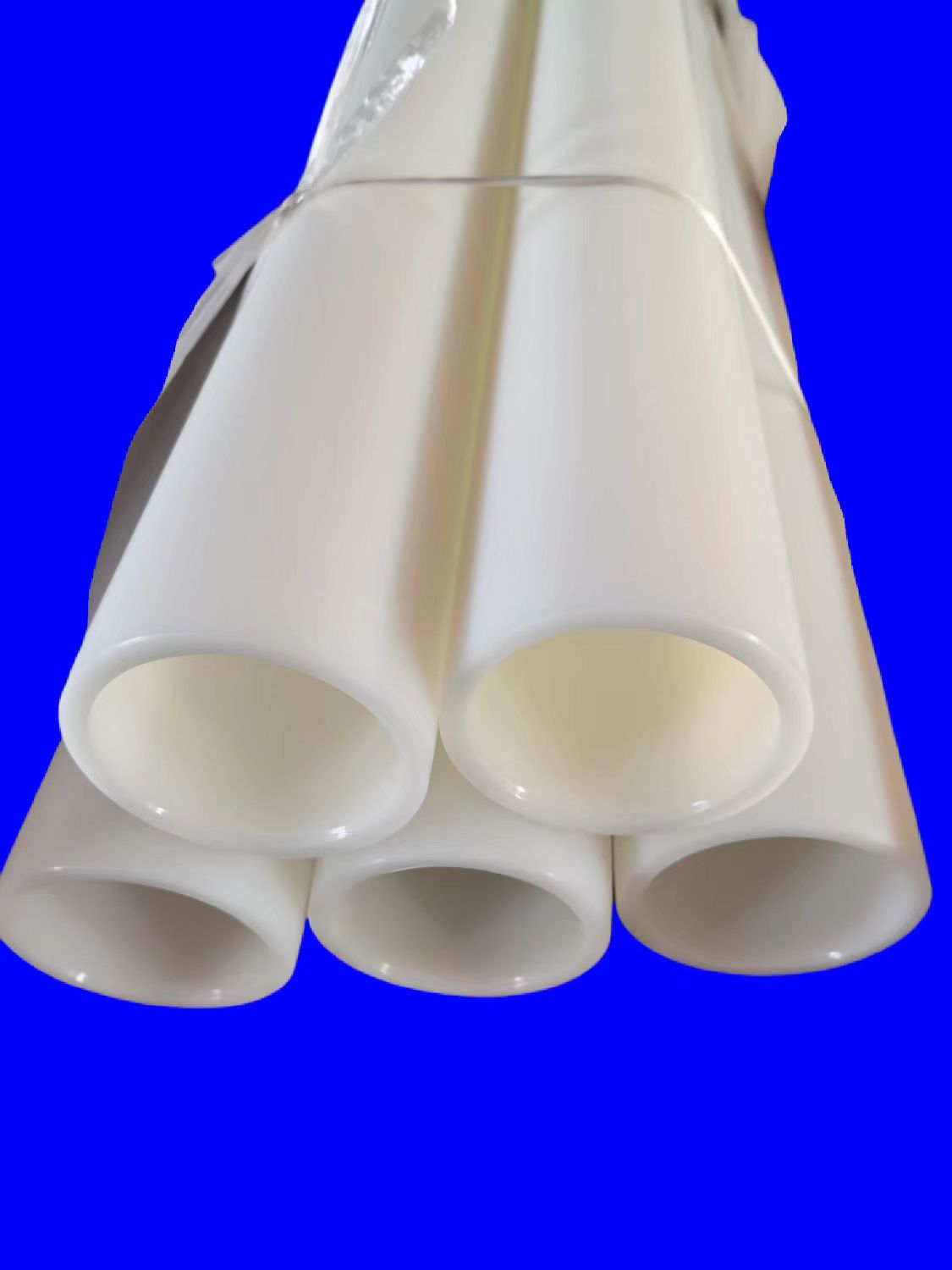
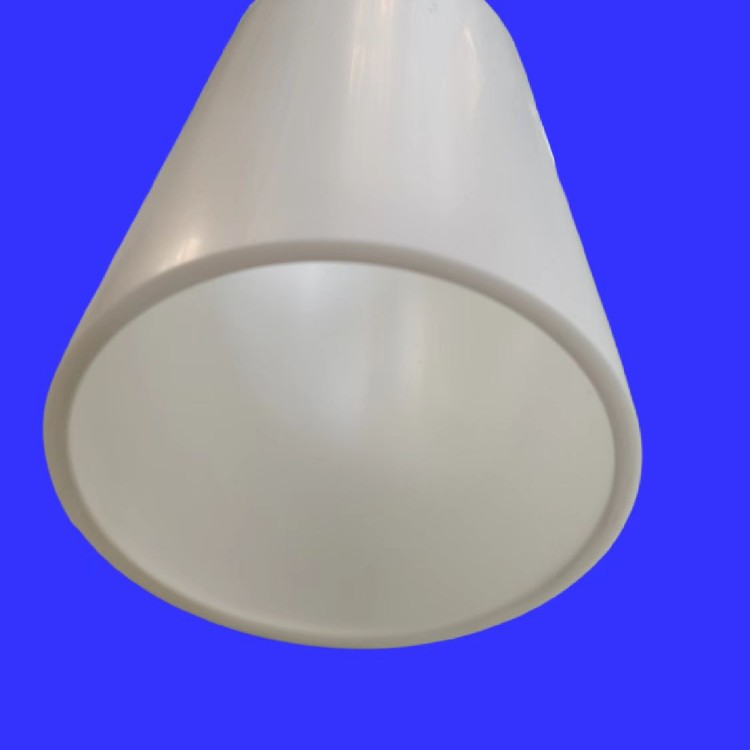
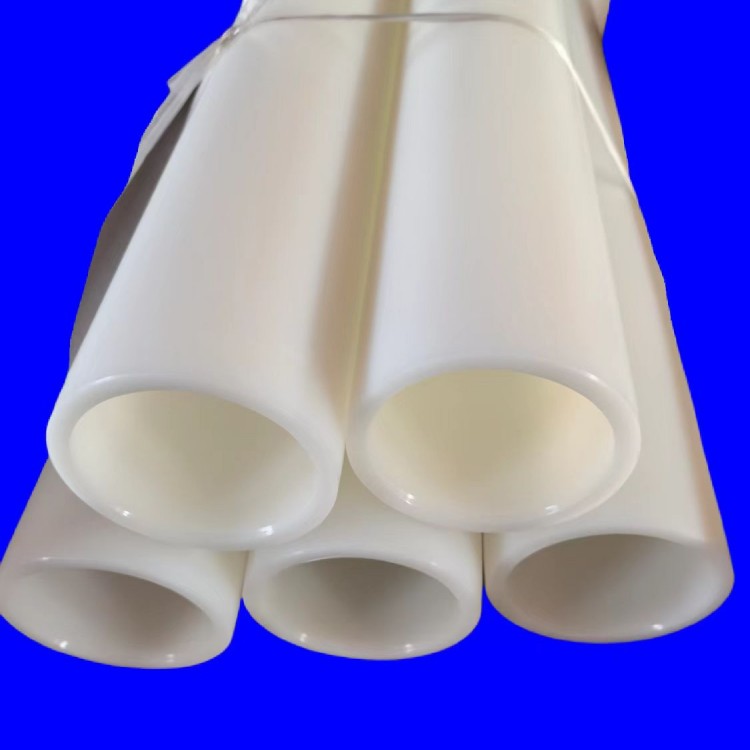
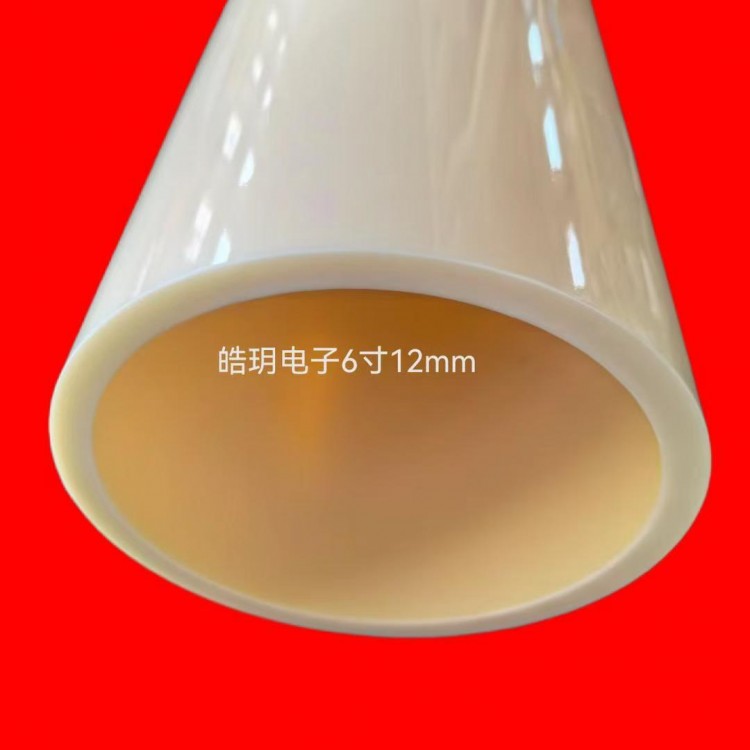
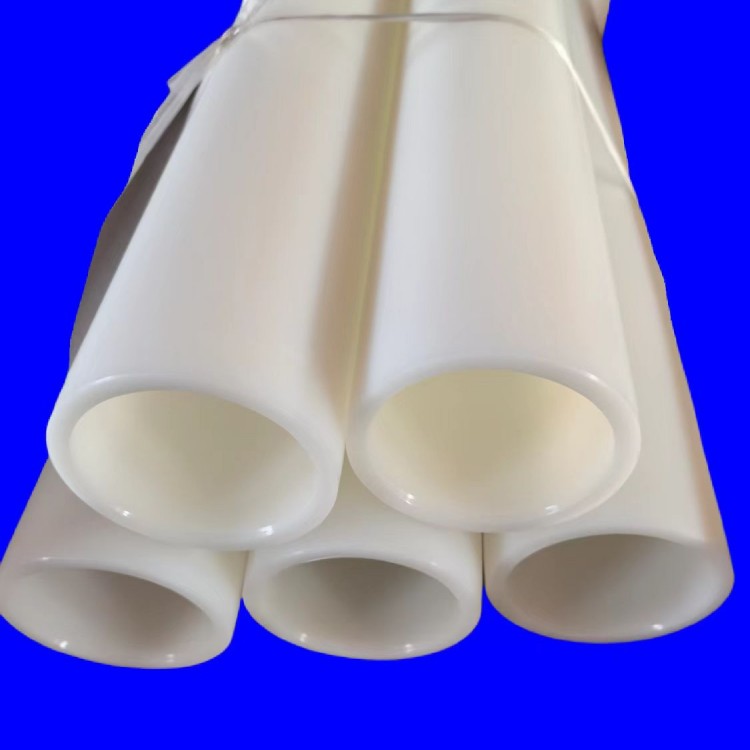
FRP Composite MaterialsGlass Fiber Reinforced Plastic (GFRP), composed of glass fibers and a resin matrix. It boasts high strength, lightweight, corrosion resistance, fatigue resistance, and more, effectively preventing damage to the wrapped copper foil due to core tube deformation. Additionally, it features high processing precision and good surface finish, which can increase the usage rate of the copper foil.14。
Plastic ProductsABS, PE, and PP cores are hard and have strong pressure resistance; the surface and both ends are smooth and even with no dust. PE cores have good flexibility and strength. PP cores have good hardness and pressure resistance. These plastic cores are also commonly used for copper foil core tubes and can be customized in various ways according to demand, such as color customization and anti-slip treatment.
PaperMade from high-strength kraft paper and similar materials, offering both compression resistance and cost advantages. Suitable for applications that do not require particularly high specifications for copper foil cores, and is also environmentally friendly.3。
Features
High strength and resistance to deformationCan withstand tension and pressure during copper foil winding, maintain shape stability during transportation and storage, and prevent damage such as compression and creases caused by deformation of the core tube.4。
High precision and surface finishHigh processing accuracy, minimal size tolerance, smooth and flat surface, allows copper foil to be tightly and evenly wrapped around the core tube, reducing the gap between the copper foil and the core tube, improving winding quality, and preventing scratches caused by rough surfaces on the copper foil.4。
Excellent chemical stabilityFRP composite materials and plastic-coated tubes offer excellent resistance to chemical corrosion, capable of withstanding the侵蚀 of acids, alkalis, salts, and other chemicals, preventing any chemical reaction with copper foil, ensuring the performance of the copper foil remains unaffected.4。
ReusabilityCertain mandrel tubes, such as FRP composite mandrel tubes, offer excellent wear and aging resistance. With proper maintenance and repair, they can be reused multiple times, thereby reducing operating costs.4。
Specification and dimensions
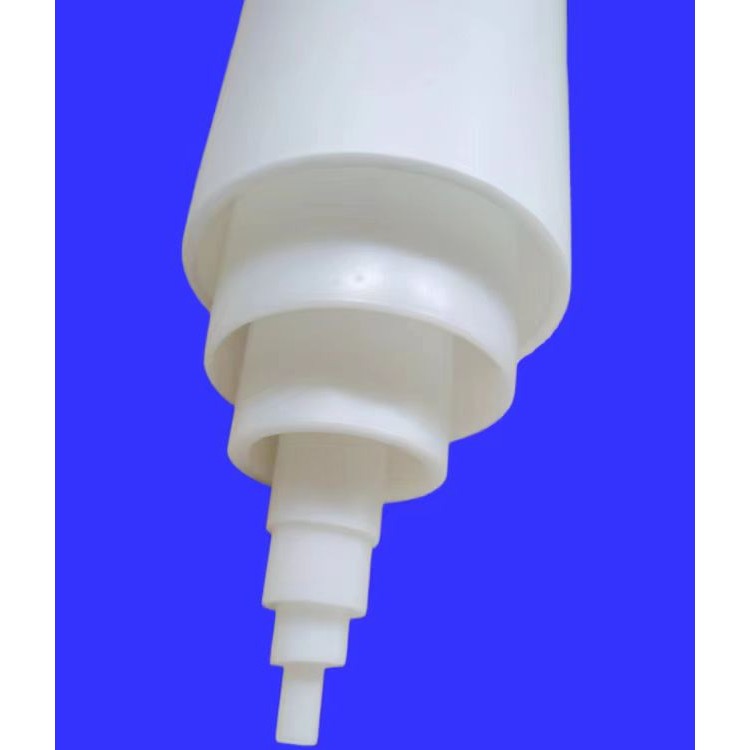
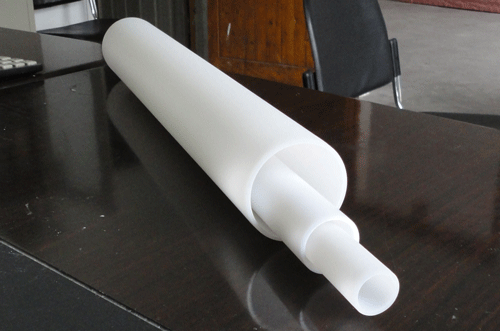
Standard SizesCommon spool tube diameter specifications include 1 inch, 2 inches, 3 inches, 4 inches, 5 inches, 6 inches, etc., with lengths varying according to actual needs, typically ranging from a few hundred millimeters to several meters.4。
Custom SizesTo meet the unique requirements of different customers and copper foil products, mandrel tubes are typically customizable according to the customer-provided drawings or specifications, including special diameters, lengths, wall thicknesses, and end shapes.4。
Production Process
FRP Composite Core Tube Production TechnologyFirst, the high-intensity, wear-resistant glass fiber is impregnated with epoxy resin. Then, on a four-axis CNC winding machine, based on the specified model and size, it is heated and rotated around a steel mandrel at a predetermined winding angle (designed through laying-up theory calculations). After achieving the set thickness, it undergoes secondary heating and curing. Finally, it is machined to the customer's required dimensions and precision.4。
Plastic Coiled Tube Production ProcessGenerally, the extrusion molding process is used, where plastic raw materials are added to the extruder, undergoing steps like heating and plasticizing, and extrusion molding to form the required core tube shape. Subsequent processing techniques such as cutting, polishing, and surface treatment are then applied to complete the core tube manufacturing. Some parts may require injection molding for the addition of special components or surface decoration.
Paper Core Tube Manufacturing ProcessFirst, cut and wind raw materials like kraft paper, then secure them with glue or other adhesives to form the basic shape of paper tubes. After that, undergo processes such as drying, shaping, and reinforcement to enhance the strength and stability of the paper tubes. Finally, cut and print as required.
Application Fields
Electronics IndustryUsed for winding electronic-grade copper foil, such as copper foil used in the production of printed circuit boards (PCBs) and electrolytic copper foil for PCB manufacturing, to ensure the quality and performance of the copper foil during storage and transportation.
New Energy IndustryIn the production of lithium-ion batteries, copper foil, as a critical electrode material, is wound using specialized cores for copper foil rolls, meeting the high-quality supply requirements of copper foil during the production process.4。
Electrical Equipment IndustrySome copper foil used in the manufacturing of electrical equipment, such as transformer and motor windings, also requires specialized core tubes for winding and storage to ensure the flatness and conductivity of the copper foil.