









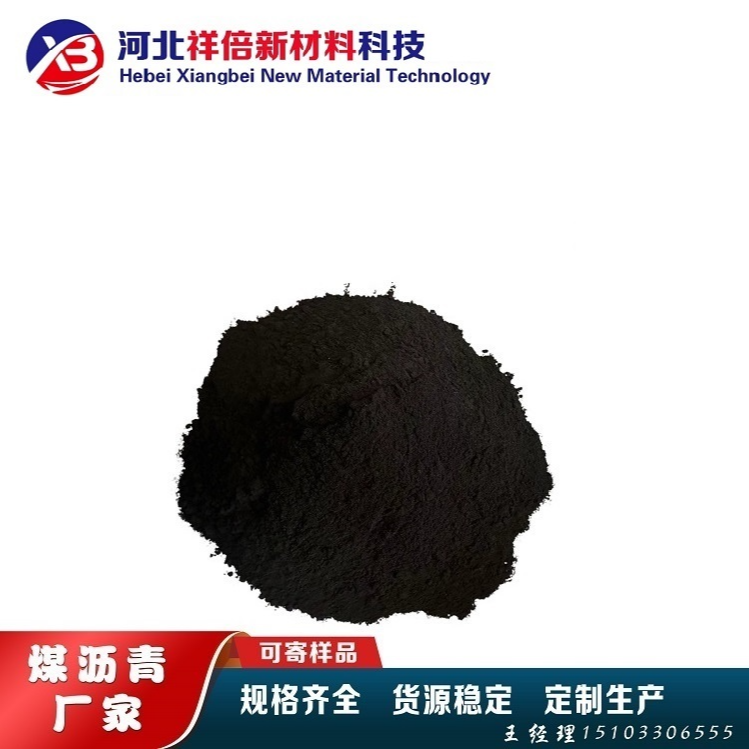
I. Definition and Classification
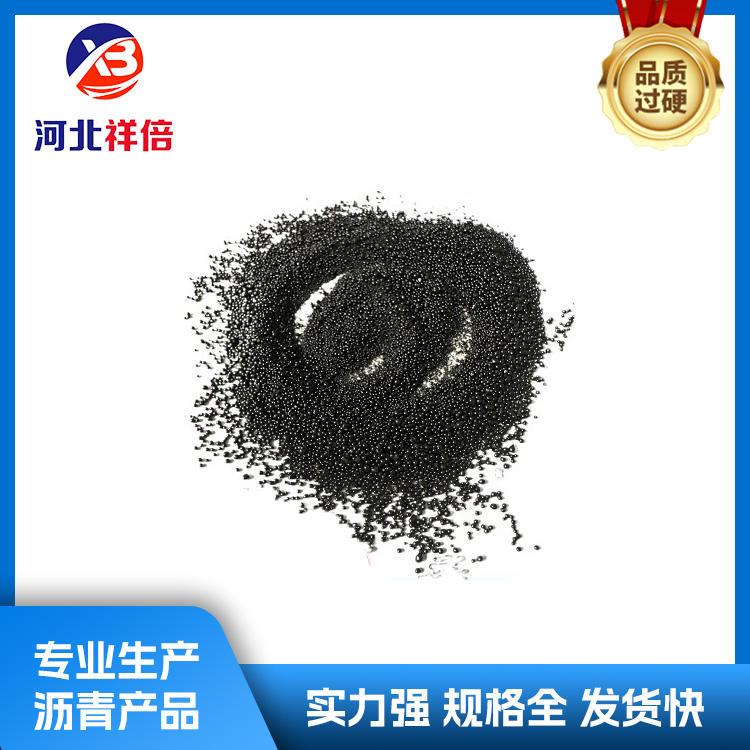
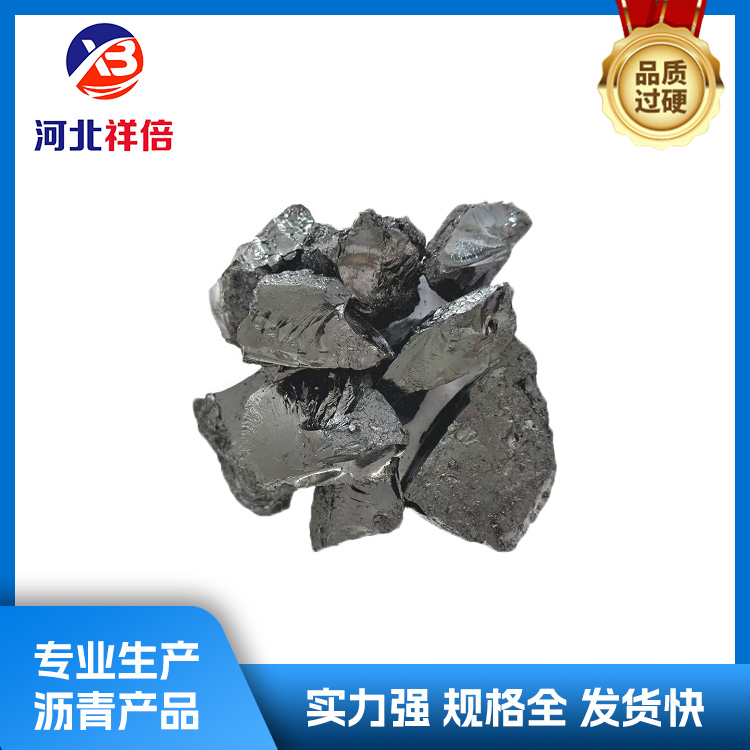
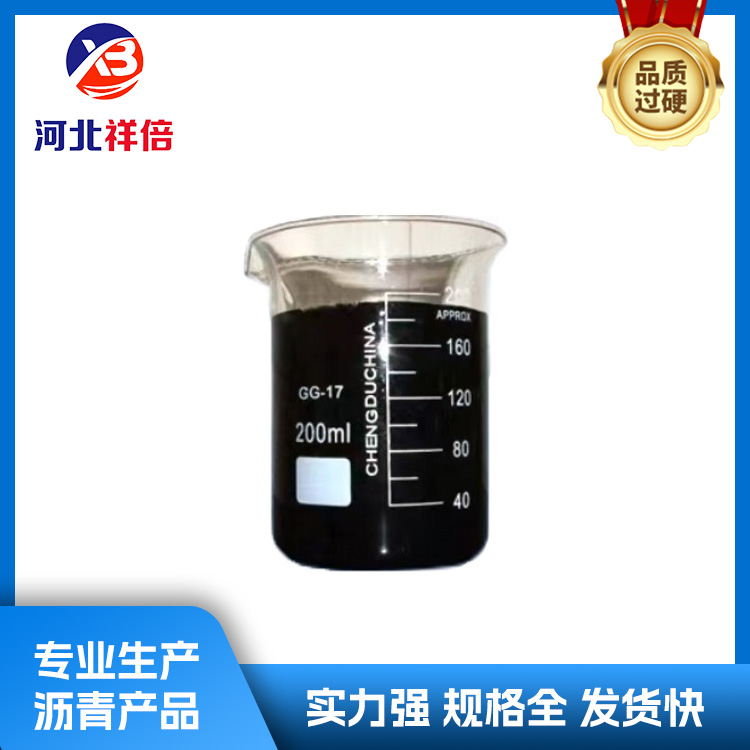
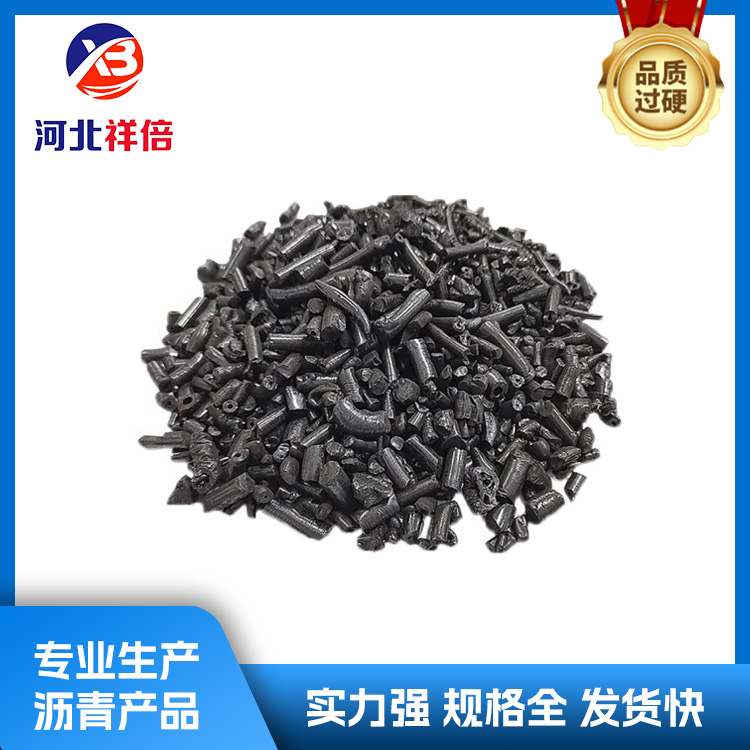
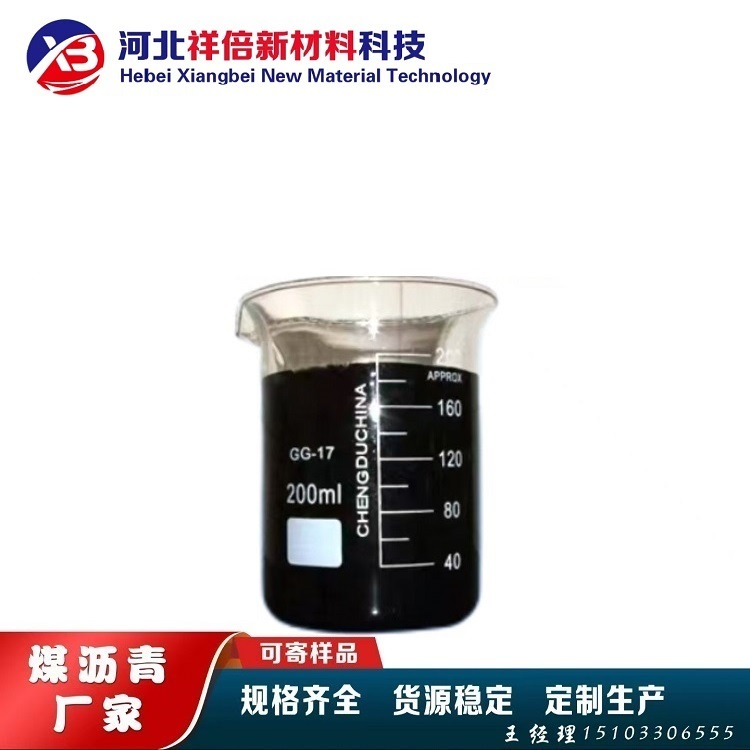
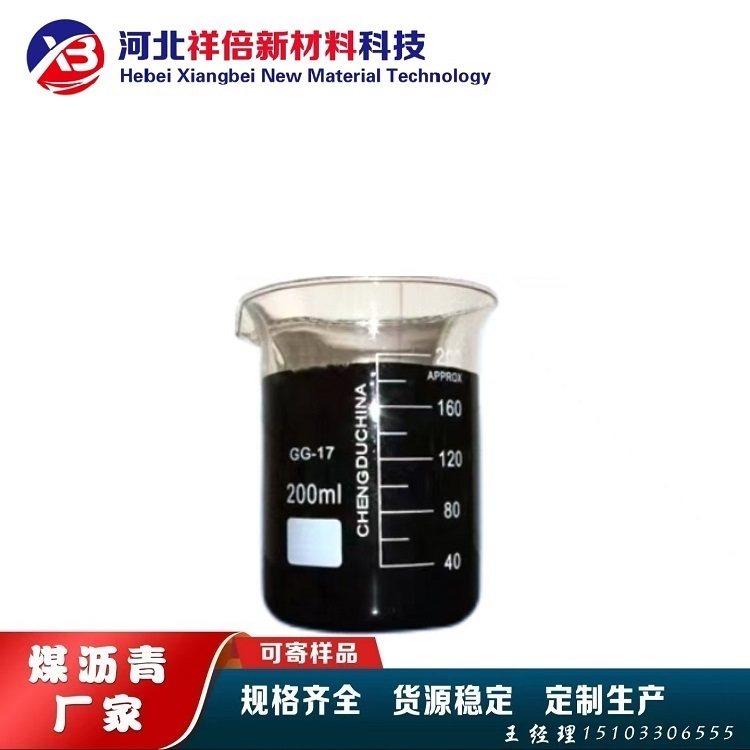
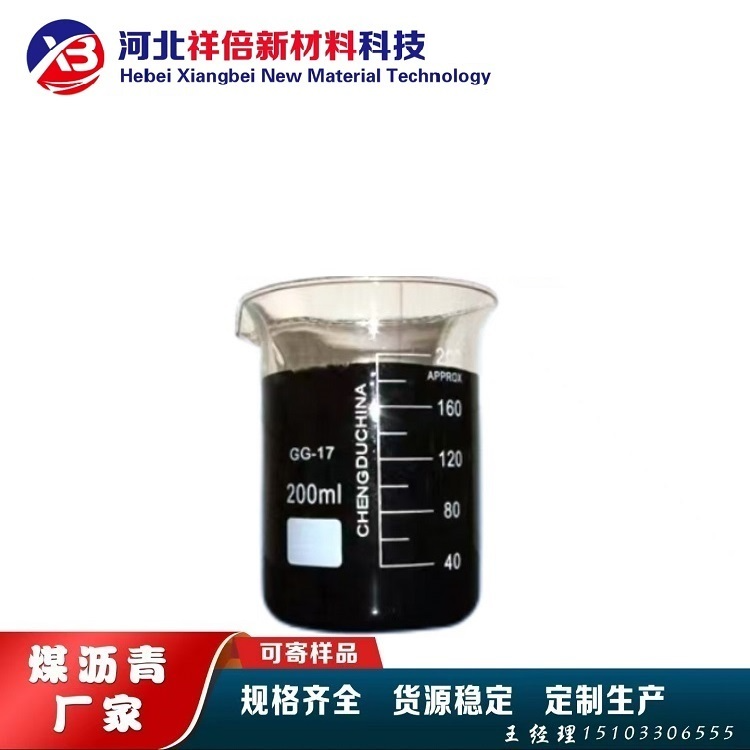
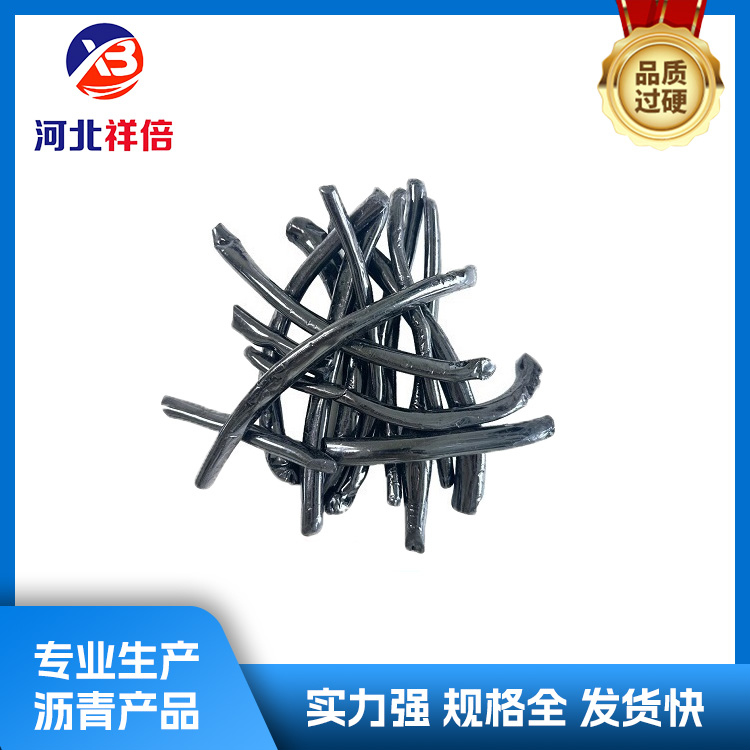
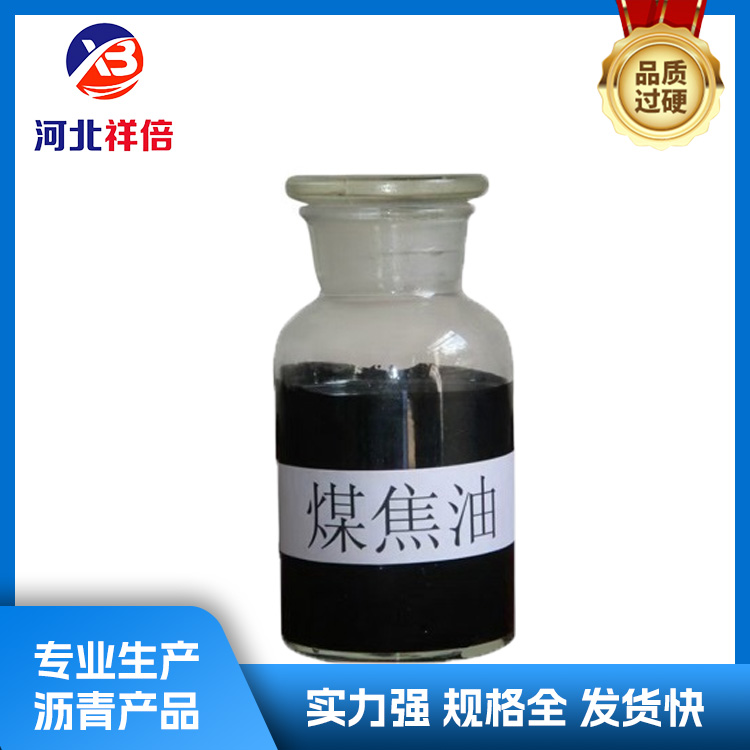
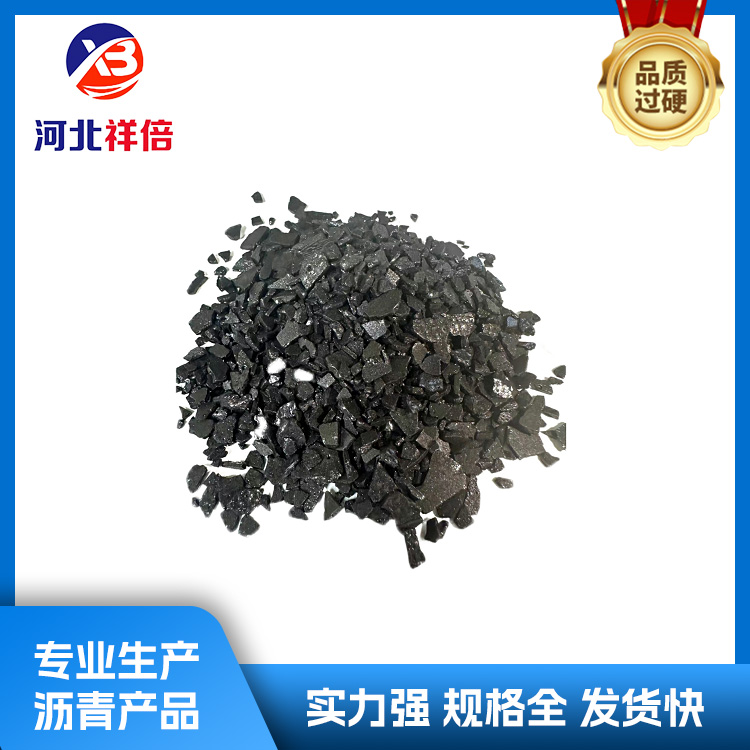
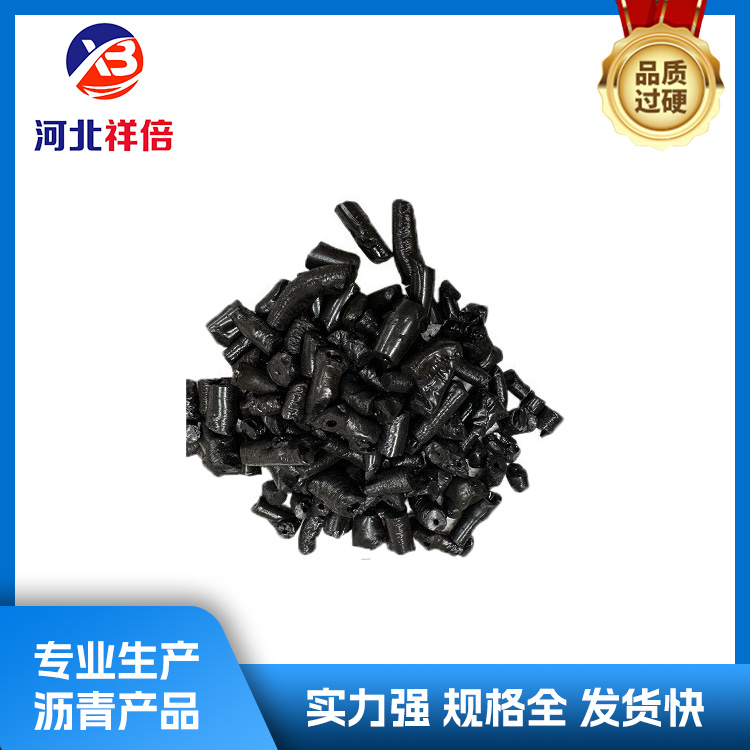
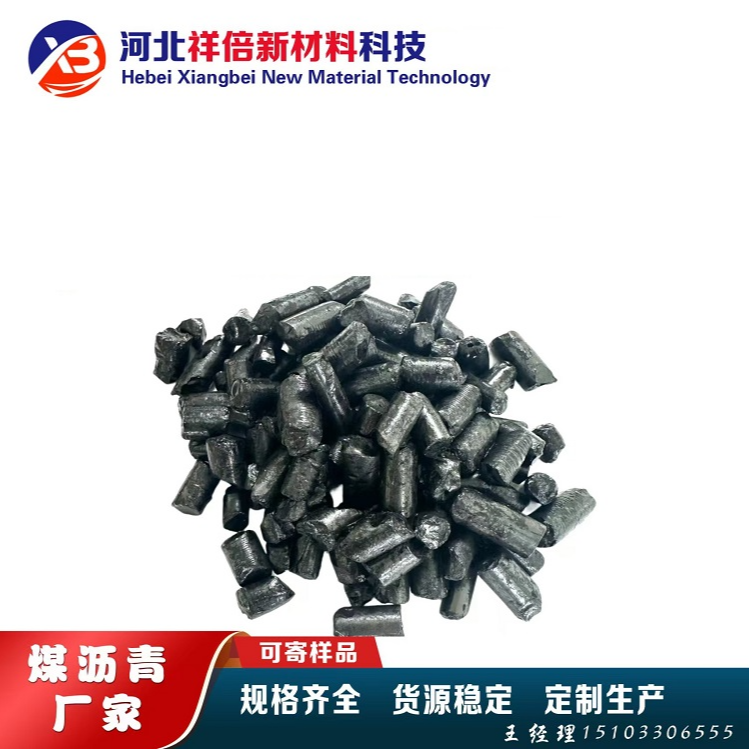
Medium-temperature asphalt liquid refers to asphalt materials with a softening point between 70℃-90℃, lying between low-temperature asphalt (softening point <70℃) and high-temperature asphalt (softening point >90℃). Depending on the source and processing technology, they can be categorized into:
- Coal Tar Middle Temperature Asphalt: Processed from coal tar, containing a high amount of resin and asphaltene.
- Medium-temperature asphalt from petroleum: Processed from petroleum distillation residues, it offers good stability and weather resistance.
II. Production Process
The production process for medium-temperature asphalt liquid primarily includes the following steps:
- Raw Material Selection: Coal tar or petroleum distillation residue is used as the raw material.
- Heating Treatment: Heat the raw material to a certain temperature to melt it and remove moisture and light components.
- Distillation Cutting: Separates various fractions through a distillation tower to obtain intermediate-temperature asphalt.
- Blended Modification: Add modifiers such as polymers and rubber powder as needed to enhance performance.
- Filter Packaging: After filtration of impurities, the product is filled into barrels or stored in tanks.
III. Performance Features
Medium-temperature asphalt liquid boasts the following performance characteristics:
- Moderate viscosity: Good flow, easy to apply, suitable for various application techniques.
- Excellent adhesion: firmly bonds with aggregates, fibers, and other materials, enhancing the overall performance of the material.
- Medium softening point: Maintains stability at room temperature, resists flow at high temperatures, and resists cracking at low temperatures.
- High weather resistance: Good tolerance to environmental factors such as ultraviolet rays and oxidation.
Section 4: Application Fields
Medium-temperature asphalt liquid finds wide application in various fields:
- Road Engineering:
- Bitumen Mixture: Serves as the base asphalt for road asphalt mixtures, enhancing the road's resistance to rutting and durability.
- Emulsified Asphalt: Made through emulsification process, emulsified asphalt is used for slurry seal, prime coat oil, etc.
- Waterproof materials:
- Waterproof Membrane: Acts as a base material or additive for waterproof membranes to enhance their performance.
- Waterproof Paint Coating: Used for producing waterproof paint coatings, enhancing the bond strength and water resistance of the coating.
- Building Adhesive:
- Tile Adhesive Additive: Enhances the bonding strength of tile adhesives.
- Sealing Materials: Used for sealing building gaps to prevent leakage.
- Other Fields:
- Corrosion-resistant materials: Used for the anti-corrosion treatment of pipelines and equipment.
- Carbon materials: Serve as a binder for carbon products, enhancing their mechanical strength.