









I. Product Features
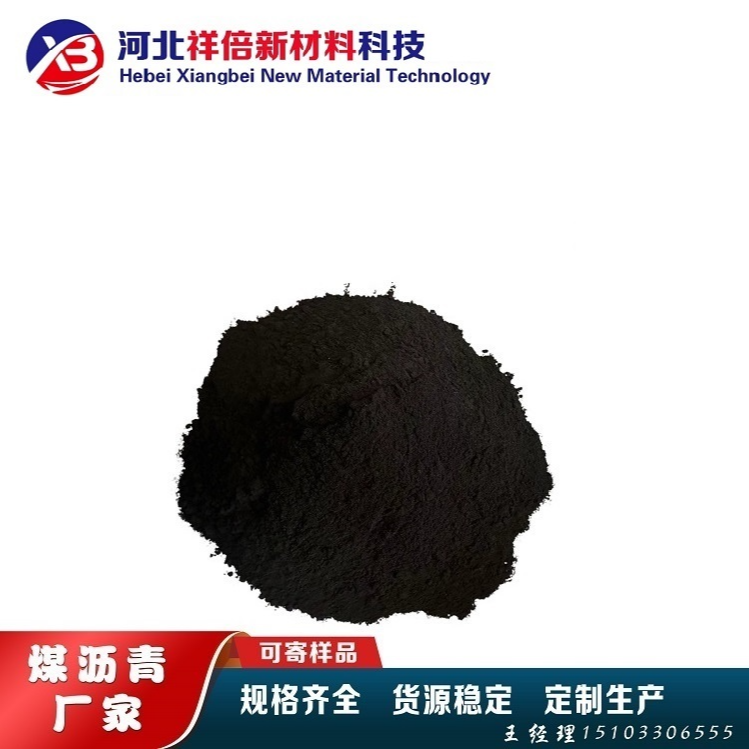
- Appearance and Physical Properties
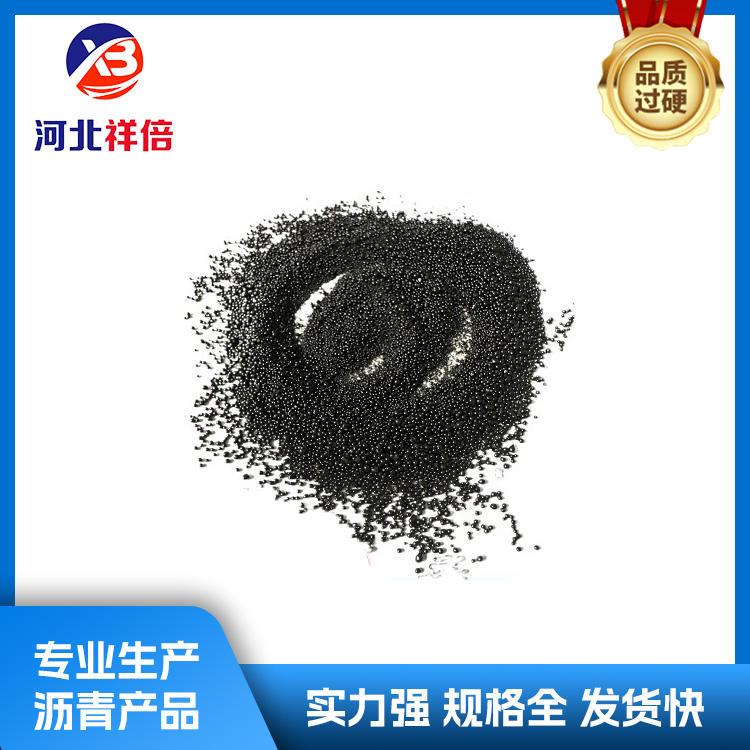
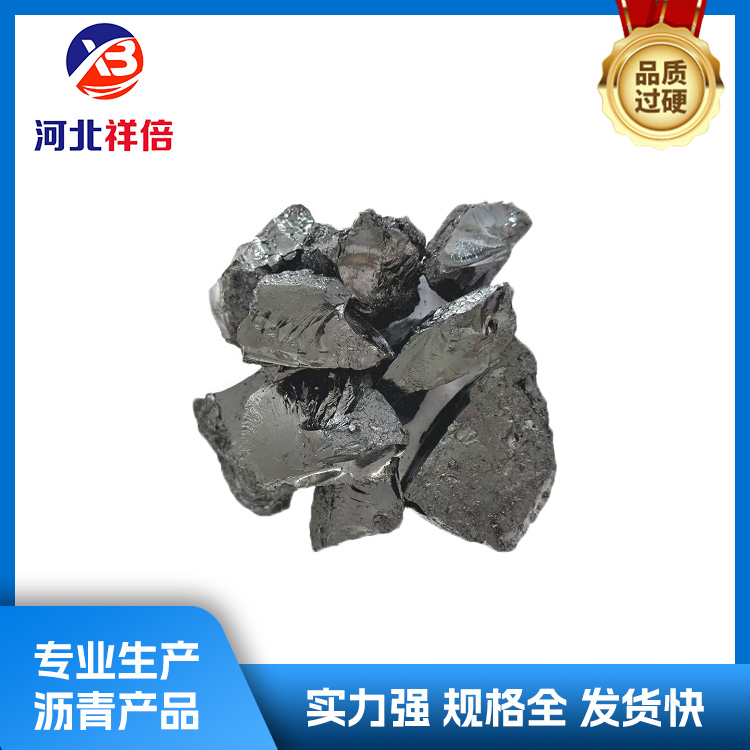
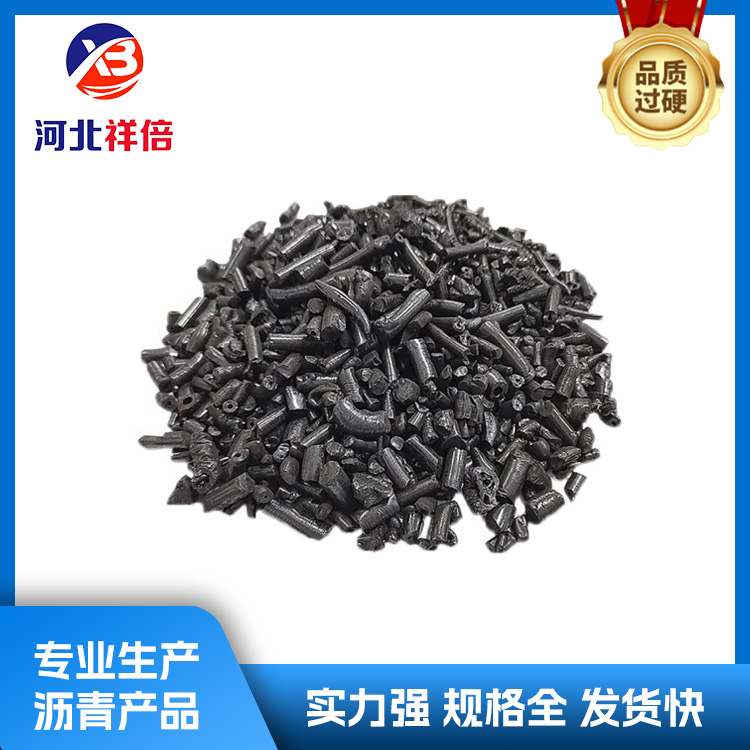
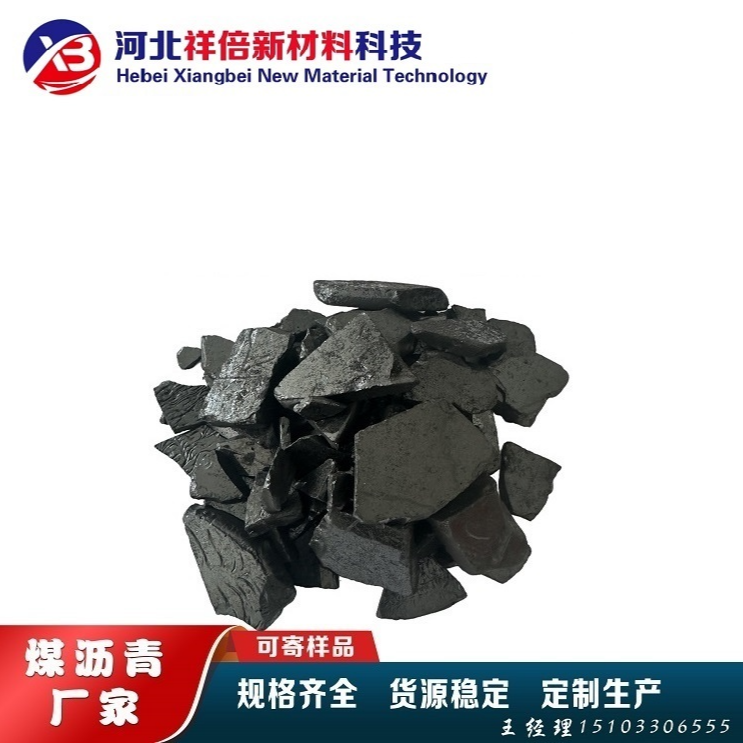
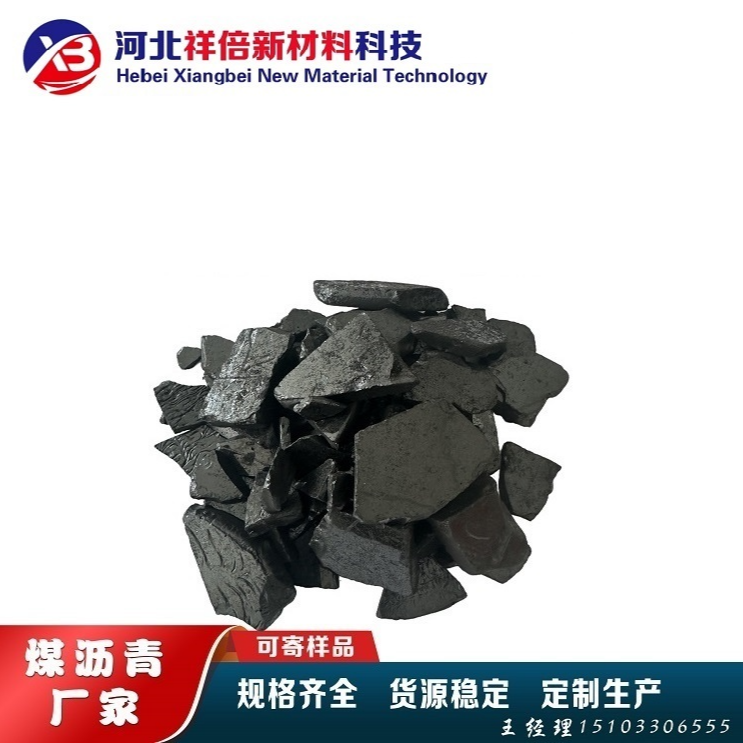
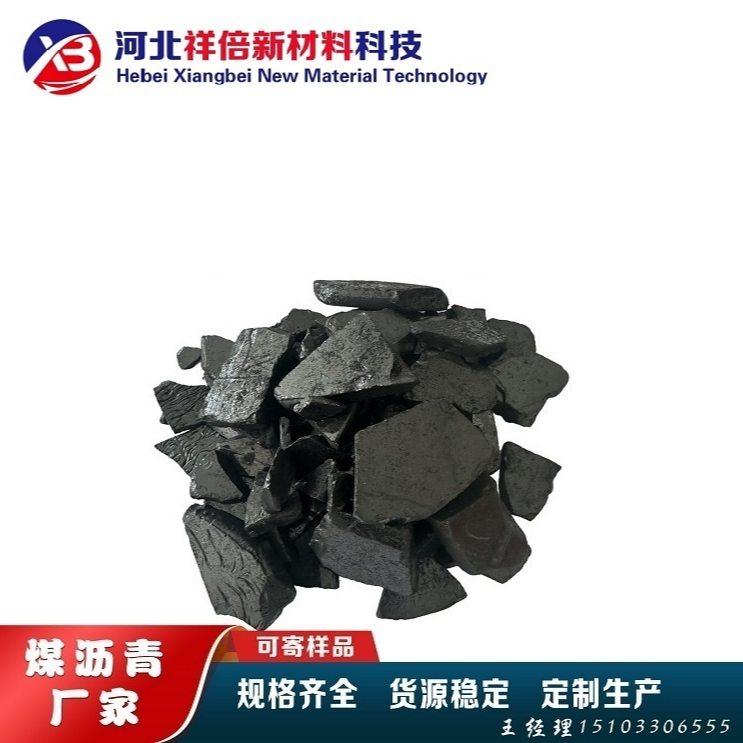
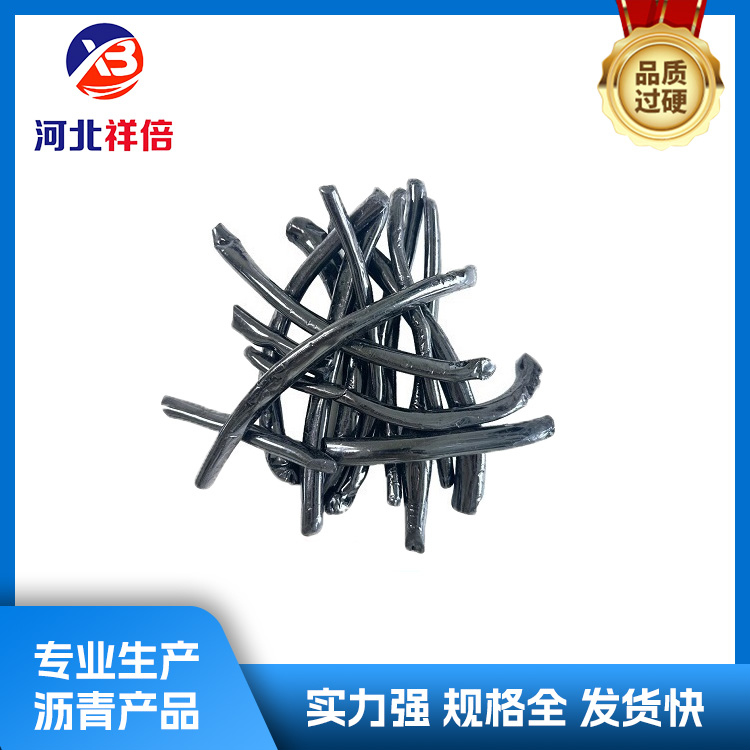
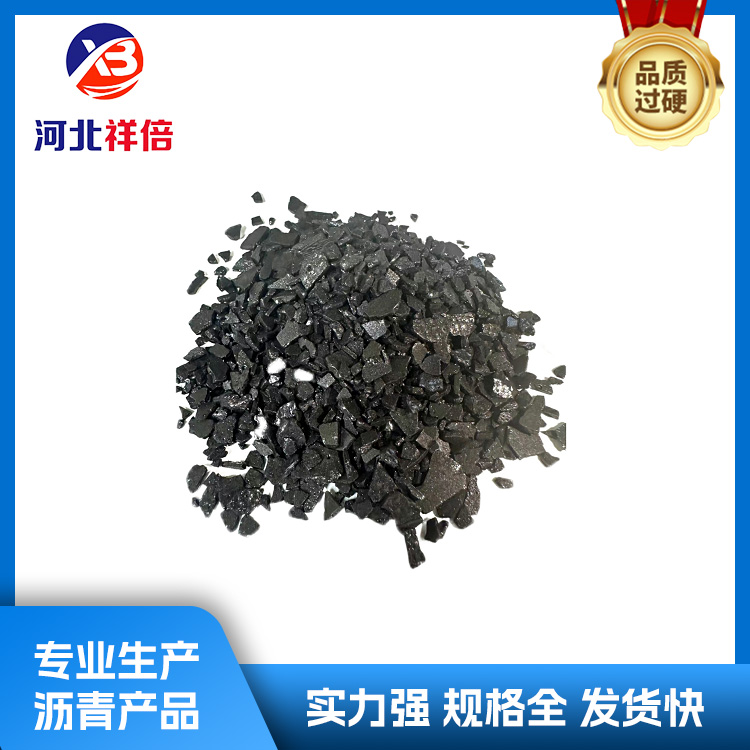
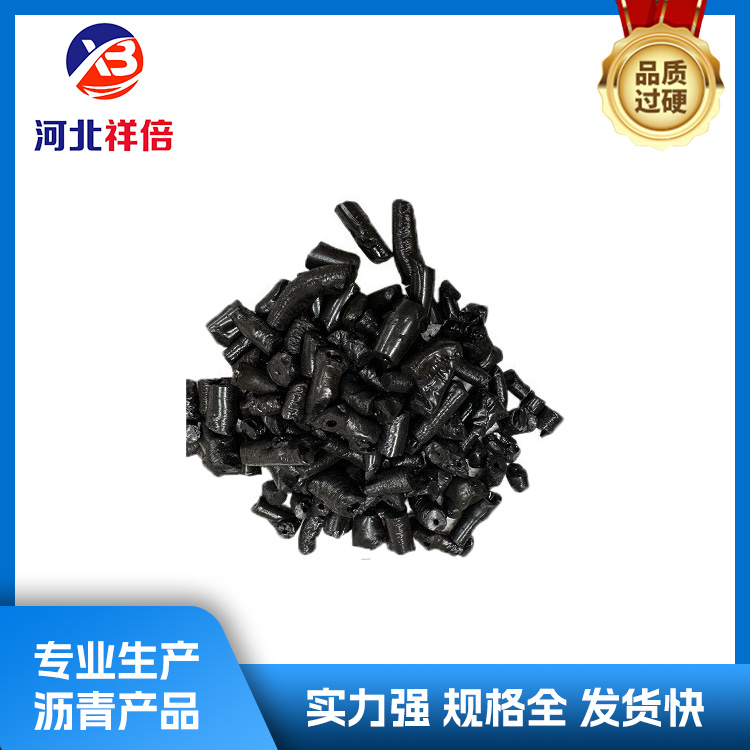
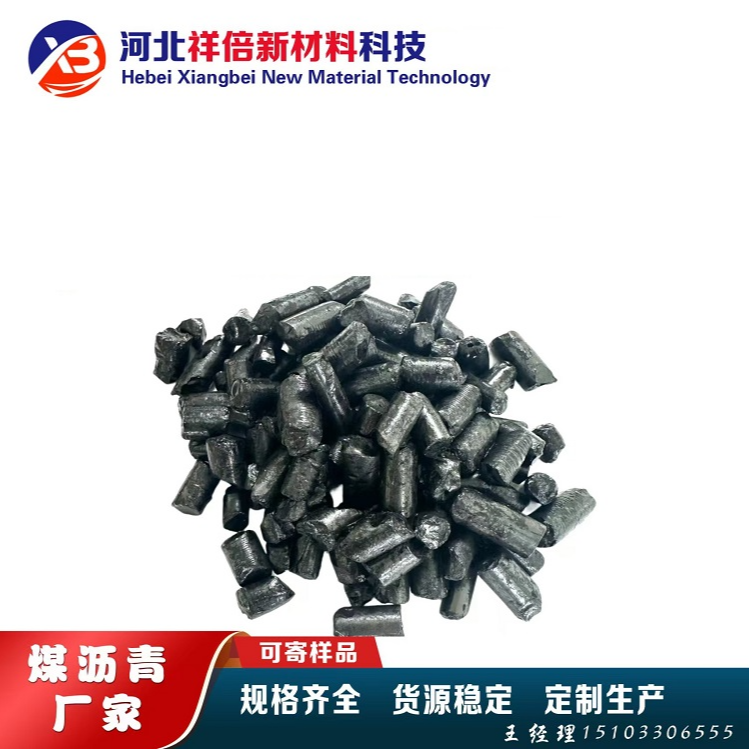
- Appearance: Black or dark brown, solid in sheet form, typically with a thickness of 3-5 millimeters.
- Density: High, typically between 1.25-1.35 g/cm³.
- Softening Point: High, generally between 145-155℃ (some products may reach above 200℃).
- Adhesiveness: Possesses excellent adhesive properties, can be used as a binder for refractory materials and waterproofing materials.
- Chemical Properties
- High Temperature Stability: Maintains stability at high temperatures, suitable for high-temperature environments.
- Corrosion Resistance: Good resistance to chemicals such as acids and alkalis.
- Composition: Mainly consists of polycyclic, condensed aromatic hydrocarbons and their derivatives, with a small amount of free carbon monomers.
II. Production Process
The production process includes the following steps:
- Raw Material Preparation: Select high-quality coal as the raw material, crush and sieve to obtain coal powder.
- Drying: Coal powder is dried using hot air to reduce moisture content.
- Coking: Heating dried coal powder in a coking furnace to produce tar, coke, and waste gases.
- Separation and Filtration: Through separation and filtration processing, pure tar is obtained.
- Processing: Oxygen removal and fractional distillation of tar to produce various applications.
- Forming: Processed into sheet form, cooled, and then packaged.
Section 3: Application Fields
- Refractory Materials: Used as a binder in the production of graphite electrodes, carbon products, anode carbon blocks, and more.
- Waterproof materials: Used for manufacturing waterproof membranes, waterproof coatings, etc.
- Coal blending: Combining coal for combustion to enhance calorific value and reduce pollution.
- Road Engineering: As an additive for road asphalt mixtures, it enhances pavement performance.
- Other Fields: Furnaces, refractory linings, crucibles, and other high-temperature equipment for metallurgy, chemical industry, ceramics, etc., as well as anti-corrosion treatments for pipelines and equipment.
4. Market Prices & Brands
The price of the sheet varies due to brand, grade, and usage. For example:
- Shenhua Sheets: Prices range from 1,160 yuan/ton to 2,300 yuan/ton, depending on specific indicators such as softening point and coking value.
- Other Brands: Such as Hebei Xiangbei, Hebei Tanjiu, Hebei Hankai, etc., prices are generally between 1,200 yuan/ton and 1,960 yuan/ton.
V. Buying Suggestions
- Select based on usage:
- Refractory materials: Choose products with high softening points and high coking values.
- Waterproof materials: Choose products with strong adhesion and good weather resistance.
- Coal blending: Select products with high calorific value and low ash content.
- Focus on Product Quality:
- View product grades (such as premium grade, first grade).
- Check if the softening point, coking value, and ash content meet the standards.
- Choose a Reliable Supplier:
- Preferably choose enterprises with production qualifications and a good reputation, such as China National Coal Group, Hebei Xiangbei New Material Technology Co., Ltd., and others.
Section 6: Precautions
- Environmental Requirements: Ensure suppliers meet environmental standards as harmful substances (such as benzo(a)pyrene) may be produced during the production process.
- Storage and Transportation: Sheets should be stored in a dry, well-ventilated area, avoiding high temperatures and humidity. During transportation, prevent damage and leakage.
- Safe Use: Flammable when melted, operation must be under the guidance of professionals, avoid contact with skin and inhalation of harmful gases.