









I. Definition and Application
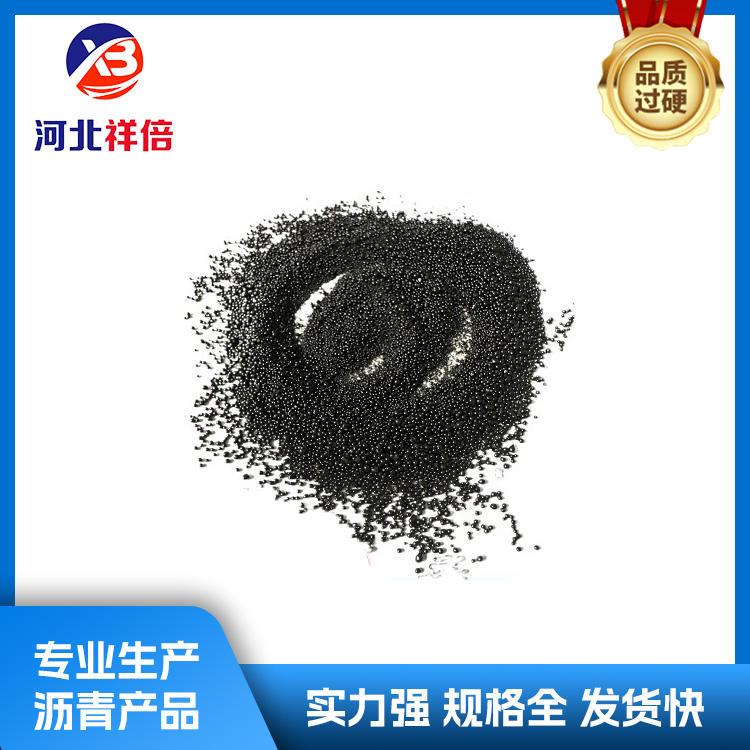
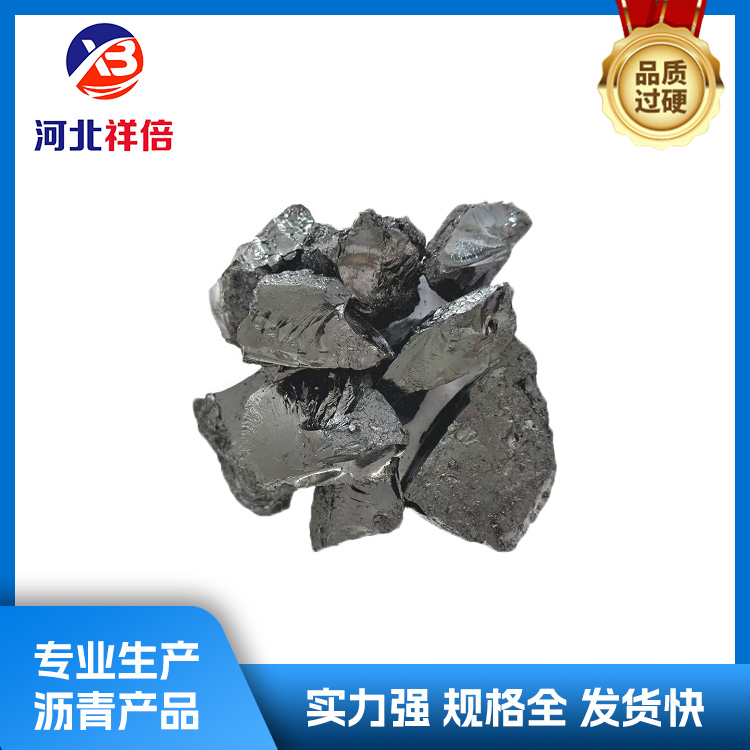
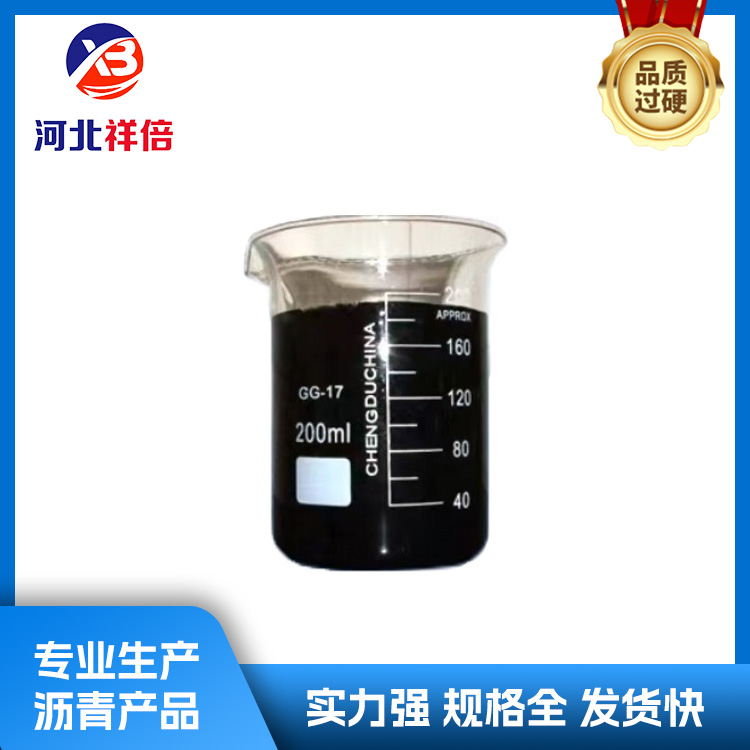
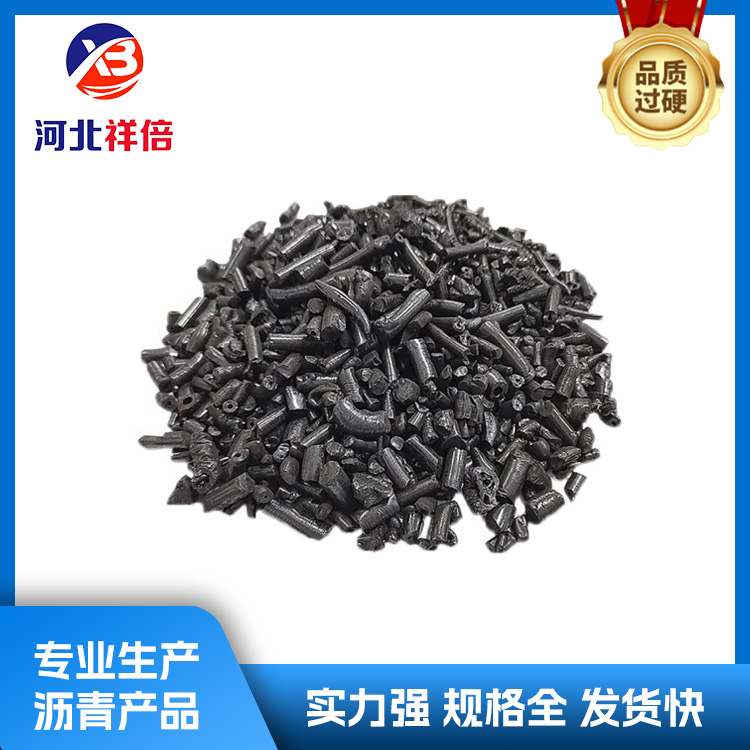
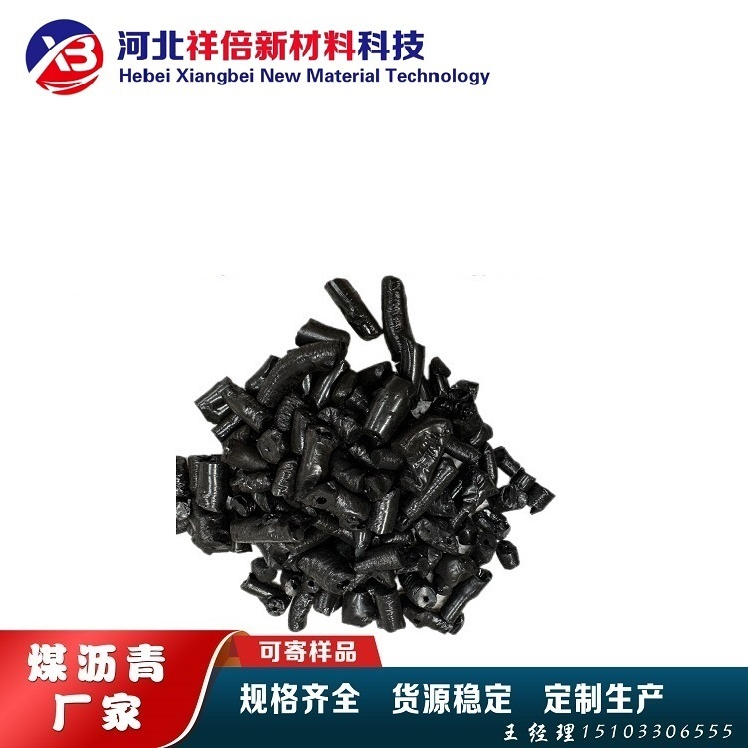
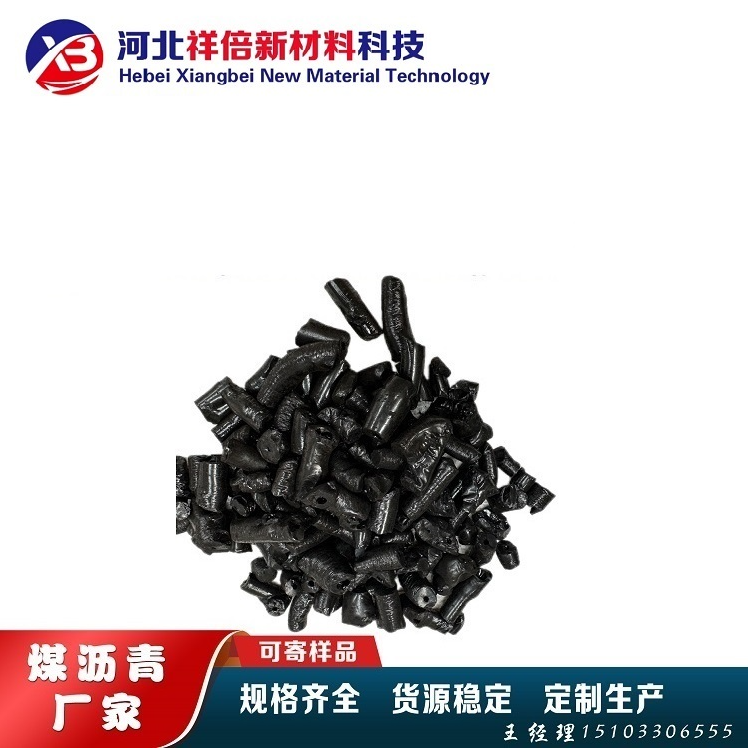
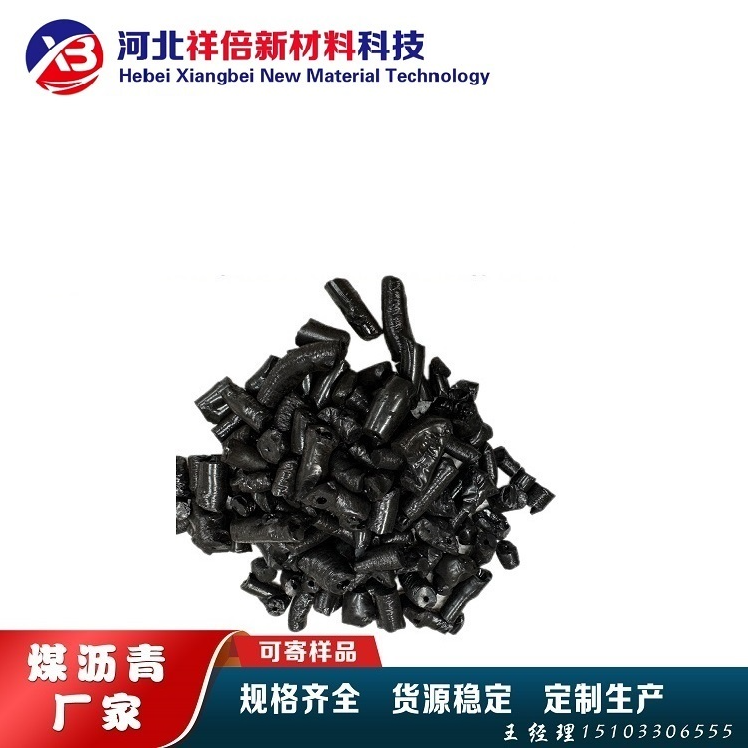
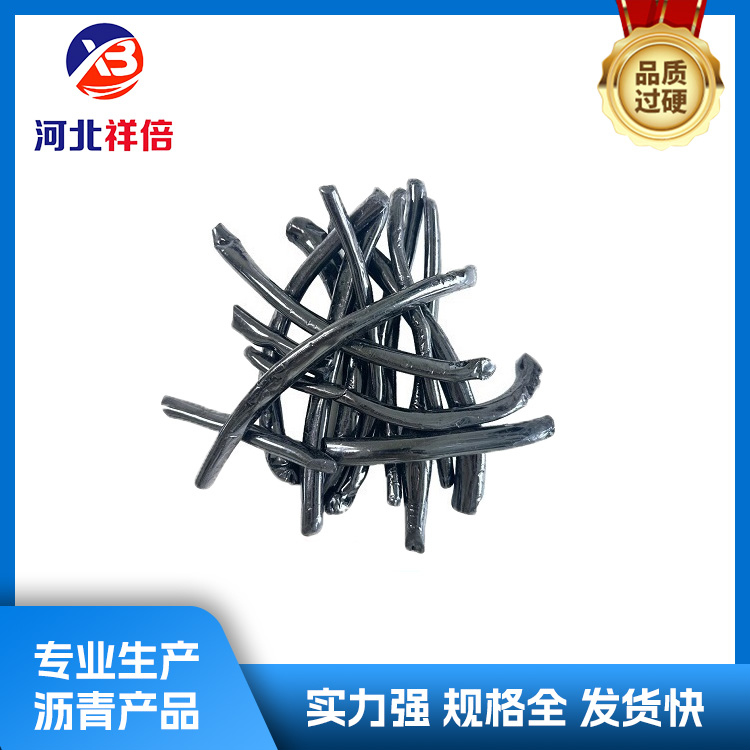
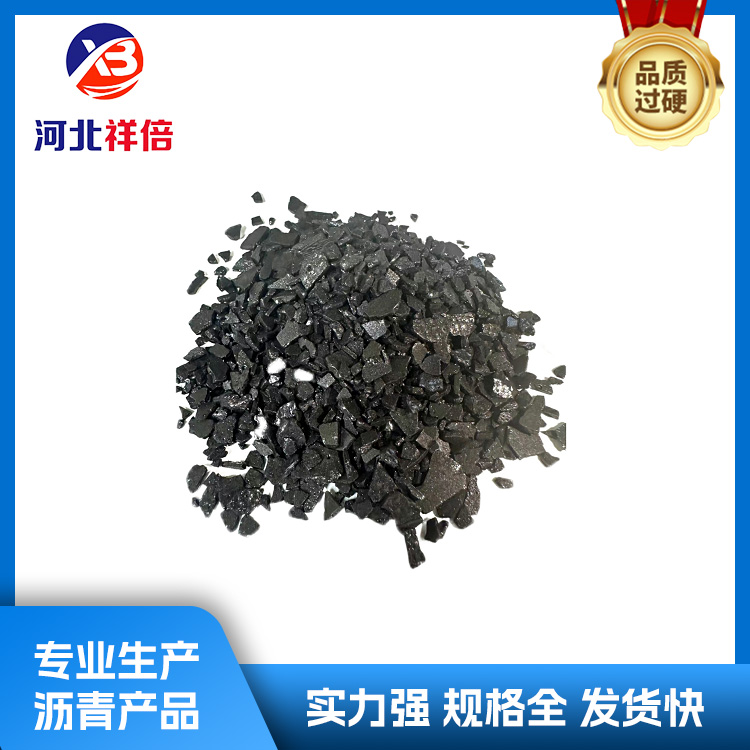
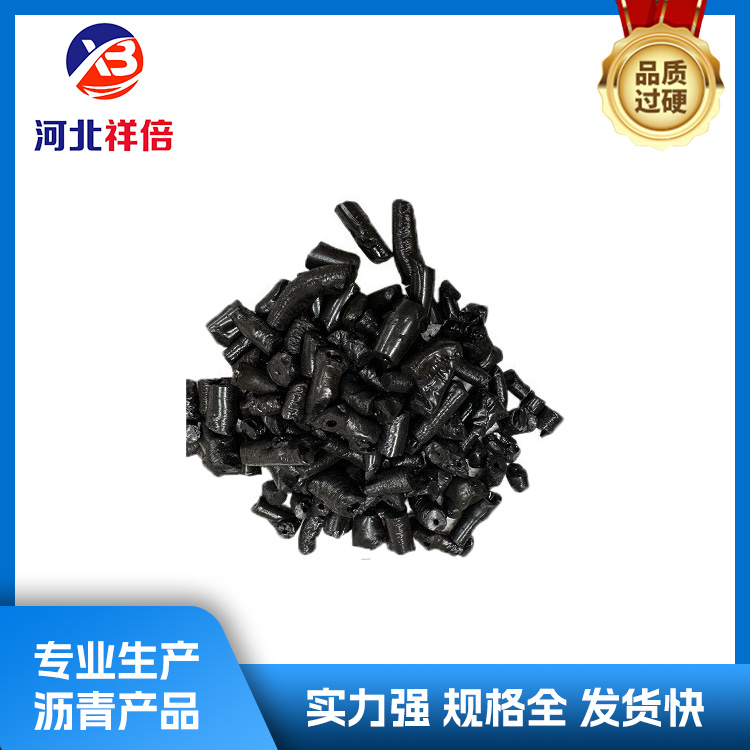
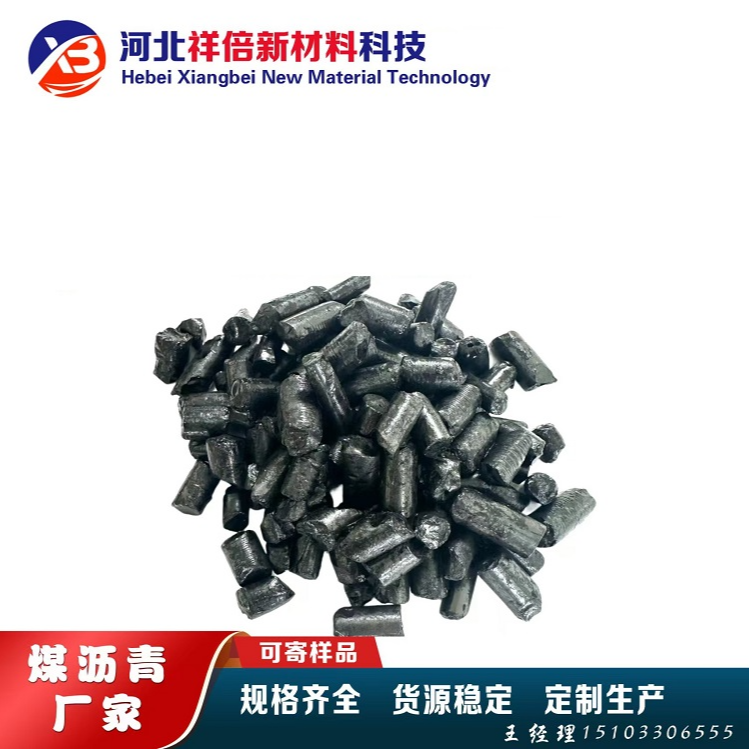
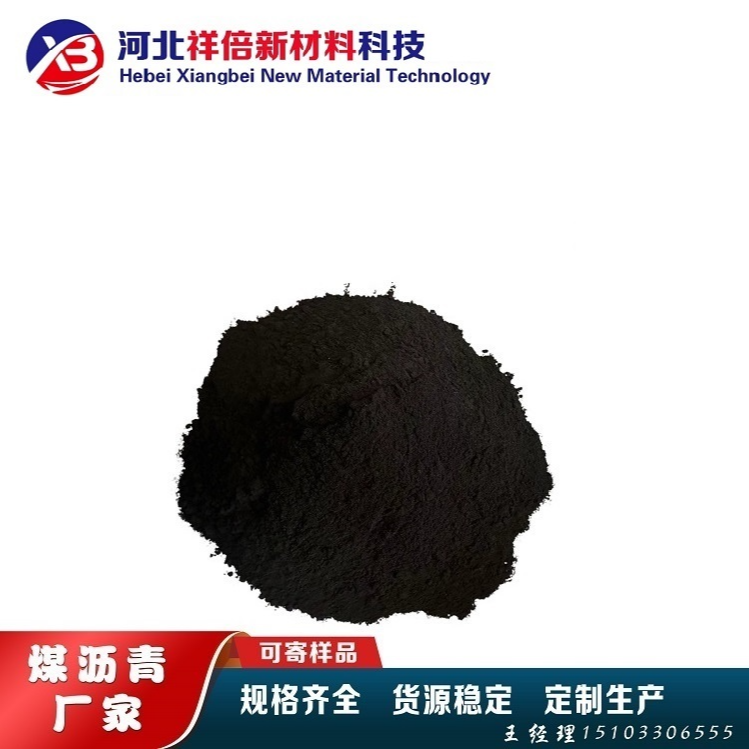
Pitch for impregnation is a commonly used densifying and reinforcing agent in the production of carbon products, primarily for the preparation of high-power and ultra-high-power graphite electrodes, high-density and high-strength carbon blocks, and other high-performance carbon materials. Through the impregnation process, pitch fills the pores of carbon products, enhancing their density, mechanical strength, electrical and thermal conductivity.
II. Raw Materials and Classification
The main raw materials for saturated asphalt include petroleum asphalt or synthetic resin.
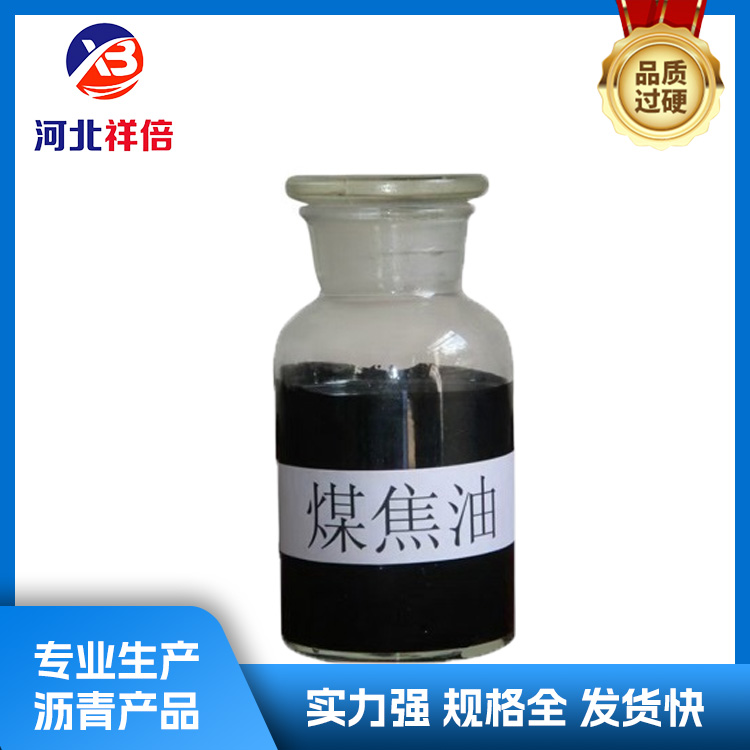
- Traditionally widely used in dip coatings, offering the advantages of low cost and high carbon residue rate, but with a high content of non-soluble matter (QI), which may affect the dipping effect.
- Petroleum asphalt: Lower QI content, superior impregnation effect on micropores, but lower coking residual carbon value.
- Synthetic Resin: Used for specific applications, such as pore blocking in graphite chemical equipment, requiring curing at an appropriate temperature.
III. Features and Performance Specifications
The properties of the asphalt dipping significantly affect the dipping effectiveness, with key indicators including:
- Volume Density: Affects the final density of the product.
- Viscosity: High viscosity can cause difficulty in penetration, which is usually reduced by heating.
- Insoluble matter (QI) content: High QI content can reduce the impregnation rate; the QI content of high-quality impregnated asphalt is usually below 0.5%.
- Coking Value: A higher coking value indicates a greater bulk density and mechanical strength in the carbon products after calcination.
Four: Production Process
The production process for saturated asphalt typically includes the following steps:
- Material Selection: Choose suitable materials, such as petroleum asphalt or synthetic resin, based on the product requirements.
- Pre-treatment: Heat and filter raw materials to reduce viscosity and QI content.
- Dipping: Immerse asphalt into the pores of carbon products under heating and pressure conditions.
- Curing and Carbonization: After impregnation, the products must undergo curing (such as with resin impregnants) and carbonization to enhance their performance.
V. Application Examples
- High-power and ultra-high-power graphite electrodes: Impregnation with asphalt significantly enhances the density and mechanical strength of the electrodes, reduces porosity, thereby extending the service life and performance of the electrodes.
- Carbon/carbon composites: High-density, high-strength carbon/carbon composites can be produced through multiple dipping-pyrolysis processes, suitable for aerospace, nuclear energy, and other fields.
- Artificial Bones: Immersion in asphalt can be used to produce artificial bone materials with high strength and good biocompatibility.
Six: Trend Development
As the technology of carbon materials continues to advance, the research and application of impregnated asphalt are also progressing. In the future, impregnated asphalt will develop in the following directions:
- Low QI content: Further reduce the QI content in the dipped asphalt to enhance the dipping effect.
- High-performance enhancement: Develop dipped asphalt with higher softening point, lower viscosity, and better rheological properties.
- Environmental Protection: Reduce environmental pollution during the production and use of asphalt emulsion, and develop eco-friendly asphalt emulsion.