









I. Definition and Nature
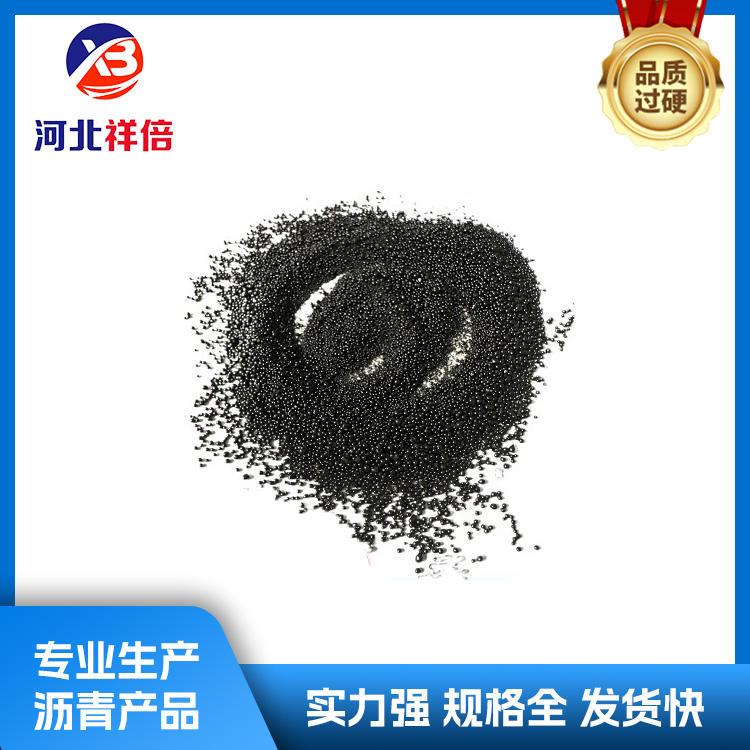
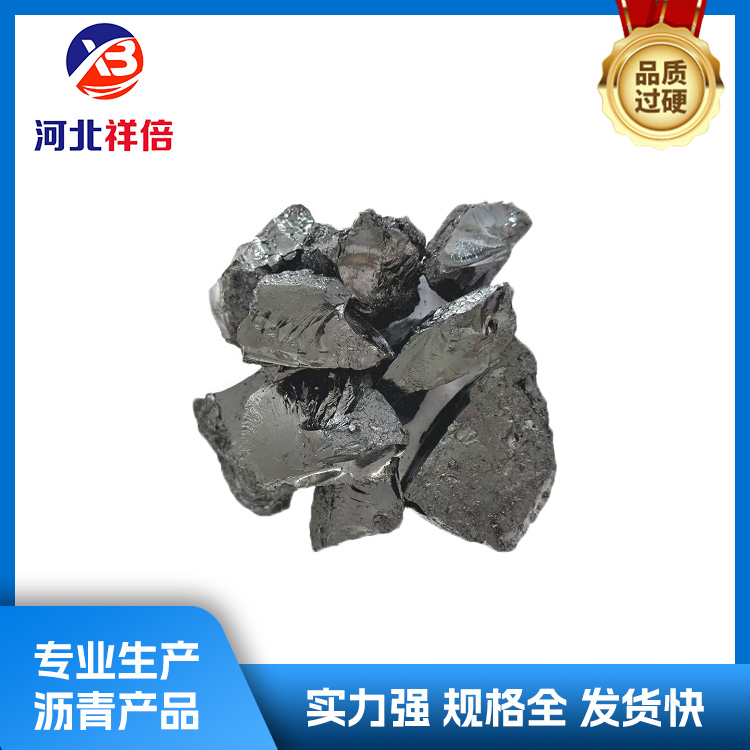
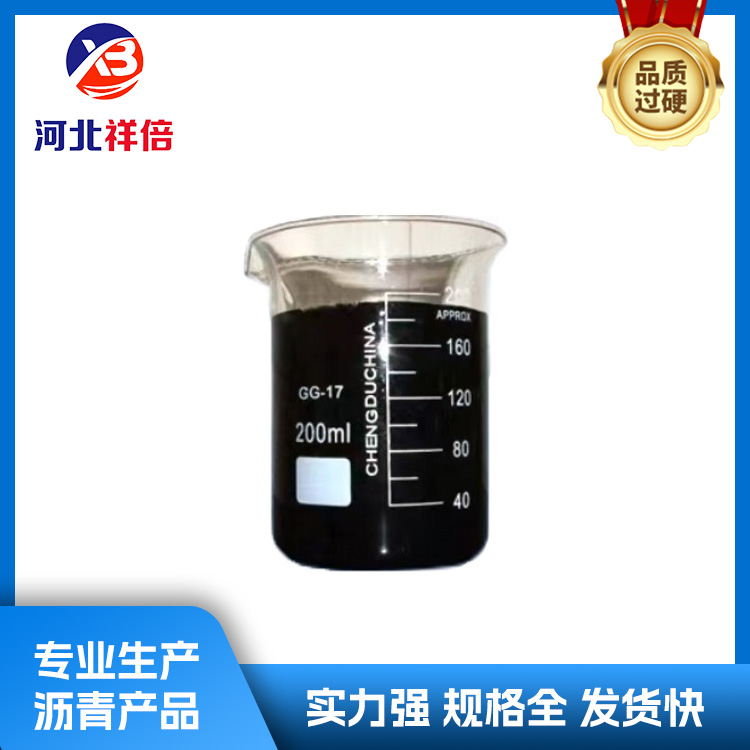
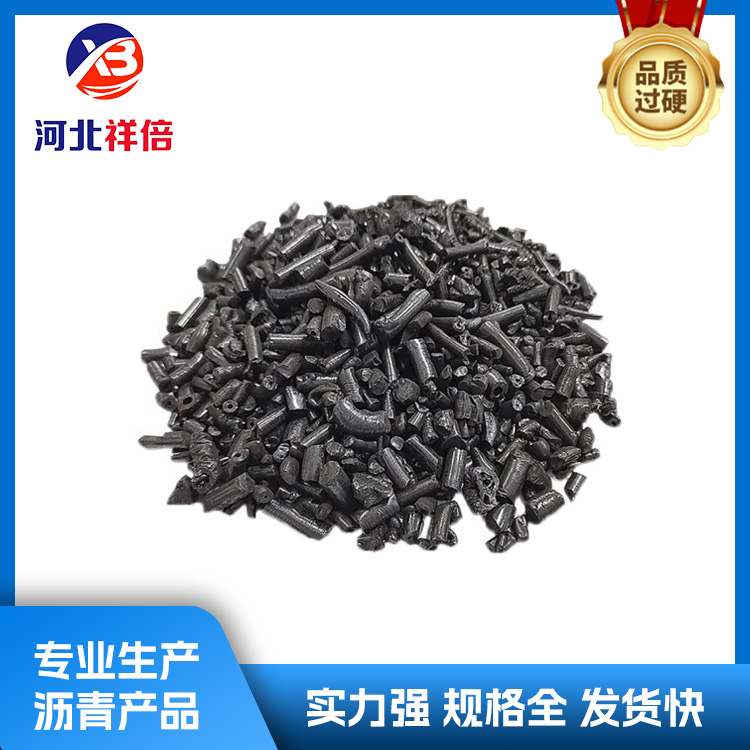
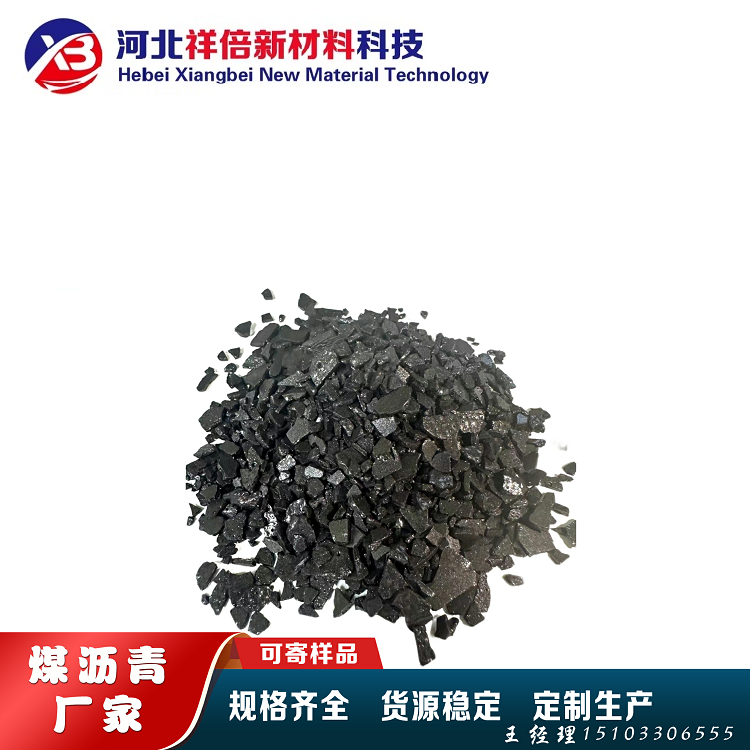
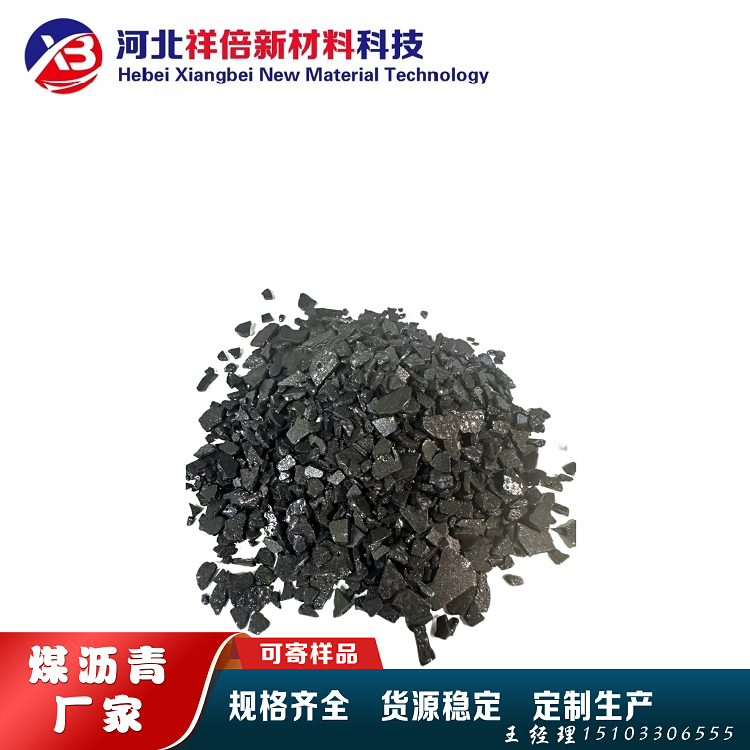
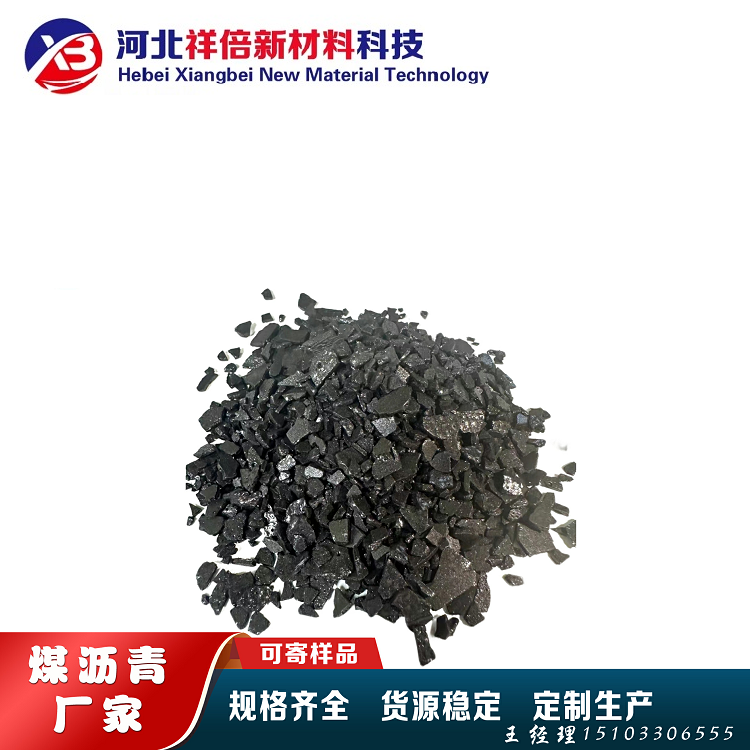
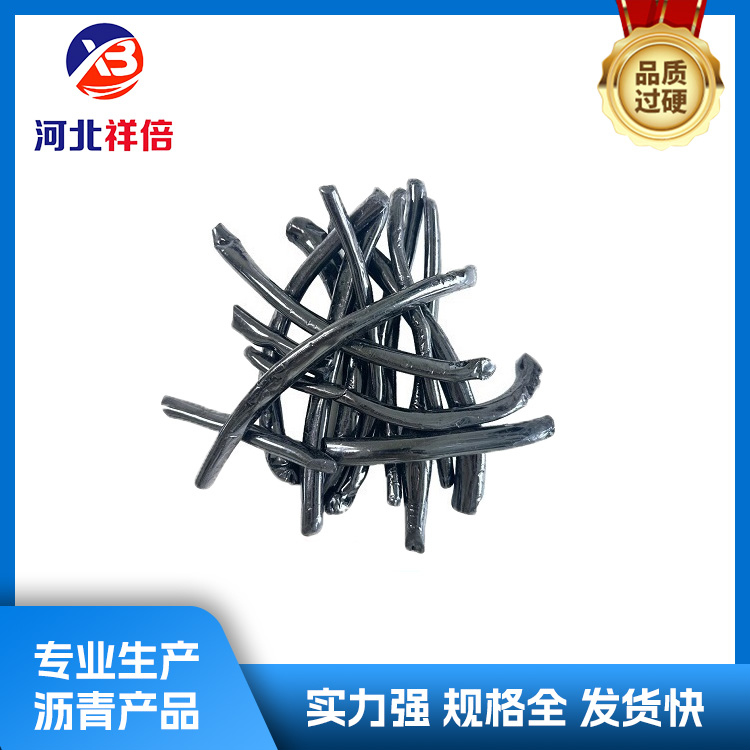
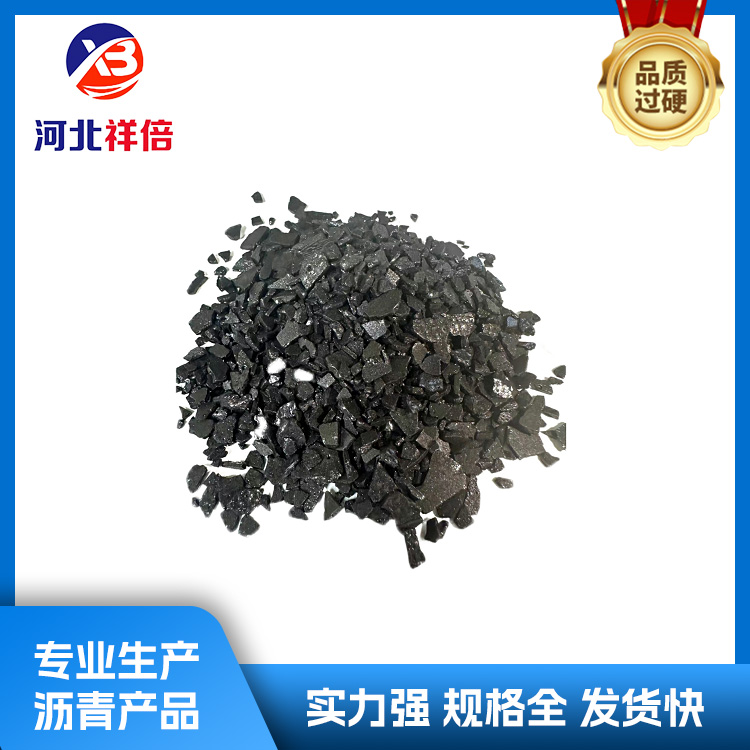
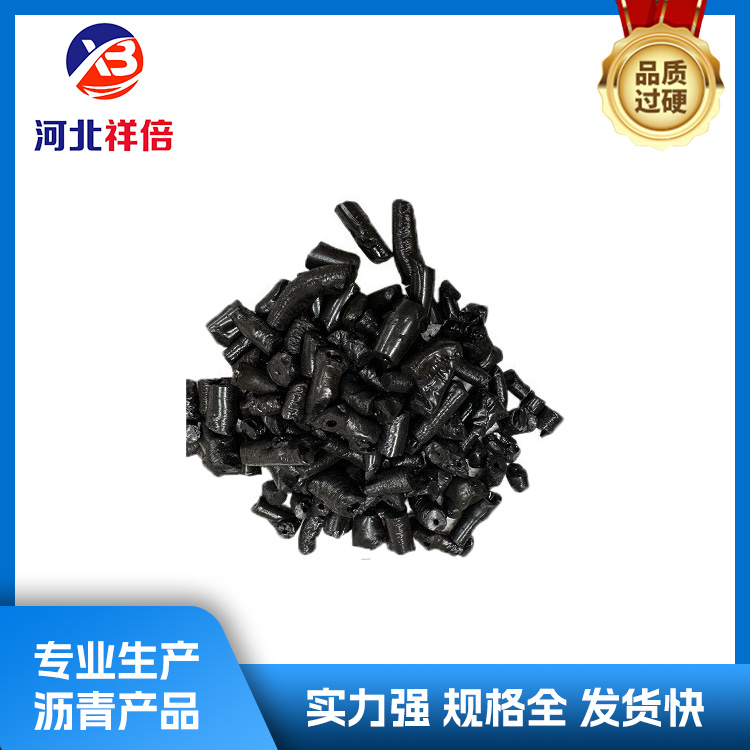
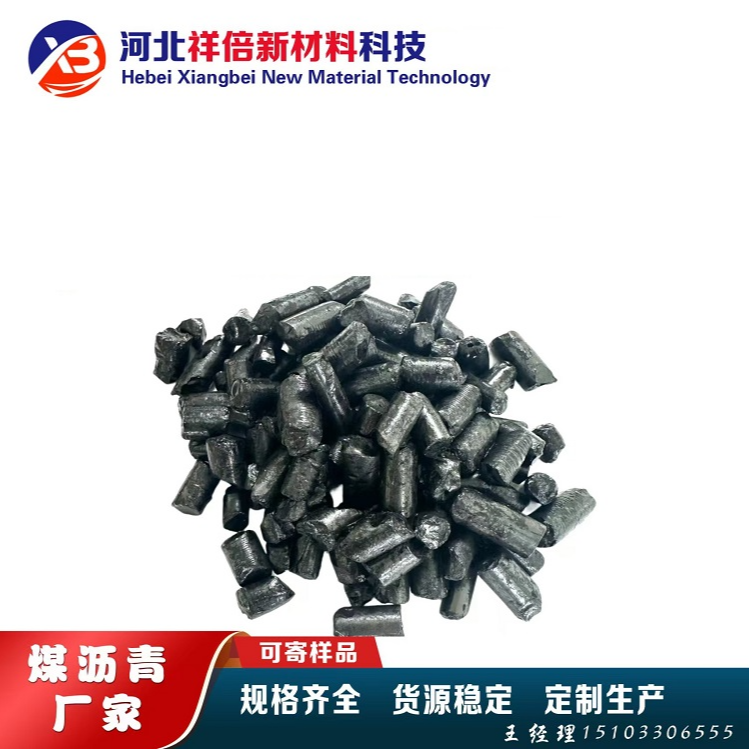
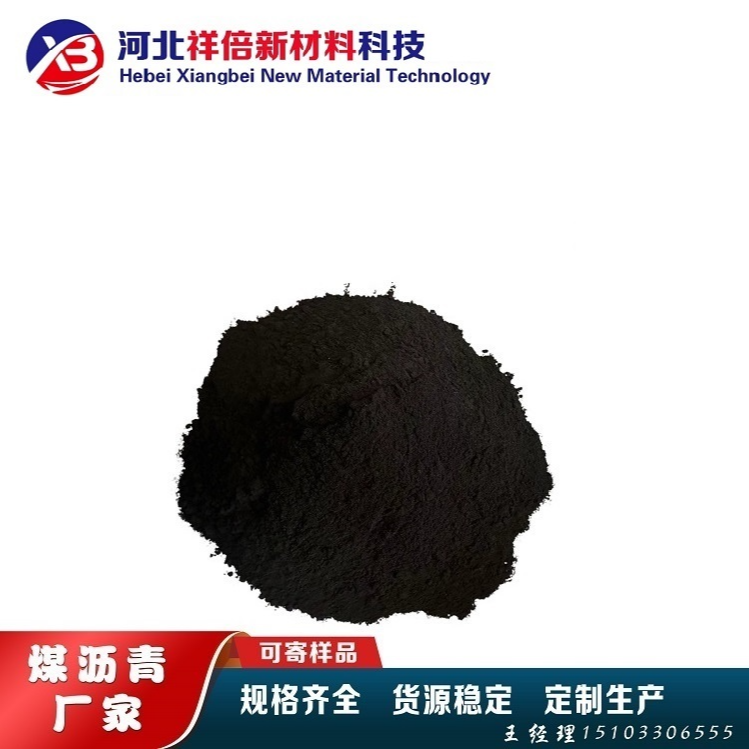
Petroleum asphalt sheets are solid asphalt products formed through processes such as distillation, oxidation, and blending from crude oil, primarily composed of carbon compounds and their non-metallic derivatives of various molecular weights. They have a fragmented appearance and possess the following characteristics:
- Softening Point: Typically ranges between 100℃ to 110℃, melting into a thick liquid under high temperatures.
- Strong adhesive: Can adhere closely to the surface of mineral materials, forming a waterproof and moisture-proof layer.
- High calorific value: Releases a large amount of heat during combustion, suitable for industrial heating or energy utilization.
- Corrosion Resistance: Excellent tolerance to chemicals such as acids, alkalis, and salts.
Section II: Production Process
The production of petroleum asphalt sheets typically involves the following steps:
- Raw Material Selection: Processed materials such as vacuum residue from oil refining and deoiled asphalt are used.
- Heat Treatment: Removes light components through high-temperature oxidation or distillation processes, increasing asphaltene content.
- Tempering Treatment: Add modifiers (such as rubber, resins, etc.) as required to enhance performance.
- Forming Processing: After tempering, cool the asphalt and slice it into regular shaped products.
Section 3: Application Fields
Petroleum asphalt sheets, due to their excellent properties, are widely used in various industries:
- Waterproofing Materials: Serves as the core material for roof waterproofing and felt paper waterproofing, effectively preventing water penetration.
- Corrosion-resistant coating for metal pipelines and storage tanks, extending the service life of equipment.
- Oilfield Additives: Used as lubricants or sealants during drilling and oil extraction processes.
- Rubber Products: Serve as plasticizers or reinforcing agents for rubber, enhancing its flexibility and wear resistance.
- Recycled Rubber: Serves as a softener in the recycling and utilization of waste rubber, promoting the regeneration of rubber.
- Pipe anti-corrosion paint: Provides long-lasting anti-corrosion protection for oil and gas pipelines.
- Hot spray firing: Used as fuel for industrial kilns, replacing part of coal or heavy oil.
IV. Advantages and Features
- Environmental friendliness: Compared to traditional asphalt, petroleum asphalt sheets can reduce harmful gas emissions during the production process.
- Economic: Broad source of raw materials, low cost, and easy to store and transport.
- Versatility: Modified to meet the specific performance requirements of asphalt across various industries.