









I. Definition and Nature
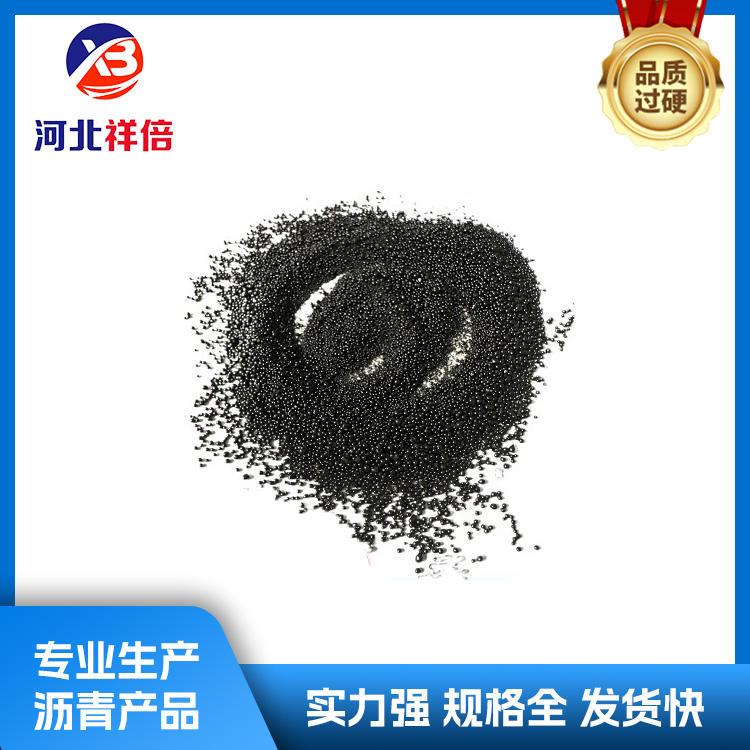
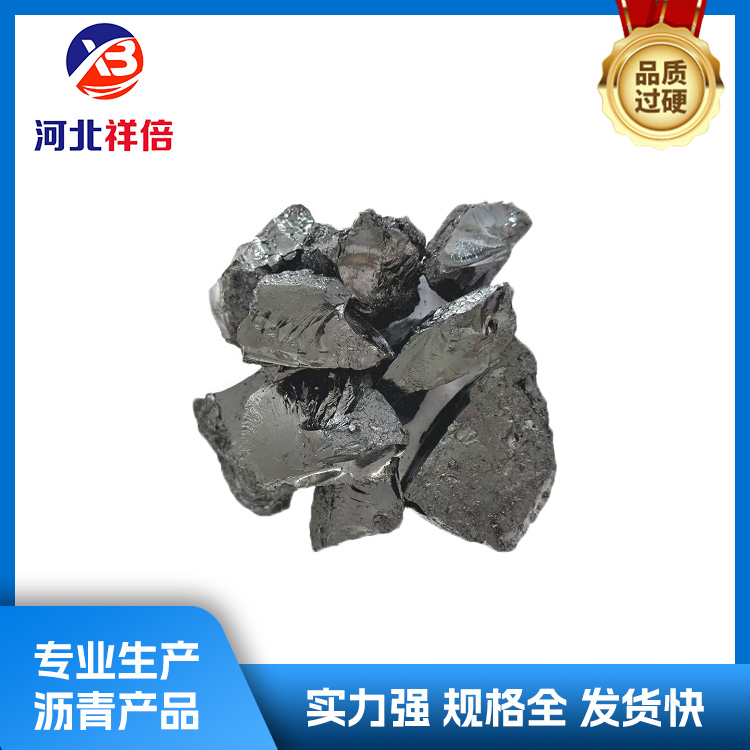
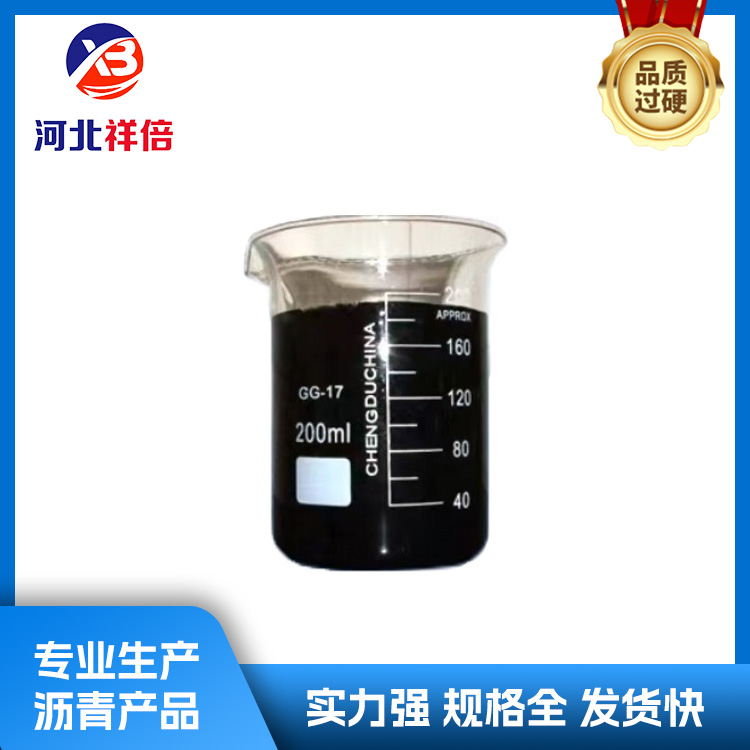
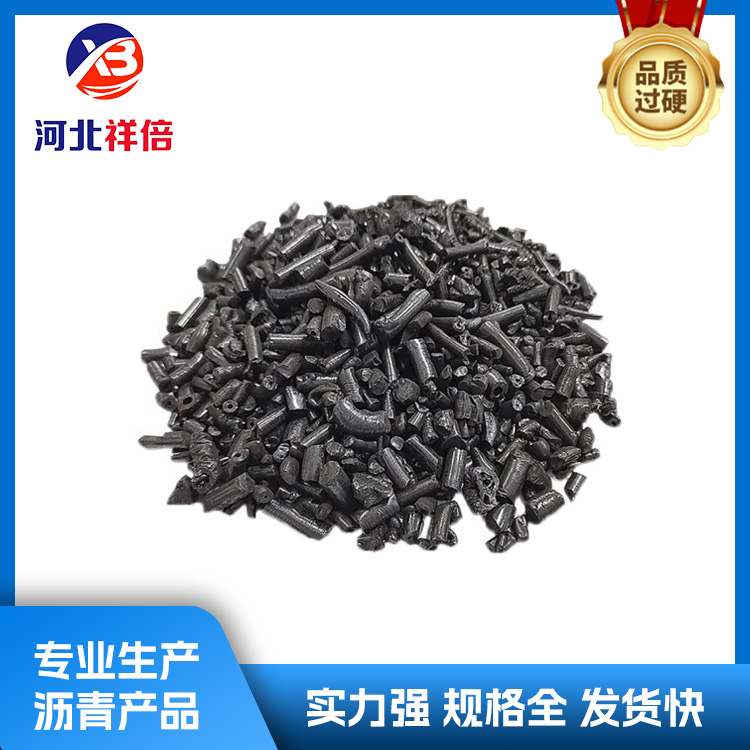
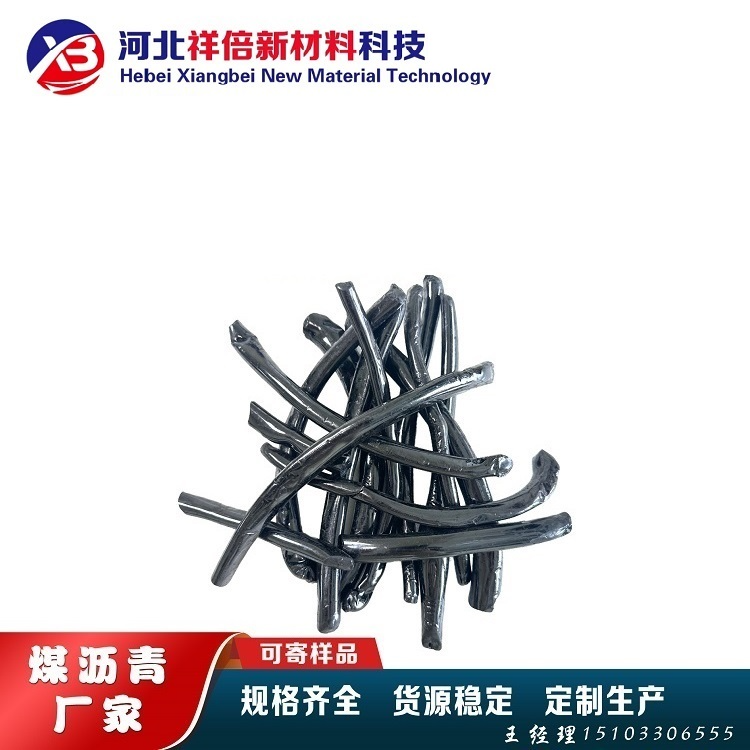
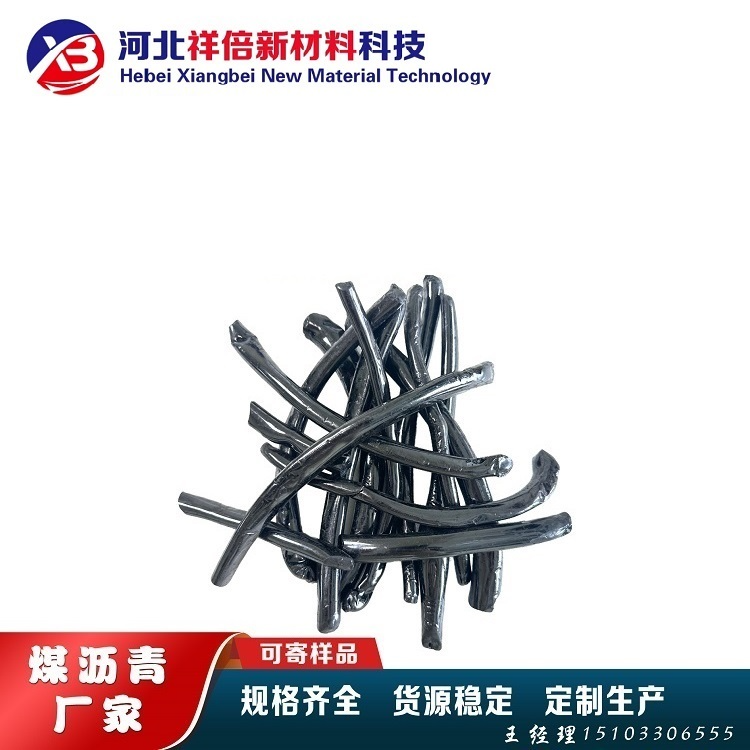
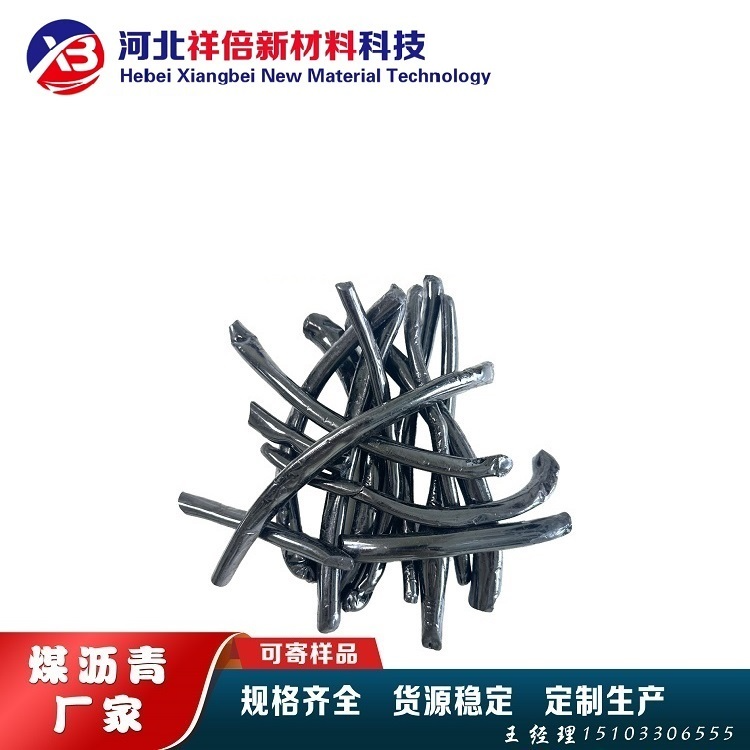
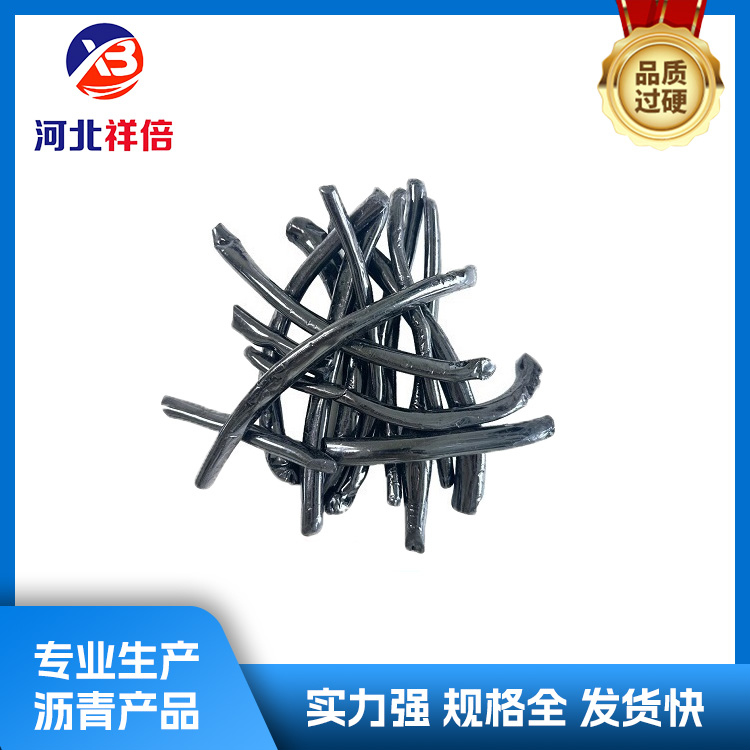
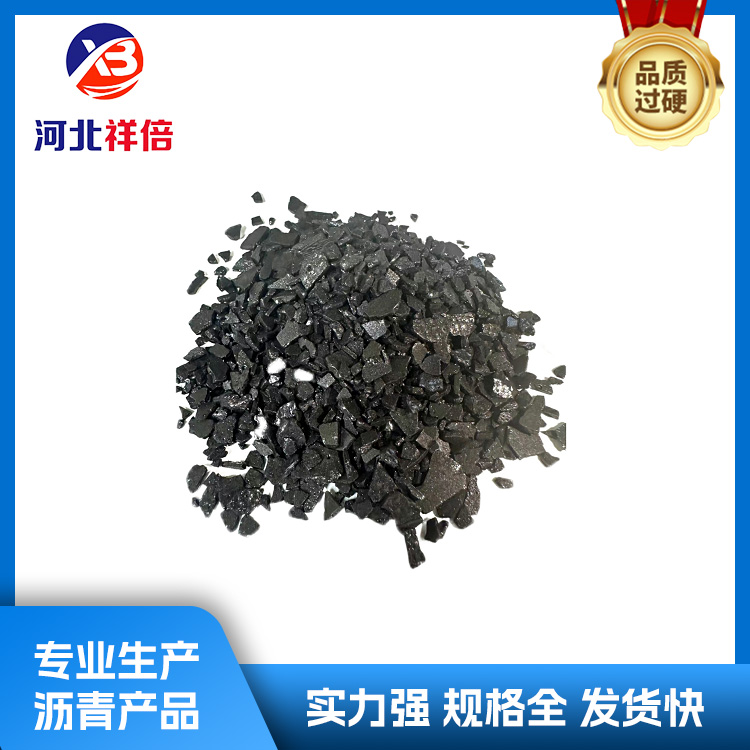
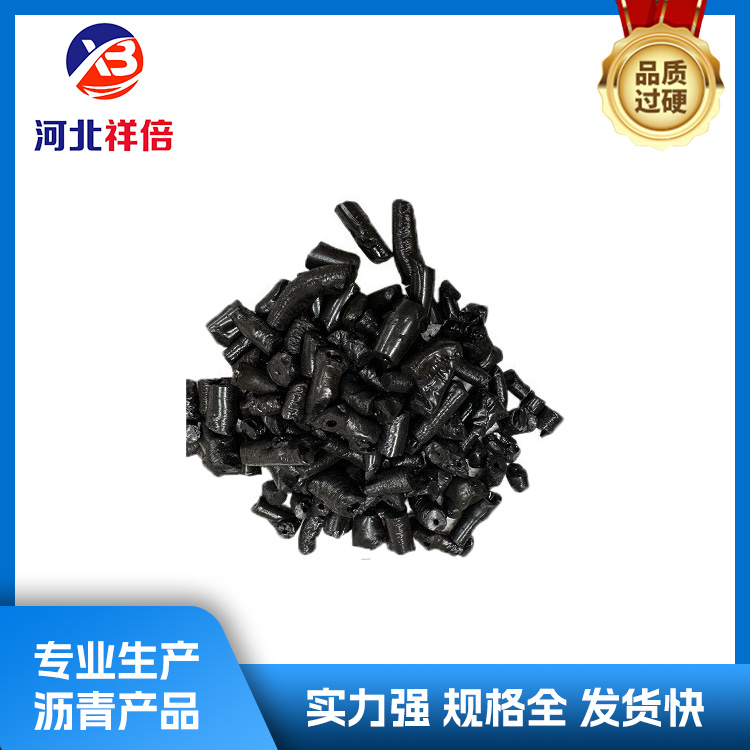
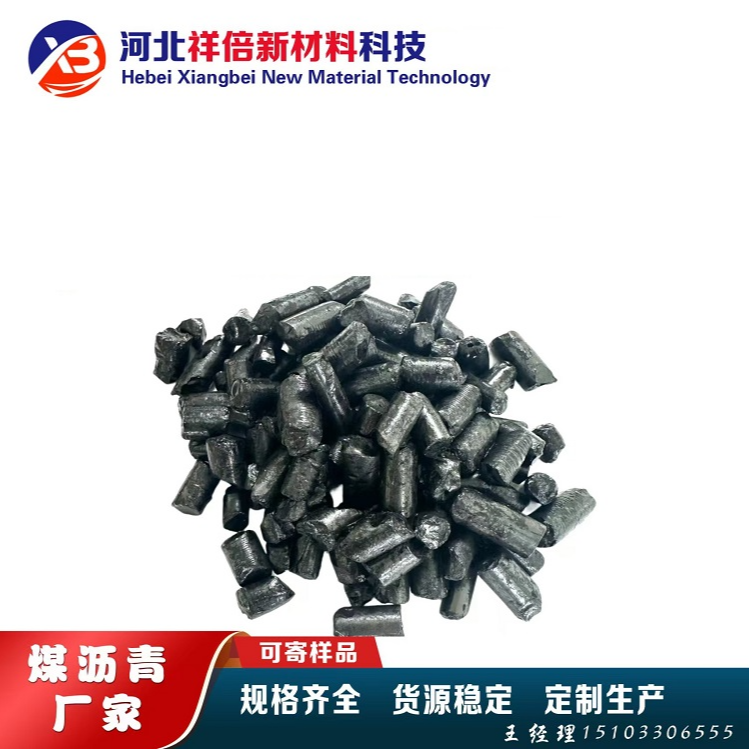
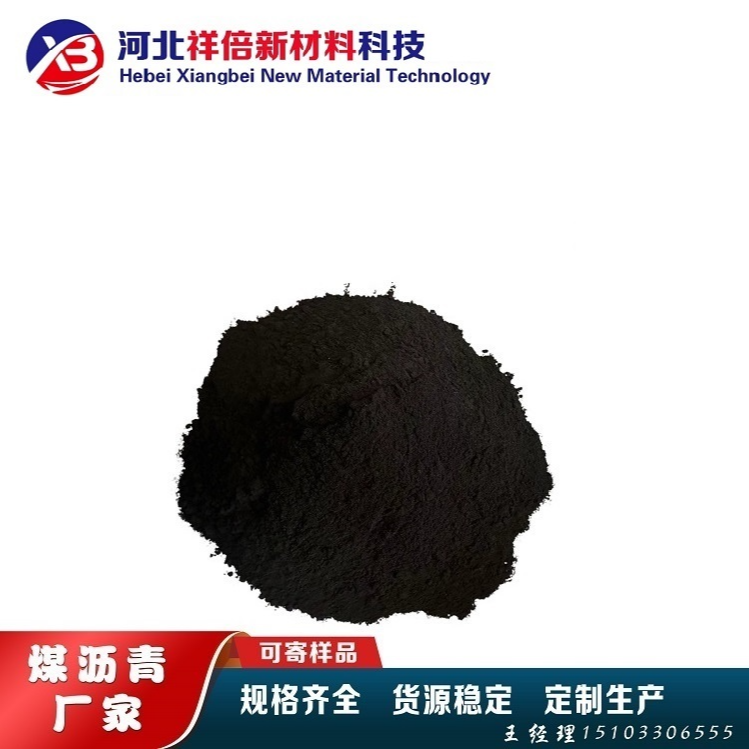
Coal tar residue, obtained after distillation processing to remove the liquid fractions, accounts for approximately 50% to 60% of the total coal tar. At room temperature, it is a black solid without a fixed melting point, exhibiting a glassy phase. Upon heating, it softens and eventually melts. Its density ranges from 1.25 to 1.35 g/cm³, primarily composed of polycyclic, condensed aromatic hydrocarbons and their derivatives, with a complex composition of specific compounds. It boasts high thermal stability, good adhesiveness, high-temperature resistance, and corrosion resistance, although it has lower temperature stability and poor climatic stability (with significant temperature variations), and contains a high amount of harmful components to humans, particularly with a prevalence of carcinogenic polycyclic aromatic hydrocarbons such as benzo(a)pyrene.
Section II: Categorization
According to their softening points, they can be divided into three categories: low-temperature asphalt, medium-temperature asphalt, and high-temperature asphalt, each with two grades: Grade 1 and Grade 2.
- Low-temperature asphalt: Primarily used for waterproofing and road construction, such as waterproof felt, waterproof coatings, etc., and can also be used in dry battery sealing materials, fuel and carbon black production, as well as asphalt coking, mesophase carbon microspheres, carbon fibers, needle coke, etc.
- Medium-temperature asphalt: Originally used as an adhesive or impregnating agent for metallurgical furnace carbon blocks, aluminum electrolytic cell carbon blocks, etc., but with the increased demand for adhesive bonding performance in the carbon industry, its β-resin content is unable to meet the requirements, and it has gradually been replaced by modified asphalt.
- High-Temperature Asphalt: Similar to modified asphalt but with less effectiveness. After heat treatment, modified asphalt mostly converts low molecular weight substances into high molecular weight substances, featuring high coking value, high softening point, low volatiles, and good adhesive properties. It is currently widely used in high-power and ultra-high-power graphite electrodes, high-quality pre-baked anodes, high-density and high-strength graphite, wear-resistant carbon materials, and high-temperature molding materials.
Section 3: Production Process
The production process includes the following steps:
- Raw Material Preparation: High-quality coal is selected as the raw material, which is then crushed and sieved to obtain coal powder that meets the required specifications.
- Drying: Place the coal powder in a dryer and dry it with hot air to reduce its moisture content to a certain level.
- Coking: Dry coal powder is placed in a coking furnace, heated and subjected to chemical reactions at a certain temperature, producing tar, coke, and waste gases, etc.
- Separation and Filtration: Process the generated tar and exhaust gases through separation and filtration to obtain pure tar.
- Processing: Oxygen removal, distillation, and deep processing of tar to obtain various applications.
- Inspection and Packaging: Conduct inspections and packaging of processed goods to ensure product quality and safety.
IV. Application
Broad applications in various fields:
- Construction Engineering: Serves as the primary component in road asphalt mixtures, used for constructing highways, railways, and airport runways, etc.; can also be blended with petroleum asphalt to save raw materials.
- Metallurgy Industry: Used for bonding or impregnating refractory carbon bricks for metallurgical furnaces, aluminum electrolytic cell carbon bricks, pre-baked anodes, anode paste, cathodes for electrolytic aluminum, and carbon electrodes.
- Chemical Industry: Used as anticorrosive materials for pipelines and equipment; for the preparation of waterproof coatings, etc.
- Energy Sector: Can be used as fuel resources, directly burned or processed to obtain products such as fuel oil and coal tar.
- Carbon materials: Used for manufacturing graphite electrodes, carbon products, refractory materials, etc., as a binder.
- Other Fields: Used in the production of lubricants, adhesives, or as raw material for intermediate pitch, in the preparation of carbon fibers, needle coke, etc.