







 Technical Key Points
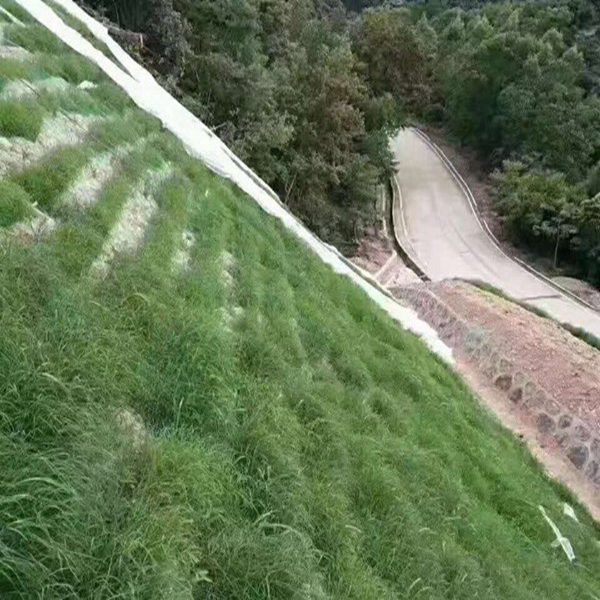
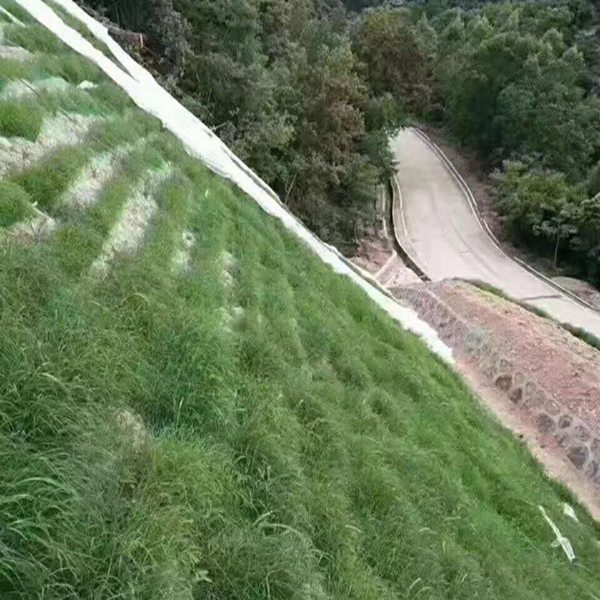
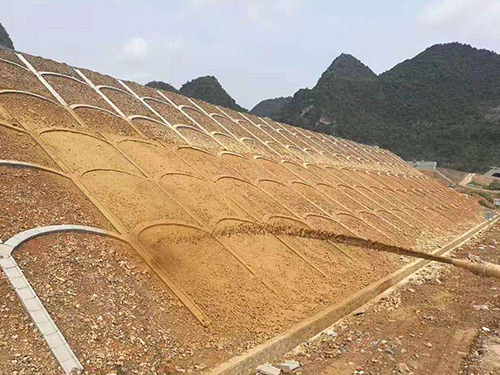
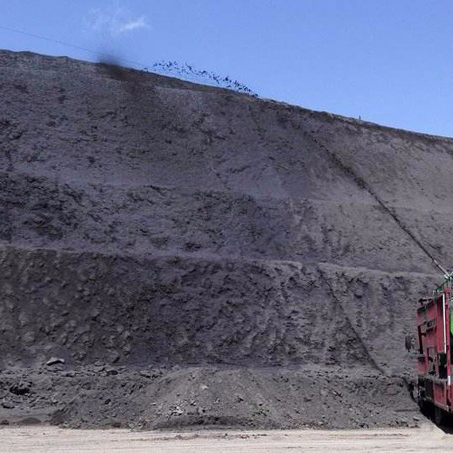
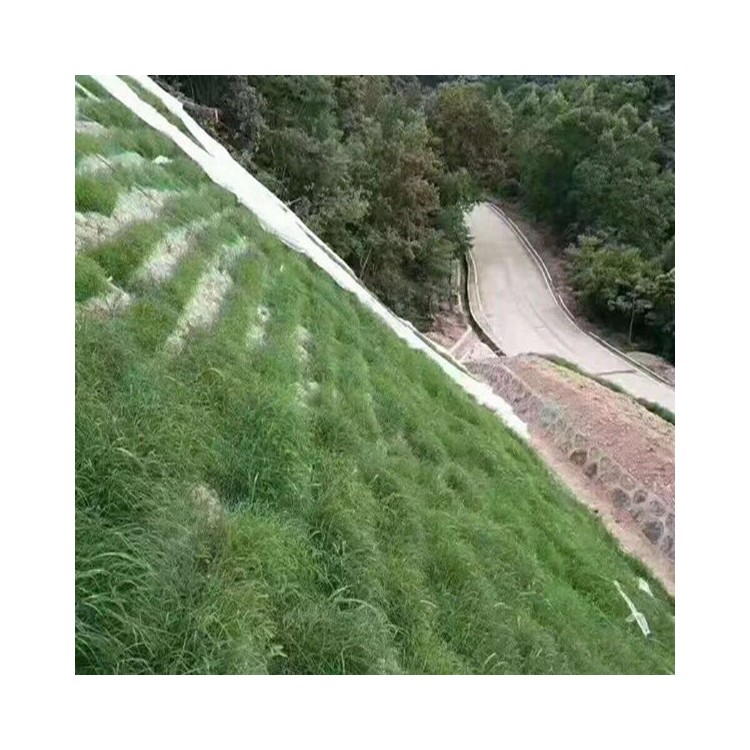
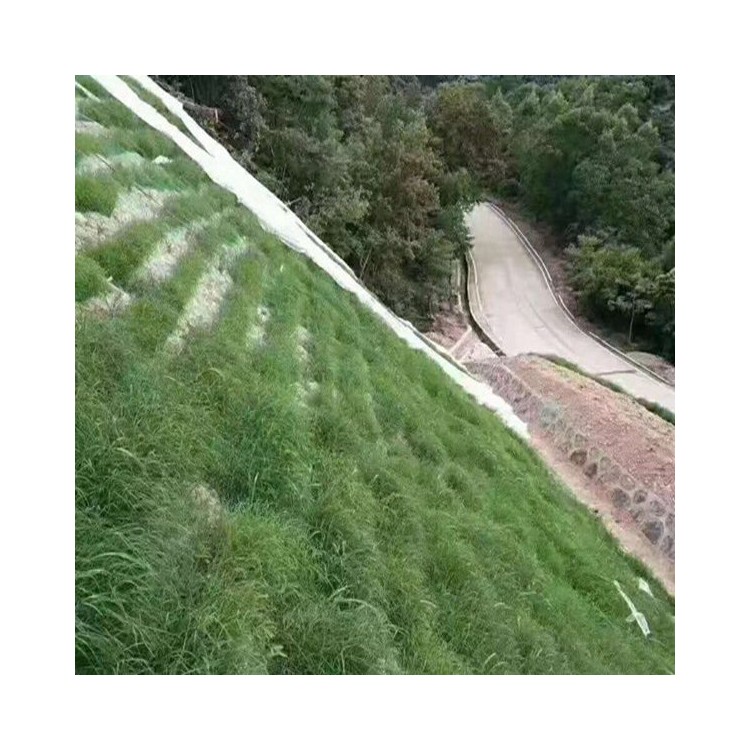
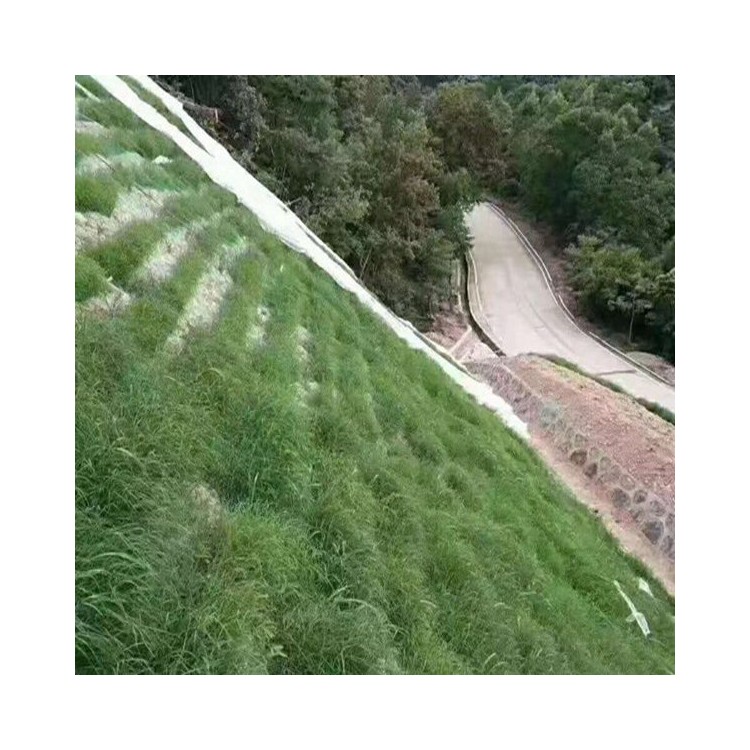
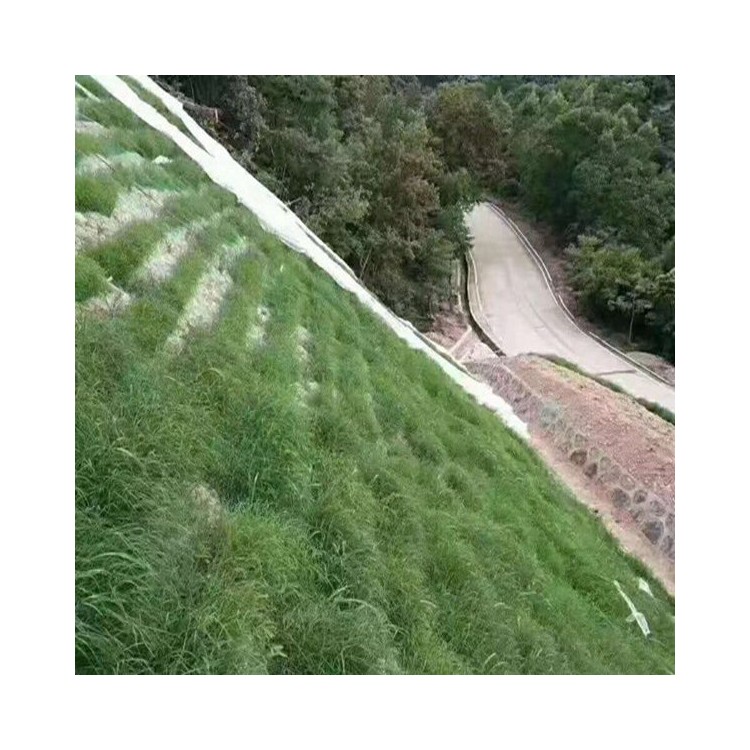
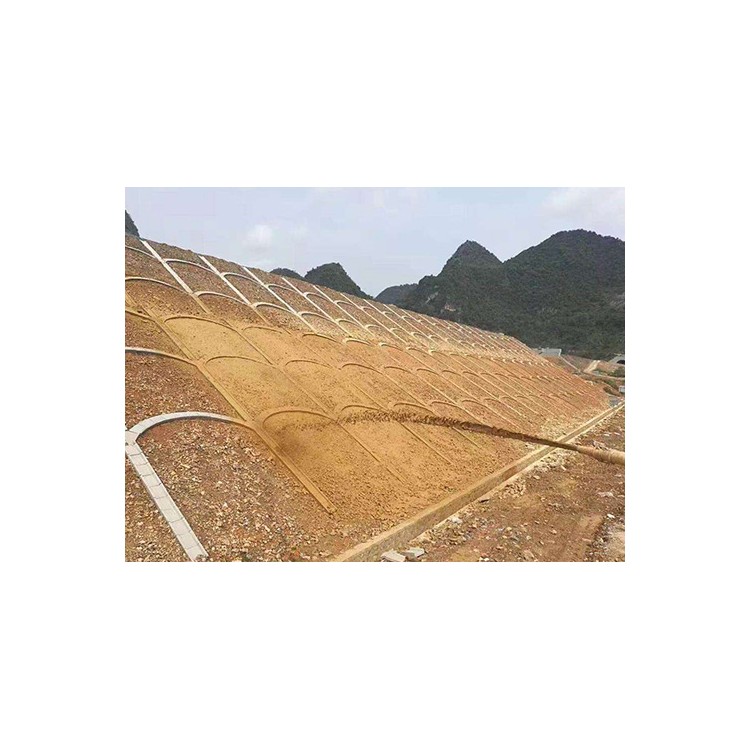
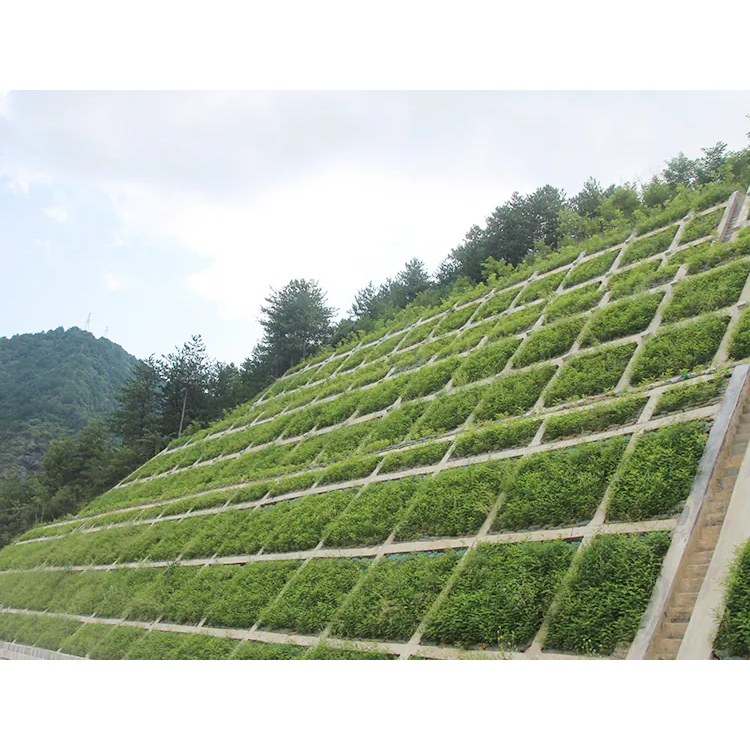
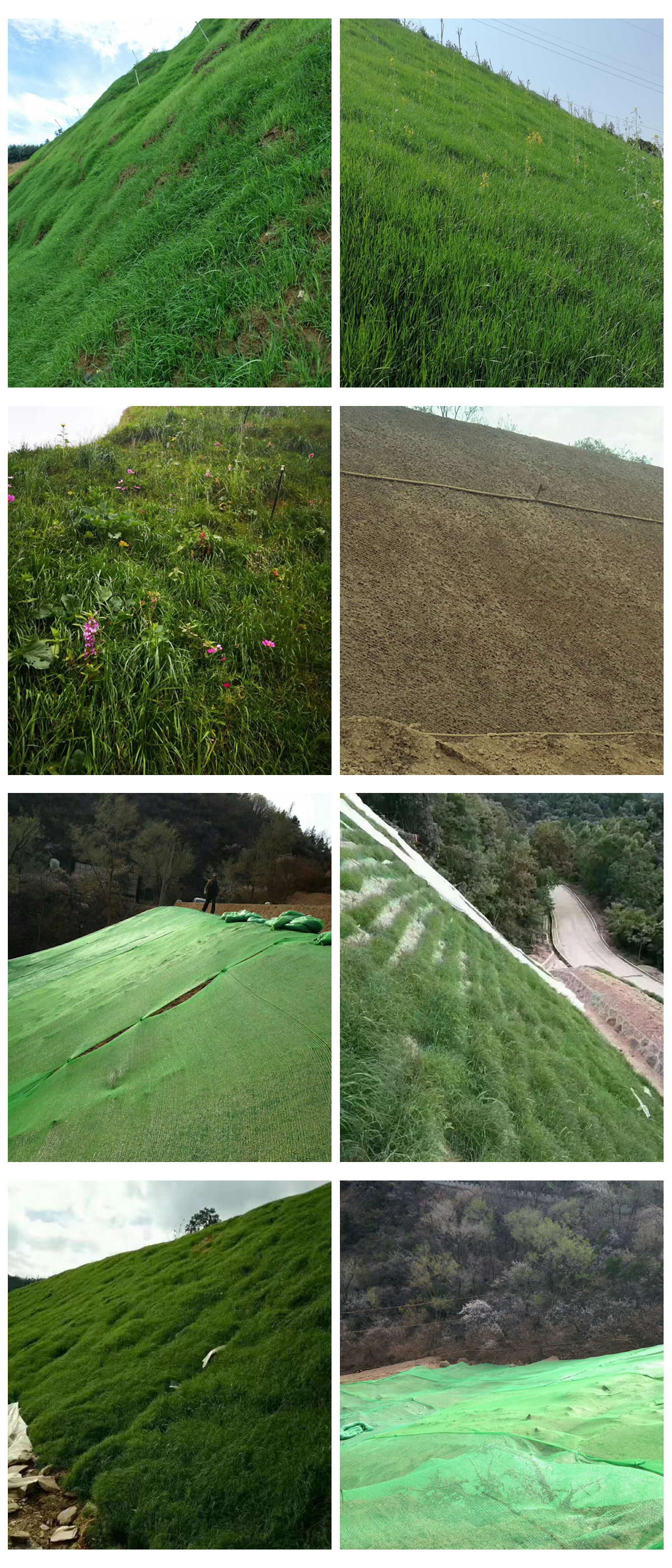
1. The base material for spraying is a crucial factor for the success of the spraying process. Peat soil is an excellent material for spraying and can be mixed with wood fibers (or pulp) in a specific ratio for use. This mixture offers superior adhesion and water retention compared to using pure wood fibers alone. It is suitable for spraying on slopes with thin soil layers, extremely barren, or even weathered rock, with the typical spraying thickness being around 10 cm.
2. Water-retaining agent and adhesive usage. The amount of water-retaining agent can be adjusted according to the local climate conditions and the characteristics of the stone quarries. The adhesive quantity can be determined based on the slope of the stone wall, with it being proportional to the slope's steepness.
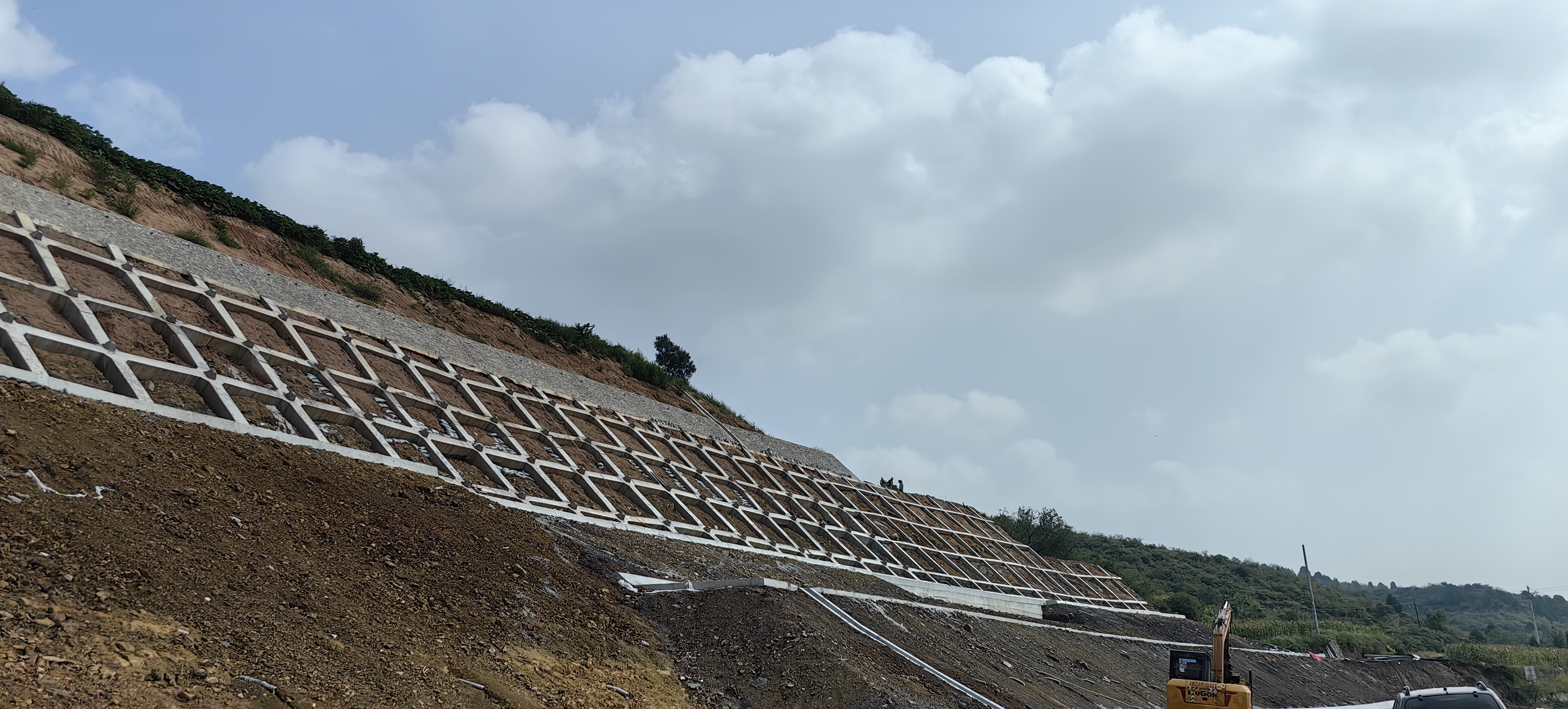
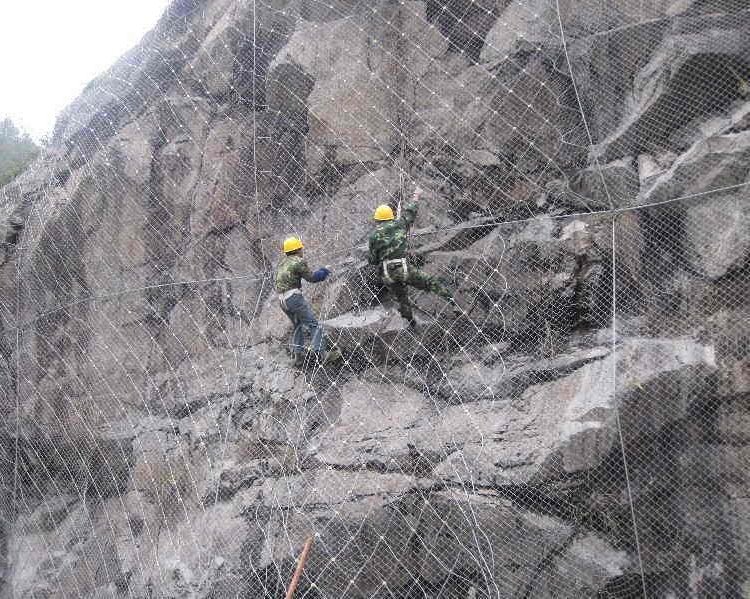
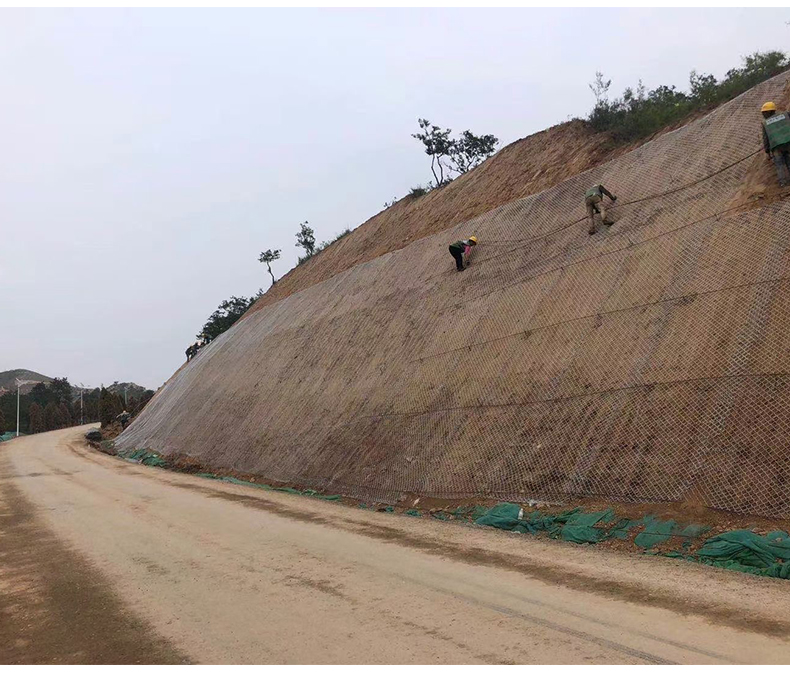
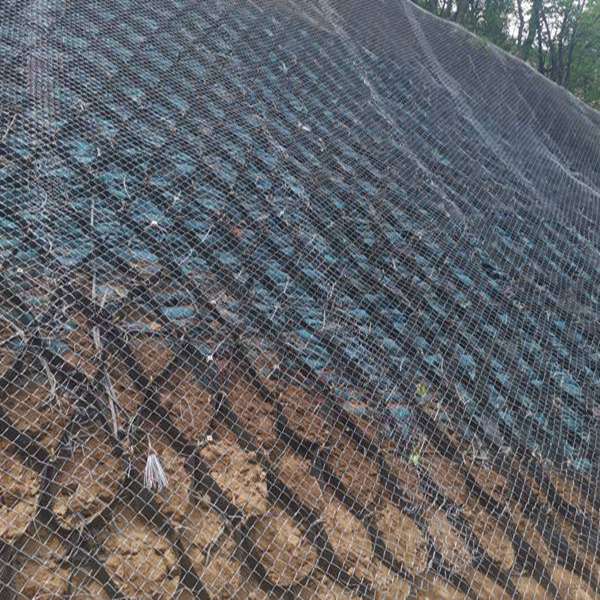
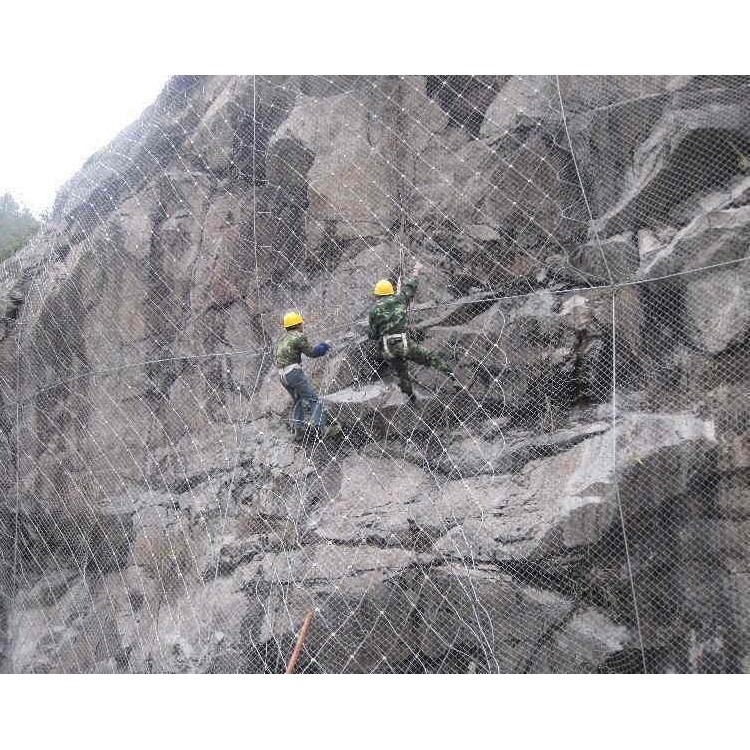
3. Anchor and Mesh: First, secure the anchor pins at a certain spacing on the stone wall, then hang the mesh. The mesh is typically made of galvanized iron wire (also known as wire mesh, grating mesh, or machine-woven mesh).
4. Seed Selection: The grass seeds used for sowing should be perennial varieties with well-developed root systems, rapid turf establishment, drought resistance, and tolerance to poor soil conditions; if the local winter is cold, the frost resistance of the variety should also be considered.
5. Mixed Sowing. Utilizing the complementary characteristics of grass seeds, such as deep-rooted and shallow-rooted varieties, legumes and graminoids, foreign and local species, and early and late development, to perform mixed spraying sowing.
WeChat Official Account

Scan to follow Official Account