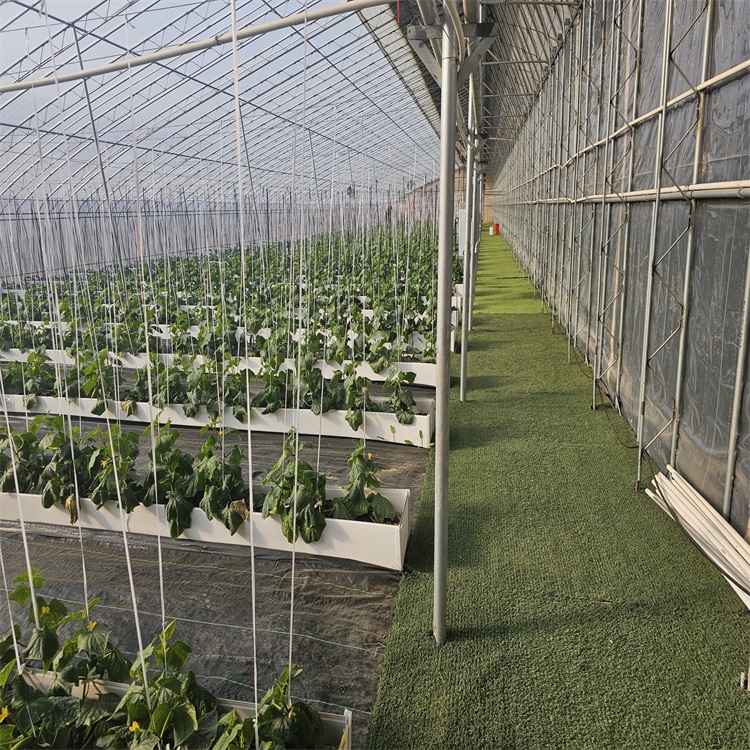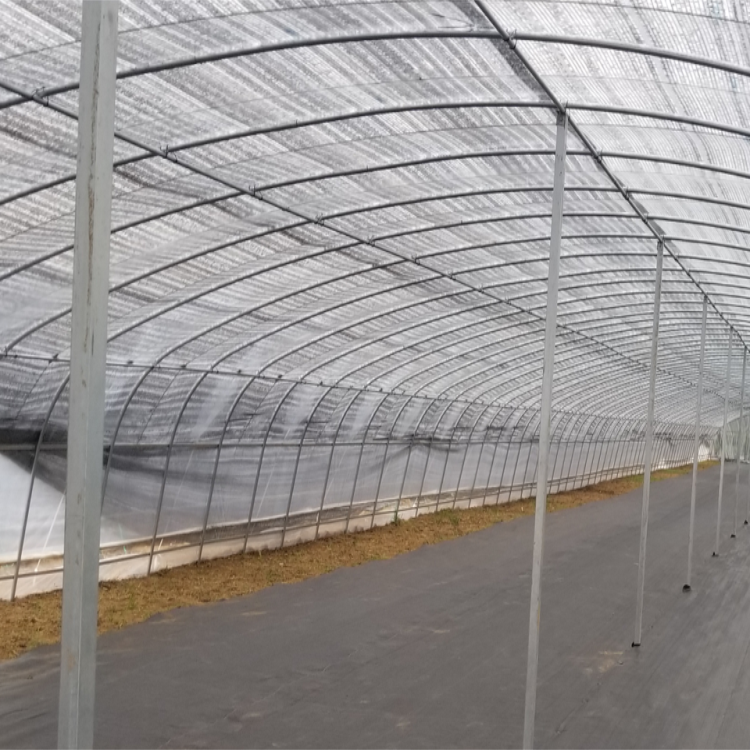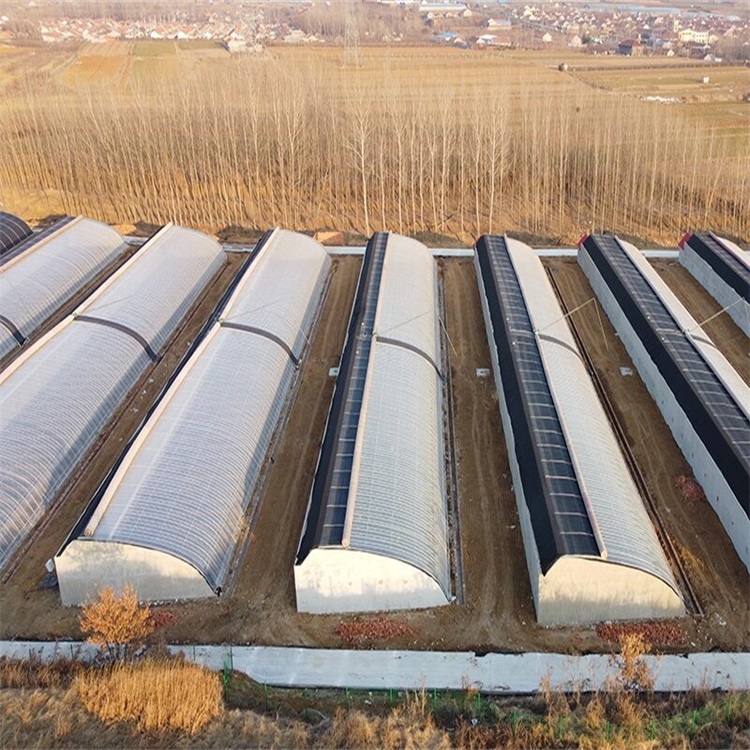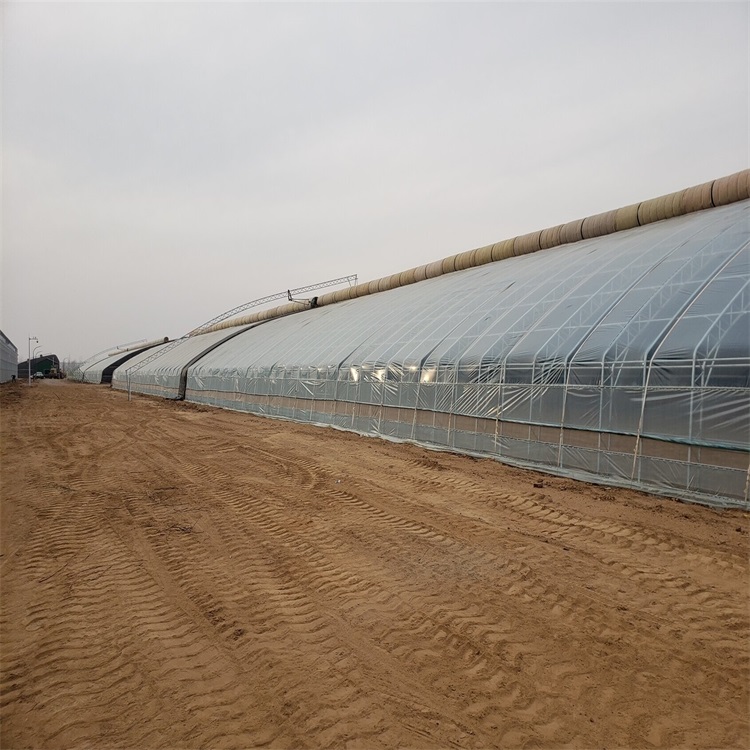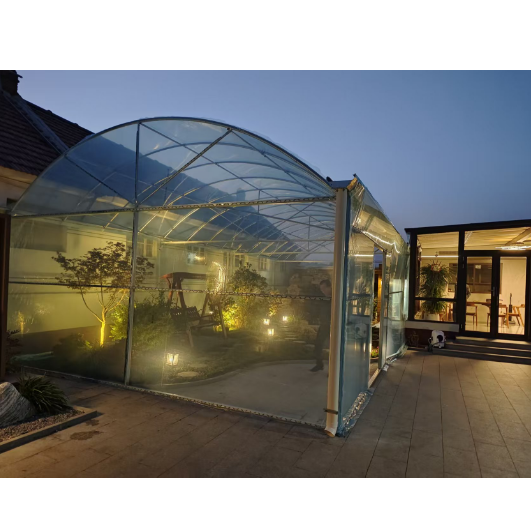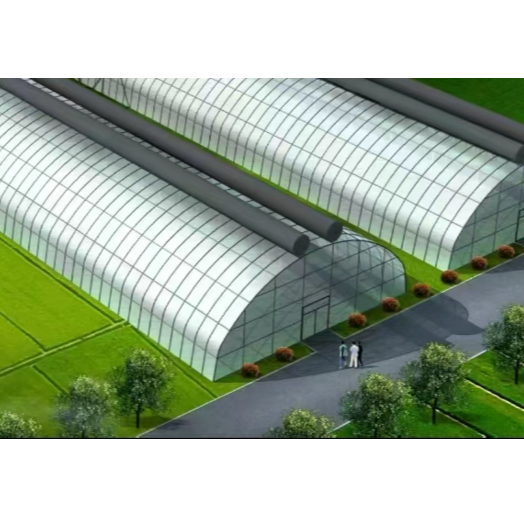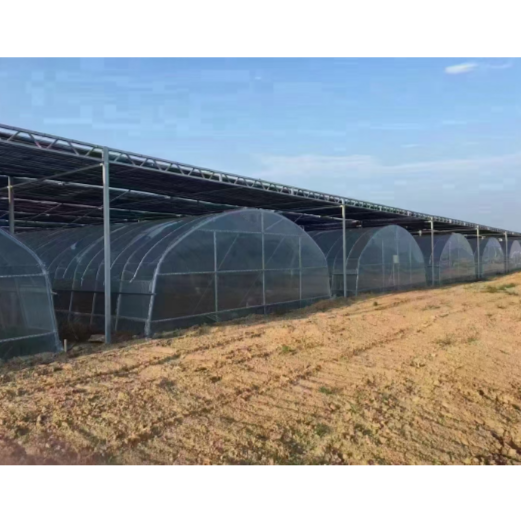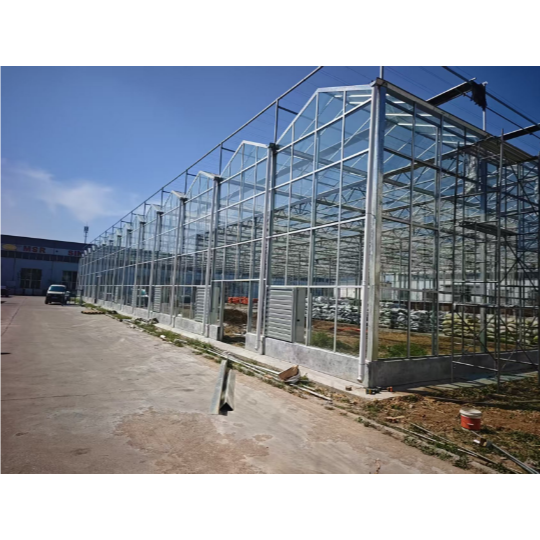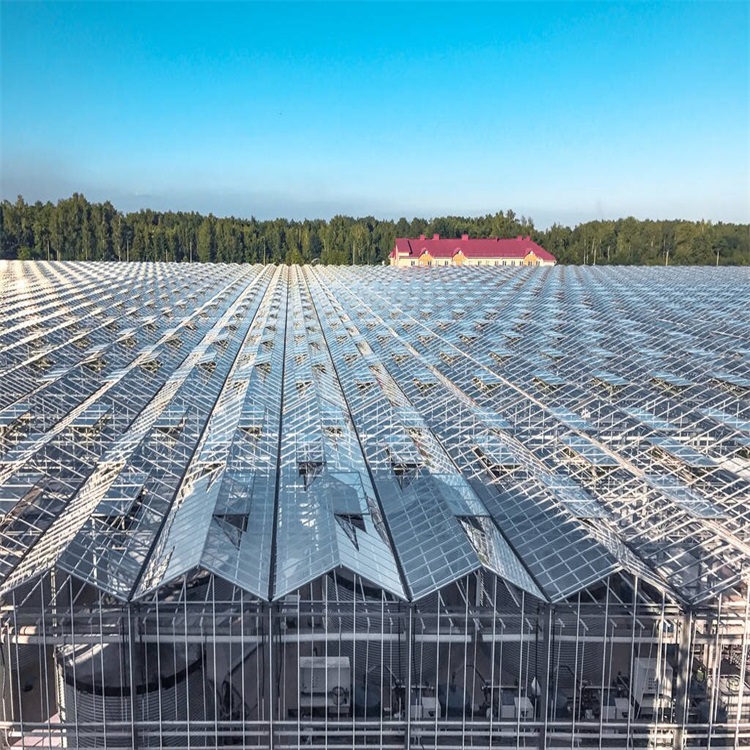

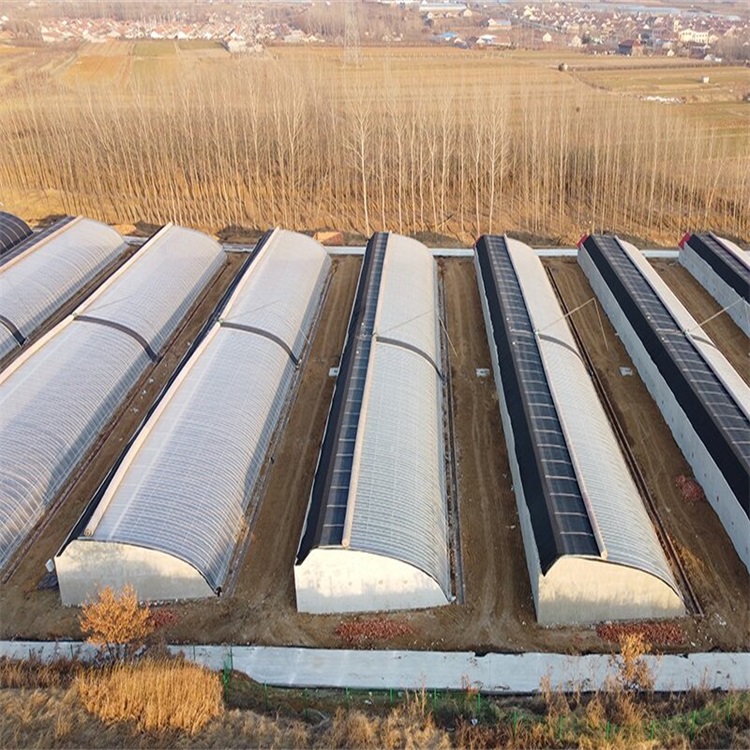

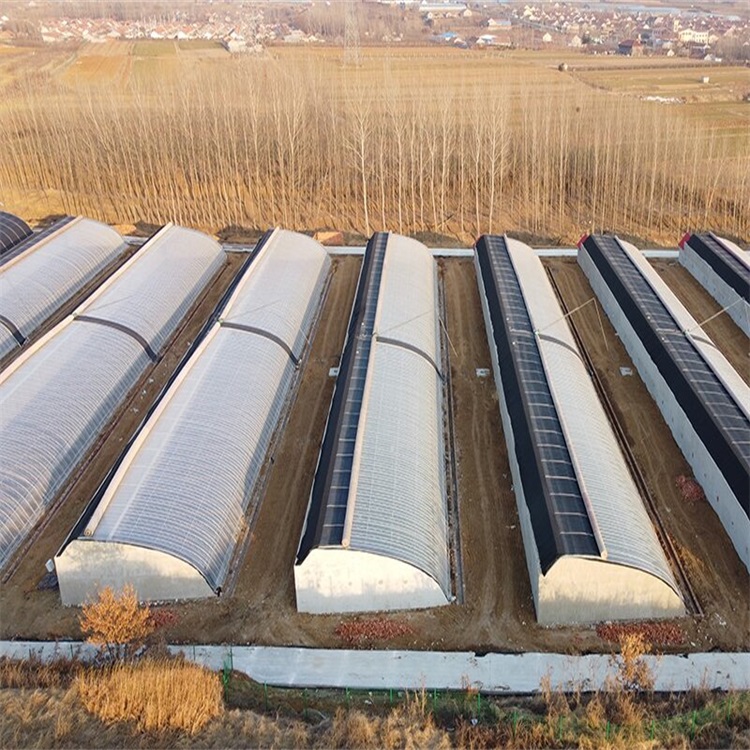
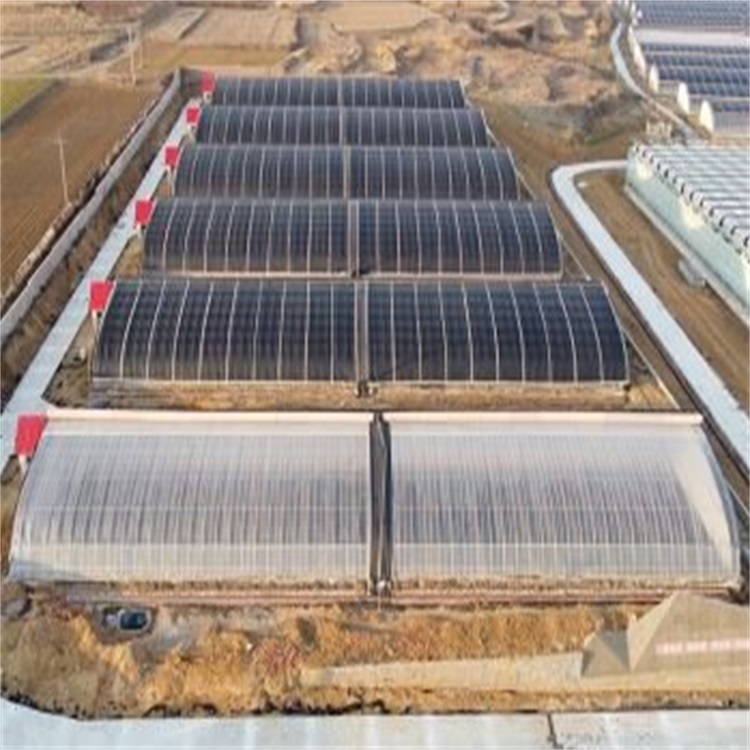
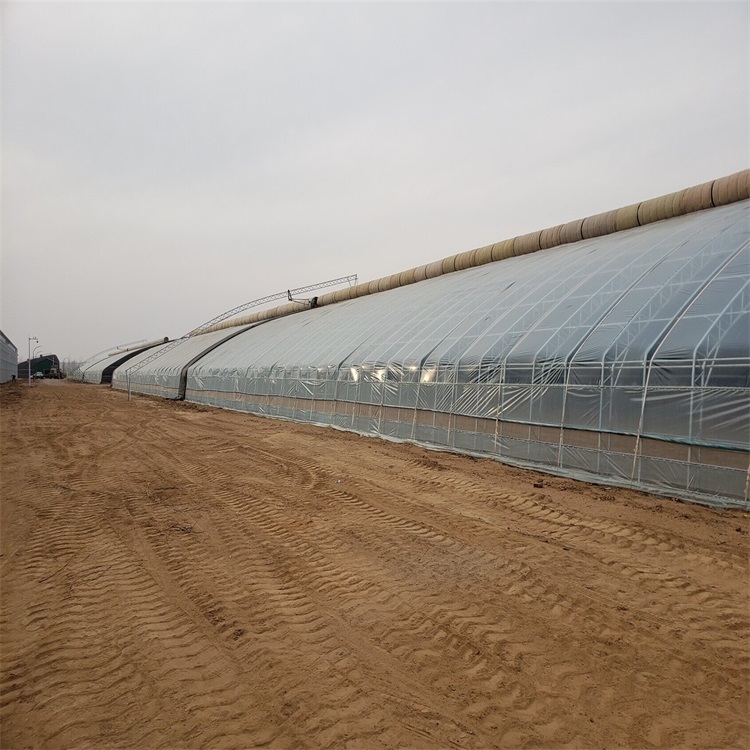









Solar greenhouses utilize simple facilities to maximize solar energy, commonly used in cold regions for winter vegetable cultivation without heating. These structures for growing fresh vegetables are distinctly Chinese in character and are uniquely ours. The structure of solar greenhouses varies across regions, with numerous classification methods. By wall material, they are mainly earth-filled, brick-and-stone, and composite structures. By rear slope length, there are long-slope and short-slope designs. By front slope shape, there are two-folding, three-folding, arched round, and slightly arched styles. By structure, there are bamboo-wood, steel-wood, reinforced concrete, all-steel, all-reinforced concrete, suspended cable, and hot-dipped galvanized steel pipe assembly structures.
The front slope is covered with thermal insulation blankets at night, while the east, west, and north sides are single-slope plastic greenhouses with protective walls, collectively known as solar greenhouses. Their prototype is the single-slope glass greenhouse, which evolves into the early solar greenhouse by replacing the light-transmitting covering material on the front slope with plastic film instead of glass. Solar greenhouses are characterized by good insulation, low investment, and energy-saving, making them particularly suitable for use in economically underdeveloped rural areas in our country.