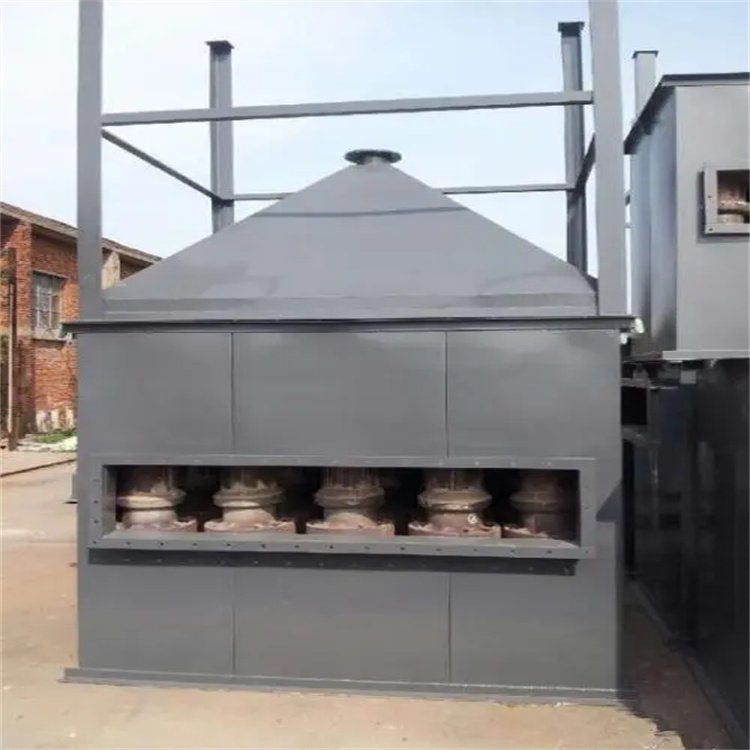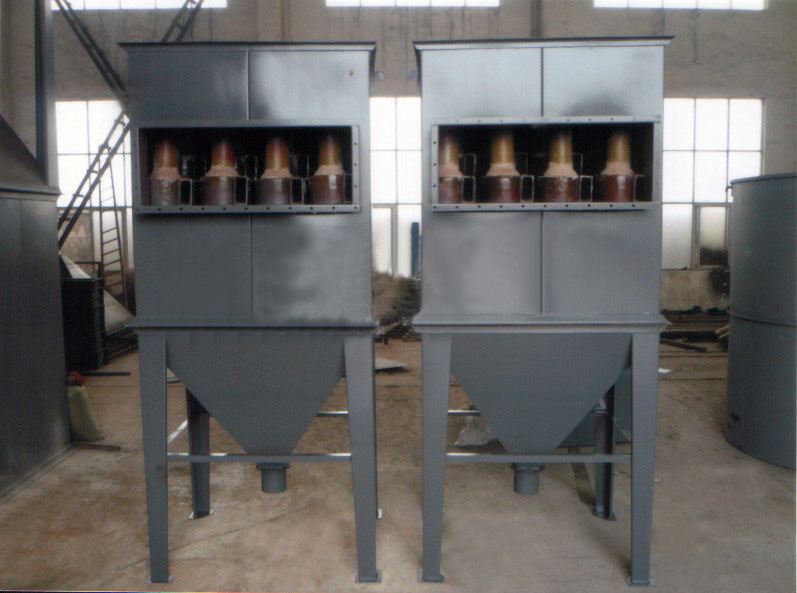














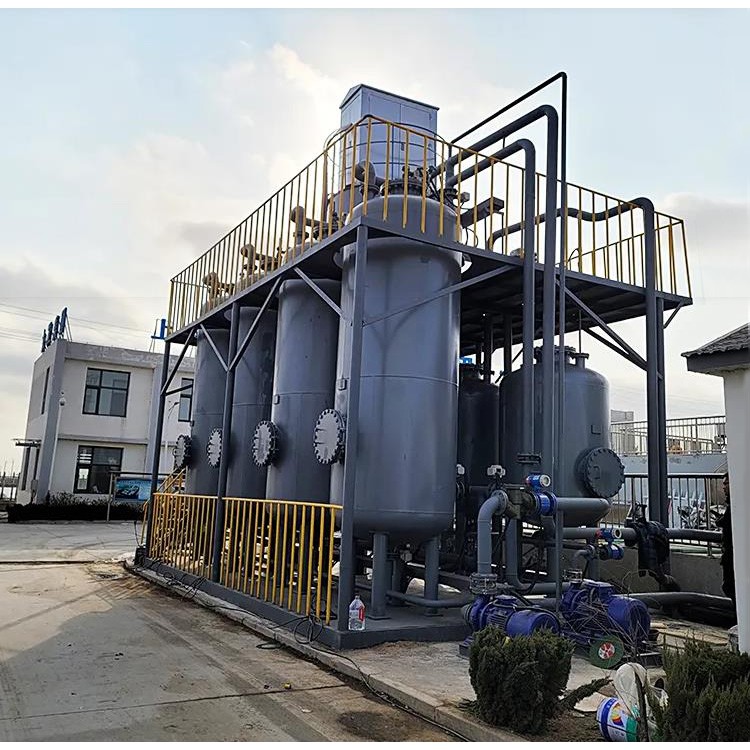
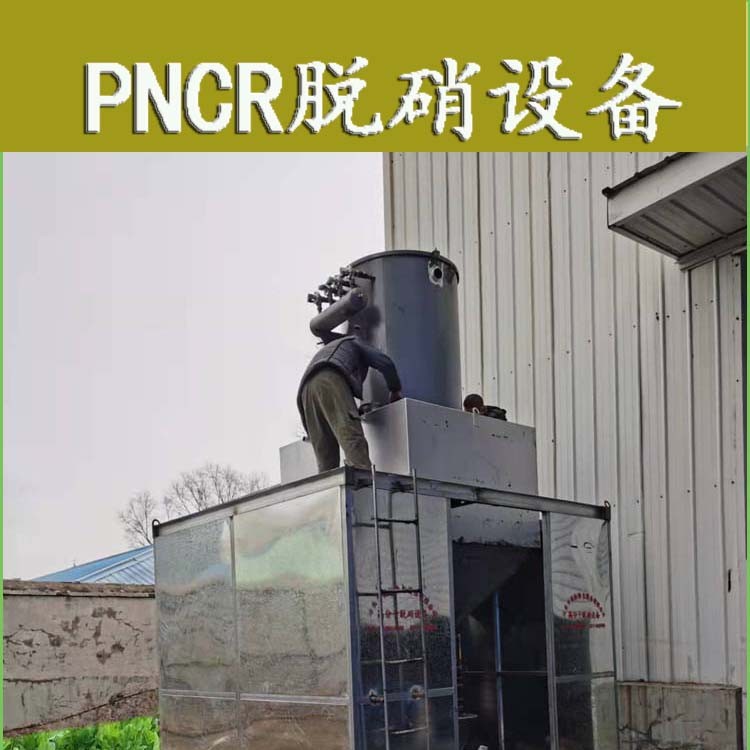
Sulphurization Bed Boiler Flue Gas Matching Ceramic Multi-tube Cyclone Dust Collector
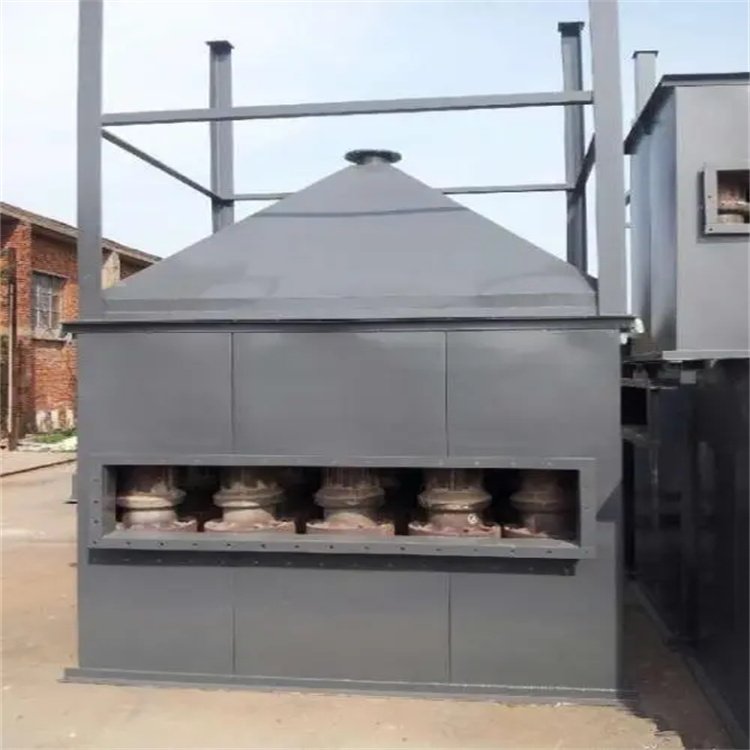
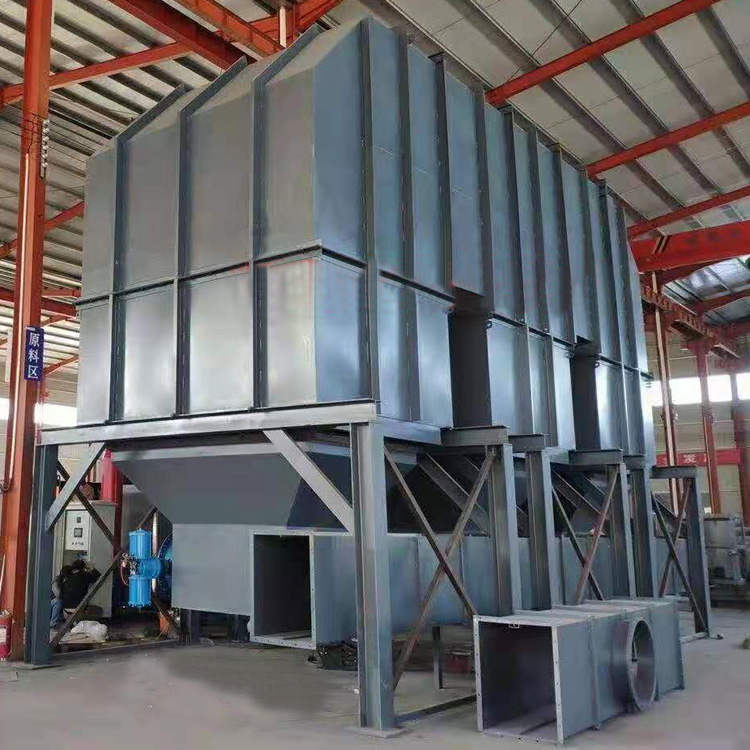
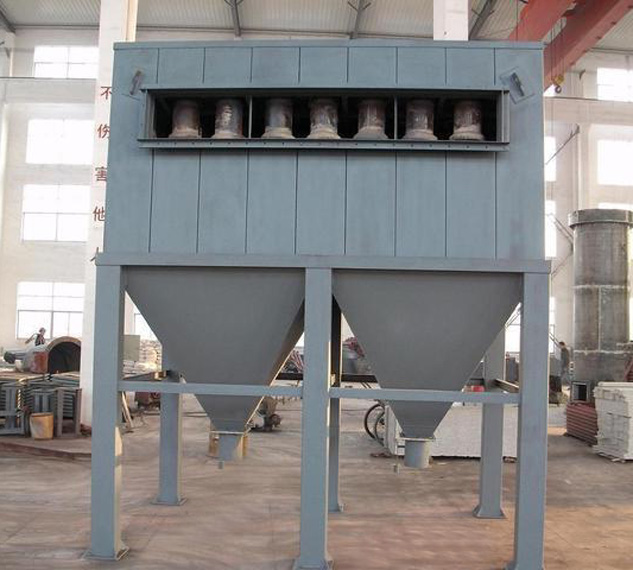
The fluidized bed boiler, also known as a fluidized bed boiler, is equipped with a ceramic multi-tube cyclone dust collector. This is a dust removal equipment specifically designed for the flue gas characteristics of circulating fluidized bed boilers (fluidized bed boilers). Its core dust removal function is achieved through the separation of dust and flue gas by the multi-tube cyclone structure of ceramic material. The following analysis is conducted from five dimensions: structural features, working principle, performance advantages, application scenarios, and optimization directions.
I. Core Structural Features
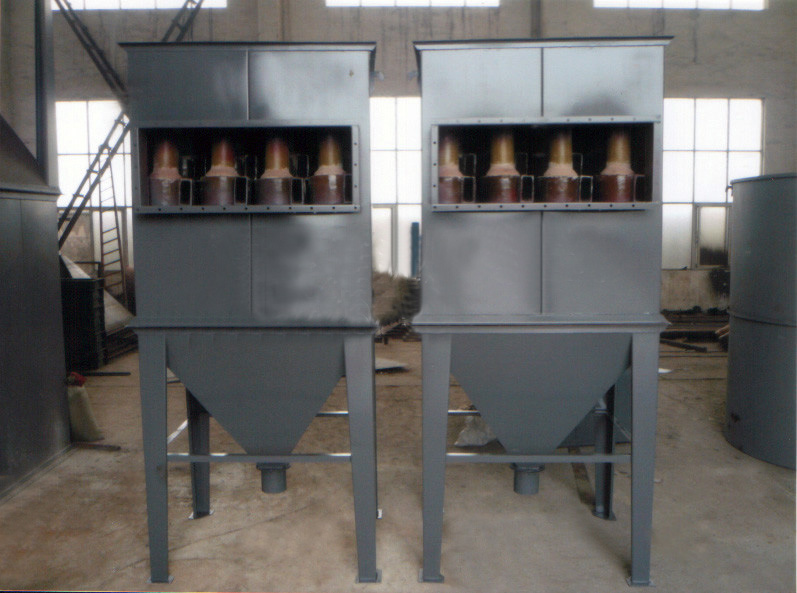
Innovative Applications of Multi-tube Ceramic Materials
Manufactured from high-purity alumina ceramic or silicon carbide ceramic, the cyclone tube offers high-temperature resistance (withstanding over 1000°C) and corrosion resistance (resists acidic and alkaline erosion), significantly extending the equipment's lifespan to over 10 years, far exceeding traditional metal materials.
Ceramic surface finish reaches Ra0.2μm, reducing dust adhesion rate and minimizing clogging risks.
Multi-tube parallel modular design
Each unit integrates 24-96 cyclone tubes, with each tube handling 500-2,000 m³/h of air volume, covering a total processing capacity of 10,000-300,000 m³/h to meet the needs of different scale boilers.
Modular structure facilitates online maintenance; individual replacement of single tubes is possible during faults, improving maintenance efficiency by 40%.
Section 2: In-depth Analysis of Working Principle
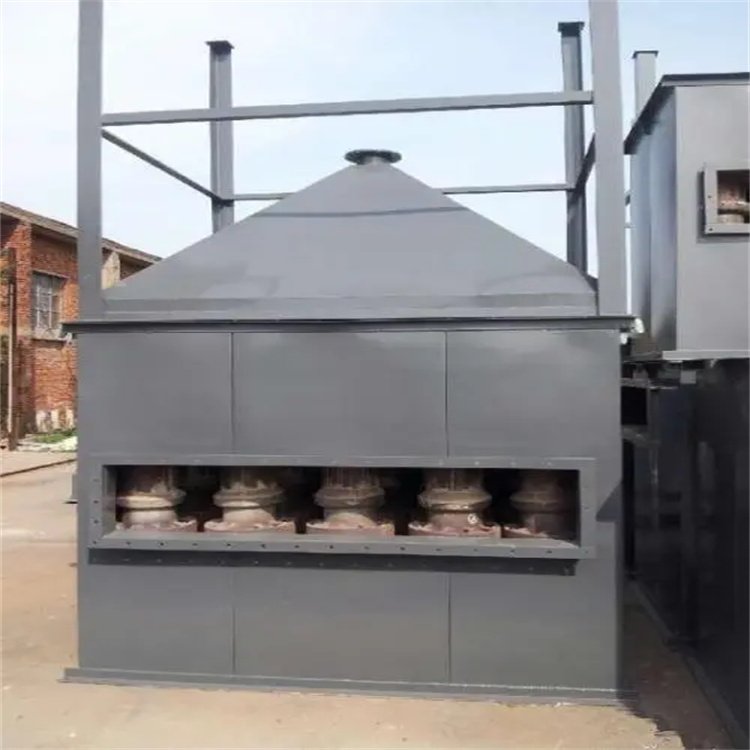
Three-dimensional Centrifugal Force Field Enhanced Separation
The smoke enters the cyclone tube at a tangential velocity of 15-25 m/s, forming a three-dimensional rotational flow field under the action of spiral guide vanes, with centrifugal force reaching 500-800 times the acceleration due to gravity.
Particles larger than 0.5μm are ejected to the wall by centrifugal force, sliding down the spiral groove to the ash hopper, improving the separation efficiency by 20%-30% compared to traditional cyclone dust collectors.
Multi-stage purification coordination mechanism
Pre-dust removal stageRemoves over 80% of coarse particles, reducing wear on subsequent equipment.
Fine dust removal stageBy optimizing the length-to-diameter ratio of the cyclone tube (L/D = 4-6), we enhance the separation efficiency of 0.5-10μm particles to over 98%.
Airflow Distribution TechnologyUtilizing a tapered intake chamber and a deflector cone, the wind speed deviation at each cyclone tube inlet is ≤5%, preventing short-circuit flow.
Section 3: Quantitative Comparison of Performance Advantages
| Performance specifications | Ceramic Multi-tube Cyclone Dust Collector | Traditional Metal Cyclone Dust Collector | Baghouse dust collector |
|---|---|---|---|
| Dust Removal Efficiency (≥5μm) | 99.5% | 95% | 99.9% |
| Temperature resistance limit | 1200℃ | 400℃ | 260℃ |
| Operating Resistance | 800-1200Pa | 1500-2000Pa | 1200-1800Pa |
| Maintenance Cycle | 18-24 months | 6-12 months | 3-6 months |
| Initial Investment (10,000 RMB) | 80-150 (10,000 m³/h scale) | 60-100 | 120-200 |
| Operation Cost (RMB/10,000 m³) | 1.2-1.8 | 2.5-3.5 | 3.0-4.5 |