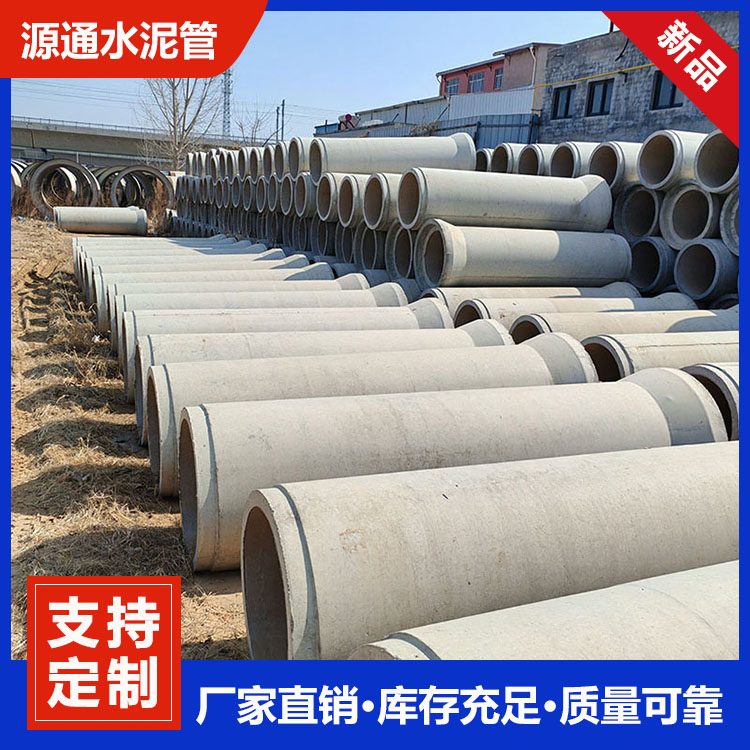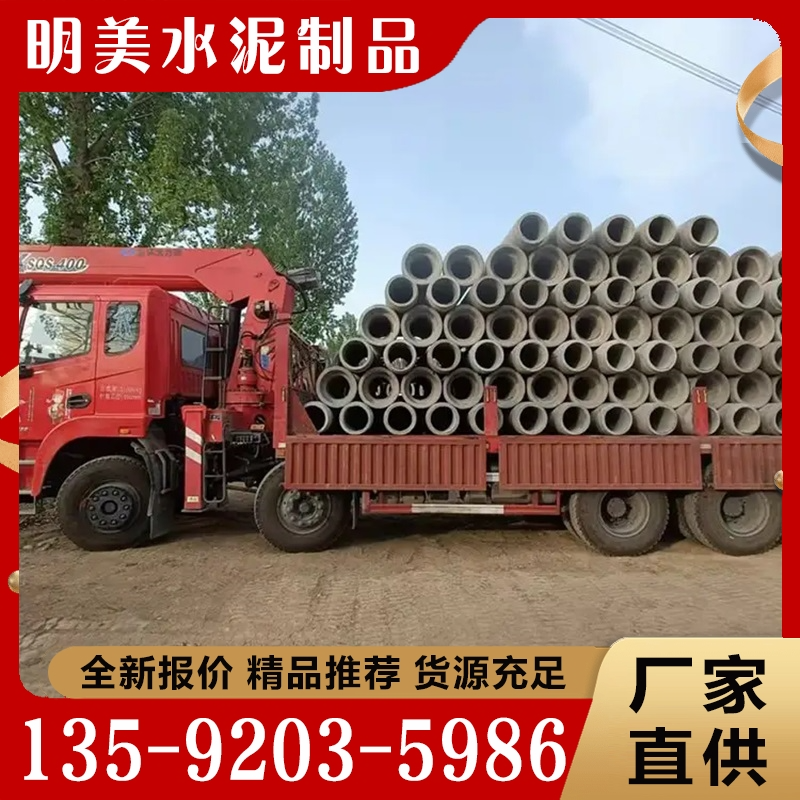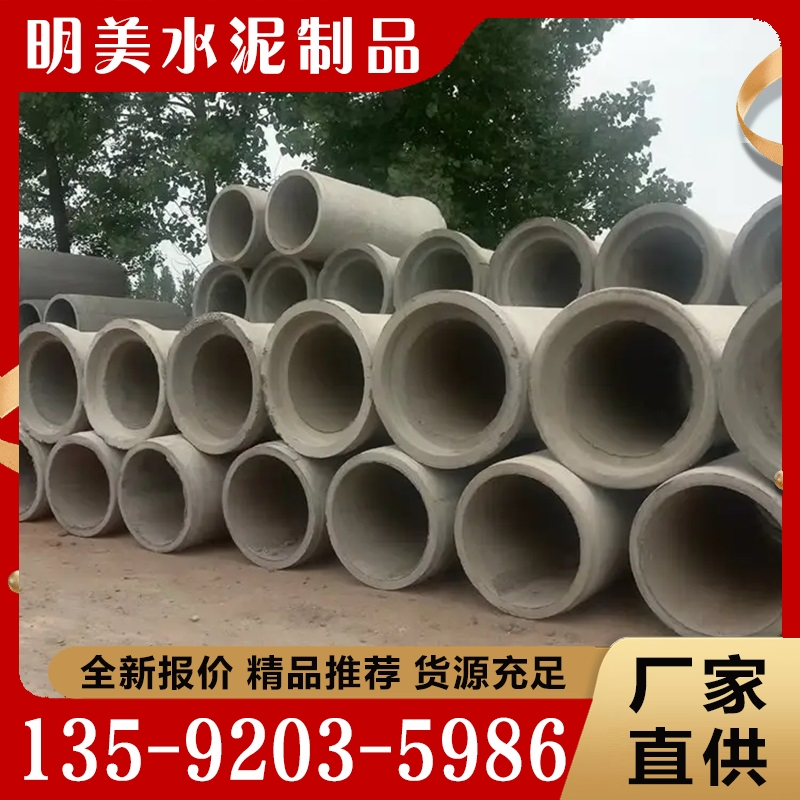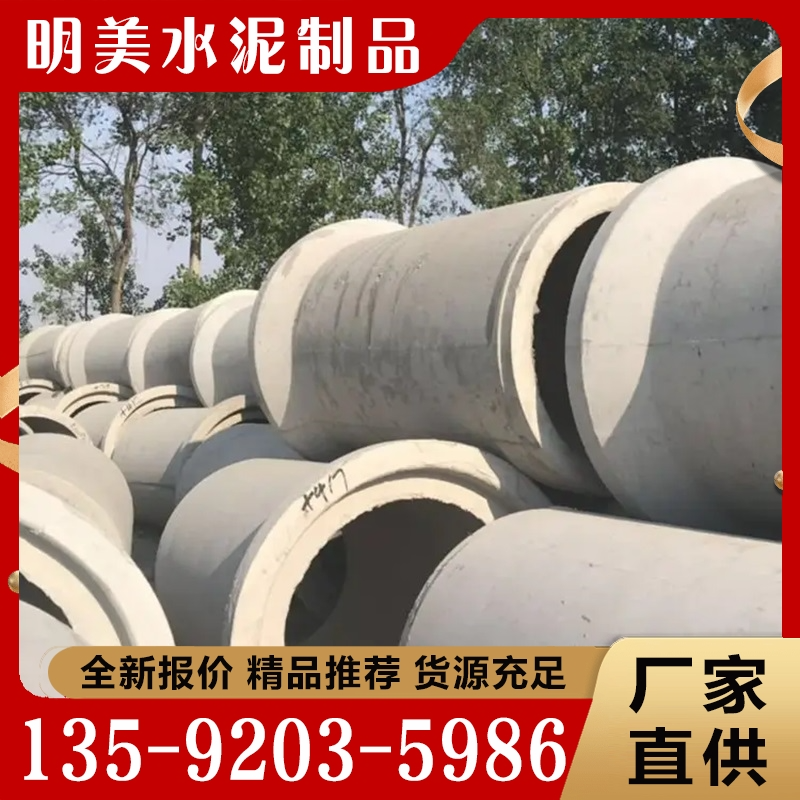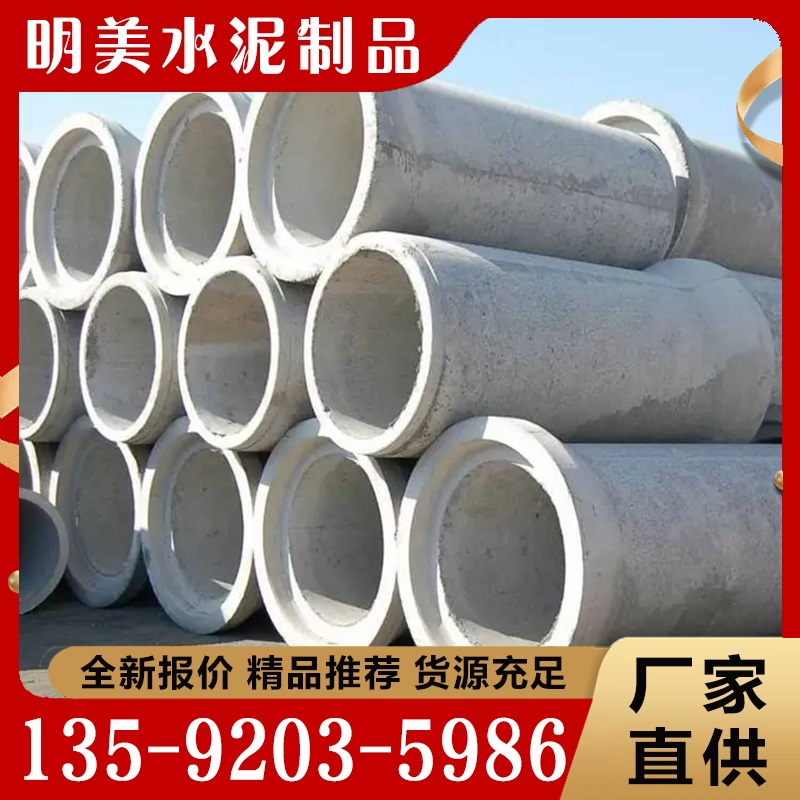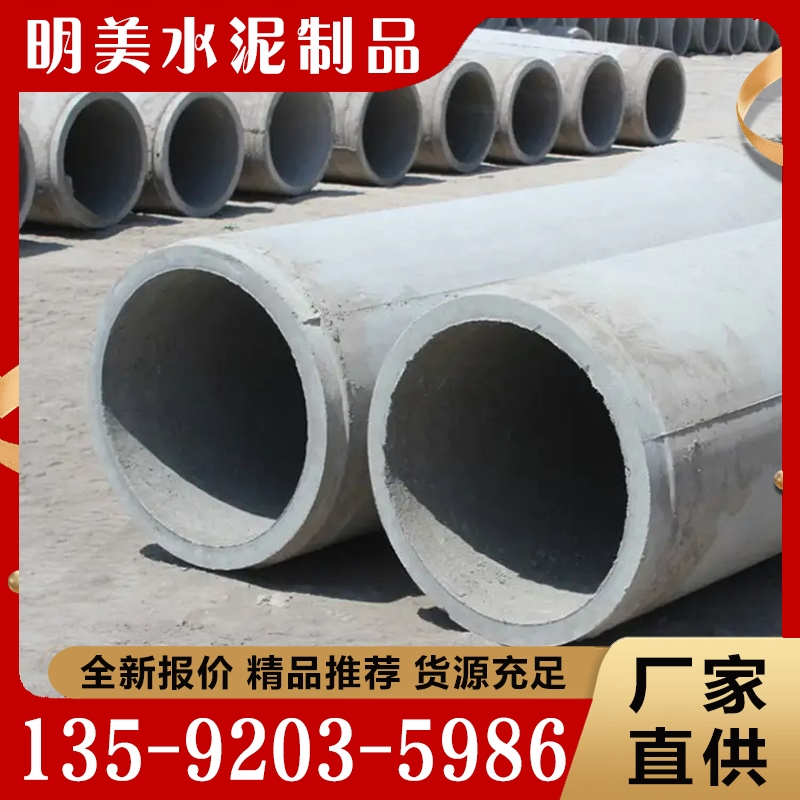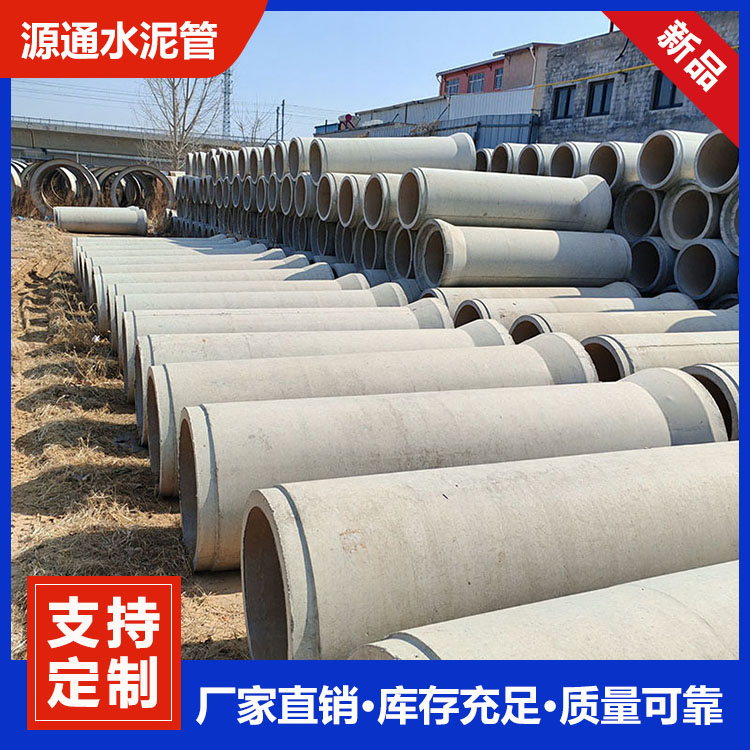


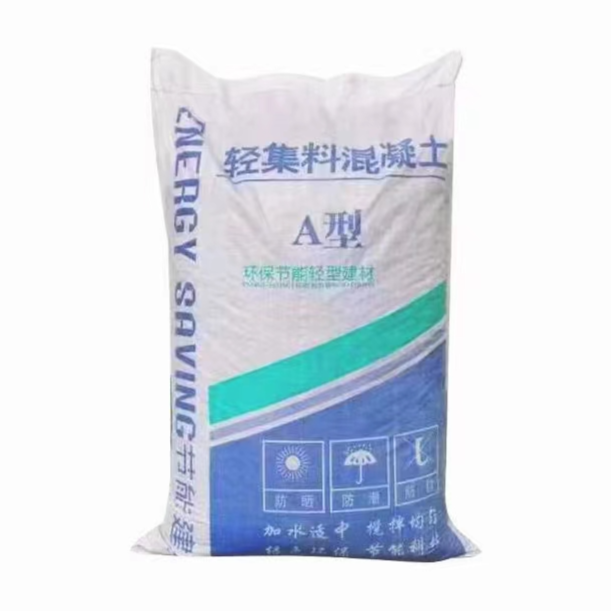
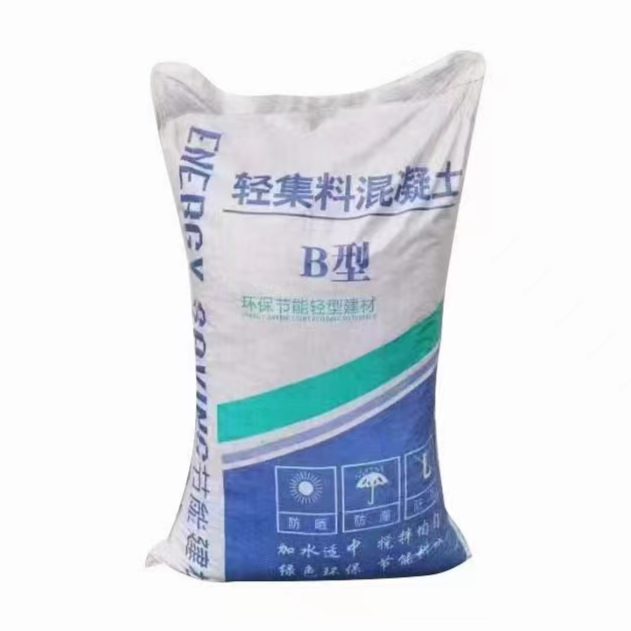
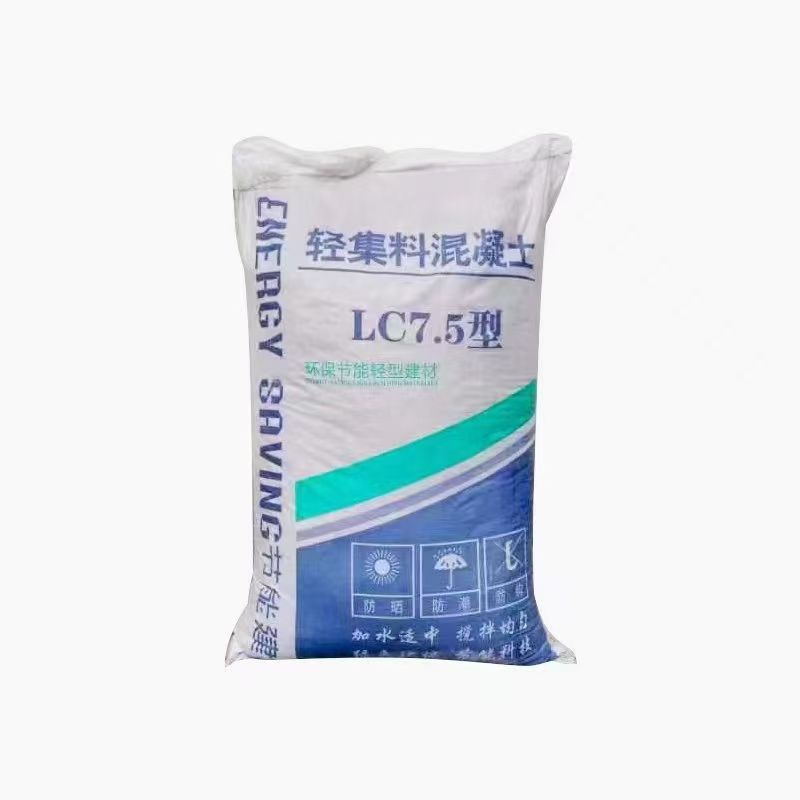
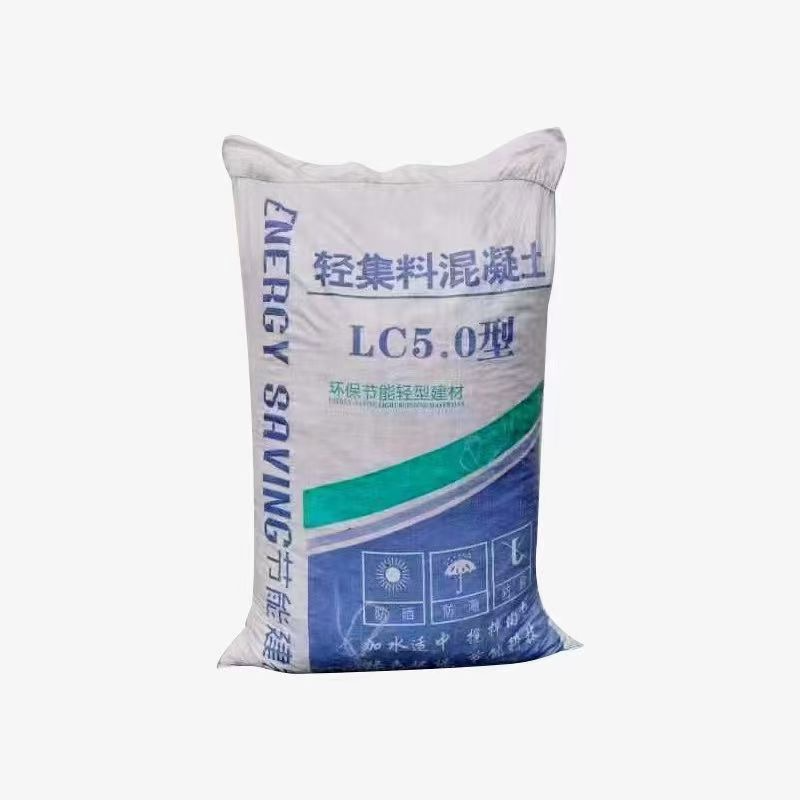






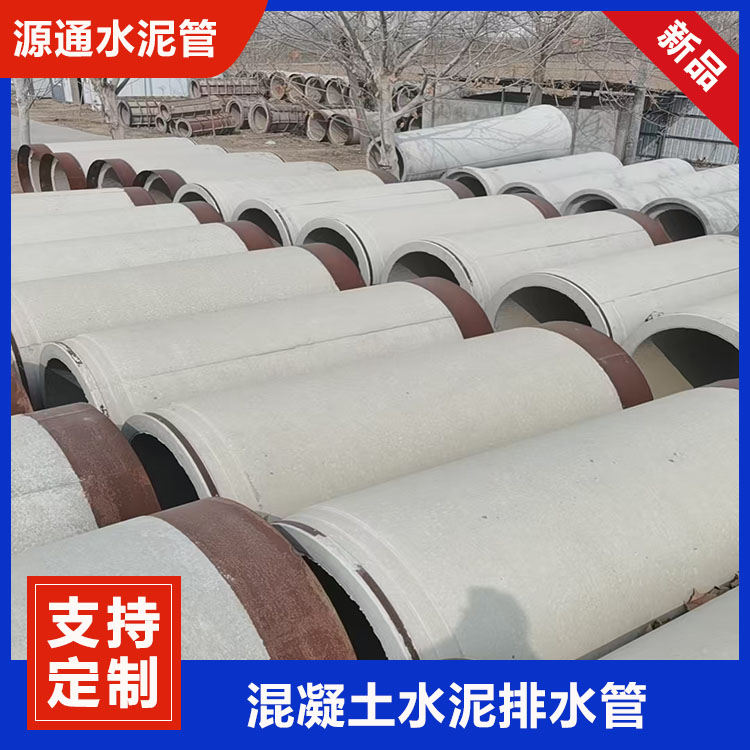

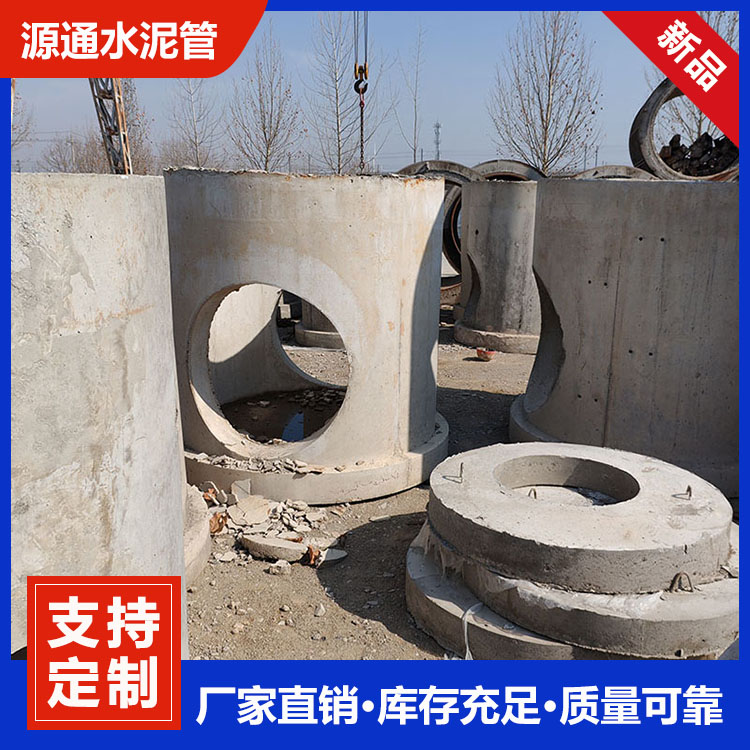
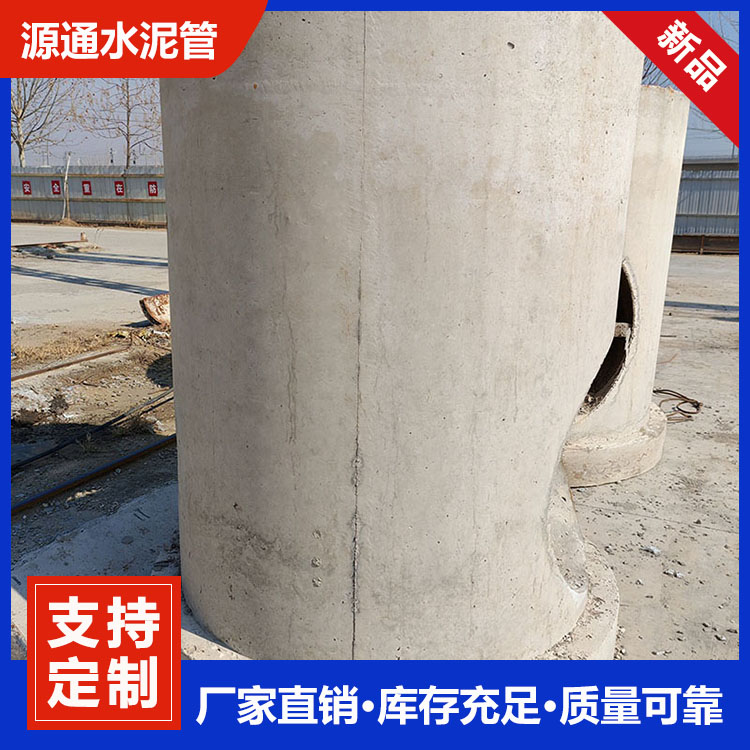

The characteristics of cement pipes mainly include:
1. High-tensile
High resistance to pressureCapable of withstanding high pressure, suitable for underground drainage and water conveyance.
High durabilityLong lifespan, resistant to aging.
2. Corrosion-resistant
Chemical corrosion resistanceSuitable for conveying sewage and chemicals.
Acid and alkali resistantStable in acidic and alkaline environments.
3. Fire-resistant properties
Non-flammable materialsExcellent fire-resistant properties, suitable for high fire safety requirement areas.
4. Easy installation
Modular designEasy to transport and install, with high construction efficiency.
Diverse interfacesAvailable in various interface options to suit your requirements.
5. Economic
Low costRaw materials are low in price, resulting in lower production costs.
Low maintenance costLong service life, low maintenance costs.
6. Environmental friendliness
RecyclableRecyclable after disposal, reducing environmental pollution.
Pollution-freeNo harmful substances are released during production and use.
7. Broadly applicable
Municipal EngineeringCommonly used in drainage and sewage systems.
Civil Engineering ConstructionUsed for ground drainage and basement drainage.
Agricultural irrigationUsed for agricultural irrigation and drainage systems.
8. Drawbacks
HeavyweightTransport and installation require additional mechanical support.
Highly brittleReduced impact resistance; prone to cracking under intense shock.
Summary
Cement pipes offer high strength, corrosion resistance, fire resistance, easy installation, and economic environmental benefits, widely used in municipal, construction, and agricultural projects. However, their main drawbacks are their heavy weight and high brittleness.