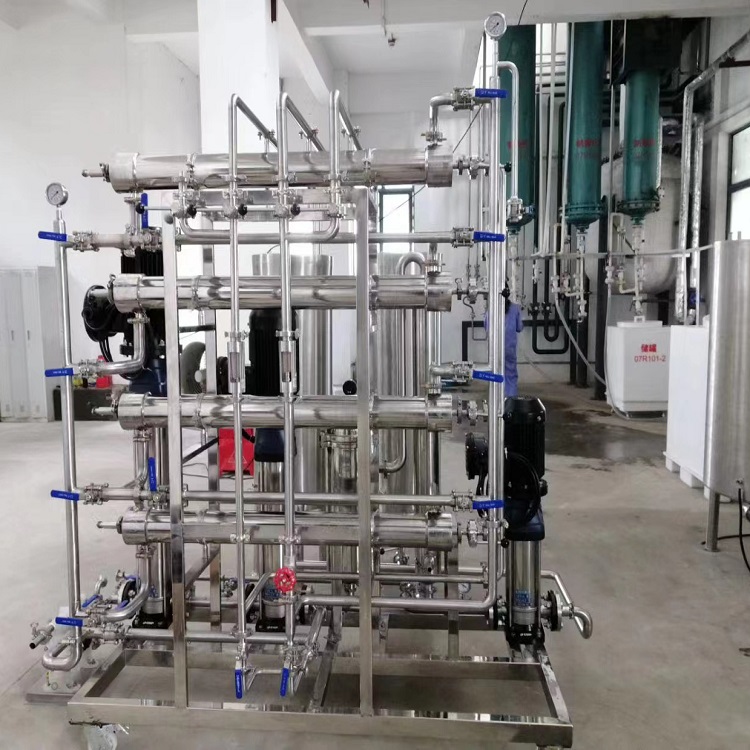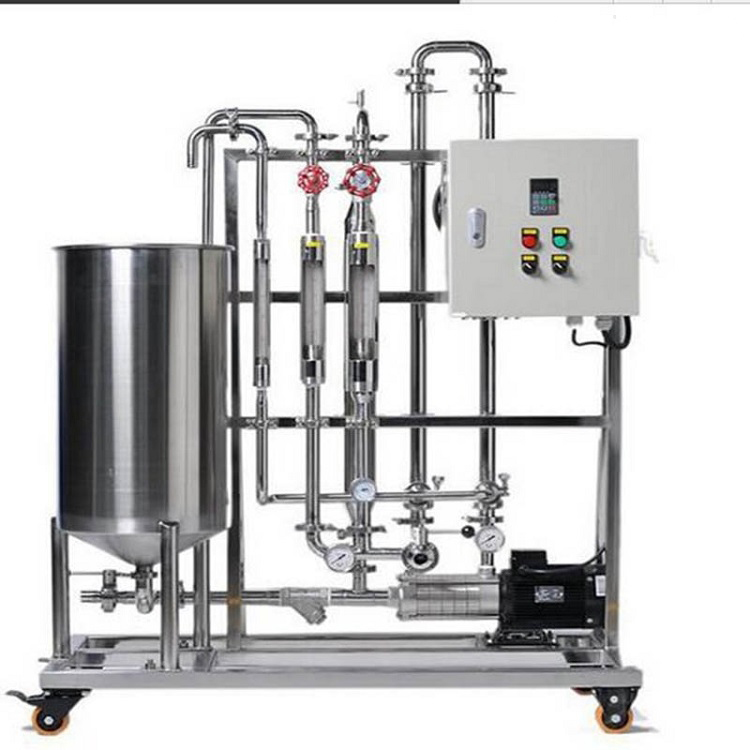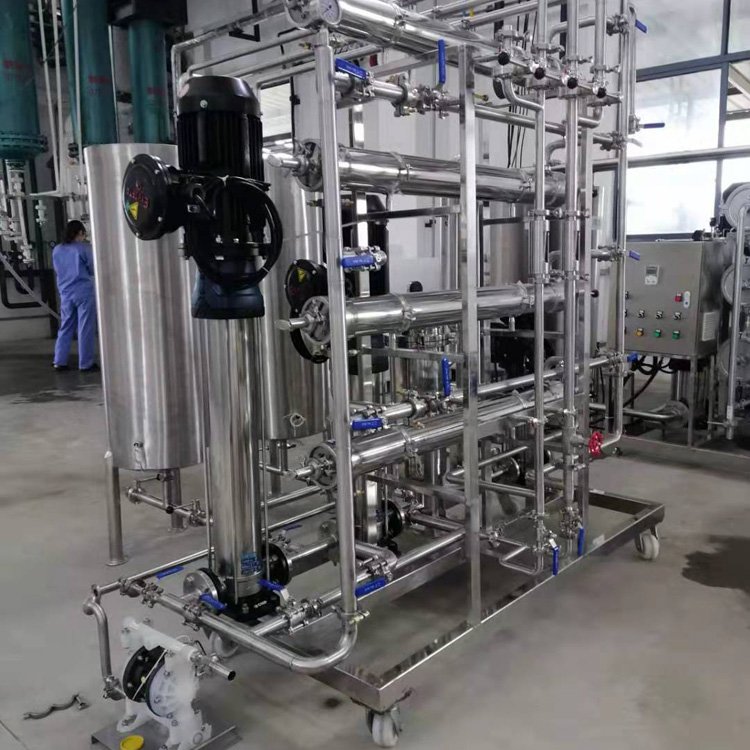


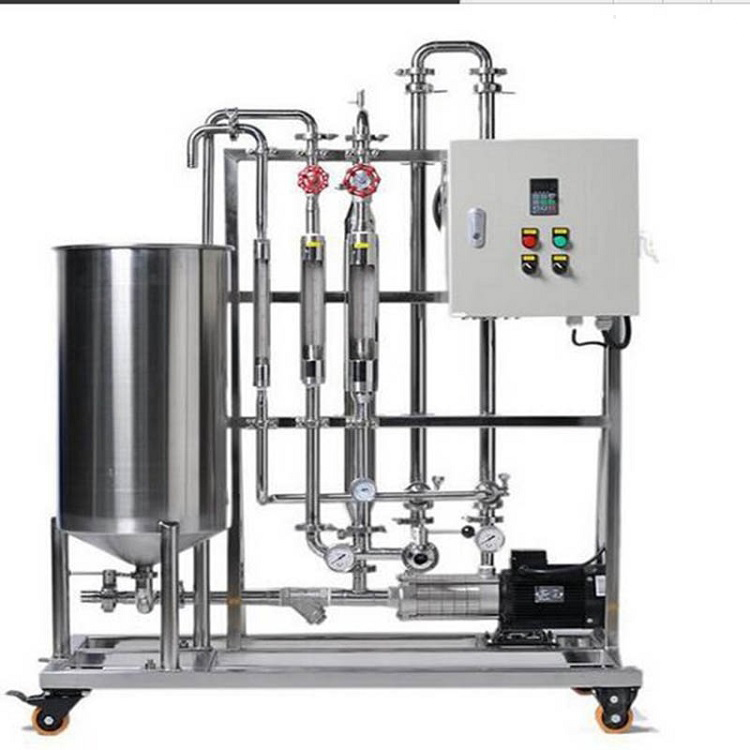
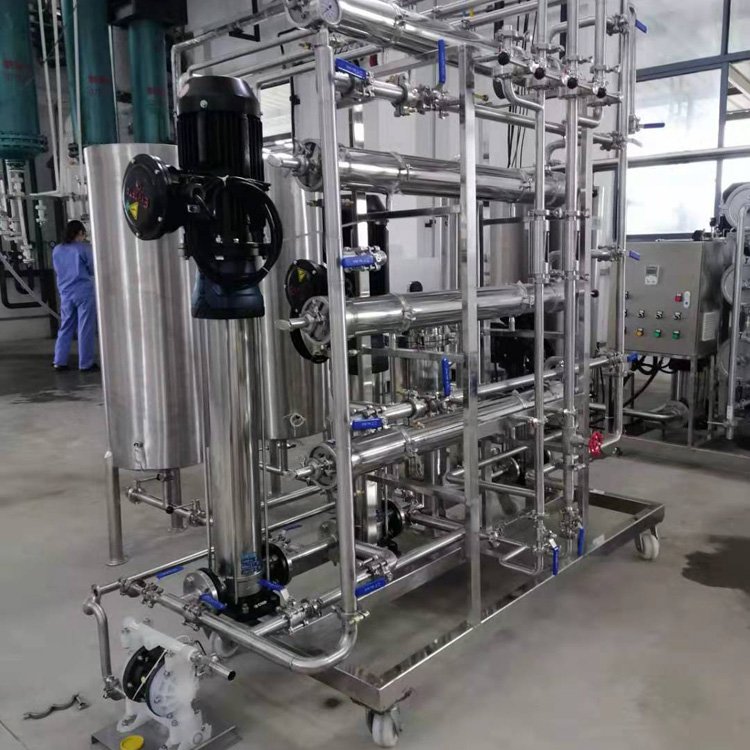












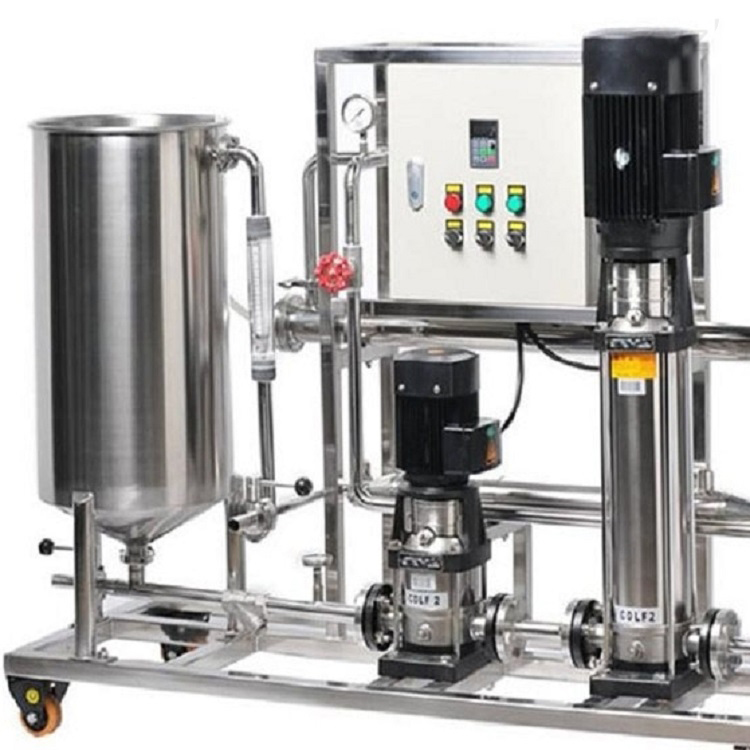
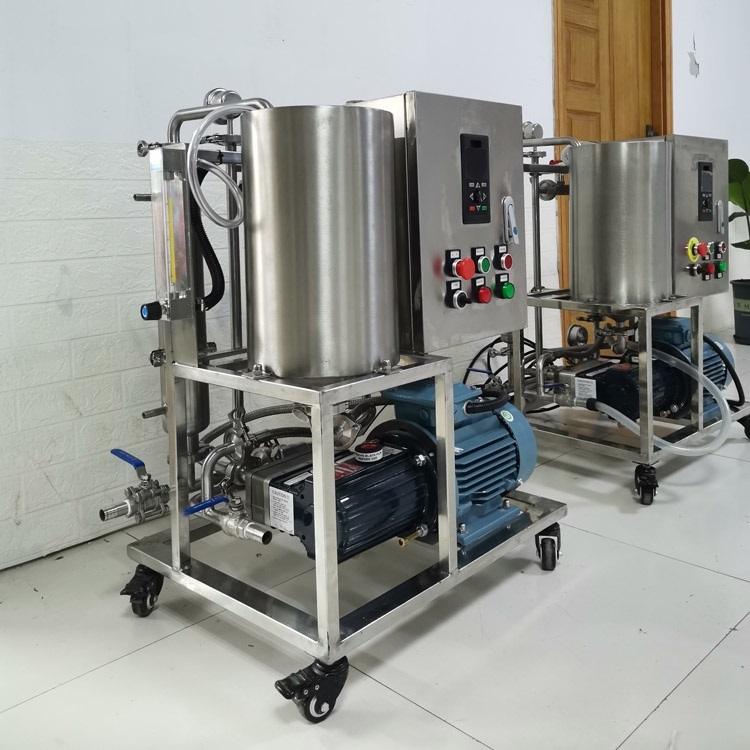
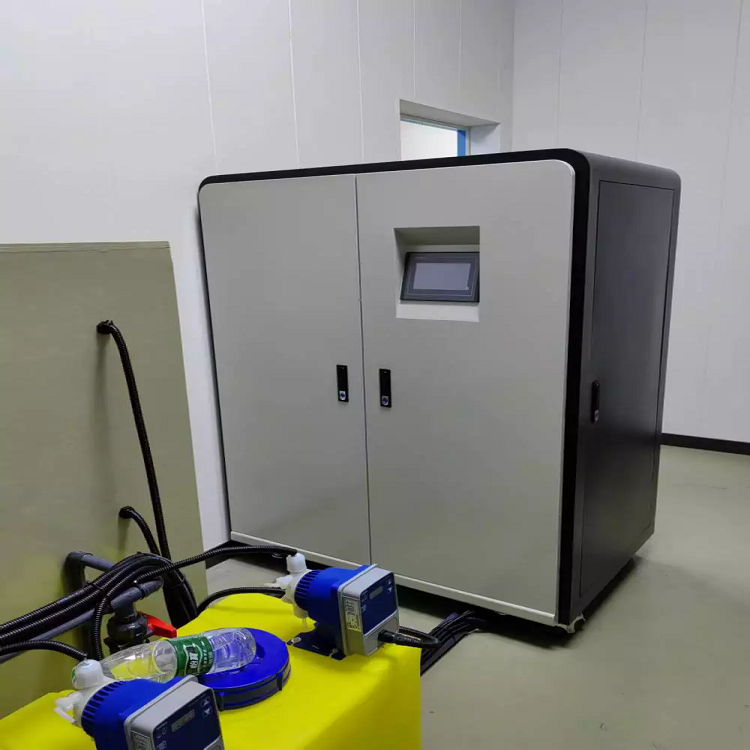
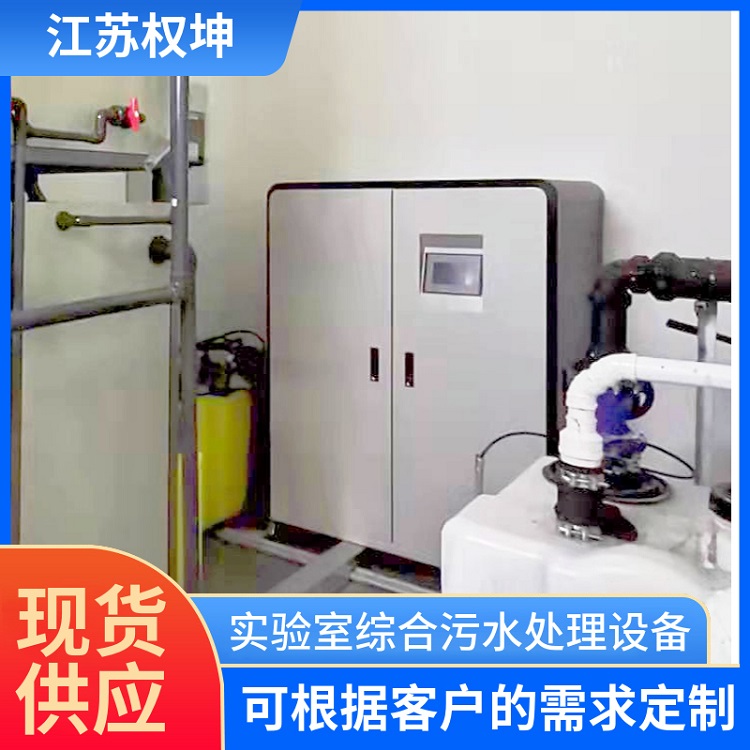
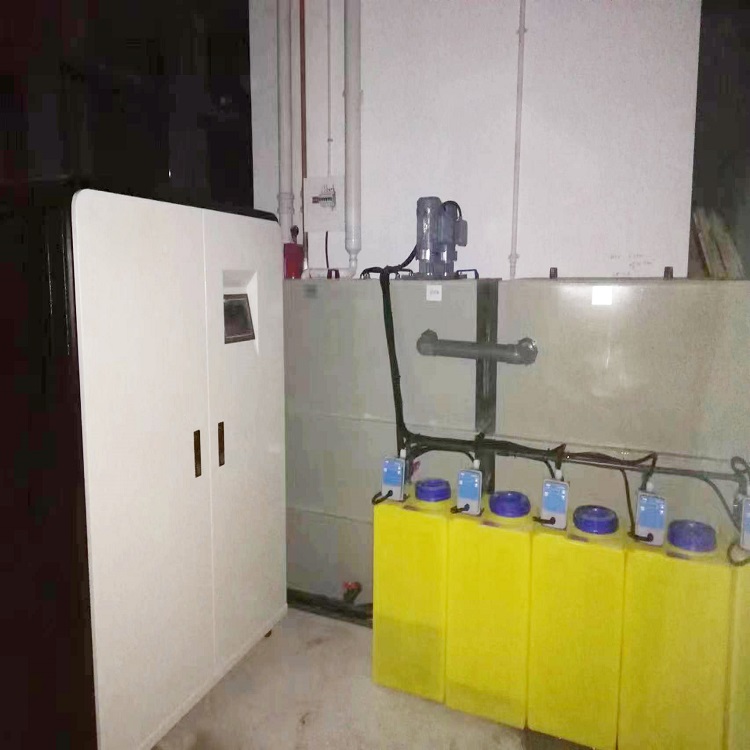
Nanofiltration Purification Professional Membrane Separation Equipment, Laboratory Mini Membrane Separation Equipment, Quankun Customized
Small-scale membrane experiment equipment, as the name implies, refers to experimental devices with a compact size, specifically designed for membrane science and related fields. Its core lies in the use of semi-permeable membranes or membrane materials with specific functions to achieve the separation, concentration, purification, or reaction of substances through driving forces such as pressure difference, concentration difference, or electric field. Membrane technology is widely applied in fields such as water treatment, food processing, biopharmaceuticals, environmental protection, and so on. Small-scale membrane experiment equipment is an essential tool for early research and teaching demonstrations in these large-scale industrial applications.

In terms of operation principle, small-scale membrane experimental equipment typically includes several key components: membrane modules (such as flat membranes, tubular membranes, hollow fiber membranes, etc.), feed systems, circulation systems, control systems, and collection systems. Depending on experimental requirements, different membrane materials (such as polysulfone, cellulose acetate, ceramics, etc.) and membrane pore sizes can be selected to meet various separation needs. For instance, ultrafiltration membranes can be used to remove large molecular substances and bacteria from water, while nanofiltration membranes can further remove small molecular organic matter and some inorganic salts.
The development of membrane separation process applications should be based on the characteristics of the material system and process requirements, combined with experimental scientific verification. It must address the challenges of material purification while ensuring the feasibility of the process and suitability for industrialized clean production.

Equipment for a range of membrane separation operations, including ultrafiltration, reverse osmosis, gas permeation separation, dialysis, electro dialysis, and liquid membrane separation. Due to the unique characteristics of membrane configurations and separation processes, there are various types of equipment. Sometimes, they are named separately based on the process objective or application, such as ultrafilter, permeator, dialyzer, electro dialyzer, or desalinator, with future trends leaning towards automation and simplification.

Nanofiltration Purification Professional Membrane Separation Equipment, Laboratory Mini Membrane Separation Equipment, Quankun Customized
Selecting membrane separation equipment is a complex and delicate process, involving numerous considerations. The right selection not only affects the equipment's operational efficiency but also directly impacts production costs and product quality. Therefore, it is essential to thoroughly consider all factors during the selection process to ensure the chosen membrane separation equipment meets production requirements.
Understanding the basic principles and characteristics of membrane separation equipment is the foundation for selection. Membrane separation equipment utilizes the selective separation function of membranes to achieve separation of different components in feedstock or concentration of active ingredients through physical or chemical methods. Different types of membranes have different separation characteristics and application ranges, so it is necessary to choose the appropriate membrane type according to actual production needs.
2. Consideration of production scale and processing capacity is crucial for selection. Different scales of production lines require different processing capacity of membrane separation equipment. If the equipment's processing capacity is too small, it cannot meet production demands, leading to low production efficiency; if it's too large, it will result in resource waste and increased costs. Therefore, when selecting, one should base it on the actual production scale and processing capacity to choose the appropriate equipment specifications and models.
3. The material and corrosion resistance of membrane separation equipment are also significant factors to consider during selection. Membrane separation equipment is commonly used for treating various chemical solutions and corrosive substances. Therefore, the equipment must have excellent corrosion resistance and stability to ensure long-term stable operation. When choosing equipment, pay attention to the material and anti-corrosion measures to ensure the equipment meets production requirements.
4. Energy consumption and environmental performance of the equipment are also crucial factors to consider during selection. Membrane separation equipment requires a certain amount of energy during operation, thus, the energy consumption level of the equipment directly impacts production costs. Moreover, with the increasing awareness of environmental protection, the environmental performance of the equipment is gaining more attention. When choosing, opt for equipment with lower energy consumption and better environmental performance to reduce production costs and meet environmental requirements.
5. Consideration must be given to equipment maintenance and care. Membrane separation equipment requires regular maintenance and care during operation to ensure proper functioning and prolong its lifespan. Therefore, when selecting, pay attention to the equipment's maintenance and care requirements, as well as the manufacturer's after-sales service and technical support, so that potential issues can be addressed promptly during operation.