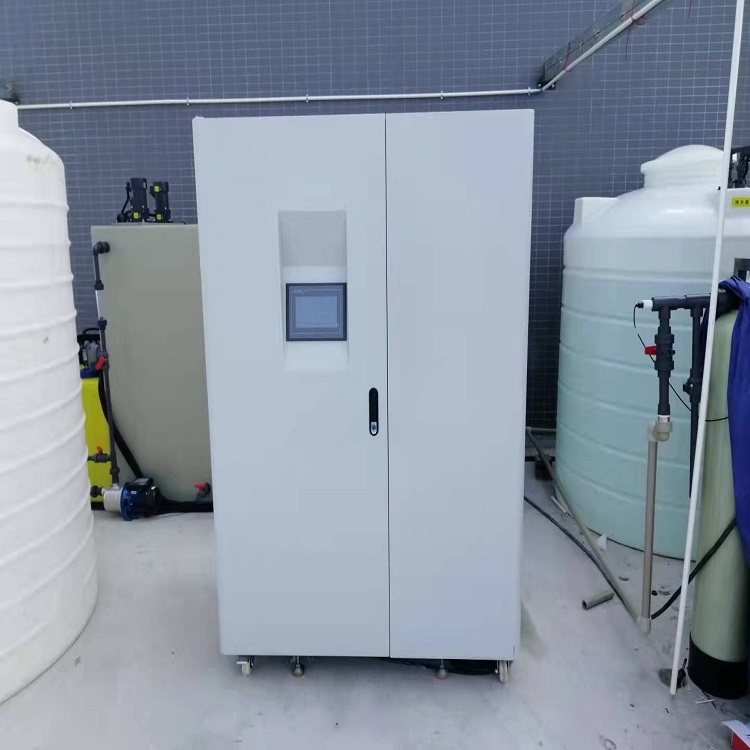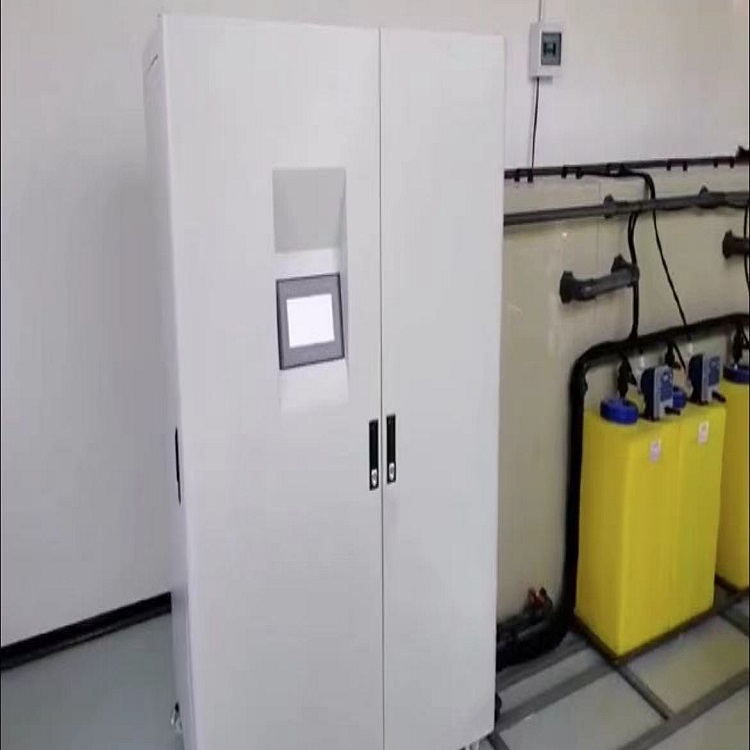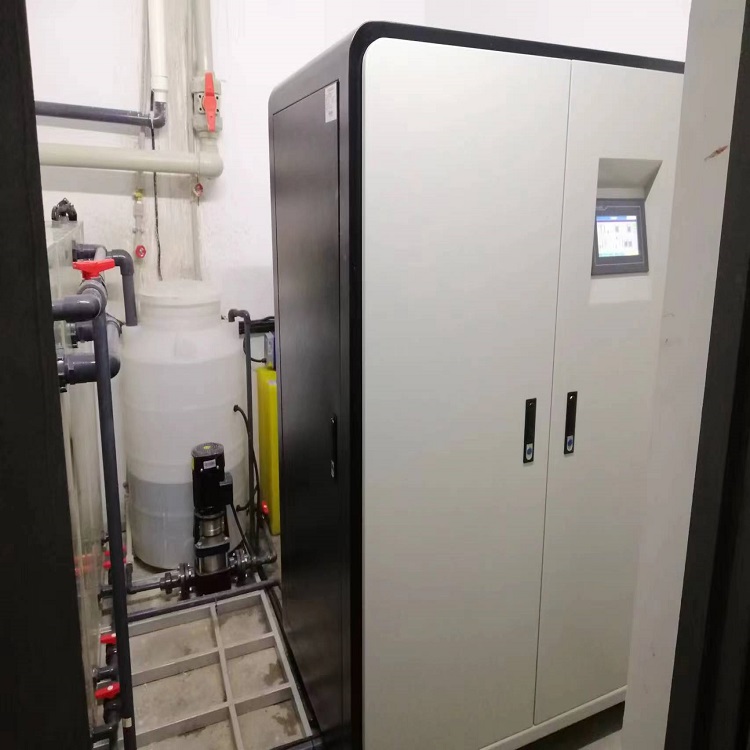

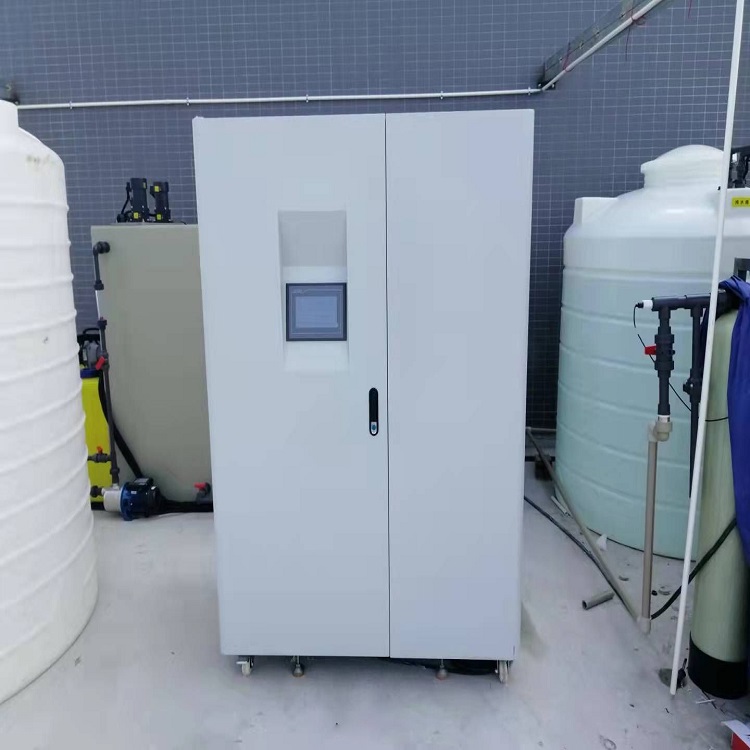

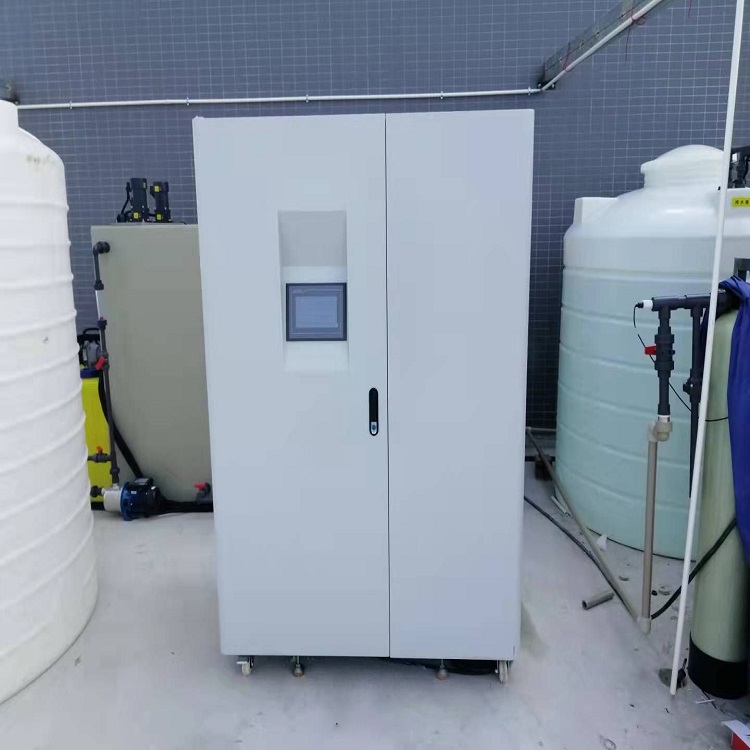
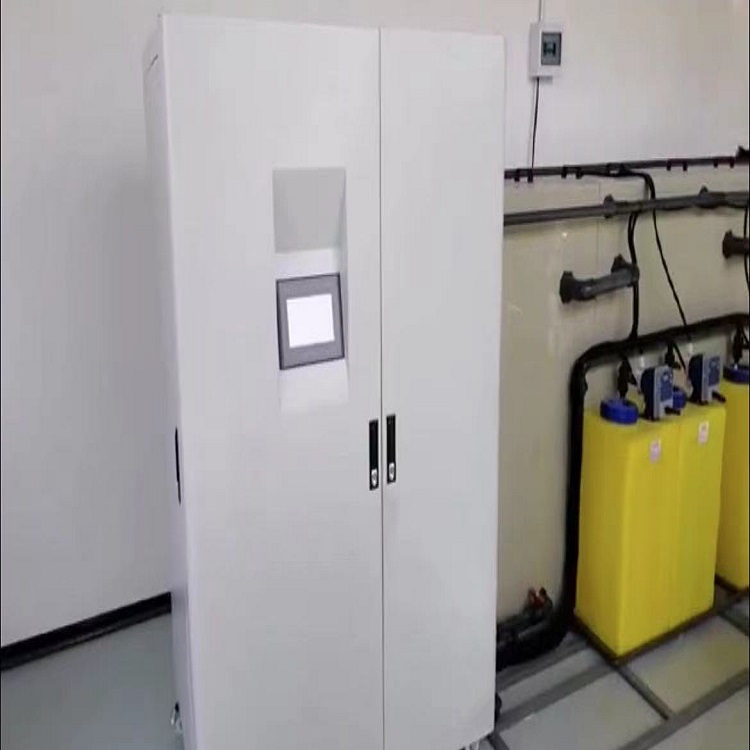
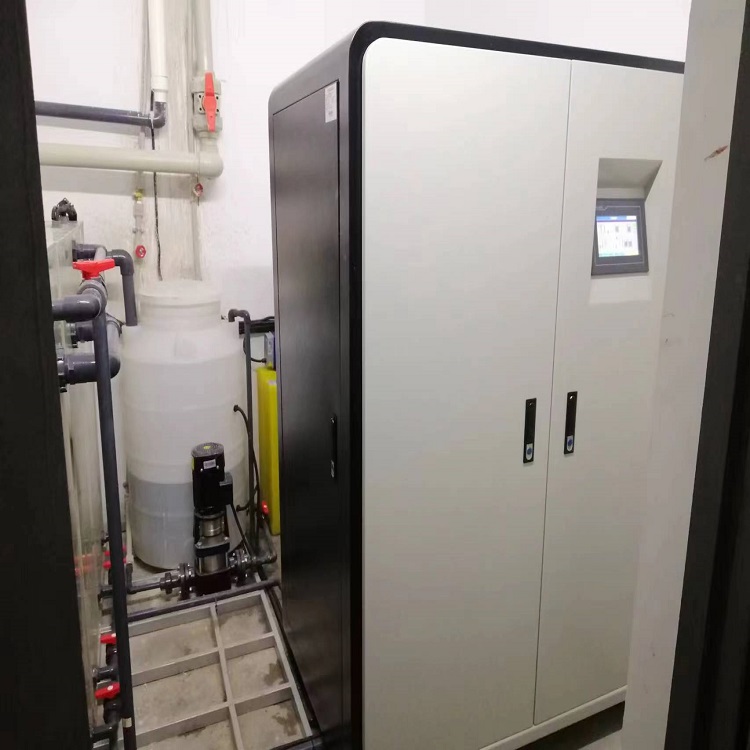












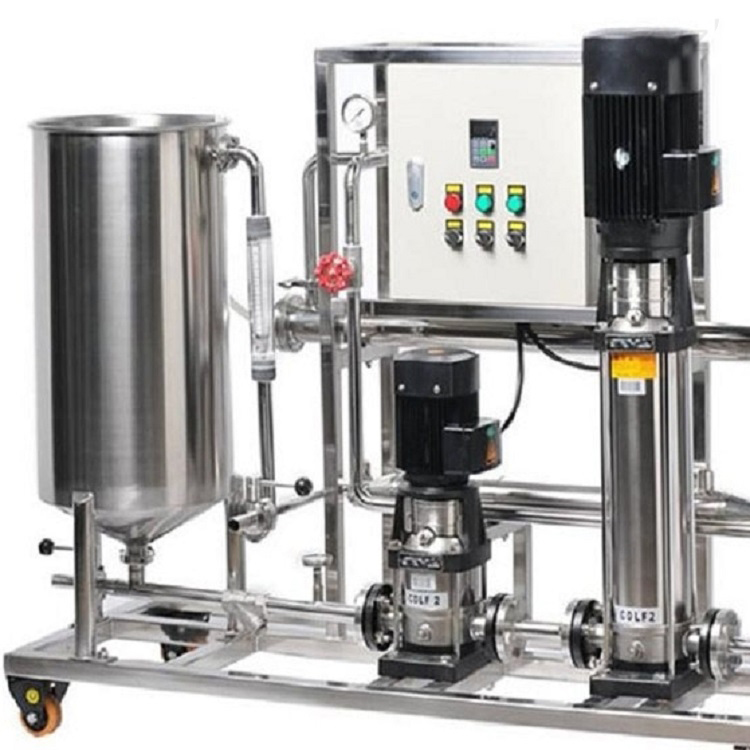
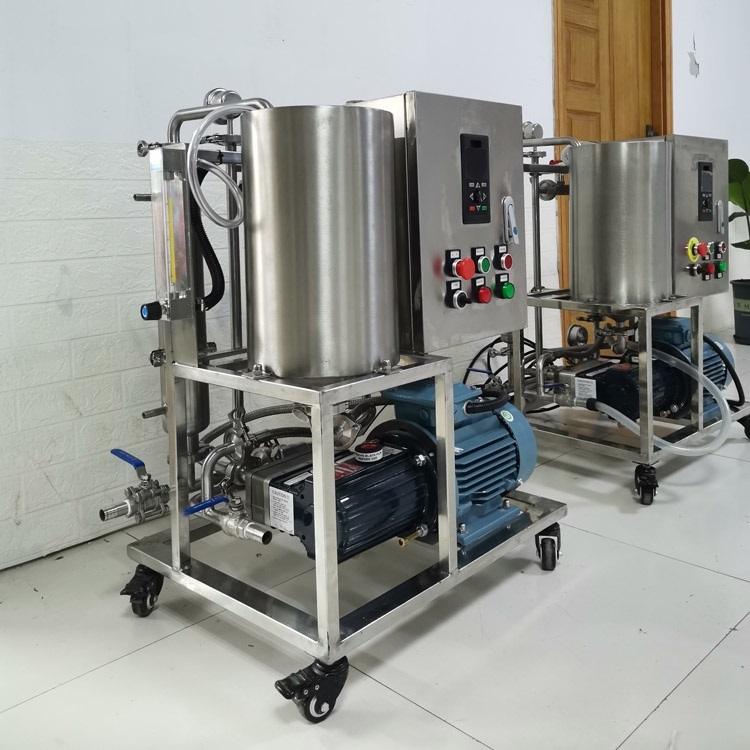
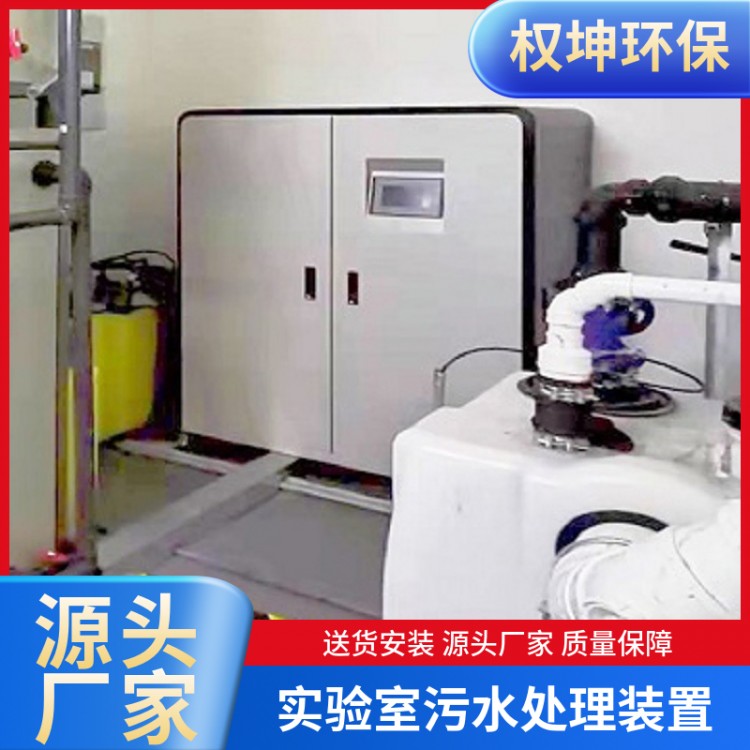
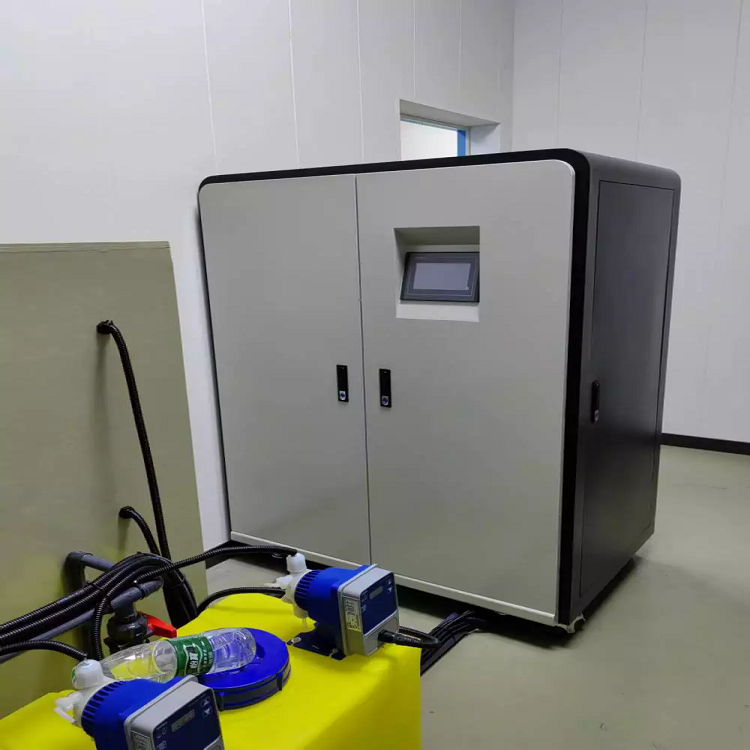
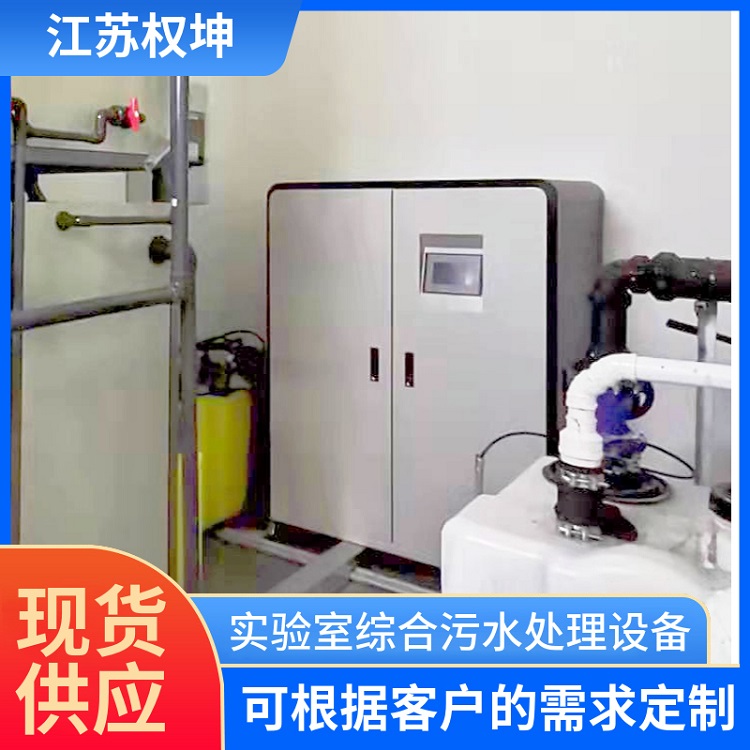
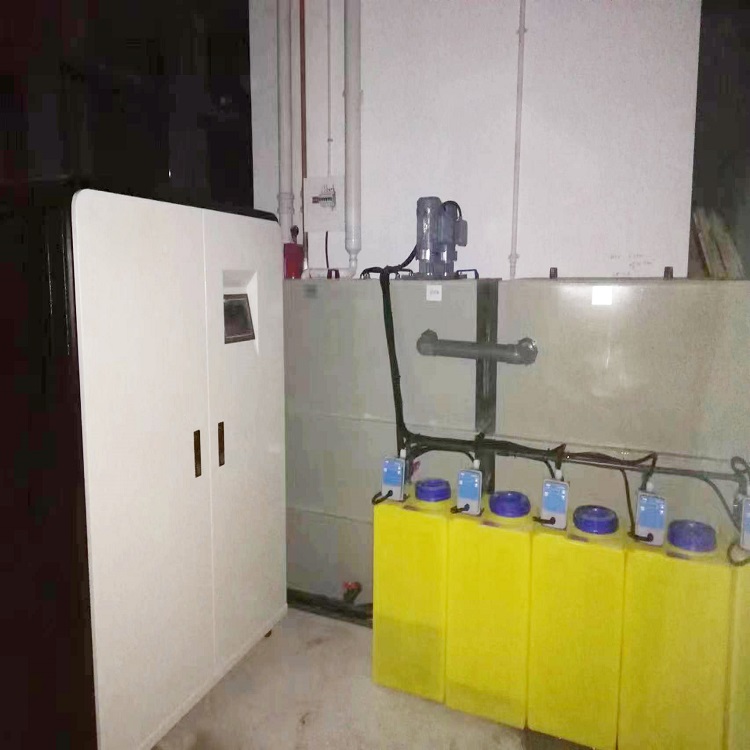
Traditional and Western Medicine University Laboratory Wastewater Treatment Equipment, Chemical Experimental Sewage Treatment Experimental Device, Quankun
The basic principle of laboratory wastewater treatment equipment is to remove or convert harmful substances in wastewater into harmless ones through physical, chemical, and biological methods, thereby achieving the purification of wastewater. Physical treatment mainly includes steps such as filtration, sedimentation, and centrifugation, which can remove suspended particles and plankton in wastewater; chemical treatment adjusts the pH value and adds chemicals to decompose, precipitate, or convert chemical substances in wastewater; and biological treatment utilizes the metabolic action of microorganisms to convert organic matter in wastewater into harmless substances.
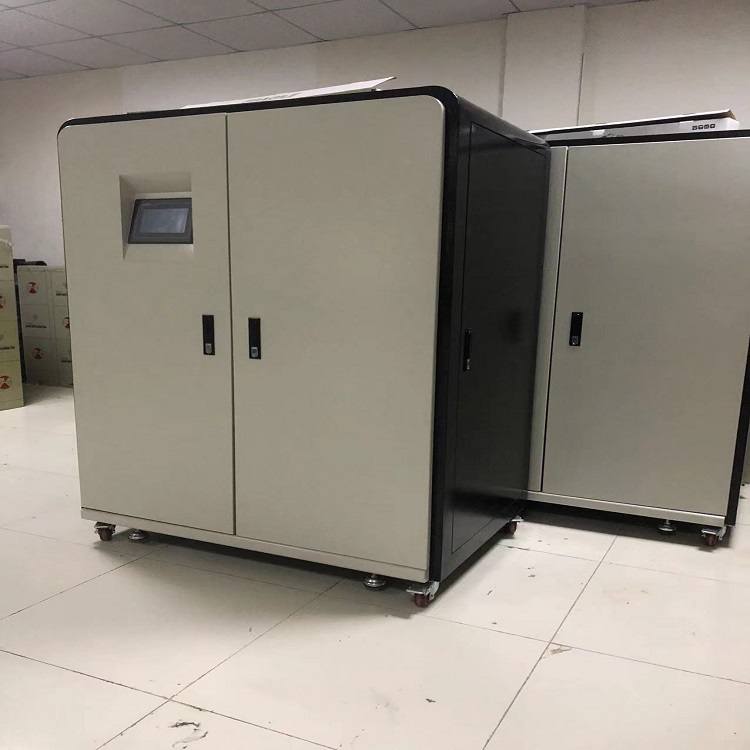
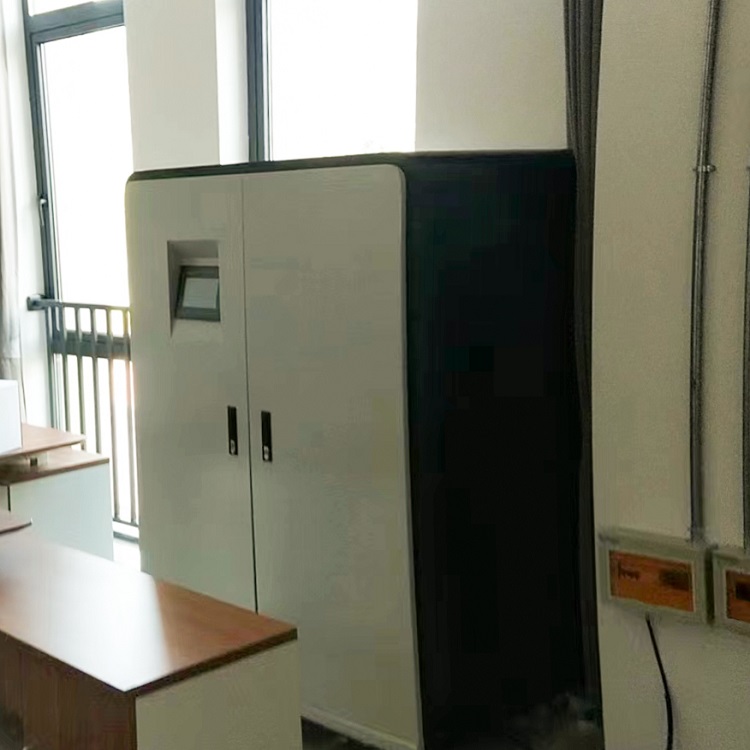
Operating Principle:
The laboratory wastewater treatment equipment primarily utilizes various methods such as physical, chemical, and biological processes to remove or convert harmful substances in laboratory wastewater, meeting discharge standards or reuse requirements. The specific working principles include sedimentation, filtration, adsorption, oxidation-reduction, and biological degradation. These processes are combined through different treatment units and equipment to form a complete wastewater treatment system.
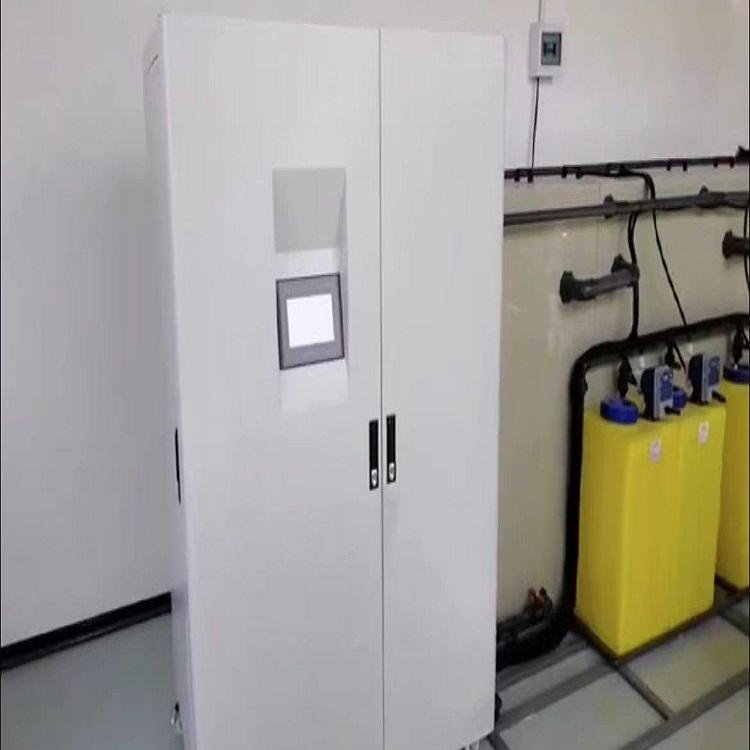
According to different treatment methods and application scenarios, wastewater treatment equipment in testing laboratories can be categorized into the following types:
Physical Treatment Equipment: Such as sedimentation tanks, filters, etc., which remove suspended solids and sediments from wastewater through physical processes.
2. Chemical Treatment Equipment: Including dosing systems, reactors, etc., for removing soluble harmful substances from wastewater through chemical reactions.
3. Biological Treatment Equipment: Such as activated sludge basins, biofilm reactors, etc., which utilize the metabolic actions of microorganisms to degrade organic matter in wastewater.
4. Integrated Treatment Equipment: Combining physical, chemical, and biological processing methods to form an efficient and energy-saving wastewater treatment system.
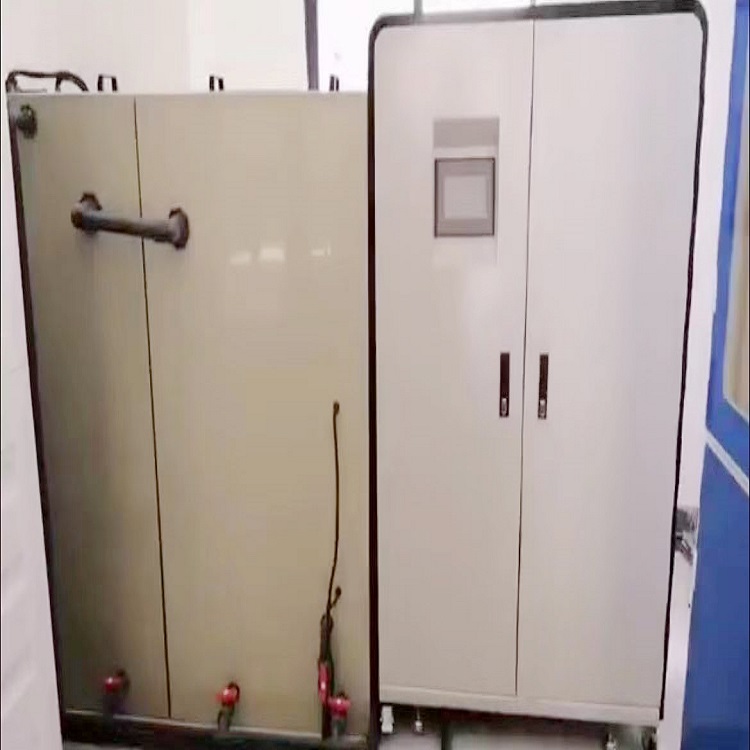
When selecting and utilizing laboratory wastewater treatment equipment, various factors must be considered. Firstly, choose equipment with mature technology and stable performance to ensure reliable and consistent treatment effectiveness. Secondly, select the appropriate model and specifications based on actual conditions to ensure the equipment meets the wastewater treatment requirements. Additionally, consider factors like operational and maintenance costs to ensure the equipment's economic benefits and practicality.
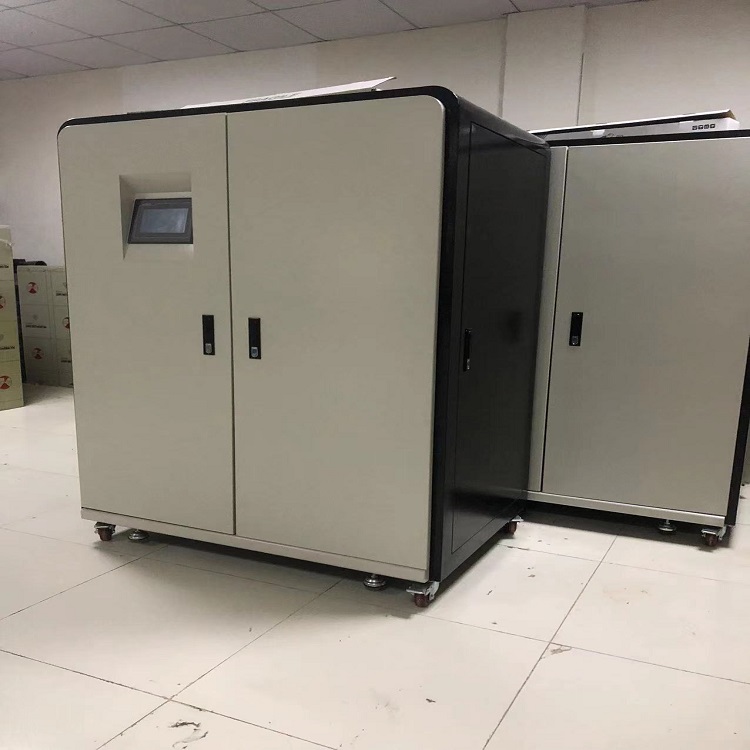
Traditional and Western Medicine University Laboratory Wastewater Treatment Equipment, Chemical Experimental Sewage Treatment Experimental Device, Quankun
The main function of the laboratory wastewater treatment equipment is to efficiently and safely process laboratory-generated wastewater. It employs advanced techniques such as physical separation, chemical neutralization, and biological degradation to remove harmful substances or reduce their concentrations in the wastewater, ensuring it meets national emission standards. Additionally, the equipment features automated control and intelligent monitoring capabilities, enabling real-time monitoring of the wastewater treatment process and outcomes, ensuring the stability and reliability of the treatment results.