








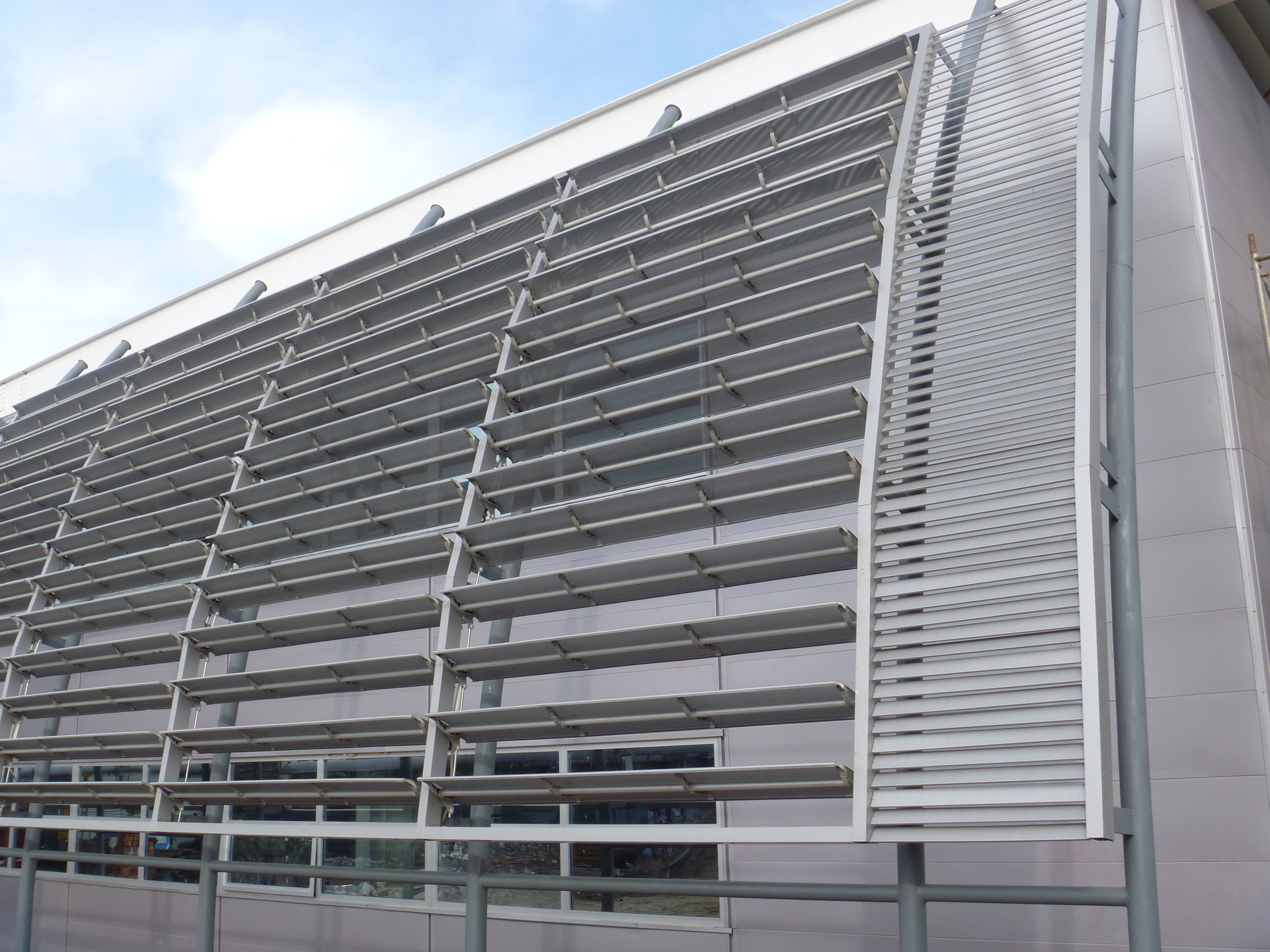
Window Opener
The machine used to open and close windows is referred to as a "window opener" or "window operator," commonly called "window operator" overseas, and "window machine" domestically. It is a new product in the domestic construction industry, while "smart electric windows" represent the latest development in the window industry.
Related Introduction
High-positioned windows, windows installed at a high or distant location, beyond the reach of manual access.
2. The windows are too heavy, making it difficult to open or close them, and manual operation is inconvenient.
3. Fire smoke exhaust windows that meet the fire linkage ventilation requirements for floors.
4. Windows with weather open/close requirements, such as: automatic closure of windows when it rains in the warehouse.
5. For indoor environments requiring temperature control, such as windows in vegetable or flower greenhouses.
6. Required for indoor temperature control; automatically open windows when too hot, e.g., windows in communication machine rooms.
7. Strict indoor air quality requirements; timely and scheduled ventilation is necessary.
8. The interior requires a suitable level of brightness, which can be achieved by adjusting the blinds' angle.
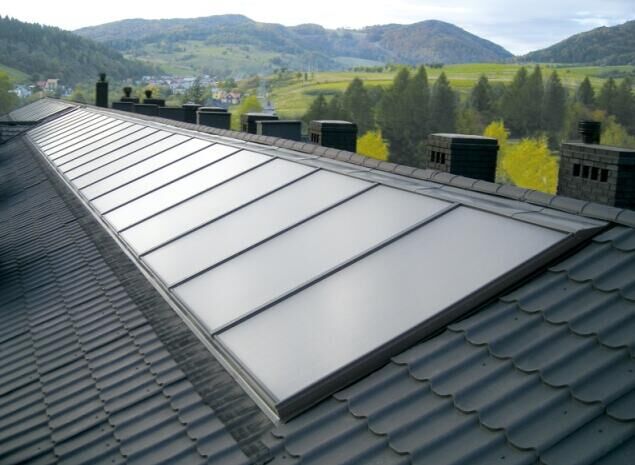
9. Windows require a tighter sealing force for closure, such as skylights need to be tightly closed to prevent rain.
10. In other special environments, such as chemical and dust factories, timely ventilation is required.
11. Green, smart, and energy-efficient modern high-rise buildings, such as curtain wall windows.
12. Building automation, smart home control, etc.
Purchase Selection
1. Choose from (two major) types of window openers: Type 1, Electric Window Opener; Type 2, Manual Window Opener
Electric window openers are mainly divided into three types based on the mechanical drive method (chain, rack, and screw).
1) Small chain-type window openers, 200N/250N push-pull force, stroke: 100/200/300-600mm.
2) Large chain-type window openers, push-pull force: 400N, 450N, 650N; stroke: 100, 200, 300, up to 900mm.
3) Rack and pinion window operators, push-pull forces of 450N, 650N, 850N, 1000N. Stroke lengths: 100, 200, 300 to 1200mm.
4) Screw-type window openers, pushing and pulling force: 200N, 450N, 600N, 1000N. Stroke: 100, 200, 300, 400--1200mm.
5) Articulated arm联动window opener, primarily used for simultaneous opening of multiple windows in factory buildings.
Select different electric window openers (electric window machines) based on the type of windows you design.
Firstly, determine the type of window: top hung? bottom hung? center hung? skylight? sliding window? casement window? hinged window? sliding sash window? or any other special type of window or fixture.
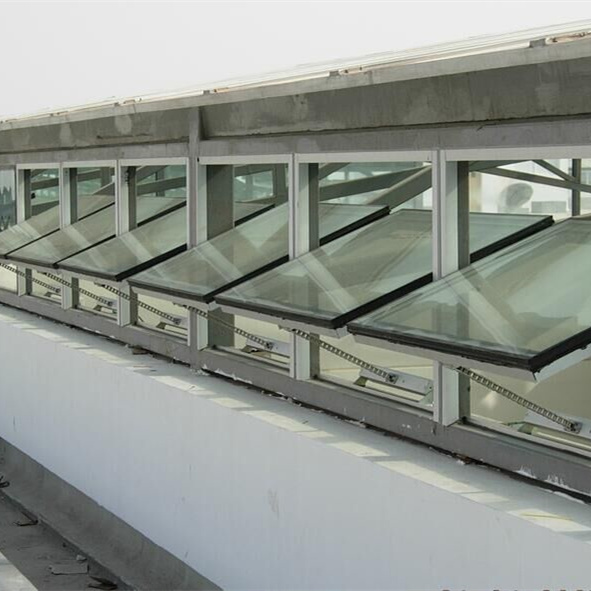
1) If it's a sunroof: it would require a rack-and-pinion or slide-out electric window operator (window actuator). These methods are mainly suitable for vertical loads, without the possibility of bending, and offer strong resistance to wind and rain, with a generally high thrust force.
2) For sliding windows: Select a sliding arm or sliding window electric opener (opener), which is more suitable for straight-line operation and ensures good sealing of the window sash when closed.
3) For roller shutters: choose a small rack and pinion or push rod type electric window opener (window machine).
4) For casement windows: Choose single chain, double chain, rack and pinion, or push rod styles. For aesthetic requirements, opt for chain-style (or for larger windows, double chain). For smoke exhaust angle requirements, select (double push rod with synchronizer) or double rack-style openers.
5) If your designed windows are wider or heavier: if the window width is over 1.5 meters or requires a significant force to open/close (over 450N), consider using a double-actuating electric window opener. This includes dual-rack double-actuation and screw-thread double-actuation, where a single machine outputs two racks or chains to push/pull a large window, ensuring stable opening and secure closure.
2. Select the stroke or angle for the window opener
Initiating Operation: Convert the required opening angle to the linear distance for opening the window (based on the cosine law), for daily ventilation purposes only, the opening angle is generally not to exceed 30 degrees (the opening angle depends on the window height), the travel distance for windows within 1 meter in height is typically 300-400mm; however, in compliance with fire safety requirements, during fire alarm联动, the window should be opened to an angle of approximately 70 degrees.
3. Selection of sliding force for window openers: Generally between 200N-1000N, the simple calculation for sliding force is F = 1/2 (weight of window sash) * (opening travel/window height). The smallest window opener has a force of 200N, which is typically used for sash windows with less force.
4. Selection of power source for the window opener:
The power supply for the opening window machine: AC220V, DC24V, etc. Generally, AC220V power is used for connection to smart home systems; typically, metal curtain walls or metal windows use a safe voltage of DC24V power supply. When fire protection requirements are in place, it is mandatory to use DC24V power. Communication facilities use DC48V.