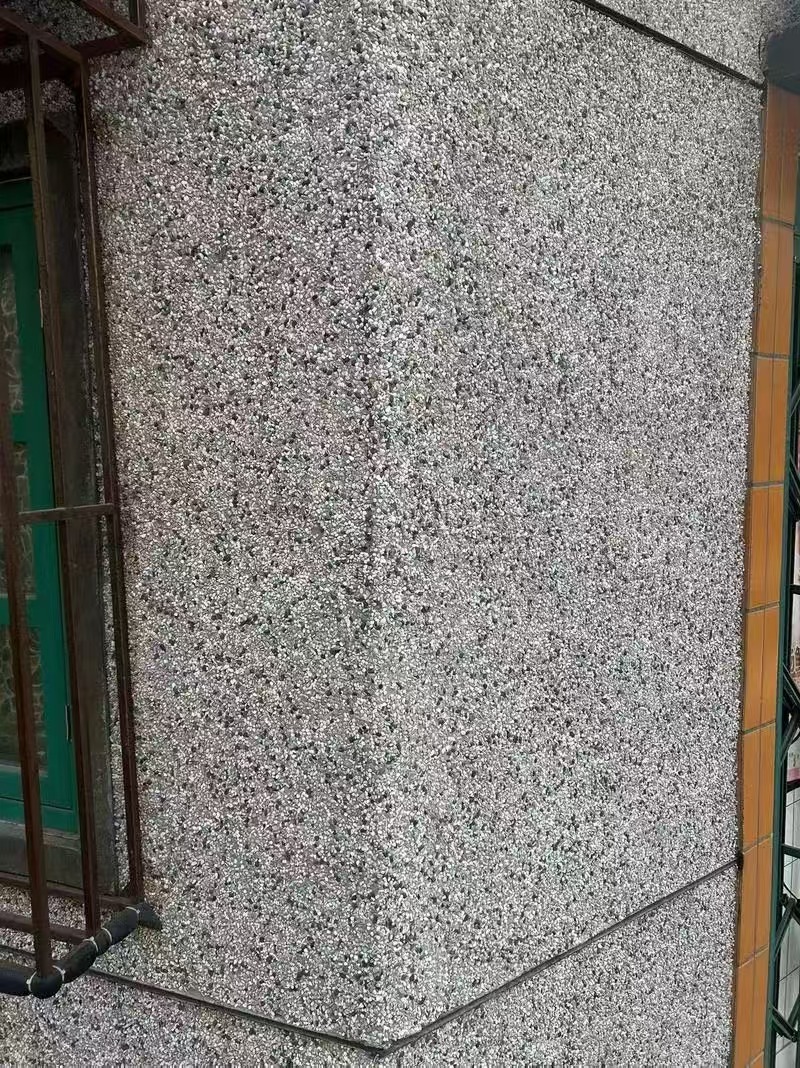


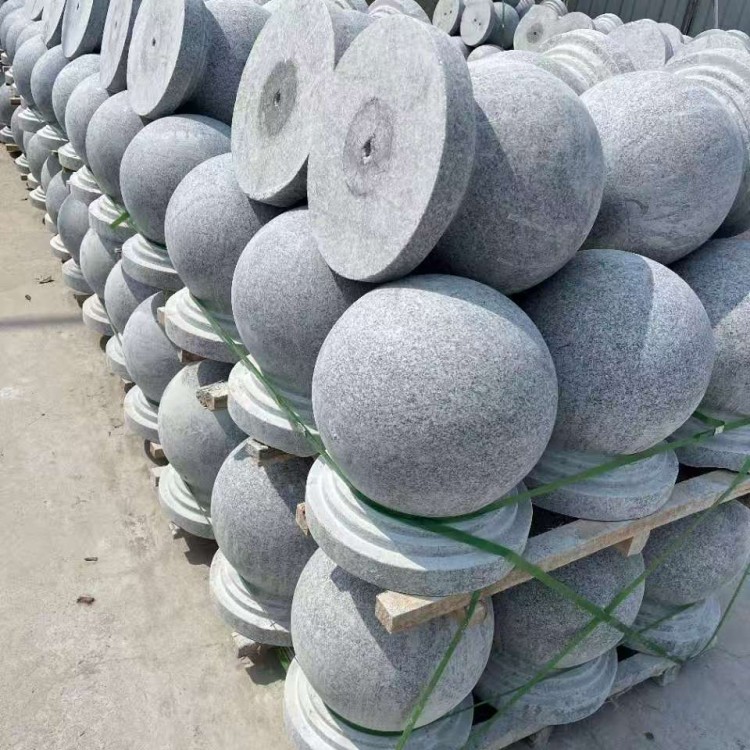
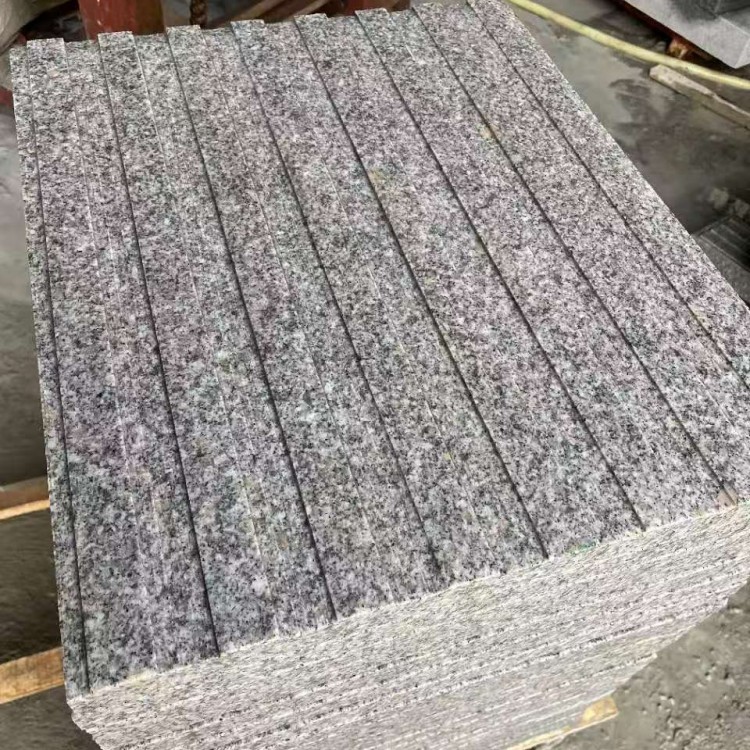







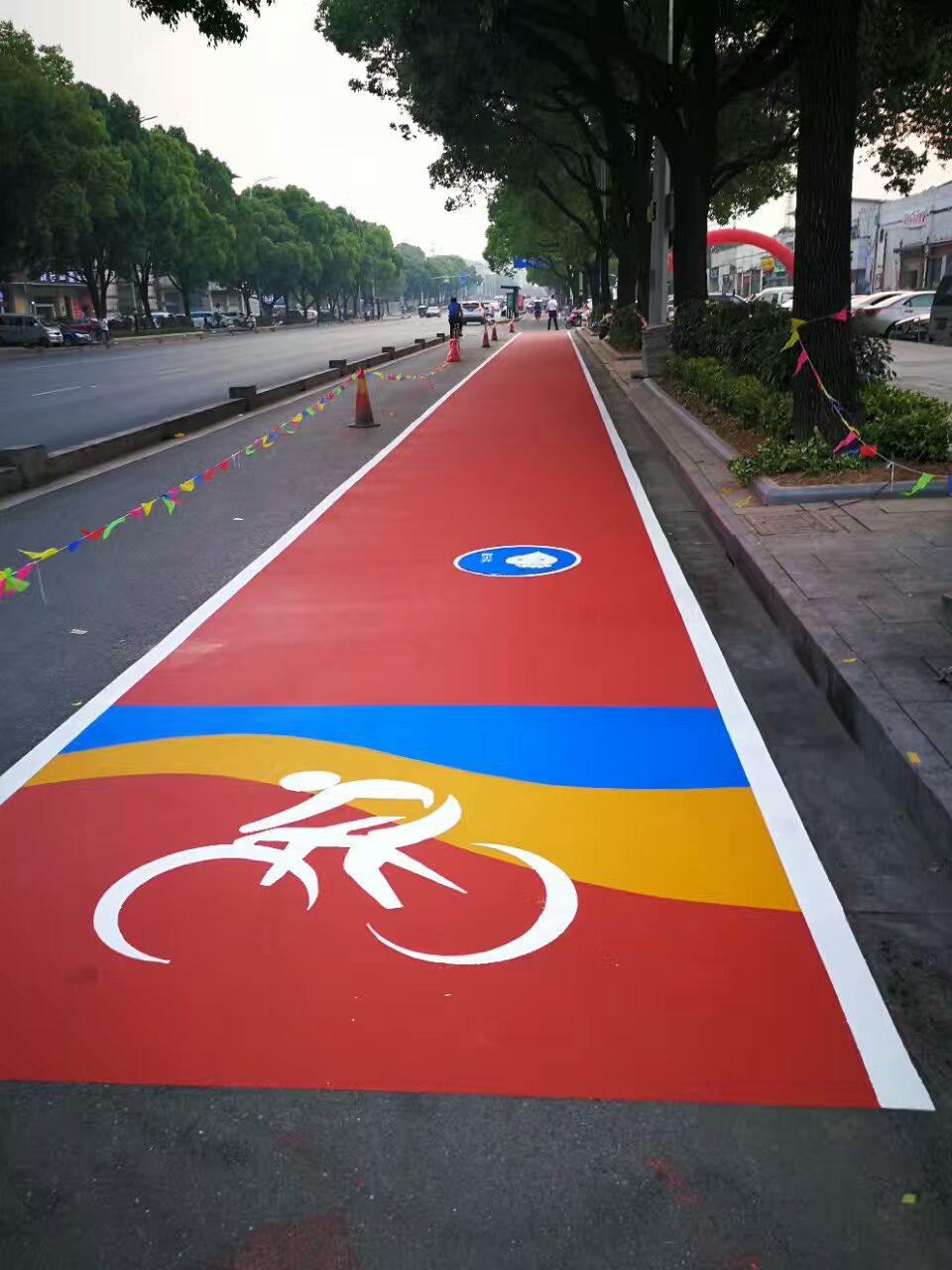
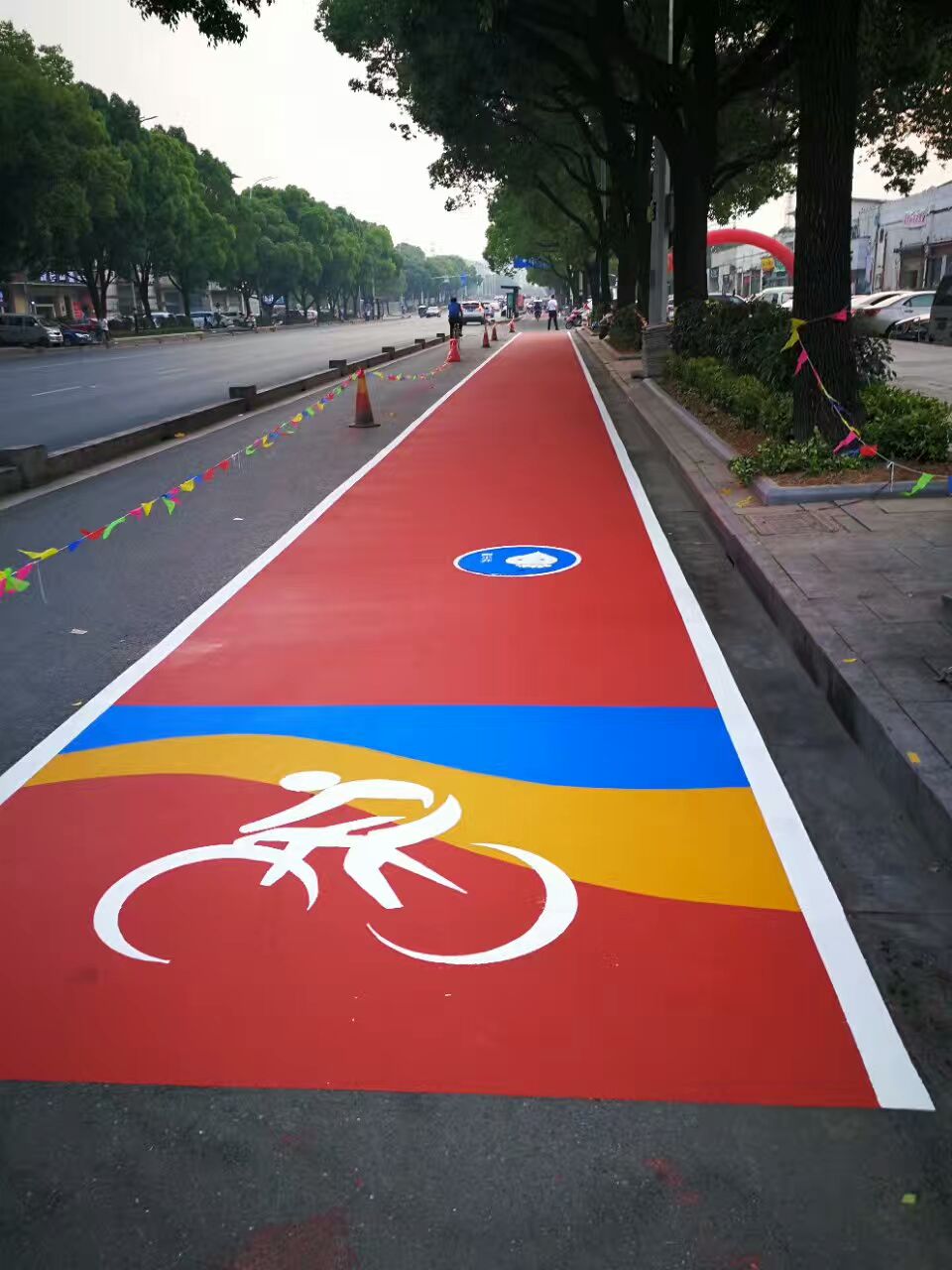
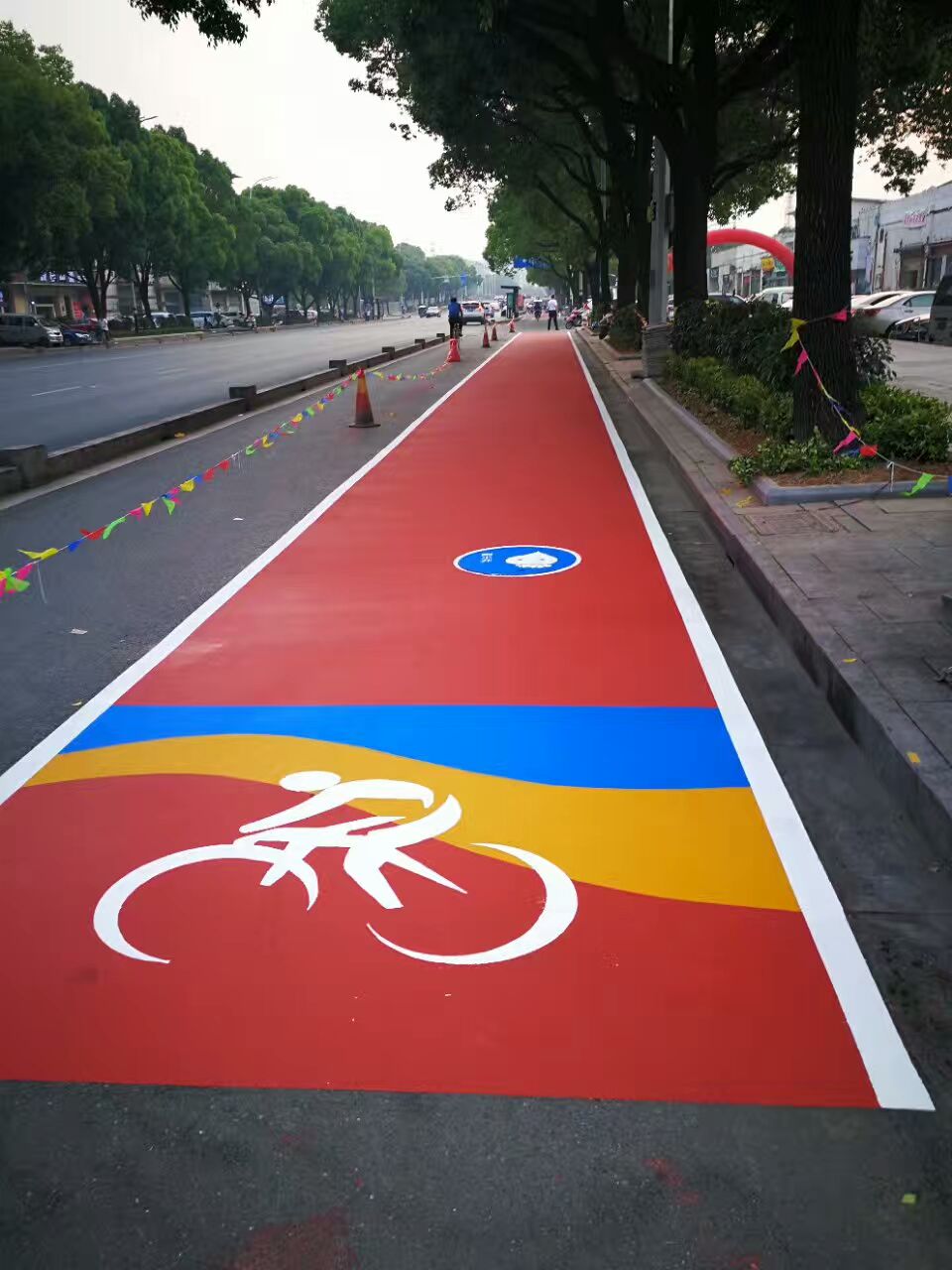
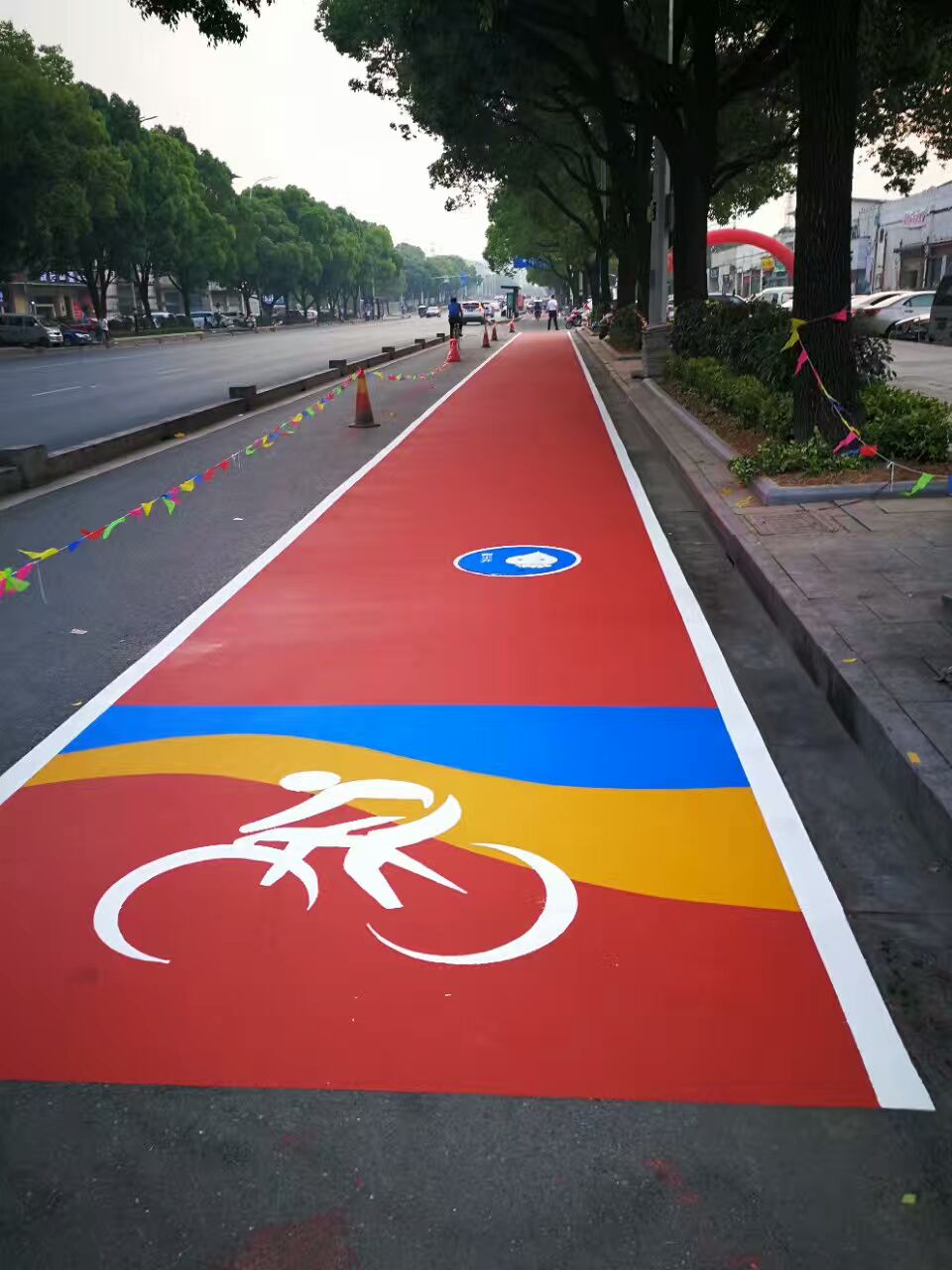
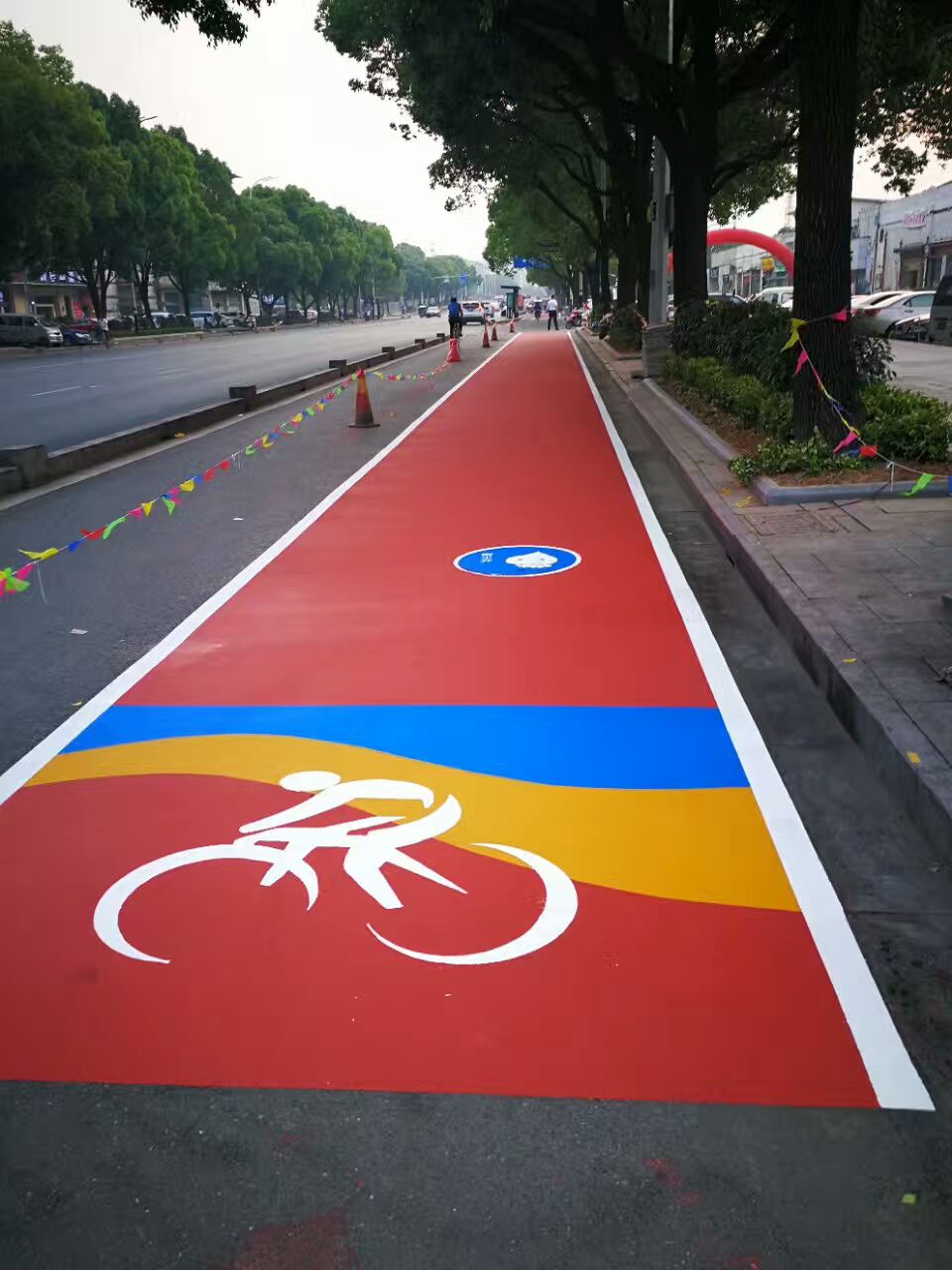
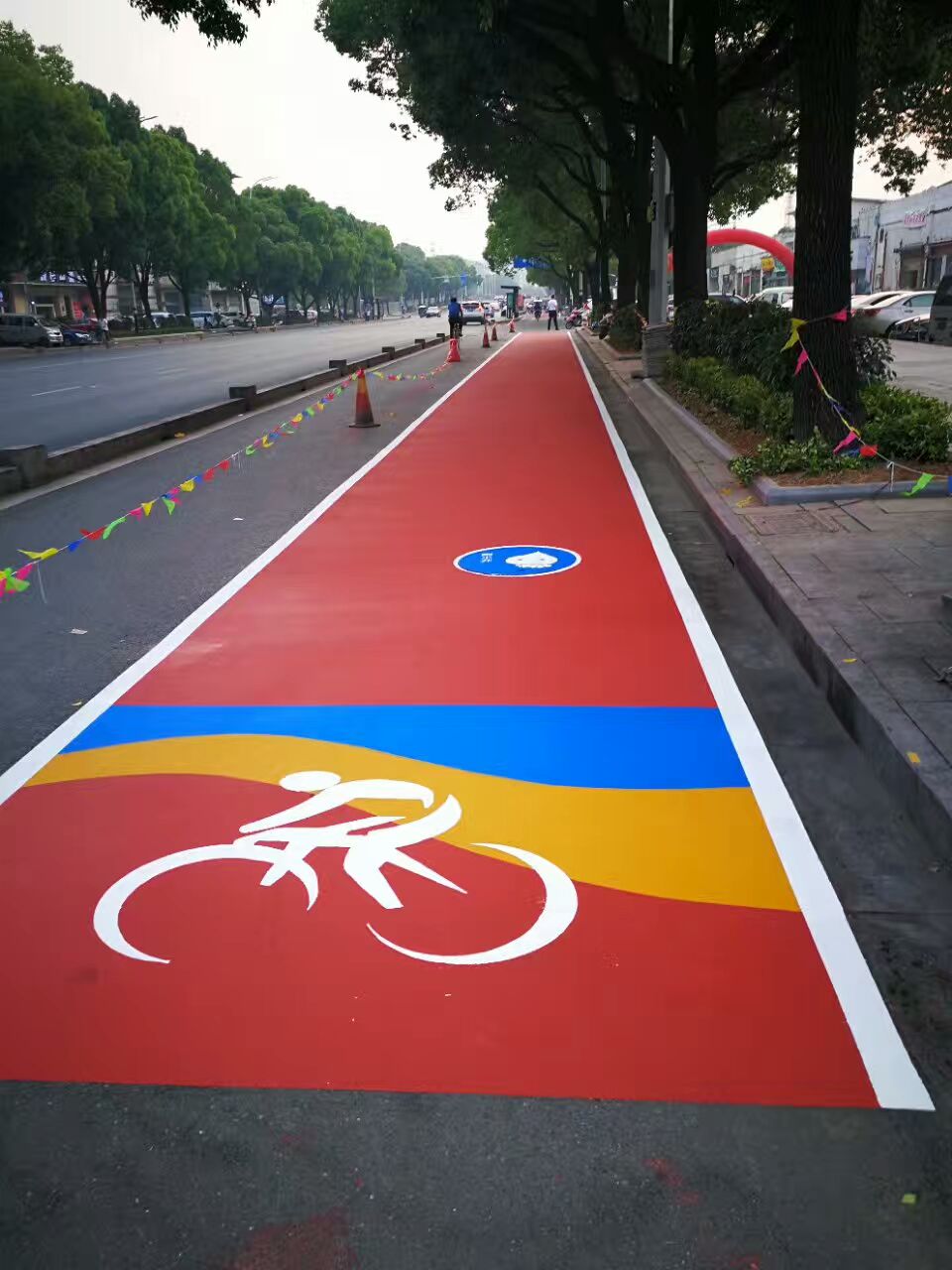
Water-washed stone is a construction technique that has been increasingly popular in recent years, primarily using natural river and sea stones.GravelOr gravel andCementStir proportionally and apply to the base, then flatten with a load-bearing tool; treat the surface adhesive and exposeAggregateA decorative technique that maintains the original appearance. Due to the diverse colors and shapes of its raw materials, it can be used to create various patterns and designs, widely applied in interior decoration and outdoor landscape shaping. Some large-area exterior wall renovations also use water-washed stone, exuding a natural and simple feel.

Cleaning Operations:
Keep an eye on the paved surface at regular intervals. Remove the film when the cement is about to set, and clean it. If unsure, start with a partial cleaning and assess the results. Clean promptly in high temperatures to avoid difficulty in washing the cement once it sets. If cement residue remains, use a high-pressure jet to quickly clean the surface, ensuring even cleaning. Also, clean the film and cement not on the work surface to prevent difficulty in removal later. Once the area is clean, take protective and maintenance measures.

Protective Maintenance:
During hot weather, it is necessary to water and maintain the road surface irregularly. After 3 to 5 days, as needed, cutting缝 treatment can be carried out. If required, apply a sealing protective agent spray for a brighter and more glossy color (depending on the road safety and anti-skid properties). During the maintenance stage, it is imperative to prohibit unauthorized personnel from entering or conducting other construction operations.

Cautionary Notes:
1. Pay attention to the content of washed stone; too little affects the appearance, and too much results in poor adhesion. For example, with a particle size of 3-5mm, the recommended content per square meter is 18-20kg.
2. Mix gravel and cement thoroughly before adding water. Clean any debris from the concrete base before laying to prevent loose stones from becoming unfastened and cracking.
3. Washed Stone Surface LayerOtherInstallation materials can be connected with copper strips or PE separator strips to ensure the integrity of the water-washed stone edge line.
4. When flattening, use a trowel to gently tap and smooth the mixed slurry repeatedly to ensure thorough bonding between the slurry and the base, allowing for even distribution of stones. Outdoor construction temperatures should not be below 4°C to prevent bonding and curing issues, which can lead to easy detachment.
5. Clean the surface with a sponge promptly when it's semi-dry, and repair the stone granules.
6. Ensure timely product protection measures are in place, and once fully dried, apply water-based resin to achieve waterproof, stain-resistant, and shine-enhancing effects.