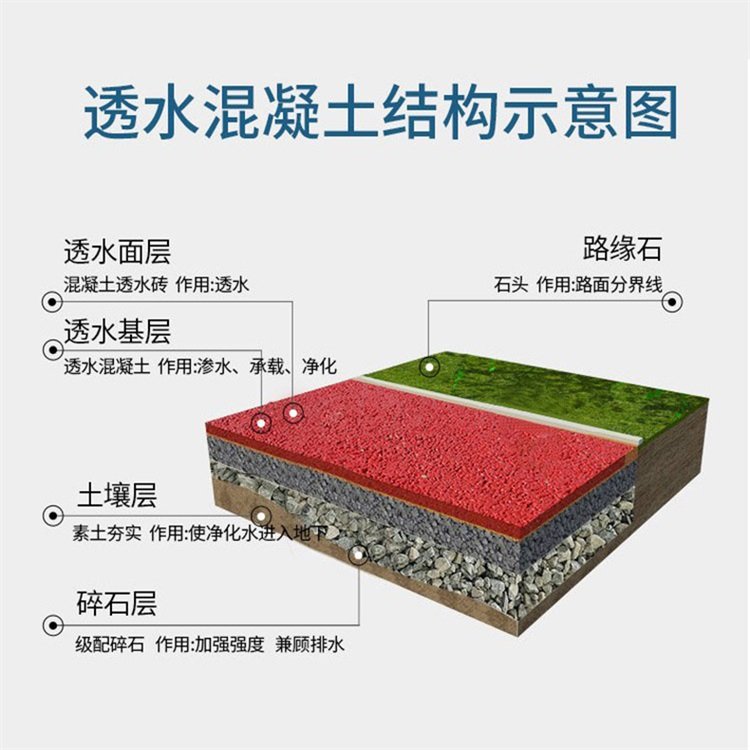









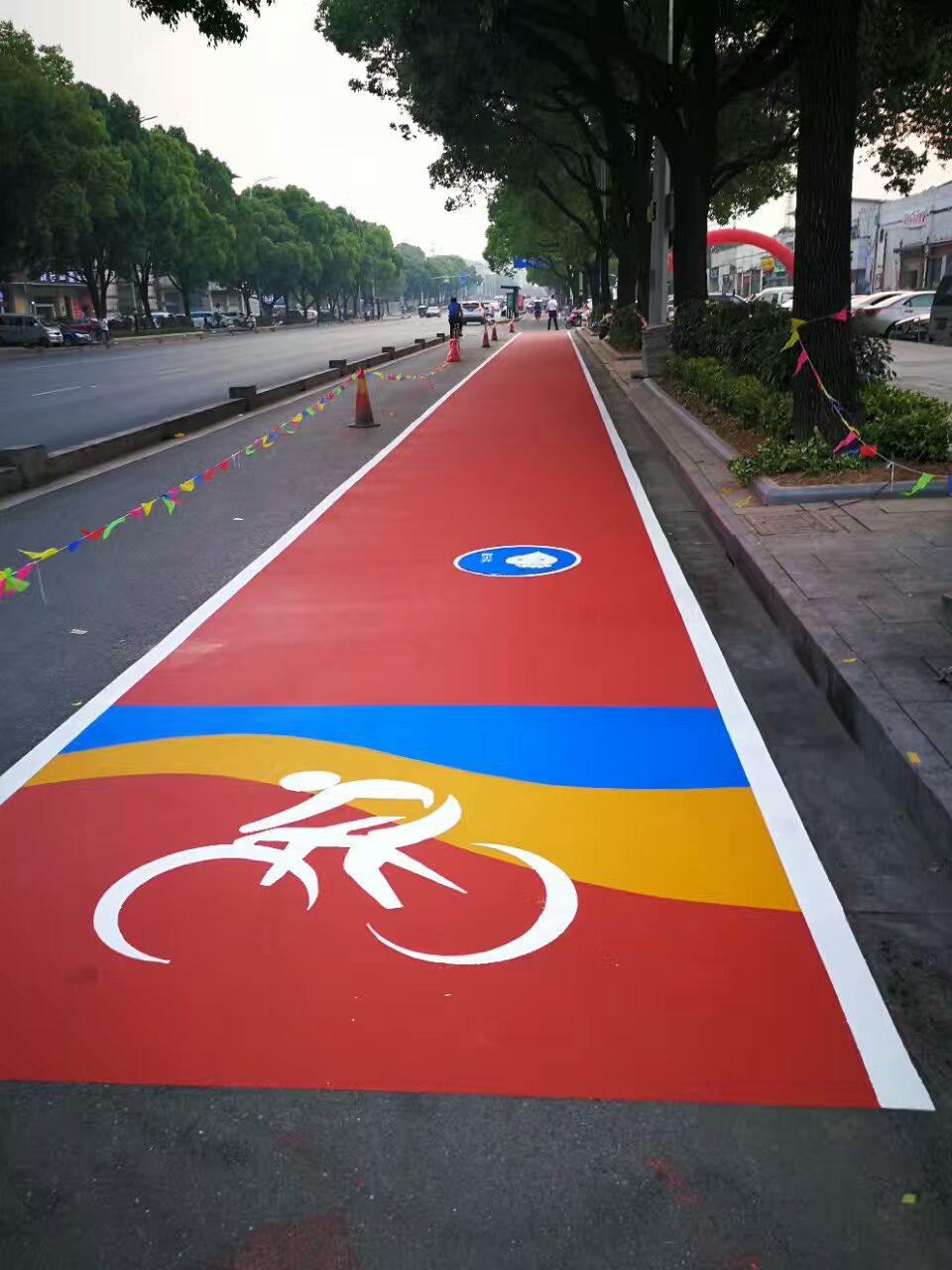
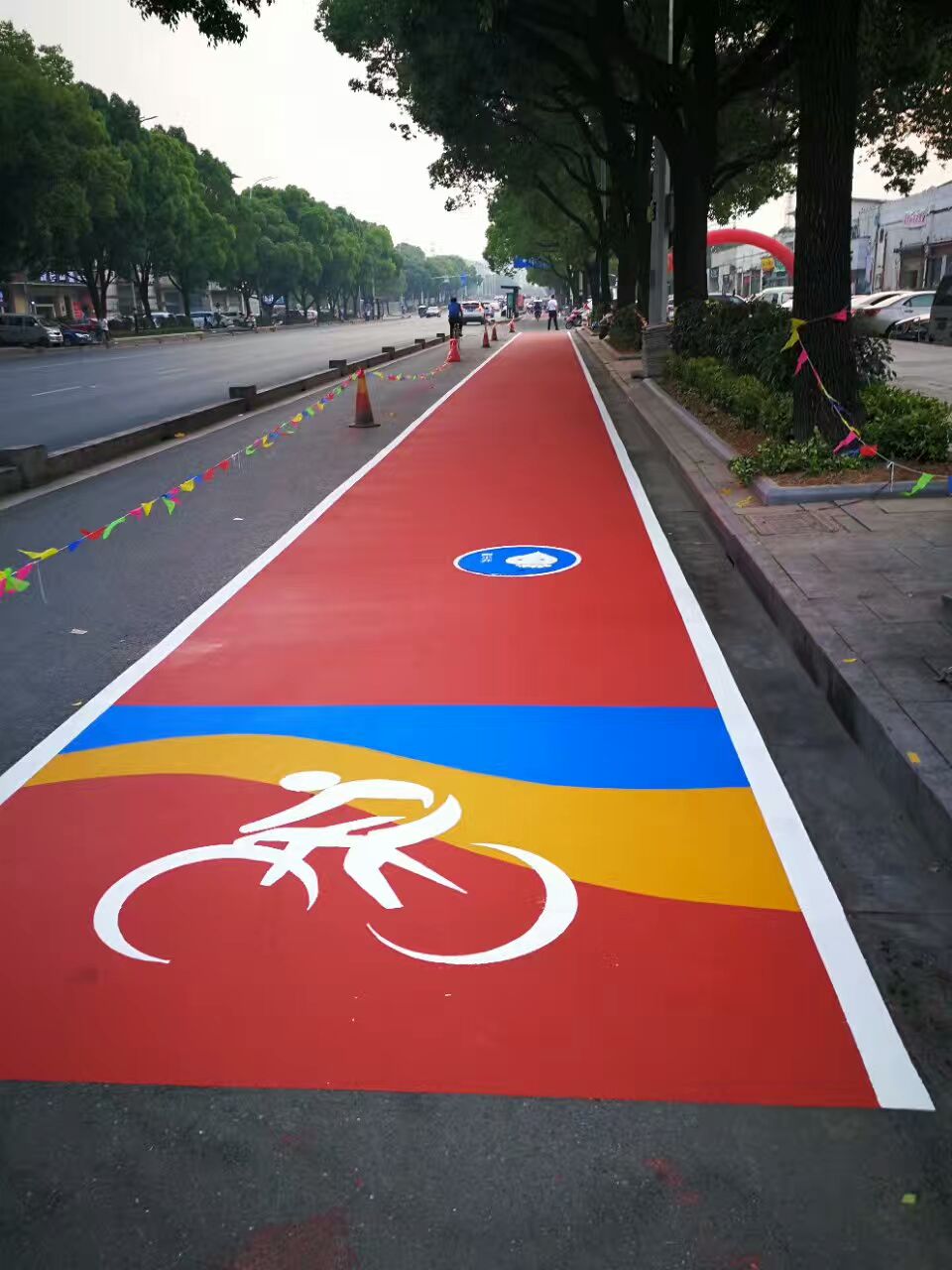
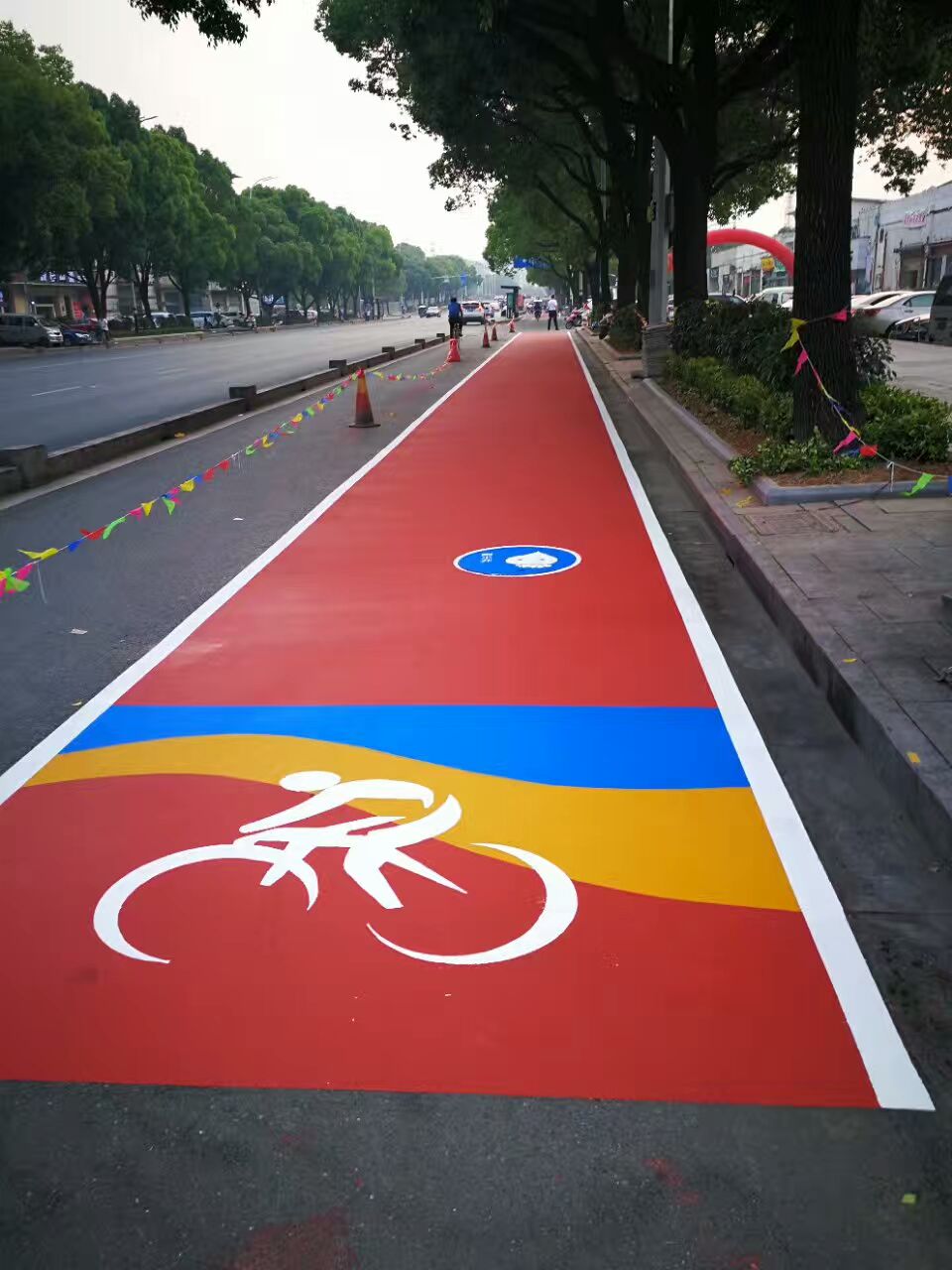
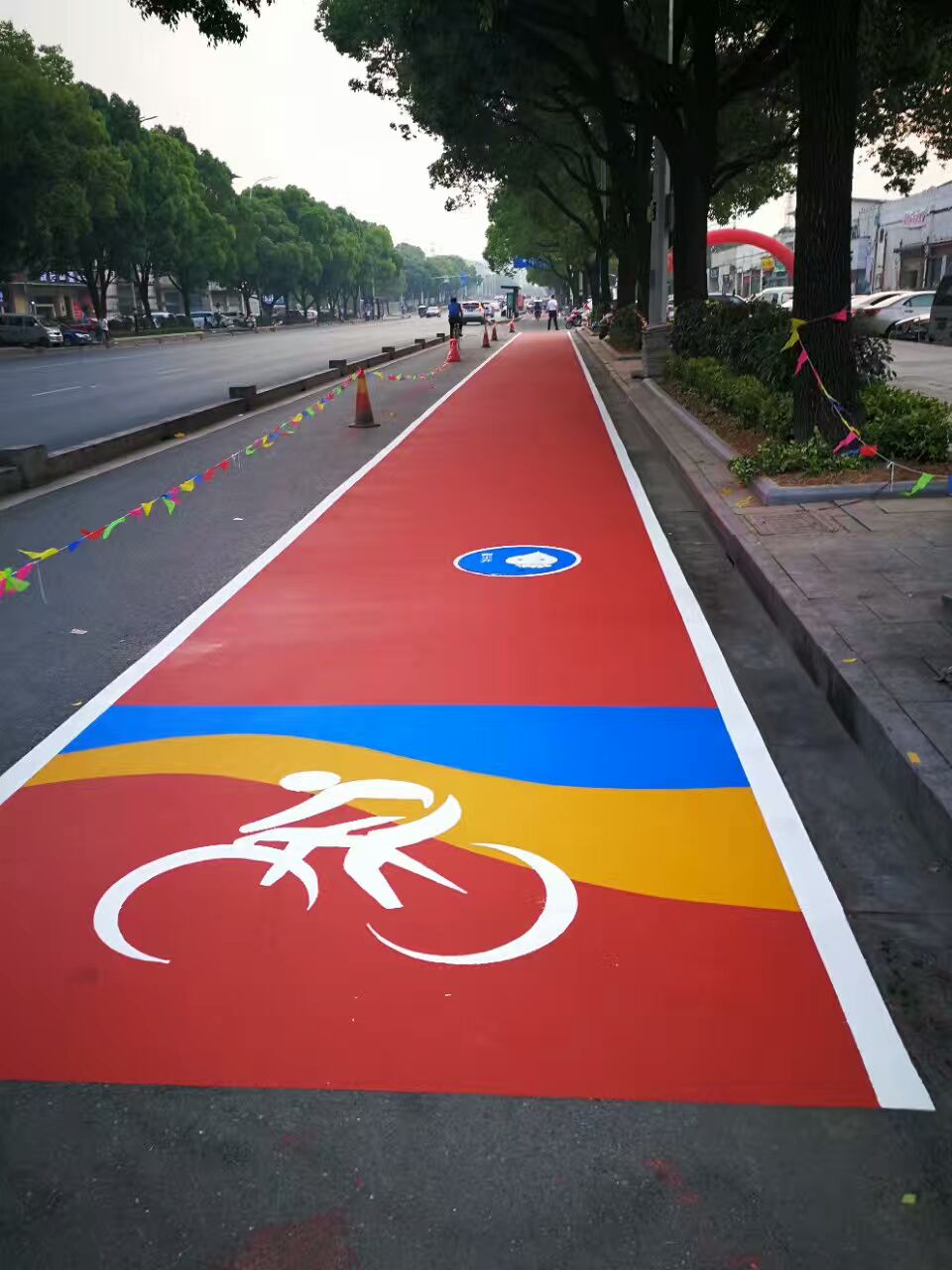
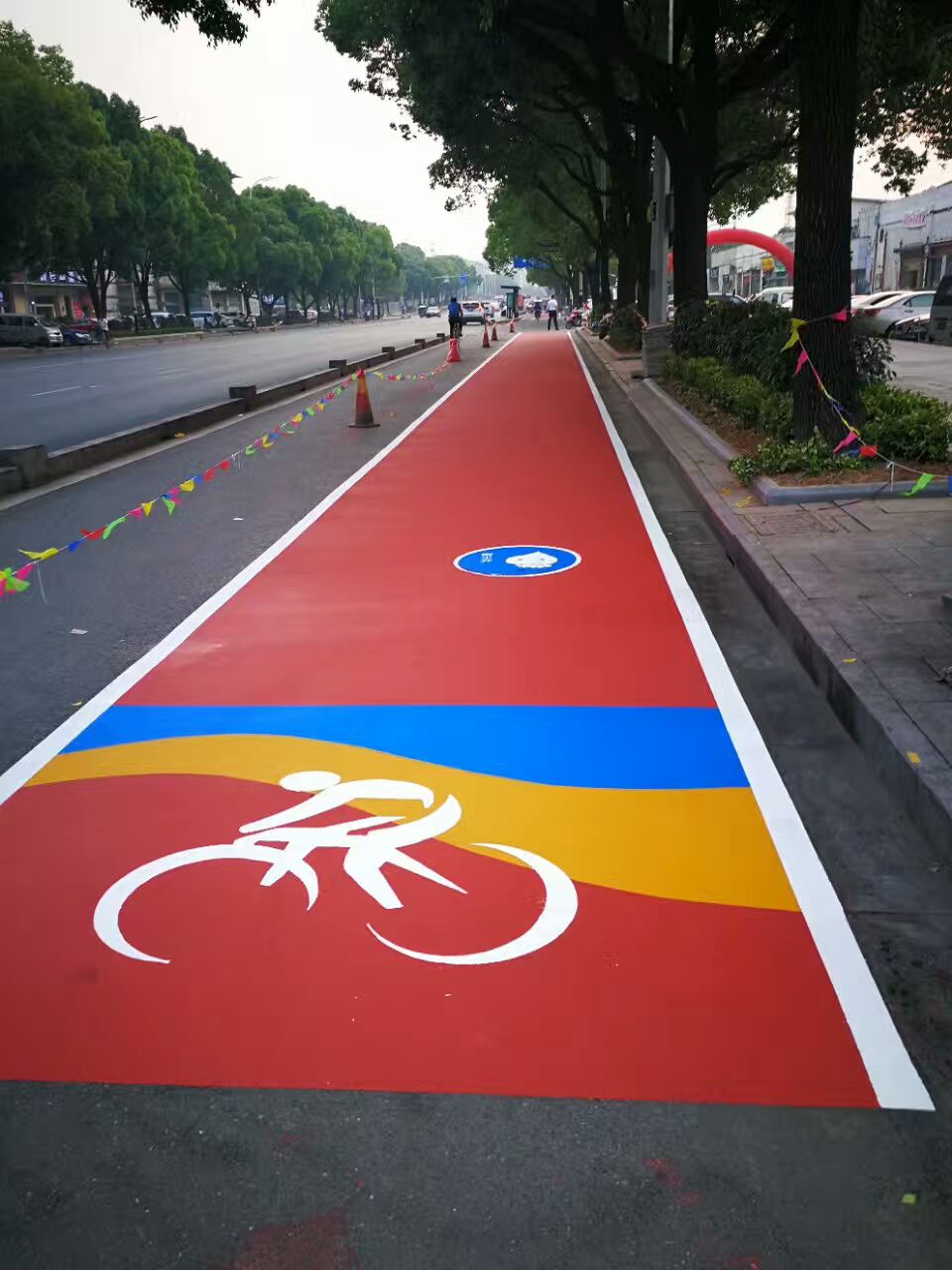
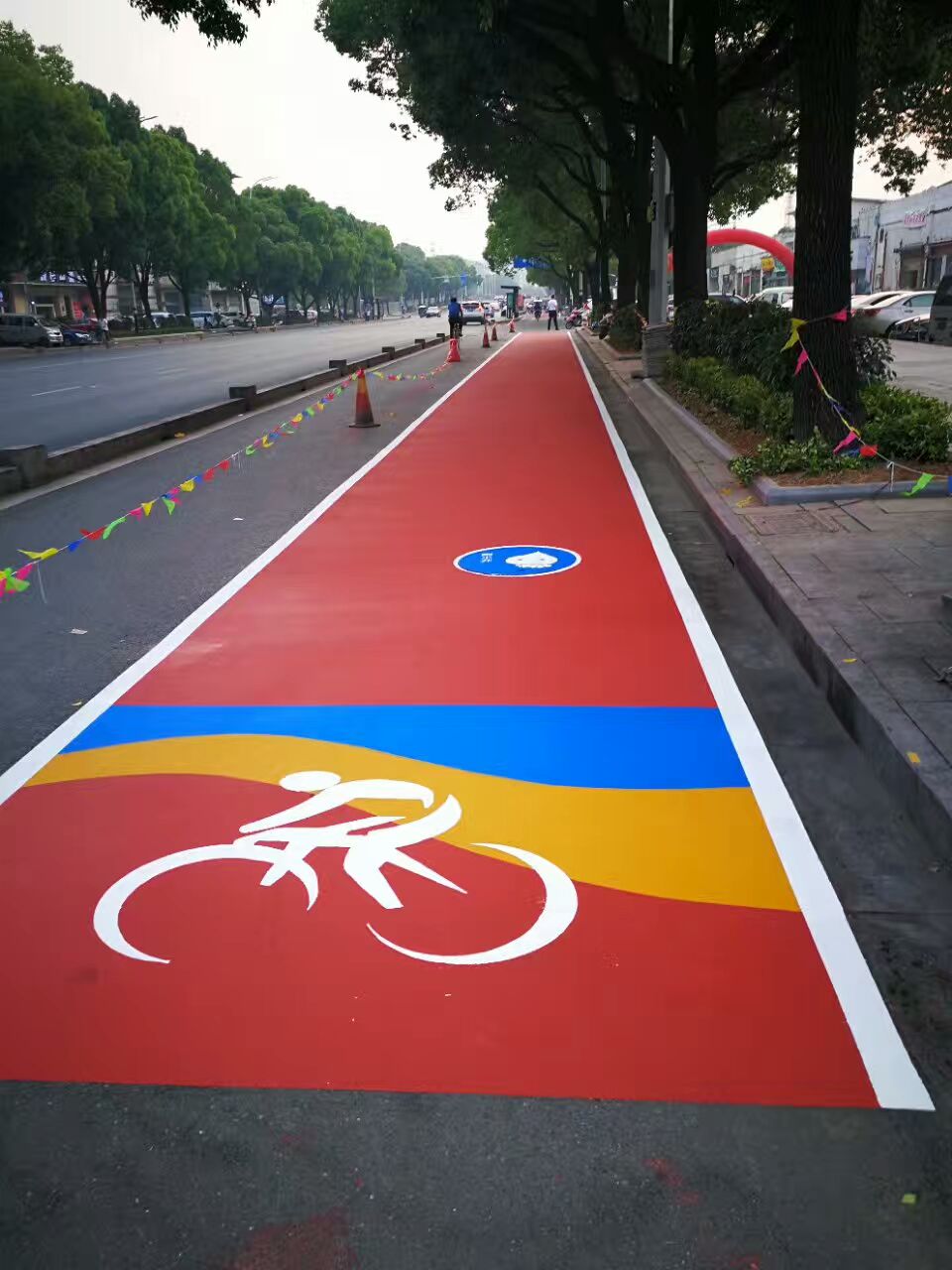
Porous concrete pavement materials are eco-friendly, high-permeability materials used in sponge city construction. They serve as a new paving method that can partially replace urban paved surfaces, effectively improving the urban ecosystem. These materials breathe life back into the city's surface, allow rainwater to seep into the ground, and effectively eliminate surface water accumulation. They are green and environmentally friendly ground materials that "breathe."

(1) Increase the permeable and breathable area in cities, enhance the heat and moisture exchange between the ground surface and air, regulate urban climate, reduce ground surface temperature, and benefit in alleviating the urban "heat island" phenomenon.
(2) Maximize the use of rain and snowfall to increase the surface relative humidity, replenish the increasingly depleted groundwater resources in urban areas, and utilize permeable roadbeds as "reservoirs"; improve the living conditions for urban surface vegetation and soil microorganisms, and adjust the ecological balance.
(3) Alleviates the burden on road drainage systems during the rainy season, significantly reducing the pollution of urban water bodies caused by heavy rainfall.
(4) Absorbs noise generated by vehicle travel, creating a quiet and comfortable living and traffic environment, prevents road surface water accumulation during rain and glare at night.
(5) Prevents road积水 and nighttime road glare, ensuring no black ice (a nearly invisible thin layer of ice formed by frost and fog, highly dangerous) forms on the road during winter, thereby enhancing the comfort and safety for vehicles and pedestrians.
(6) Large voids can absorb urban pollutant dust, reducing dust pollution.
(7) Patterns and colors can be designed to suit environmental and functional needs, ensuring a perfect blend with the surrounding environment.

Porous concrete flooring is characterized by its breathability, water permeability, and lightweight nature, also known as sand-free concrete. It is a type of flooring developed and used by countries like Europe, the United States, and Japan to address the deficiencies in the surfaces of original urban roads. This flooring allows rainwater to infiltrate the ground, effectively replenishing groundwater and alleviating issues such as the rapid decline of urban groundwater levels.

Effectively eliminates the environmental hazards posed by oil compounds and other pollutants on the ground; simultaneously, it serves as an excellent paving material for protecting groundwater, maintaining ecological balance, and alleviating the urban heat island effect. It holds special significance for the benign development of human living environments, as well as for urban rainwater management and water pollution prevention.