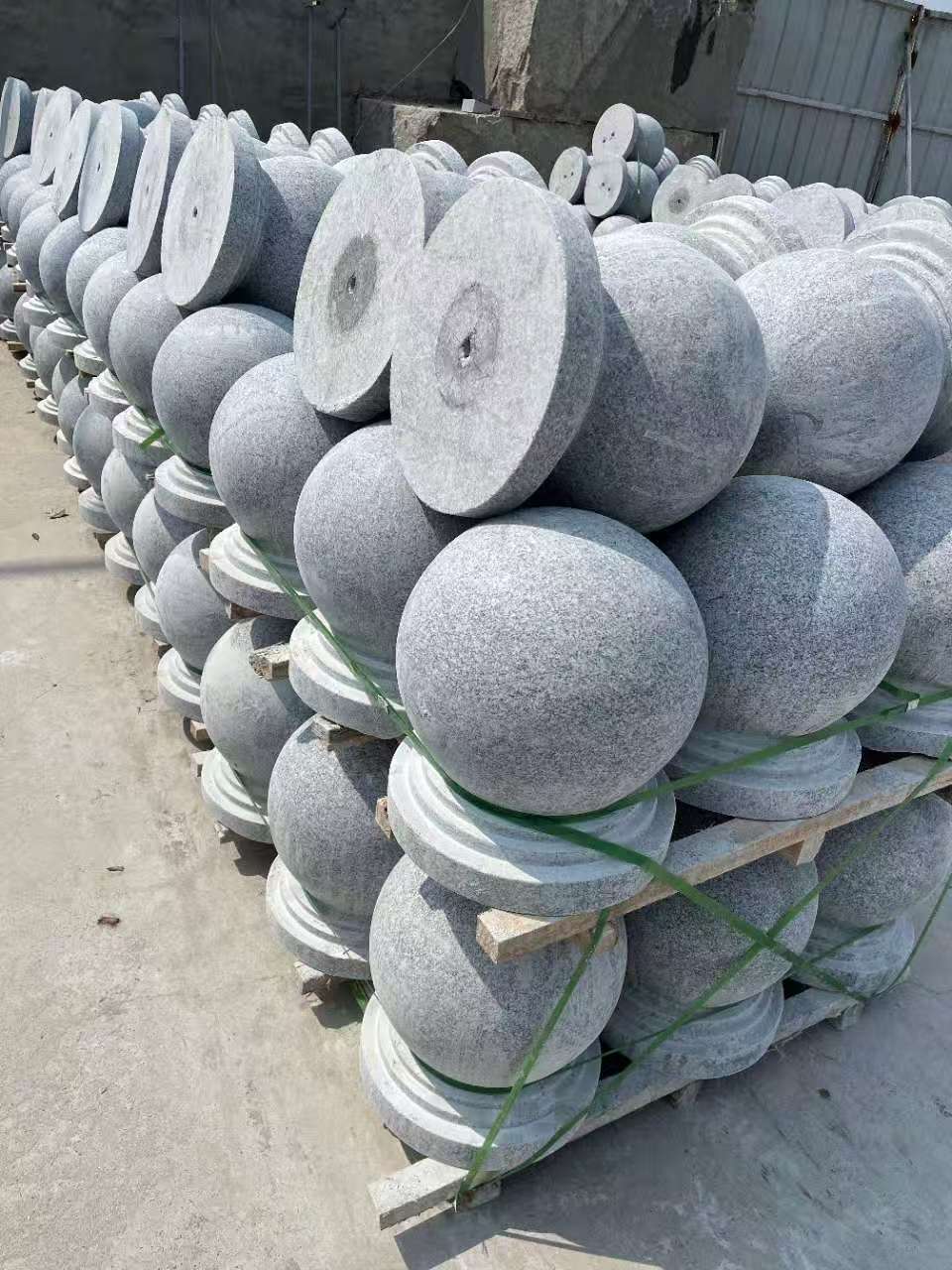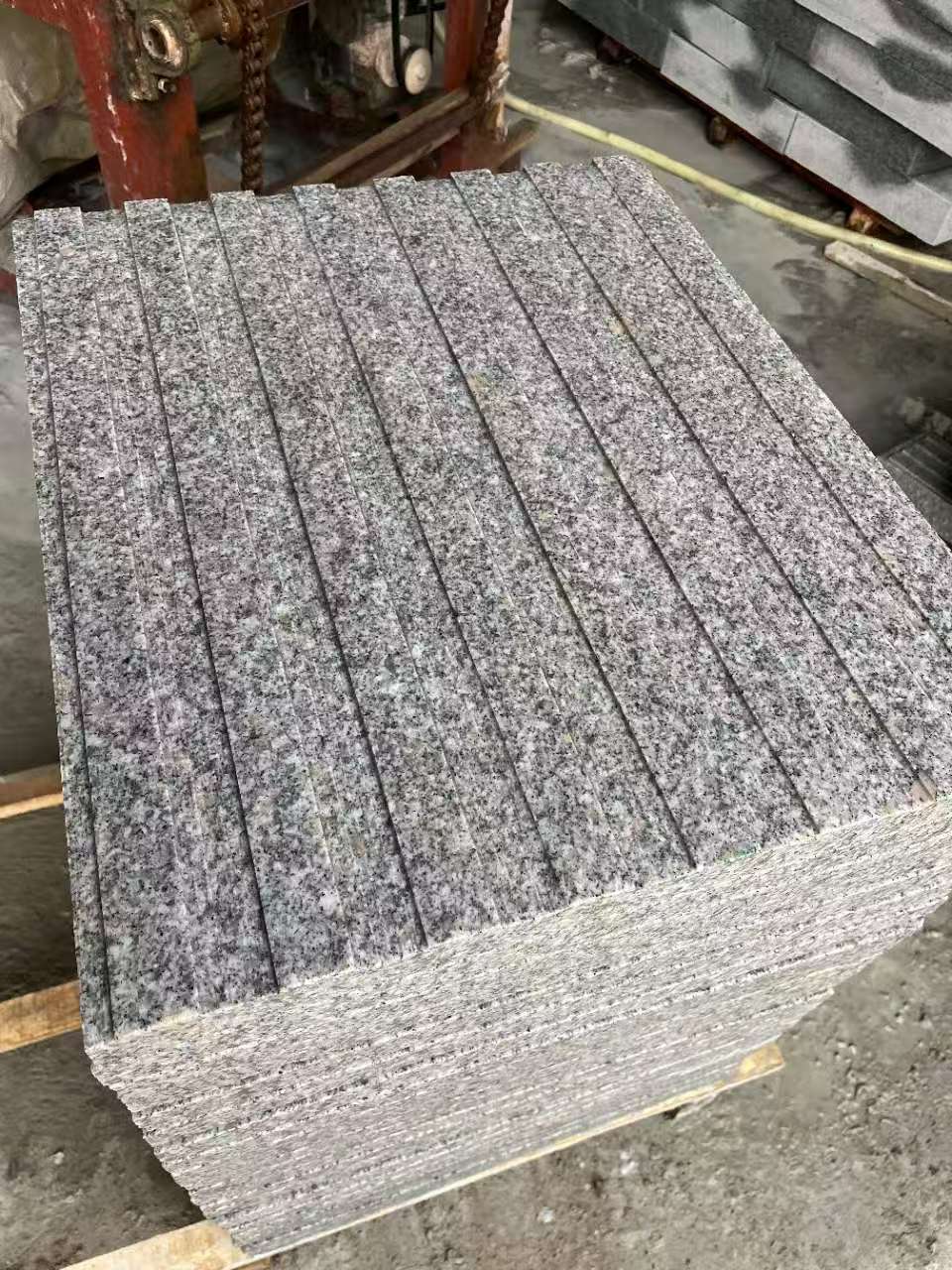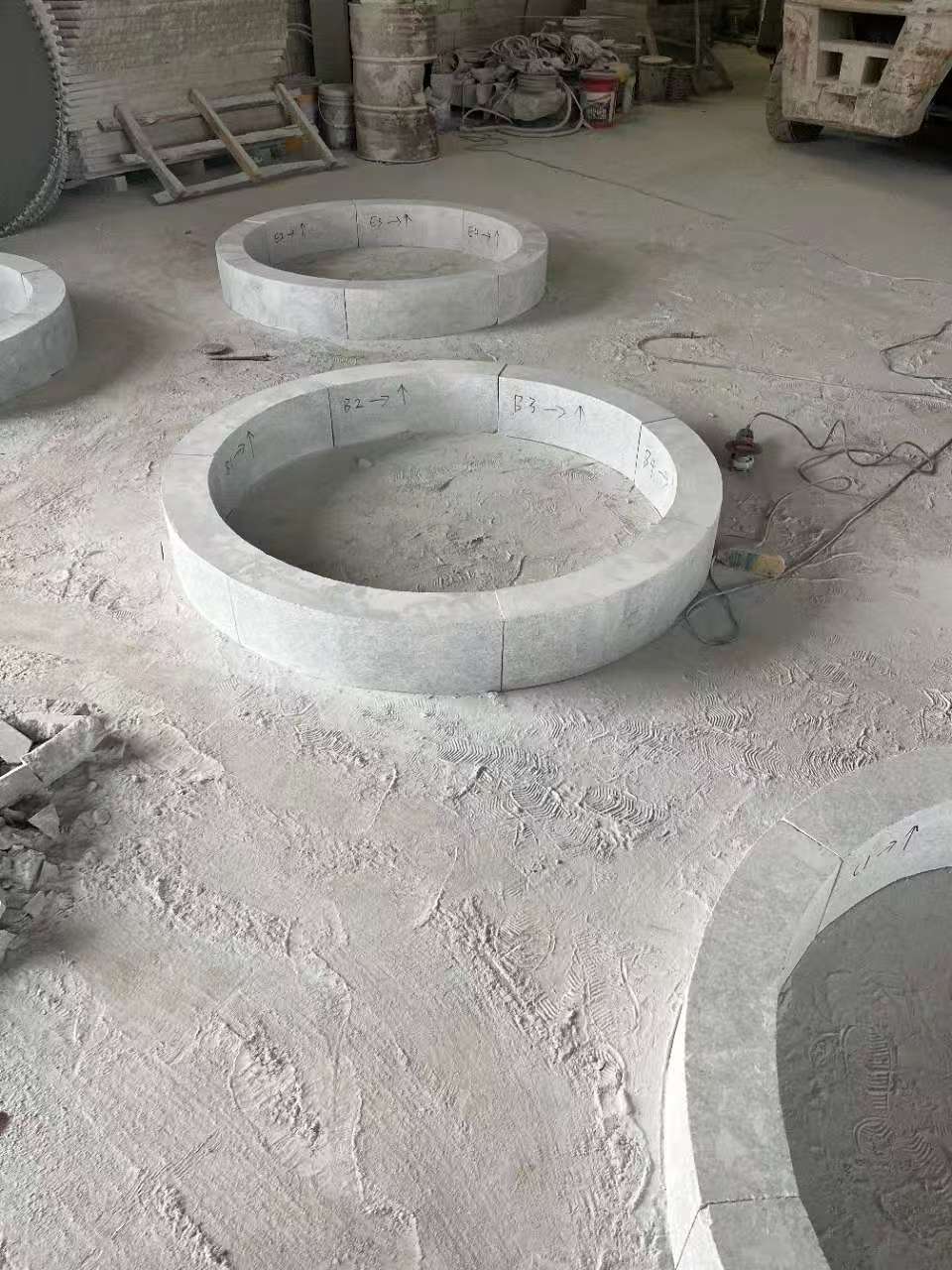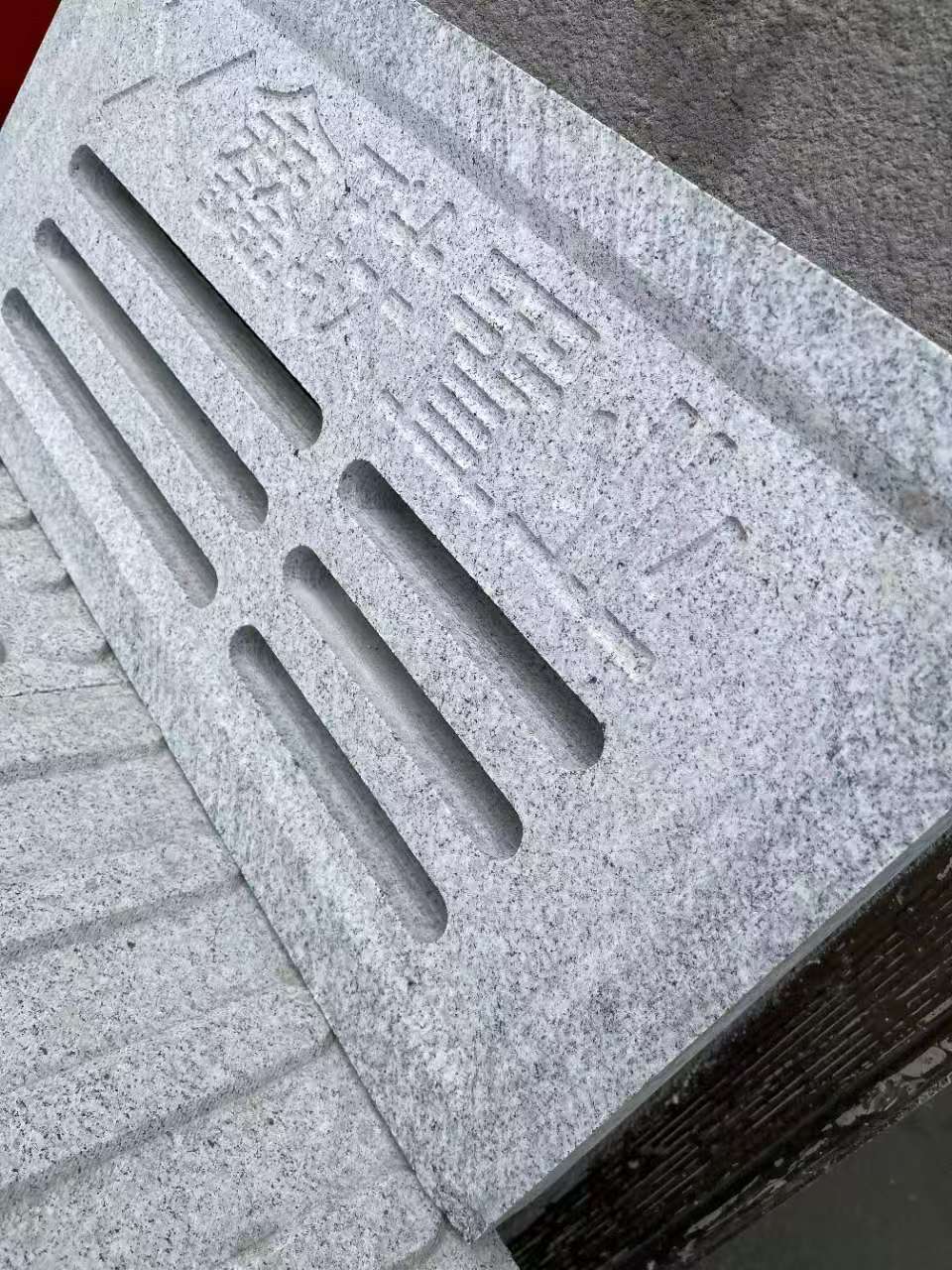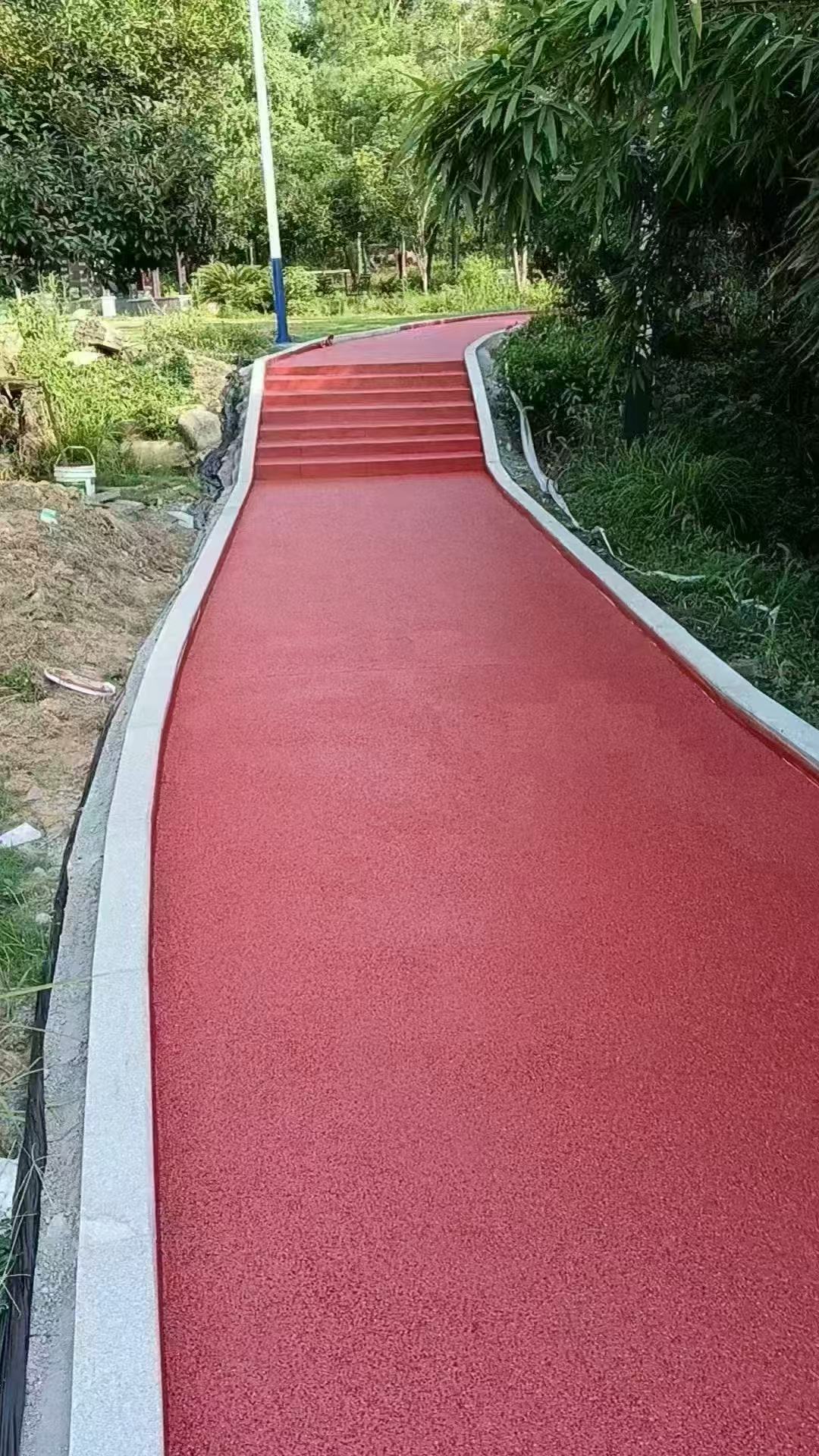



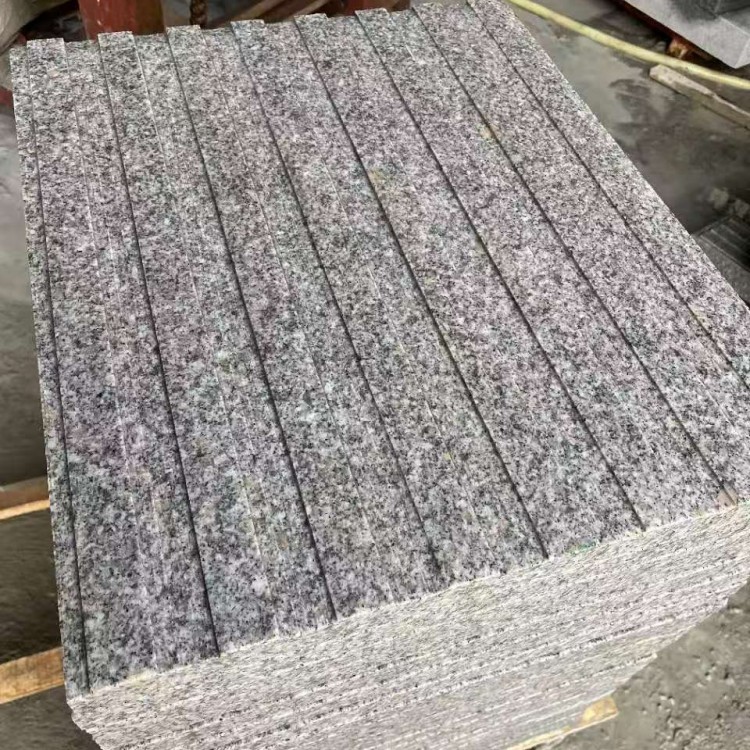







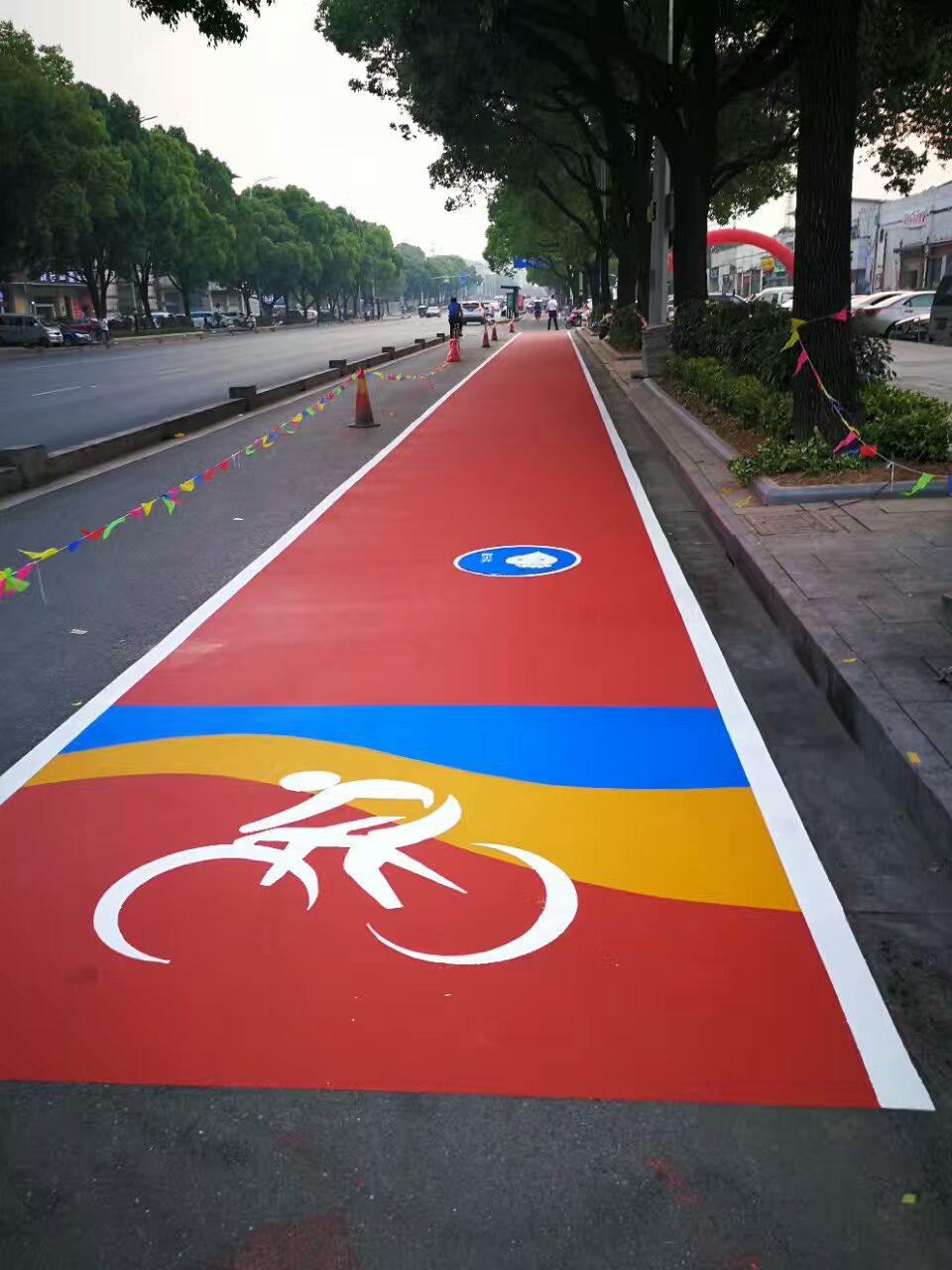
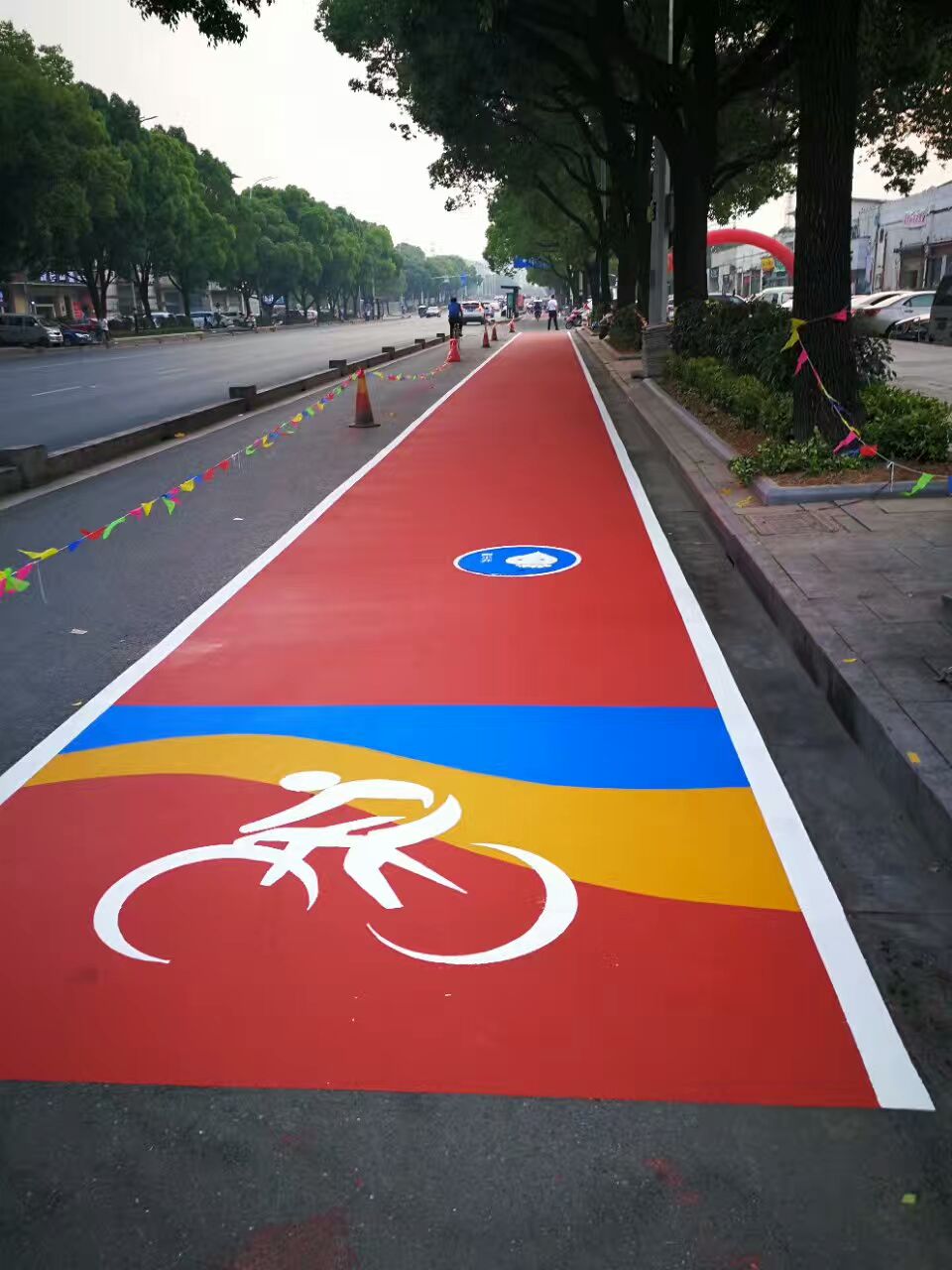
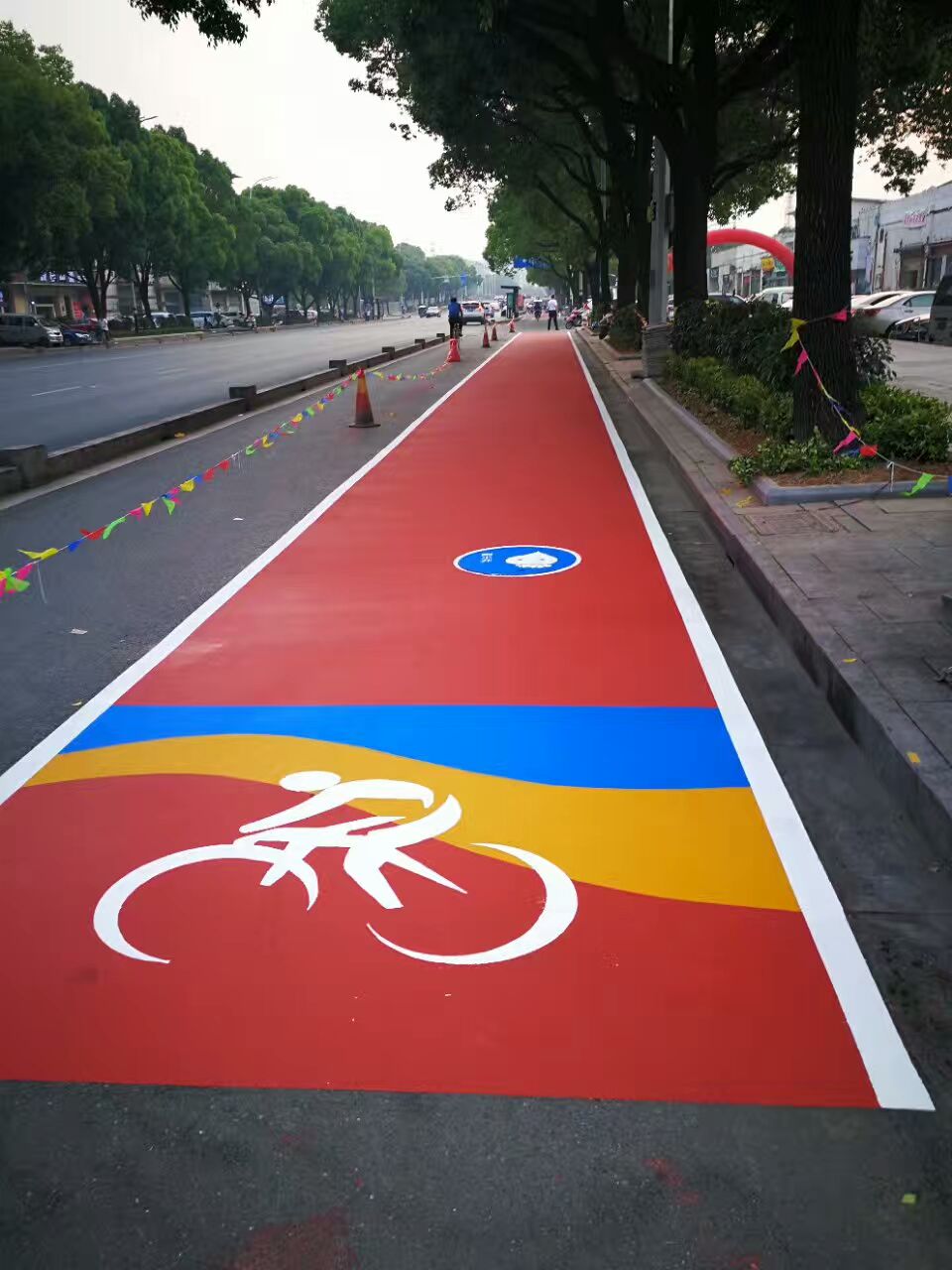
A sponge city refers to a development approach for urban areas that, through enhanced urban planning and construction management, maximizes the role of buildings, roads, green spaces, and water systems in absorbing, infiltrating, and slowly releasing rainwater, effectively controlling runoff. This method achieves natural storage, infiltration, and purification of rainwater. By implementing measures such as rooftop greening and rainwater collection and utilization facilities, cities can absorb and release rainwater like a "sponge," flexibly adapting to environmental changes, mitigating natural disasters, and ensuring "no waterlogging from light rain, no flooding from heavy rain, no black and smelly water bodies, and a relief from heat islands."

(1) Increase the permeable and breathable area in cities, enhance the heat and moisture exchange between the surface and air, regulate the urban climate, lower the surface temperature, and benefit in alleviating the "urban heat island" phenomenon.
(2) Make full use of rain and snowfall to increase the relative humidity of the surface, replenish the increasingly depleted underground water resources in urban areas, and utilize the permeable subgrade as a "reservoir"; improve the living conditions for urban surface vegetation and soil microorganisms, and adjust the ecological balance.
(3) Alleviates the burden on road drainage systems during the rainy season, significantly reducing the pollution of urban water bodies caused by heavy rainfall.
(4) Absorbs noise generated by vehicle movement, creating a quiet and comfortable living and traffic environment, prevents road surface water accumulation during rain, and reduces glare at night.
(5) Prevents surface water accumulation and nighttime road reflections, ensuring no black ice forms on the road during winter (a nearly invisible thin layer of ice formed by frost and fog, extremely dangerous), enhancing the comfort and safety of vehicle and pedestrian traffic.
(6) The large voids can absorb urban pollutant dust, reducing dust pollution.
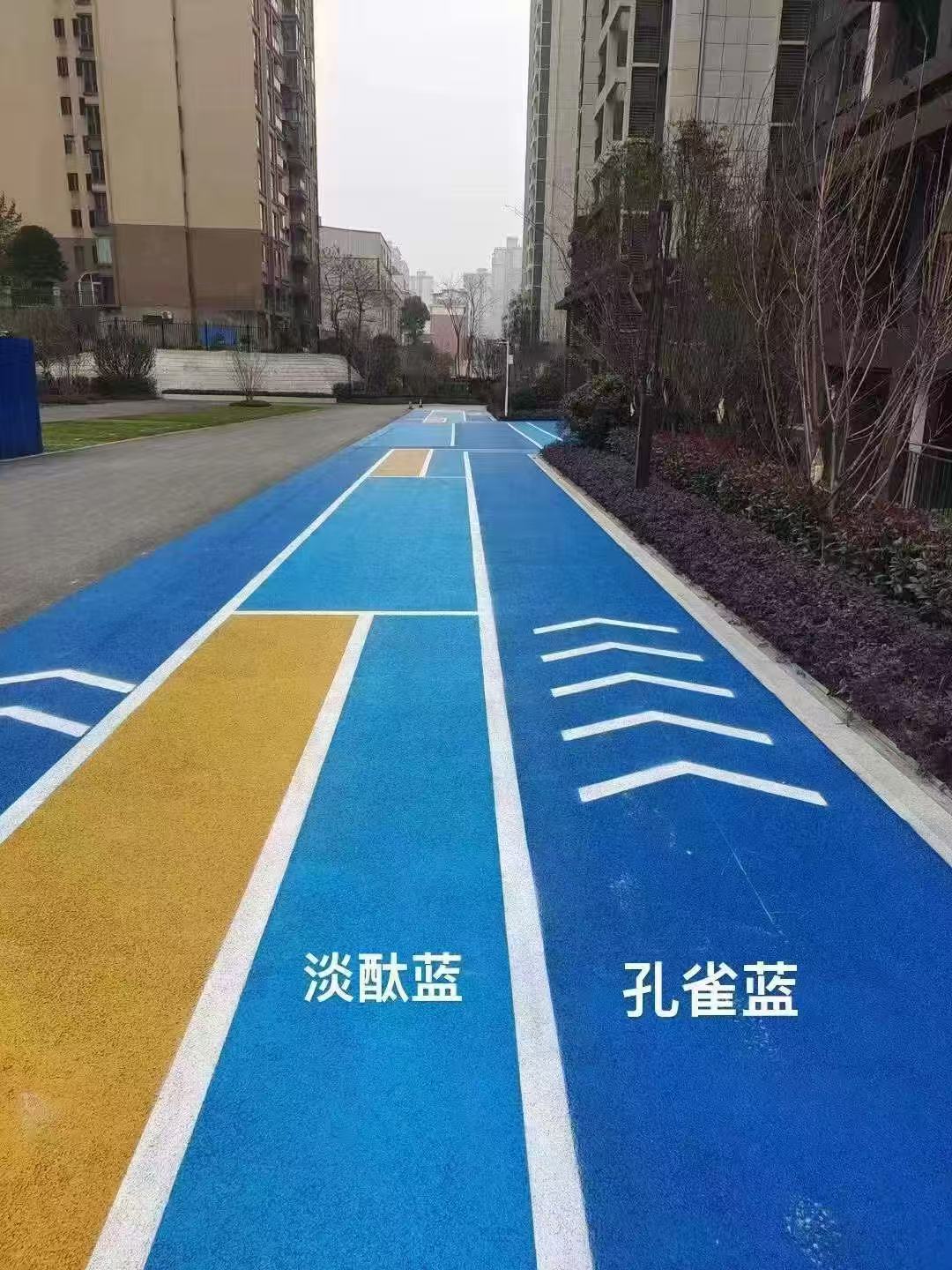
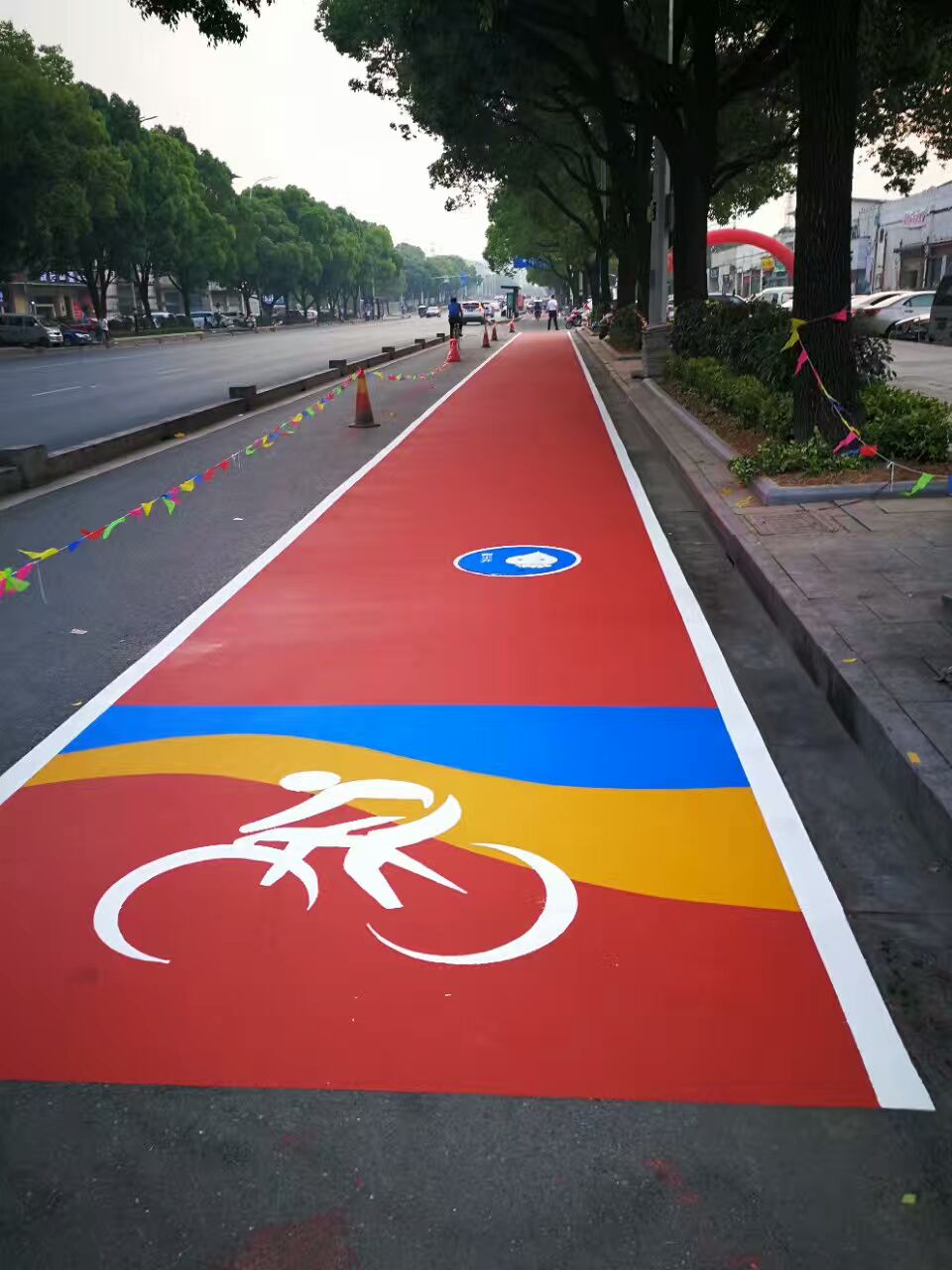
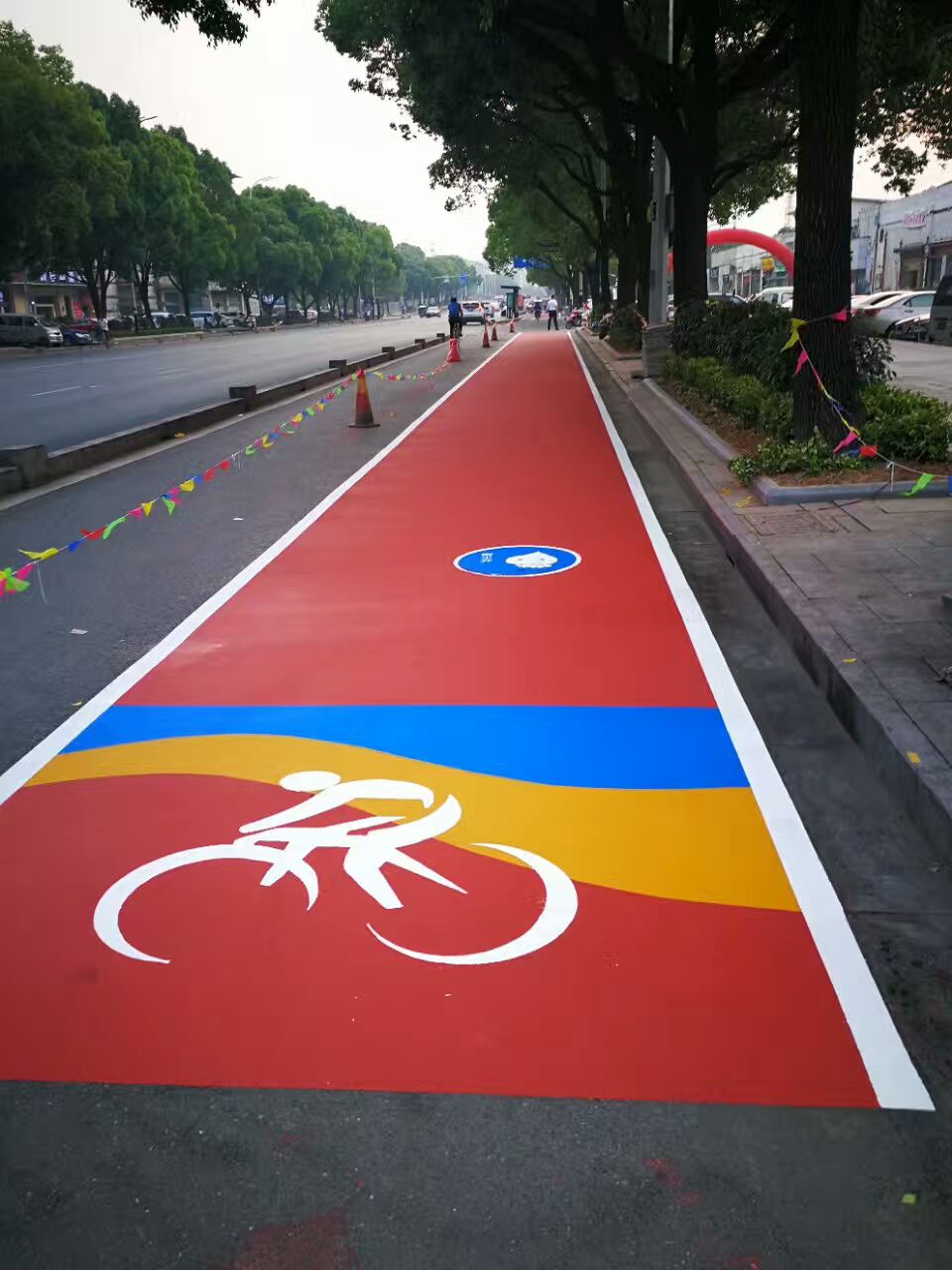
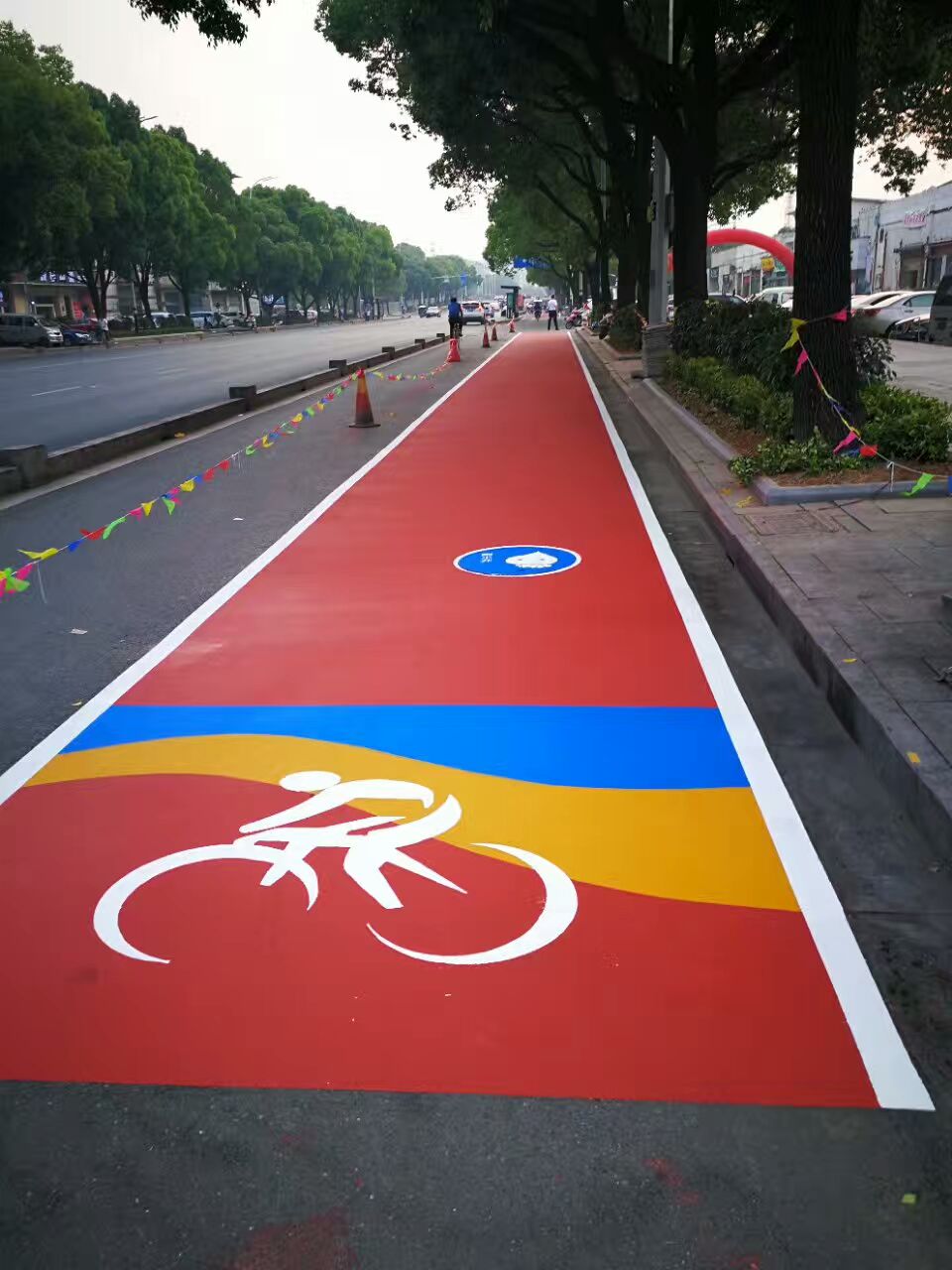
(7) Patterns and colors can be designed to match the environment and functional requirements, fully integrating with the surrounding area.

Porous pavement allows rainwater to quickly infiltrate the ground, effectively replenishing groundwater, alleviating urban heat island effects, and protecting the natural water systems from damage, holding significant environmental value. Additionally, it resolves the issue of common pavements accumulating water, enhancing both safety and comfort for pedestrians, and is of great importance for improving the living environment.