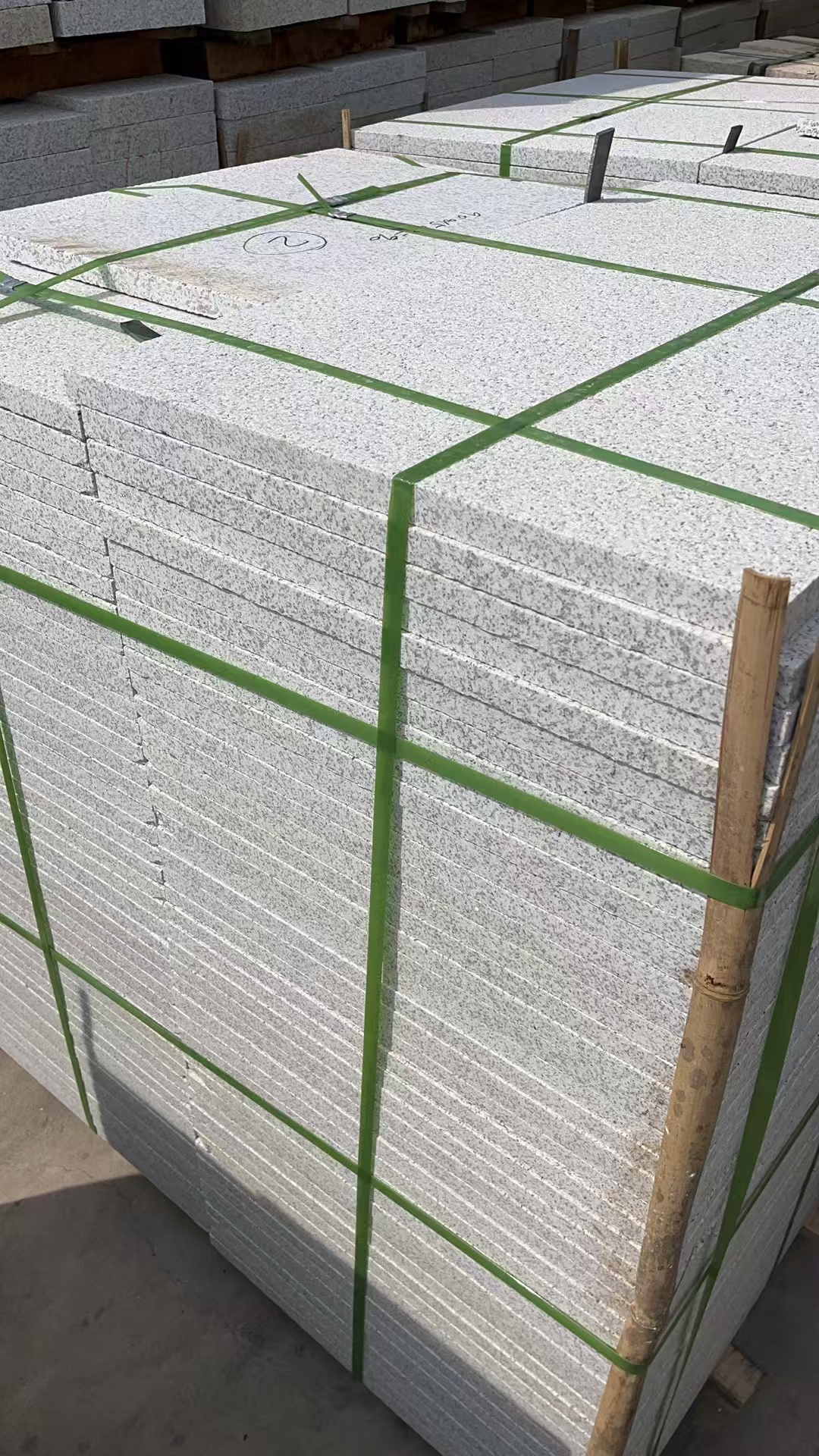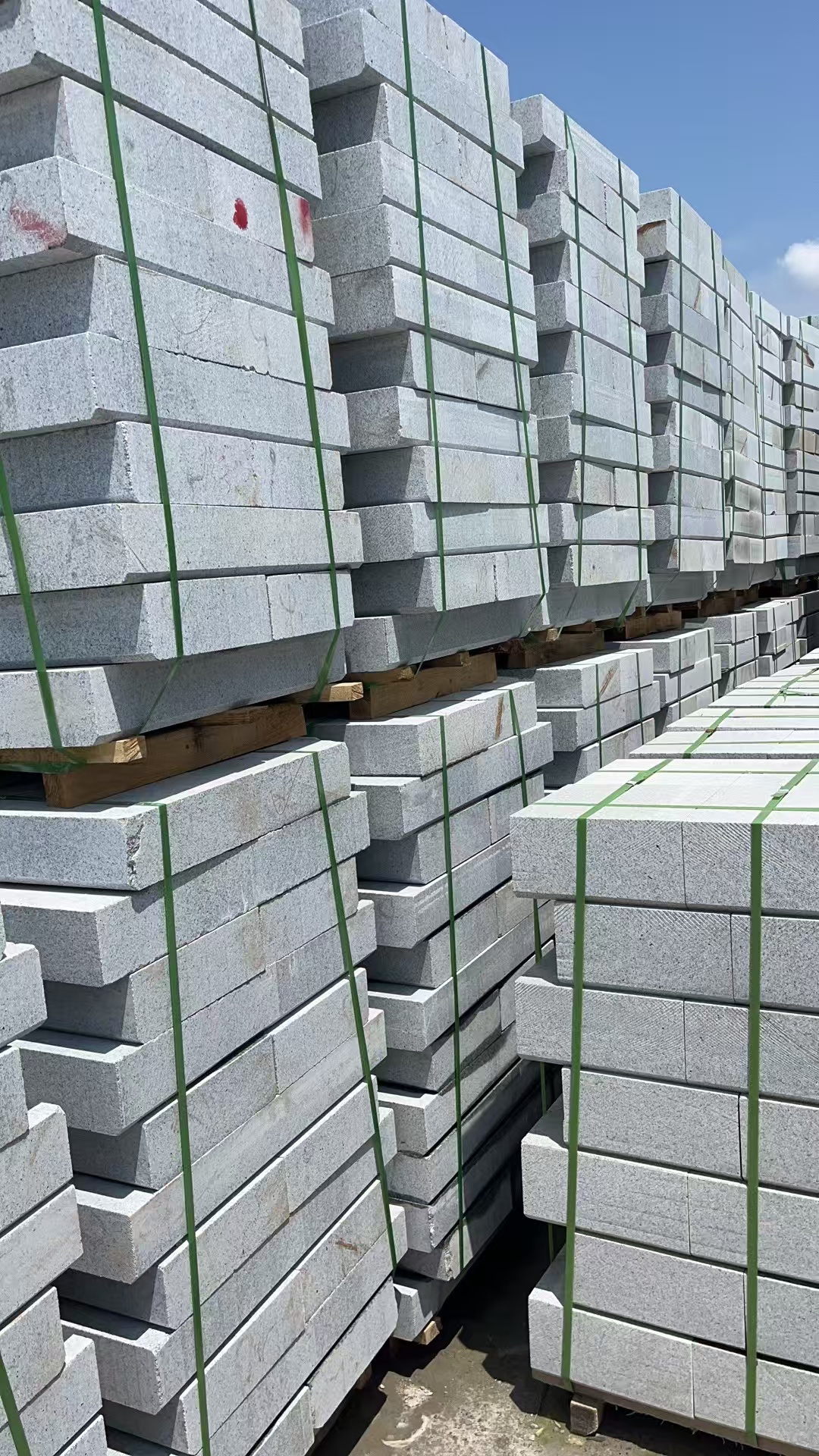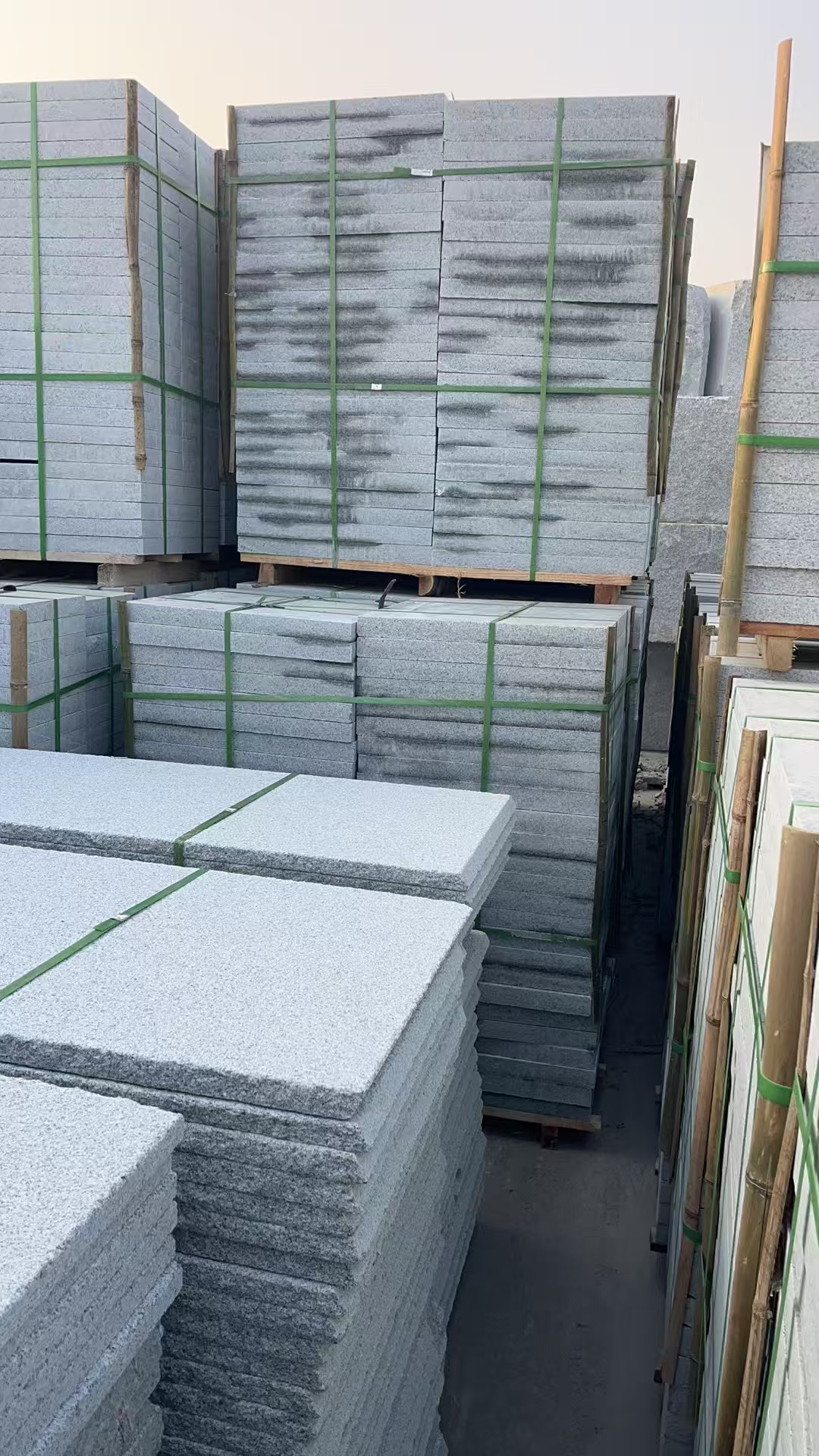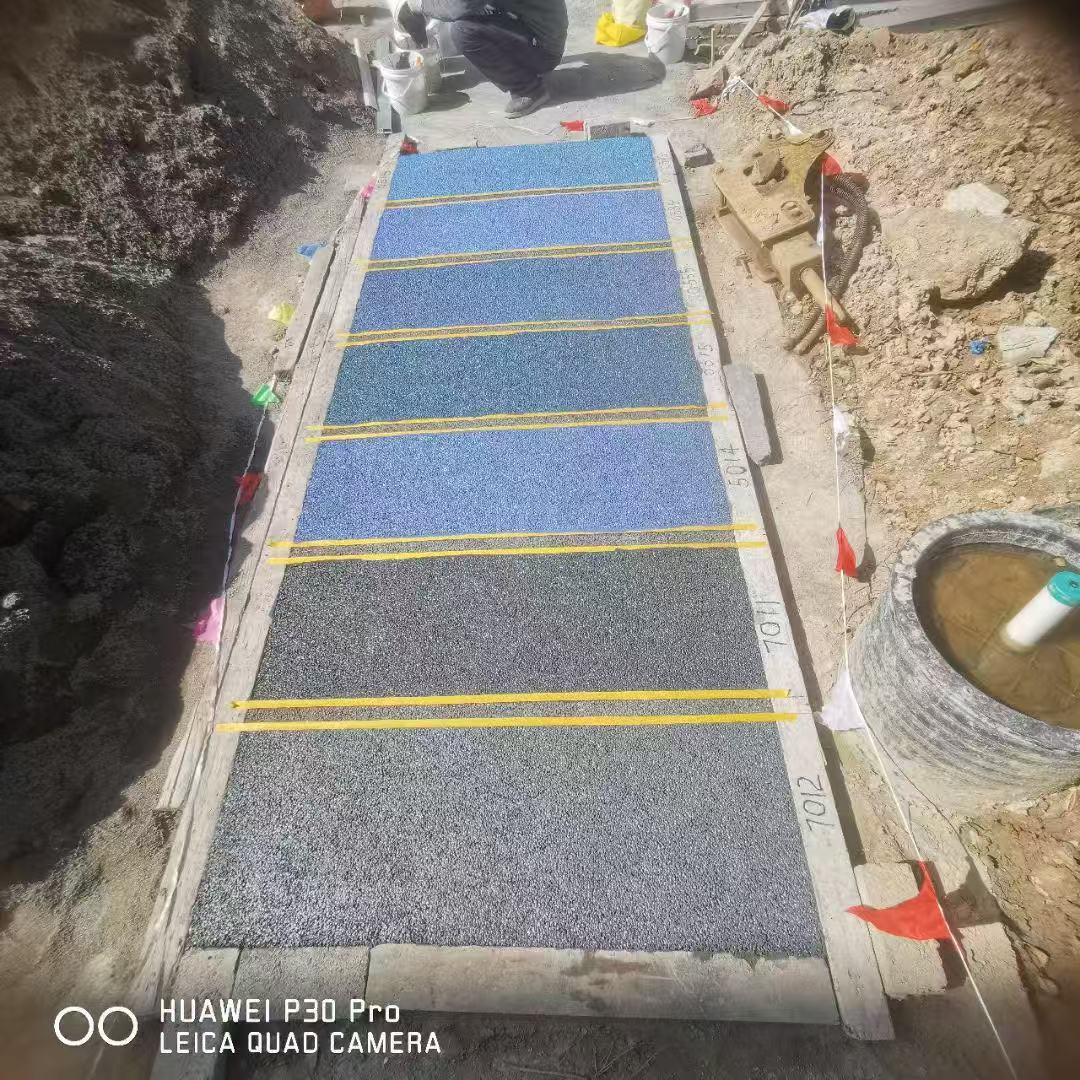

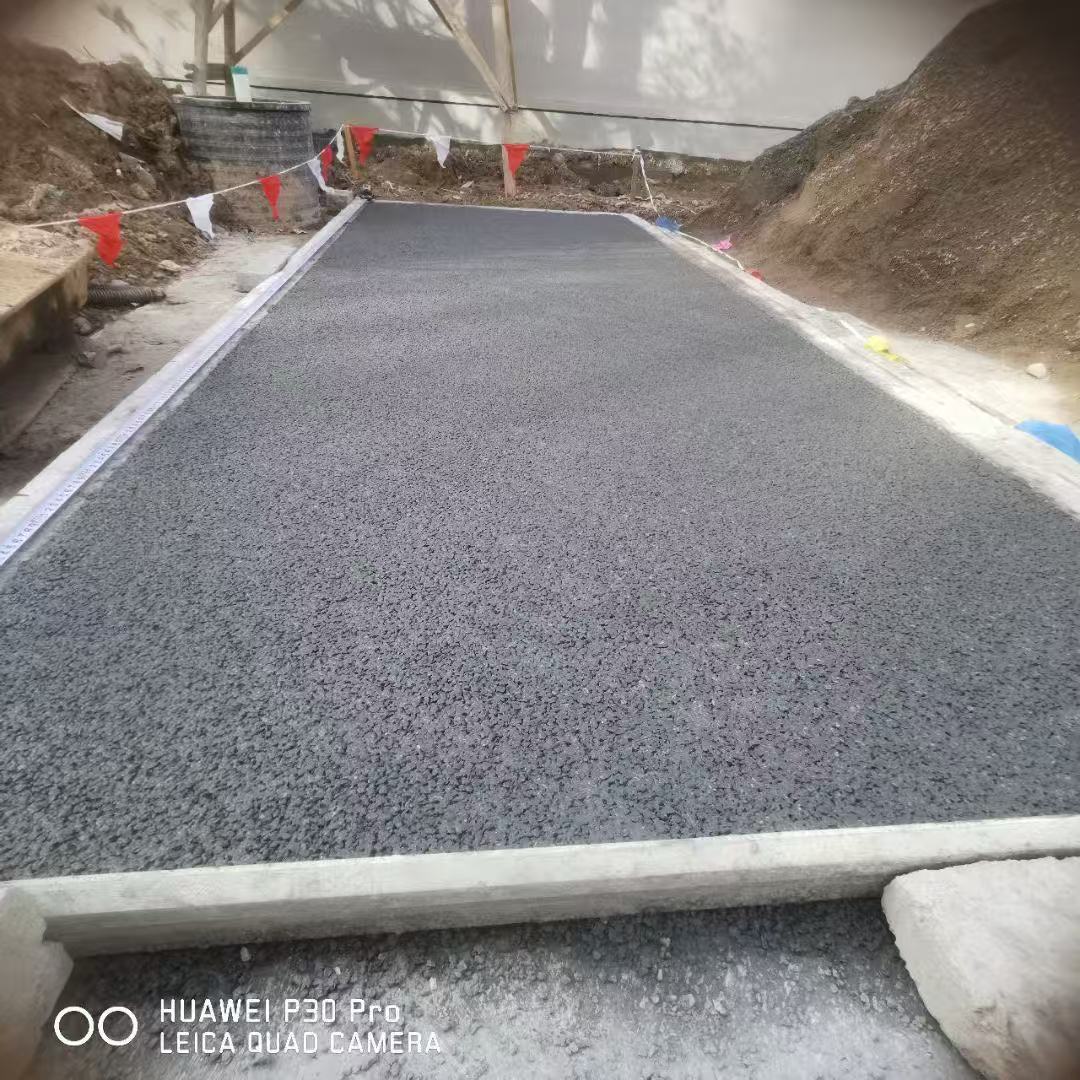
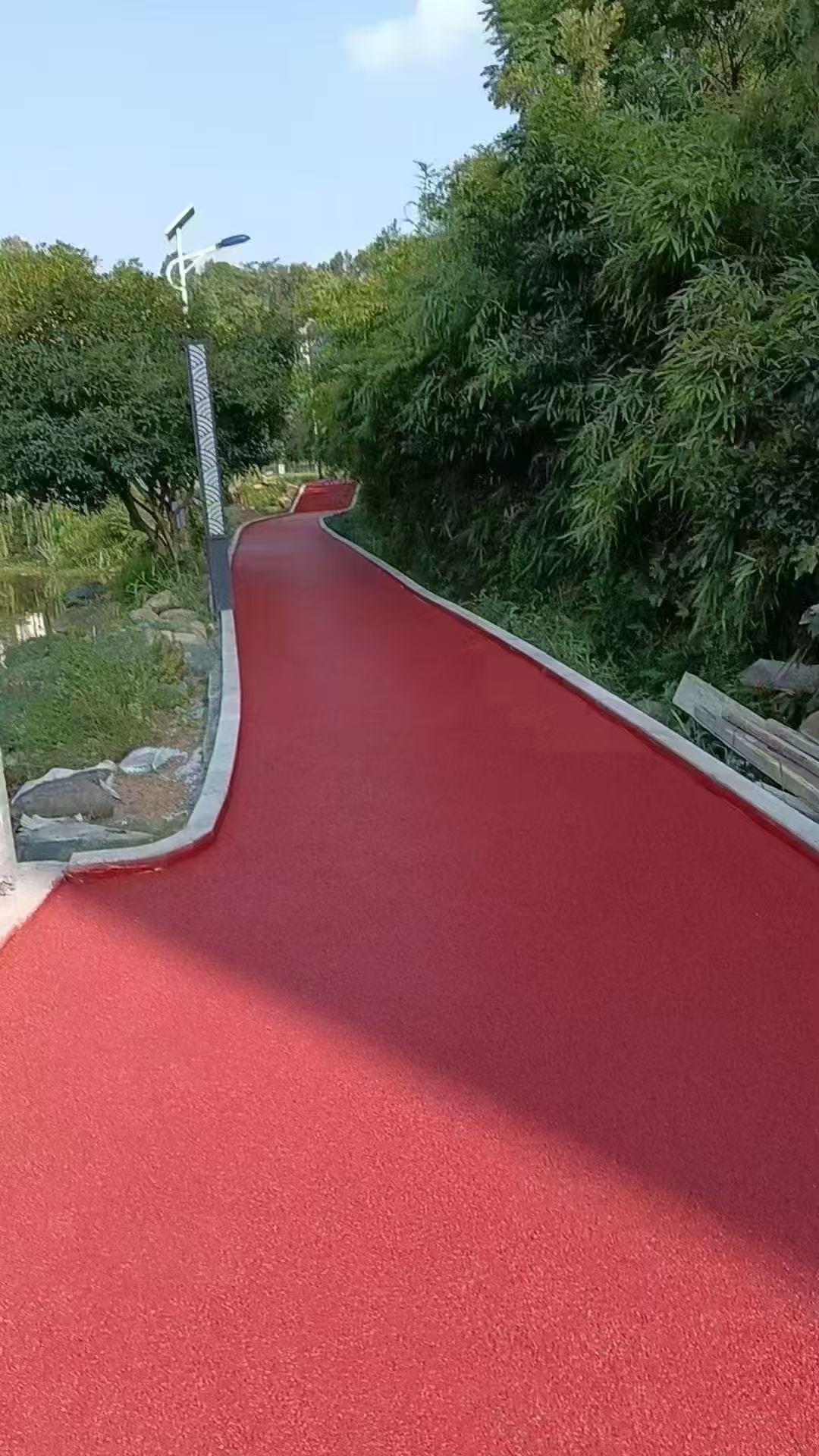


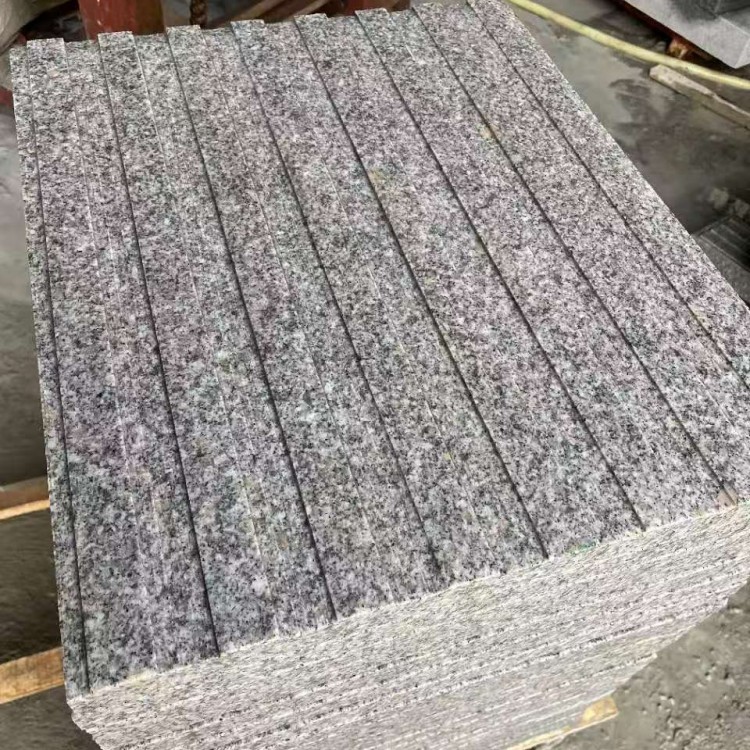







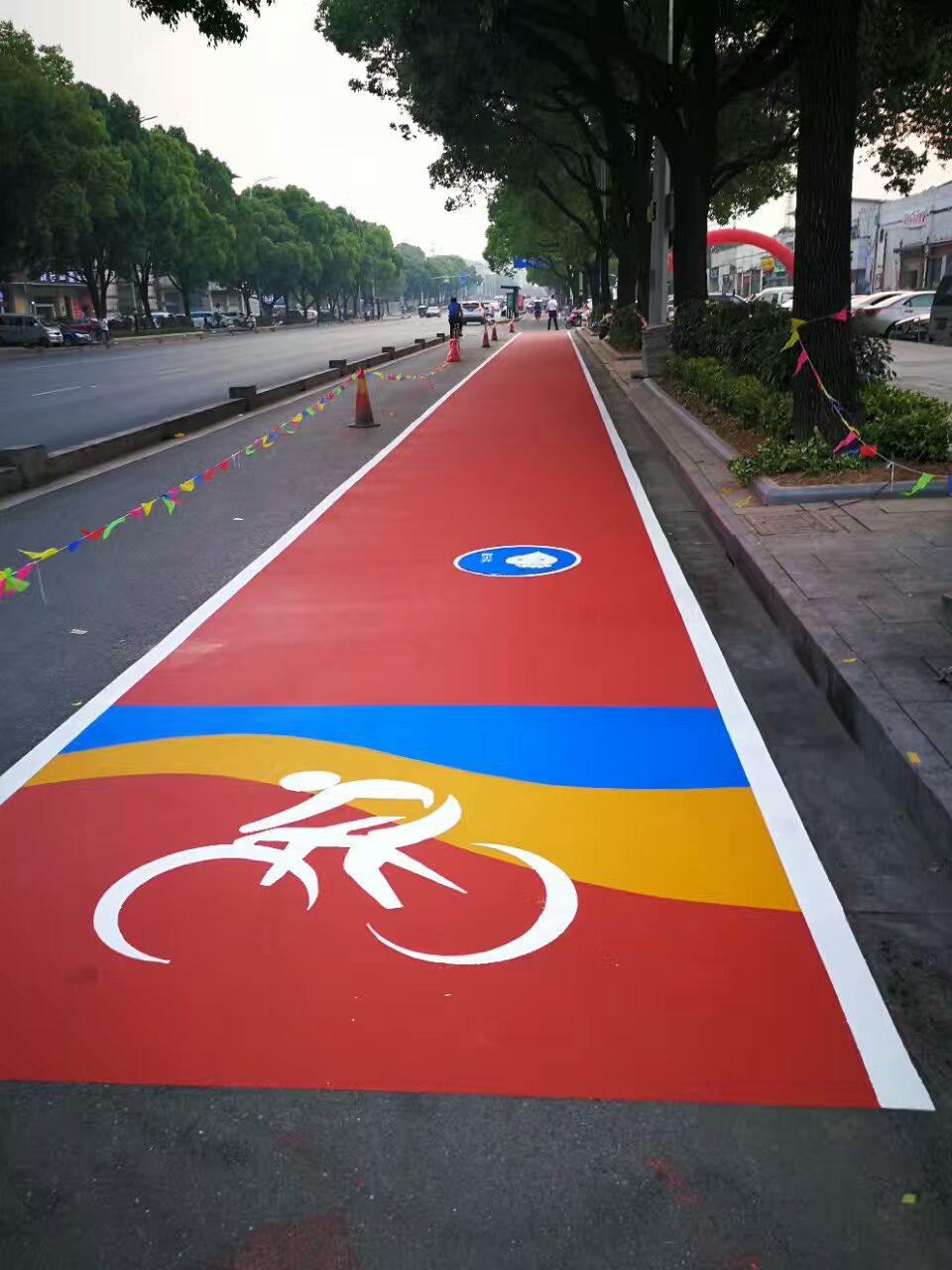
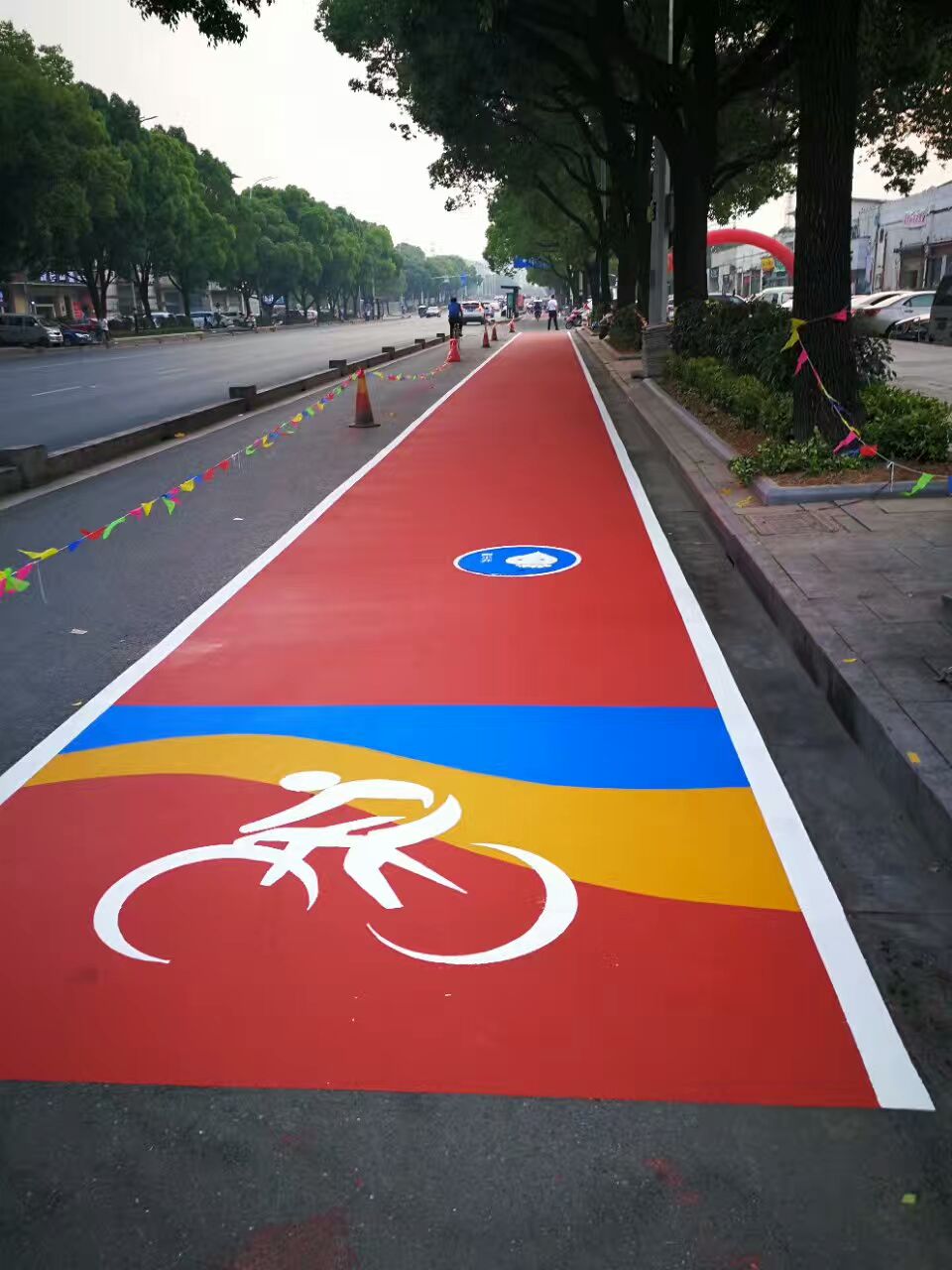
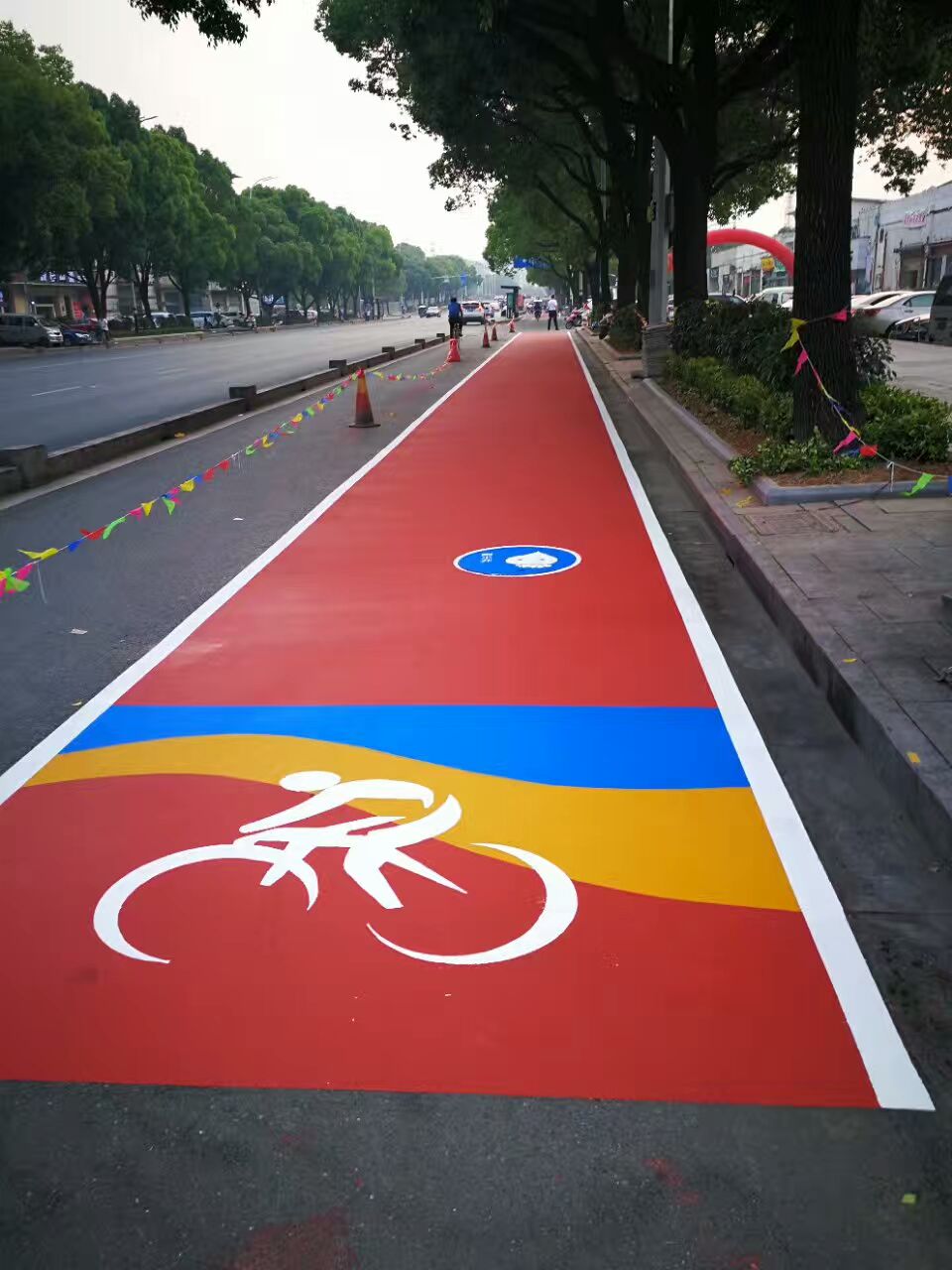
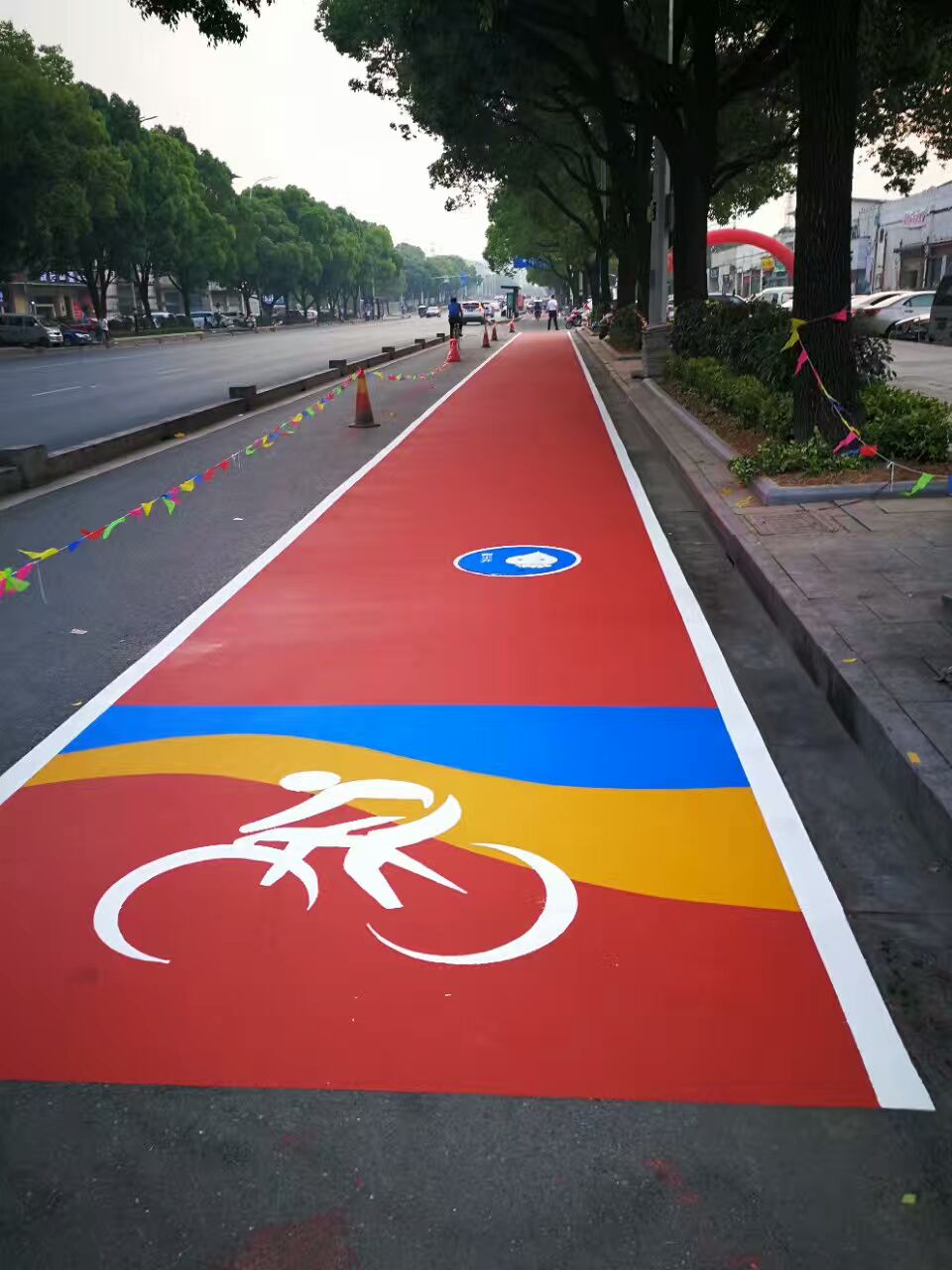
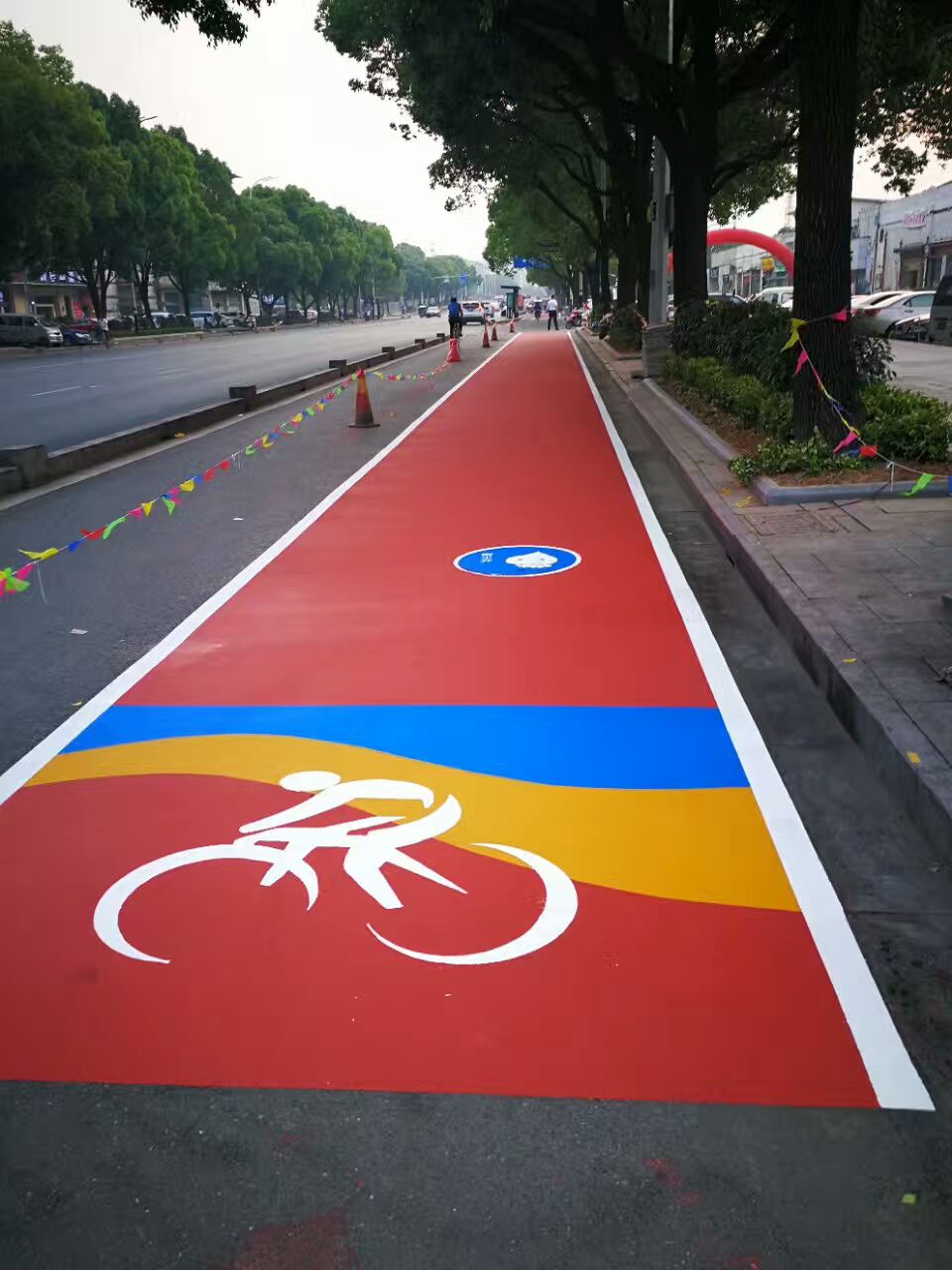
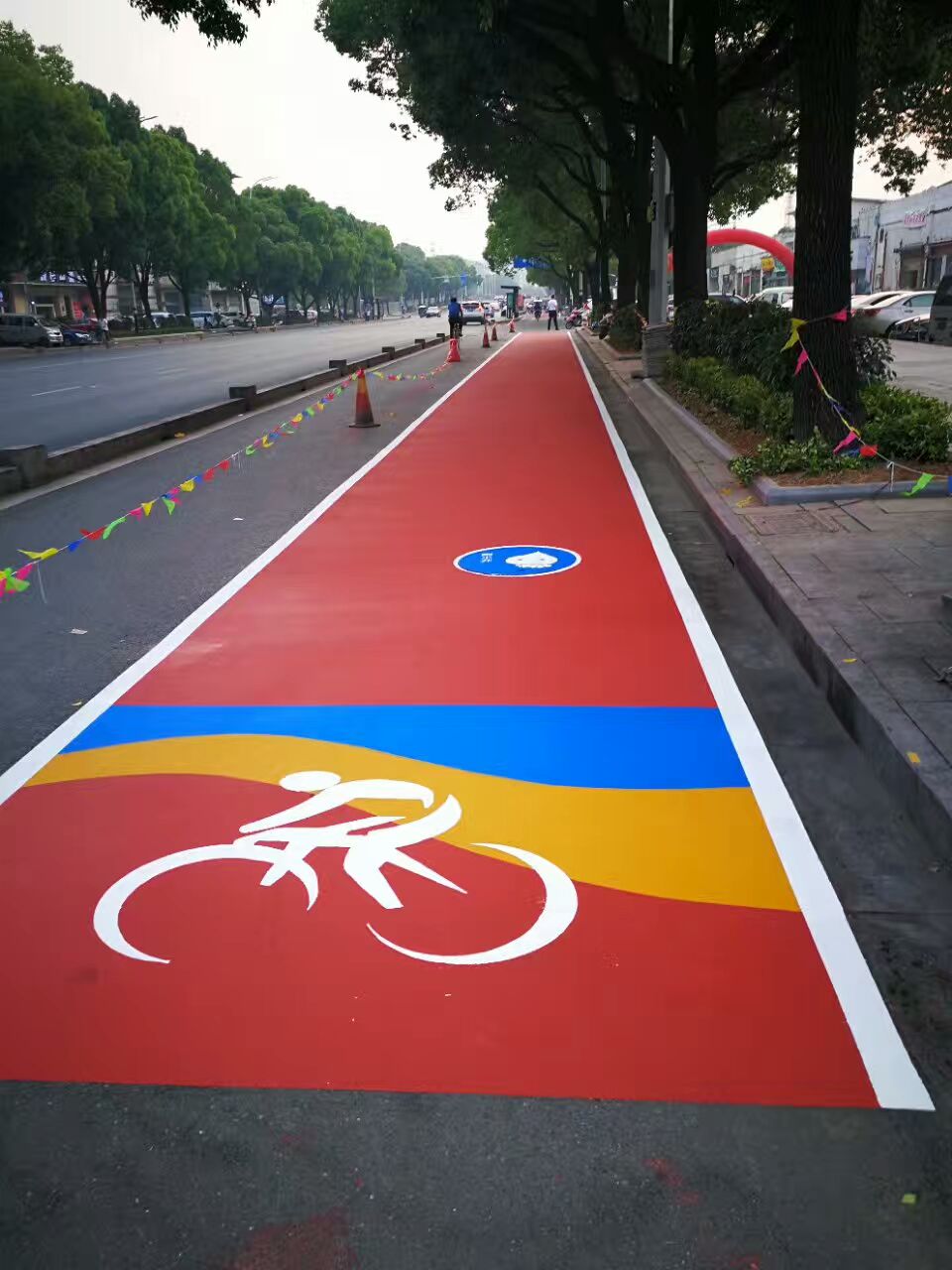
Porous paving is a type developed and used by countries like Europe, the U.S., Japan, and others to address the deficiencies in the surfaces of existing urban roads. It allows rainwater to infiltrate the ground, effectively replenishing groundwater and alleviating various urban environmental issues, such as the rapid decline in groundwater levels.

Effectively eliminate environmental pollution caused by oil compounds and other substances on the ground.The dangers of dye; at the same time, it is an excellent paving material that protects groundwater, maintains ecological balance, and can alleviate the urban heat island effect. It holds special significance for the benign development of human living environments and in urban rainwater management and water pollution control.

Porous concrete construction primarily includes: laying, shaping, surface treatment, and joint treatment.
1) Laying out: Can be done by machinery or manual labor.
2) Molding: Construction can be carried out using flat vibrators, vibration leveling rollers, manual push-pull rollers, and vibration leveling beams.
3) Surface Treatment: Primarily to enhance the surface appearance, involves整形 or cleaning the finished permeable concrete surface.
4) The setting of joints in permeable concrete pavement is basically the same as that in ordinary concrete, with contraction joints evenly spaced, not exceeding 6 meters apart.
After construction, cover the surface for protection. Moisture retention and maintenance should last at least 7 days, and prevent the concrete surface voids from being contaminated by mud and sand during the maintenance period.

The advantages of permeable paving:
When heavy rainfall occurs, it can alleviate the burden on urban drainage facilities and prevent river flooding and water pollution.
2. Allows rainwater to quickly seep into the ground, replenishing groundwater and maintaining soil moisture.
3. Prevents surface water accumulation, doesn't reflect at night, enhancing road safety and driving comfort.
4. Regulate urban space temperature and humidity, improve the city's thermal cycle, and alleviate the heat island effect.
5. High porosity can reduce road noise during vehicle travel, creating a comfortable traffic environment.
6. Large voids can absorb urban pollutants (such as dust), reducing dust pollution.
7. Easy to maintain, gaps won't tear, and not prone to clogging.
8. Patterns can be designed to blend seamlessly with the surrounding environment as needed.