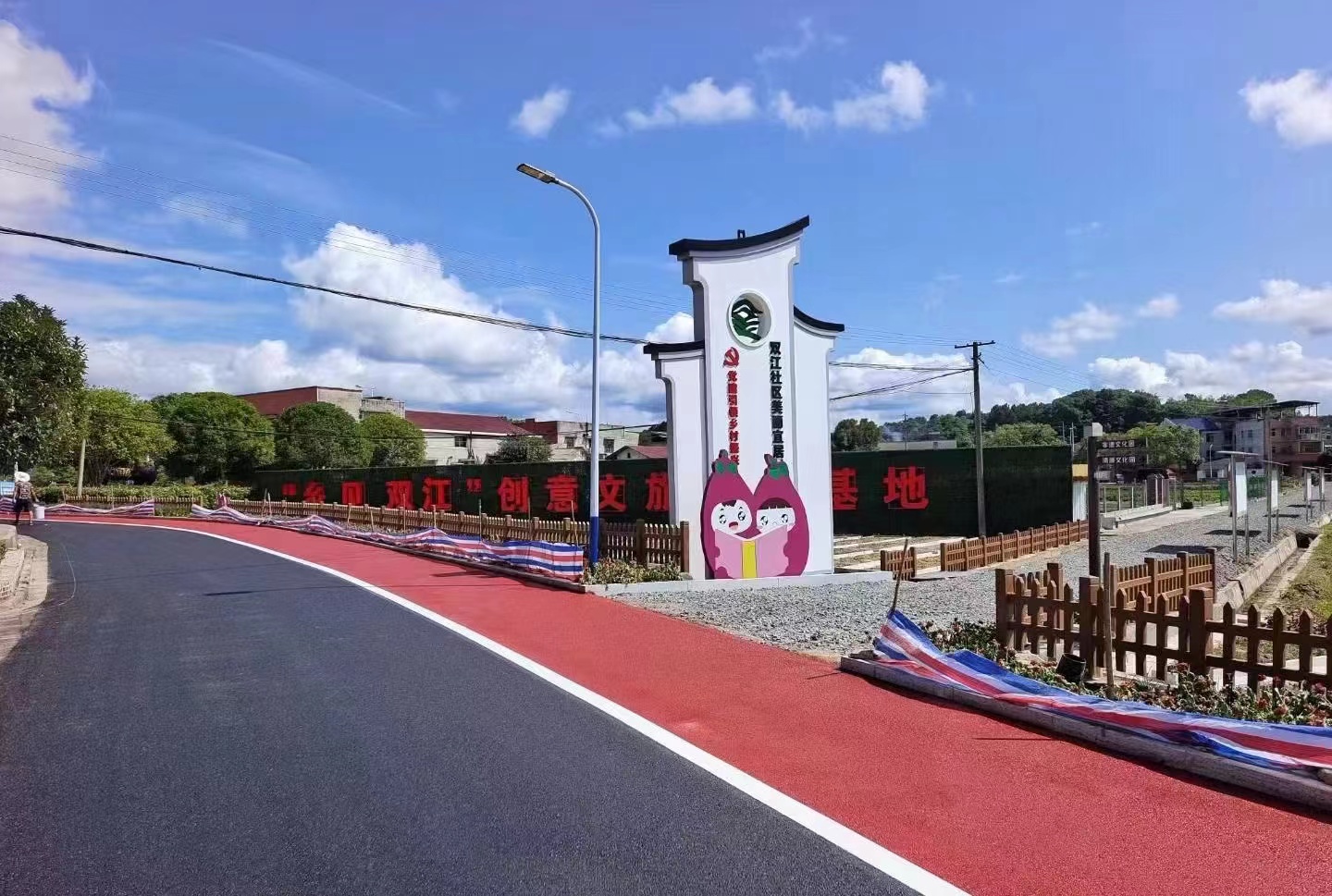


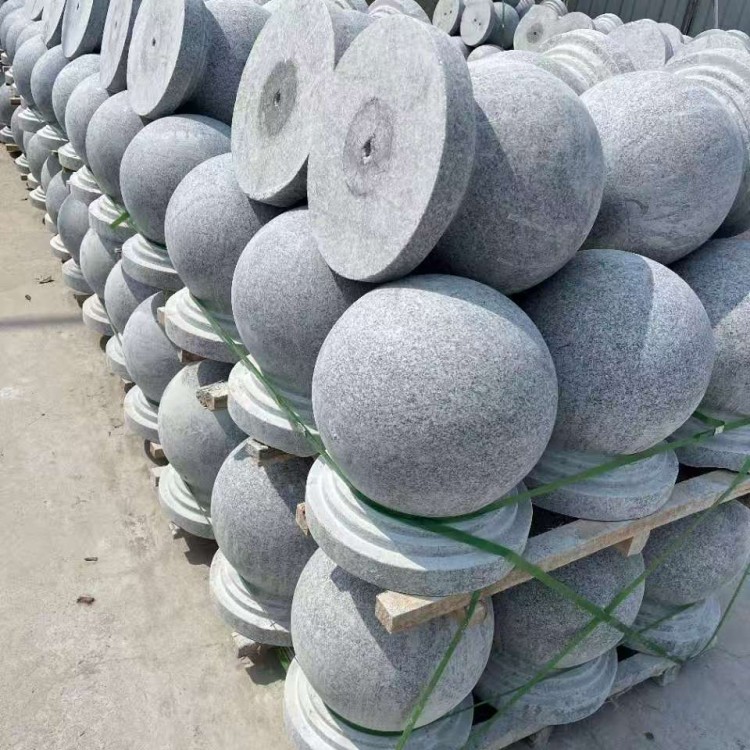
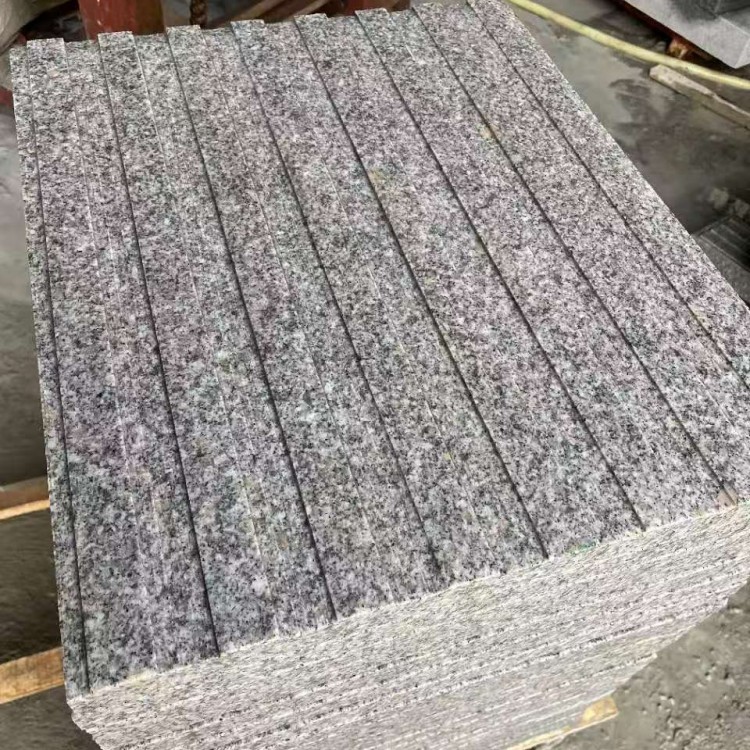







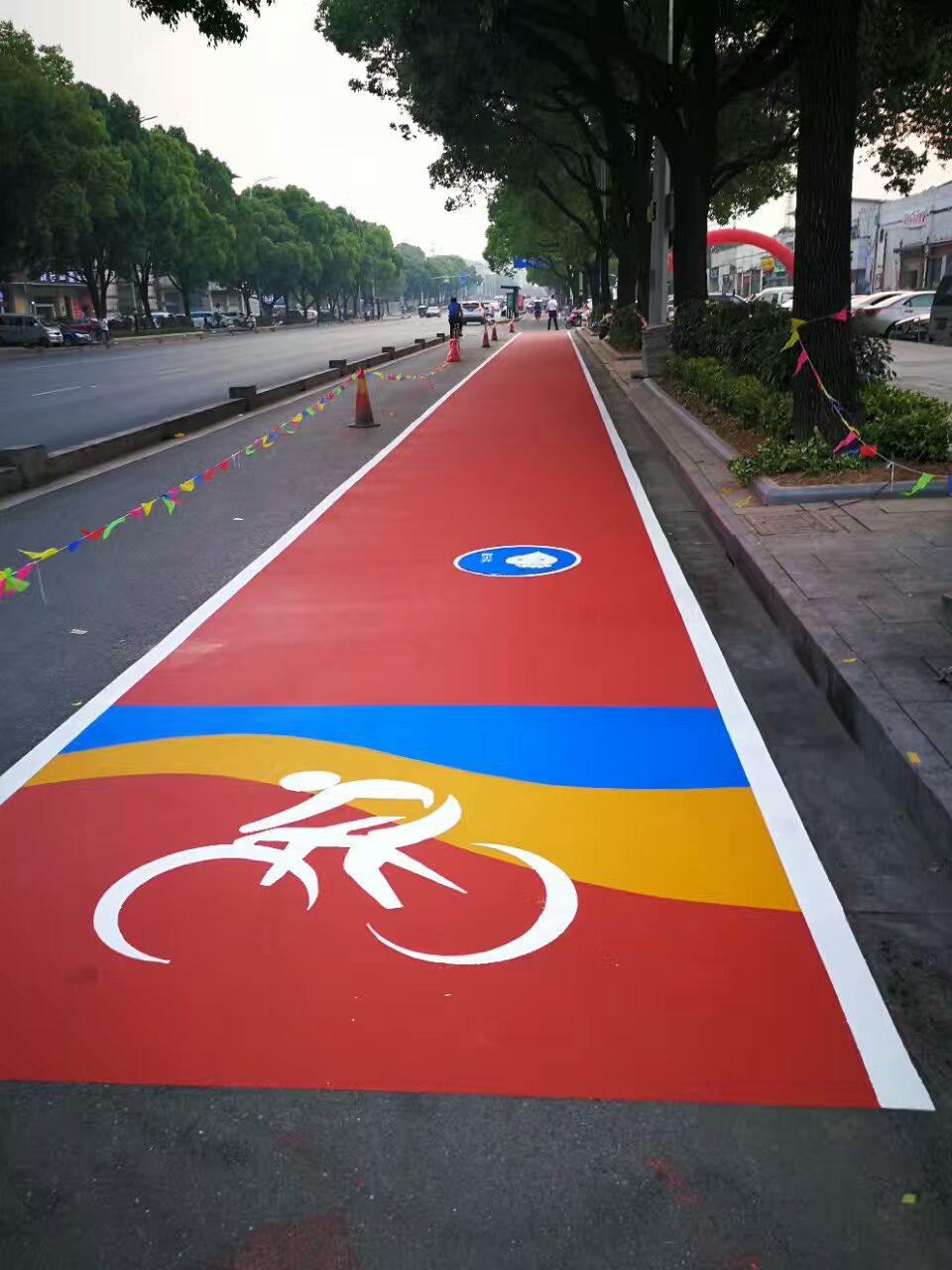
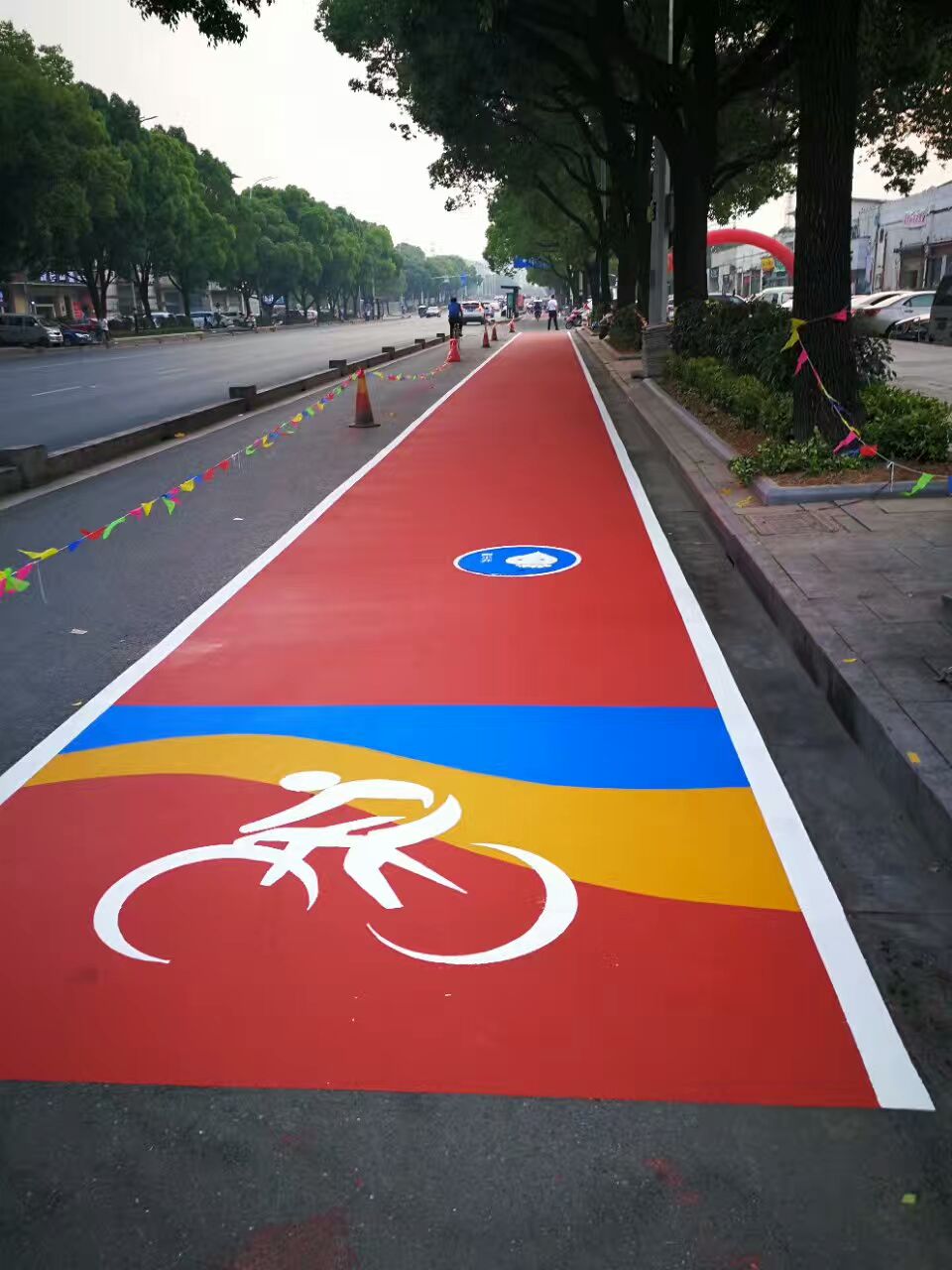
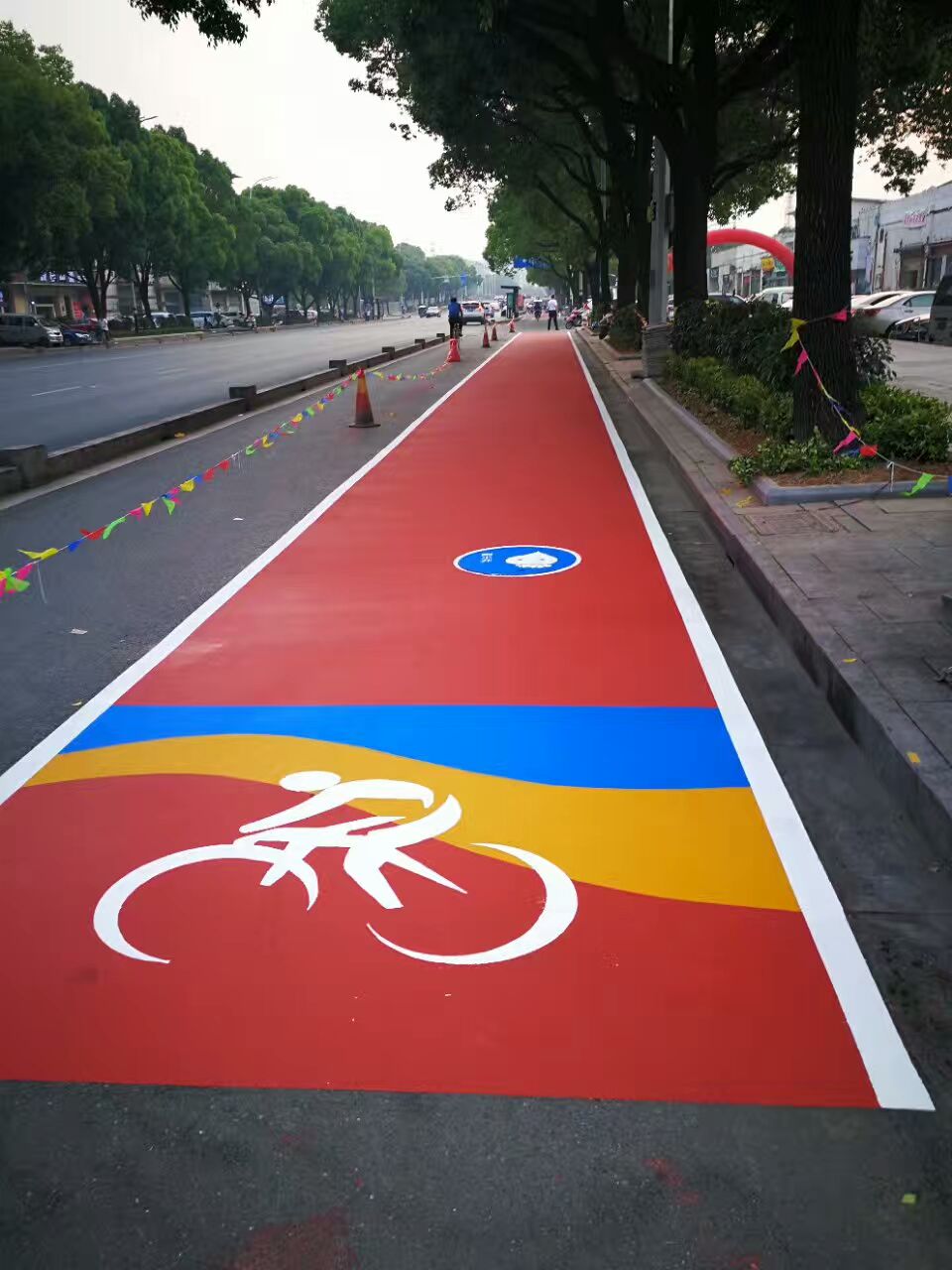
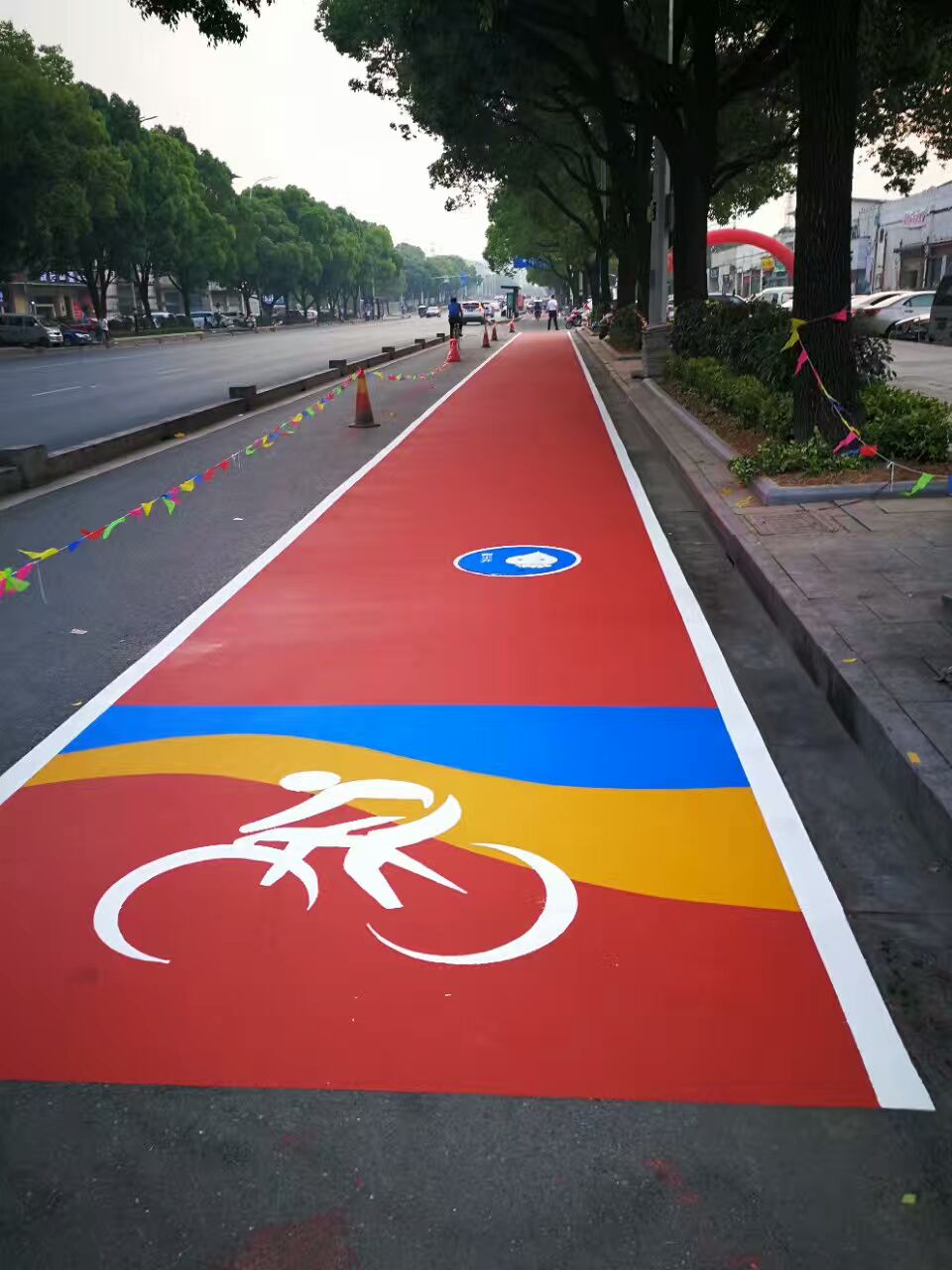
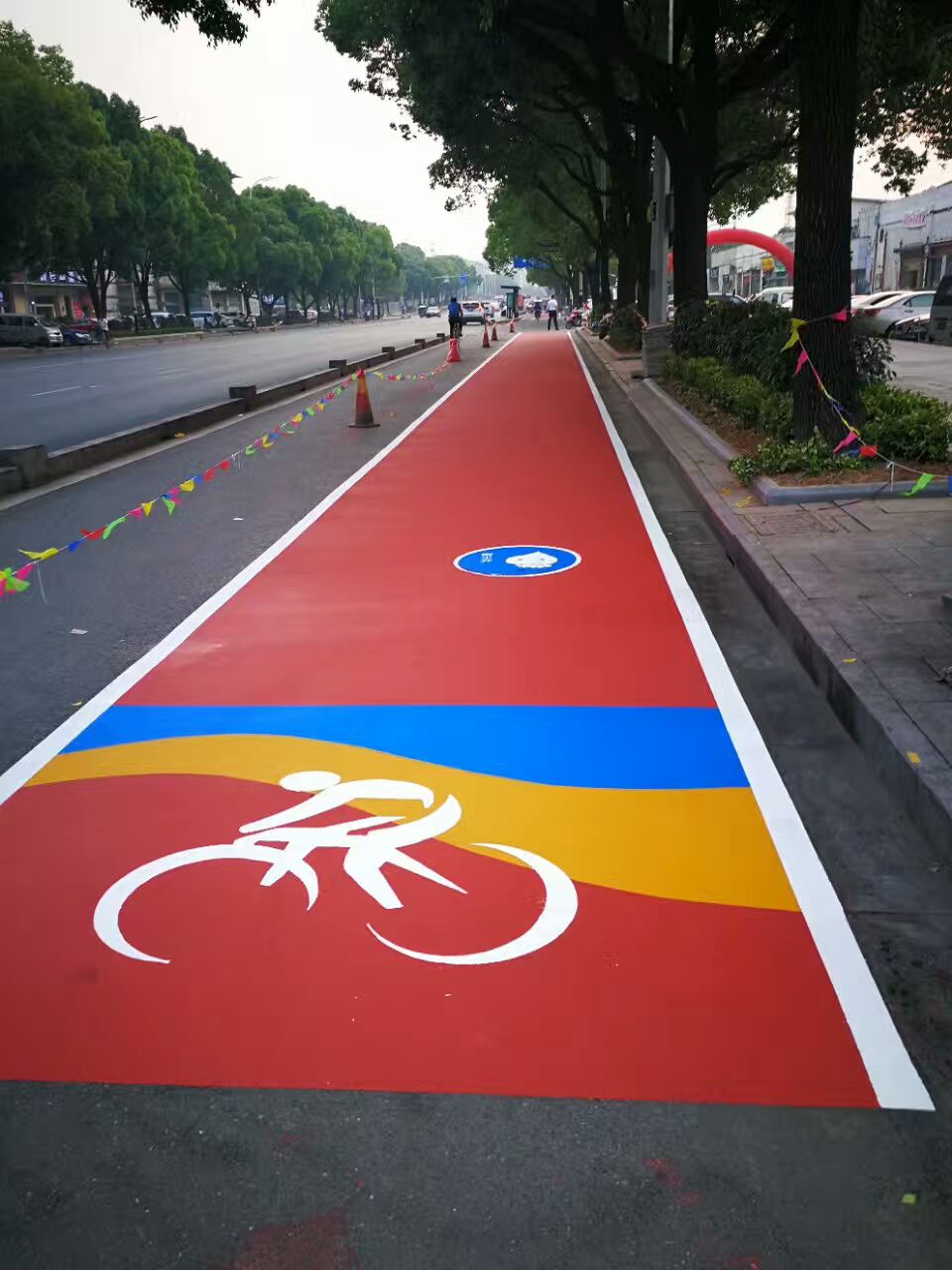
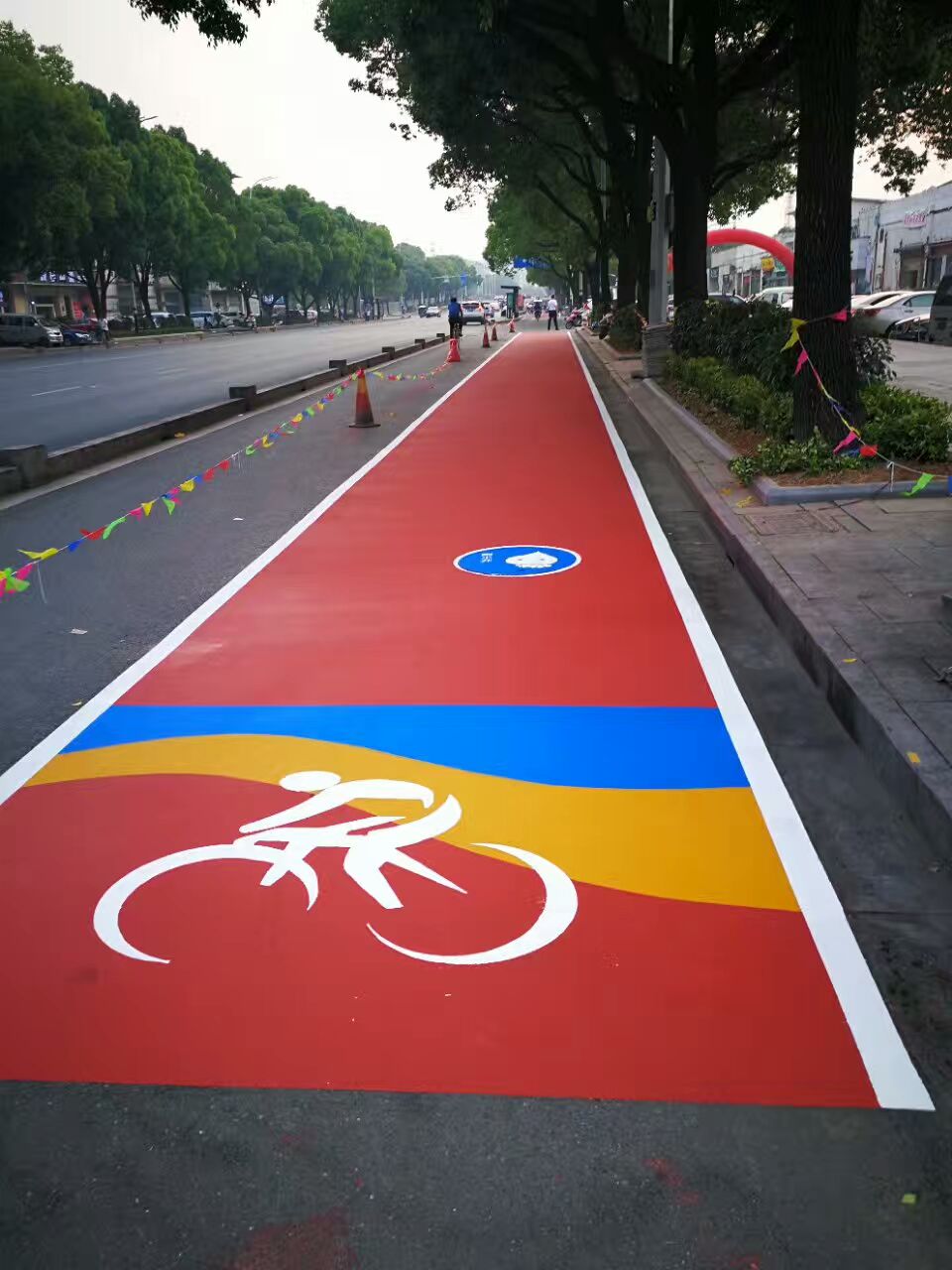
Permeable concrete flooring consists of a surface with voids, lightweight, and no fine aggregates, formed by a layer of binder coating the coarse aggregates, creating a honeycomb-like structure with uniformly distributed pores, thus offering the features of water permeability, breathability, and light weight.

Porous concrete paving material is an eco-friendly material with high permeability, essential for sponge city construction. It is a new paving method that can partially replace urban hard surfaces, effectively improving the urban ecosystem. It revives the urban surface, allows rainwater to seep into the ground, effectively eliminates surface water accumulation, and is a "breathing" green environmental ground material.

Porous concrete flooring is characterized by its breathability, water permeability, and light weight, also known as sand-free concrete. It is a type of flooring developed and used by countries such as Europe, the United States, and Japan to address the deficiencies in the surfaces of original urban roads. This flooring allows rainwater to infiltrate the ground, effectively replenishing groundwater and alleviating urban environmental issues such as the rapid decline of groundwater levels.

Effectively eliminates the environmental hazards caused by oil compounds and other substances on the ground; simultaneously, it serves as an excellent paving material for protecting groundwater, maintaining ecological balance, and alleviating the urban heat island effect. It holds special significance for the benign development of the human living environment, as well as for urban rainwater management and water pollution prevention.