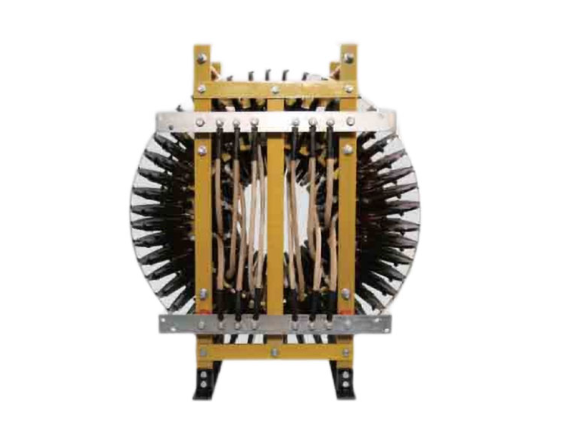

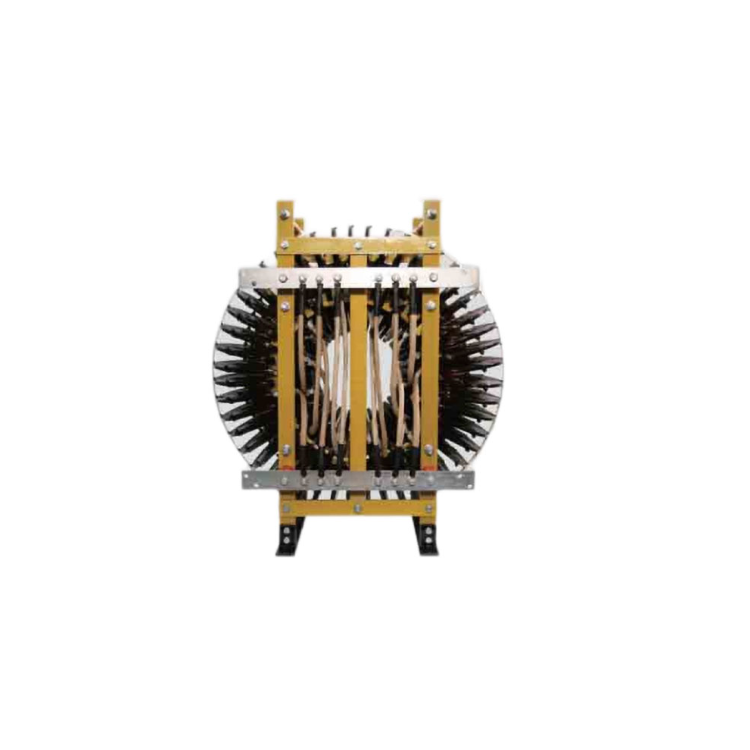

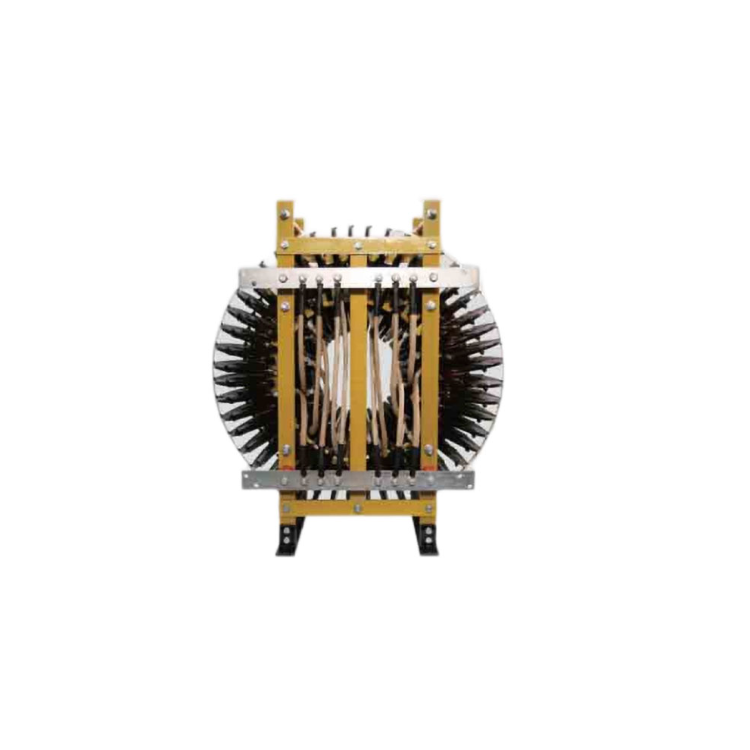
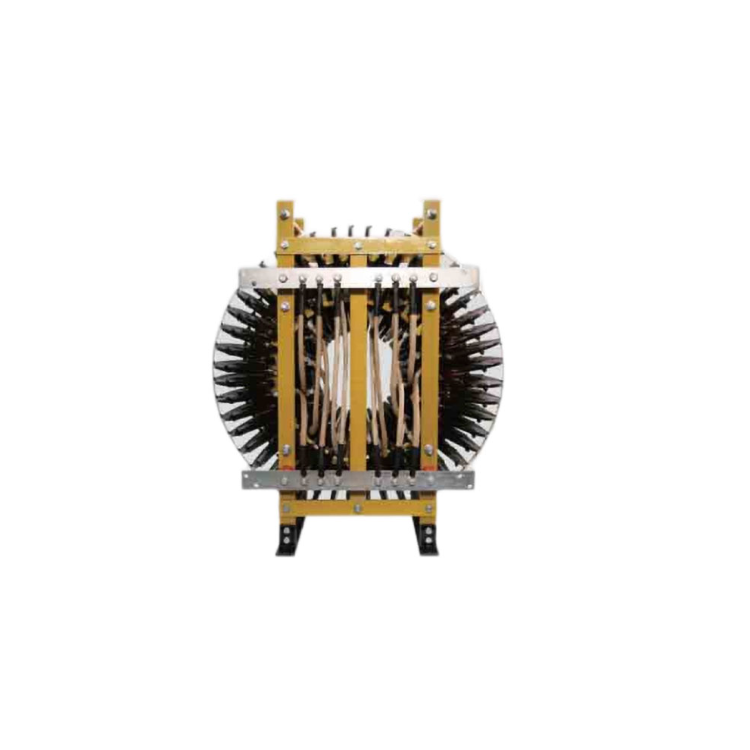
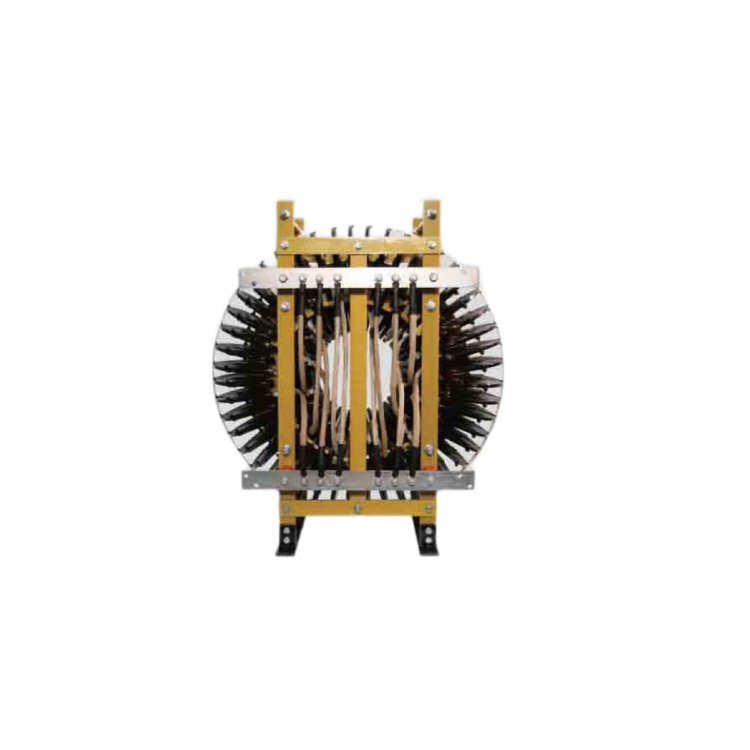









Reactors, also known as inductors, are electrical devices that can provide impedance in a circuit.Its working principle is based on the electromagnetic induction phenomenon,by introducing inductance into the circuit to hinder the change of current,thereby affecting the current-voltage relationship in the circuit.The main functions of the reactor include limiting short-circuit current,absorbing reactive power of the capacitive charging of cable lines,and limiting the higher harmonics in the power grid.Depending on its application and connection methods,reactors can be divided into various types,such as series reactors and parallel reactors.
Series ReactorPrimarily used to limit short-circuit currents, it increases the circuit's inductive reactance by串联电抗器 in the circuit, thereby reducing the peak current during a short circuit. Additionally, the series reactor is also used in filters, either in series or parallel with capacitors, to restrict higher-order harmonics in the power grid.
Shunt ReactorPrimarily used to compensate for the capacitive charging current of the transmission lines, limit the rise of system voltage and overvoltage conditions, ensuring reliable operation of the lines. In ultra-high voltage long-distance transmission systems, the shunt reactors are connected to the third winding of the transformers, used to compensate for the capacitive charging current of the lines.
Furthermore, the design of reactors takes into account various factors, such as the direct current component of the current flowing through the reactors and the peak-to-peak component of the alternating current, to ensure their performance and safety. The application range of reactors is extensive, including power systems, communication systems, and industrial applications, playing a crucial role in maintaining the stable operation of power systems and the quality of signal transmission.