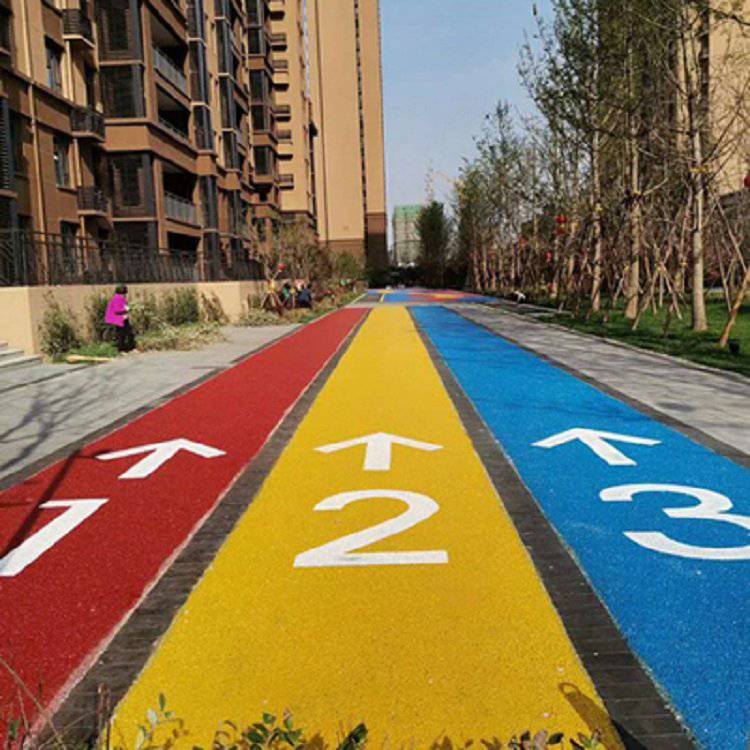









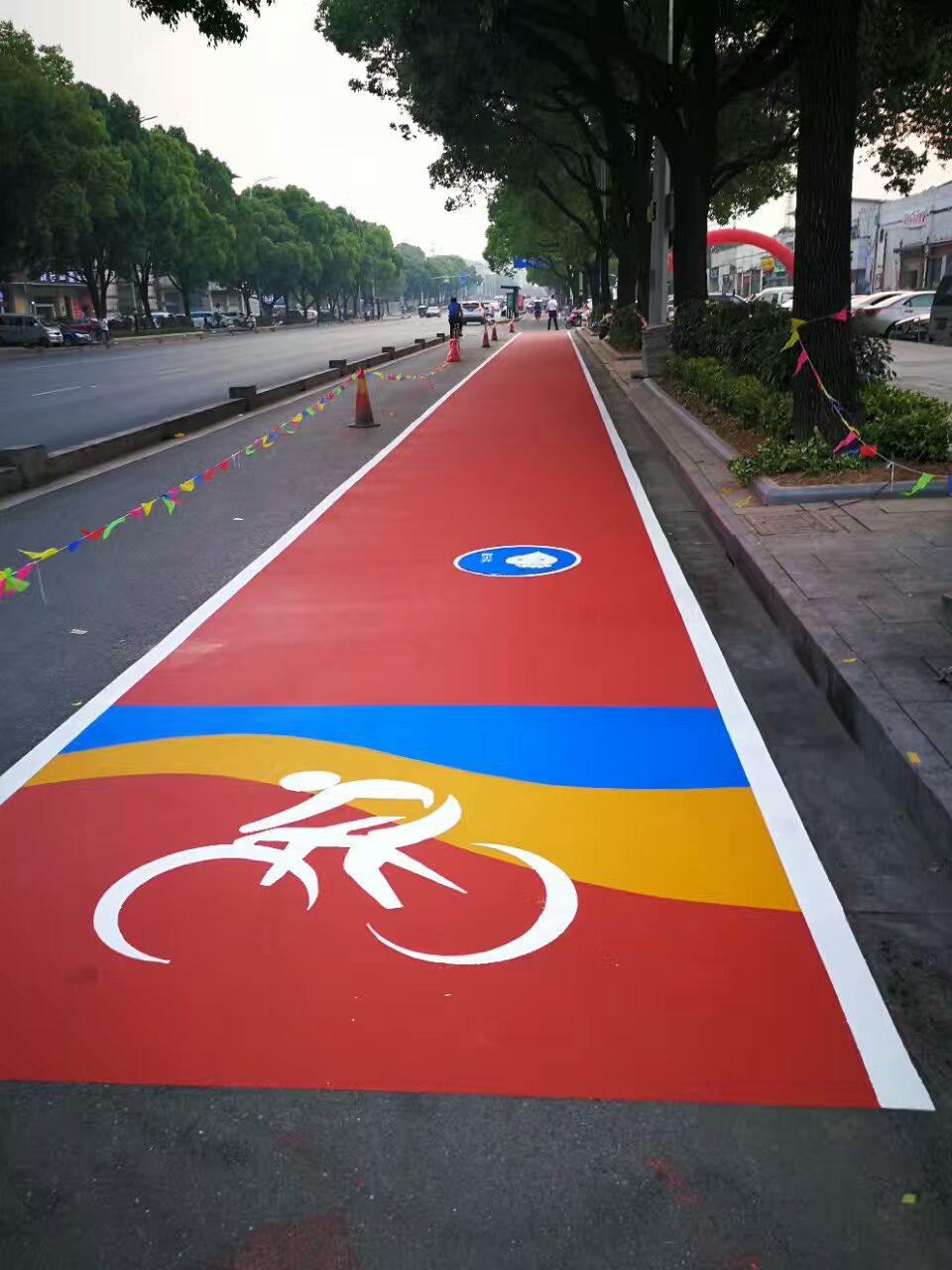
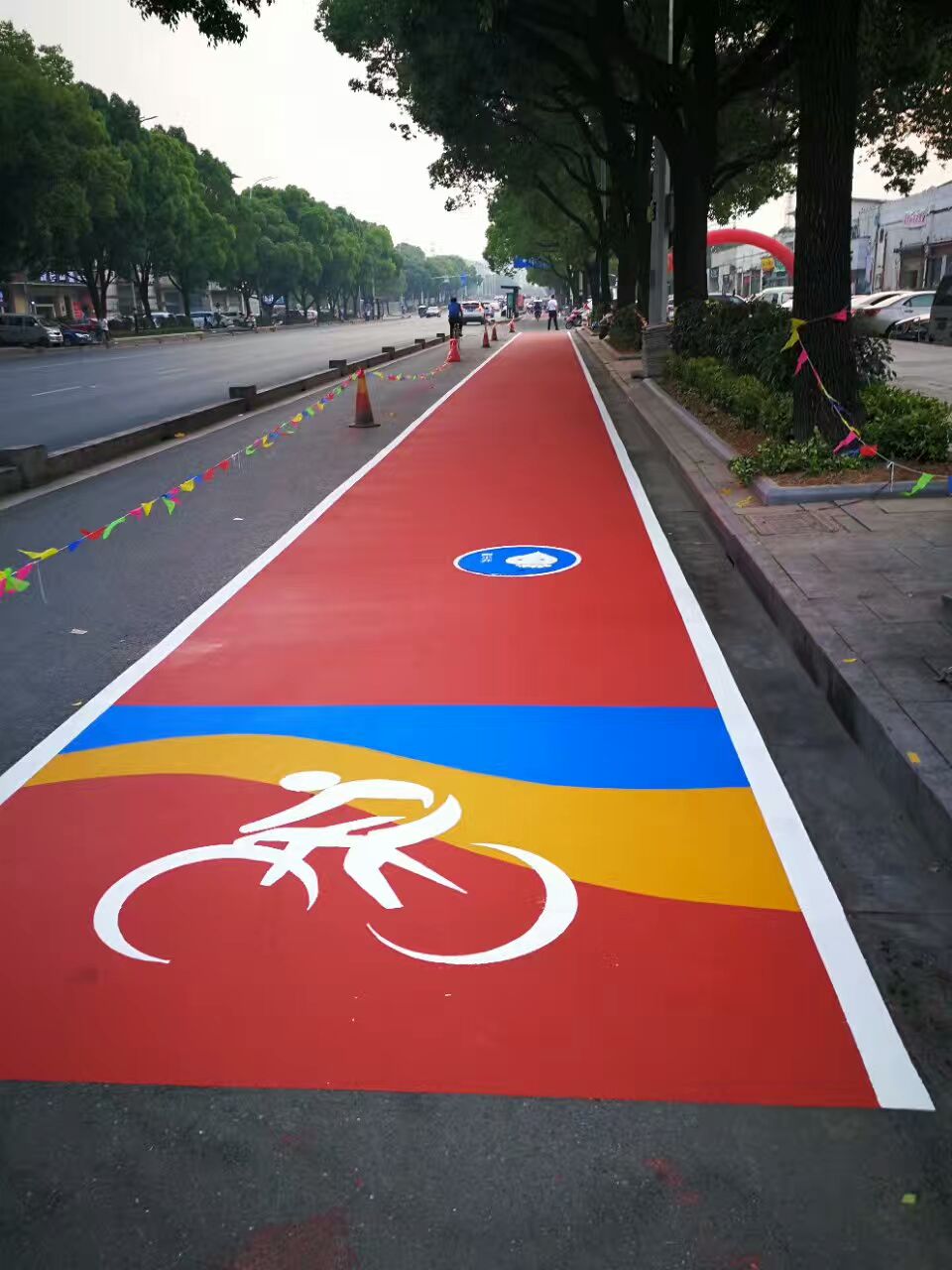
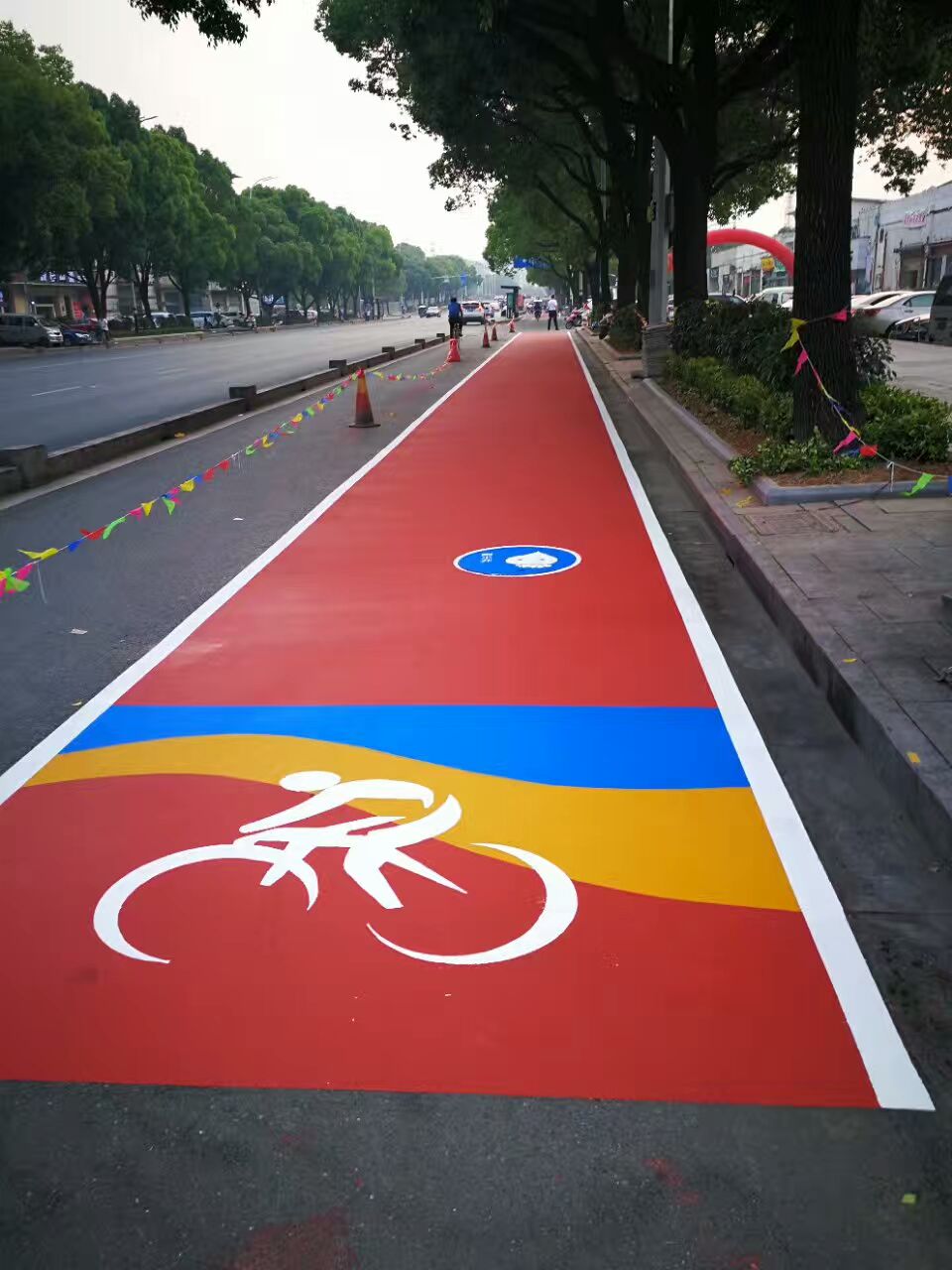
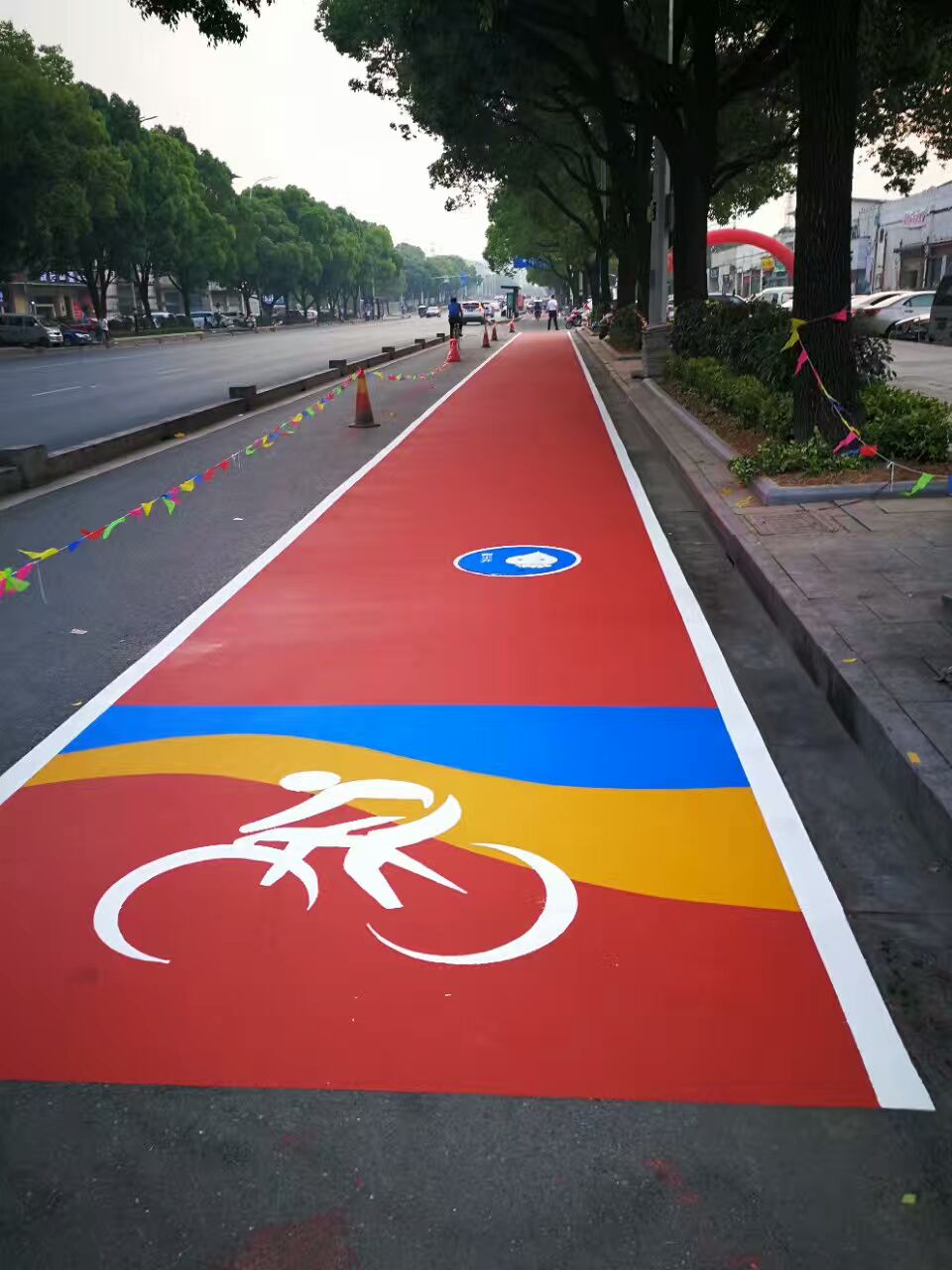
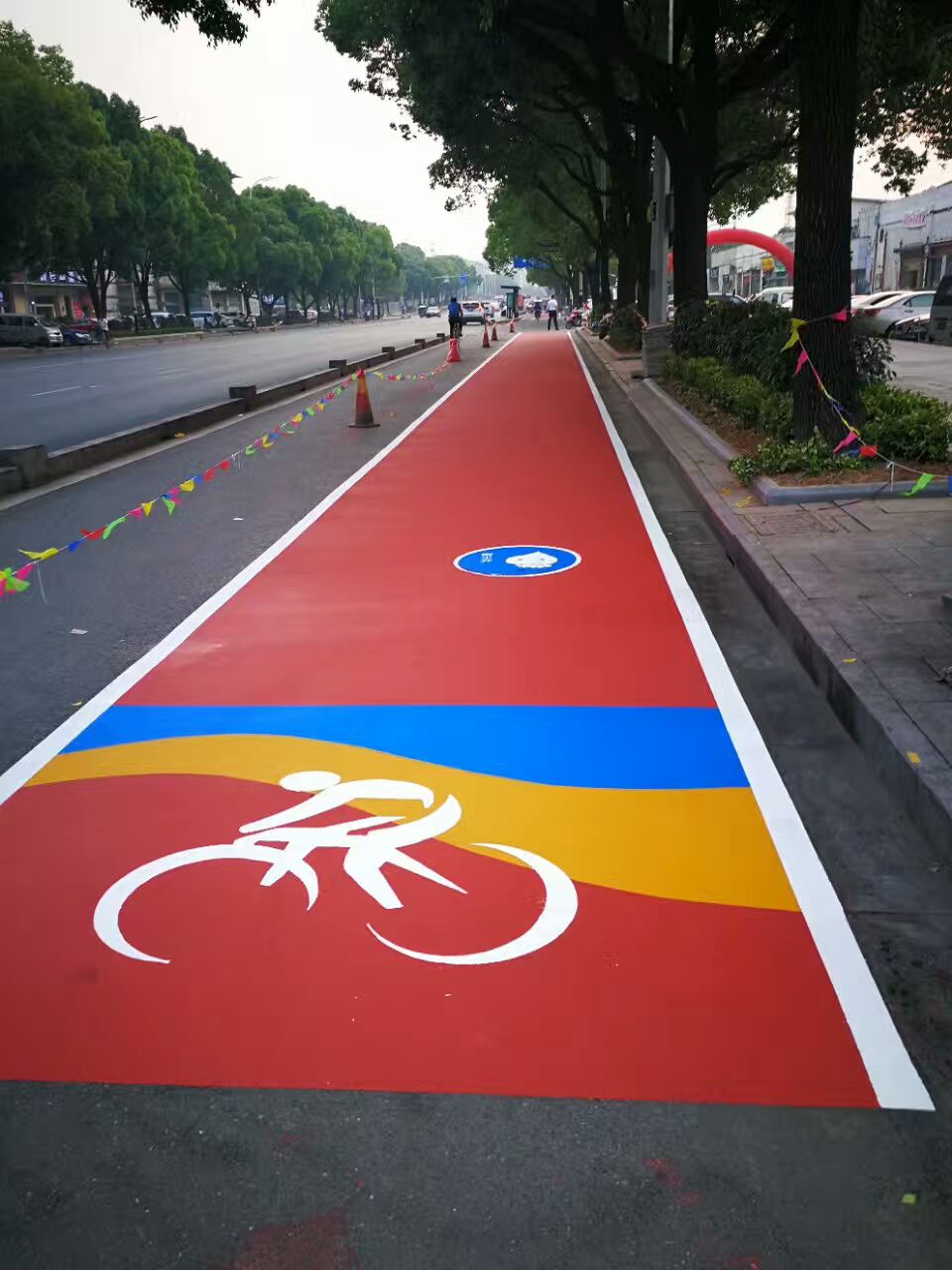
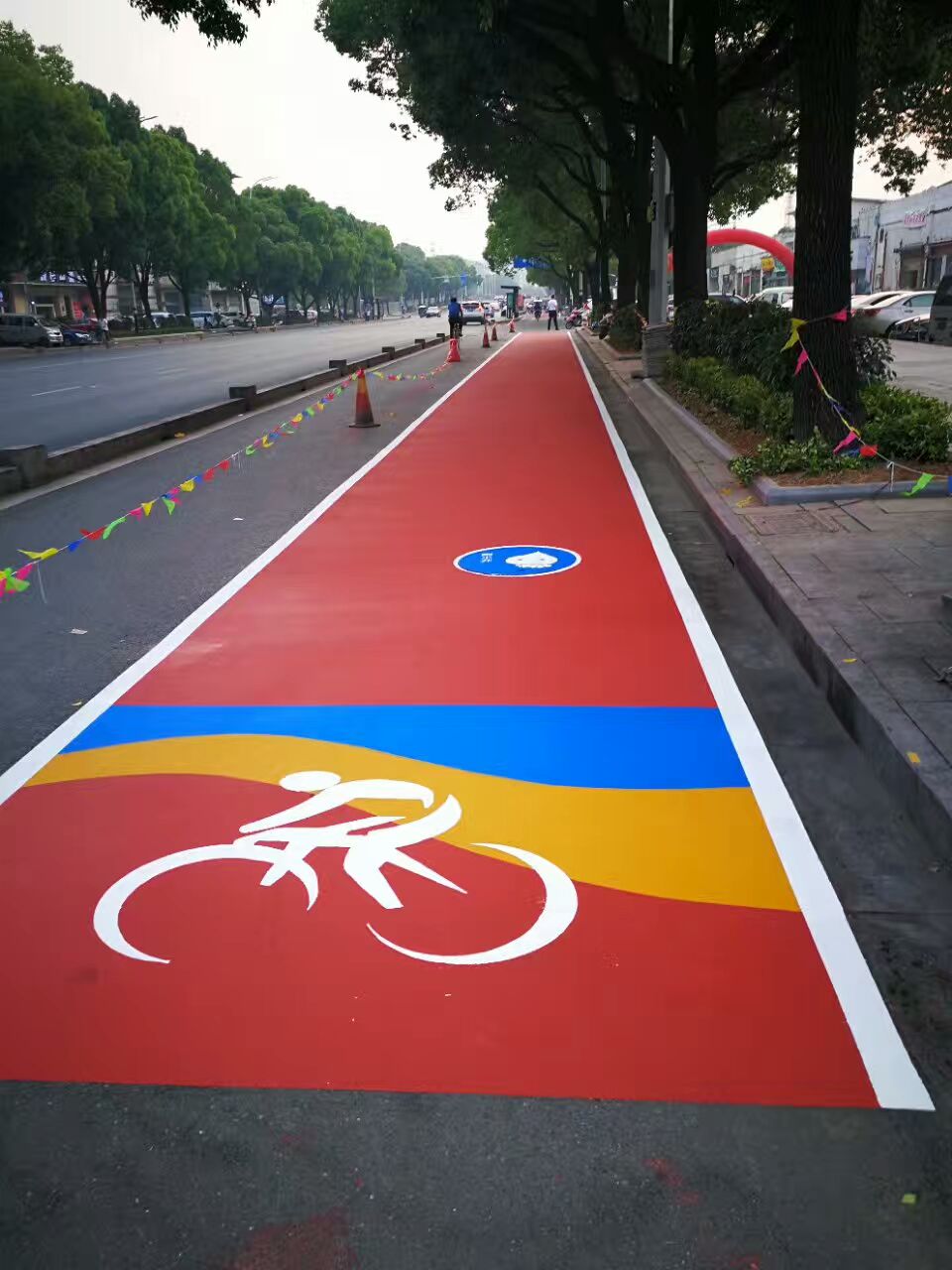
Porous concrete is utilized in courtyards, sidewalks, bike paths, public squares, outdoor parking lots, park roads, and road medians and dividers, enhancing the city's permeable and breathable spaces. This has yielded positive effects on regulating the urban microclimate and maintaining ecological balance. Replacing traditional materials with porous materials for paving has become a common practice in developed urban construction.

Permeable paving technology construction highlights
1. Construct the colored permeable pavement base according to design.
2. Pour the colored permeable paving material into the mixer, and it must be dry mixed for 3-5 minutes. Then, add 2.2 kg of water for every 50 kg of permeable material and mix until the aggregates shine, then stop the machine.
3. Spread the uniformly mixed colored permeable material onto the prepared subgrade, flatten it with a plate vibrator, then level it. Use a heavy-duty iron roller to roll it smooth or a mill with a stainless steel grinding disc to grind it flat. Use small tools to neatly finish off the edges and corners promptly.
4. Treat the surface with a spray surface maintenance agent.
5.5 to 7 days later, apply the surface protective agent.

Porous pavement is highly practical, benefiting the positive development of human living environments; it also plays a significant role in rainwater management and utilization, as well as in water pollution control. It is a key promotion project of the "National Construction Ministry's Science and Technology Achievements," widely used in sidewalks, bike lanes, light rail tracks, public squares, outdoor parking lots, park walkways, and scenic roads.