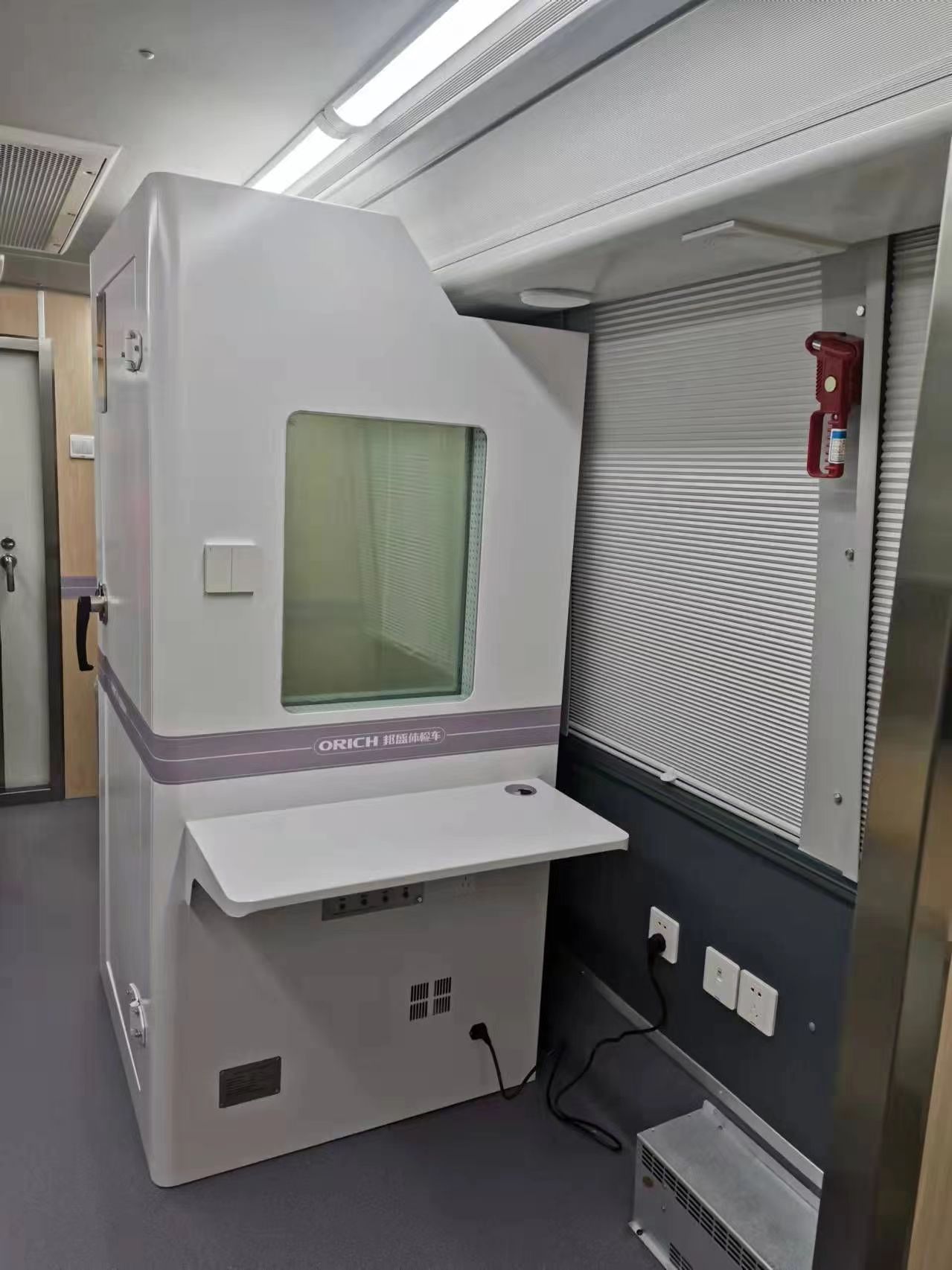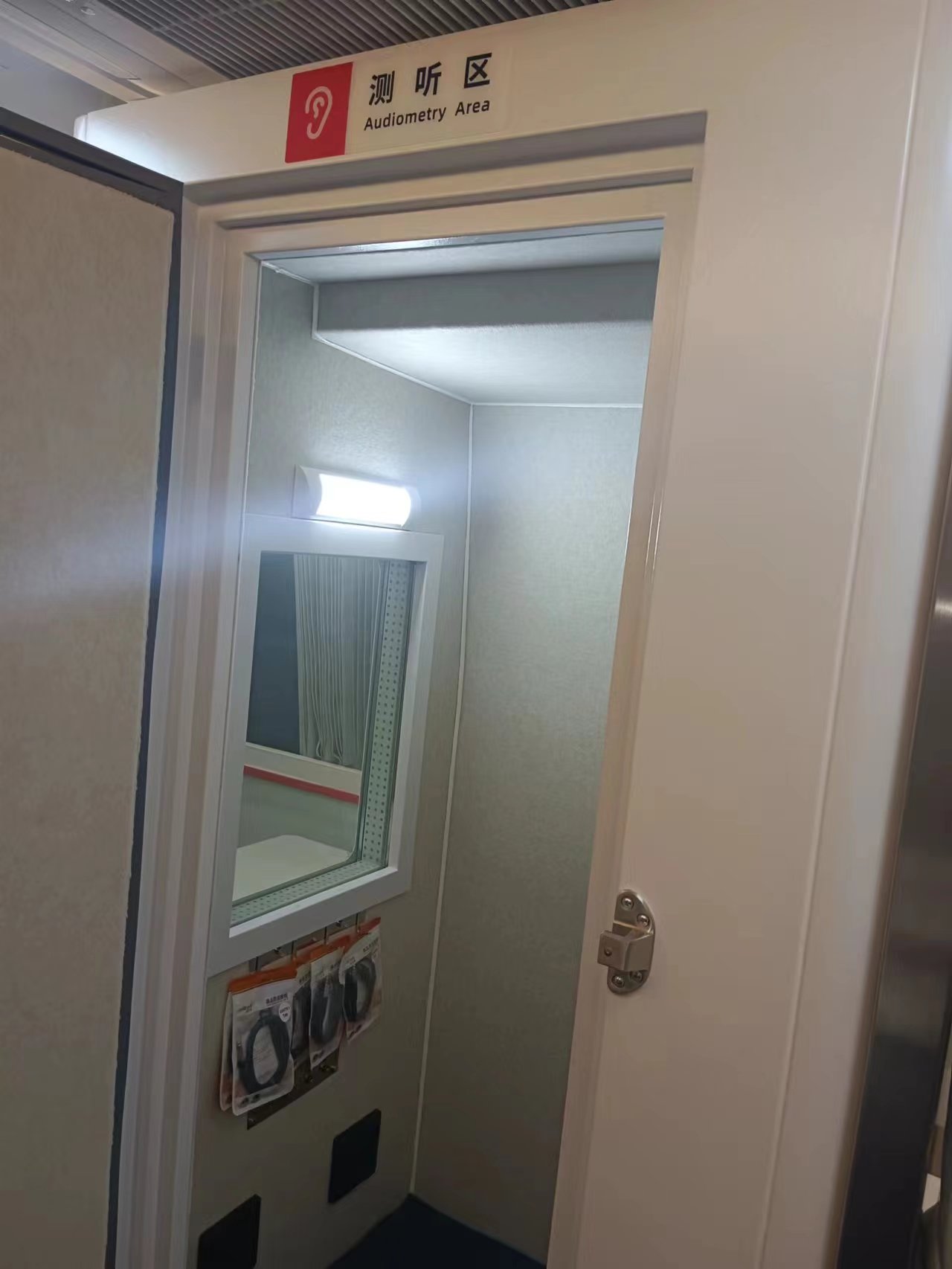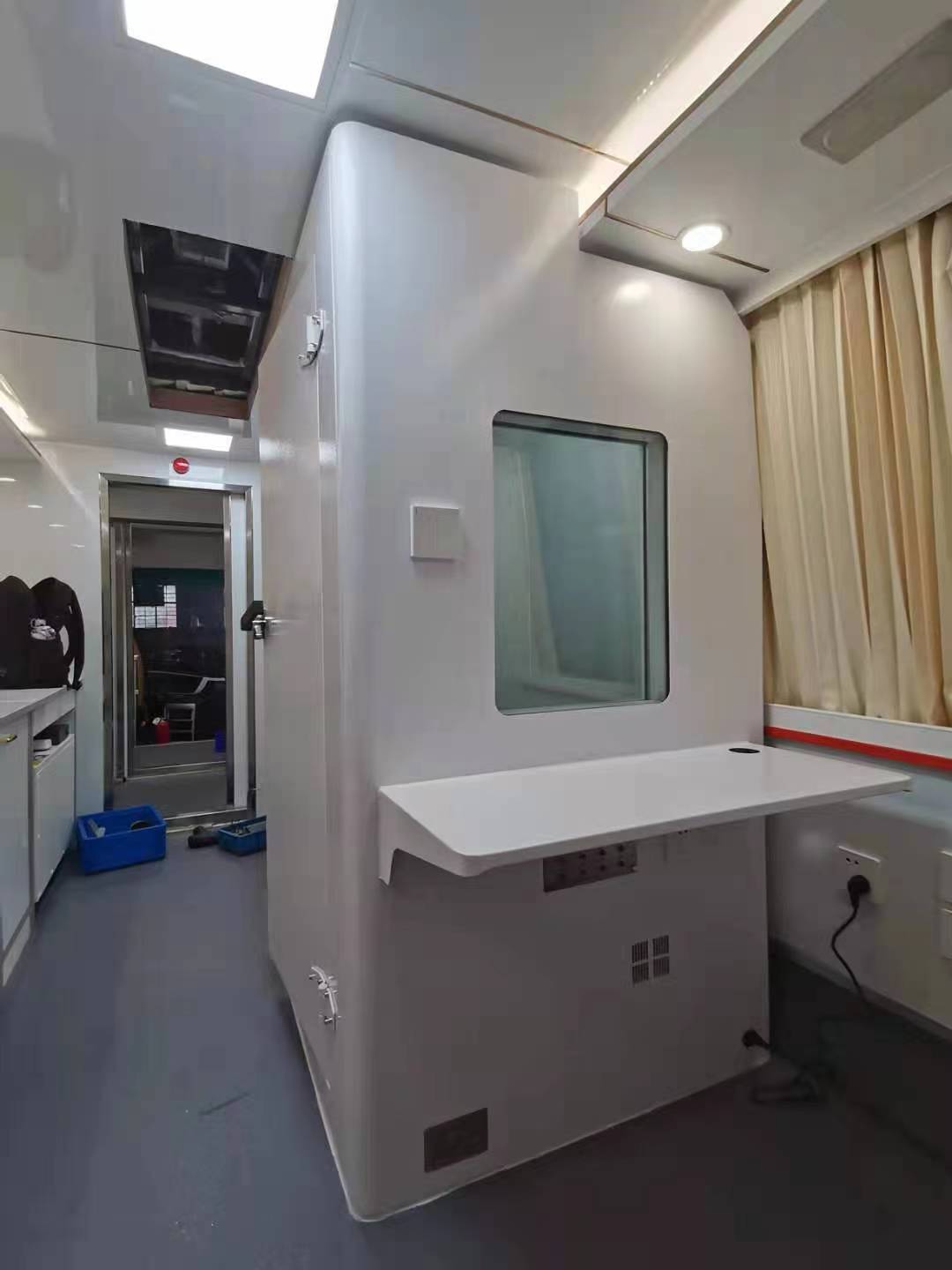














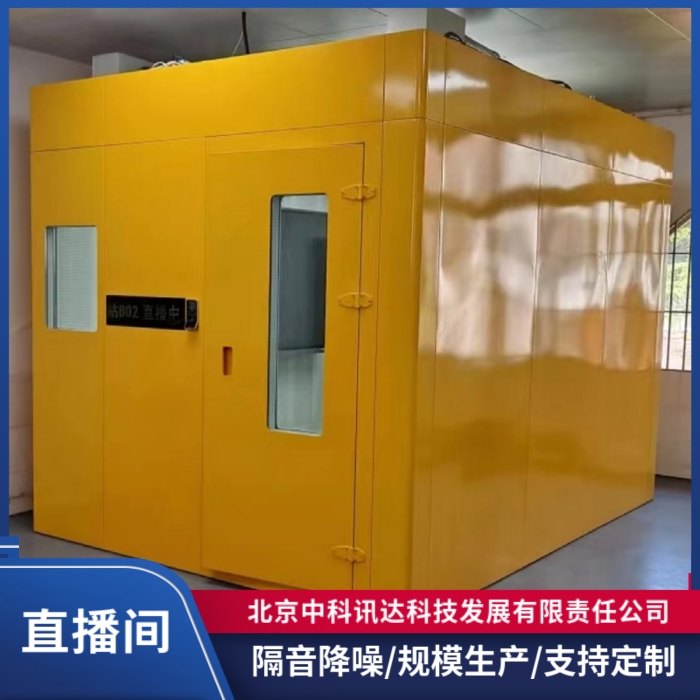
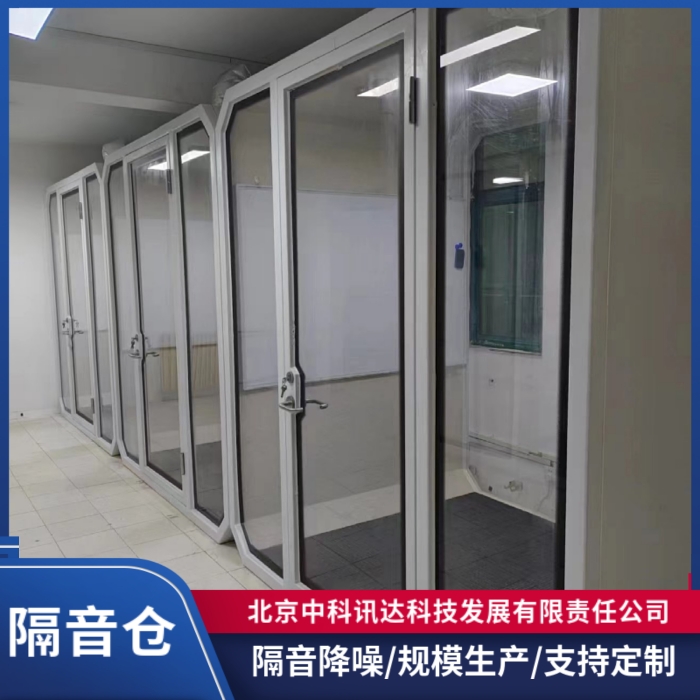
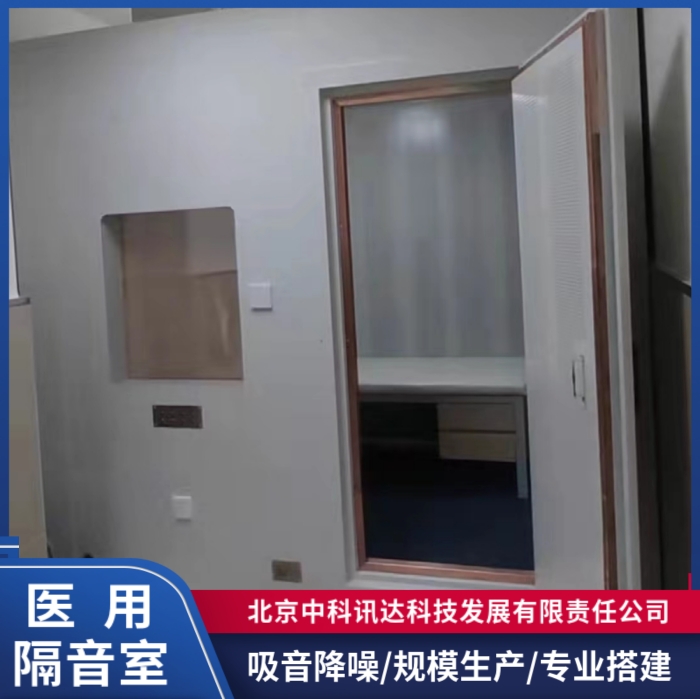
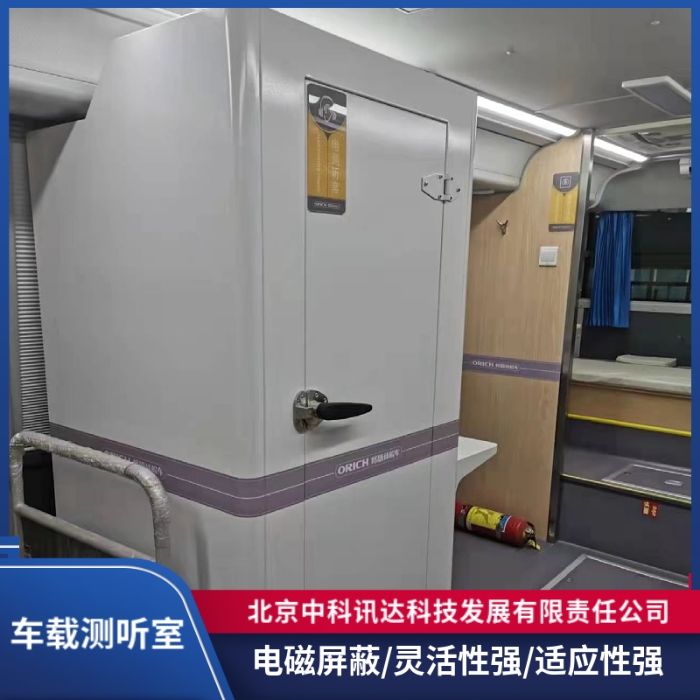

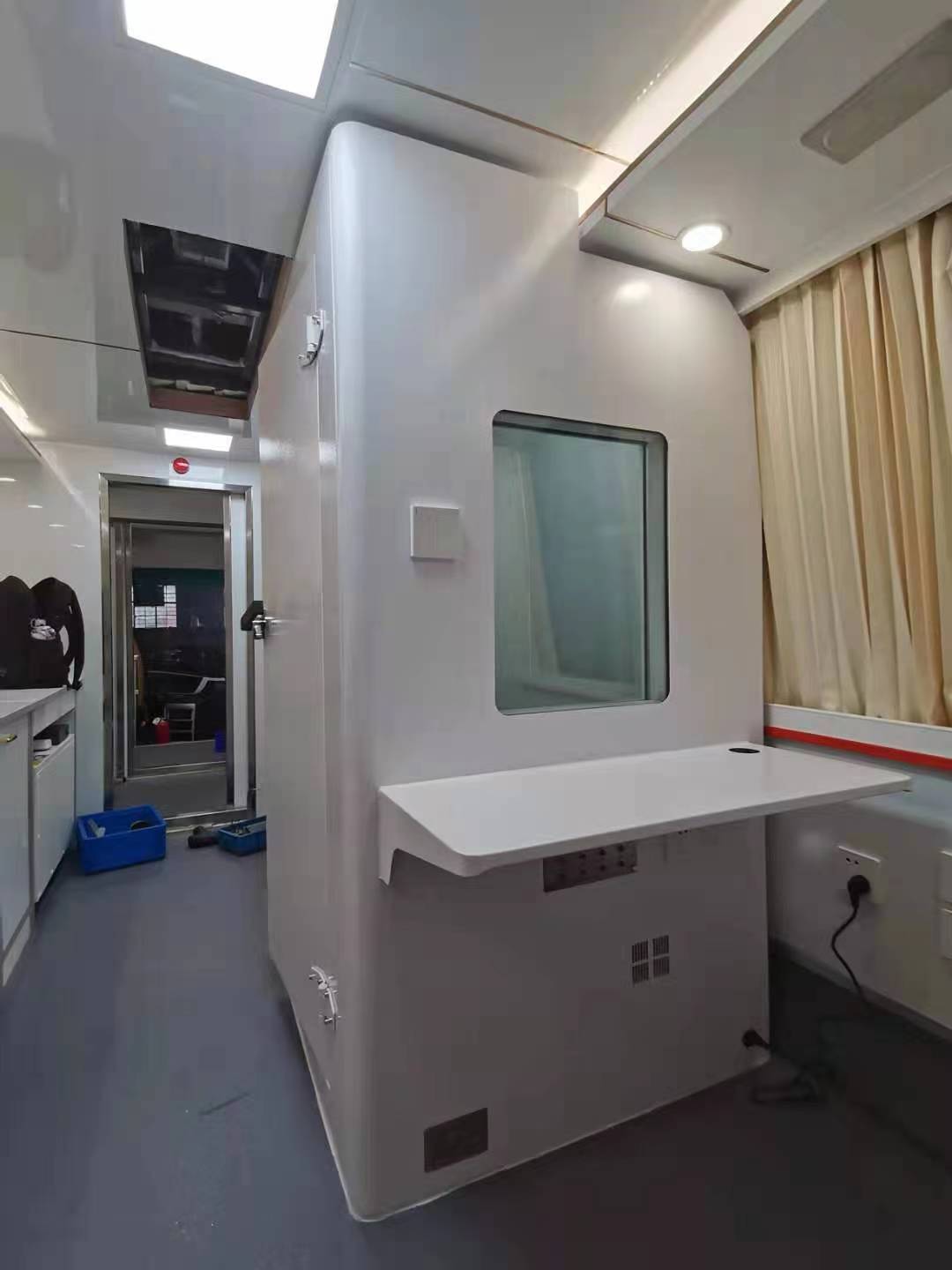
The audiometric rooms typically include: electrical audiometric rooms - pure tone audiometric rooms, sound field audiometric rooms, and behavioral audiometric rooms, among others. Essentially, audiometric rooms are medical facilities designed to provide a relatively quiet environment for otolaryngologists to conduct hearing tests. In simpler terms, they are constructed to meet the needs of ear specialists during hearing assessments. The ambient noise level within an audiometric room should not exceed 30dB(A), with variations depending on the testing method. For instance, during sound field testing, the ambient noise requirements are higher. When conducting electrical audiometry, patients must be placed in a quiet environment to measure thresholds at different frequencies. Therefore, based on the testing method, audiometric rooms used in clinical settings within the medical field are referred to as electrical audiometric rooms (pure tone), sound field audiometric rooms, and behavioral audiometric rooms, etc. Other types of audiometric rooms usually include those for physical examinations, known as physical examination audiometric rooms, as they are primarily used for occupational health system physical exams. Some are also installed on mobile examination vehicles and are thus called mobile audiometric rooms. Despite different names, they essentially serve the same purpose, which is to ensure the soundproofing of the audiometric room meets the requirements for hearing tests. Mobile audiometric rooms are used for on-site hearing test examinations, providing convenient and quick services for both patients and healthcare professionals.