














Product Specifications
Custom Processing & Tailoring:Is Model:Auditory Screening Room Brand:Zhongke Xunda Alarm Mode:- Frequency Range:- Scope of Work:- Working Voltage:- Dimensions:- Weight:- Application Scope:- -:-

Product Features
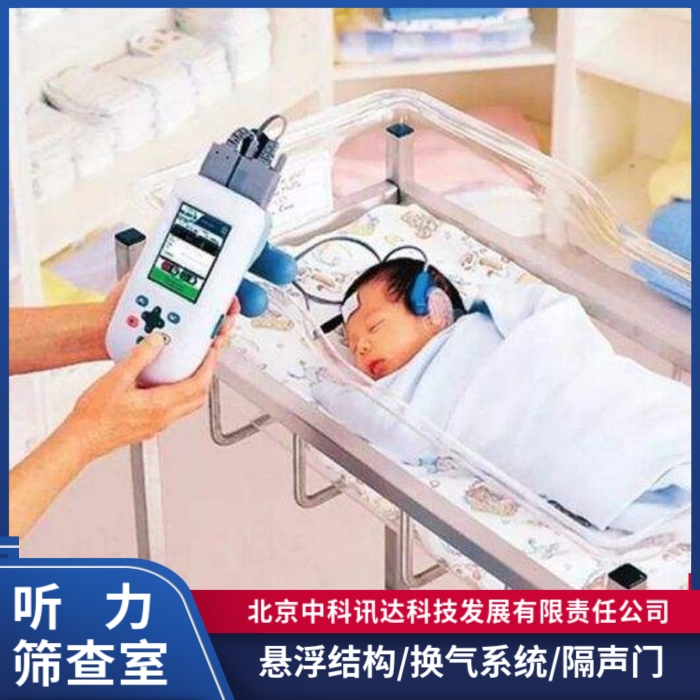
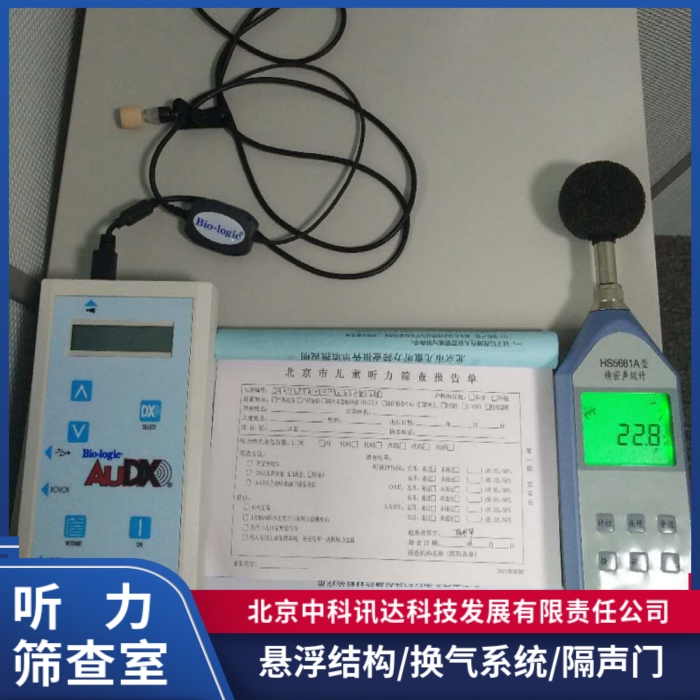
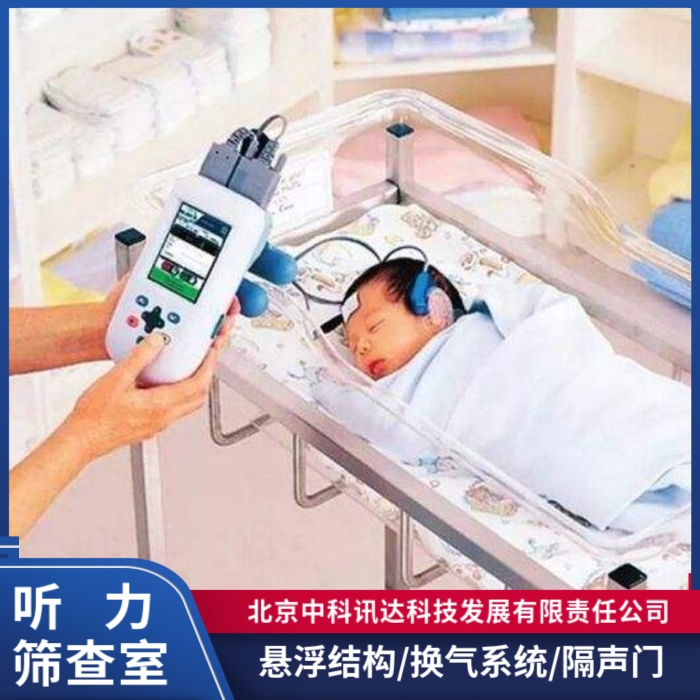
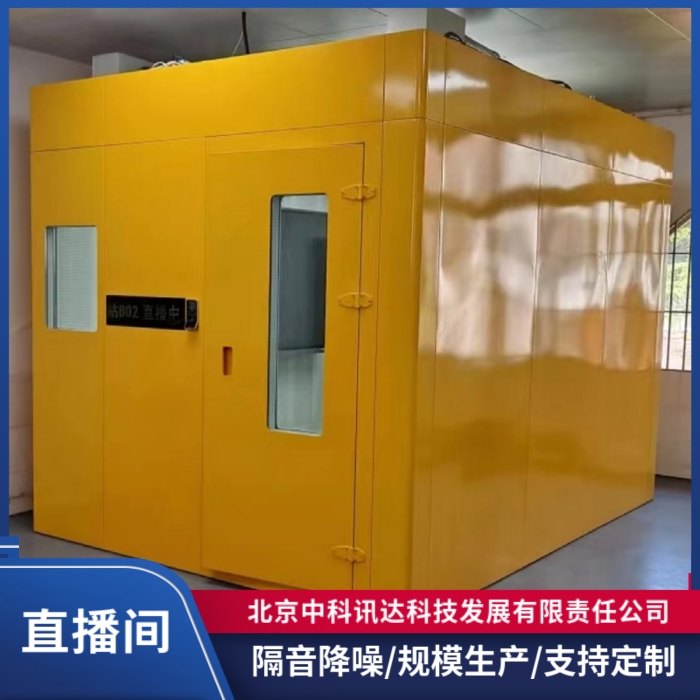
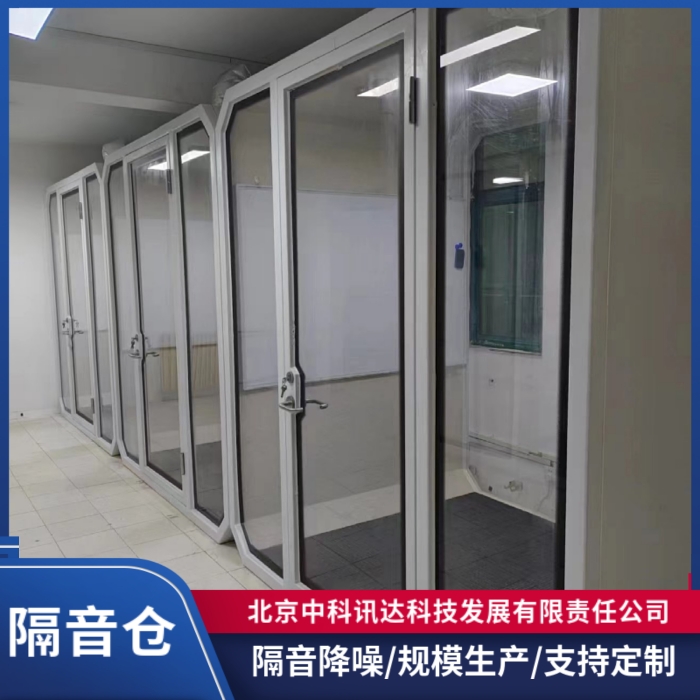
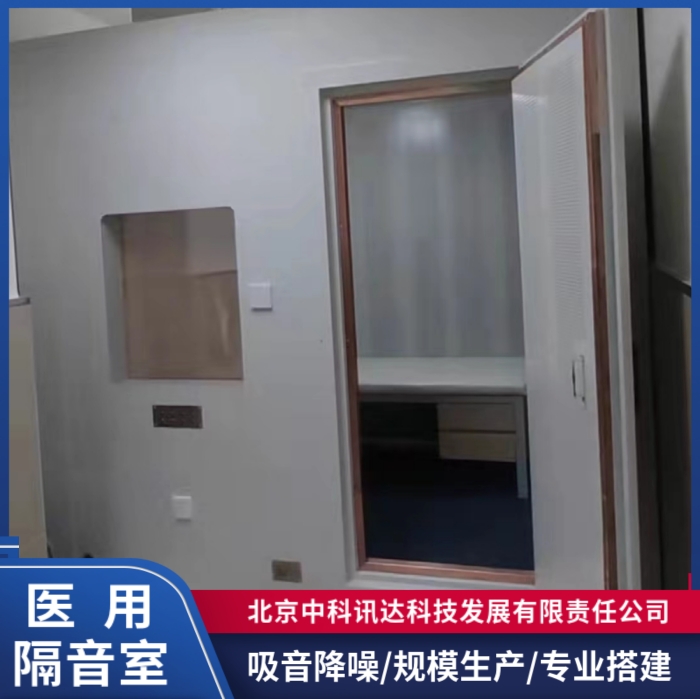
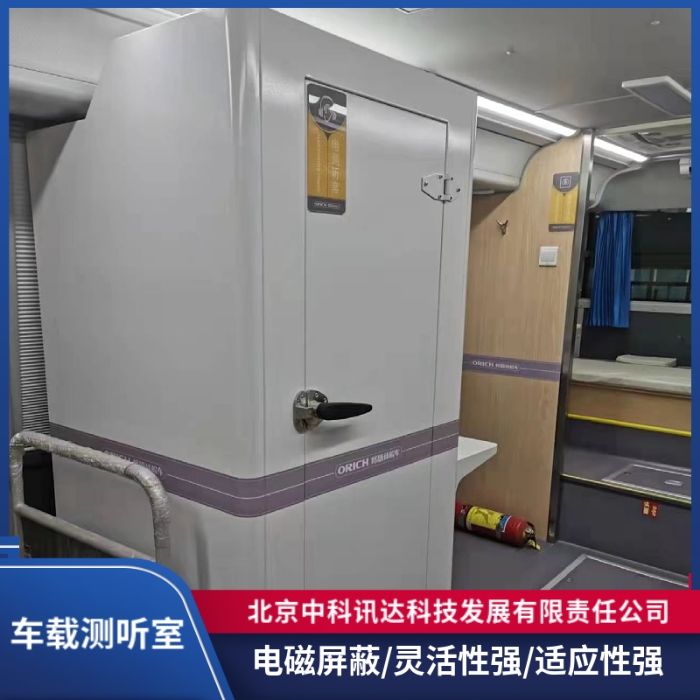
The Auditory Screening Room is a type of medical soundproof room, specifically designed for hearing tests. Its primary function is to provide an ideal listening environment for accurate assessment of an individual's hearing condition. Auditory Screening Rooms are commonly used for hearing screenings in disease control and occupational prevention systems, as well as in clinics and other medical institutions offering hearing testing services.
The structure and construction of an audiometric screening room typically include the following aspects:
- Sound Insulation PerformanceThe hearing screening room should have excellent soundproofing capabilities to minimize external noise interference with the test results. This is typically achieved through the use of soundproofing materials, double-glazed windows and doors, and sealed structures.
- Ventilation and LightingTo ensure the comfort and safety of the hearing screening room, ventilation and lighting equipment must be installed. The ventilation equipment should be located away from the hearing room to reduce background noise, and the lighting equipment should use tungsten lamps or other low-magnetic interference lighting, ensuring moderate brightness.
- Suspended StructureTo minimize vibration interference transmitted through the ground, hearing screening rooms typically employ floating structures, such as floating floors and spring suspended ceilings.
Product Real Shot