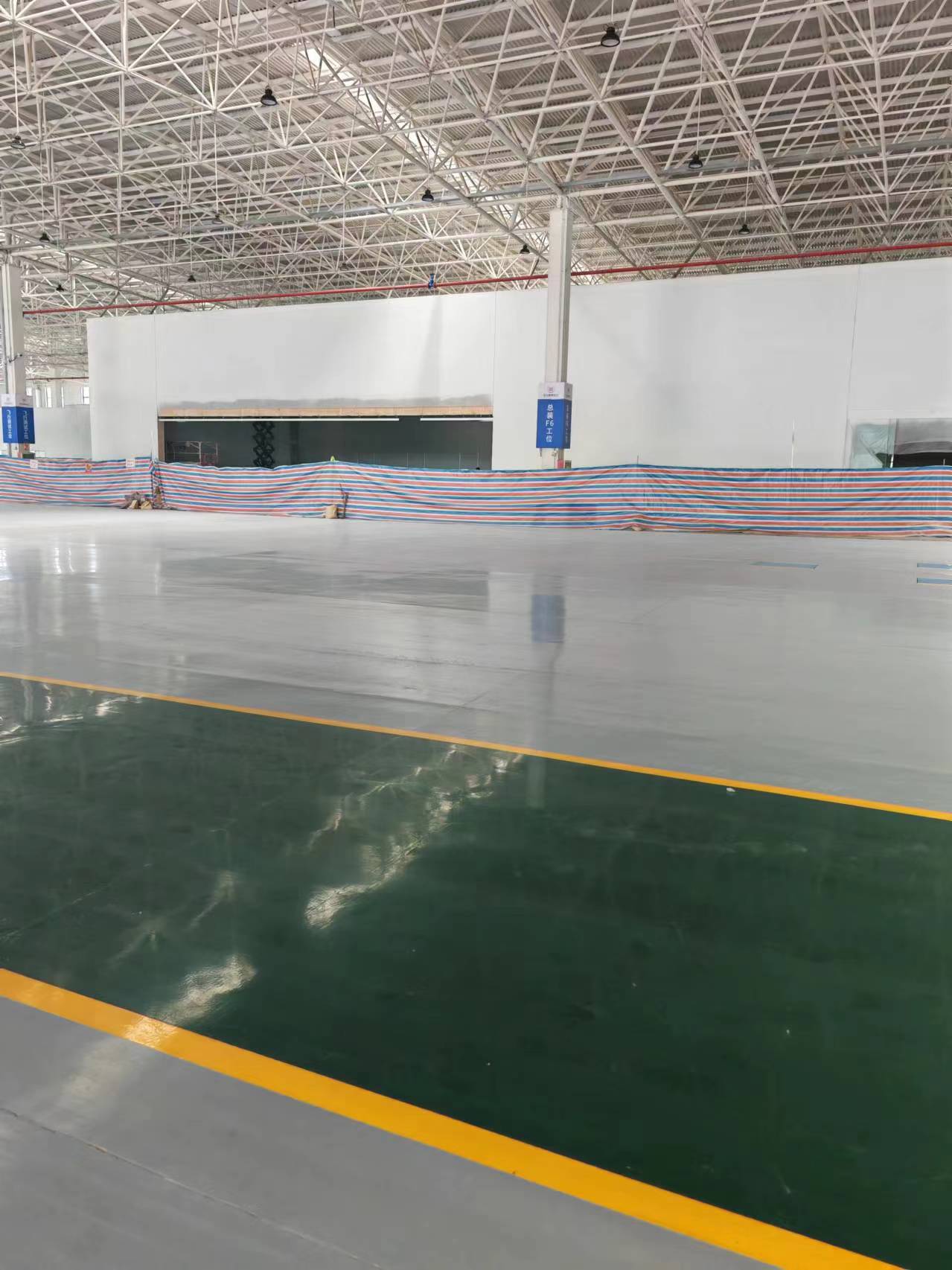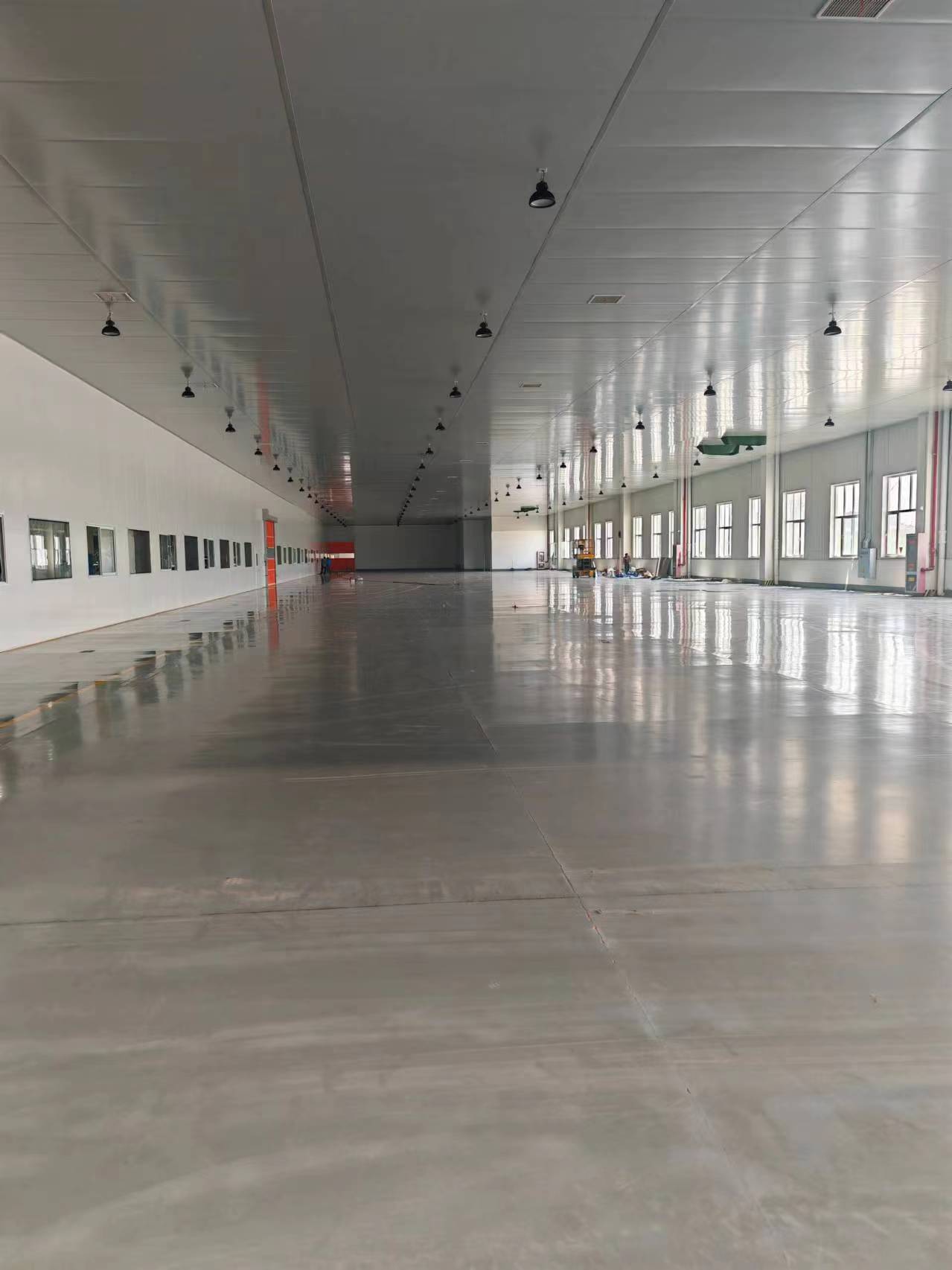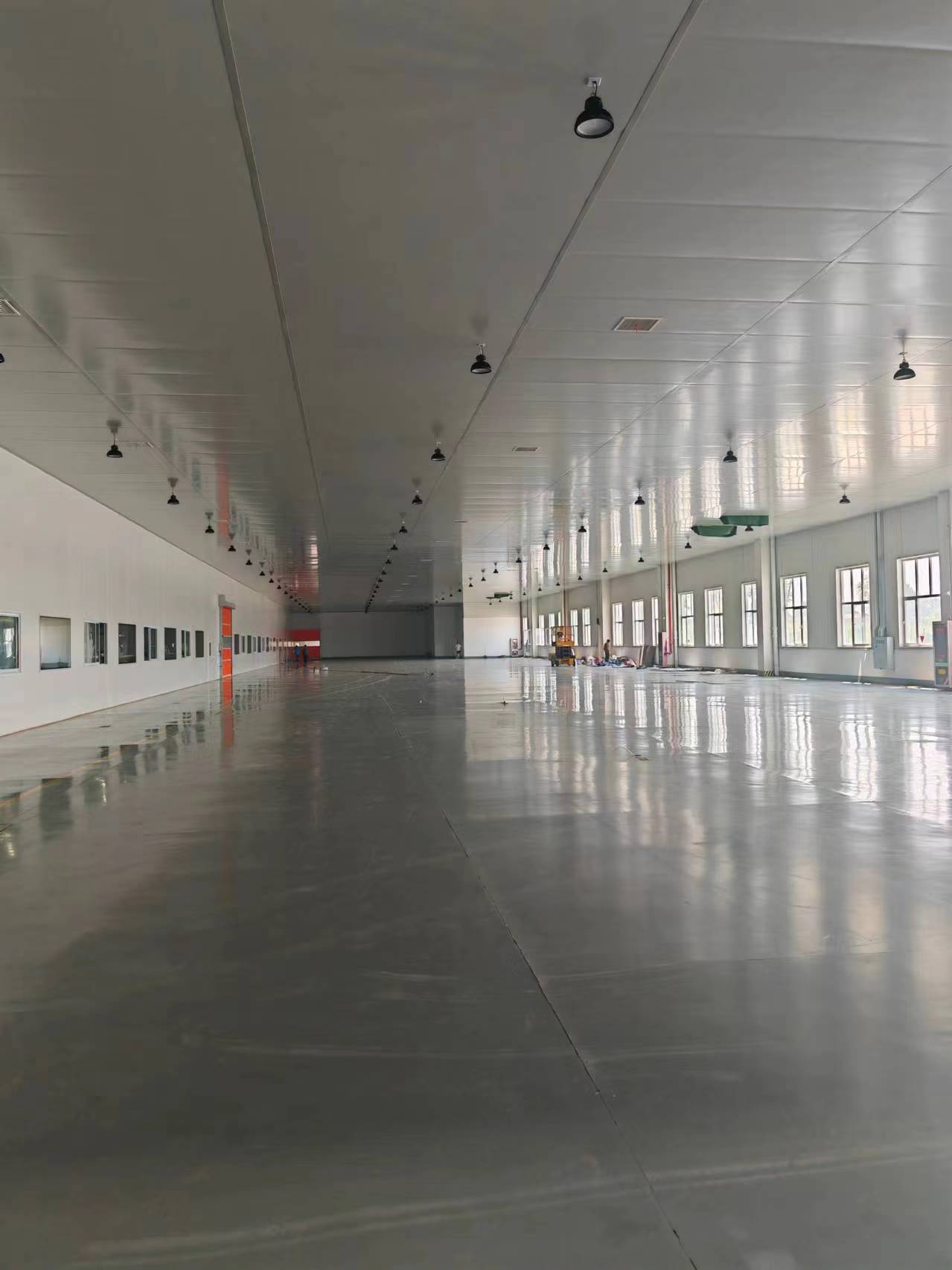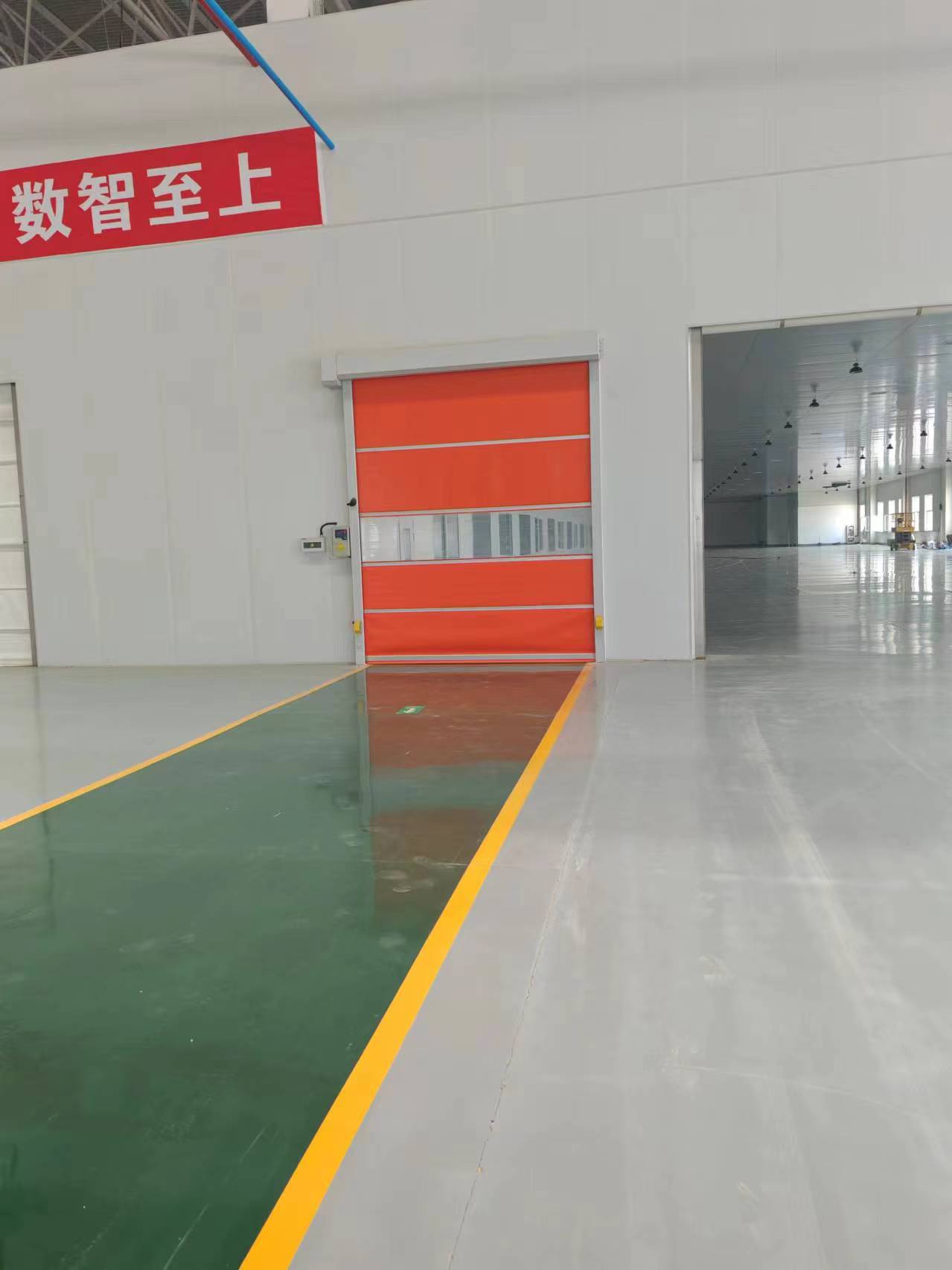












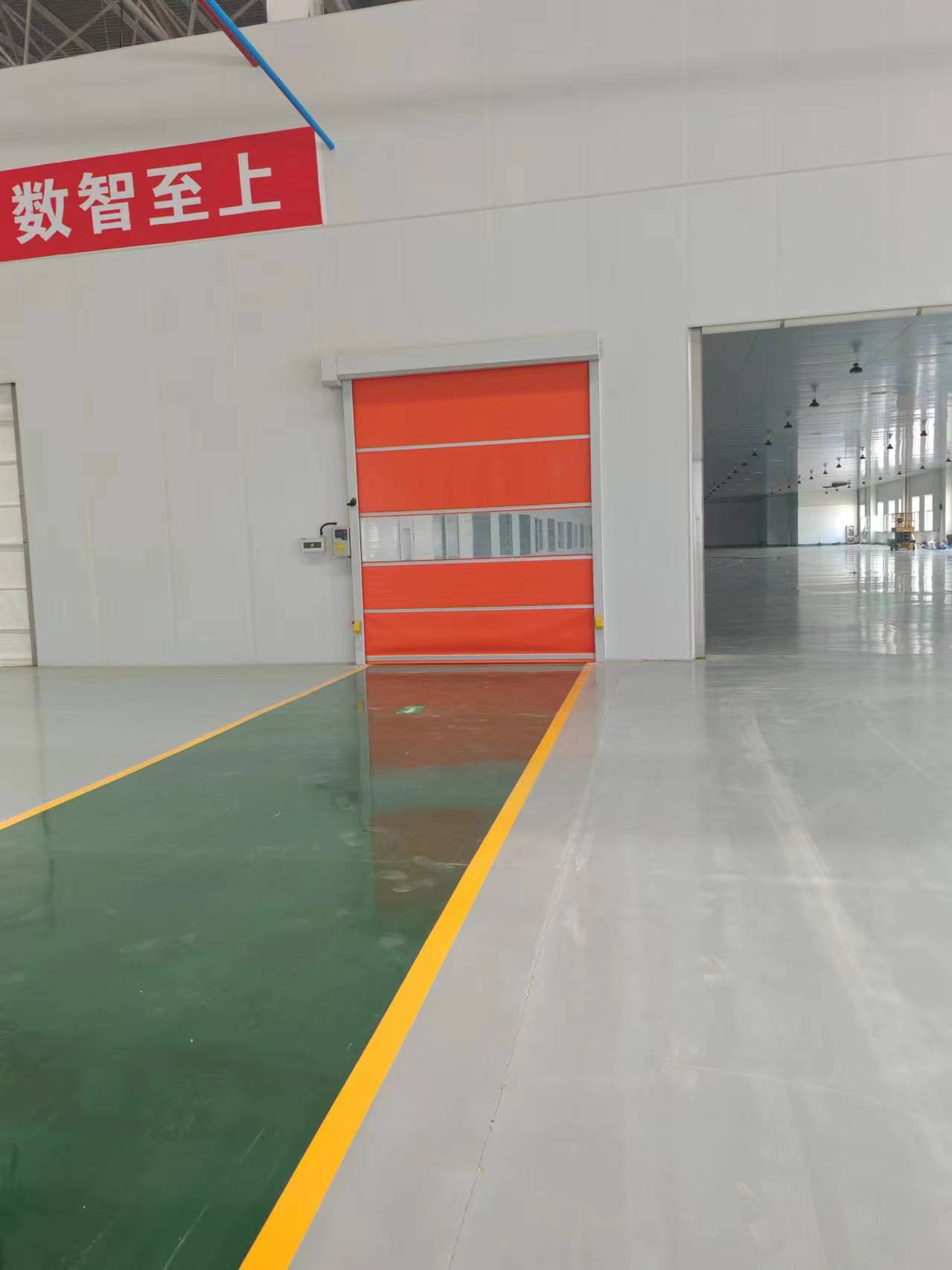
With the continuous development of modern industry and the increasing maturity of technology, the chemical manufacturing industry has higher and higher requirements for cleanrooms. Below, we will carefully understand the standard requirements for cleanroom workshops in chemical factories. 1. Air Cleanliness Standards Air cleanliness technology is the technology to establish a clean environment, and the main quality of a clean environment is air cleanliness. Air cleanliness refers to the degree of dust content in the clean air environment. High dust concentration results in lower cleanliness, while low dust concentration indicates higher cleanliness. The air cleanliness standard or level is divided based on dust concentration. That is, a certain range of dust concentration from a low level to a high level not exceeding another high level is defined as a certain air cleanliness level. The air cleanliness level is a core indicator for evaluating the cleanliness of the air environment. China's "Clean Room Design Code" stipulates the standard for air cleanliness levels in clean rooms. 2. Design Principles of Cleanrooms A cleanroom is an indoor space created with efforts to maintain the required cleanliness level by using air filtration and other measures, and it is the most important and representative measure for creating a clean microenvironment through air cleanliness technology. Specifically, it involves making the air pass through a series of filters with increasing efficiency (initial, medium, and high), utilizing the inertial and diffusive effects of particles to adsorb them on the filters. After undergoing a series of processes including heating (cooling), humidification (dehumidification), and others, the purified air is then sent into the cleanroom through ventilation ducts to meet the requirements for the cleanliness level of the indoor air. 3. Design Requirements for Cleanrooms 1. Position of进出口 Generally, every workshop must have an entrance and exit, and these are also the most susceptible to contamination. Therefore, when setting up the entrance and exit of a cleanroom workshop, we must pay special attention to keeping them away from other equipment to avoid cross-contamination. 2. Control of Personnel and Material Entry and Exit Each time personnel and materials enter and exit can affect the cleanroom workshop. Therefore, different personnel and materials should have their own independent purification facilities and should not be shared. In addition, we must control the number of times personnel and materials enter and exit. 3. Arrangement of Materials Divide the areas according to the degree of use of the cleanroom workshop in your factory. Of course, the division of areas in cleanroom workshops of different scales is not entirely the same. Generally, auxiliary material areas, qualified product areas, and unqualified product areas are set up. If the scale is large, we need to make detailed divisions to avoid pollution as much as possible. The requirements for cleanroom workshops during use are very high, so it is necessary to rationally arrange the space of the workshop to minimize cross-contamination. Only such a cleanroom workshop can improve the efficiency of use and maximize its value. Qingdao Huichengda Construction and Installation Engineering Co., Ltd. is headquartered in the beautiful coastal city of Qingdao Development Zone. It is an engineering company that specializes in industrial project construction. We mainly undertake design and construction, as well as permit processing for new construction and renovation projects of foreign-funded enterprises: steel structure workshops, warehouses, and cleanroom design and construction. Welcome to call for consultation!!!