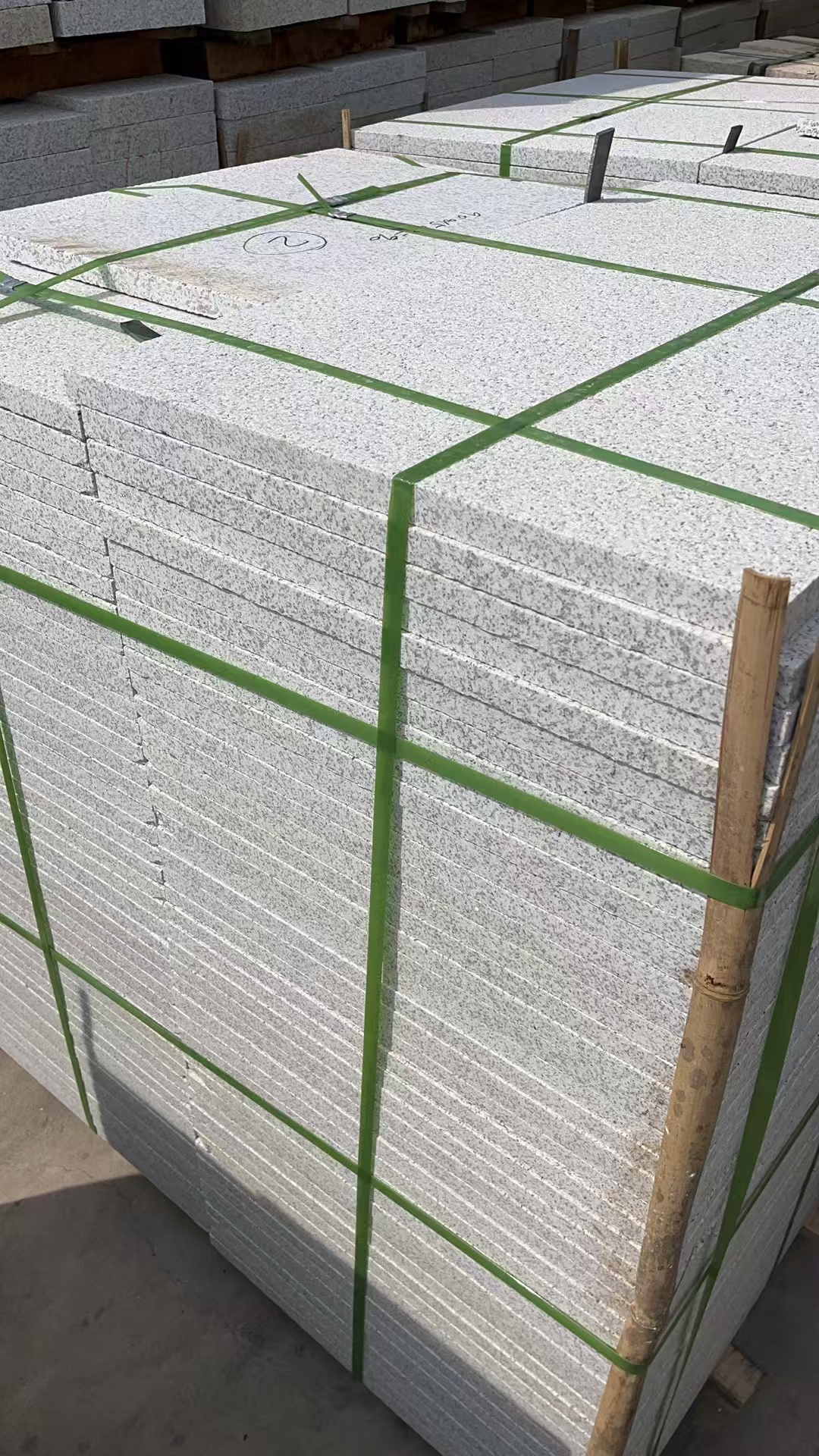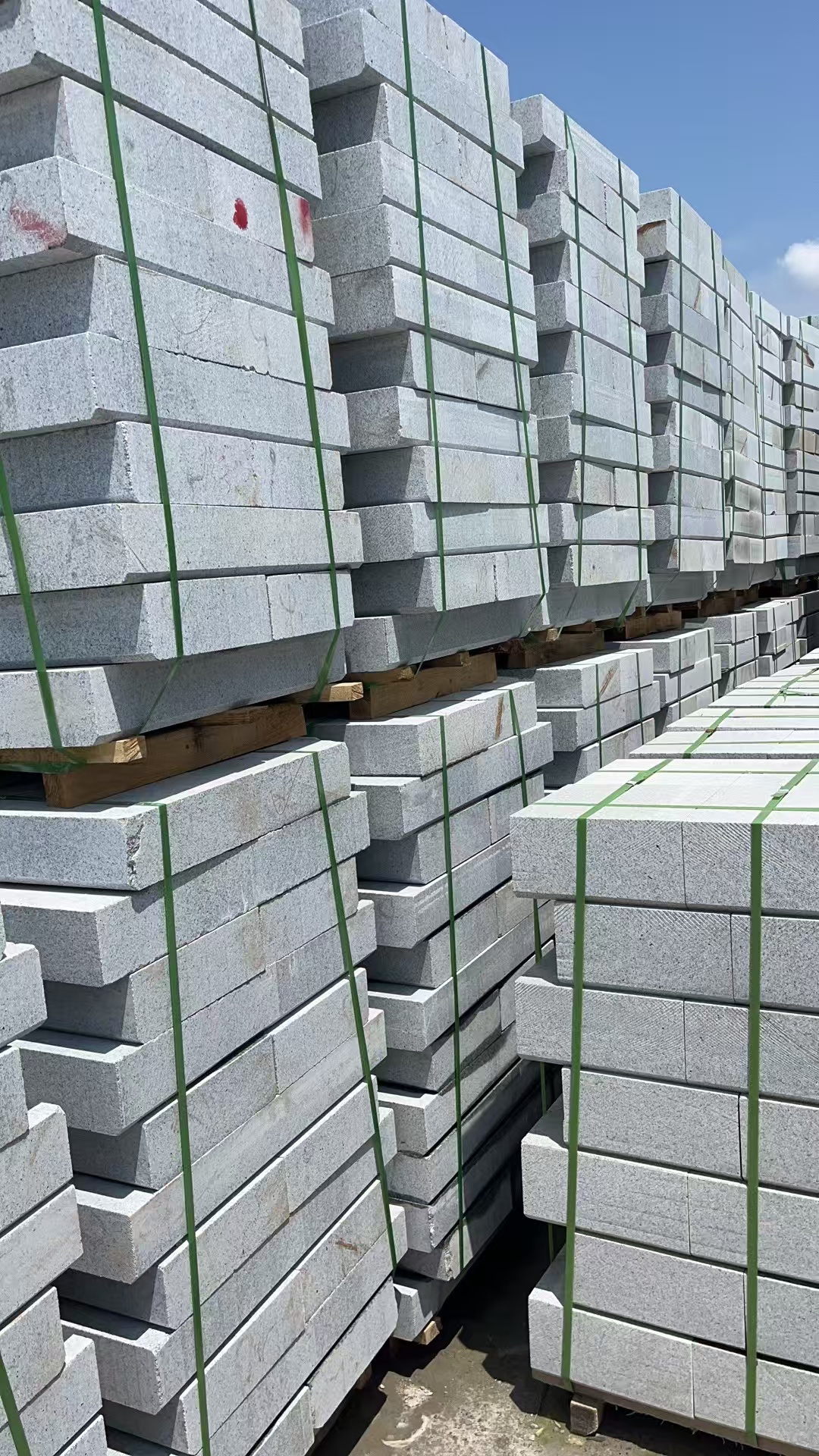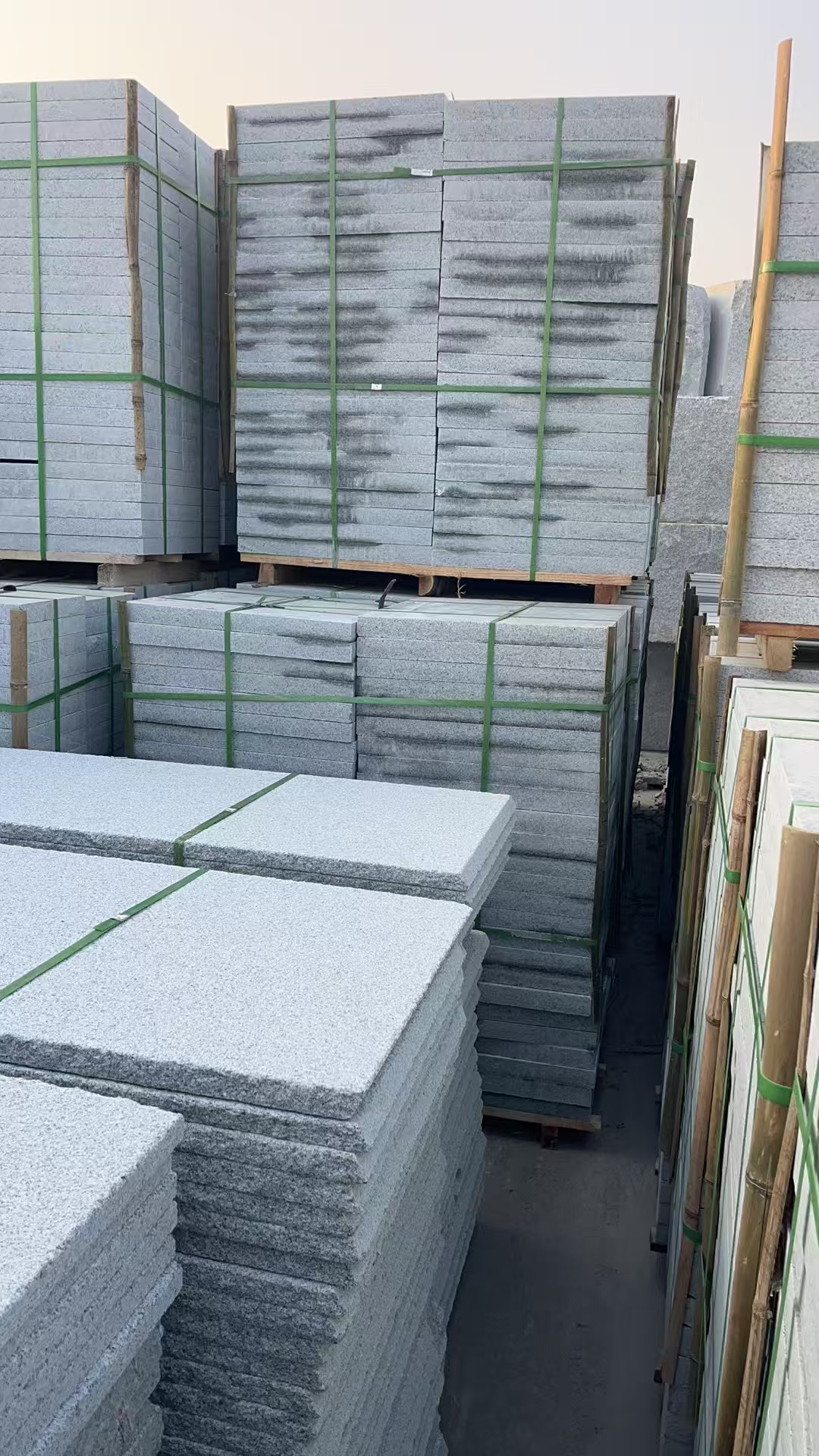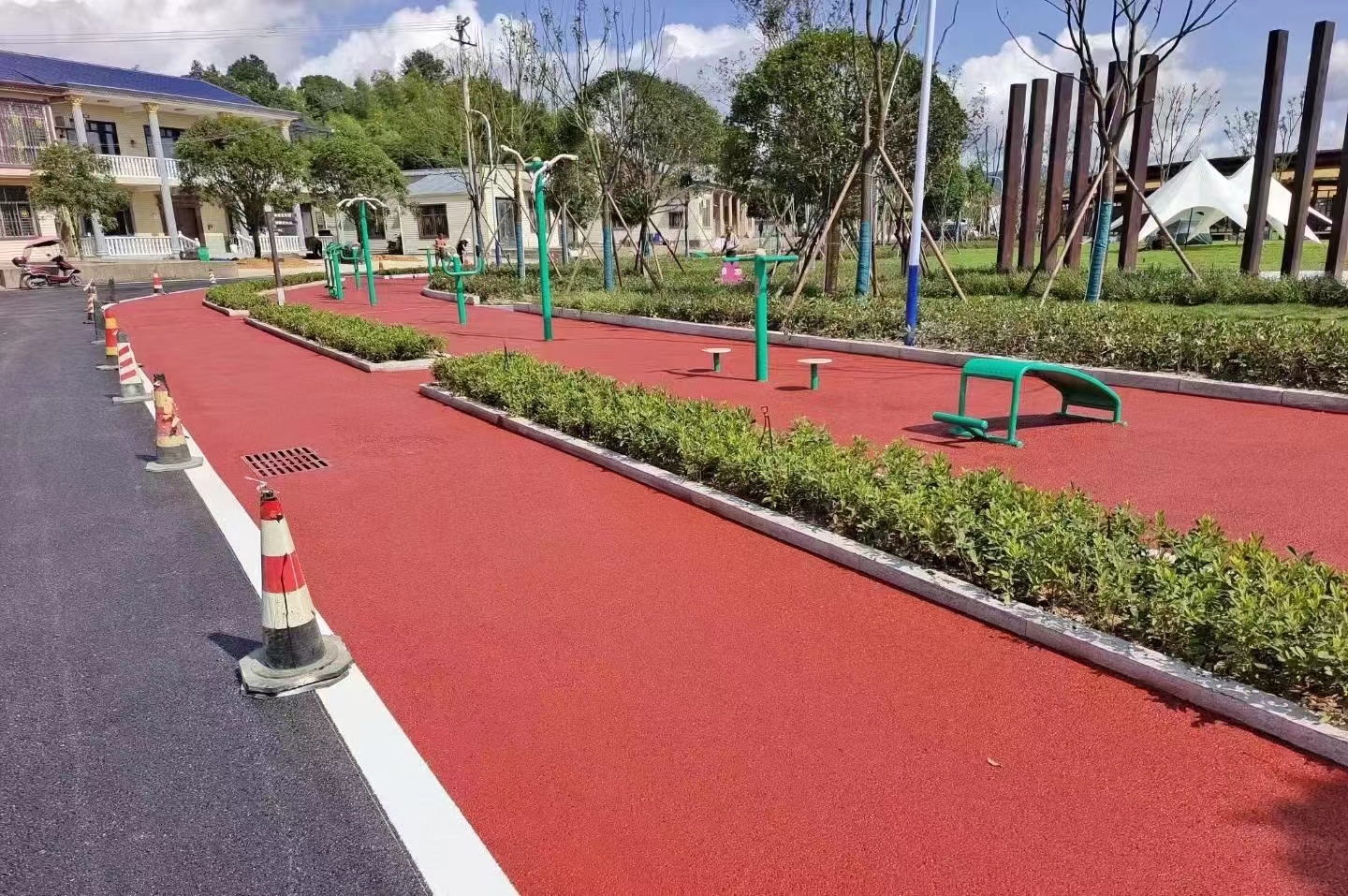

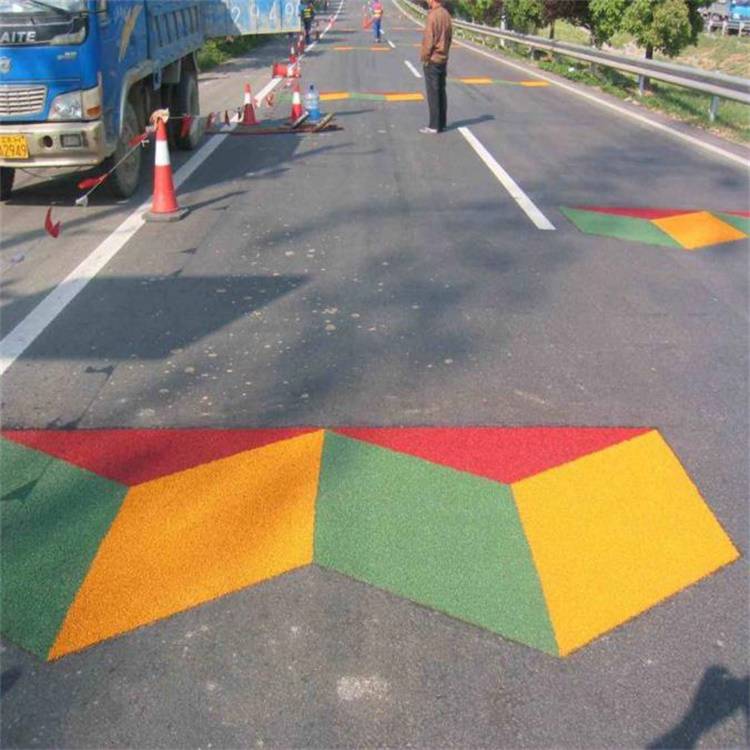
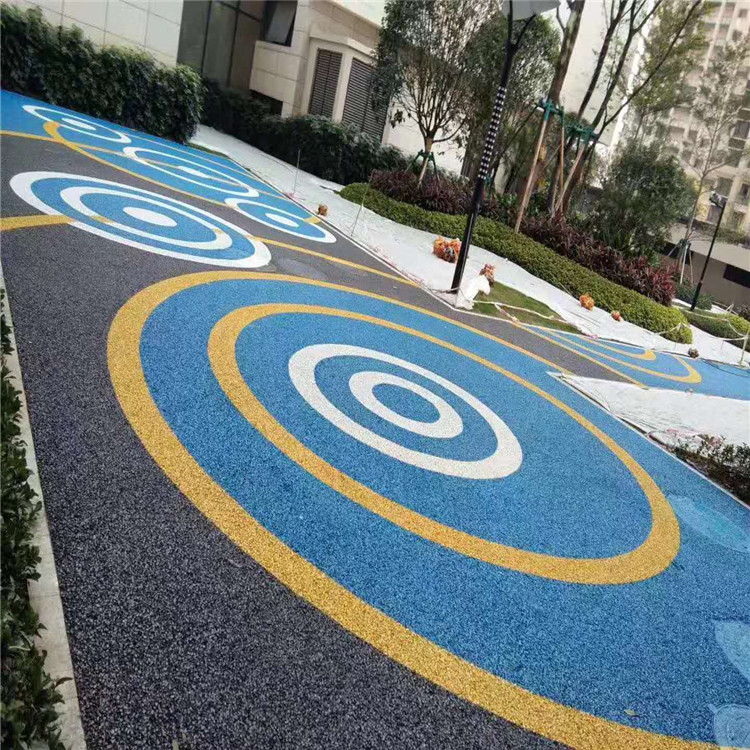


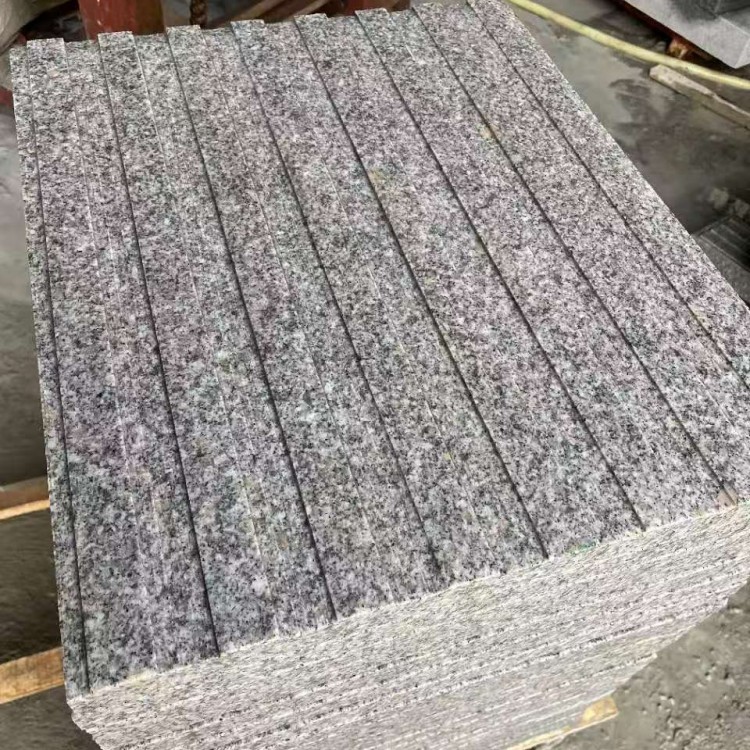







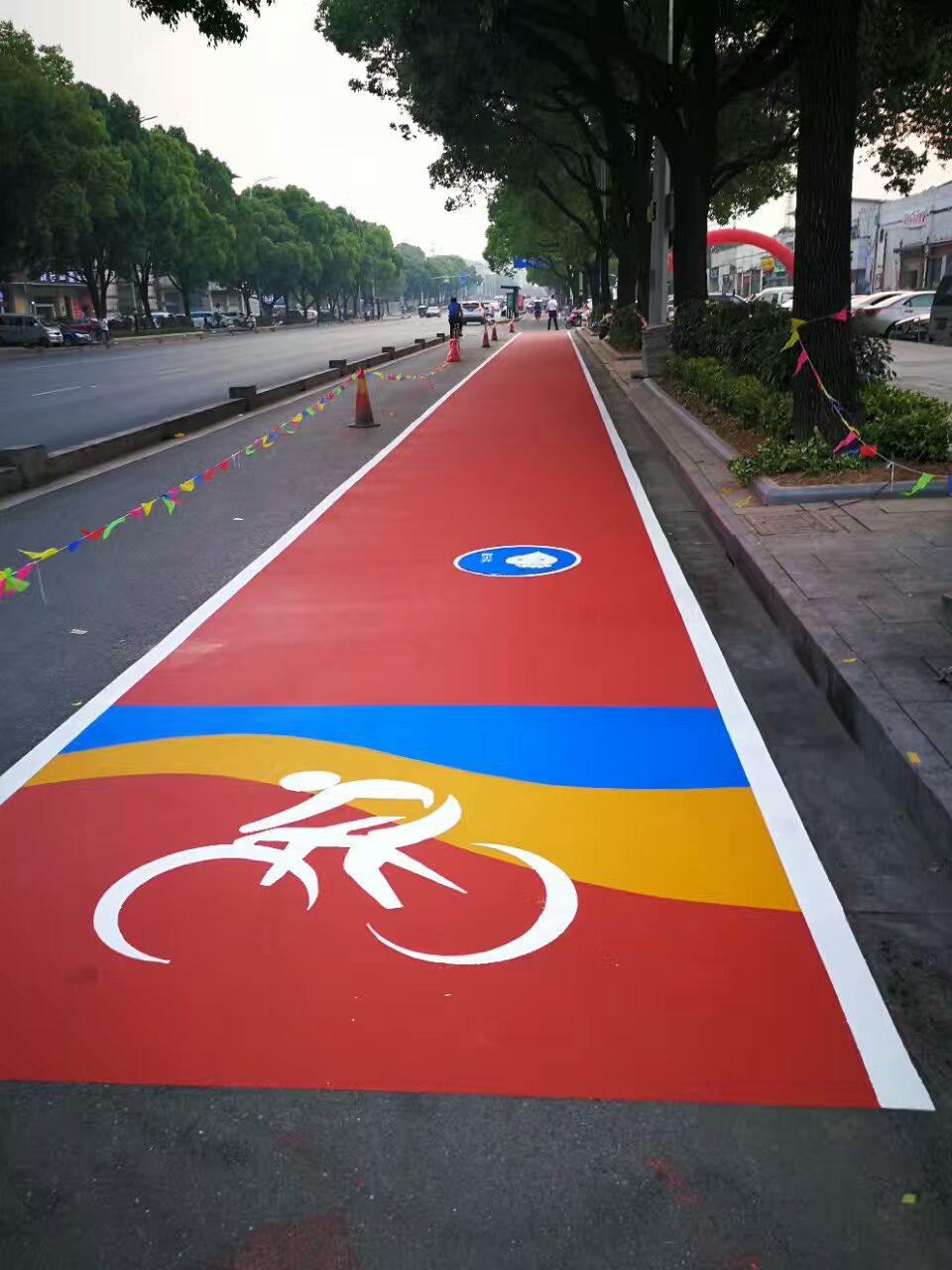
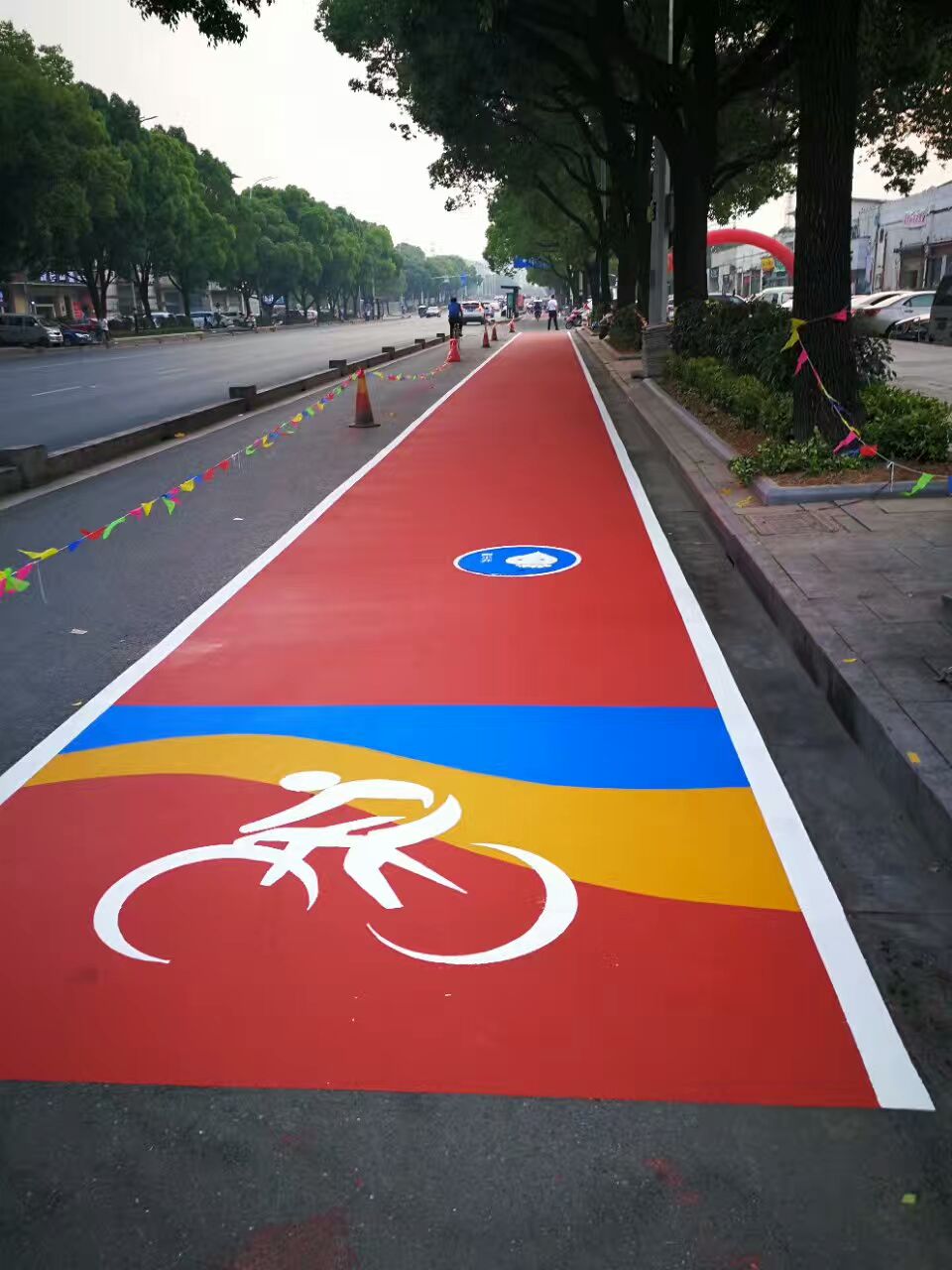
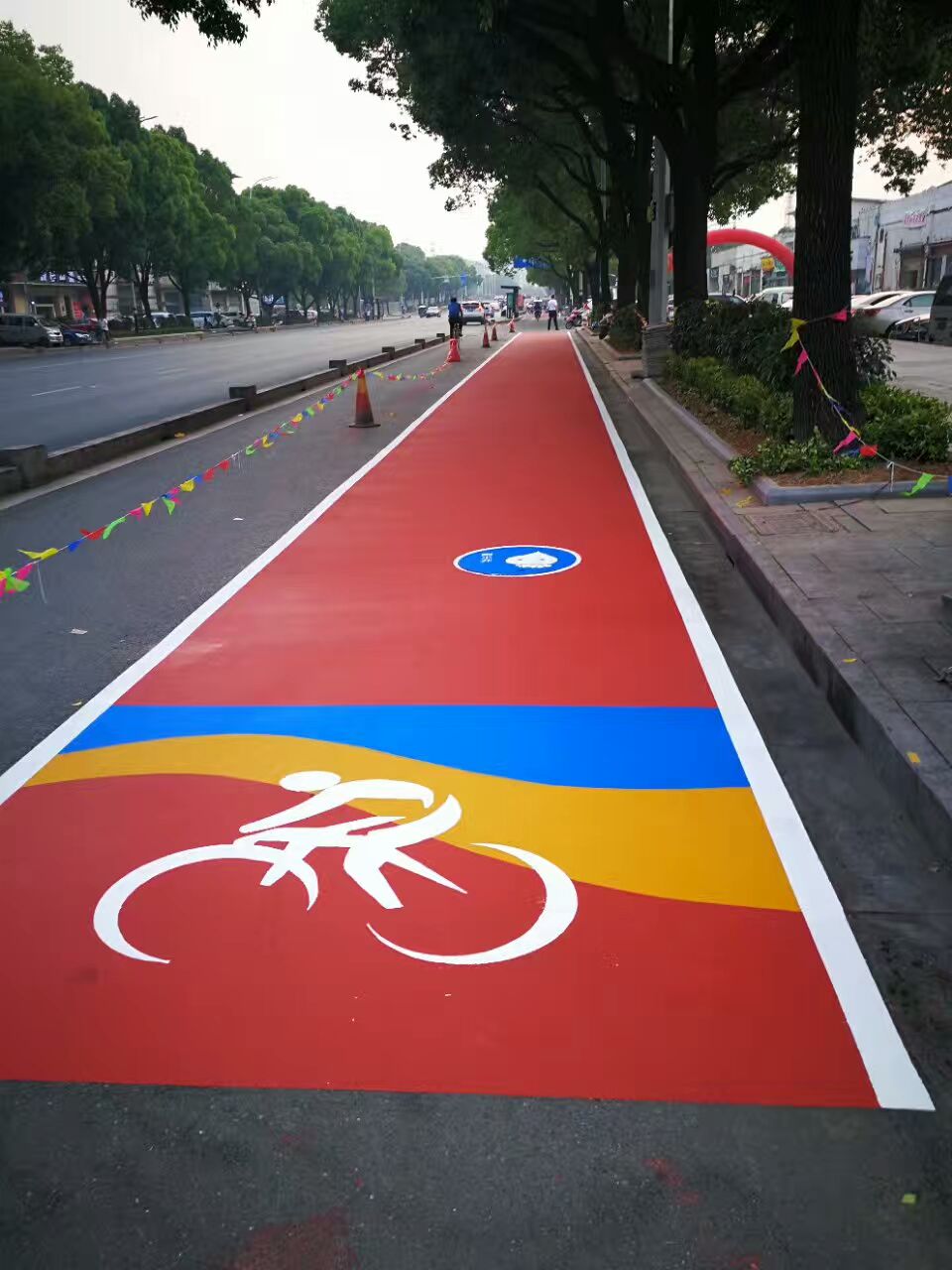
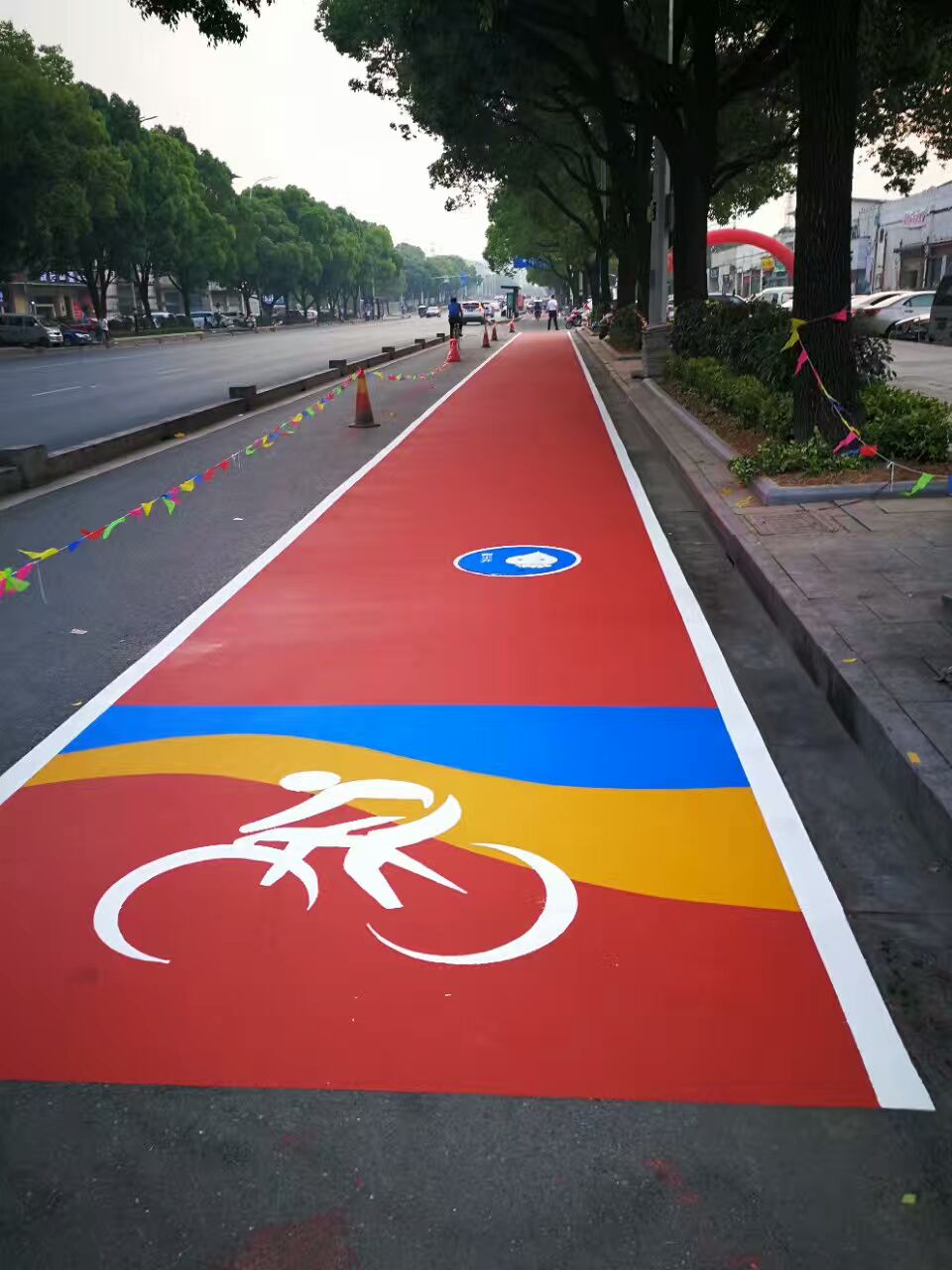
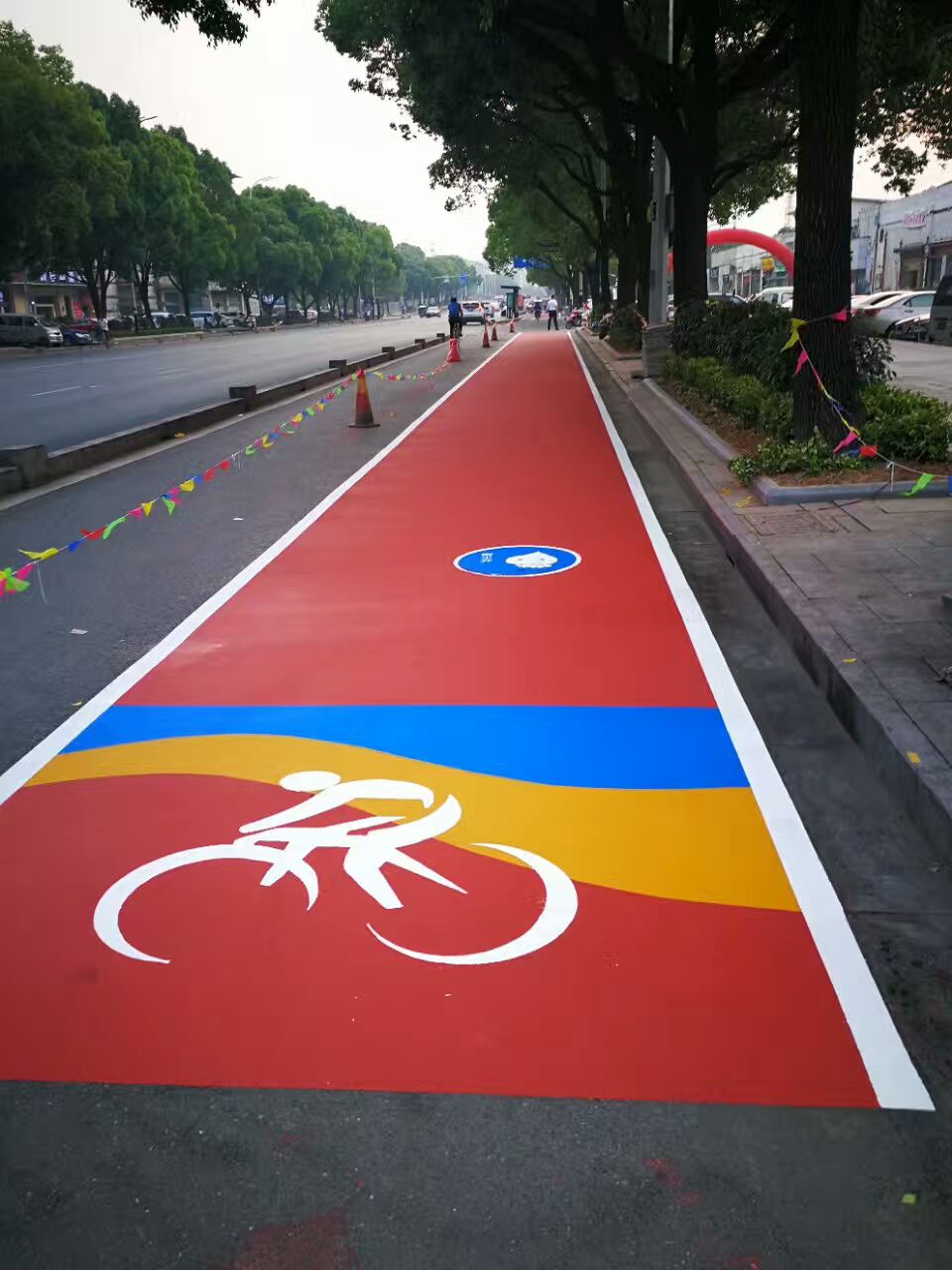
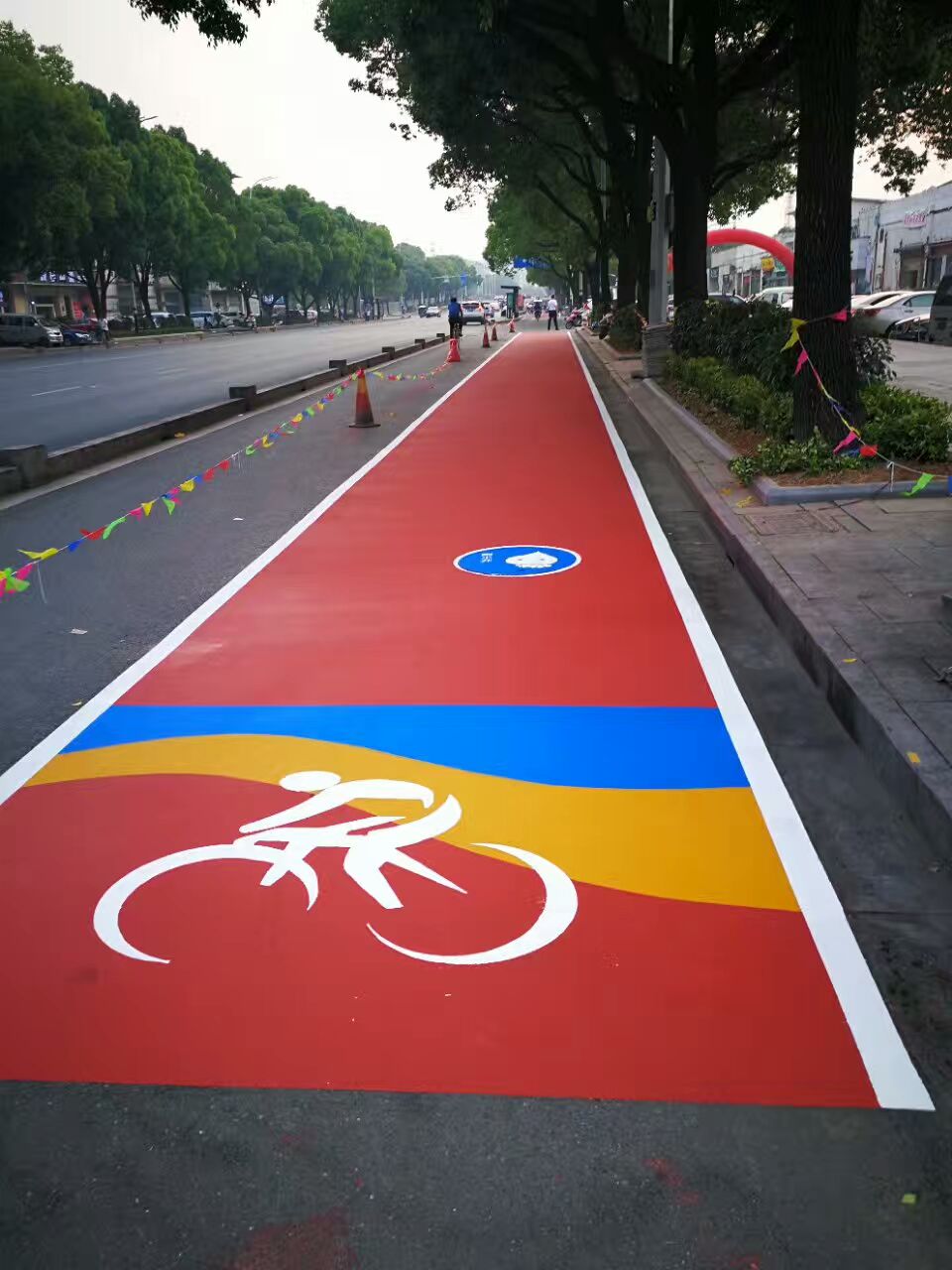
Traditional cement and asphalt pavements cannot retain rainwater, but this will be completely changed with the use of some eco-permeable materials.”Porous concrete allows rainwater to seep through pavement cracks and infiltrate into the underlying strata, where it can be stored for a period.“As summer temperatures rise, standing on it, one can distinctly feel the difference in humidity and temperature compared to other surfaces—this is the spongy effect.”。

Permeable concrete construction measurement
1. Set up on-site weighing scales. Strictly adhere to the design specifications for batching; each cement measurement is designed per bag, gravel is weighed using a small trolley, and various additives are precisely measured in barrel-type containers; for quicker measurement, mark clear lines on the vehicle or barrel after a good initial weighing, but weighing is still required each time.
2. Stirring
Place aggregates, cement, and additives in the mixer and mix for about 1 minute. Then, add water as needed based on the workability of the mixture until it reaches the required consistency.
3. Shipping:
The mixture is transported to the construction site by engineering vehicles or hand.

4. Permeable Concrete Paving
a. Subgrade Preparation: Clean the subgrade surface ensuring it is free of dust, twigs, paper debris, and other debris. Moisten the subgrade surface before laying.
b. Fabric: Consider the compacted预留 height when laying permeable paving. When using manual fabric for permeable paving, use a shovel to reverse the pile and strictly prohibit throwing. If the laying time of permeable paving exceeds 30 minutes or there is strong wind, cover the concrete on site with plastic sheeting to prevent rapid loss of moisture in the permeable paving.
c. Vibration Compaction: After the plain color permeable flooring fabric is completed, it is leveled with a trowel and then compacted using a flat plate vibrator. Once vibration compaction is done, lay the colored permeable flooring or colored aggregate permeable concrete over the surface, smooth it out, promptly replenish any material shortages, and use specialized permeable flooring equipment to compact and level the surface until it is flush with the formwork.
d. Surface Finishing: Promptly trim the edges of the compacted surface with permeable concrete. For areas with insufficient material, fill and trim. For drier sections, spray a uniform layer of water first, then add material for trimming.
e. After the permeable concrete has exposed aggregate and the surface is level and compactness meets requirements, apply a uniform coating of cleaning agent to the surface and then cover it with plastic film; 6-8 hours after spraying (depending on weather conditions), use a high-pressure water jet to rinse the surface, ensuring the cleaning agent is thoroughly cleaned without leaving any residues.
f. Maintenance: After the surface of the permeable pavement is finished, it should be watered lightly and covered with a plastic film for maintenance. The maintenance period is the same as that of normal concrete. During the maintenance period, barriers should be set around the road surface, and it is strictly prohibited to enter on foot or by vehicle.