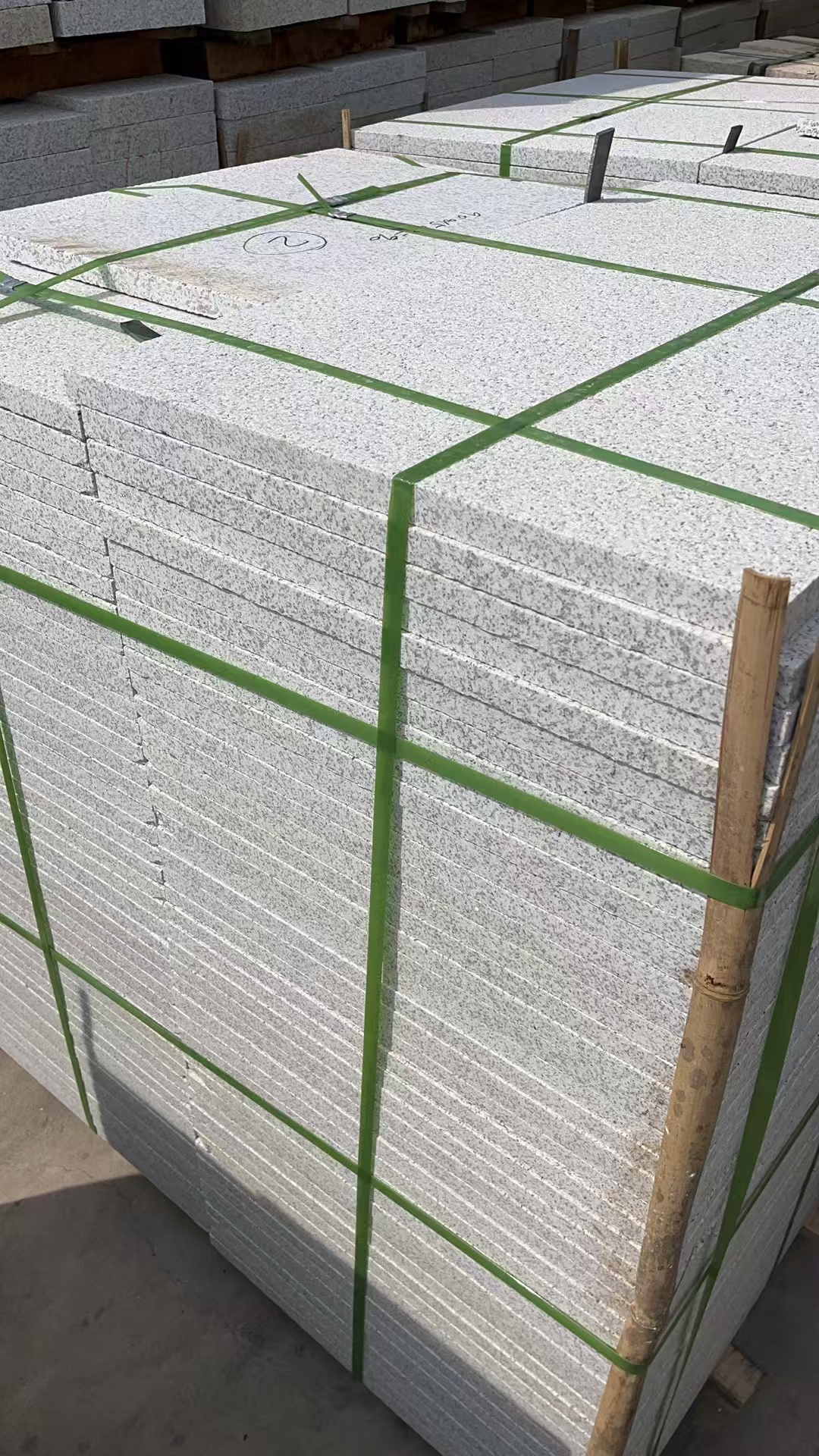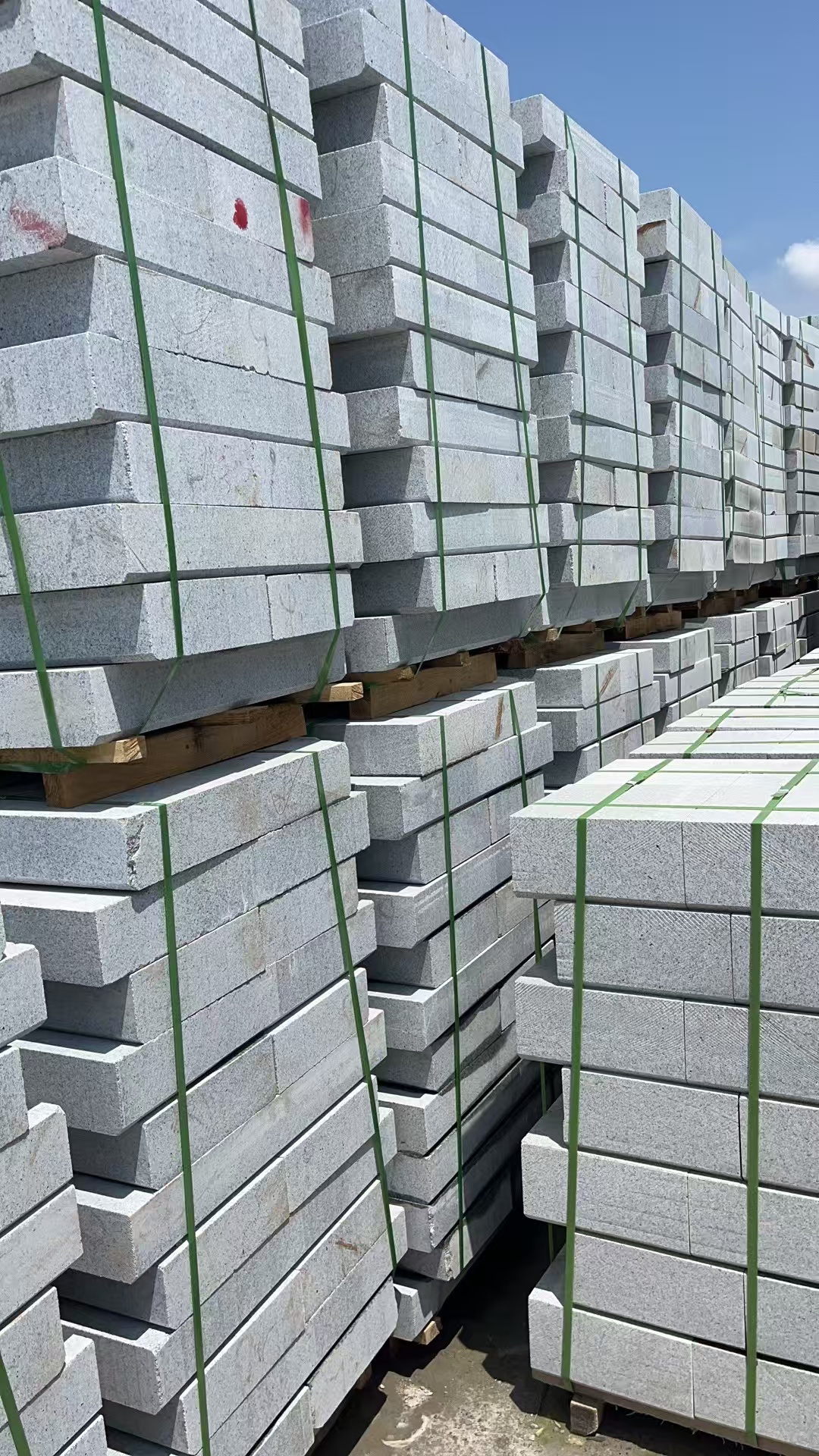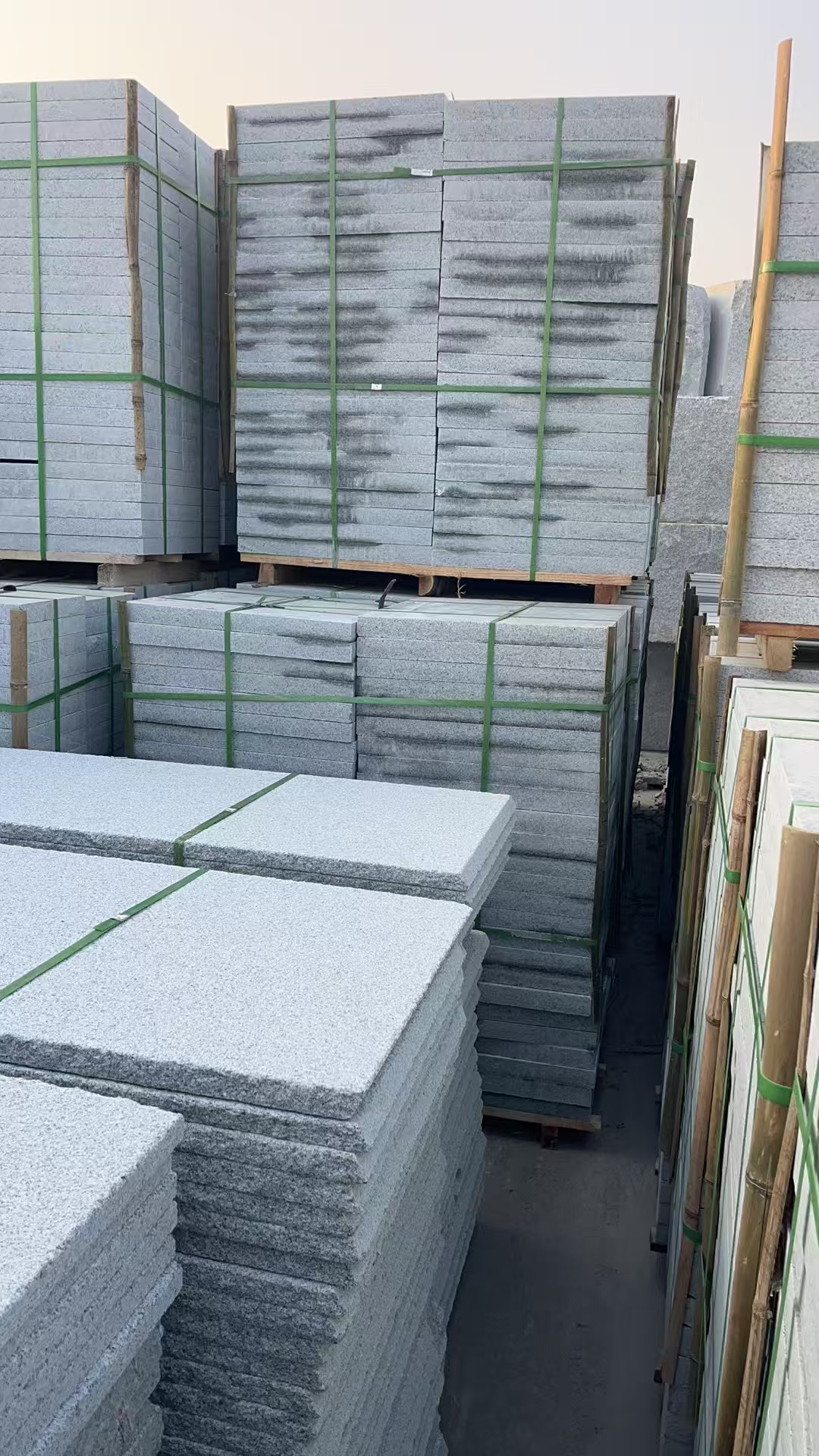







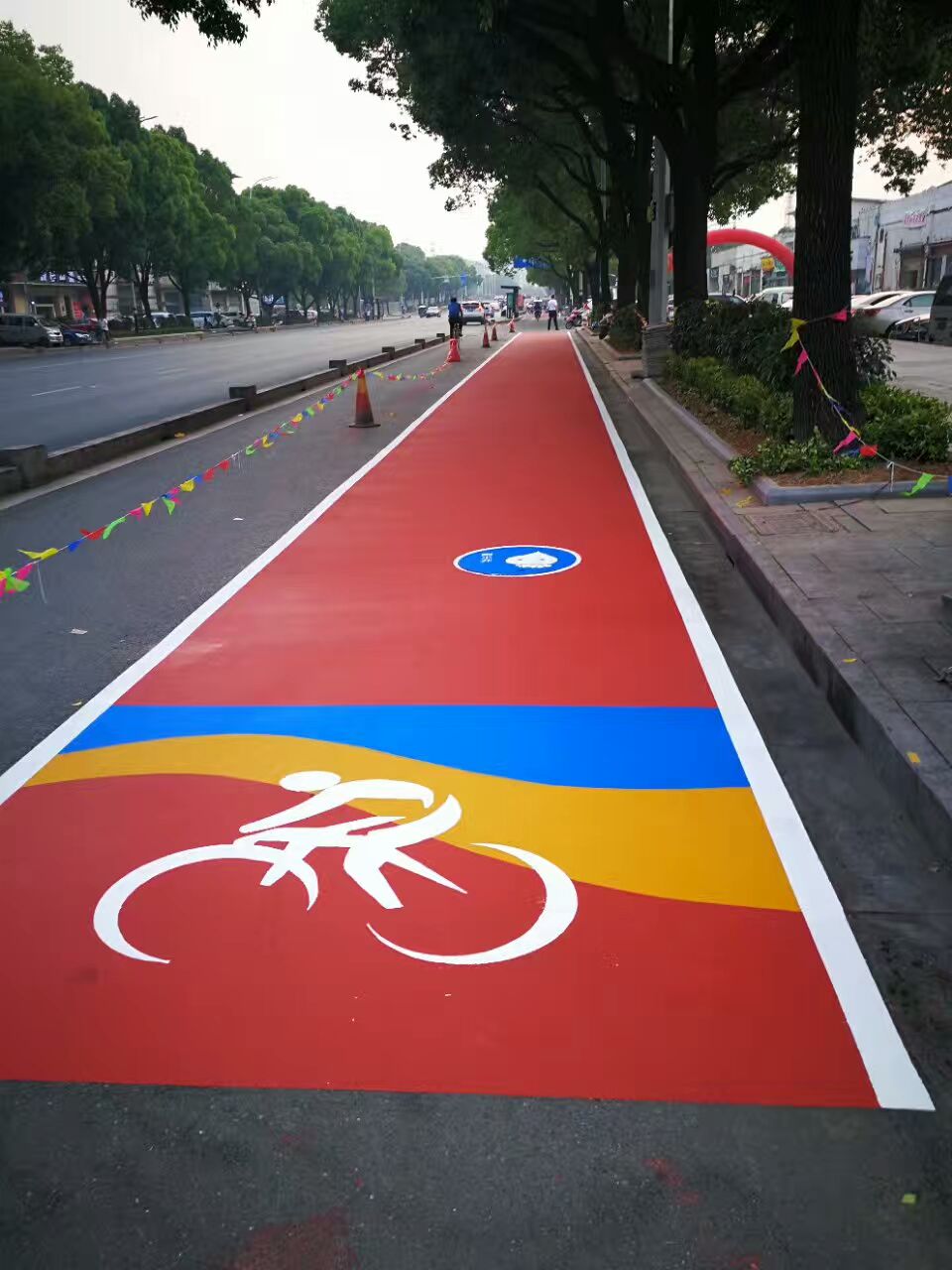
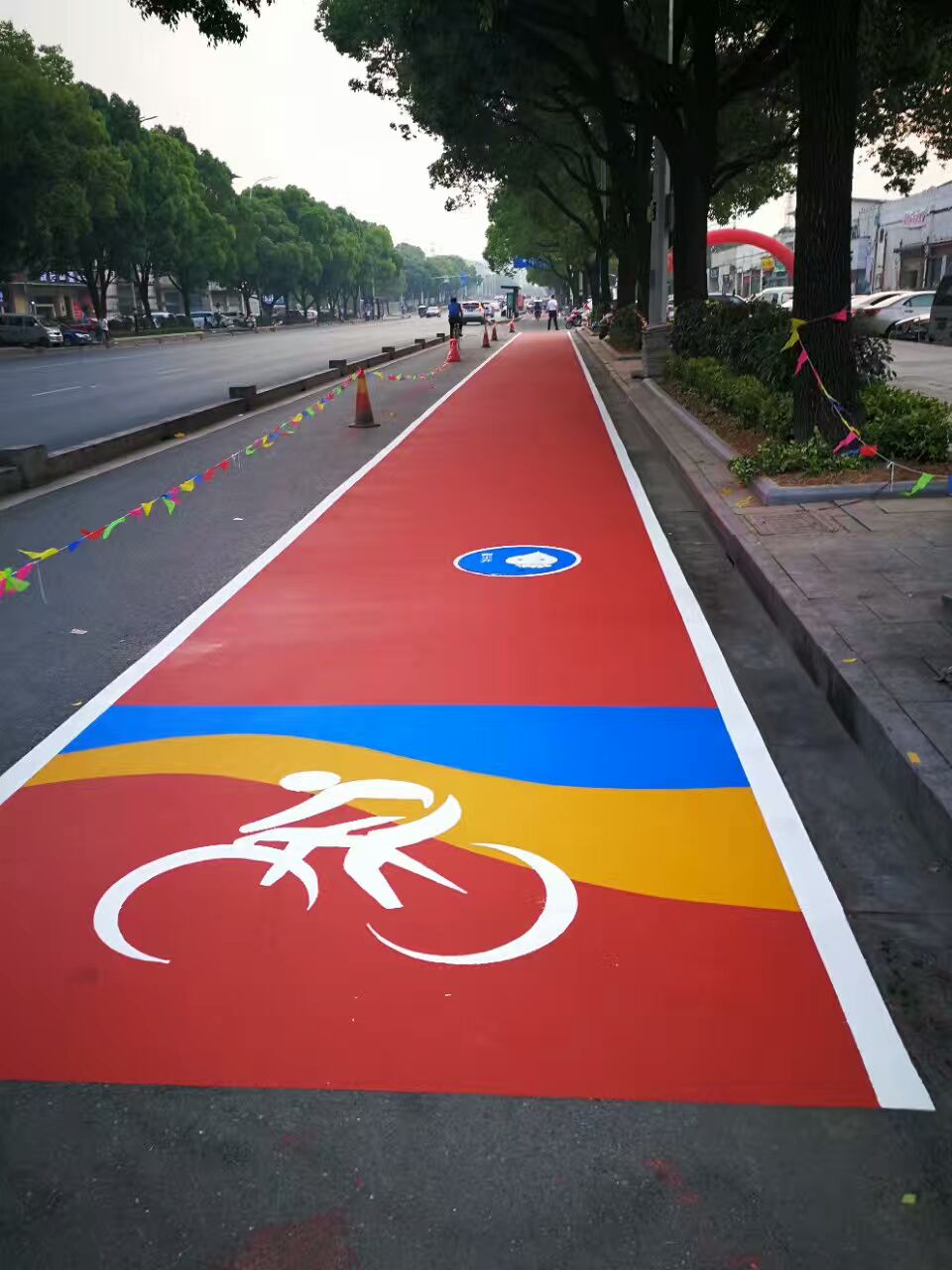
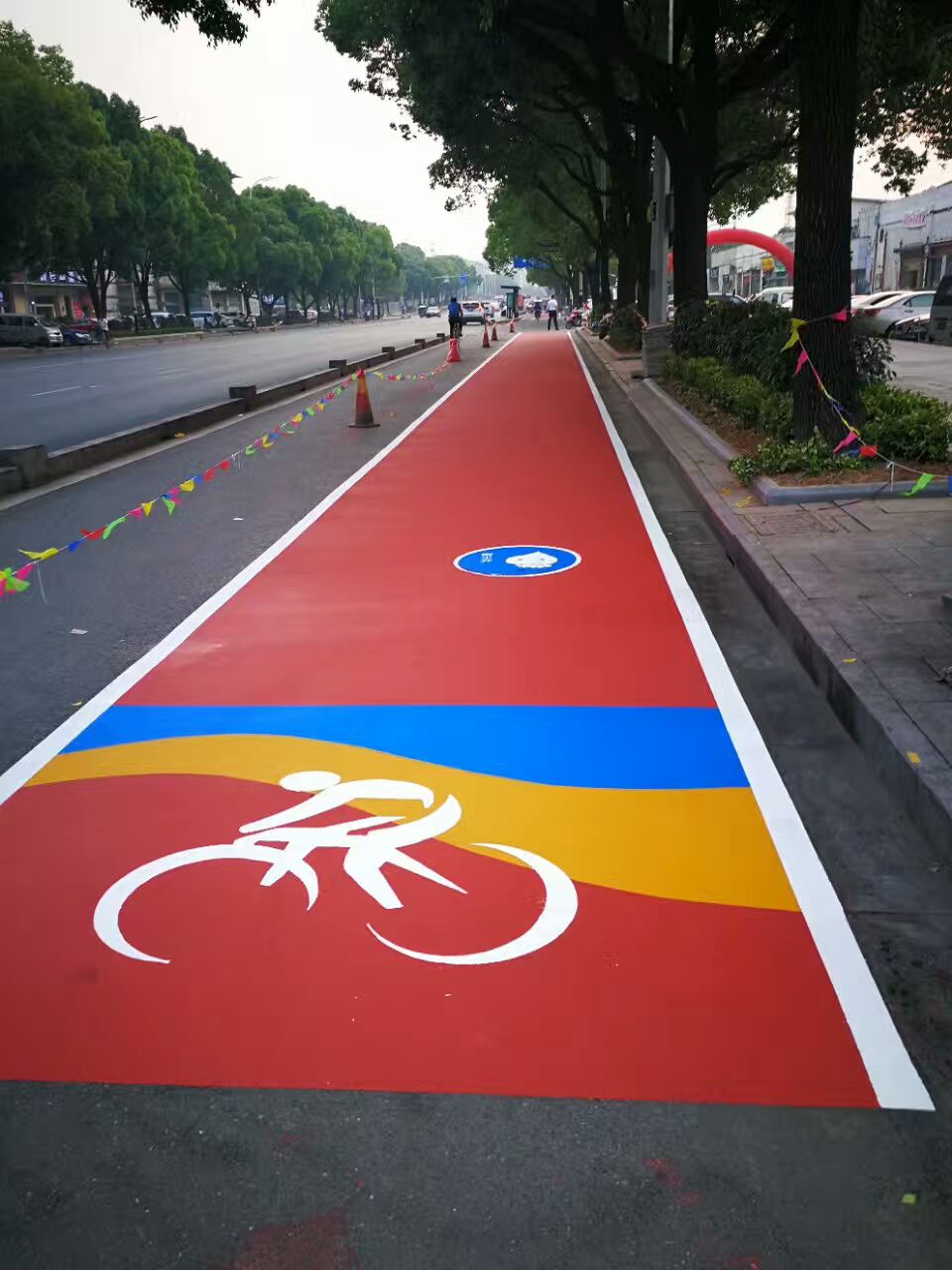
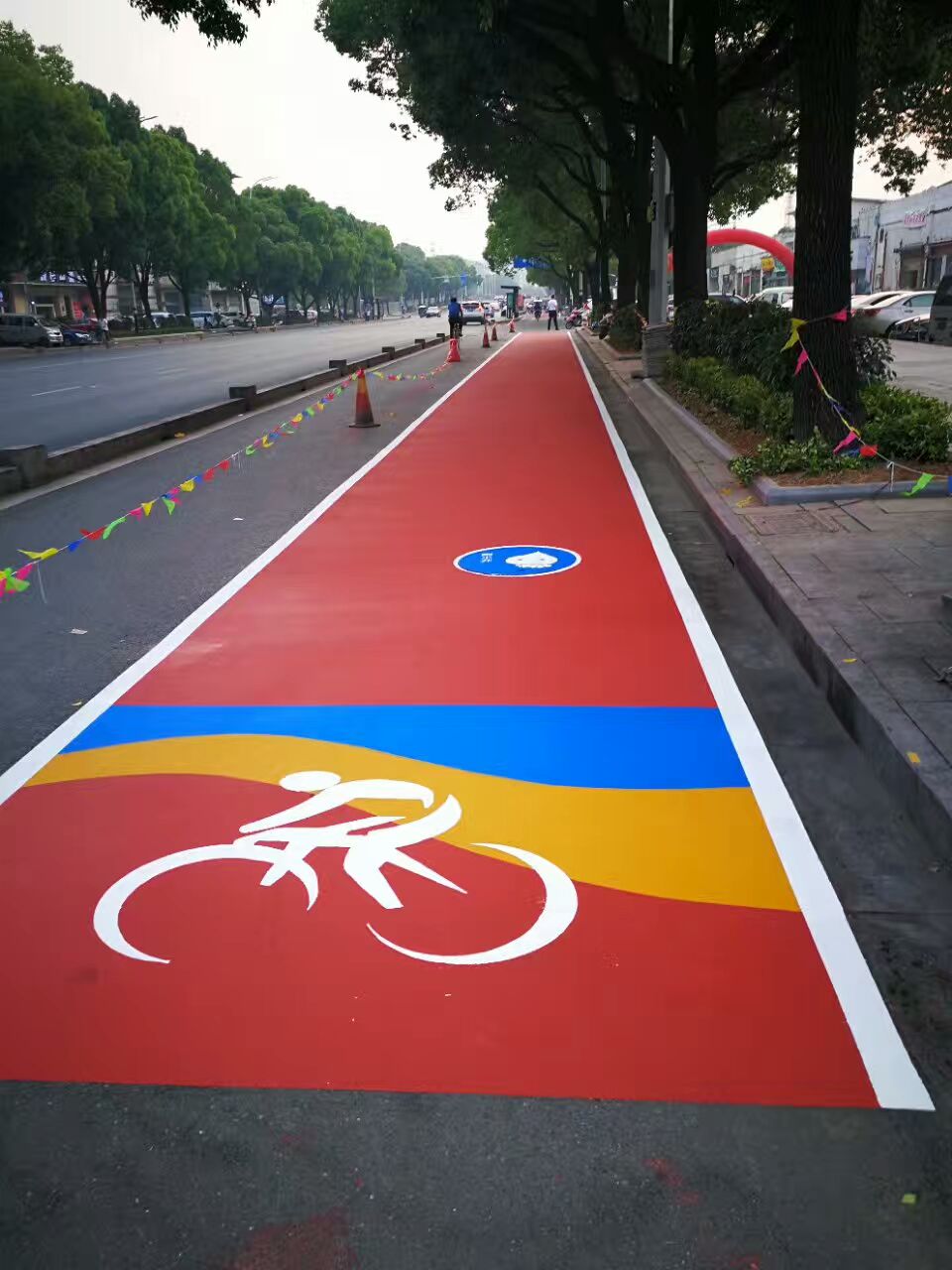
Permeable paving is a porous lightweight aggregate concrete composed of stone materials, high-grade concrete, admixtures, water-based colorants, thickeners, and water. It features a honeycomb-like structure with the main body uniformly divided into sections, where the coarse aggregates are coated with an admixing slurry for mutual bonding.

In recent years, due to the deficiencies of the original urban road surfaces in countries like ours, a design application has been developed to allow precipitation to infiltrate the ground, reasonably replenish surface water, and alleviate some urban environmental pollution issues caused by sudden drops in soil temperature. This has led to the development of pervious concrete, also known as porous structural concrete.

Surface requirements for permeable pavement construction
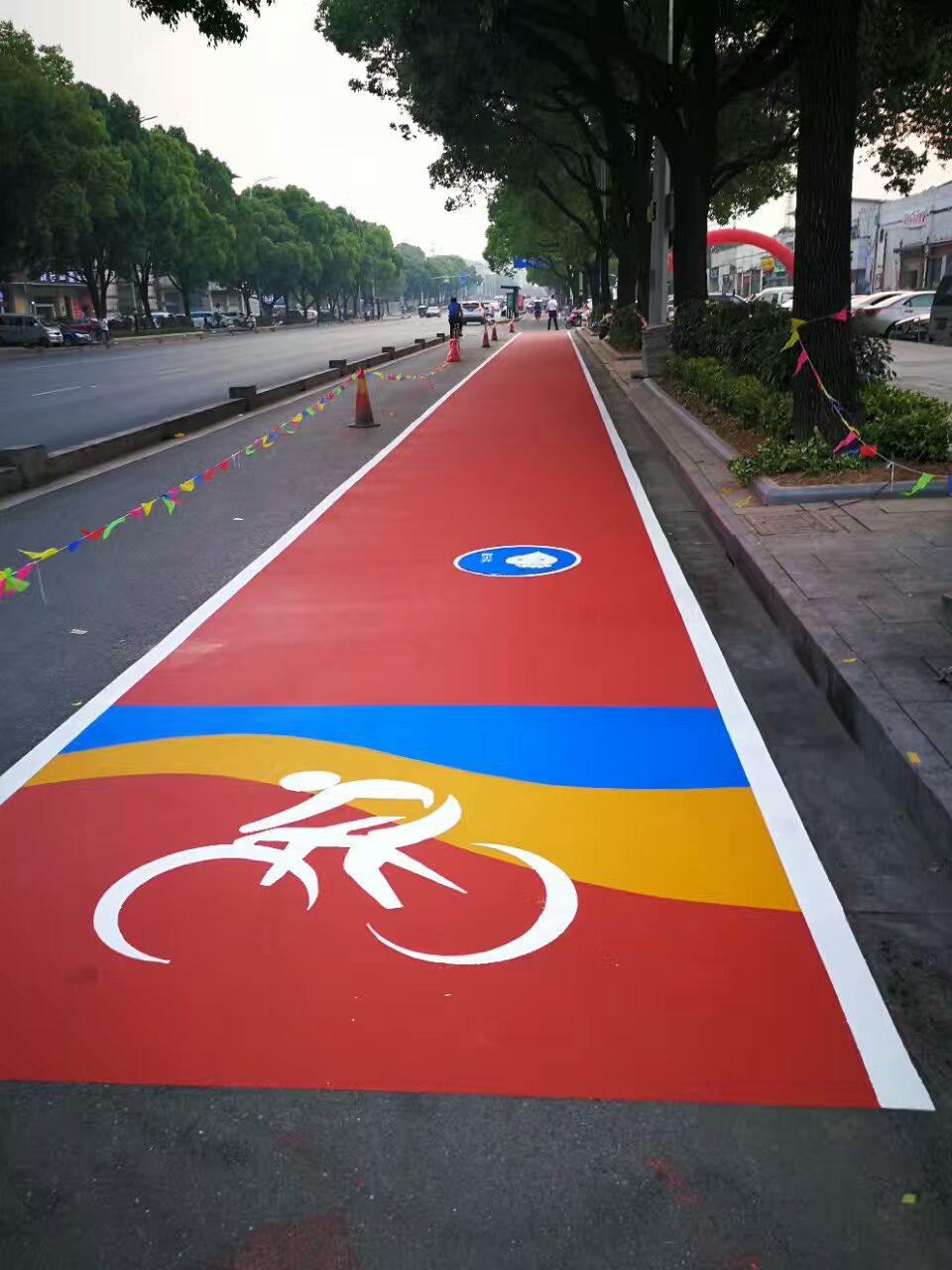
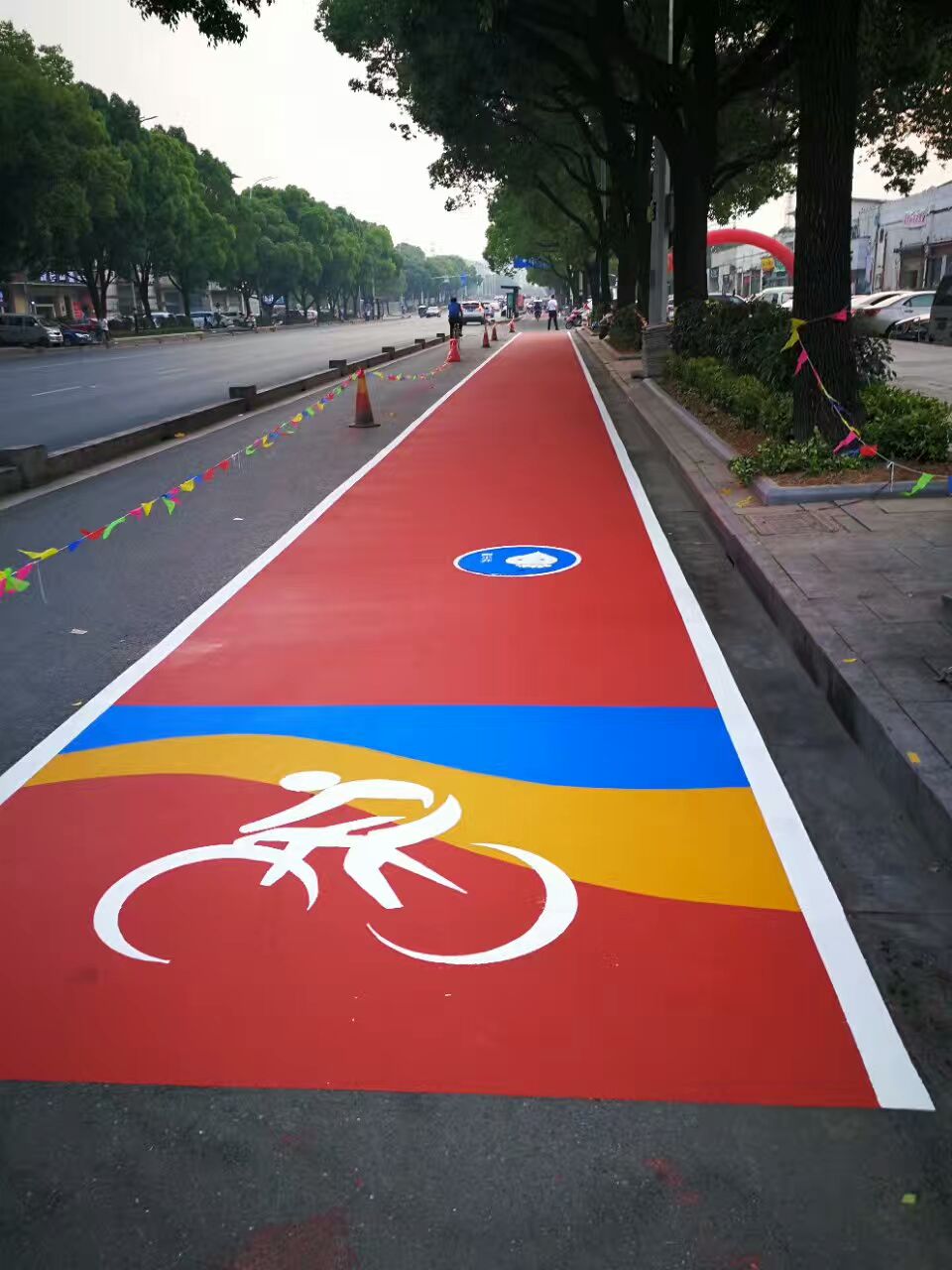
1. Thickness of permeable concrete paving: As can be seen, the strength of colored permeable concrete is mostly applied in places such as sidewalks, squares, parking lots, and garden paths. The panel thickness varies depending on the different applications of the pavement. For light-load surfaces like sidewalks and bike paths, the surface layer thickness should not be less than 8 cm. For medium-load surfaces like parking lots and squares, the surface layer thickness should not be less than 10 cm. Considering cost, the surface layer can be divided into two layers, with the top layer being the colored permeable concrete layer, generally not less than 3 cm thick, and the bottom layer being the plain permeable concrete layer.
2. To ensure that the permeable pavement road body structure layer has sufficient overall strength and permeability, there must be a permeable subbase and a moisture-retaining cushion layer underneath the surface layer.
3. Considering the heavy rainfall season, to prevent excessive water accumulation on the subgrade that may affect the permeable pavement foundation, specialized permeable drainage pipes are installed at the subgrade to direct excess rainwater towards the roadside drainage system.

The construction of pervious concrete primarily includes spreading, forming, surface treatment, and joint treatment processes. Spreading can be done using either mechanical or manual methods; forming can be achieved with flat vibrators, vibratory leveling rollers, manual push-pull rollers, and vibratory leveling beams. Surface treatment is mainly to enhance the appearance, involving the trimming or cleaning of the formed pervious concrete surface. The joint layout of pervious concrete roadways is similar to that of regular concrete, with contraction joints spaced evenly, not exceeding 6 meters apart.