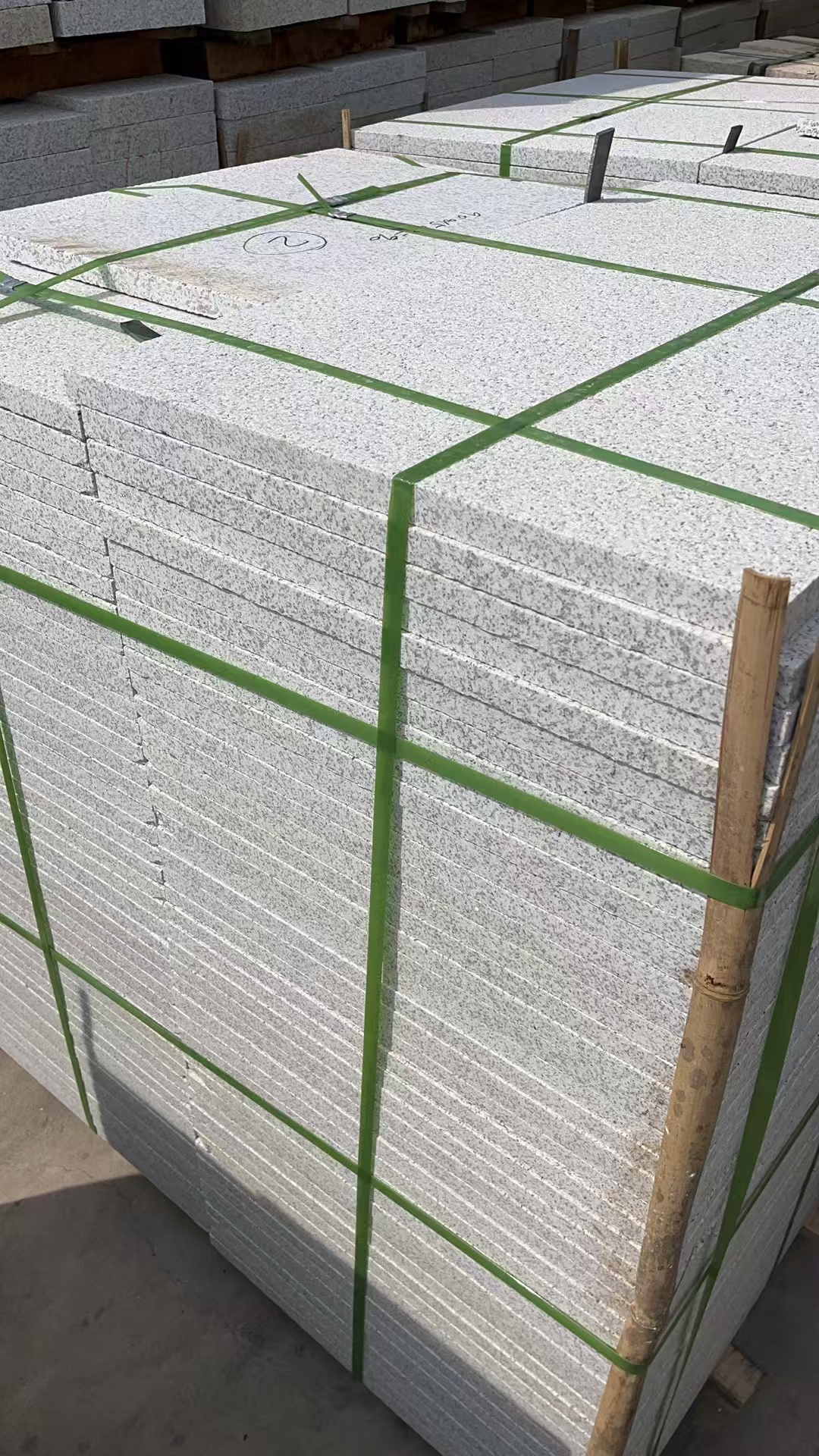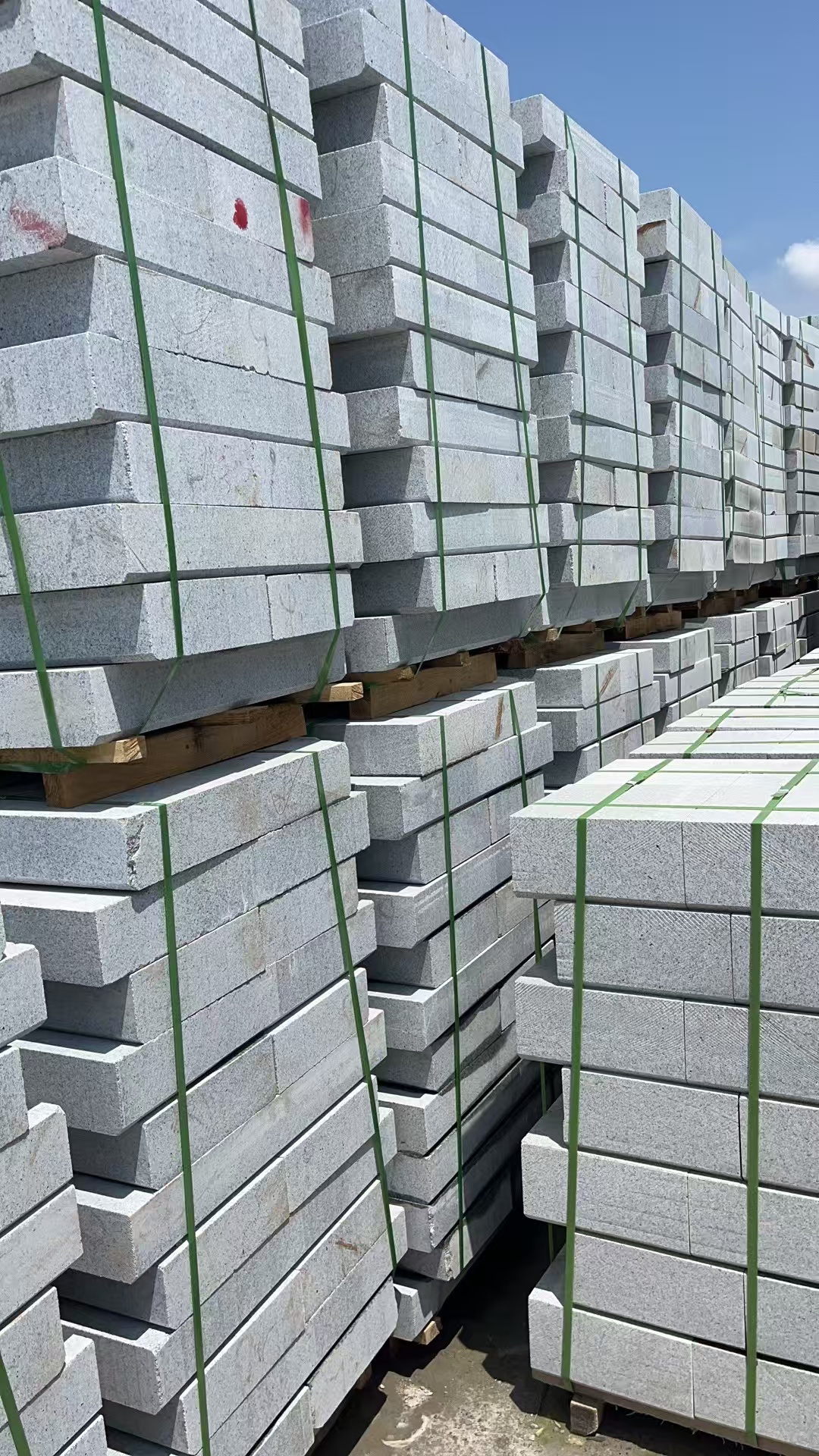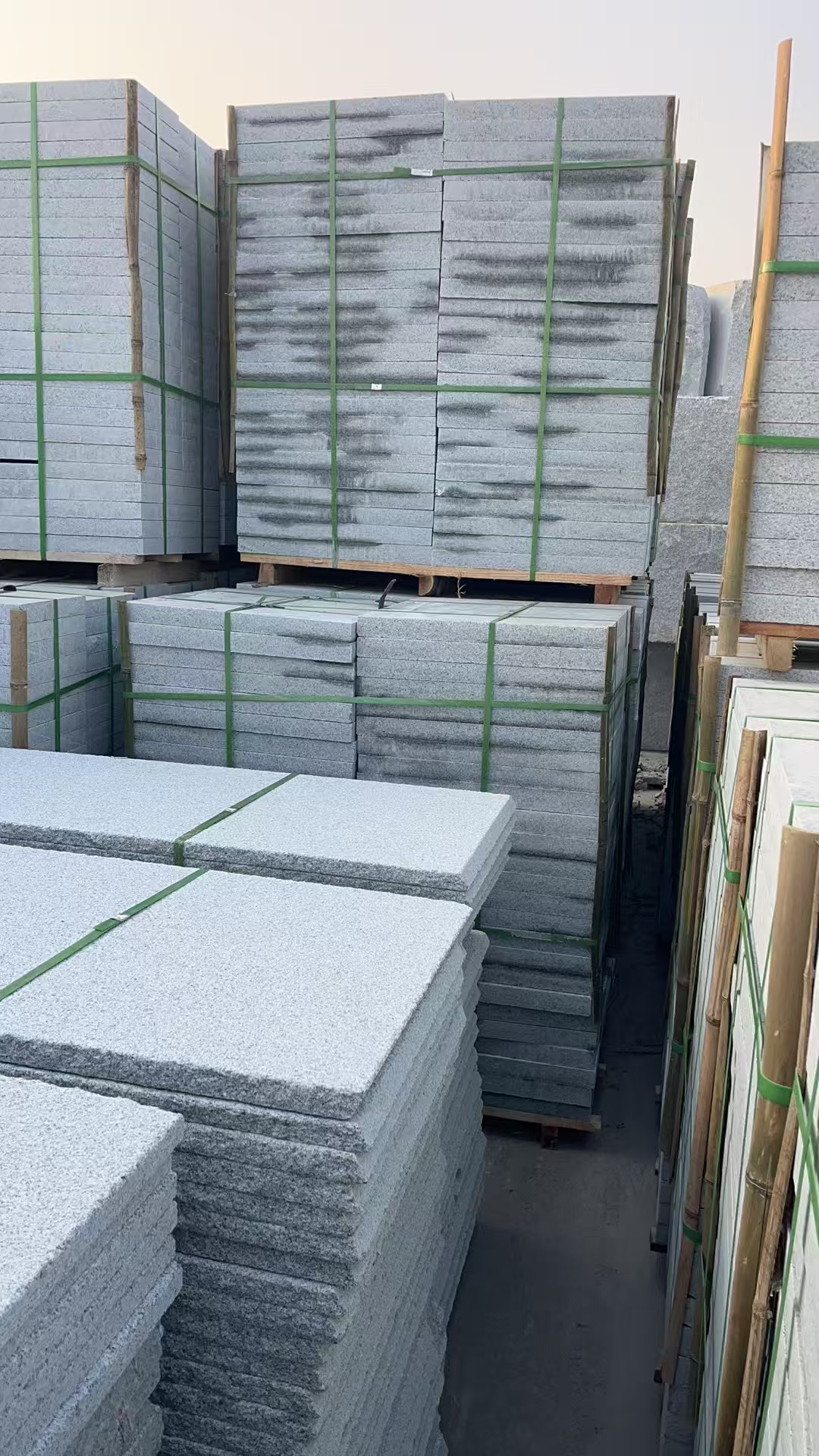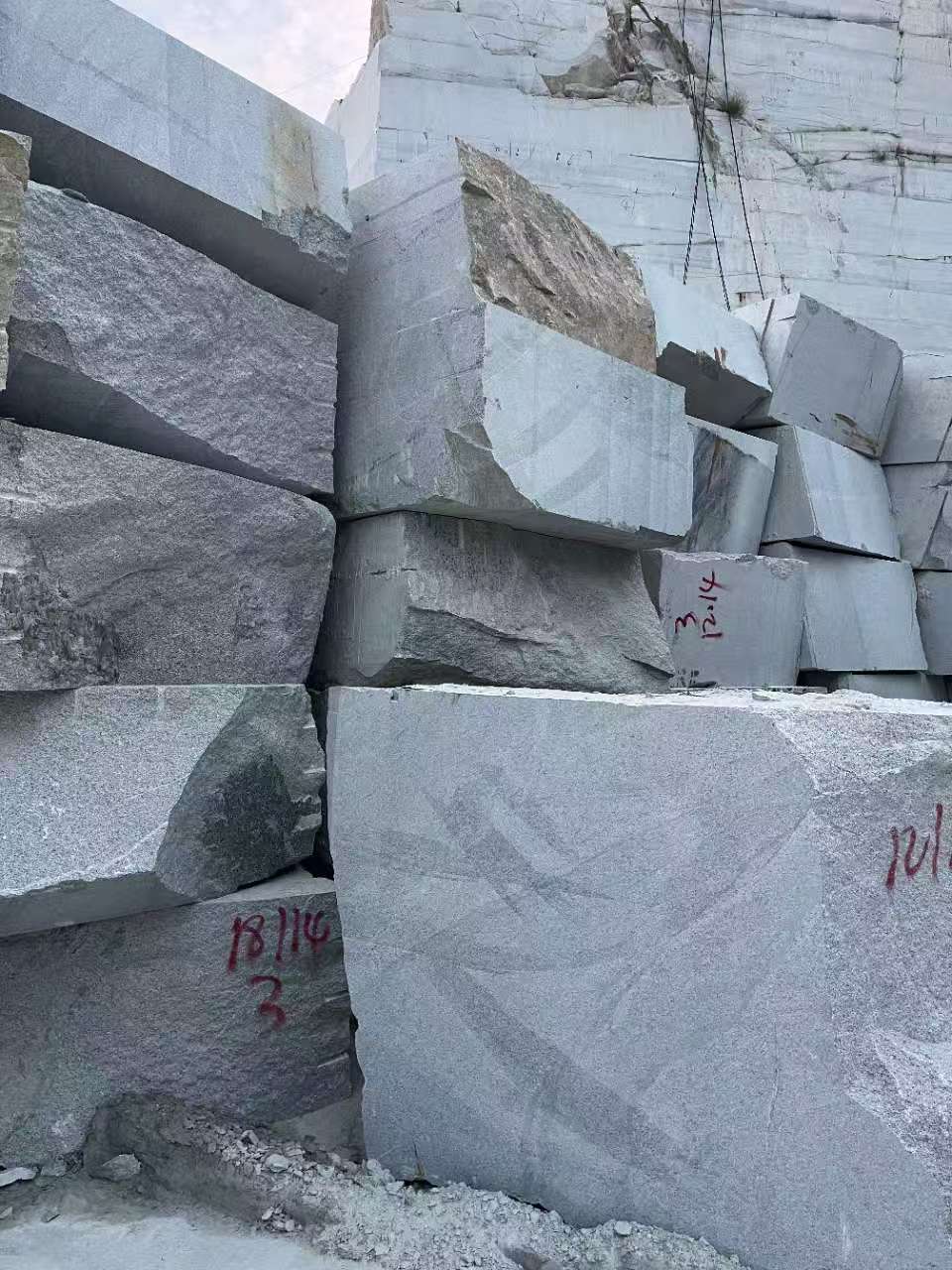







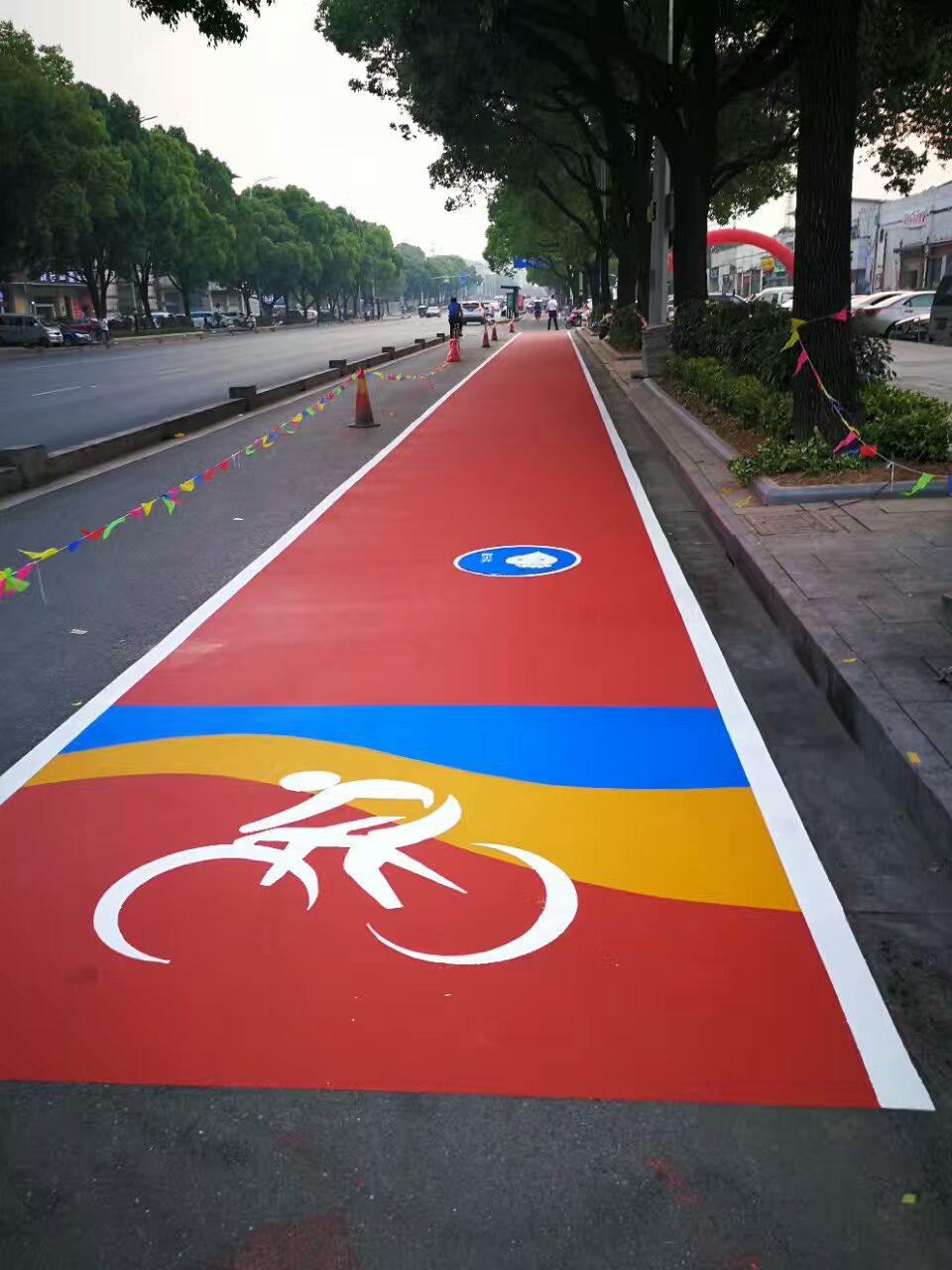
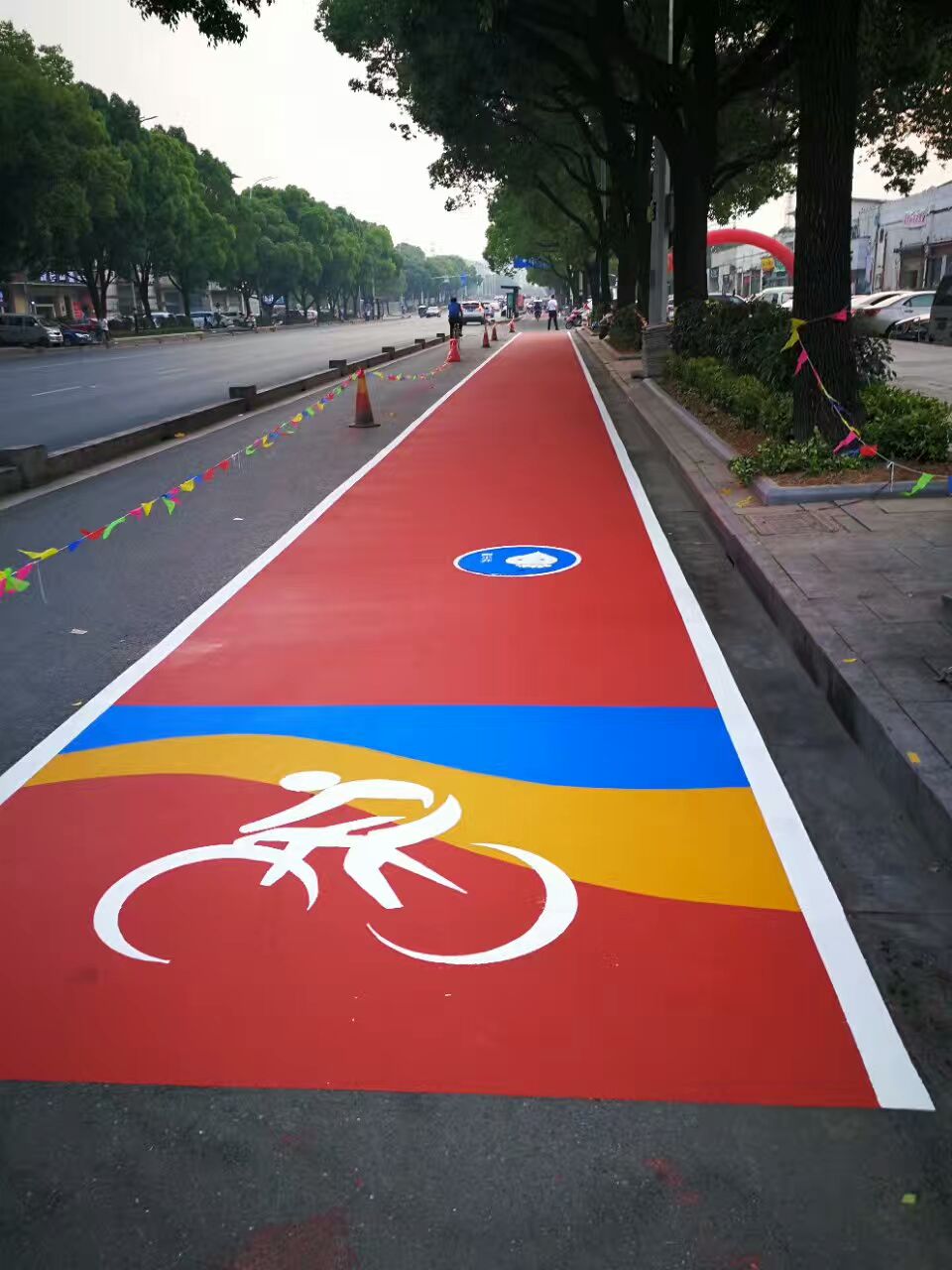
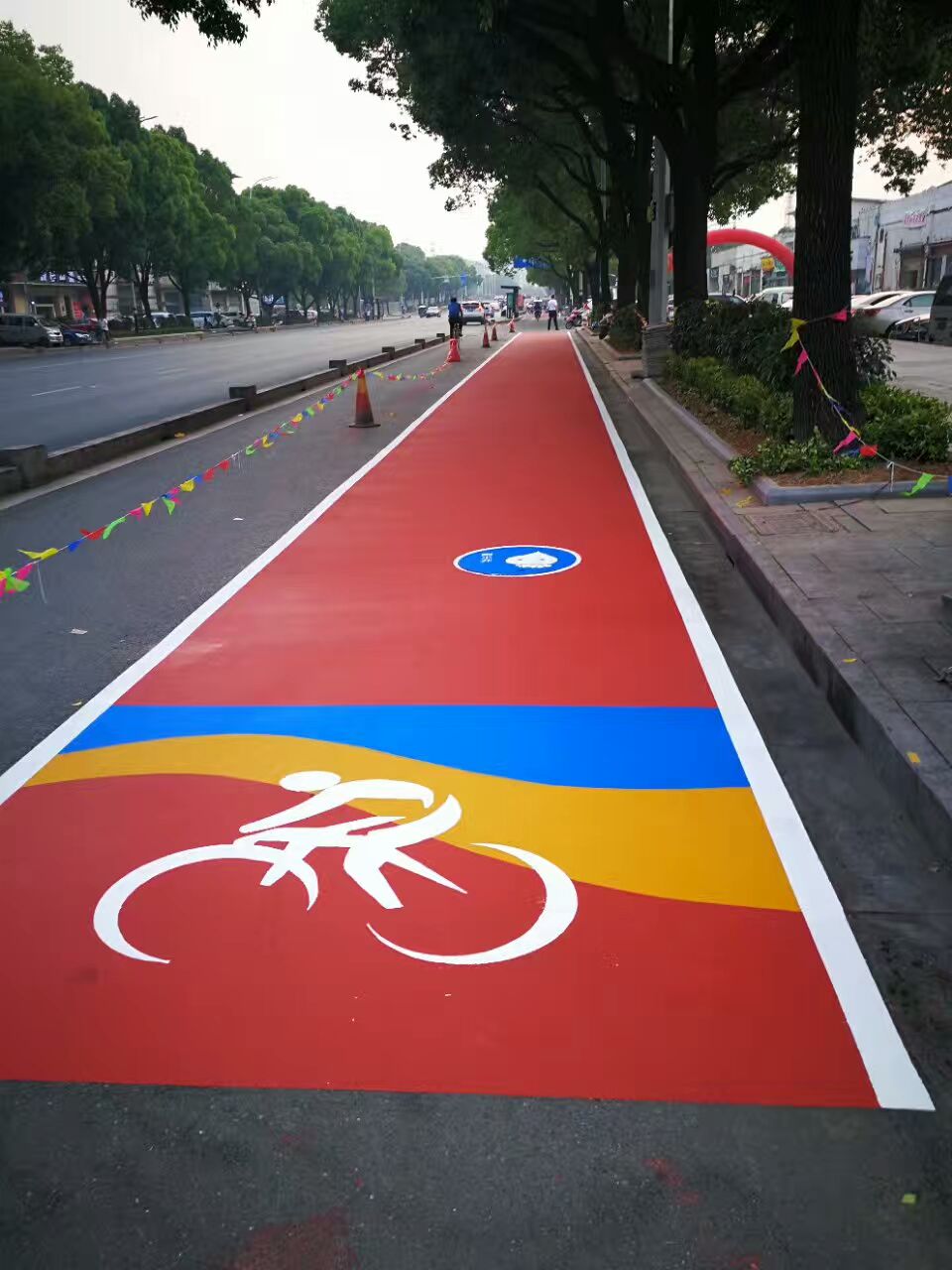
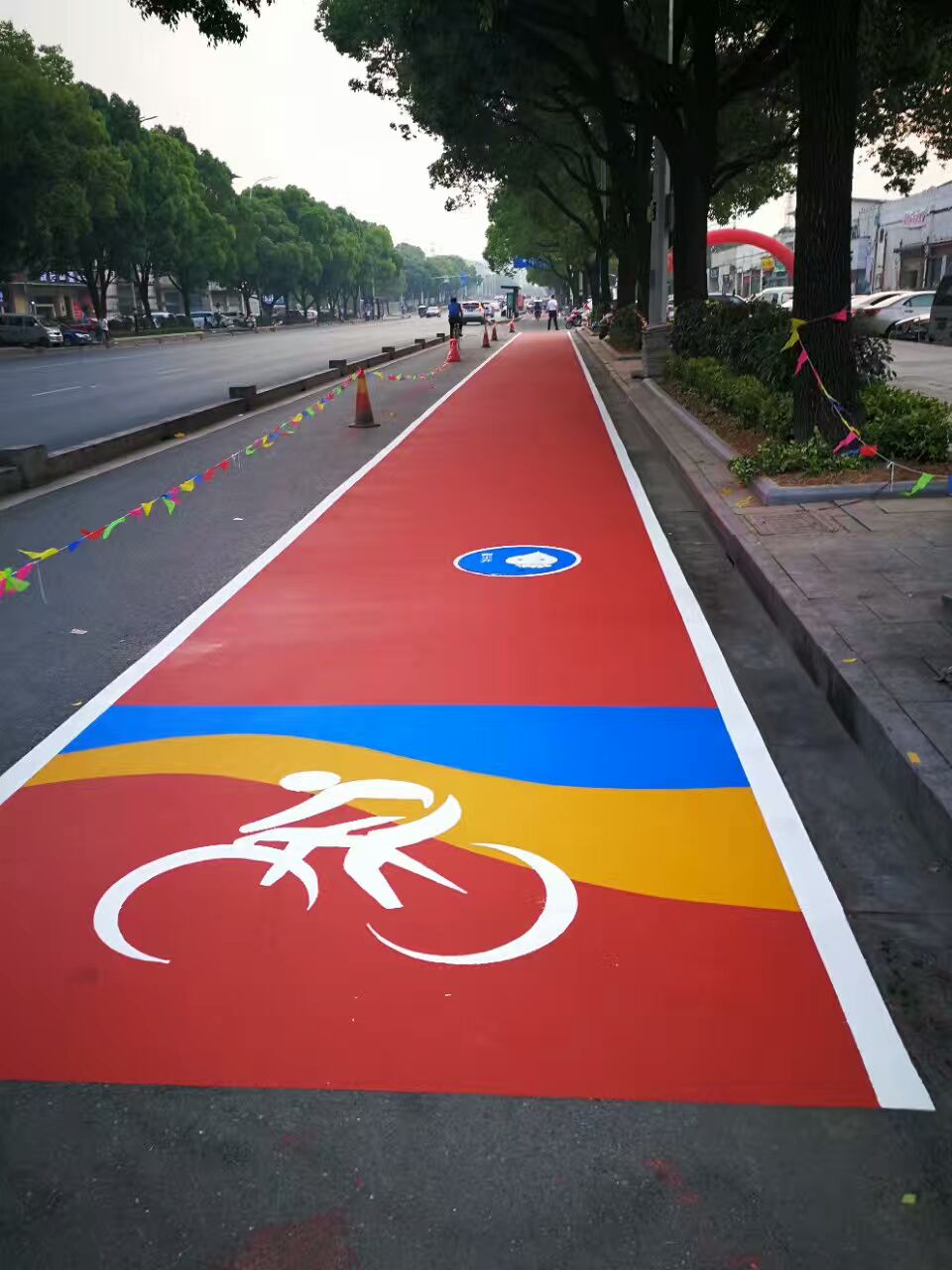
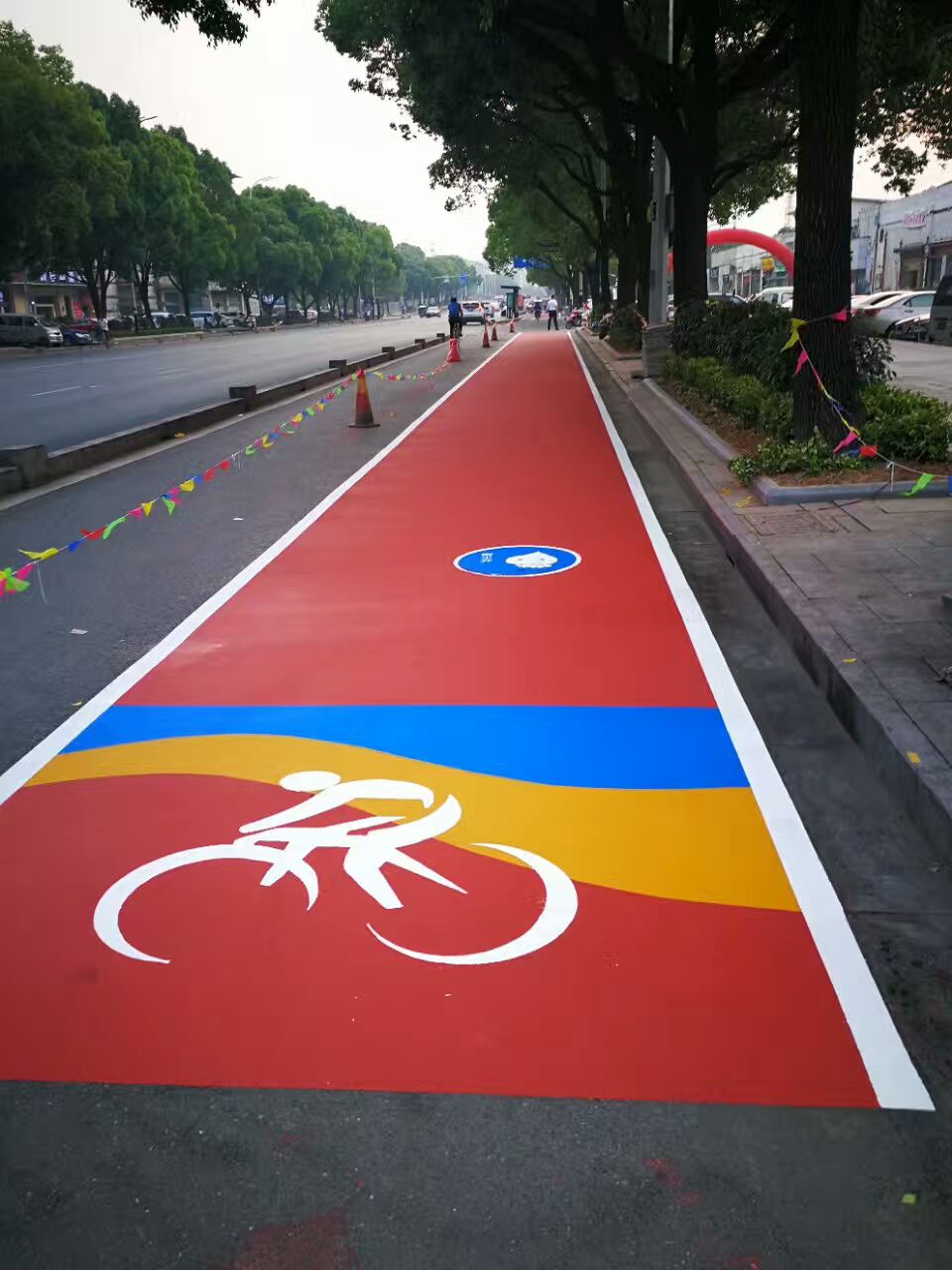
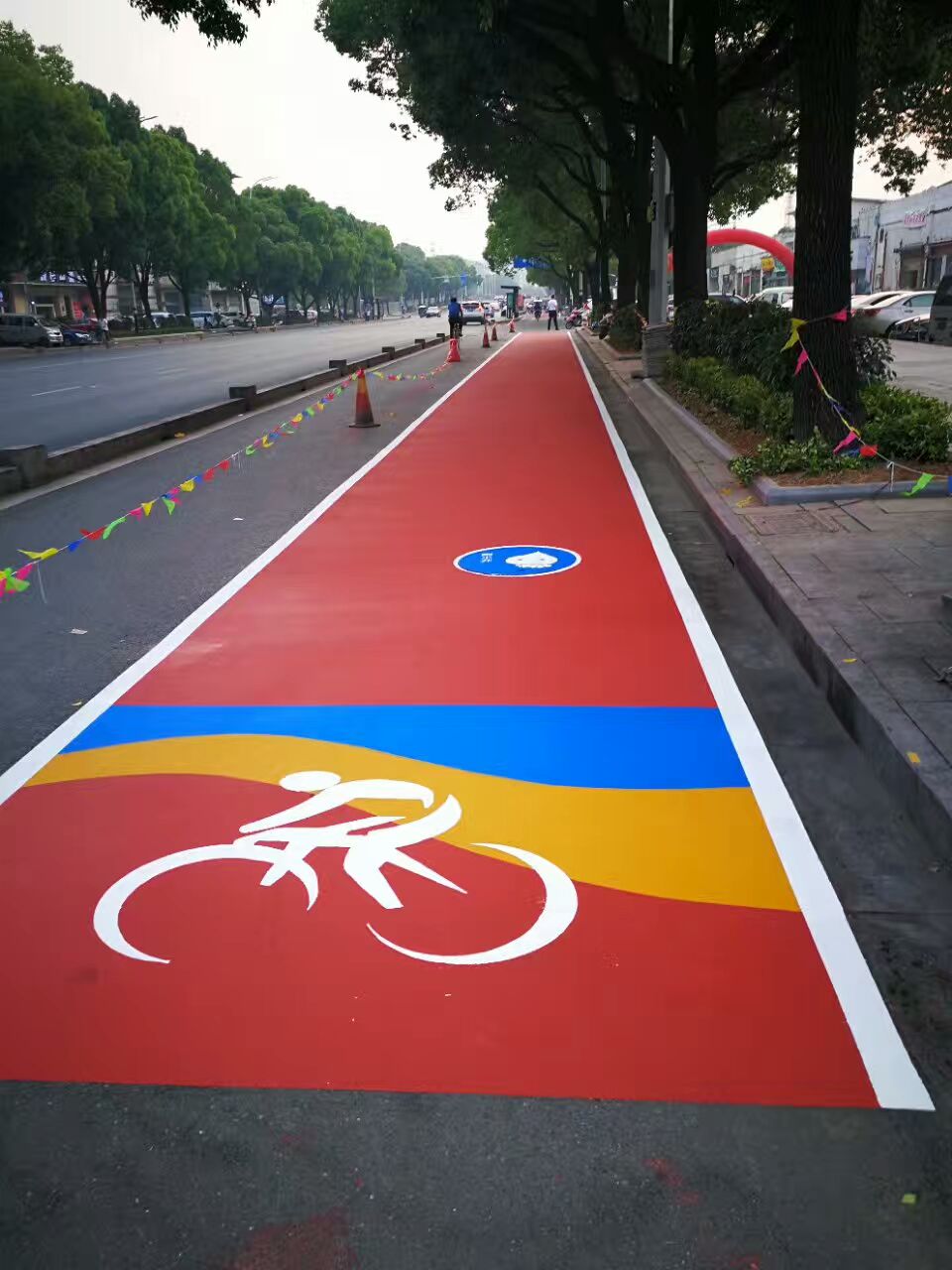
True Stone Transparent Water Concrete Flooring is a type of paving system that allows ground moisture to quickly渗透 into the ground, thereby replenishing groundwater and protecting the ecosystem. This system boasts strong permeability, excellent decorative effects, good overall performance, and ease of maintenance. It effectively absorbs urban noise, reduces ground light reflection, and mitigates the urban heat island phenomenon.

Permeable pavement design principles and regulations for sponge city permeable concrete ground
1. Colorful pervious concrete permeable pavement includes structural composition, material composition, and thickness determination.
2. The permeable pavement structure layer of colored pervious concrete typically consists of the surface layer, base layer, and subbase layer.
3. The design of colored pervious concrete permeable pavement should select appropriate surface materials, pervious subbase materials, and water temperature stable cushion materials based on different soil conditions and usage requirements, ensuring the pavement structure has sufficient overall strength and permeability. A water-retaining cushion layer should be set when the subgrade below is clay soil.
4. For pedestrian walkways, bike lanes, and other light-load ground surfaces, the design thickness of the surface layer should be no less than 6cm. For medium-load ground surfaces such as parking lots and squares, the surface layer thickness should not be less than 10cm.

Drainage concrete base color requirements
1. Base materials for colored pervious concrete road surfaces must not only have adequate strength but also good permeability. Suitable base materials include well-permeable graded sand and gravel, graded crushed stone, or porous cement-stabilized crushed stone.
2. When using graded crushed stone subgrade, the particle size of the stone should be less than 0.7 times the thickness of the subgrade and should not exceed 53mm.

Porous concrete is a high-quality paving material that protects nature, maintains biodiversity, and alleviates urban heat island effects; it contributes to a positive trend in improving living conditions for people and has unique significance in urban precipitation management and water pollution control.