











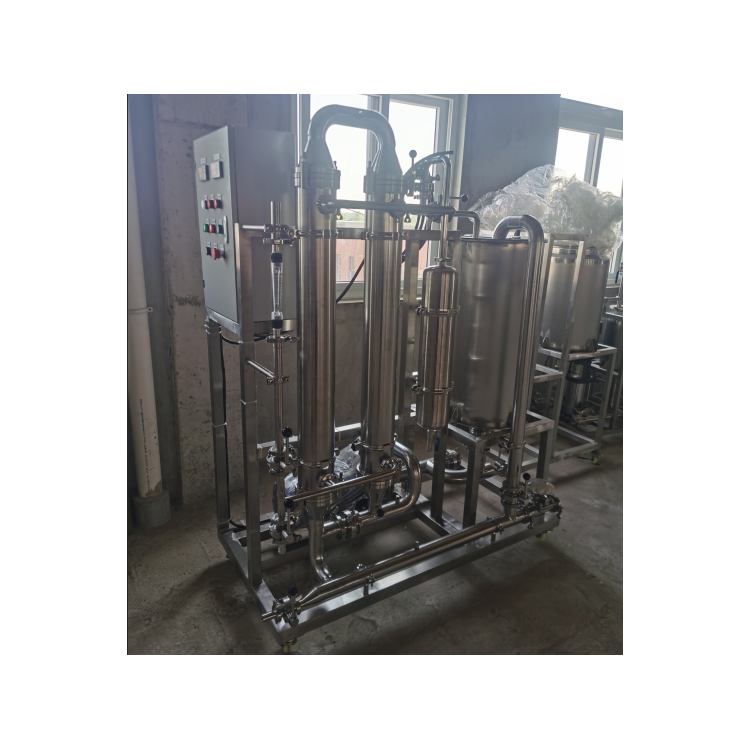
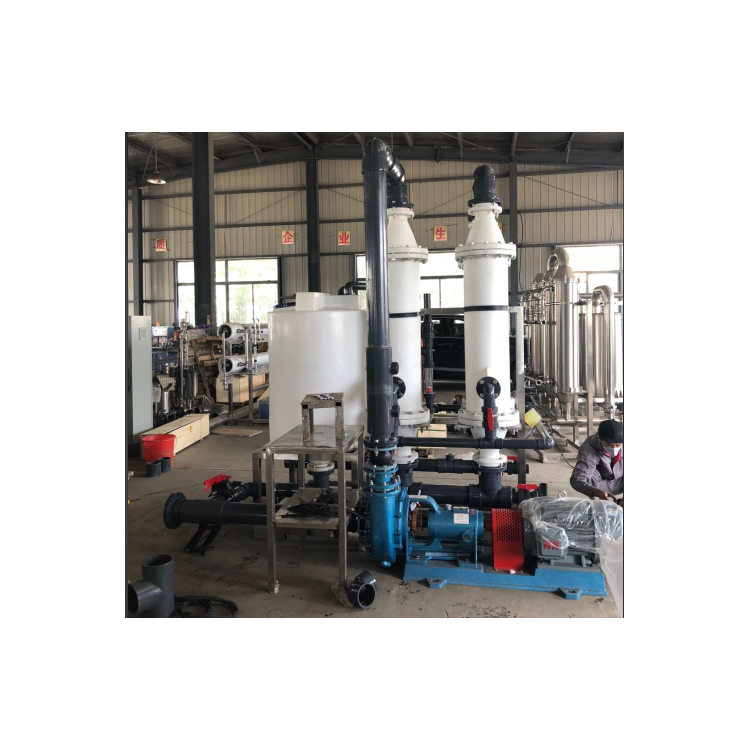


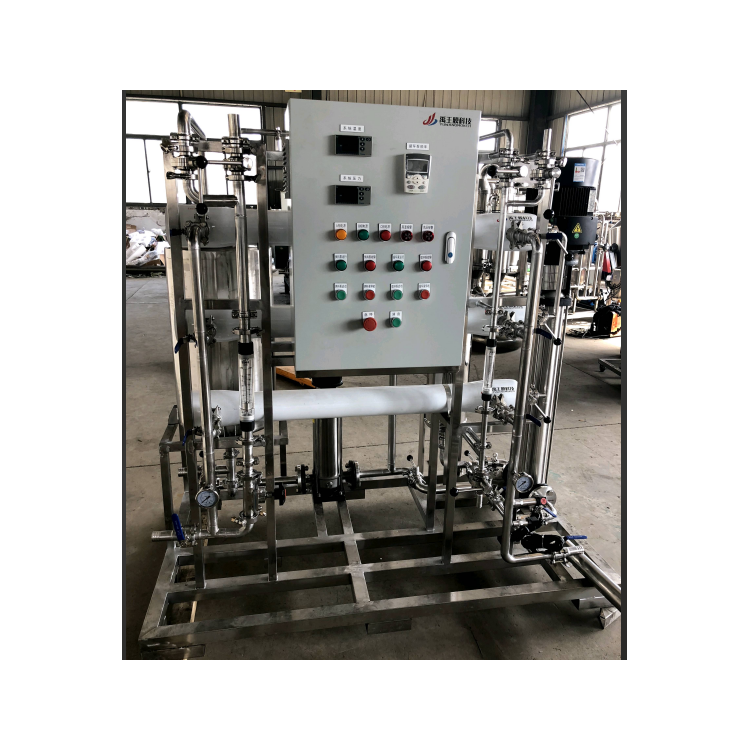
In the complex processes of modern industrial production, efficient and precise separation and filtration technologies are crucial. Ceramic membranes, as a new type of filter material with excellent performance, play an irreplaceable role, bringing innovative changes to many industries. Ceramic membranes possess superior chemical stability, maintaining stability in extreme chemical environments such as strong acids and bases, without being affected by chemical corrosion and thus compromising their separation performance. This characteristic makes them excel in fields like chemicals, ensuring efficient production processes and stable product quality. Additionally, ceramic membranes have good thermal stability, allowing them to operate normally in high-temperature environments, meeting the strict temperature requirements of some special processes. Their unique microstructure endows them with high-precision separation capabilities. They can achieve precise separation of different substances based on differences in molecular size and shape, effectively retaining impurities, microorganisms, and large molecules while allowing the target product to pass through smoothly, significantly improving production efficiency and reducing costs. Ceramic membranes are highly durable with high mechanical strength, able to withstand considerable pressure without damage over long-term continuous operation, reducing the time and economic costs associated with frequent equipment replacement. Moreover, they are easy to clean and regenerate, making them reusable, further demonstrating their economic and environmental benefits. In the food and beverage industry, ceramic membranes are used for juice clarification, beer sterilization, and other processes to enhance product quality; in the environmental protection field, they are used for wastewater treatment to achieve water resource recycling; and in the new energy industry, they assist in the purification of battery materials, driving industry development. With their excellent performance, ceramic membranes provide reliable separation solutions for industrial production, serving as a powerful assistant in promoting high-quality development across various industries.
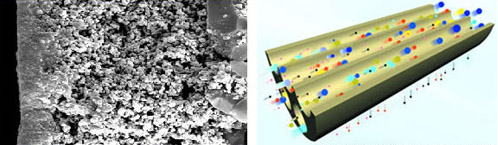
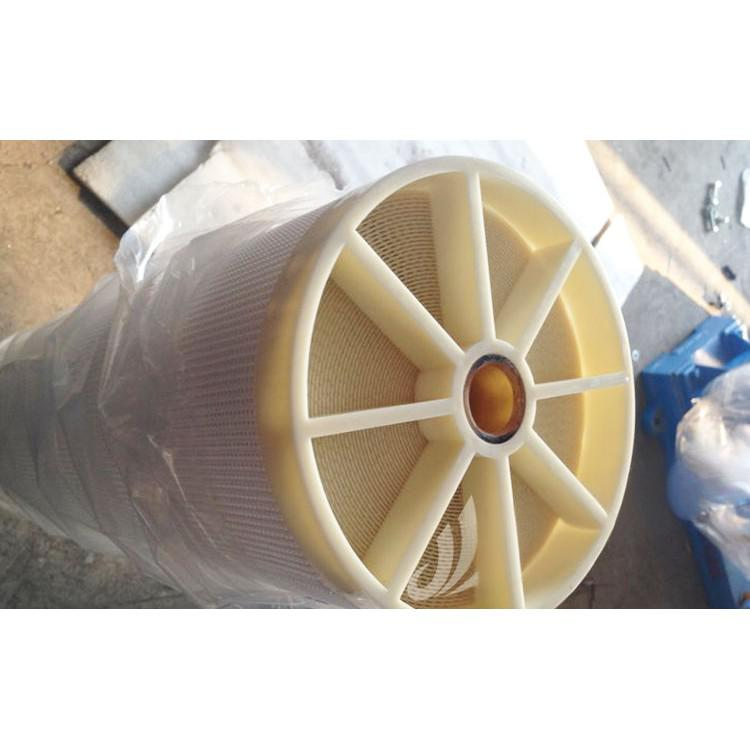
Tailored to the characteristics of different material systems in industries such as biochemical engineering, water treatment, chemical engineering, and petrochemicals.Ceramic MembraneThe micro-layered structure and material, adjusting the composite formula of different proportions of α-Al2O3, ZrO2, and TiO2 film materials.Ceramic FilmThe flux, anti-pollution performance, and cleaning recovery capabilities have been optimized, leading to the development of special ceramic filters.Film elementFeatures include resistance to strong acids and alkalis, solvent erosion, oxidation, high-temperature resistance, and narrow pore size distribution.
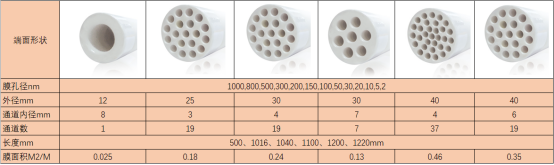
Average Membrane Pore Size: 1000 nm, 800 nm, 500 nm, 200 nm, 100 nm, 50 nm, 40 nm, 30 nm, 20 nm, 10 nm, 5 nm, 2 nm
Film element lengths: 500mm, 1000mm, 1016mm, 1040mm, 1100mm, 1200mm, 1220mm, etc.
Film Material: α-Al2O3, ZrO2, TiO2 Composite Formula
Supporting body material: α-Al2O3