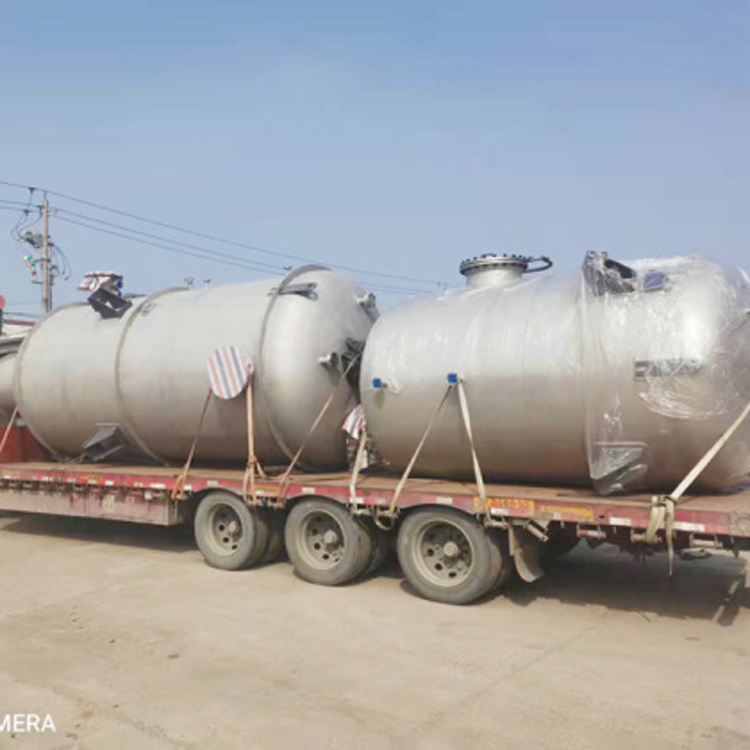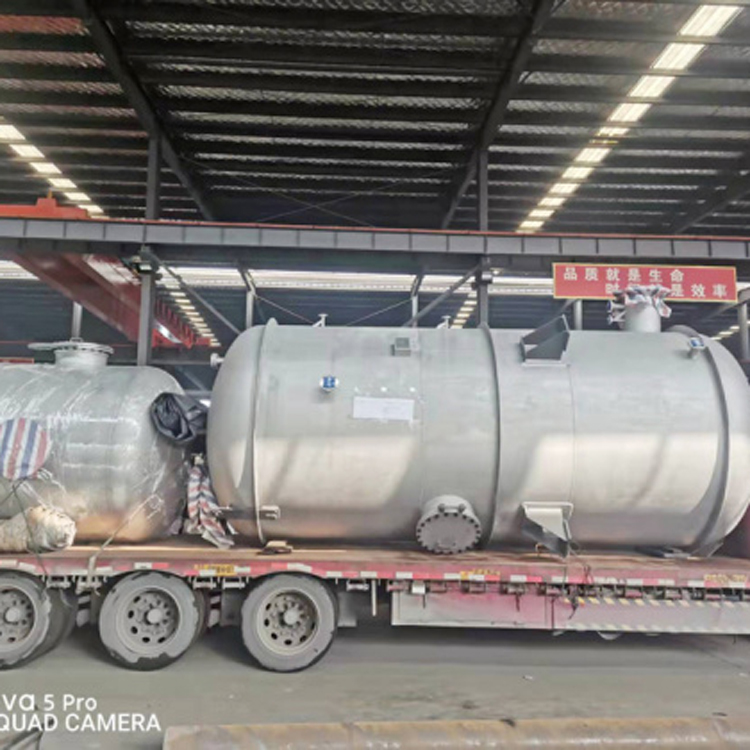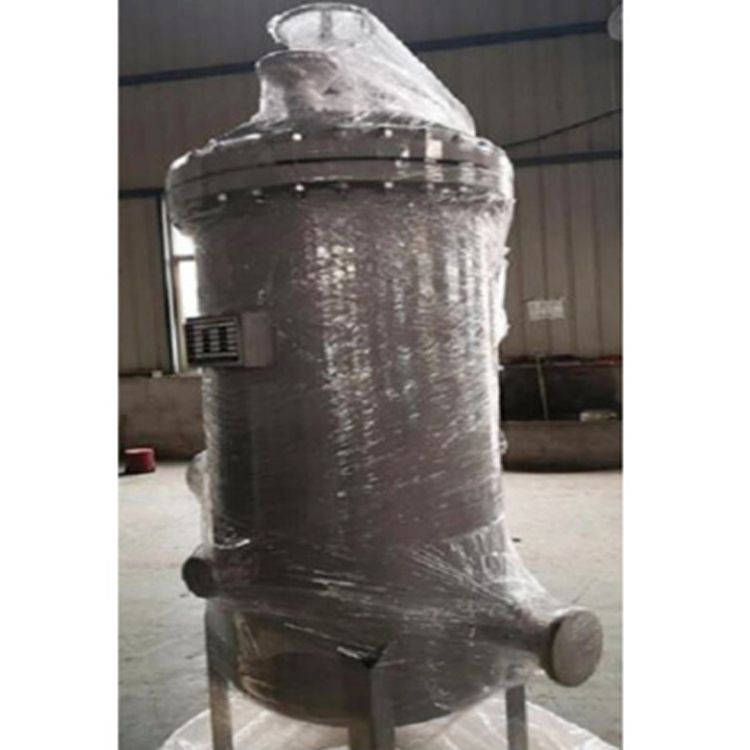
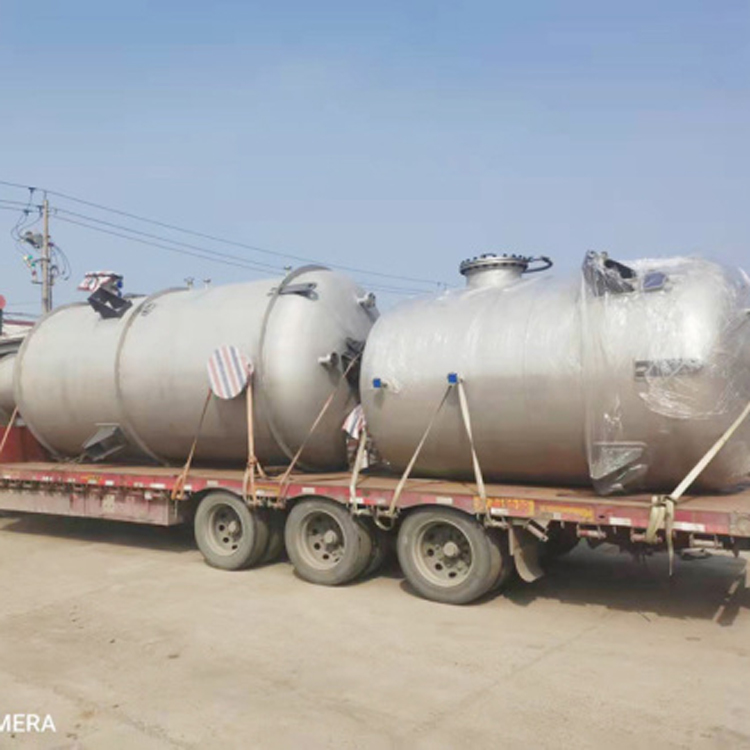
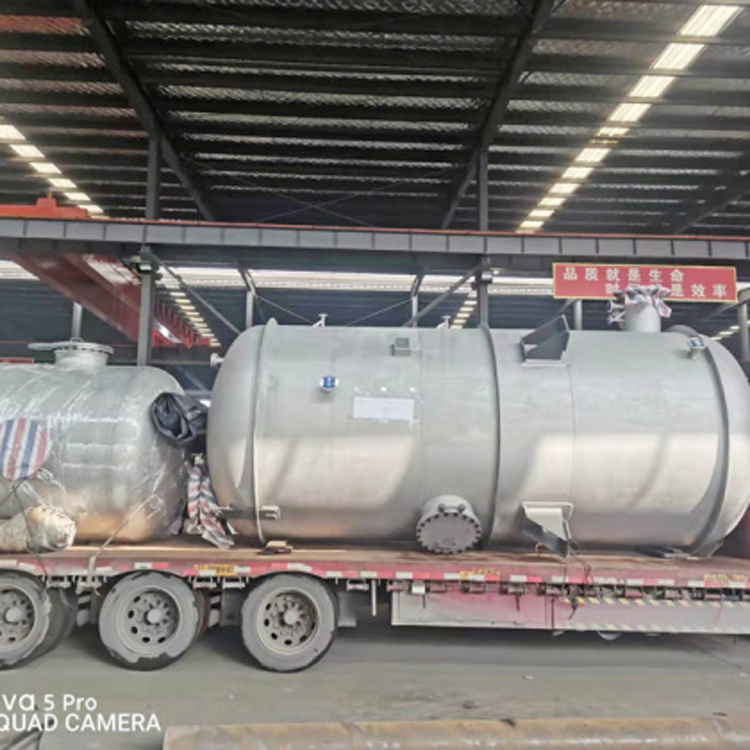









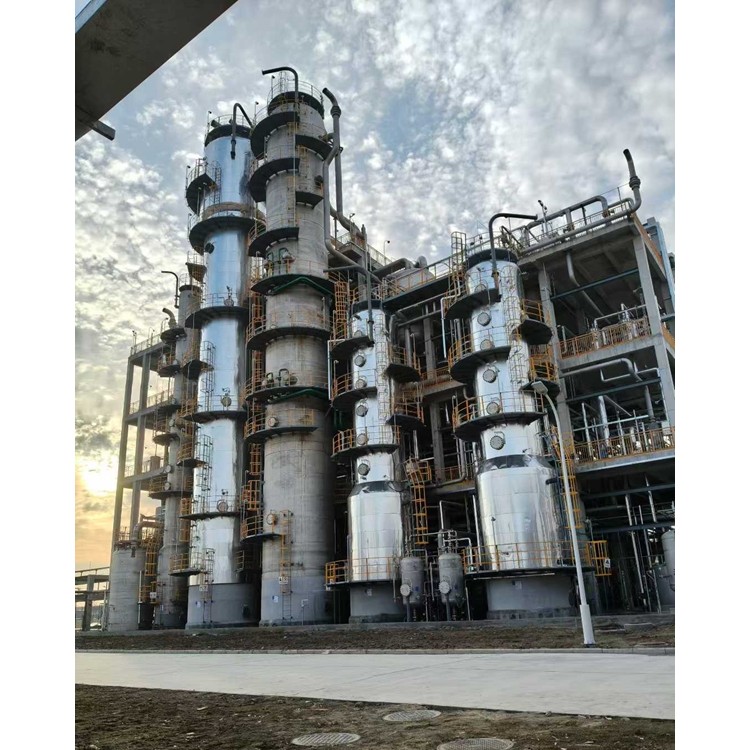
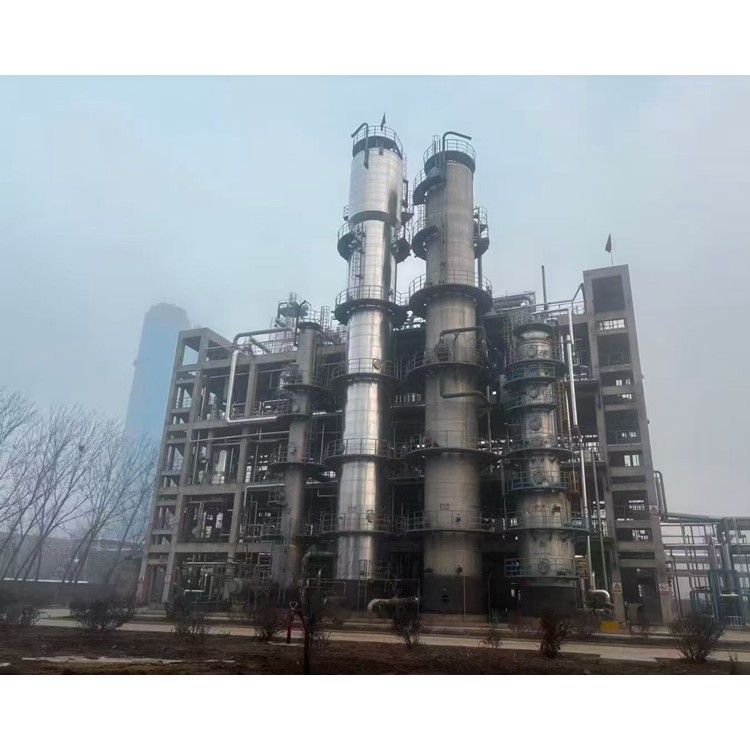
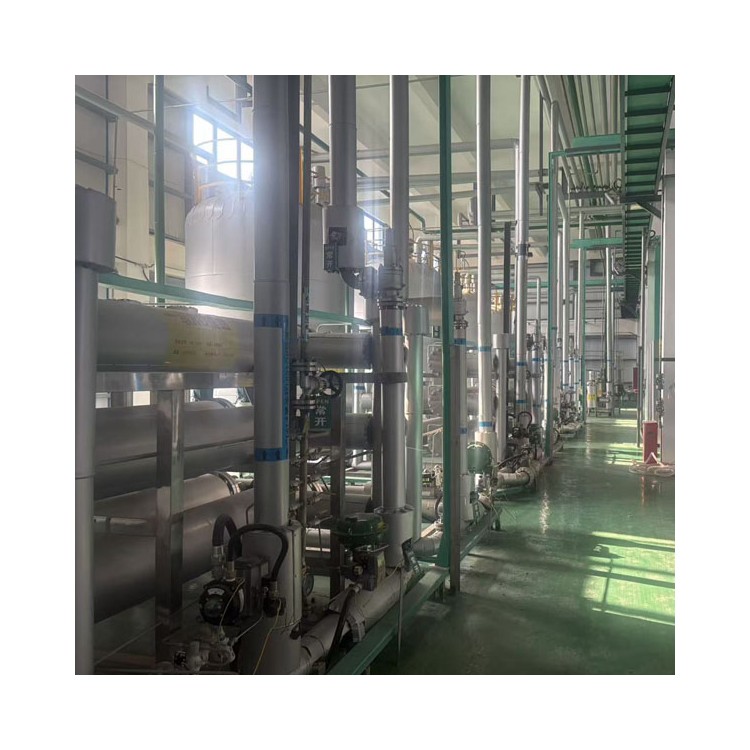
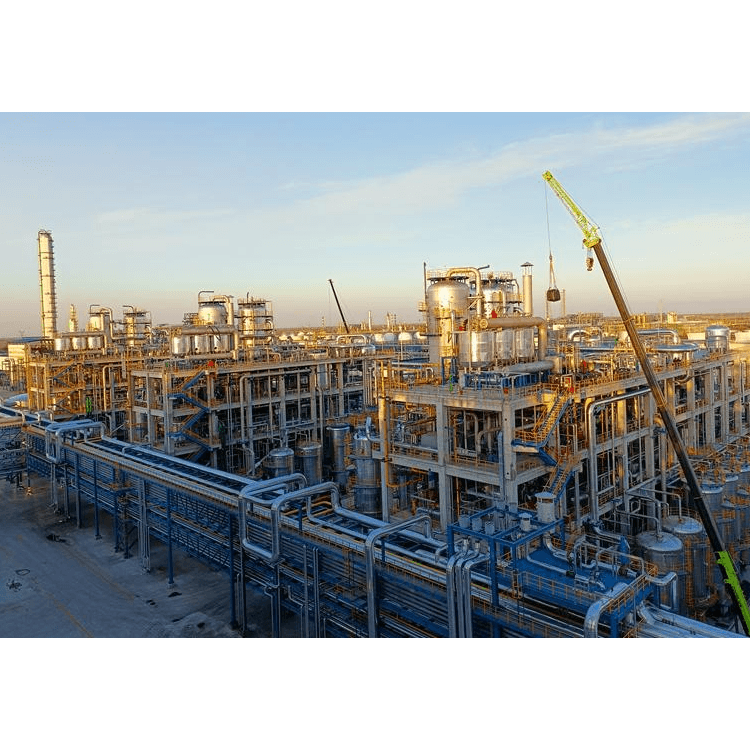

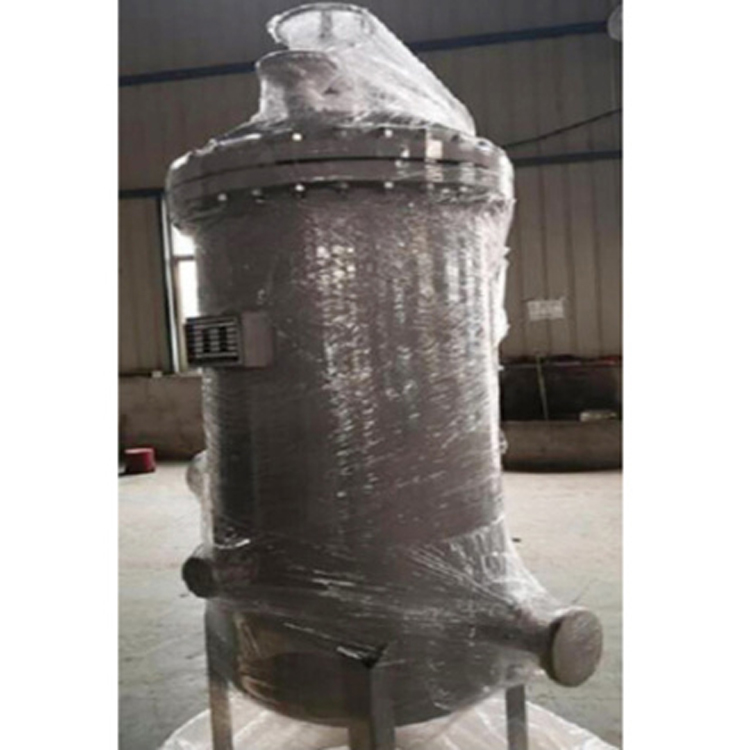
The oxidation off-gas recovery trough is an essential piece of equipment used in industrial production for the recovery and treatment of oxidation off-gases. The following is a detailed introduction to it:
I. Definition and Function
An oxidation tail gas recovery tank is a specialized device designed for the recovery and treatment of oxidized by-products generated during industrial production processes. Its primary function is to separate and purify harmful substances from the tail gas using physical or chemical methods, and to recycle as much of the useful components as possible, thereby achieving resource reuse and environmental protection.
II. Working Principle
The operation principle of an oxygen off-gas recovery tank typically involves several steps, including the collection, cooling, separation, purification, and recovery of off-gas. Specifically:
Tail Emission Collection: Initially, exhaust gases produced during industrial production processes are centrally collected through a specific collection system.
Cooling Treatment: To reduce the temperature and pressure of exhaust gases, cooling treatment is typically required. This step aids in subsequent separation and purification processes.
Separation and Purification: Utilize physical or chemical methods, such as filtration, adsorption, and absorption, to separate and purify harmful substances from exhaust gases. For example, methods like activated carbon fiber adsorption or resin bead adsorption recovery can be used to remove harmful substances like heavy aromatic hydrocarbons from the exhaust gases.
Recycling and Utilization: After separation and purification, the exhaust gas may contain valuable components, such as certain solvents or catalysts. These components can be recovered and reused through specific recycling systems.
III. Structural Features
The structural design of oxygenated off-gas recovery troughs is typically determined by their working principle and actual requirements, but generally features the following:
Efficiency: The design of the recovery sump should efficiently handle large volumes of oxidized exhaust gases and, to the greatest extent possible, recover valuable components from them.
Stability: The recovery tank should remain stable during operation to prevent exhaust gas leakage or poor treatment due to equipment failure or improper operation.
Ease of maintenance: The structural design of the recycling tank should facilitate maintenance and care, enabling prompt handling of any equipment failures or cleaning requirements.
Four, Application Fields
Oxidizing off-gas recovery tanks are widely used in various industrial production fields, particularly in industries that generate large amounts of oxidizing off-gases, such as chemicals and petrochemicals. In these sectors, oxidizing off-gas recovery tanks not only effectively reduce environmental pollution but also enhance a company's resource utilization and economic benefits.
V. Trends
With growing environmental awareness and continuous advancements in industrial production technology, the development trend of oxidation tail gas recovery troughs exhibits the following characteristics:
Continuous technological innovation: New technologies and methods are continually being applied to the design and manufacturing of oxidation tail gas recovery chambers to enhance recycling efficiency and processing effects.
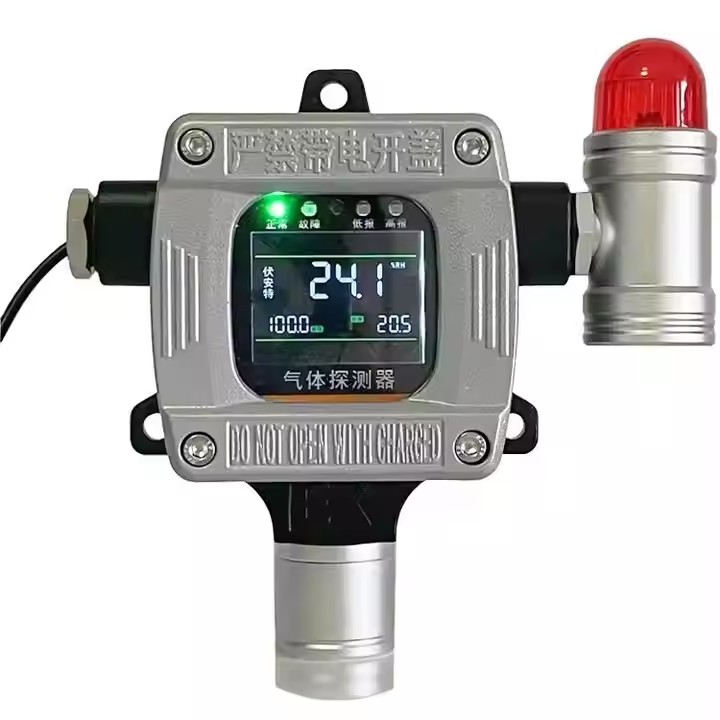
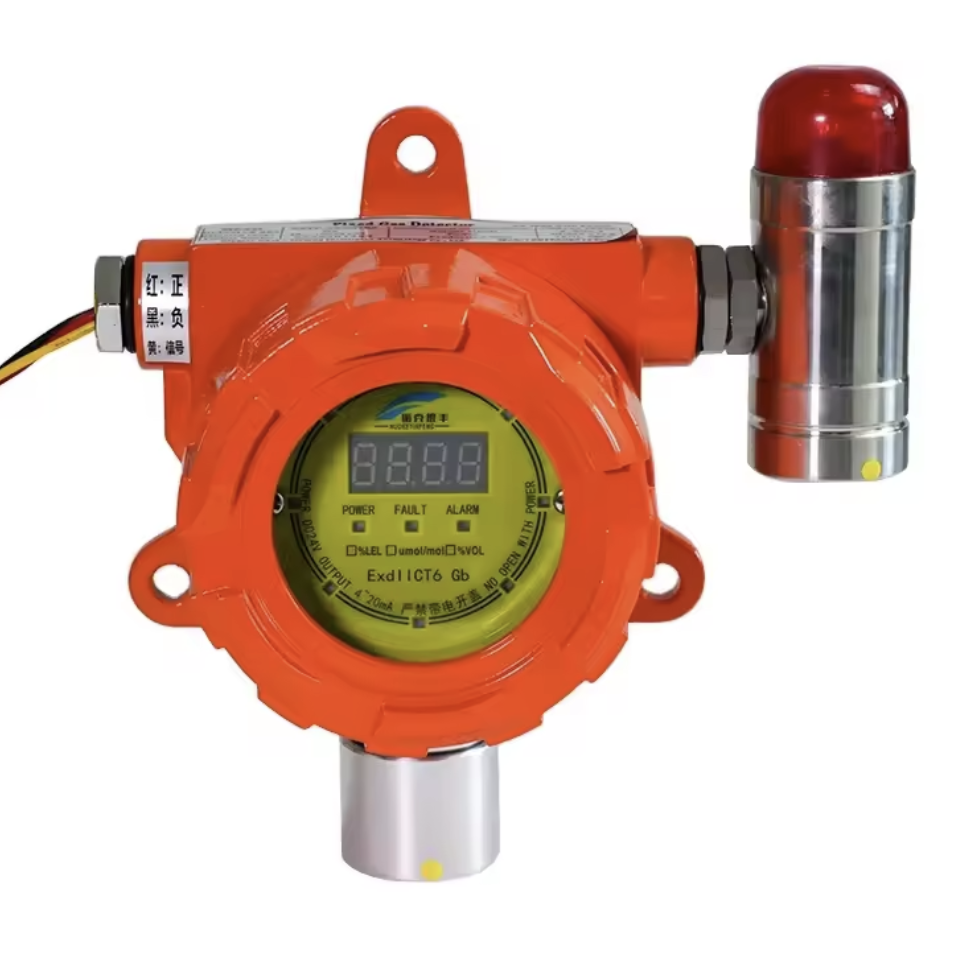
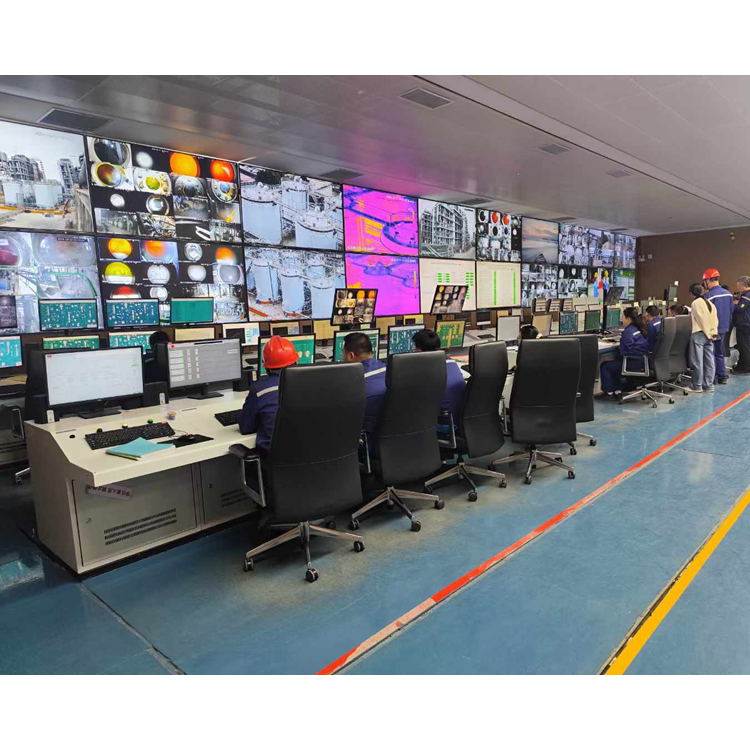
Equipment intelligence: With the continuous development of the Internet of Things and intelligent technology, the level of intelligence in oxygenated off-gas recovery troughs is also increasing. By introducing smart devices such as sensors and controllers, remote monitoring and automatic adjustment of the recovery trough can be achieved, thereby improving the equipment's operational efficiency and stability.
Resource Recycling: In the future, the oxygenated off-gas recovery pond will place greater emphasis on resource recycling and environmental sustainability. By optimizing the recovery process and enhancing efficiency, we can further reduce environmental pollution and promote resource conservation and reuse.
In summary, the oxygenated off-gas recovery tank plays a crucial role in industrial production, with its development trend characterized by continuous innovation and intelligence. In the future, as technology advances and environmental awareness grows, the application scope of the oxygenated off-gas recovery tank will expand further, bringing more economic and social benefits to enterprises.