







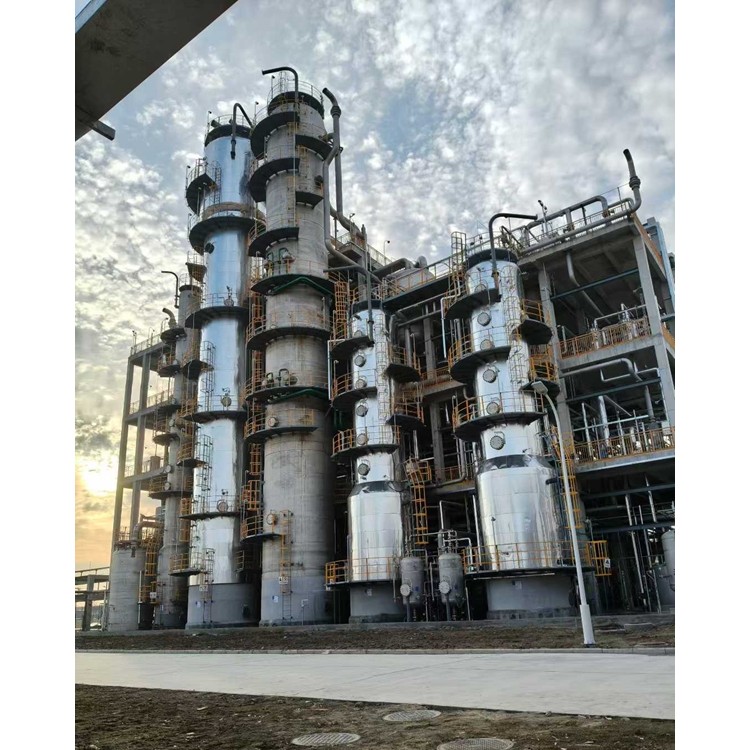
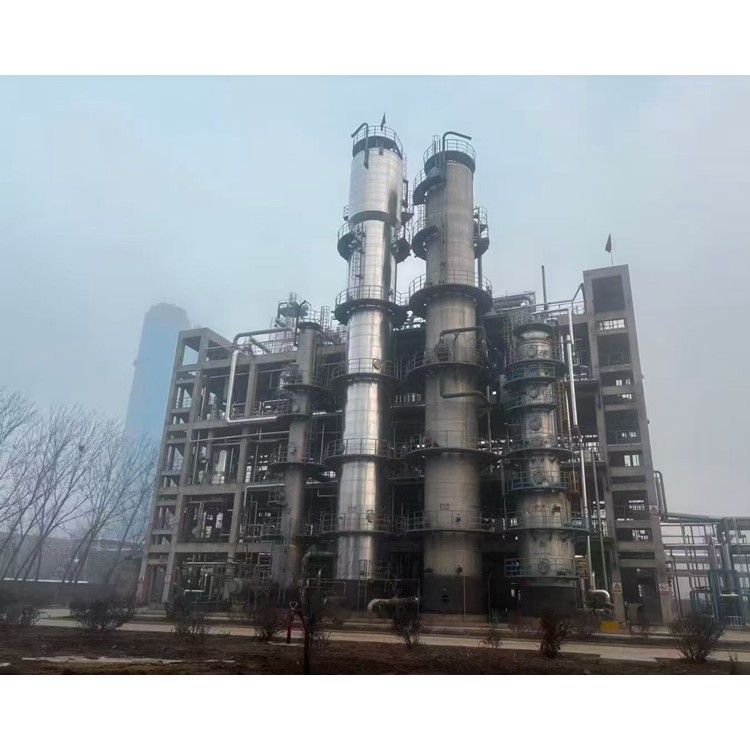
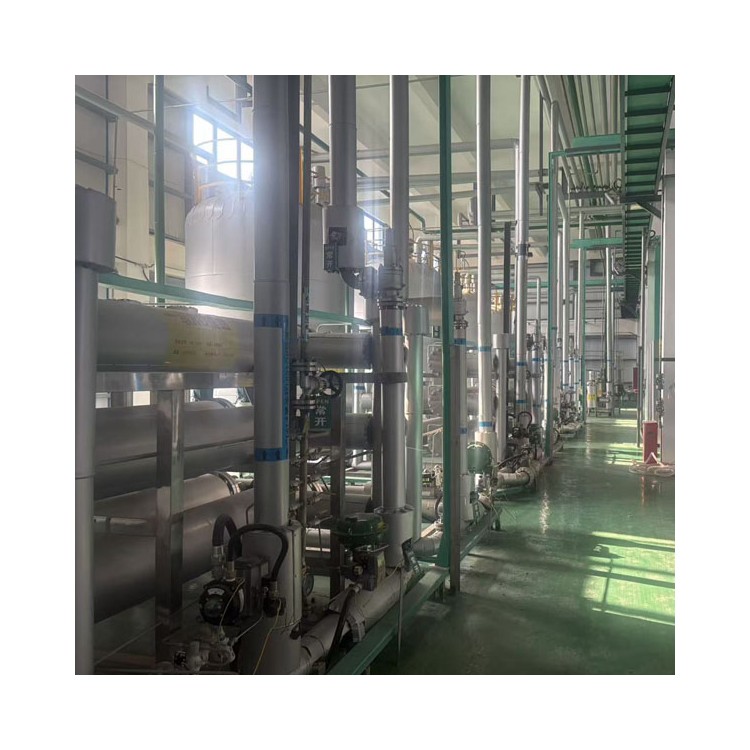
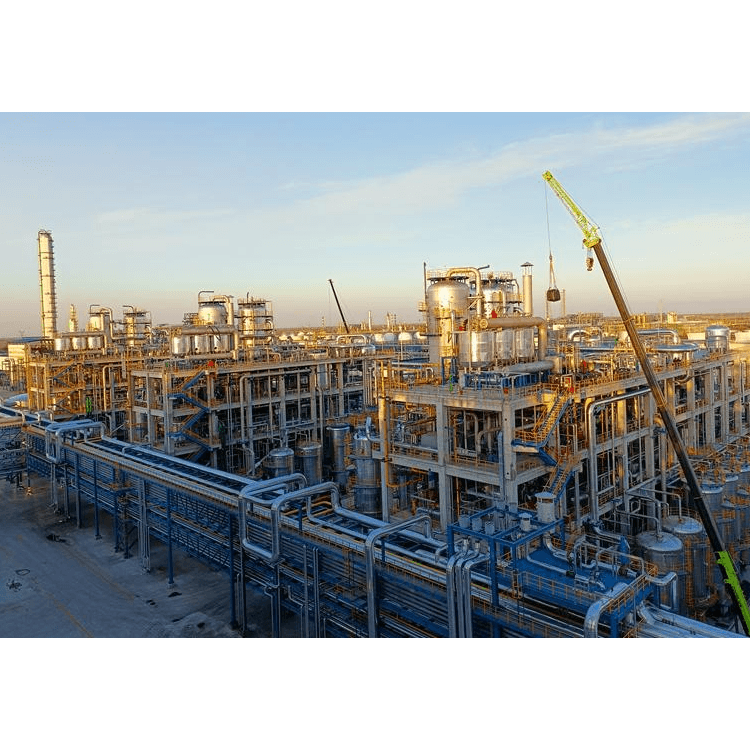

The following is a detailed introduction to the hydrogen peroxide carbonator.
I. Definition and Principle
Hydrogen Peroxide Carbon Dioxide Remover is a device that uses the strong oxidizing properties of hydrogen peroxide for carbon removal. Its working principle is based on the decomposition of hydrogen peroxide to produce oxygen, which increases the motive force for gas escape in water, thereby making it easier for carbon dioxide to separate from water. The addition of hydrogen peroxide alters the chemical balance of the water, benefiting the removal of carbon.
II. Structure and Features
Structure Design: The structural design of the hydrogen peroxide decarbonizer optimizes the decarbonization effect, with specific conditions within the equipment promoting thorough contact between hydrogen peroxide and the carbon in the water.
High-Efficiency Carbon Removal: This method is highly efficient in reducing carbon content in water rapidly. Under normal mixing conditions, the amount of residual carbon dioxide in the water can be significantly decreased after degassing through the carbon removal unit.
Adaptability: The hydrogen peroxide decarbonator is versatile for various water quality decarbonization needs, with an advanced control system for precise dosing of hydrogen peroxide.
Material Selection: The choice of material for the equipment is crucial for the stability of hydrogen peroxide carbon removal. Corrosion and wear-resistant materials must be selected to ensure the long-term stable operation of the equipment.
III. Influencing Factors
Hydrogen Peroxide Concentration: The concentration of hydrogen peroxide is a key factor affecting the decarbonization effect. Both too high and too low concentrations can impact decarbonization efficiency, so it is necessary to adjust the hydrogen peroxide concentration reasonably based on the water quality.
Temperature Conditions: Appropriate temperature conditions enhance the efficiency of carbon removal by hydrogen peroxide. At suitable temperatures, the decomposition rate of hydrogen peroxide accelerates, facilitating the separation of carbon dioxide.
Pressure Conditions: The system's pressure conditions also affect the descaling process. Thus, it is necessary to control an appropriate pressure during operation to ensure effective descaling.
Water Quality: Impurities in the water may affect the hydrogen peroxide decarbonation reaction. Therefore, pre-treatment of the water quality is required before decarbonization to remove any impurities that could interfere with the decarbonization process.
Section 4: Applications and Maintenance
Application Fields: The hydrogen peroxide decarbonator is widely used in industrial water treatment fields, such as chemical, power, metallurgy, and other industry's water treatment systems. Additionally, it has certain applications in civil fields, like domestic water treatment.
Maintenance: To ensure the long-term stable operation of the hydrogen peroxide decarbonator, regular maintenance is required. This includes cleaning the internal equipment, replacing damaged parts, and checking and adjusting operating parameters. Additionally, regular water quality testing is necessary to evaluate the decarbonation effect and adjust operational strategies.
V. Cautionary Notes
Safety in Operation: Pay attention to the safe use of hydrogen peroxide during operation to prevent it from splashing onto sensitive areas such as the skin or eyes. Additionally, ensure that the equipment is well-sealed to prevent leaks of hydrogen peroxide, which could lead to environmental pollution.
Environmental Awareness: When using hydrogen peroxide carbon scrubbers, emphasize environmental awareness and control the dosage of hydrogen peroxide reasonably to avoid excessive use leading to resource waste and environmental pollution.
In summary, the hydrogen peroxide de-carbonator is an efficient and adaptable water treatment unit, operating on the principle of hydrogen peroxide's strong oxidizing properties for de-carbonization. During use, attention should be given to operational safety, the rational control of hydrogen peroxide concentration and dosage, as well as regular maintenance and care of the equipment.