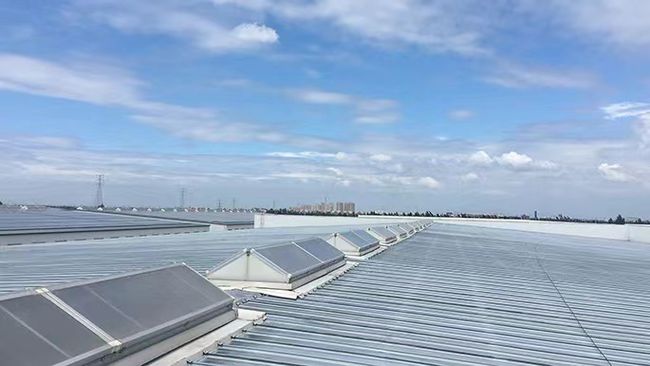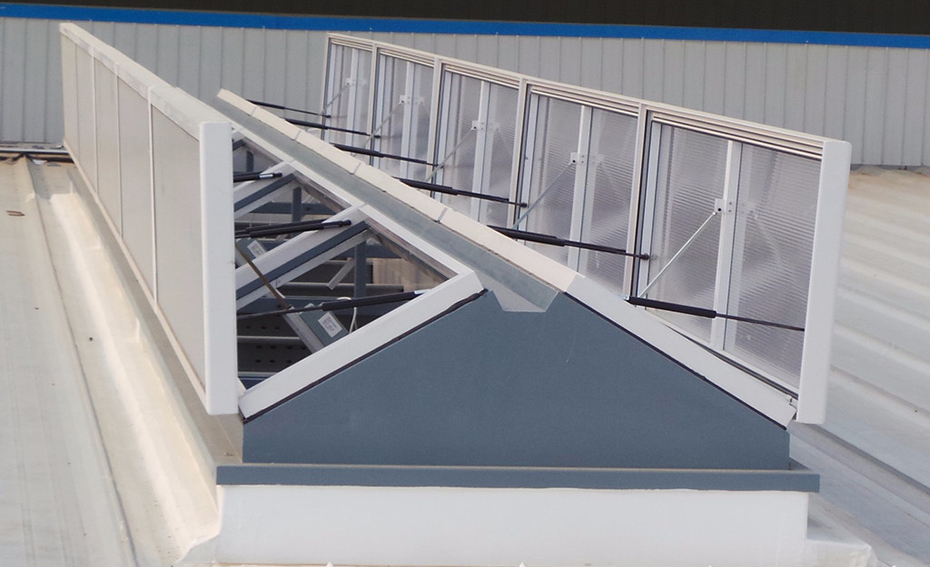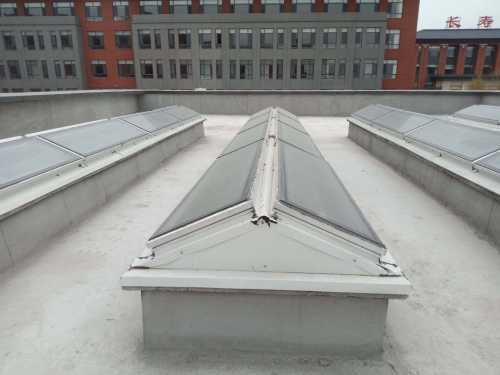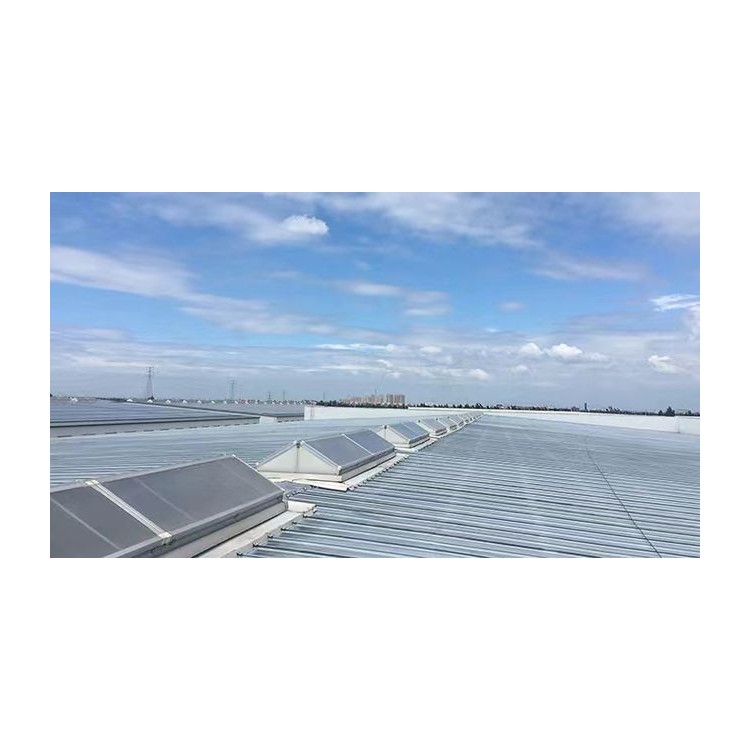

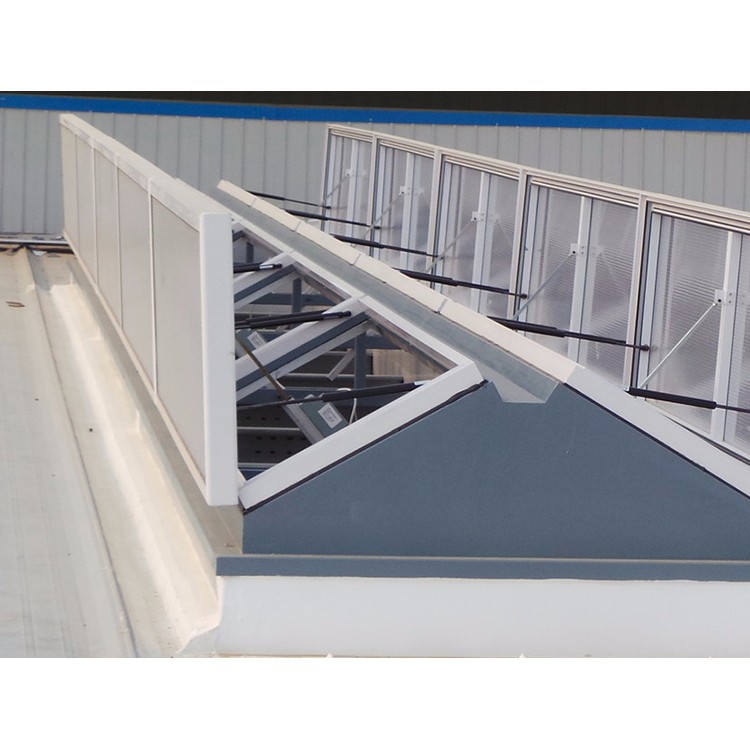
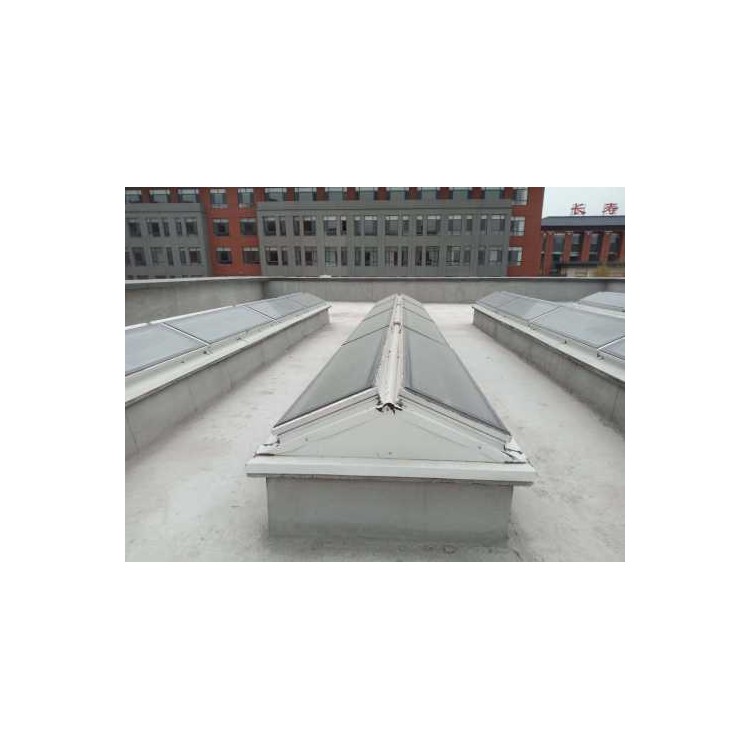








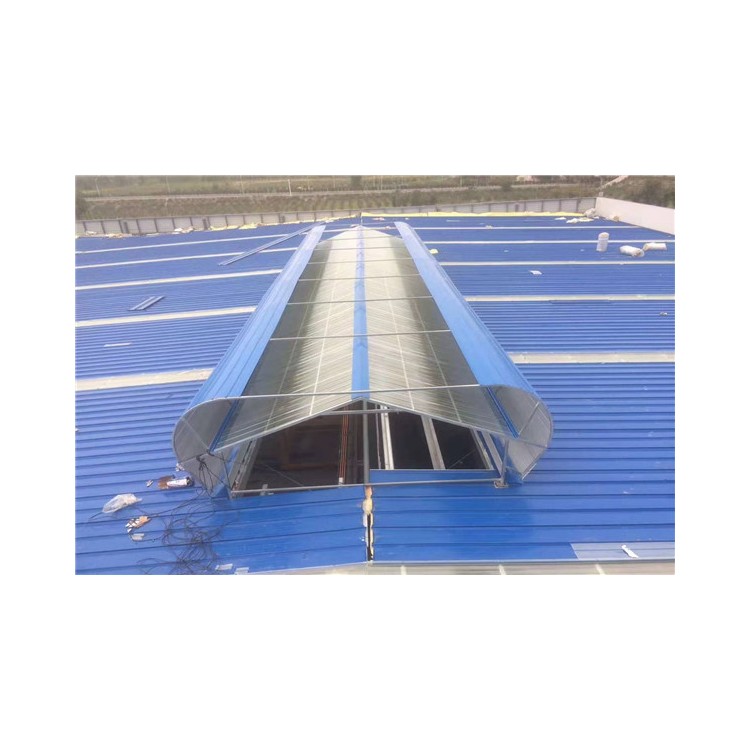
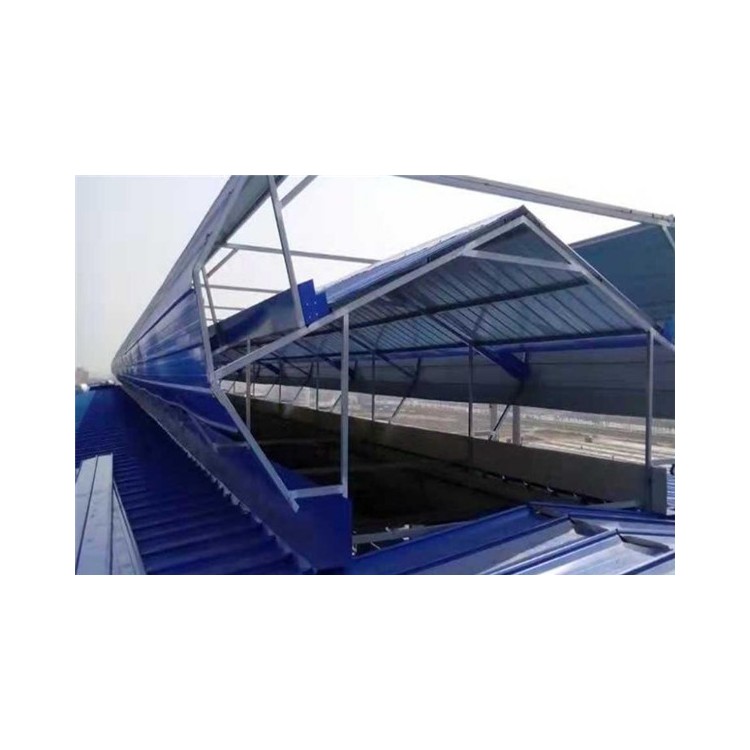
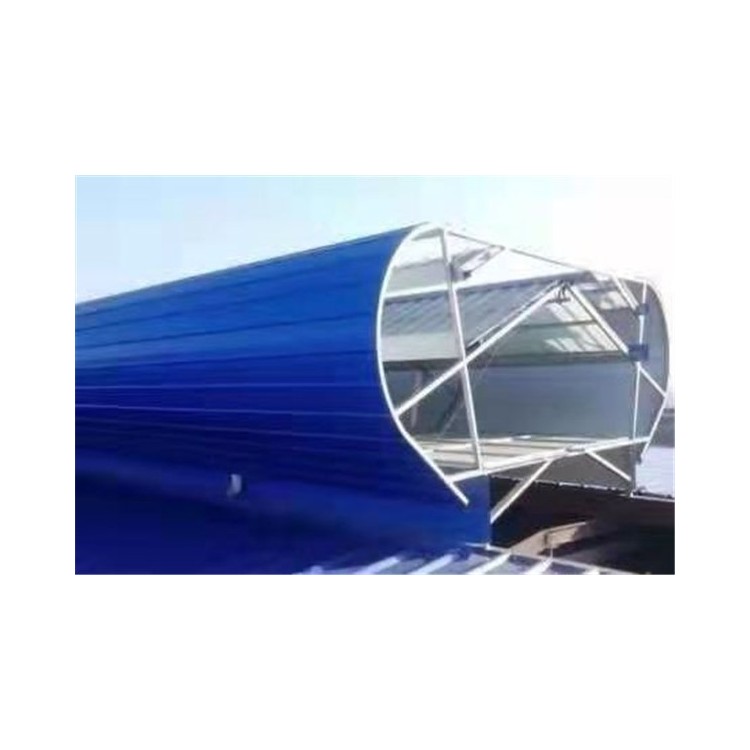
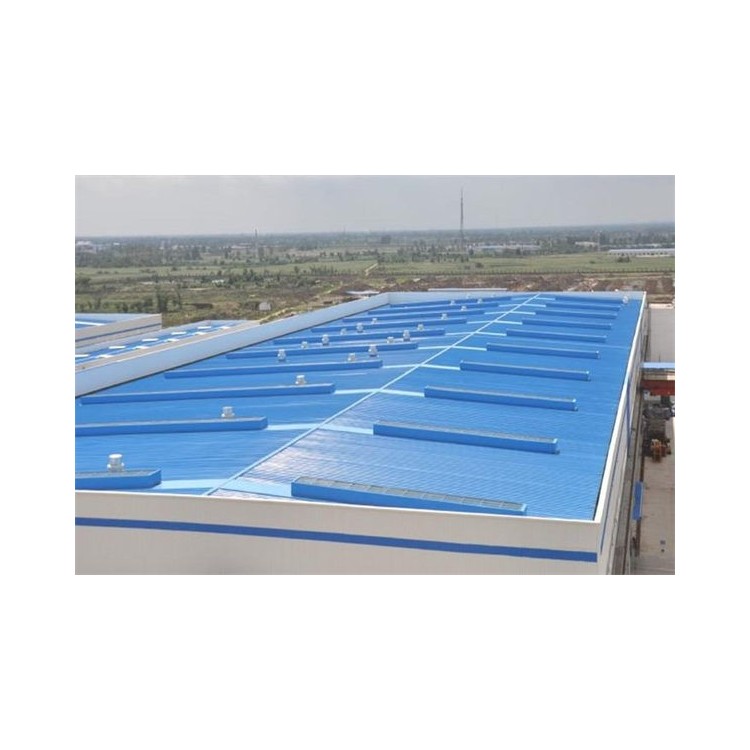
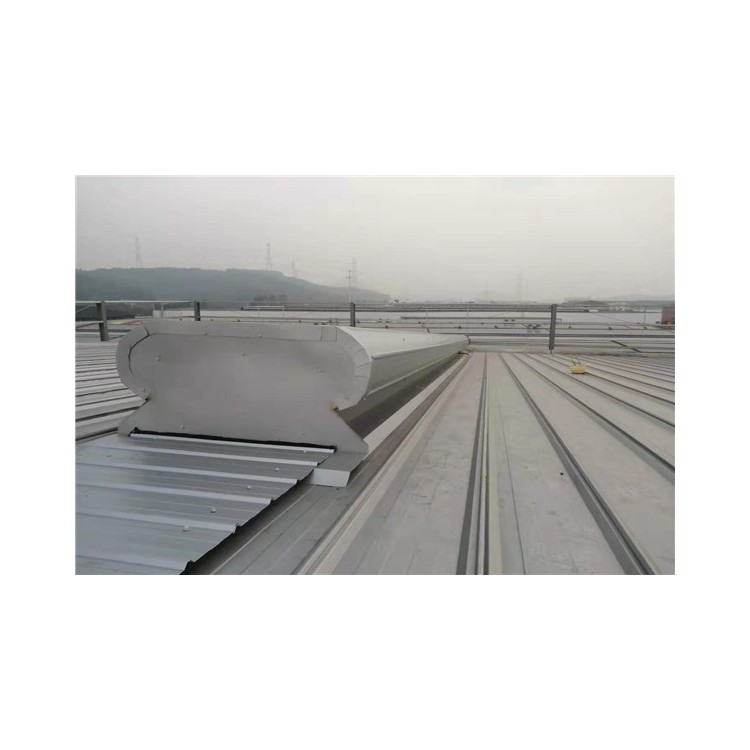
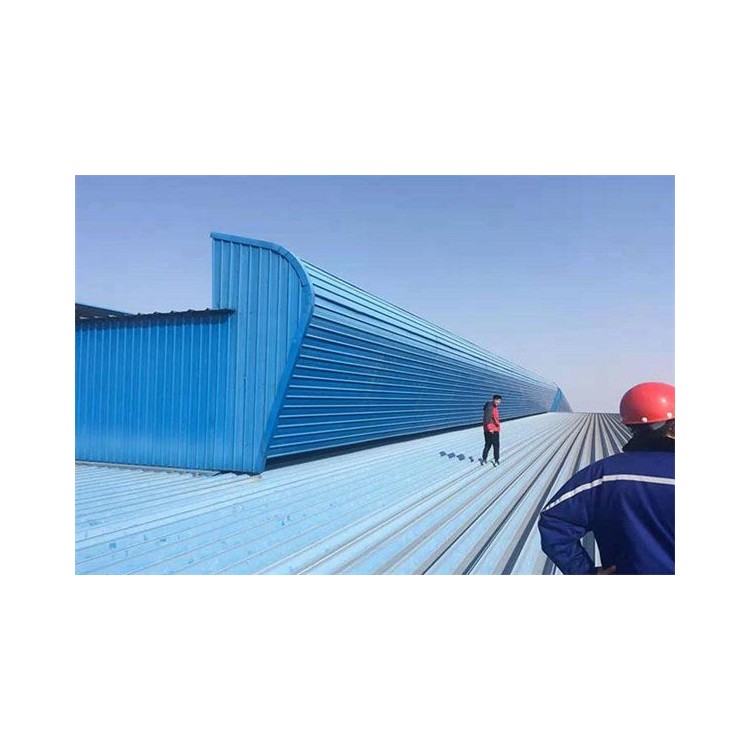
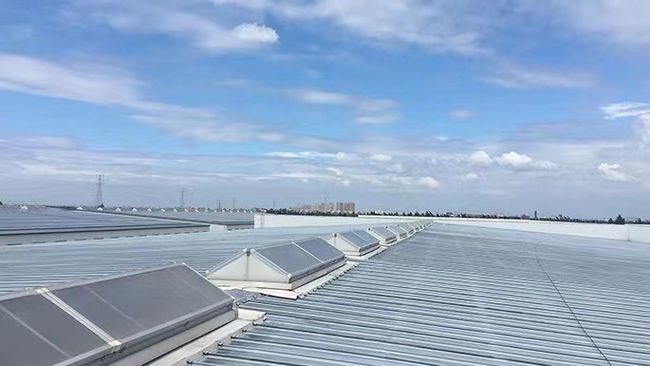
Ventilation in buildings is categorized into two types: natural and mechanical ventilation. Mechanical ventilation refers to the use of mechanical means to achieve air circulation indoors, which is more energy-consuming compared to roof ventilators and can produce noise during operation. The use of roof ventilators can effectively reduce energy consumption and lower indoor temperatures by introducing outdoor air. For buildings relying on air conditioning for cooling, the installation of ventilation towers can reduce the workload of the air conditioning system, provide a cozy feeling, introduce fresh air, and is significant for improving physical and mental health.
Roof ventilators and airshafts play a crucial role in natural ventilation. In summary, as a climate-appropriate technology, roof ventilators and airshafts can effectively...Indoor building temperature. With the continuous expansion of ecological and sustainable concepts, roof ventilators, as a healthy ventilation method, will be increasingly adopted.
Below, a ventilation tower manufacturer will briefly introduce the precautions to consider before choosing a ventilation tower manufacturer.
1. Ventilation domes are generally categorized into three types: axial flow ventilation domes, centrifugal ventilation domes, and mixed ventilation domes. As these ventilation skylights do not occupy indoor space, they are suitable for various environments!
Before selecting ventilation dome products, it is crucial to strictly investigate the parameters of the ventilation skylight, such as the material, air volume, noise level, efficiency, and motor power, among other key factors.
3. Ventilation towers are categorized as corrosion-resistant fans and explosion-proof ventilation units based on the differences in working environments. When selecting products, you can choose a specialized ventilation skylight for your working environment, or opt for a standard ventilation unit.
4. For locations with noise requirements, we can opt for high ventilation efficiency products with low circumferential speed, and add soundproofing facilities to minimize noise!
How to conduct quality inspection for ventilation towers?
1. Ventilated Attic: Product Fire Safety Inspection Report
Major fire safety products involved in mechanical and electrical installation projects in urban underground spaces include smoke and exhaust centrifugal fans, gas fire suppression systems and equipment, fire pumps, fire hydrants, fire hydrant systems with fire safety and smoke exhaust system shut-off valves, fire-resistant boards, various fire safety pipe valves, nozzles, and fittings. Most fire safety products, such as smoke and exhaust centrifugal fans, gas fire suppression systems and equipment, fire pumps, and fire hydrants, are equipped with relevant fire safety certifications. However, during the entire fire engineering acceptance process, construction companies often pay insufficient attention to the 3C certification of fire dampers, the fire safety inspection reports of fire-resistant boards, and the fire safety pipe valves. There is a feeling that this type of mechanical equipment is not very important in the software of fire facilities, and the purchase does not pay attention to whether it meets the specifications and requirements of local fire safety enterprises, leading to an incomplete set of raw materials for fire safety certifications of related products during the fire engineering acceptance.Correction.
2. Ventilation louvers: Fire barrier
Fireproofing sealing has always been a key focus in fire engineering acceptance inspections, as well as an important concern for both residents and construction companies throughout the entire construction process. However, due to difficulties such as small design of filling space, lack of inspection for ceiling in home decoration, and lack of strict management methods for construction, the fire prevention work cannot be implemented seriously. During the on-site fire engineering acceptance inspection, there is a severe crossover of smoke between floors, smoke prevention areas, evacuation exits, and machine rooms. Therefore, attention should be paid to fireproofing sealing throughout the entire construction process. Before fire safety inspections and fire engineering acceptance, an independent smoke exhaust system test should be conducted, and immediate补救 measures should be taken for any existing smoke exhaust leaks to ensure that smoke is not easily permeable during the fire engineering acceptance inspection.
3. Ventilation louvers: Expected effect of the exhaust system
The design and construction of the fire hydrant system mobile software mainly follow relevant design specifications, construction techniques, and construction acceptance standards. Common challenges in fire engineering inspections include: the long-distance exhaust system at the exhaust outlet of the smoke extraction system is too far, although it does not exceed 30 meters, it is still not ideal. The smoke extraction system at the exhaust outlet cannot quickly eliminate dust inside the building, resulting in a weaker expected effect of the smoke extraction system. Too many fire safety exhaust outlets and closely positioned air supply outlets lead to insufficient compensation of fresh air at the exhaust outlets of the smoke extraction system, significantly impacting its expected performance.