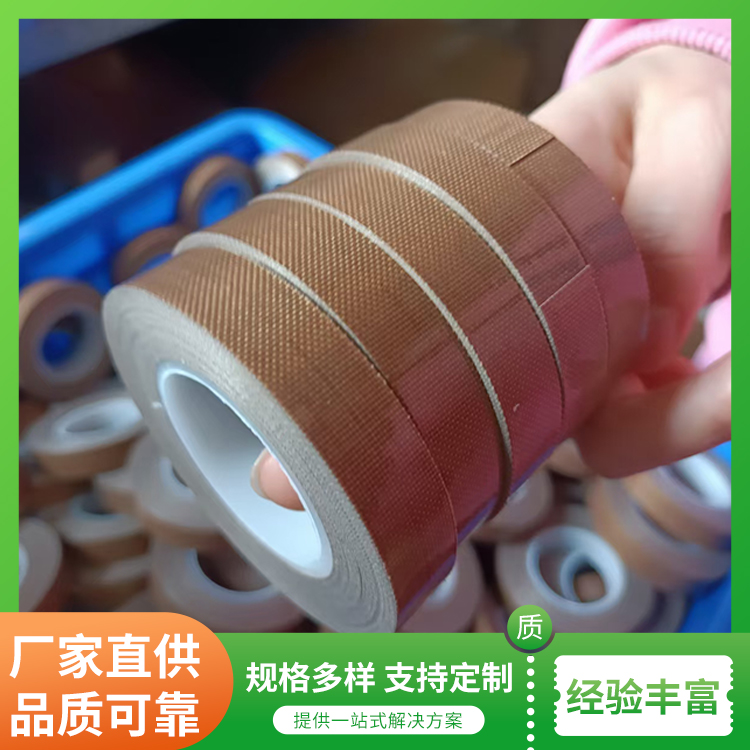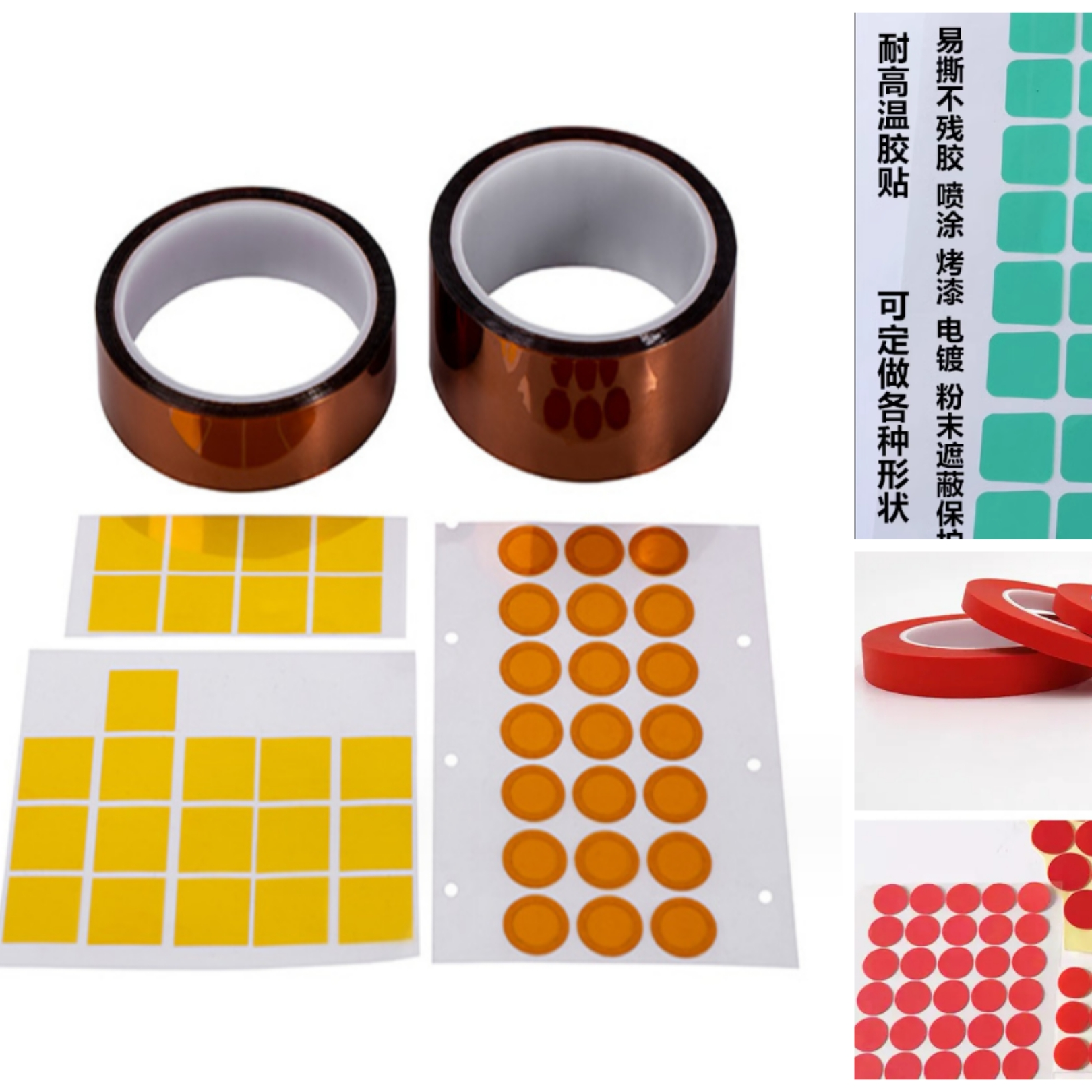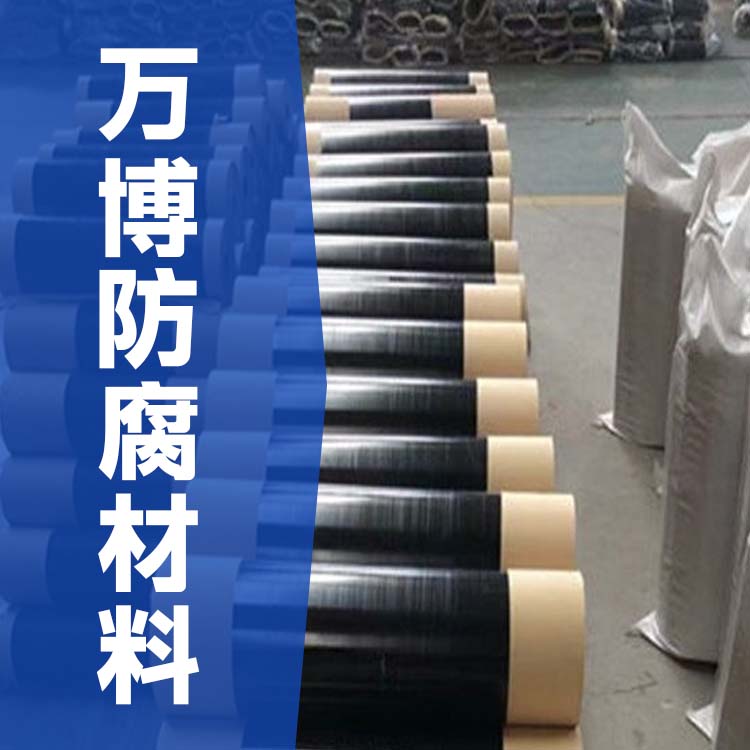


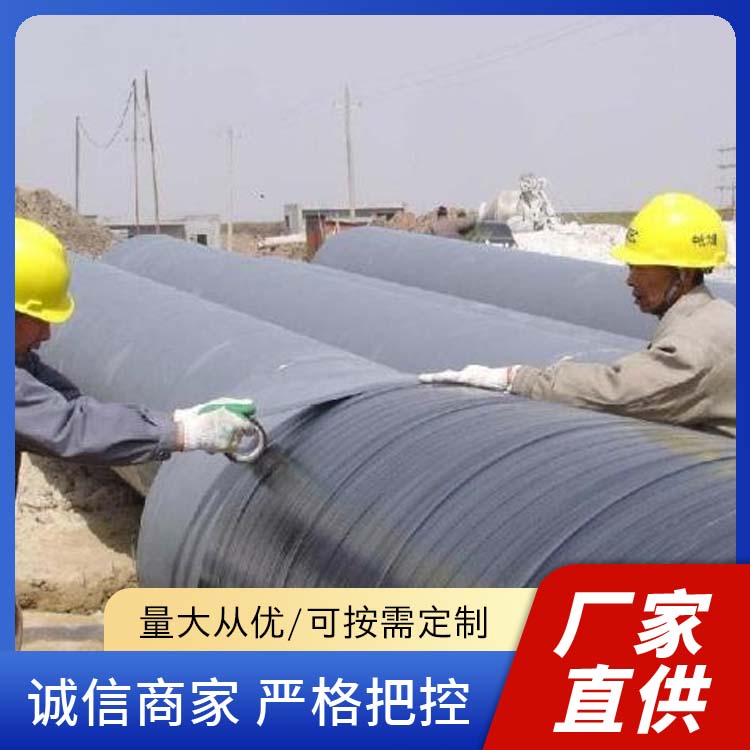


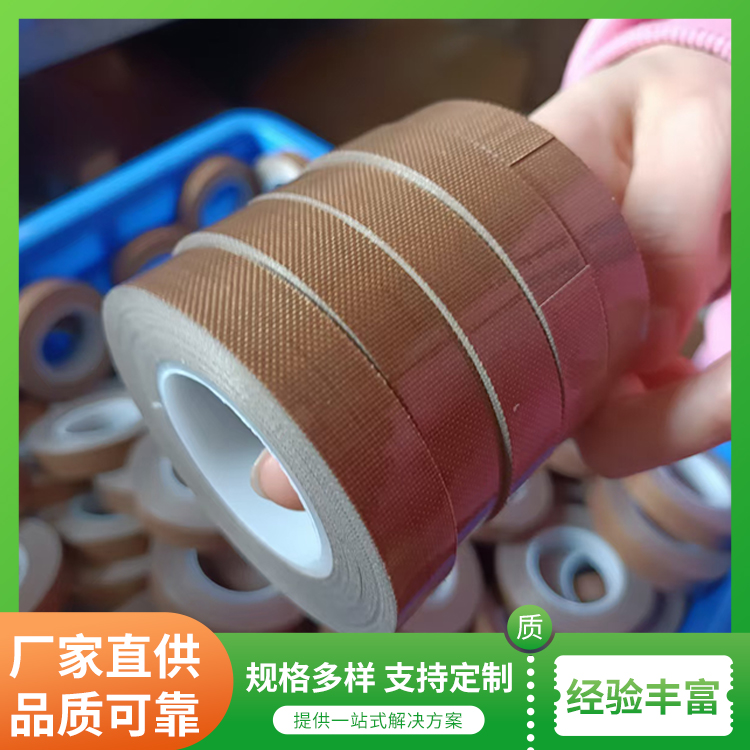
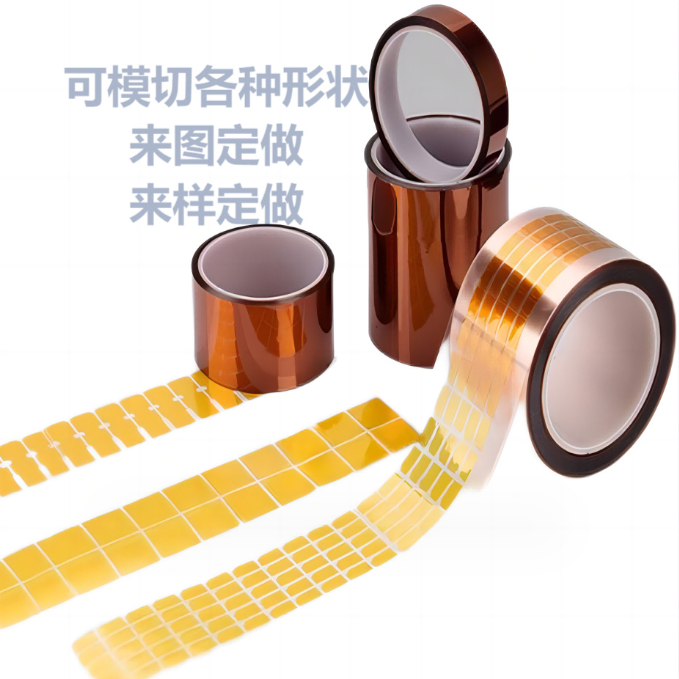







Polyethylene anticorrosion adhesive tape, also known as a patch tape, is a novel anticorrosion cold wrap tape masterpiece. The base material of this product is high and low density synthetic polyethylene film, with the adhesive layer composed of butyl rubber and adhesive resin. This product adheres to the SY/T0414-2007 standard. It is widely applicable in the oil, chemical, and urban construction industries for water supply and drainage, as well as for the external anticorrosion and repair projects of steel pipelines for oil and gas, coal gas, and steel underground storage tanks. It is an environmentally friendly anticorrosion material with no pollution or hazards. Compared to traditional anticorrosion tapes, it has the following advantages:
1. Strong adhesion and self-fusing capability; waterproof, gas-tight, with excellent sealing properties.
2. High electrical insulation, excellent aging stability, and strong resistance to ultraviolet radiation.
3. Resistant to soil stress damage with strong impact resistance.
4. Single-layer wrapping of the tape can achieve the anti-corrosion requirements of the SY/T0414-2007 standard for either general or reinforced grade. This changes the traditional method of multi-layer wrapping, reducing the impact of human factors on anti-corrosion quality during the anti-corrosion process, and lowering construction costs.
5. Easy installation, quick process, no curing time required, suitable for both manual and mechanical operations, shortening the construction cycle.
6. Low cost, pollution-free, and no "three wastes."
Construction Grade
Corrosion Coating Grade | Total Thickness (mm) | Coating Structure
Standard Grade ≥0.70: One coat of primer + one coat of inner lining + one coat of outer lining
Enhanced Grade ≥1.40 - One coat of primer + one inner layer (lap width is 50~55% of the adhesive tape width)
+ One-layer overwrap (overlap width 50~55% of the tape width)
Primarily used for the anti-corrosion protection of the outer surface of buried steel pipelines for water supply and drainage, gas transmission, and urban construction in the oil, chemical, and construction industries, it offers ease of installation and non-pollution features. Polyethylene anti-corrosion tape has been widely used as an external anti-corrosion material on oil and gas steel pipelines since the 1960s, with a history of over 40 years. Due to its excellent anti-corrosion properties and ease of application, it holds a significant position in the pipeline anti-corrosion material system. Moreover, with continuous improvements and quality enhancements in the variety of polyethylene tapes by manufacturers, the application scope of polyethylene anti-corrosion tape has been expanding.
Construction Process
Steel pipe surface treatment - priming with paint - tape wrapping
Pre-treatment specifications
1. Remove slag, burrs, grease, and dirt from the surface of steel pipes. For pipelines requiring major maintenance of the anti-corrosion coating, appropriate methods should be used to remove the existing anti-corrosion layer and residues.
2. Rust removal should be achieved using mechanical or sandblasting methods, with the quality meeting the national standard "Surface Rust Grade and Blast Cleaning Grade of Steel for Painting" GB/T8923-1998, reaching the St3 or Sa2 grade. (Grade standards are listed in the Appendix.)
3. After rust removal, defects exposed on the steel pipe surface should be addressed. Any dust or abrasive particles adhering to the surface must be thoroughly cleaned, and the pipe surface should be kept dry. In case of re-rusting or surface contamination, a new surface pretreatment is mandatory.
Primer application
The time interval between the pretreatment of the steel pipe surface and the application of the primer should be controlled within 6 hours, and the steel pipe surface must be dry and dust-free.
2. The undercoat should be well mixed in the container. When the undercoat becomes thick, the appropriate thinner should be added to reach the desired viscosity before application. The undercoat can be applied using a clean brush, roller, or other mechanical methods.
The undercoat applied to steel pipes should be free of defects such as missed spots, bubbles, lumps, and runs, forming a uniform film. The thickness should be greater than or equal to 30 micrometers. The weld joints should be carefully coated to prevent missed spots.
Once the primer is dry to the touch (usually within 5-10 minutes under normal room temperature and natural air flow), you can wrap the tape. Pay special attention to lower temperatures or when working in grooves, as the drying time will be longer to ensure the lower part of the steel pipe is dry.
5 The time interval between applying the primer and wrapping the tape to the steel pipe should be kept within 8 hours. The primer surface should be dry and dust-free (if there is significant wind and sand or high humidity, wrapping should be done immediately). If it exceeds 8 hours or is left overnight, reapply the primer before wrapping the tape.
When using primer, safety should be observed to prevent splashes and maintain a safe distance from open flames. After using the primer, any remaining should be promptly poured back into the original metal container and sealed to prevent evaporation and waste.
7 Generally speaking:
Manual Brushing: 10-12 square meters of pipe surface per liter of primer
Mechanical spraying: 18-20 square meters of pipe surface area per liter of primer
Tape Wrapping
The temperature must be above 5℃ when unwinding the tape, and the application of the anticorrosive layer should be carried out above -5℃. Experience has proven that the application of the tape can be done at temperatures as low as -30℃, provided the unwinding temperature is maintained. When the ambient temperature is below 10℃, it is advisable to use a blowtorch to heat the steel pipes and bake the adhesive surface of the tape to ensure immediate good bonding strength.
For weld joints, if necessary, reinforce with a narrow strip of tape measuring 30-50mm wide. First, cover the weld joint, then press it down firmly with your hand or a wooden smoothing tool.
3. Apply the tape spirally around the painted pipe according to the overlap requirements using appropriate mechanical or manual tools. The tape should be tensioned to ensure a tight connection between layers. When wrapping the tape, the edges should be parallel and free from twists or creases. The overlap between the ends of the tape should be over 100mm. If necessary, apply primer or bake the base film at the end of the first tape segment, then proceed to overlap with the starting end of the next tape segment after it has dried. Use a wooden smoothing tool to firmly press the beginning and end to prevent warping.
4 The use of machinery is a powerful measure to ensure the quality of tape winding. Hand-wound tape is difficult to achieve a uniform and consistent surface quality and consistent tension. Only in special circumstances, when mechanical application is not possible, can hand winding be used, but narrower tape should be employed.
5 During factory预制taping, either cold or hot wrapping methods can be used. The tube can be rotated manually or electrically, or the wrapping equipment can rotate. A 150-200mm welding allowance should be left at the tube end.
Pre-fabricated anti-corrosion pipes shall undergo quality inspection in accordance with the requirements of Section 8 of this standard. Upon passing the inspection, a factory acceptance certificate shall be provided to the customer.
When using aluminum foil tape for anti-corrosion on overhead crossing pipelines or vertical risers entering the building, comply with the relevant construction requirements in this specification, but no electrical discharge testing is required.
8 Use narrower width tape for splicing, elbows, and wall-penetrating corrosion-resistant tape, and refer to the relevant provisions in this specification for construction and inspection.
For pipelines requiring major maintenance of the anti-corrosion coating, a rotatable winding equipment should be used for construction on the job site, and refer to the relevant provisions in this specification for construction and inspection.