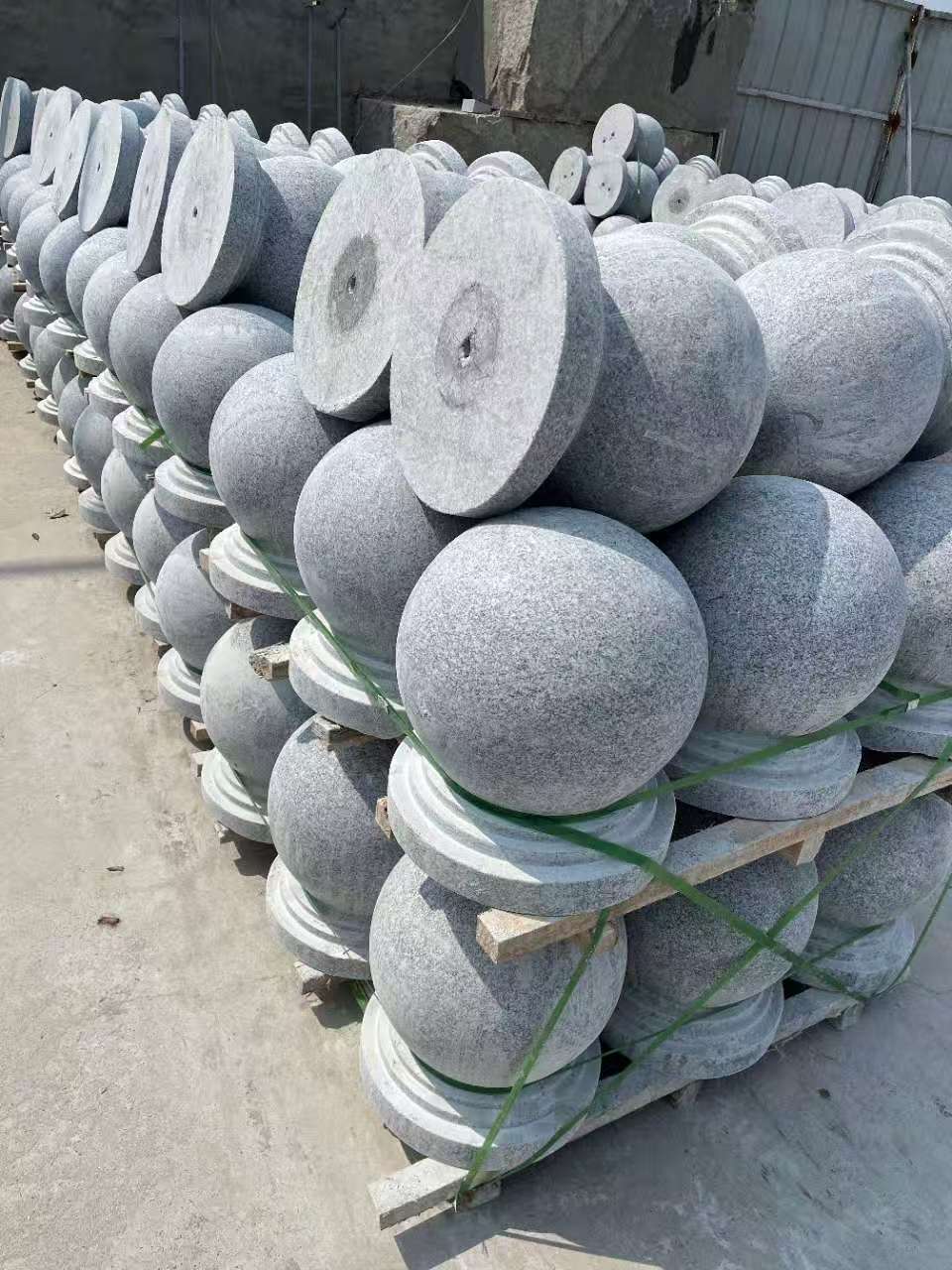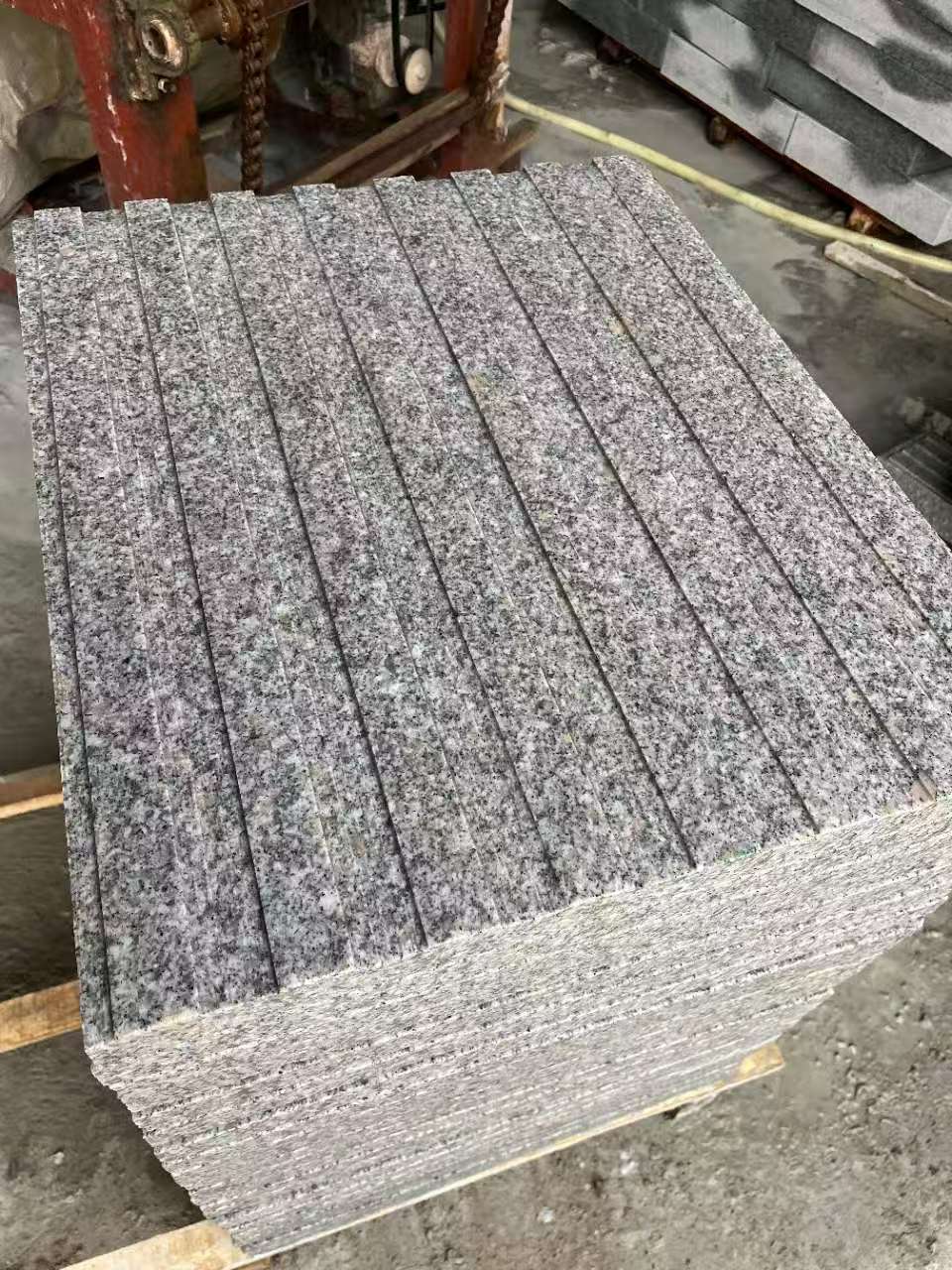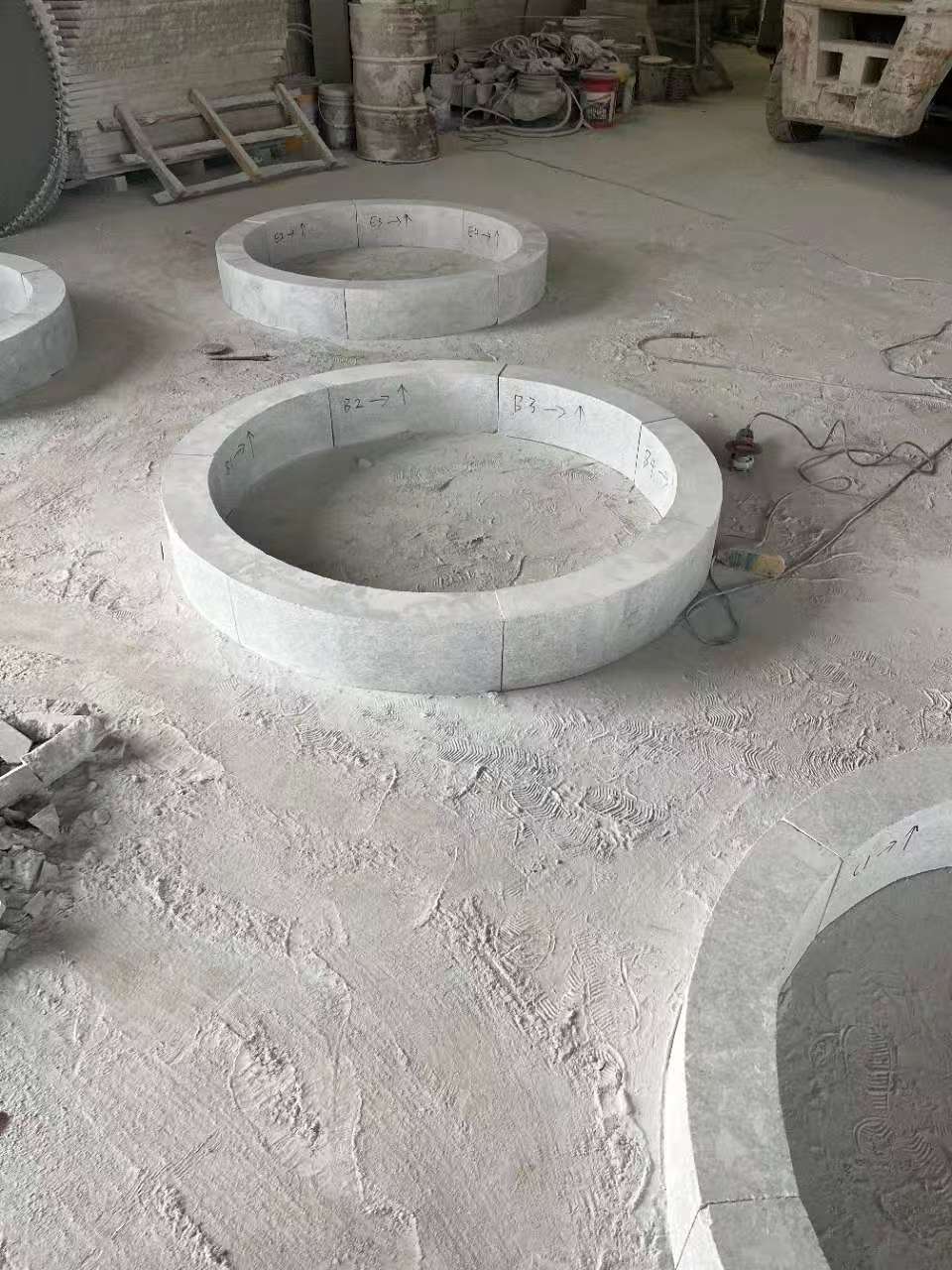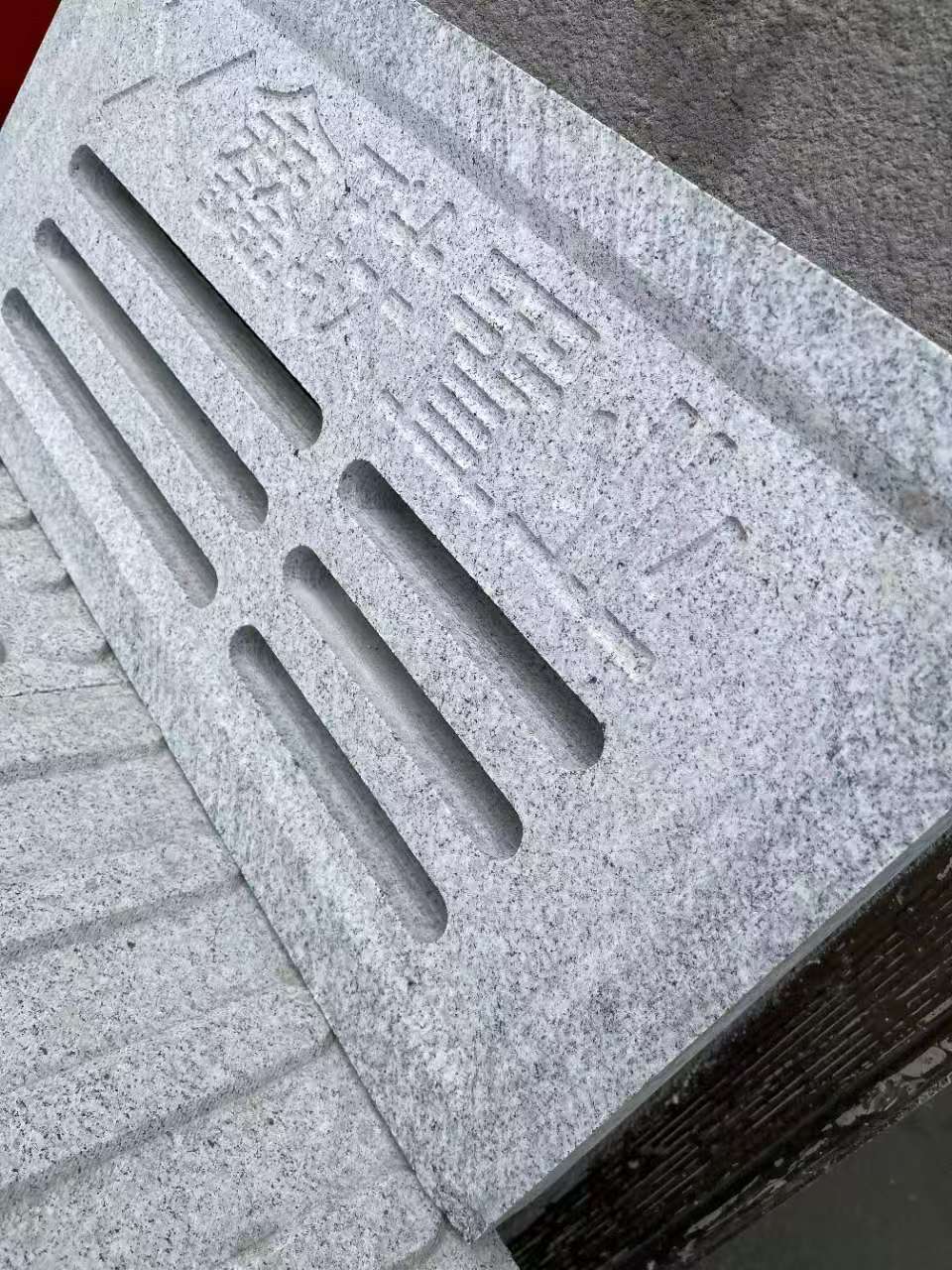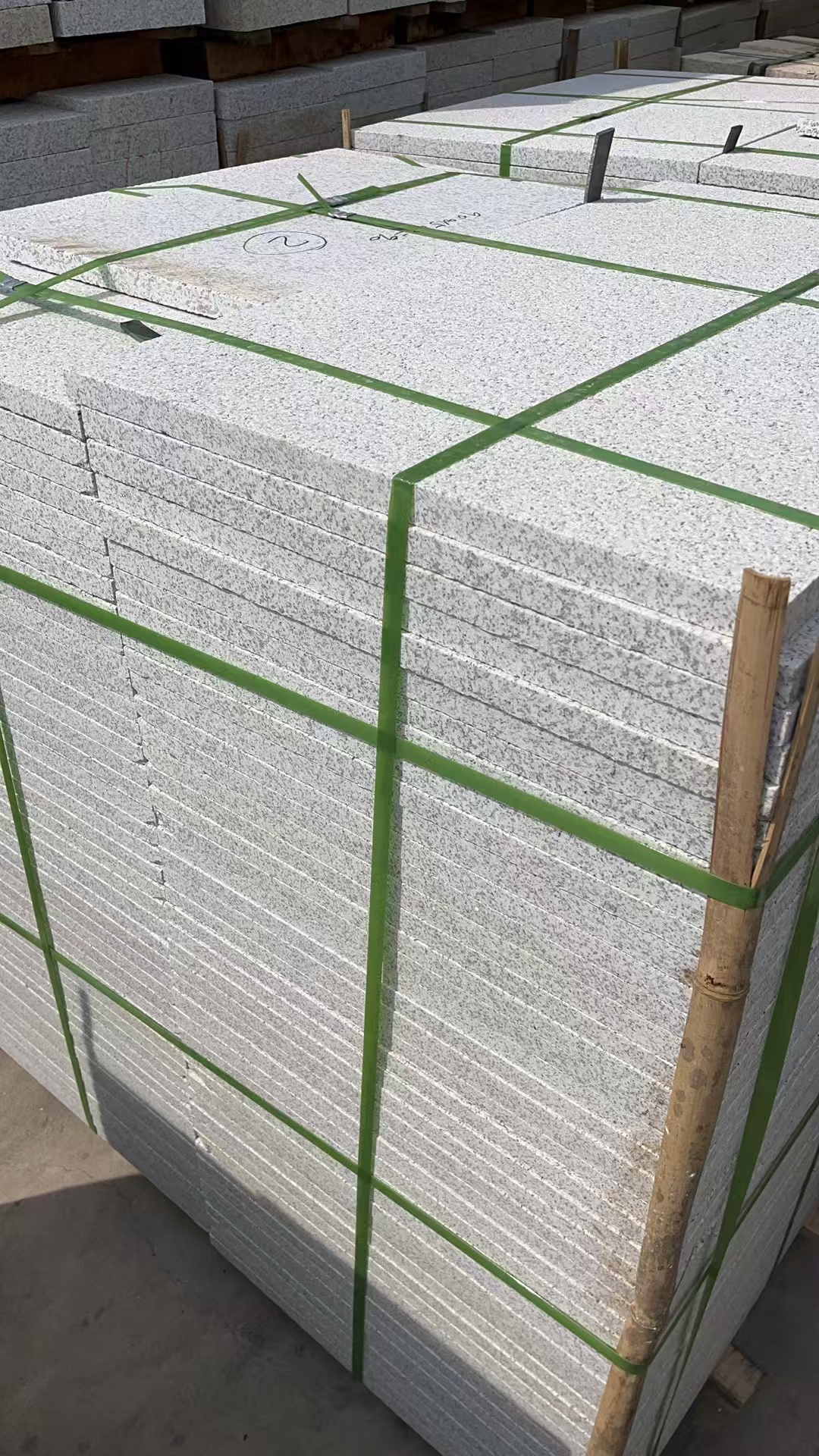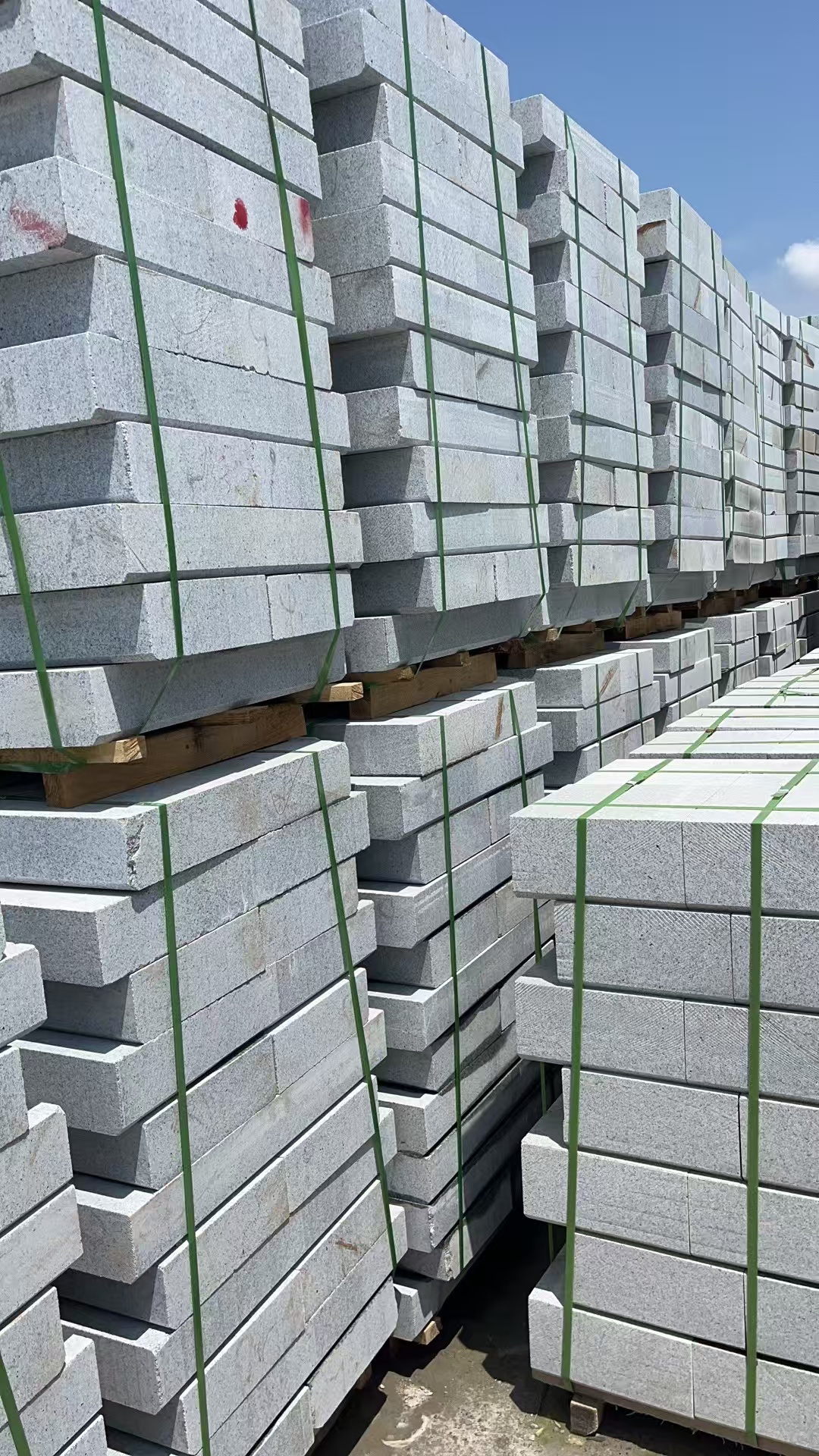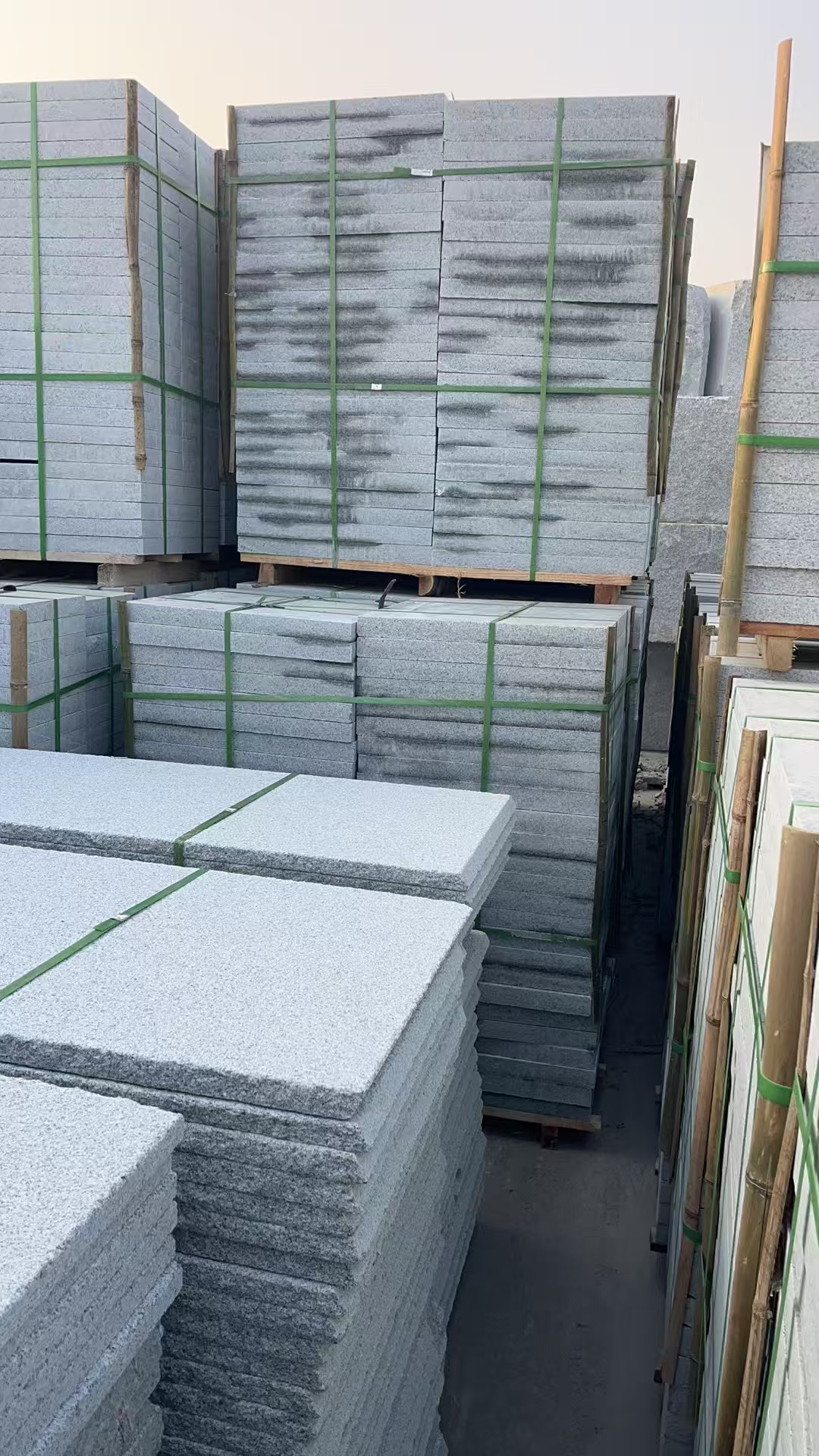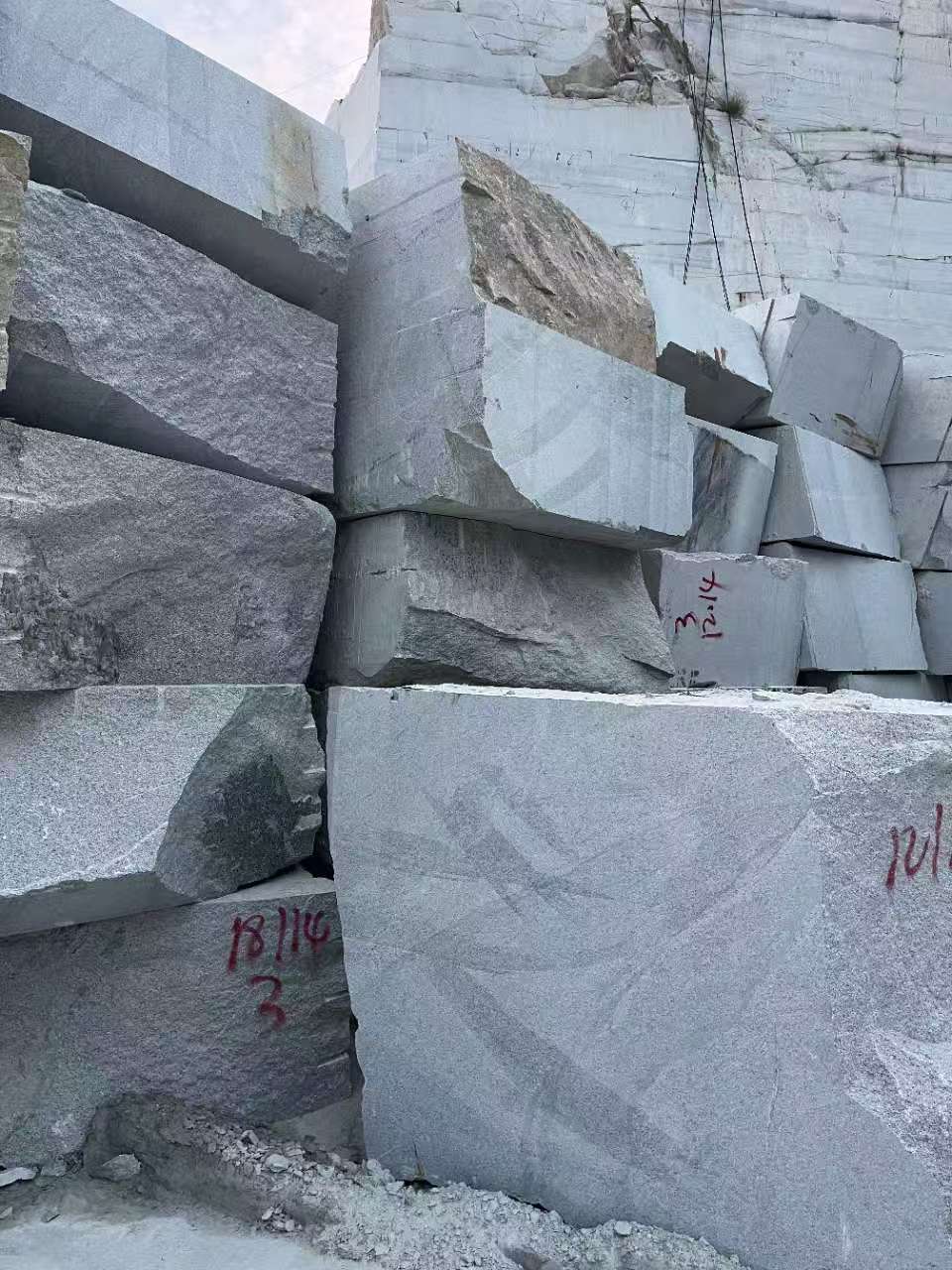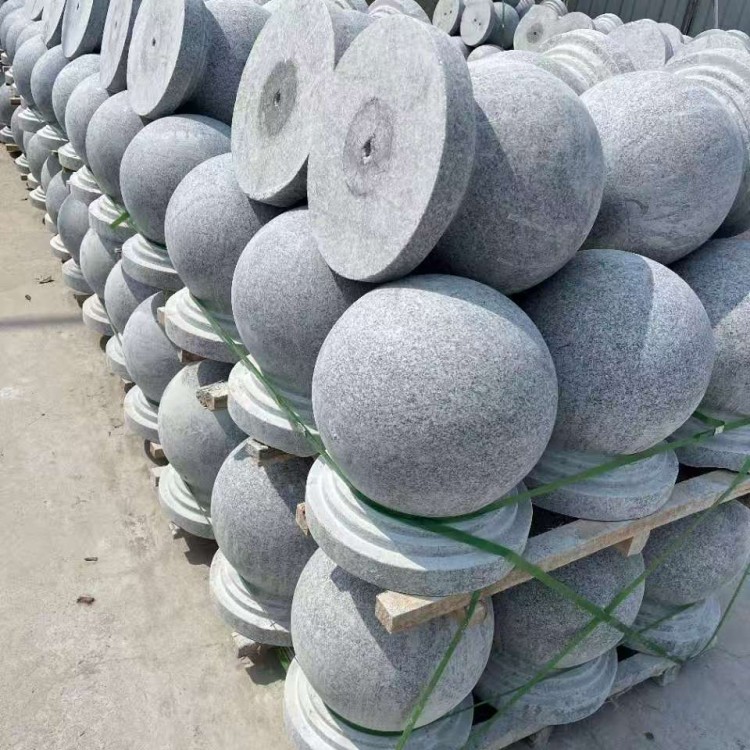
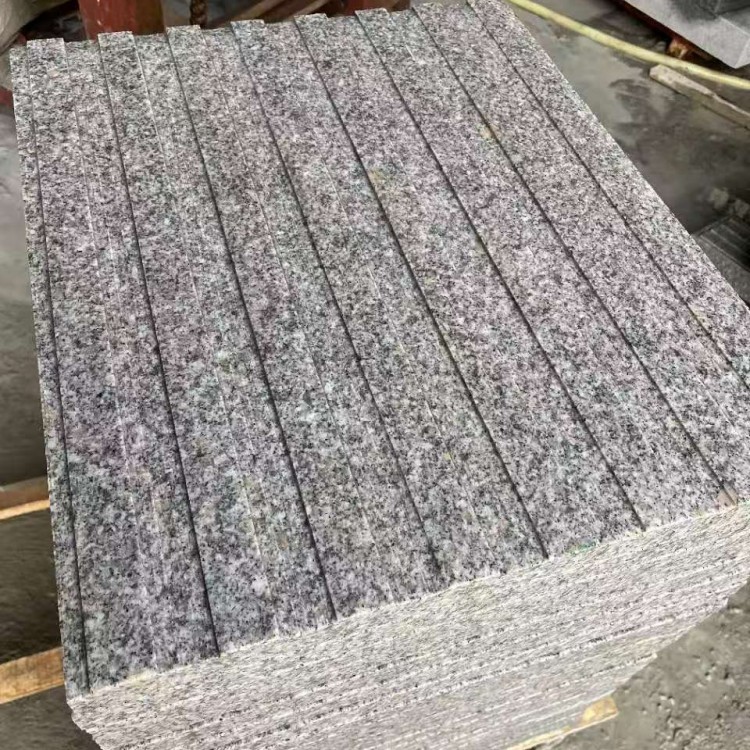













Water-washed stone is a construction technique that has been increasingly popular in recent years. Its essence is quite similar to the water-washed stone of the 1960s. While the difficulty in wall construction is greater, the quality is relatively easy to maintain. Ground construction is not too challenging, but it is prone to cracking and localized settling. Therefore, the foundation design and construction must ensure the stability of the subsoil. It is necessary to use reinforced concrete foundation pads. Additionally, it is generally recommended to set settlement joints every 5 to 6 meters.

Key Features of Washed Stone
1. The stones are evenly distributed with no color variation; flatness and perpendicularity are easy to achieve; various mosaic patterns and designs are accurately constructed with clear lines and no distortion.
2. Short project timeline, reducing engineering costs.
3. Clean construction site and cost-effective engineering.
4. Reduced construction difficulty and labor intensity, improved work efficiency, and lowered labor costs.
5. Any curved or angular construction surface can be seamlessly fitted, greatly expanding the space for architectural exterior design.

Water-washed stone cleaning operation:
Keep a tight schedule, check the paved surface regularly. Remove the film for cleaning just before the cement starts to set. If uncertain, perform a partial cleaning first to assess the results. Clean promptly in high temperatures to prevent difficulty in cleaning once the cement sets. If cement stains persist, use a high-pressure jet to quickly clean the surface, ensuring even cleaning. Also, clean the film and cement not on the work surface to avoid difficulty in removal later. Once the area is thoroughly cleaned, implement protective maintenance measures.