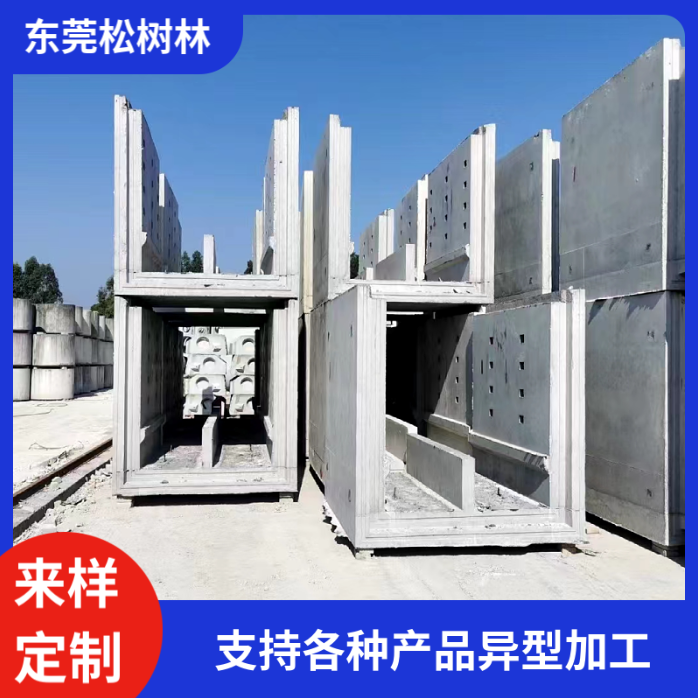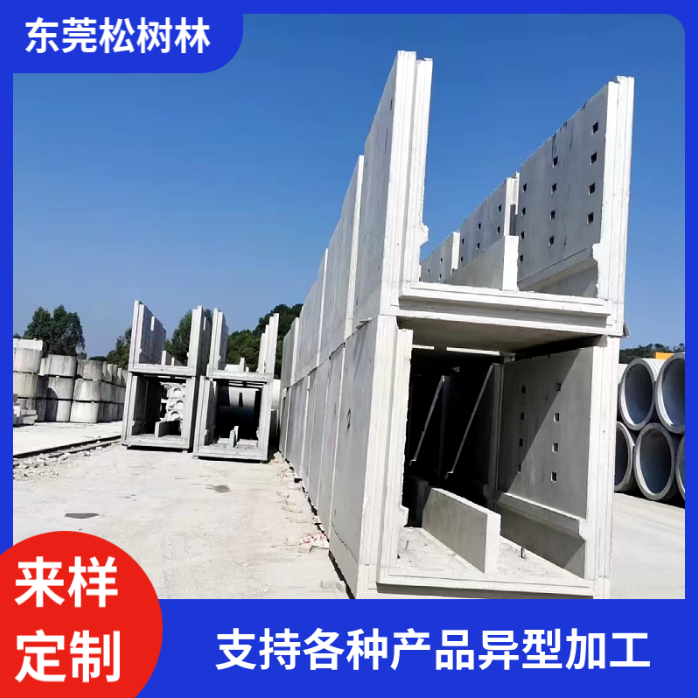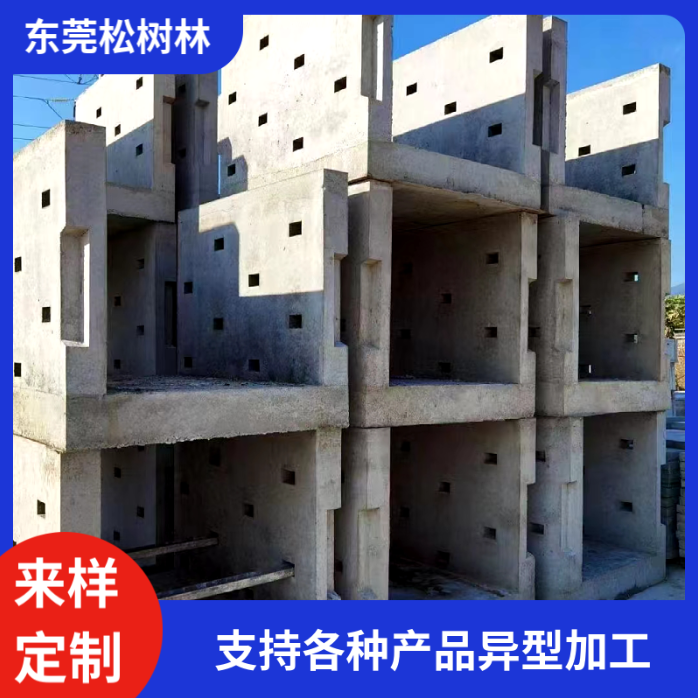

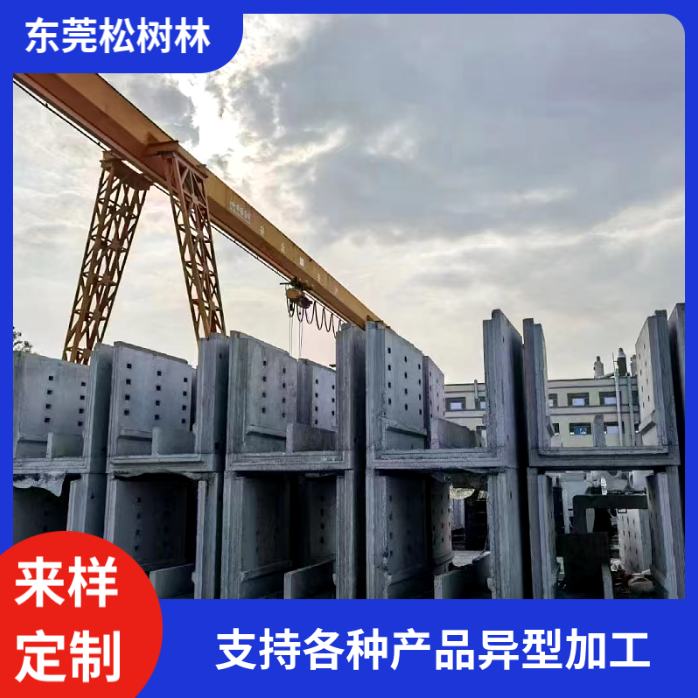

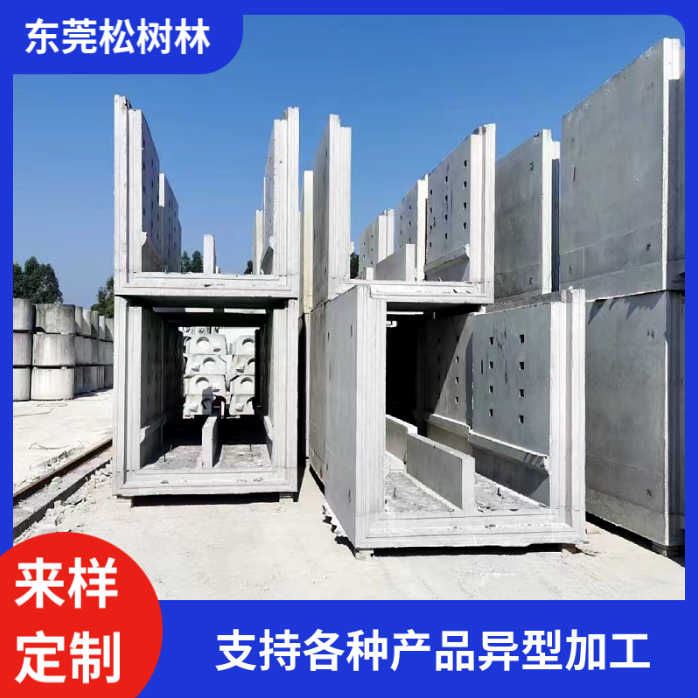
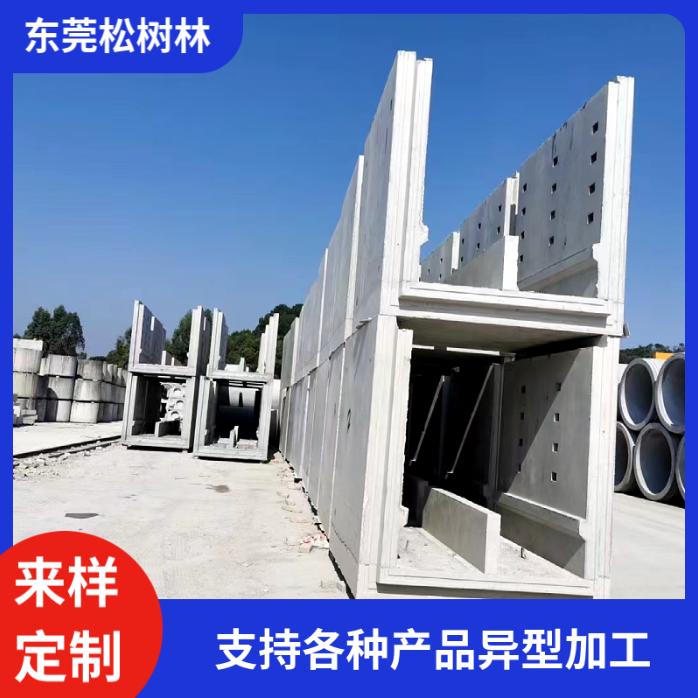











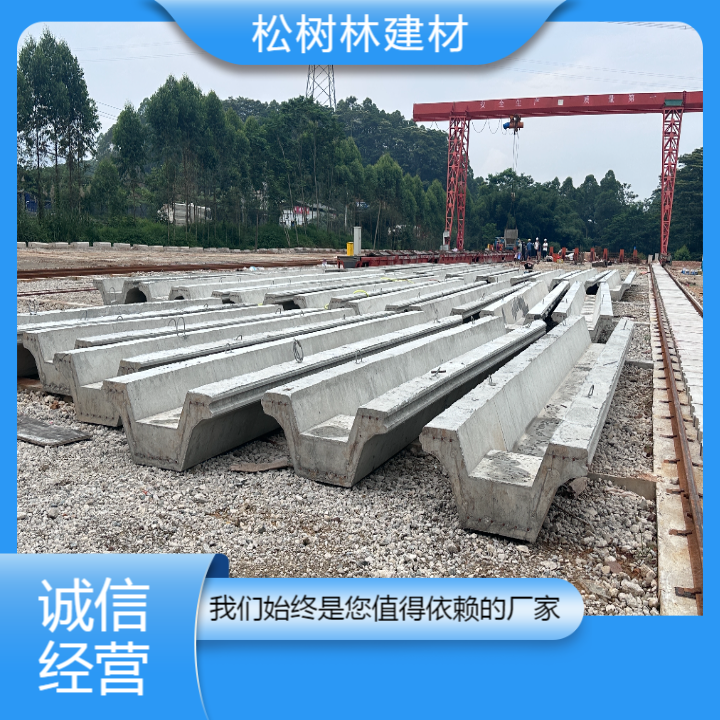
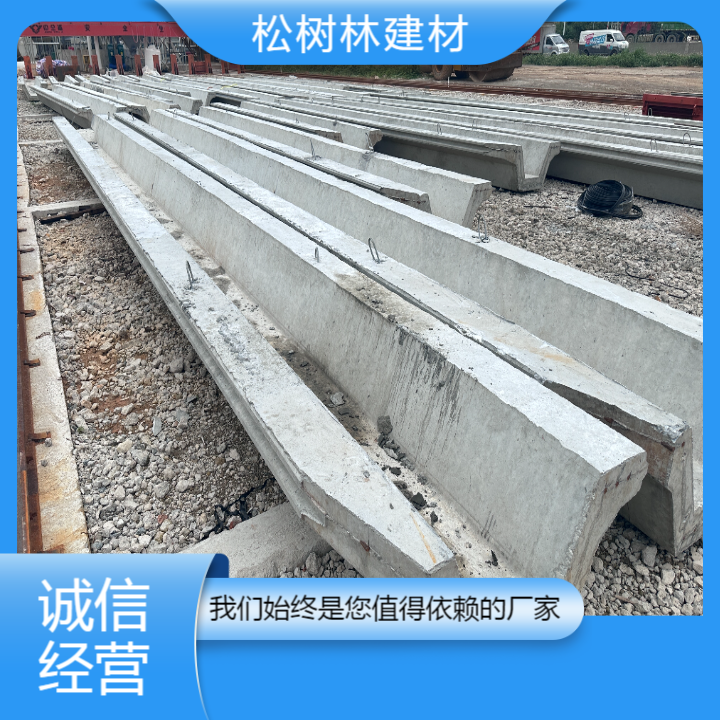
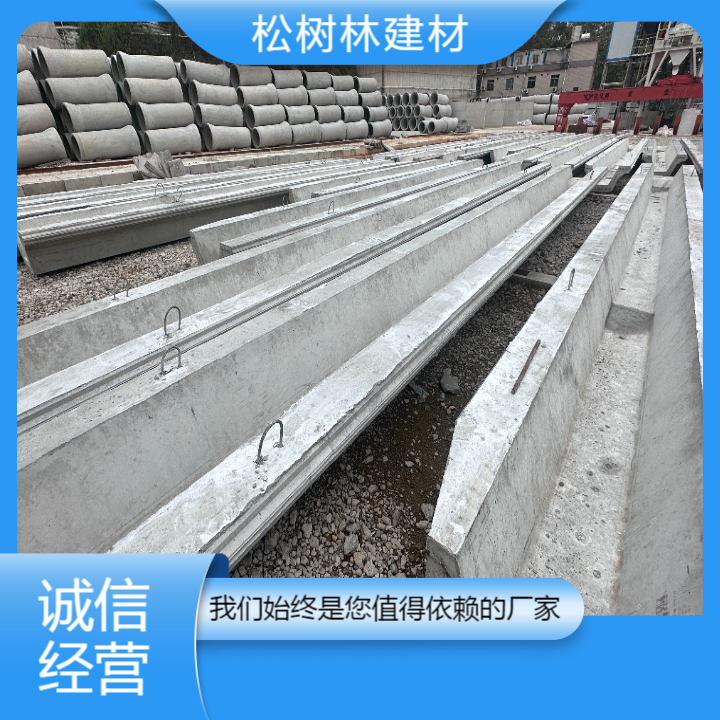
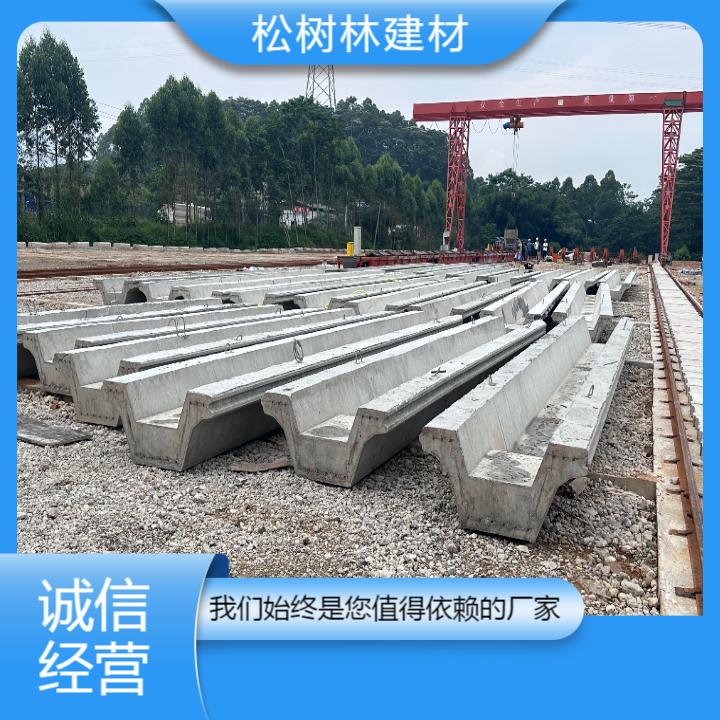
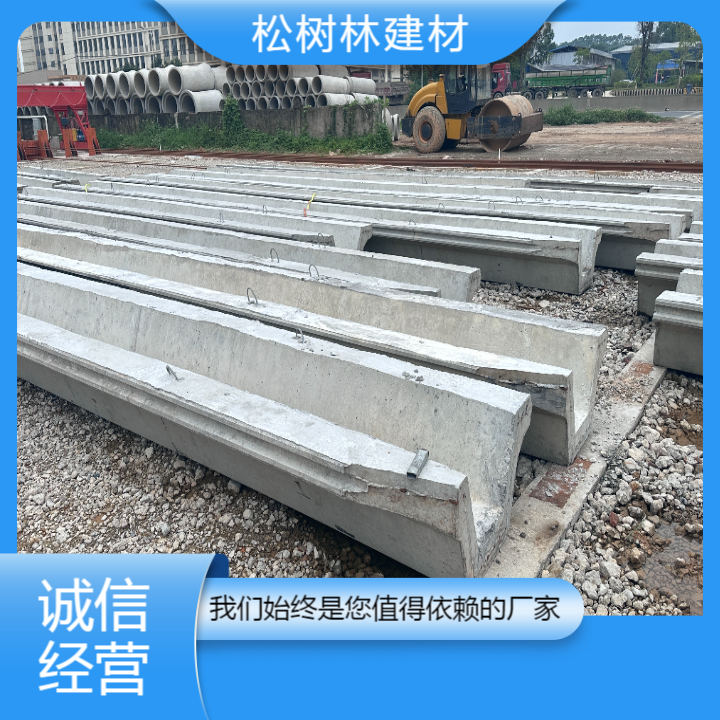

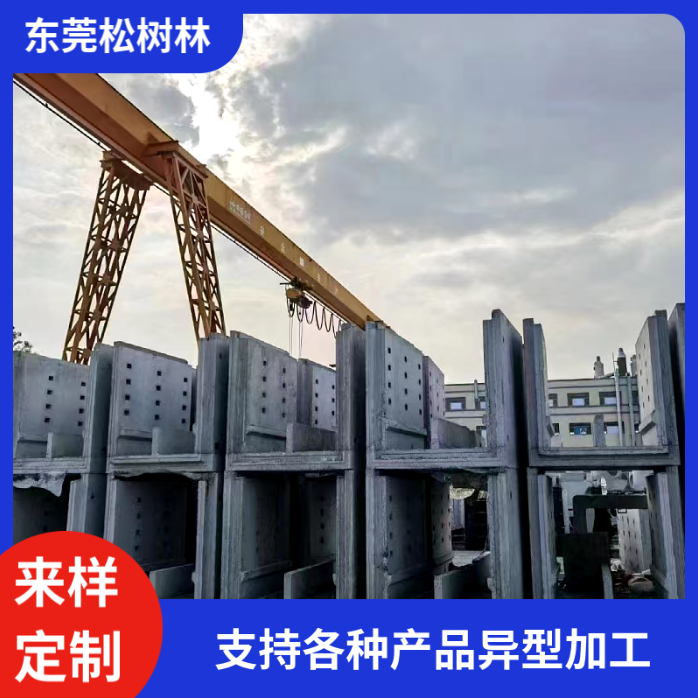
Guangdong Cable Trenching Price - Manufacturer - Customization_Sales [Songshulin Environmental Protection Building Materials Co., Ltd.] Cable trenching is a specialized underground structure designed for cable laying, with its core function being to protect cables from mechanical damage and environmental factors (such as moisture, corrosion). Its structural forms are diverse, including rectangular, circular, and arch shapes, and it is further subdivided into types such as direct-buried cable trench, cable tunnel, cable channel, cable conduit, overhead/underground cable trench, and precast cable trenching. In terms of construction specifications and safety standards, construction must first be based on design drawings, ensuring the channel width meets specifications and maintaining the trench cleanliness. Excavation should be continuous to avoid over-excavation; if over-excavation occurs, it must be backfilled with fine sand or stone powder. The concrete base layer requires reinforcement before pouring, and the direction must be re-measured before construction. The top beam pouring requires stable forms that are easy to dismantle. Additionally, fall protection measures such as anti-theft, anti-slip, anti-displacement, and fall prevention manhole covers must be set up. For precast cable trenching, ensure the strength and dimensional accuracy of the concrete precast components meet design requirements, and control the construction scope, laying depth, and direction. The gaps between trenching must be filled with cement mortar, and the construction surface width at the foundation pit bottom must meet the design elevation. At the same time, it is strictly prohibited to pile soil or equipment materials within 1500mm of the trenching edge, and the load height beyond 1500mm should not exceed 1000mm. The sub-base must be stable, flat, and dry, and it is strictly forbidden to be submerged. The concrete base layer must be dense and the upper surface must be smooth. If there are live lines, a designated person must be on duty to maintain a safe distance. Cable trenching must also meet longitudinal drainage slope requirements, usually not less than 0.5%, and a sedimentation pit must be set up. When laying cables, avoid crossings or confusion and regularly check the insulation condition. Additionally, maintain the cleanliness and dryness of the cable trench or tunnel to prevent moisture or damage to the cables. When laying on cable brackets, follow the layered configuration principle, such as not sharing brackets between power and control cables, and arranging high-voltage and low-voltage cables in order by layers. In terms of maintenance and inspection, establish a regular inspection system, such as annual spring and autumn inspections, and seal off the entrances and exits after new cable laying. Daily inspections must be conducted for potential animal intrusions, and safety precautions must be strengthened. At the same time, establish an operation analysis system to record abnormal phenomena and analyze and handle them.