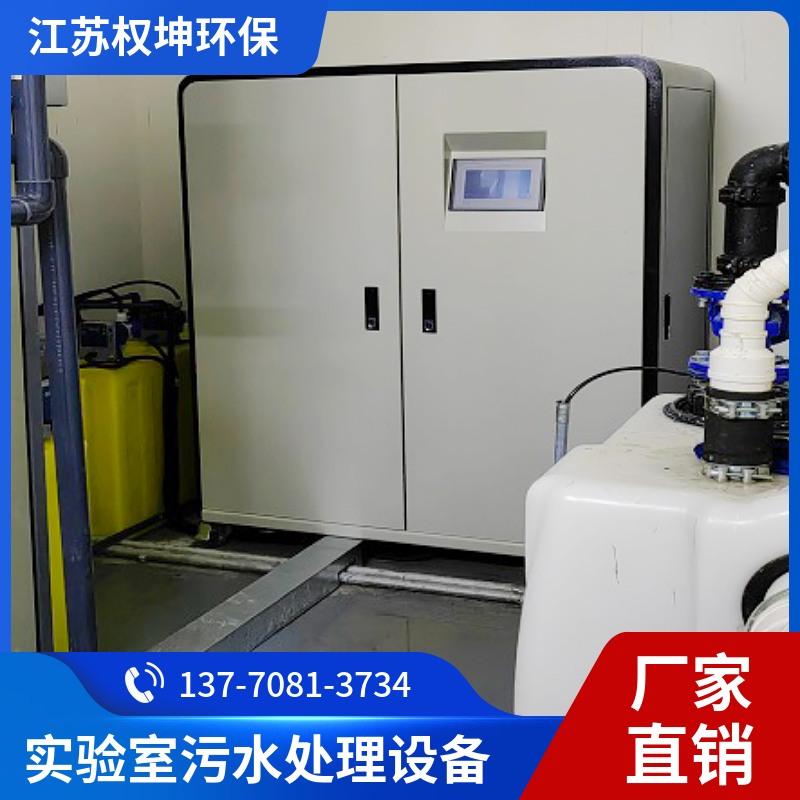

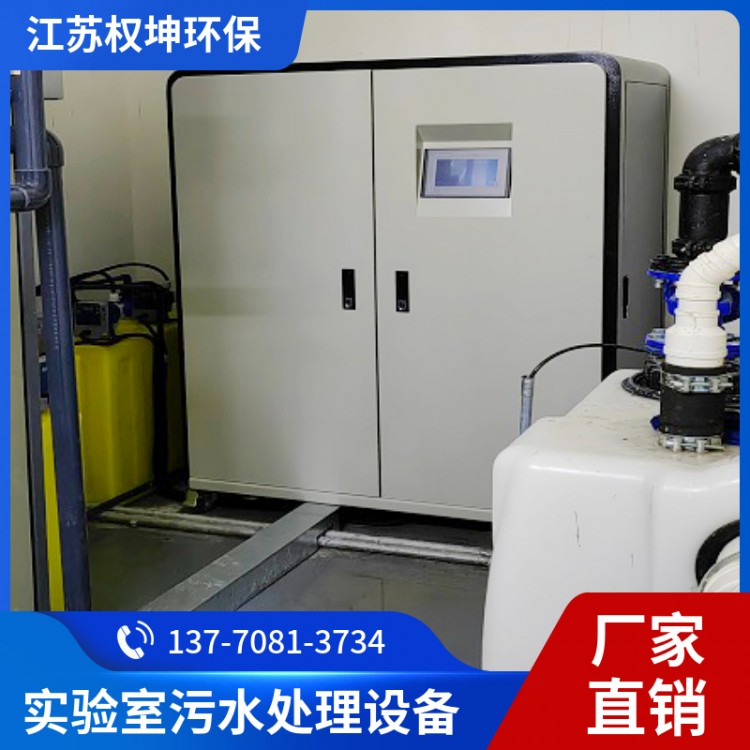

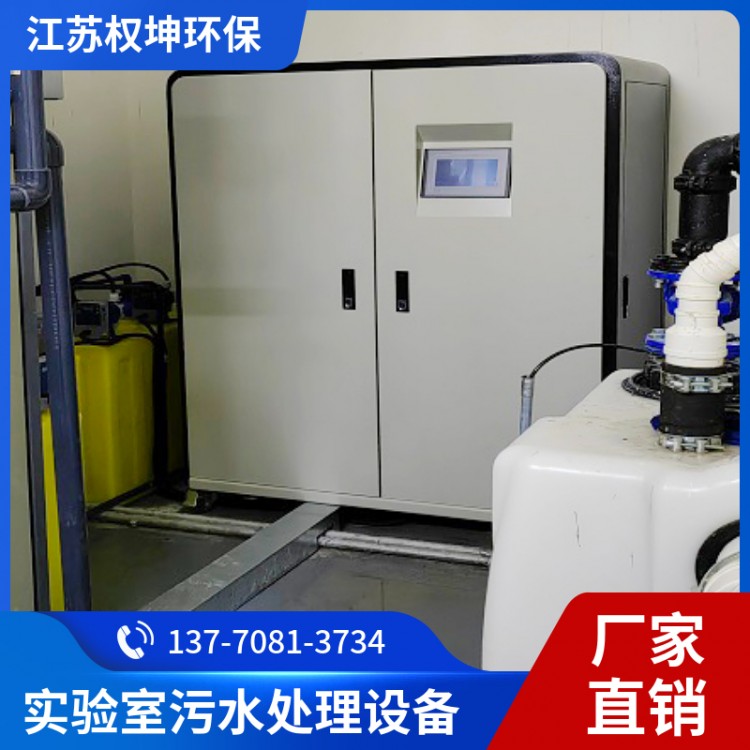
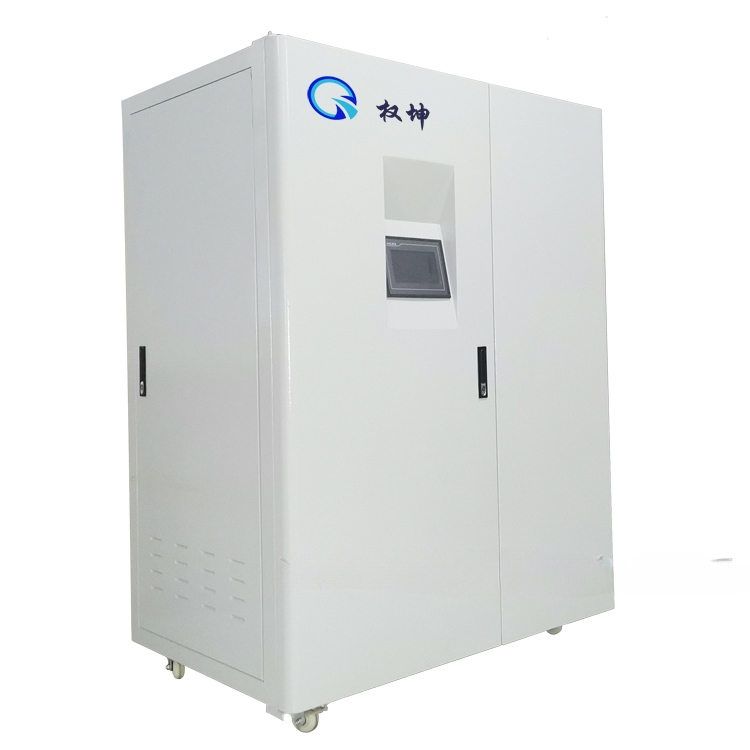
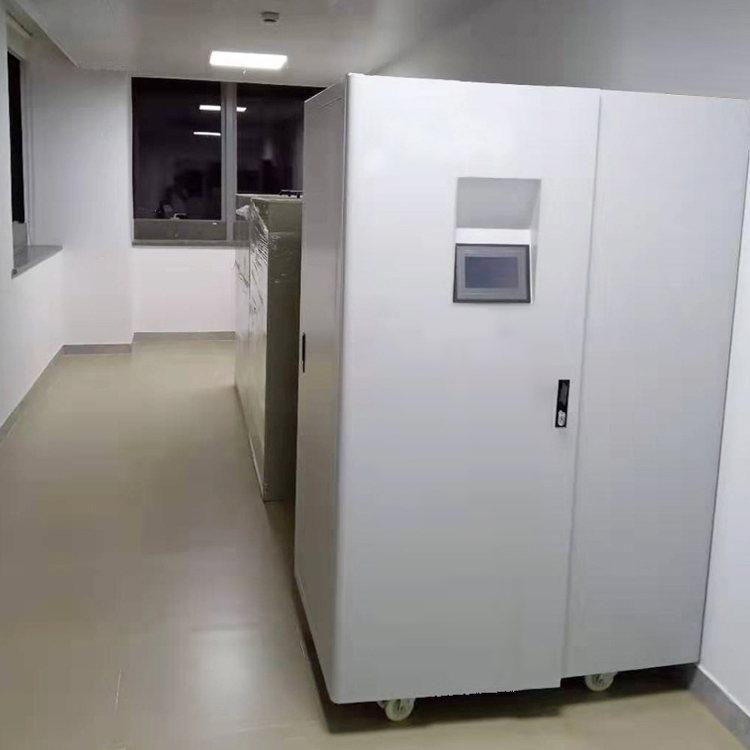












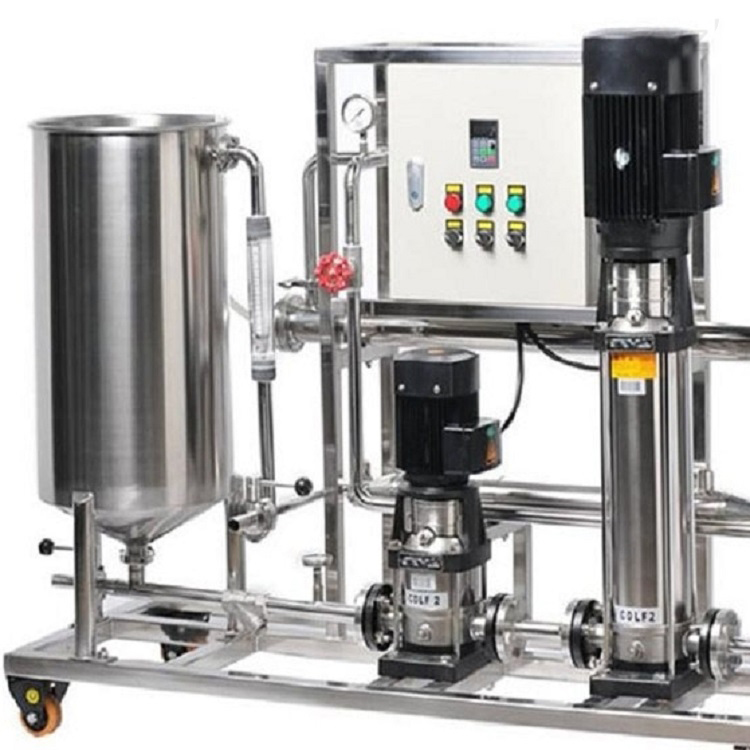
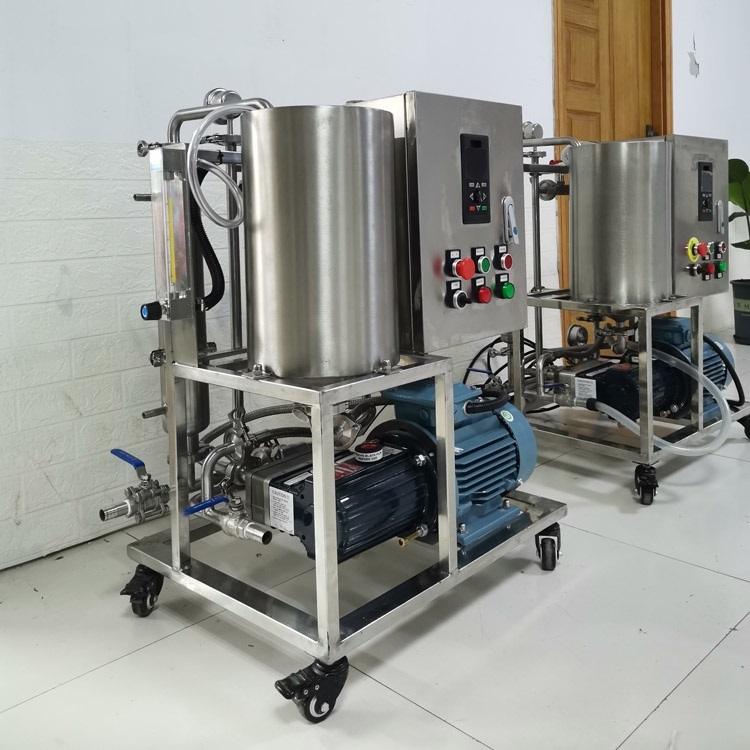
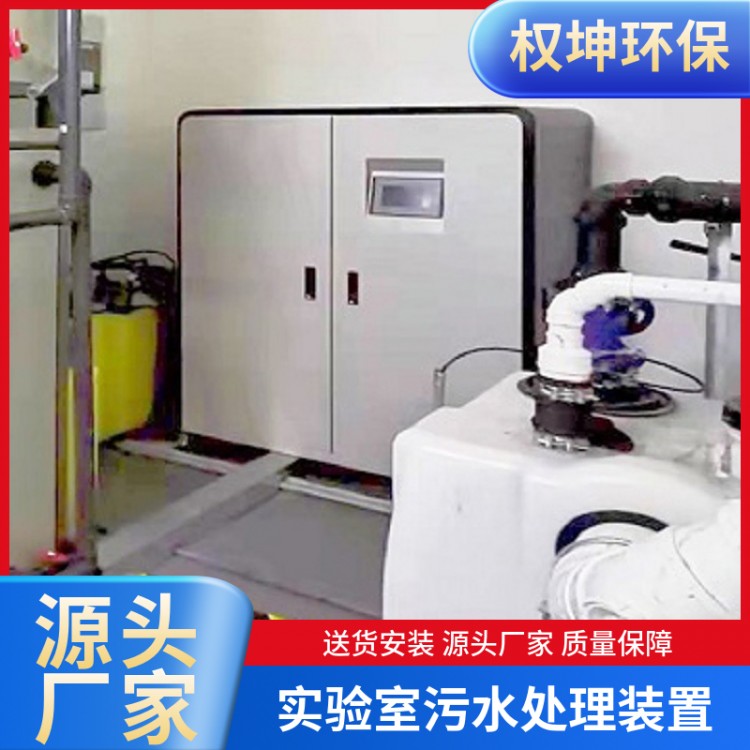
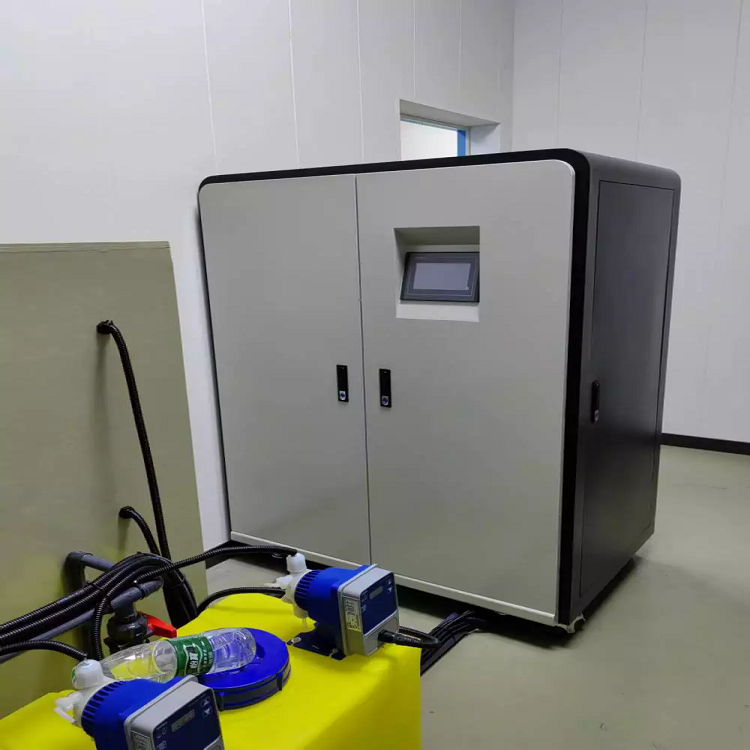
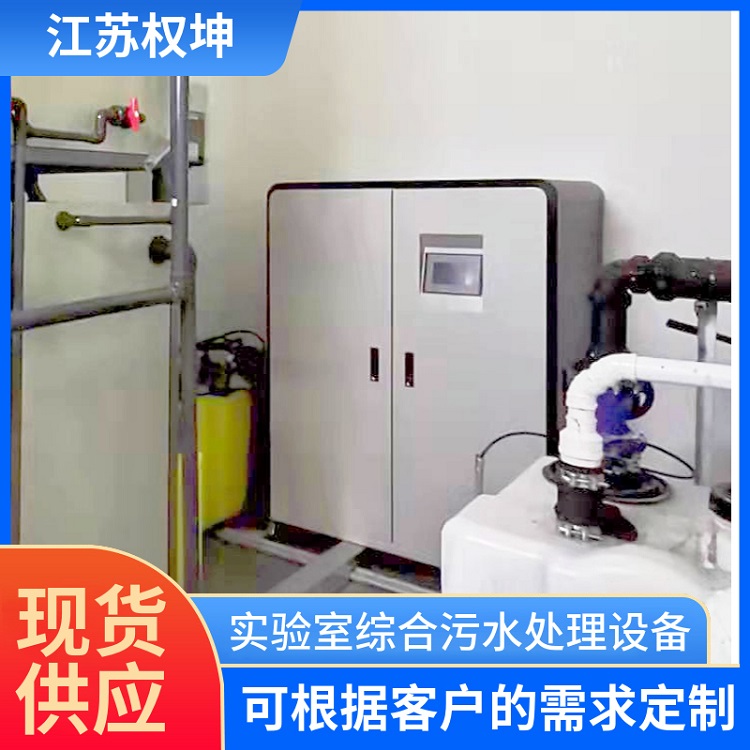
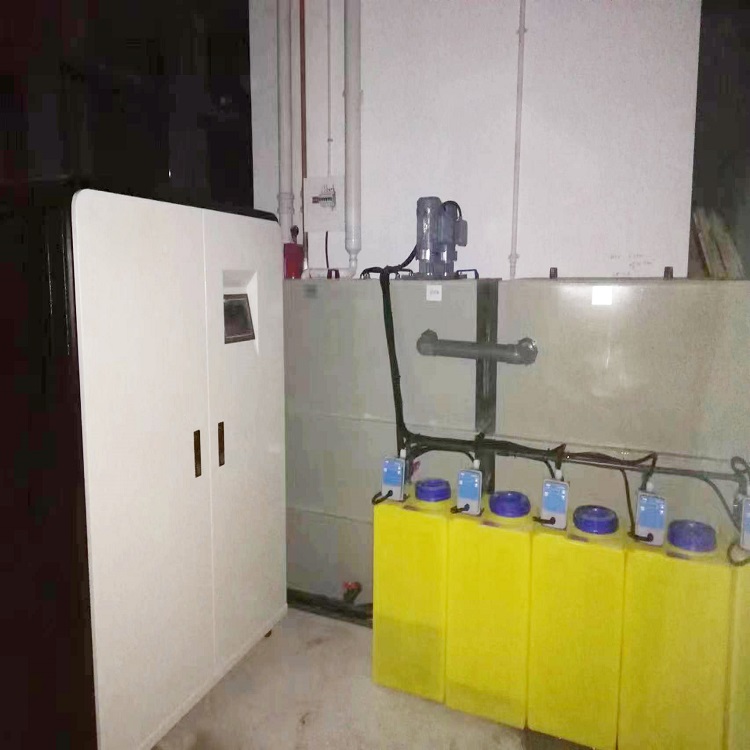
Nanjing Laboratory Waste Liquid Collection and Treatment Equipment - Quankun Manufacturer Supplies
Experimental wastewater exhibits characteristics such as low volume, strong intermittency, high hazard, and complex and variable composition. Based on the nature of the main pollutants in the wastewater, it can be divided into two major categories: organic and inorganic wastewater. Inorganic wastewater primarily contains heavy metals, metal complexes, acids and bases, sulfides, halogen ions, and other inorganic ions. Organic wastewater includes common organic solvents, organic acids, ethers, organic phosphorus compounds, phenols, petroleum products, and oils. Generally, due to strict collection and storage methods for experimental wastewater and waste materials during the experiment, the pollutant concentration in the experimental wastewater system can be controlled within a certain range after storage and regulation. However, it still possesses certain corrosivity and biological toxicity.

Traditional laboratory wastewater treatment processes generally employ physical-chemical methods, which are effective for treating acidic and alkaline wastewater, oxidizable and reducible wastewater, and toxic and harmful wastewater. However, these methods are insufficient in terms of cost-effectiveness and their ability to remove low-concentration organic matter, nitrogen, and phosphorus when used for treating laboratory domestic wastewater.
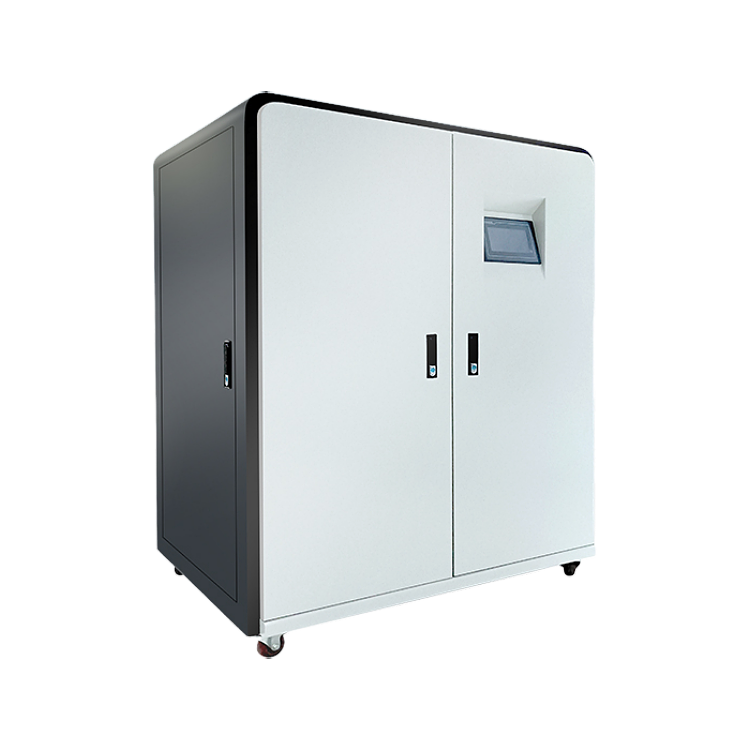
Laboratory wastewater treatment equipment, including a regulating pond, an integrated experimental sewage pretreatment system, a septic tank, an adjusting sedimentation pond, an anaerobic-aerobic contact biofilm reactor, and an inclined plate sedimentation pond. The experimental sewage is first treated in the regulating pond and the integrated experimental sewage pretreatment system, then combined with the laboratory's domestic wastewater and discharged into the septic tank. Afterward, it undergoes treatment in the adjusting sedimentation pond, the anaerobic-aerobic contact biofilm reactor, and the inclined plate sedimentation pond before being discharged in compliance with standards.
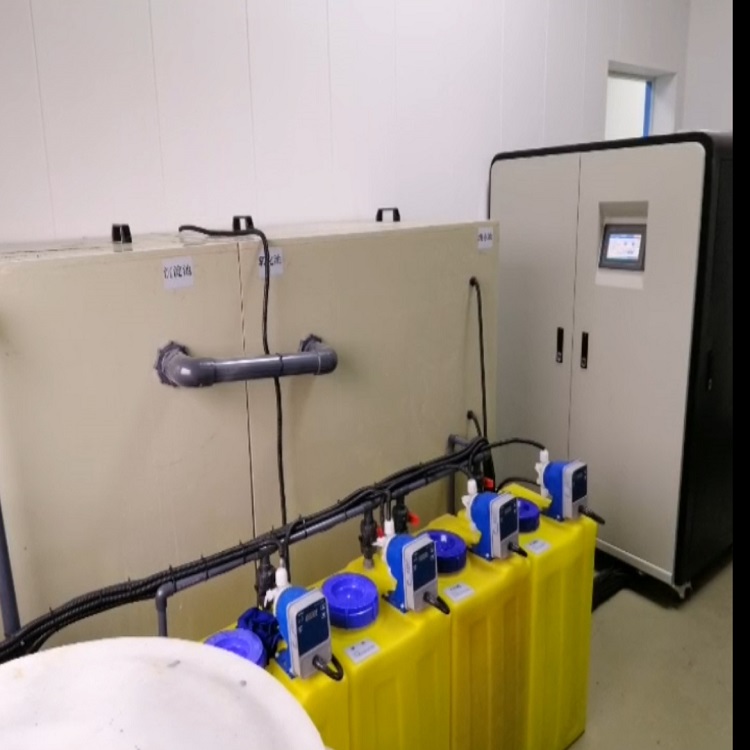
Process Flow:
Based on the operation experience of wastewater treatment facilities both domestically and internationally, a compact integrated wastewater treatment unit has been designed using the *biological treatment process. The currently mature biochemical treatment technology, contact oxidation, typically consists of six components: 1) primary sedimentation tank, 2) contact oxidation tank, 3) secondary sedimentation tank, 4) disinfection tank, 5) disinfection device, 6) sludge tank, and 7) fan room and fans. Through the treatment by this process, the effluent is ensured to meet discharge standards.

Process Features:
1. Ideal static sedimentation, yielding superior treated effluent water quality.
2. Alternate aerobic and anaerobic operation, successfully achieving nitrogen removal from wastewater.
3. No forced aeration is used, thereby avoiding noise pollution from blowers and the difficulties associated with replacing and maintaining aeration heads.
4. Utilizes a unique construction method to minimize odor dispersion to the greatest extent.
5. An effective sludge residue solution, which minimizes manual operation and ensures the stable and reliable operation of the system.
6. Programmable automatic control, with simple operation and management, allowing easy adjustments to the operational status based on actual conditions to achieve optimal performance.
7. Integrated manufacturing maximizes system integration while minimizing land area.
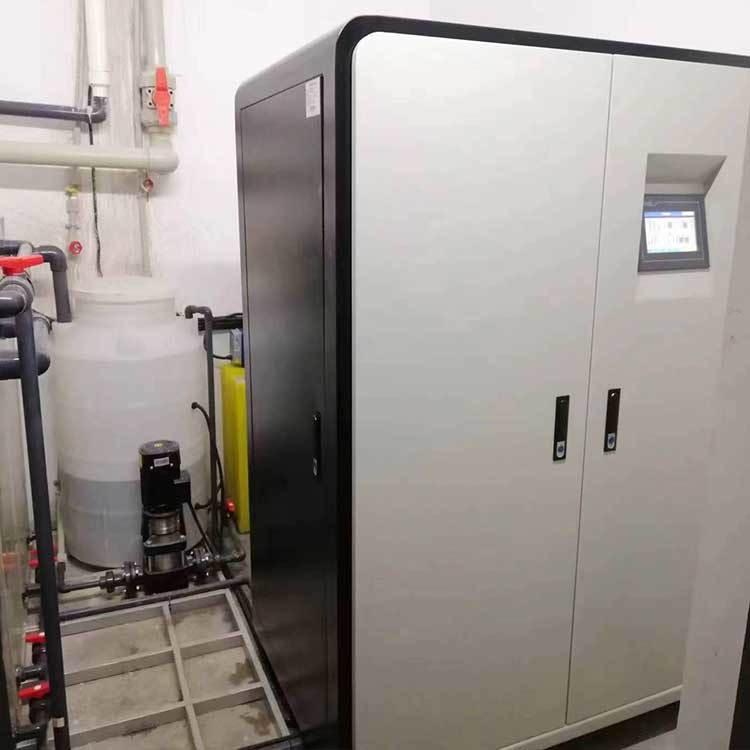
Nanjing Laboratory Waste Liquid Collection and Treatment Equipment - Quankun Manufacturer's Supply
Design Principles:
① For the characteristics of high-concentration organic wastewater, this scheme employs a relatively advanced, mature, and reliable treatment process combining physical and chemical treatment with aerobic biochemical treatment, ensuring that the effluent quality meets the design requirements.
② The wastewater treatment facility offers significant flexibility and adjustability in operation to accommodate changes in water quality and quantity.
③ Comprehensive consideration of vibration reduction, noise reduction, and deodorization measures for the wastewater treatment system to prevent secondary pollution to the environment.
④ Wastewater treatment primarily uses aerobic biochemical treatment, with major structures built in steel-concrete construction. The layout is reasonable based on the treatment process, featuring practicality, reliability, compact arrangement, small land occupation, cost-effective investment, and a short construction period.
⑤Easy to operate and manage, with simple technical requirements, enabling full automation control.