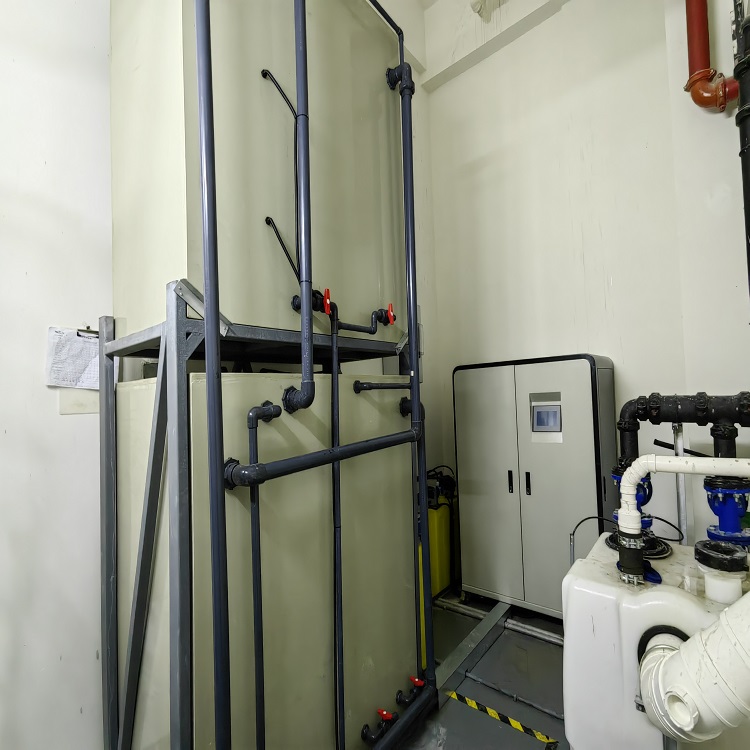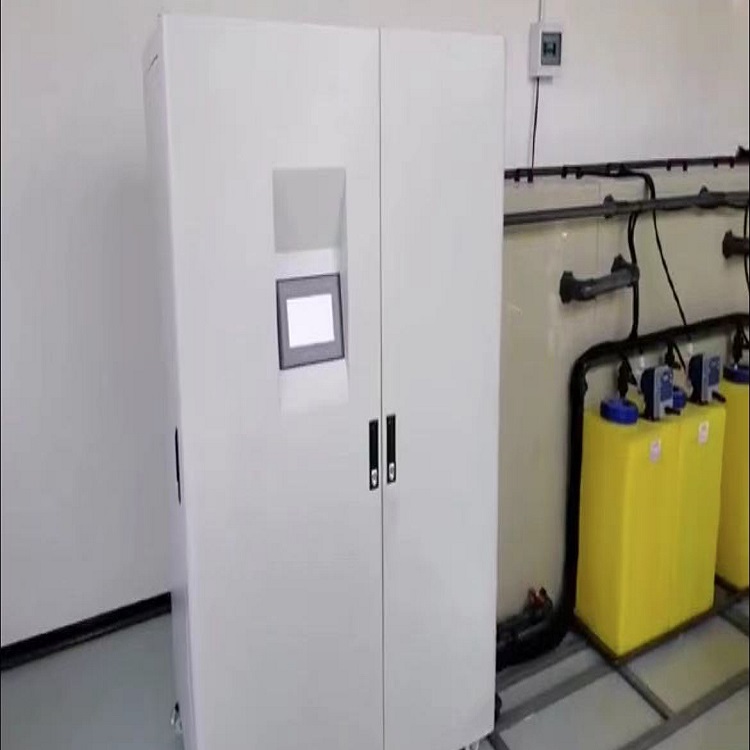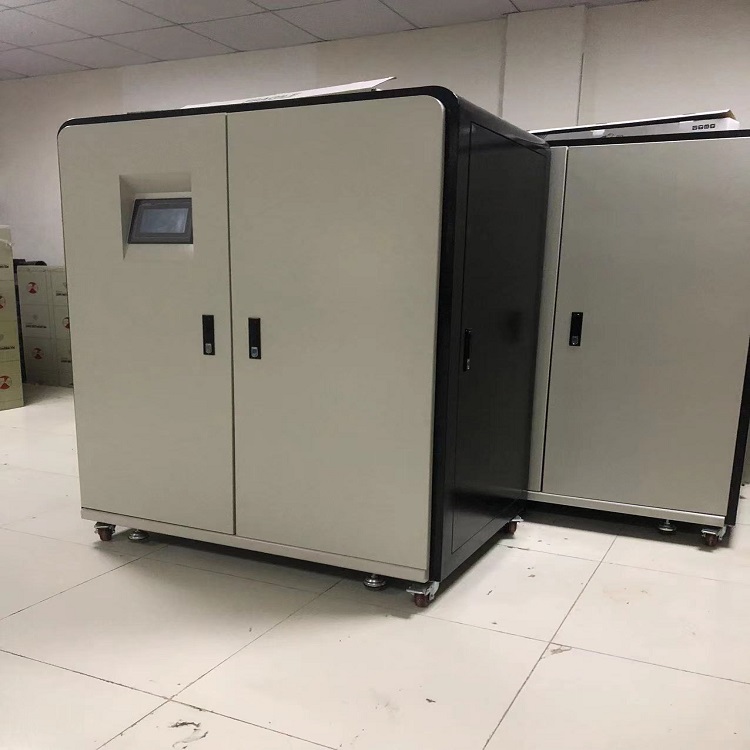


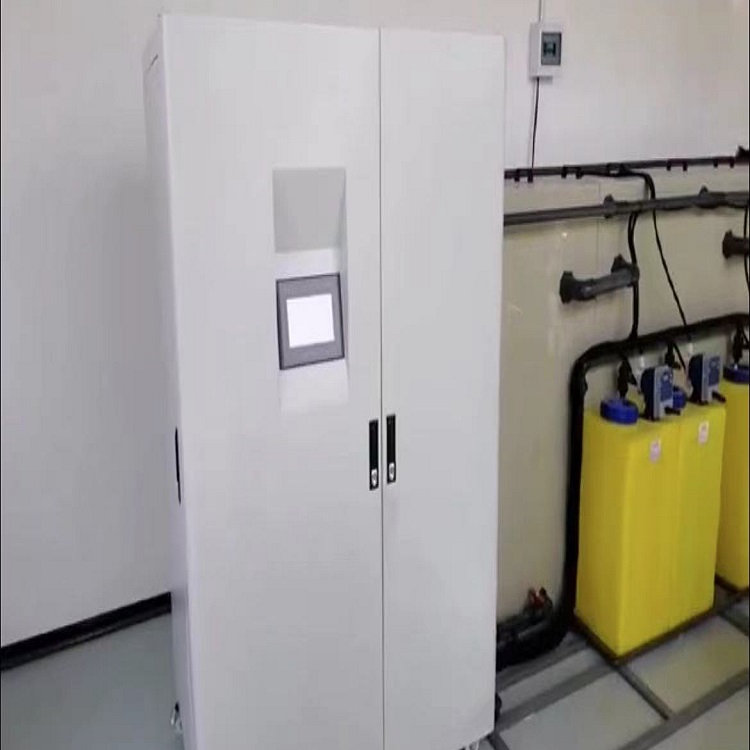












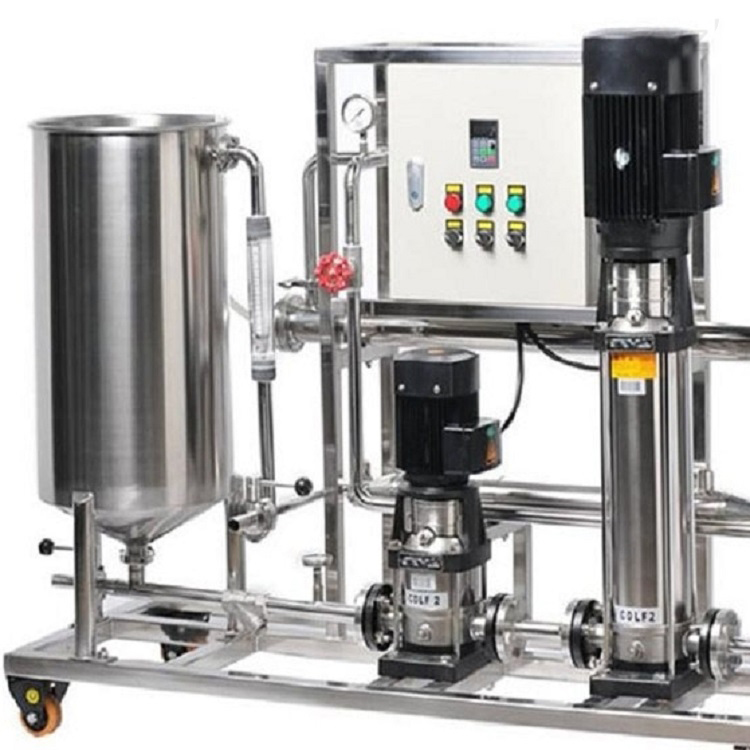
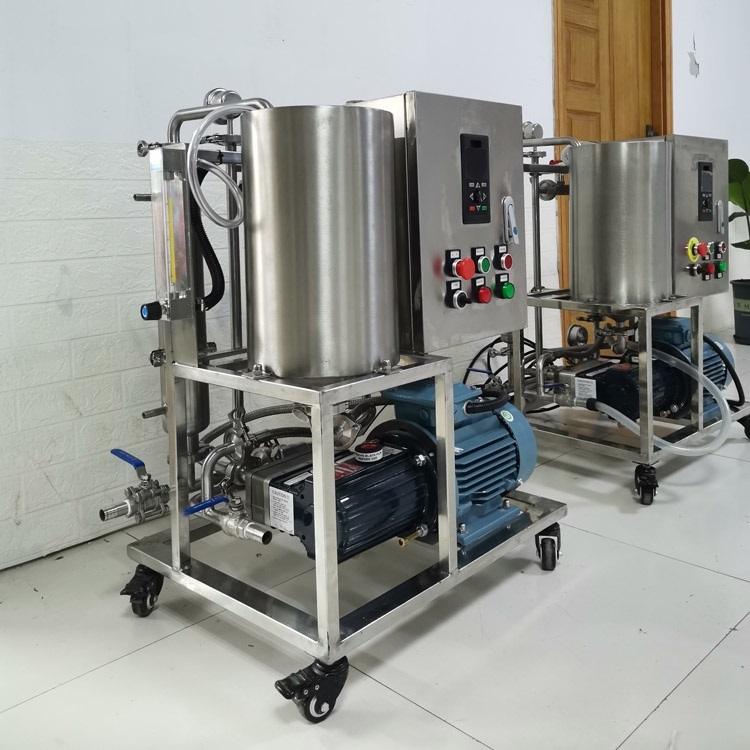
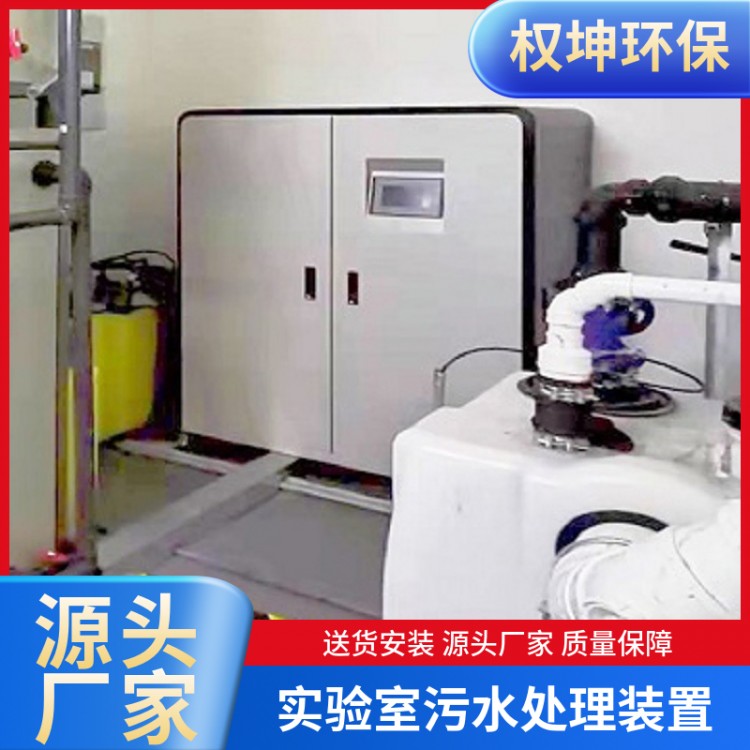
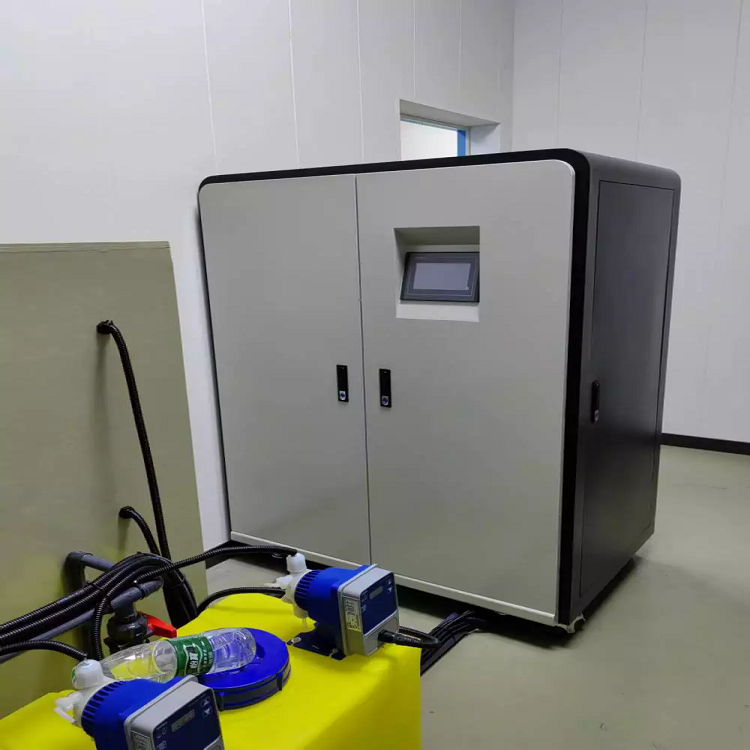
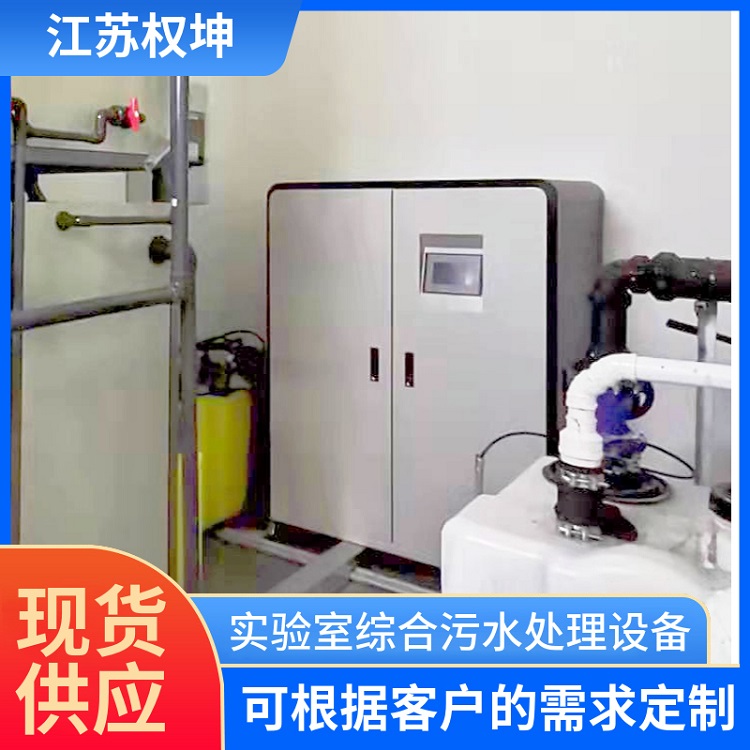
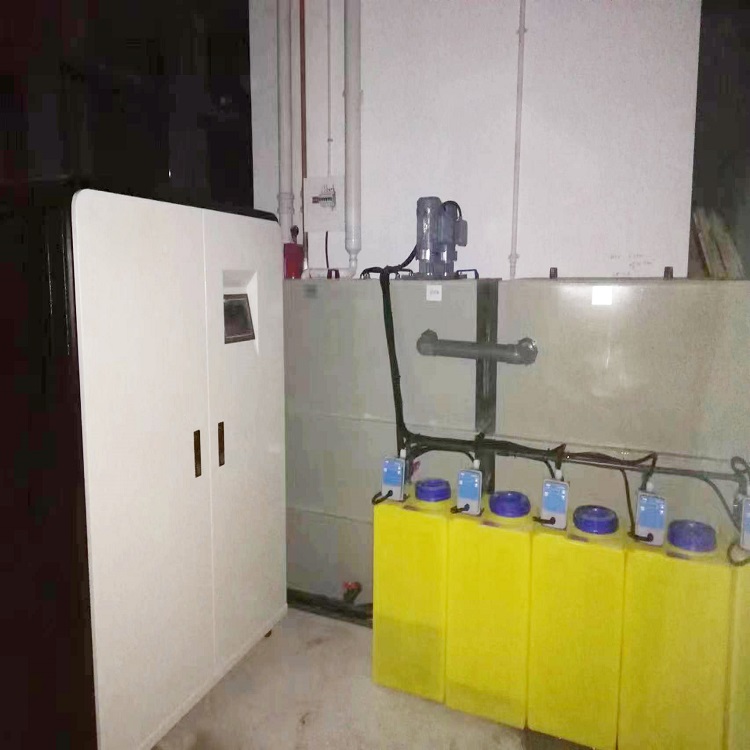
Chemical Experimental Waste Treatment Equipment, Treatment Capacity 0.2-100 T/D, Quankun Environmental Protection
Laboratory wastewater treatment equipment is primarily used for the treatment of wastewater generated from various laboratories. By utilizing the differences in composition, concentrations, and pollutants, the equipment, equipped with its own process flow and control system, automatically calculates and removes COD, BOD, SS, color, viruses, and heavy metal ions from laboratory wastewater. This ensures the rational and scientific administration of the equipment, optimizing the treatment process. Under the premise of meeting the discharge standards, the equipment adheres to the national standards for wastewater discharge (GB8978-1996), the "Water Quality Standards for Sewage Discharged into Urban Sewers" (GB/T31962-2015), and the relevant requirements of the "Emission Standards for Water Pollutants from Medical Institutions" (GB18466-2005).
Basic requirements for the disposal of three wastes in emission laboratories are:
1. Non-toxic, or to reduce emissions to below the higher permissible concentration specified by the national or relevant departments.
3. Corrosive substances for drainage pipes should be converted into non-corrosive substances, such as converting sulfuric acid into sodium sulfate or calcium sulfate.
4. Will not react violently with water or air, nor form harmful substances.
5. Free from pathogens, carcinogens, mutagens, teratogens, or capable of reducing emissions to below the maximum allowable concentrations specified by national or relevant authorities.
6. Radioactive waste must particularly comply with national emission requirements.
7. For substances with highly reactive chemical properties, they should first be diluted with appropriate inert materials before undergoing the necessary treatment. For example, tin tetrachloride can be diluted with sand or soil, and then processed according to the methods described in the next section.
8. Some substances, whether in their elemental or compound form, possess significant toxicity and should be recycled rather than discharged, such as mercury and its salts.
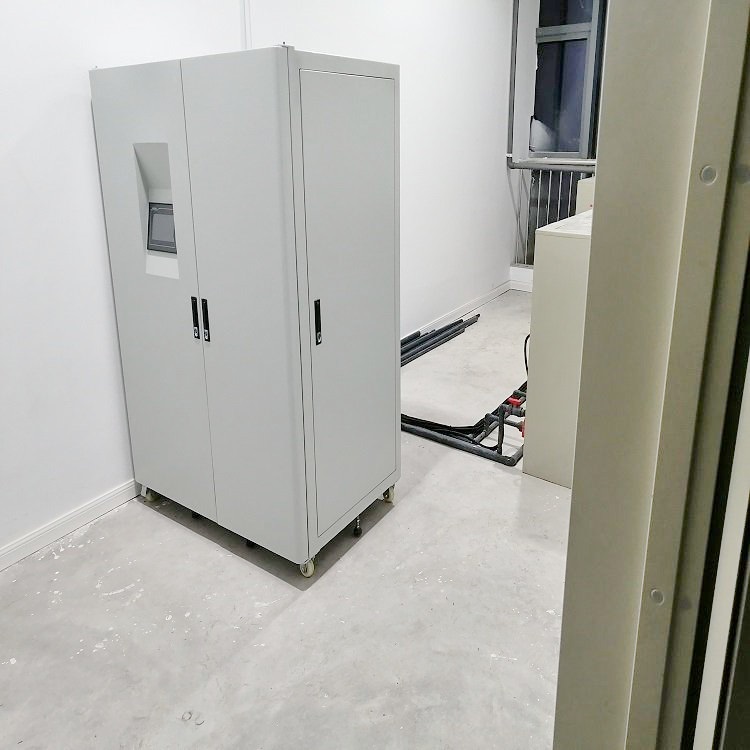
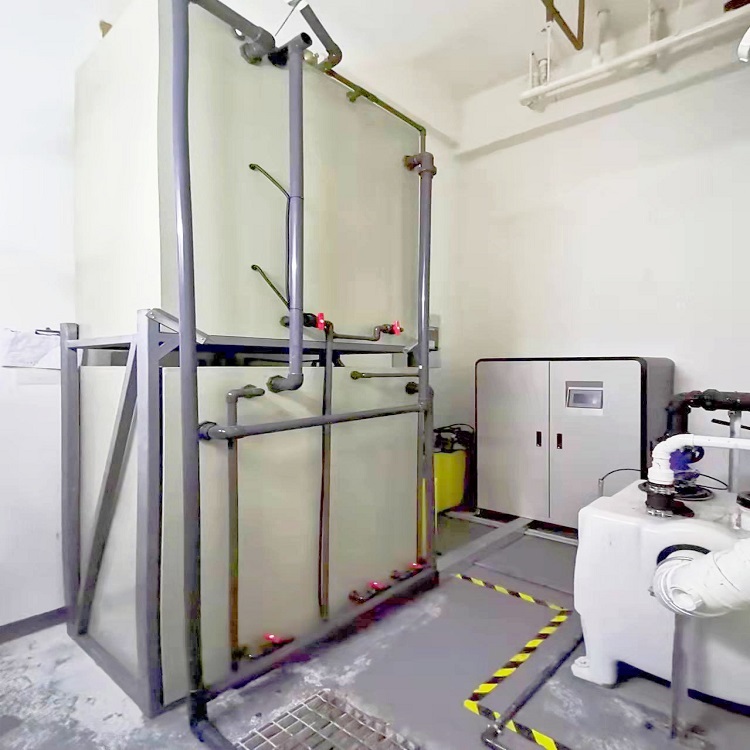
Laboratory wastewater treatment equipment process flow:
Neutralization Unit: Adds NaOH to the wastewater to adjust the pH level to 8.5-9.2, causing certain ions in the wastewater to react with sodium hydroxide and form precipitates, thereby removing heavy metal ions.
Coagulation Decanter: Adding a certain amount of CJI water treatment agent causes the wastewater to form a large amount of coagulated flocs. After sedimentation, it reduces the workload of subsequent processes and improves the removal rates of COD and suspended solids.
Filtering Device: Utilizes a quartz sand filled layer to intercept and remove suspended particles and other fine materials not separated by air flotation, with timed backwashing to ensure stable filtration performance.
Activated Carbon Decolorization Unit: Further deep treatment using the adsorption capacity of activated carbon to remove color and odor from water. Ensures the effluent meets standards.
Ozone Generators (Disinfection): For E. coli, Salmonella, and other pathogens, disinfection can be achieved through ozone machine treatment.
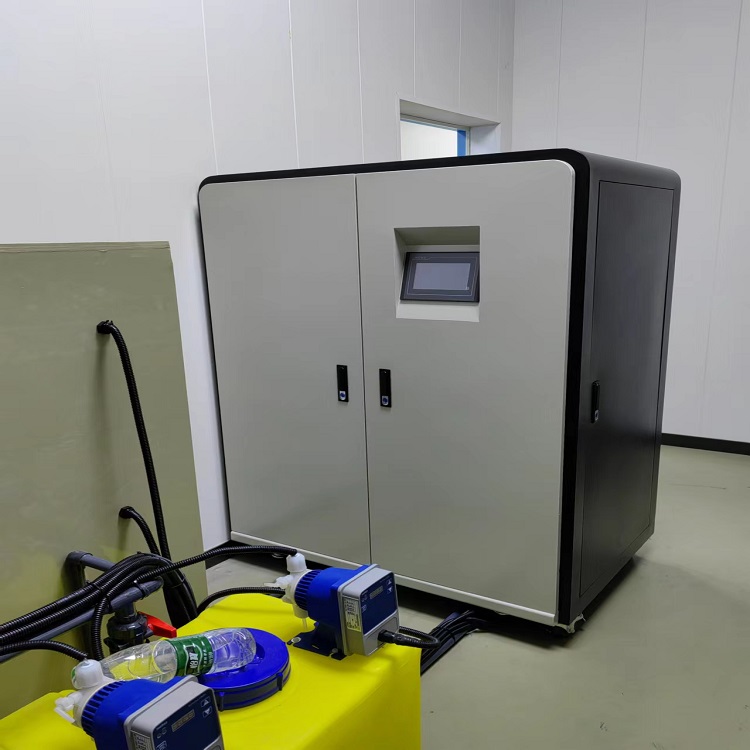
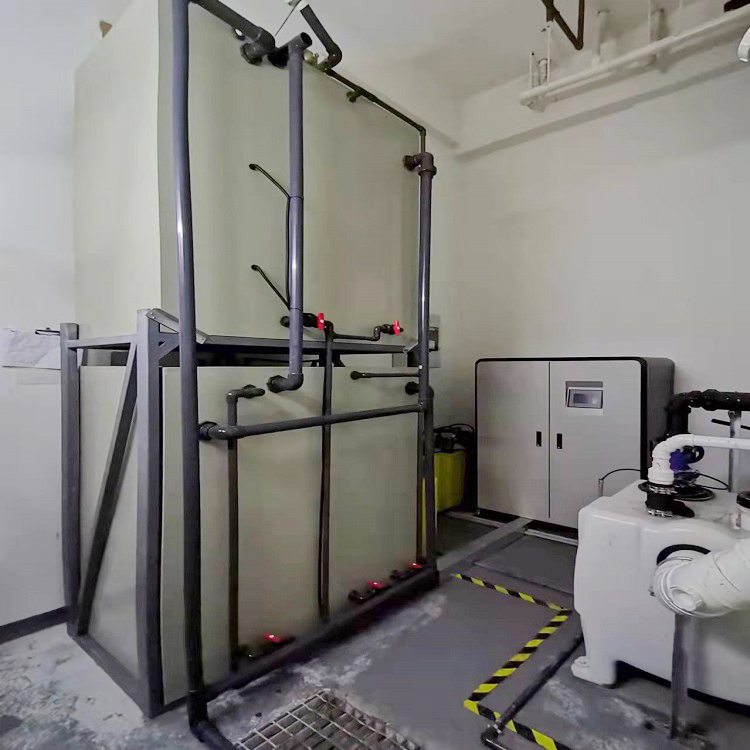
Chemical Experimental Waste Treatment Equipment, Treatment Capacity: 0.2-100 Tons/Day, Quankun Environmental Protection
Mature technology for laboratory wastewater treatment equipment:
Considering all factors, the school's laboratory wastewater treatment equipment adopts a mature technology with low investment, stable operation, low operational costs, and good treatment effectiveness.
2. In response to the characteristics of wastewater, the school laboratory's sewage treatment equipment employs specific countermeasures to ensure the removal of harmful components, and gives full consideration to the anti-corrosion measures for pipelines, equipment, and structures.
3. Select equipment for school laboratory wastewater treatment that features stable performance, easy maintenance, reasonable pricing, durability, and high treatment efficiency.
4. Constructed facilities are arranged in a rational and compact manner, aesthetically pleasing and generous, with efforts to minimize land use space.
5. School laboratory wastewater treatment equipment has certain ability to withstand water quality and volume shock loads.
6. The design thoroughly considers noise and odors to prevent the generation of secondary pollution, ensuring that the school laboratory's wastewater treatment equipment does not cause new pollution to the surrounding environment.
7. Achieve automated control and enhance stability; the school laboratory wastewater treatment equipment ensures the effluent quality meets standards.