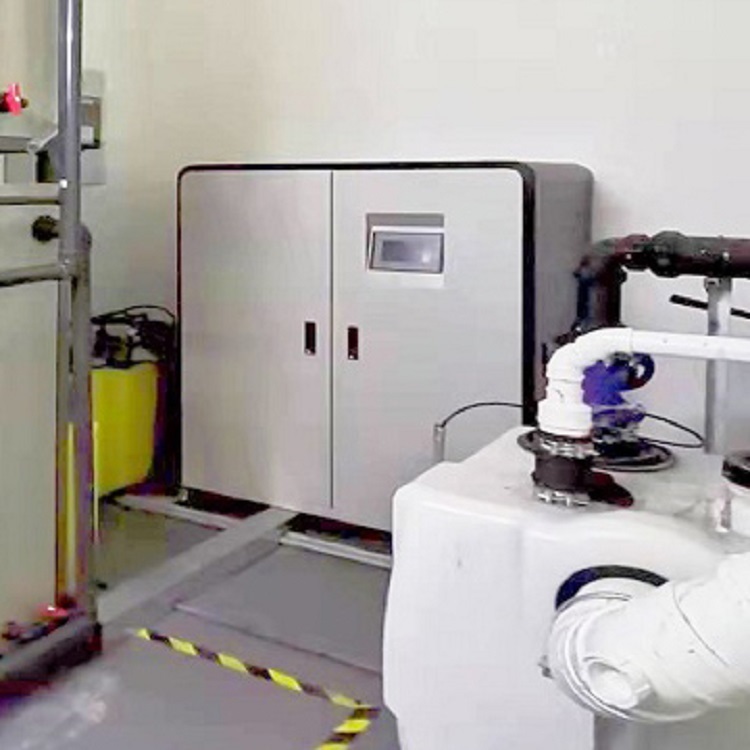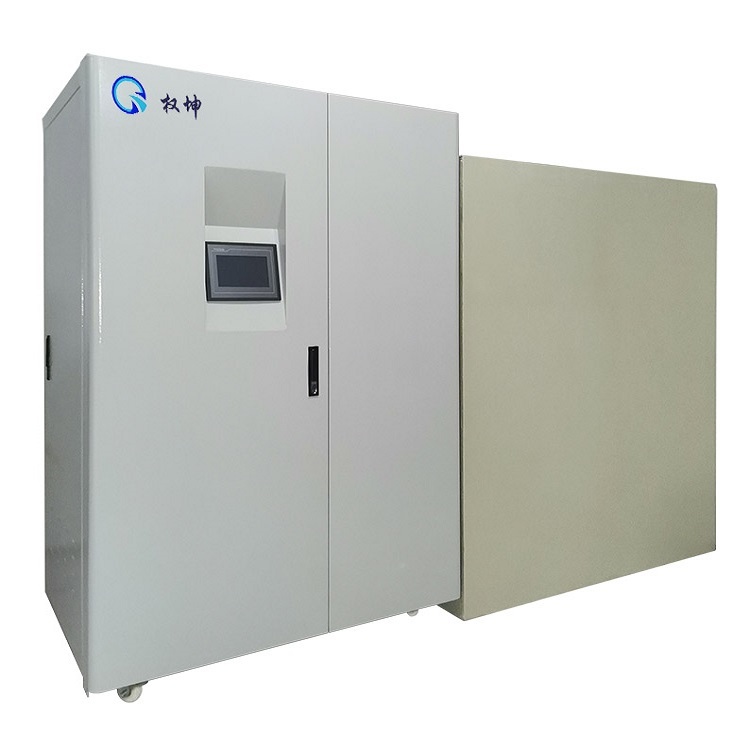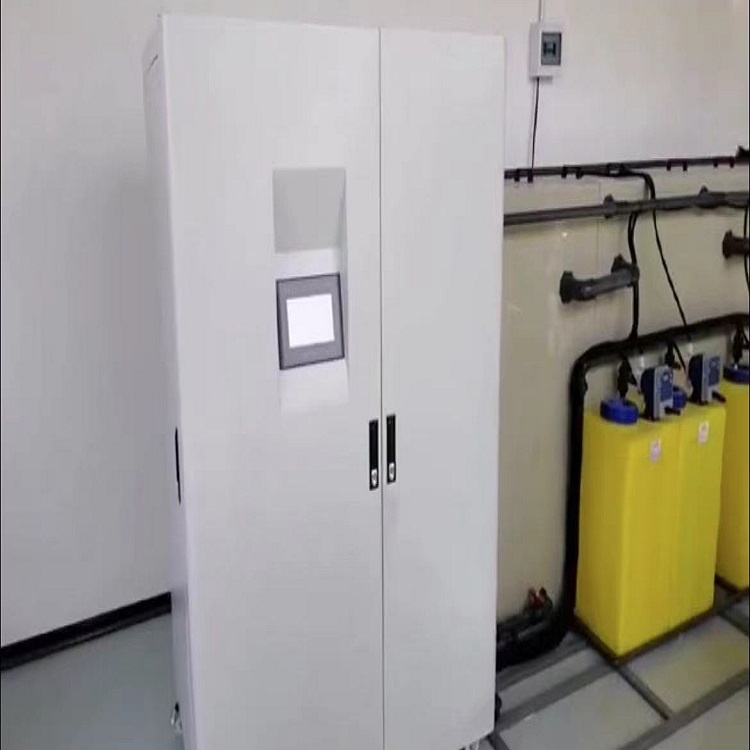

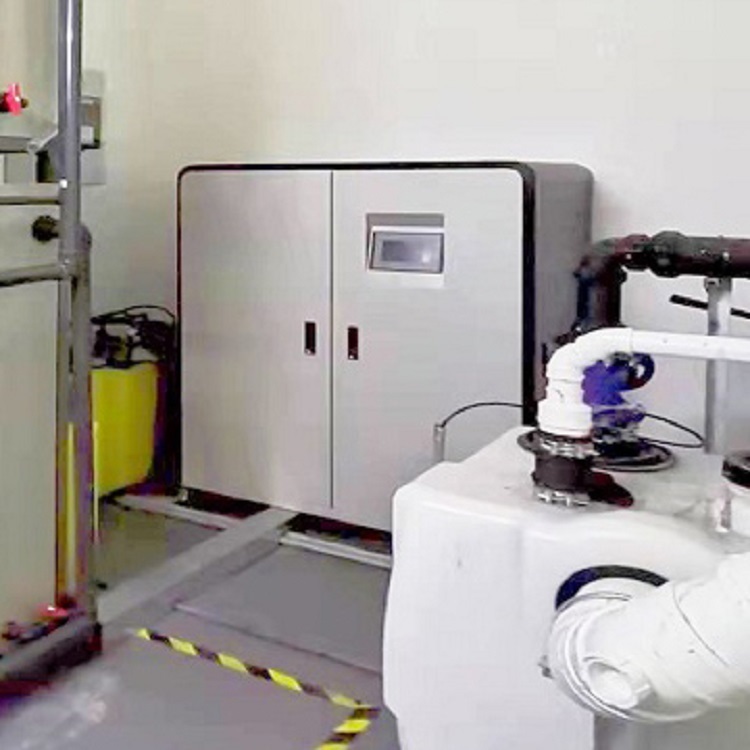

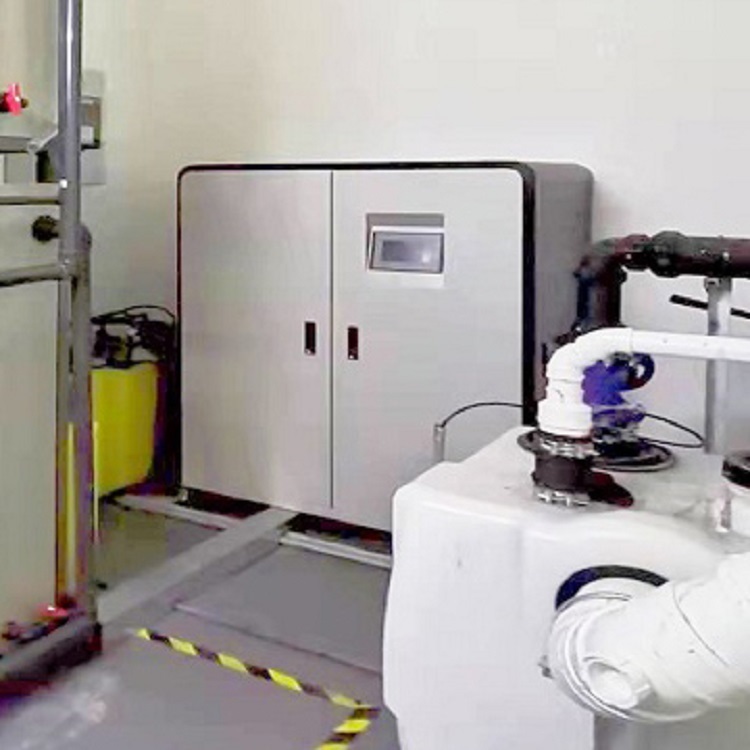
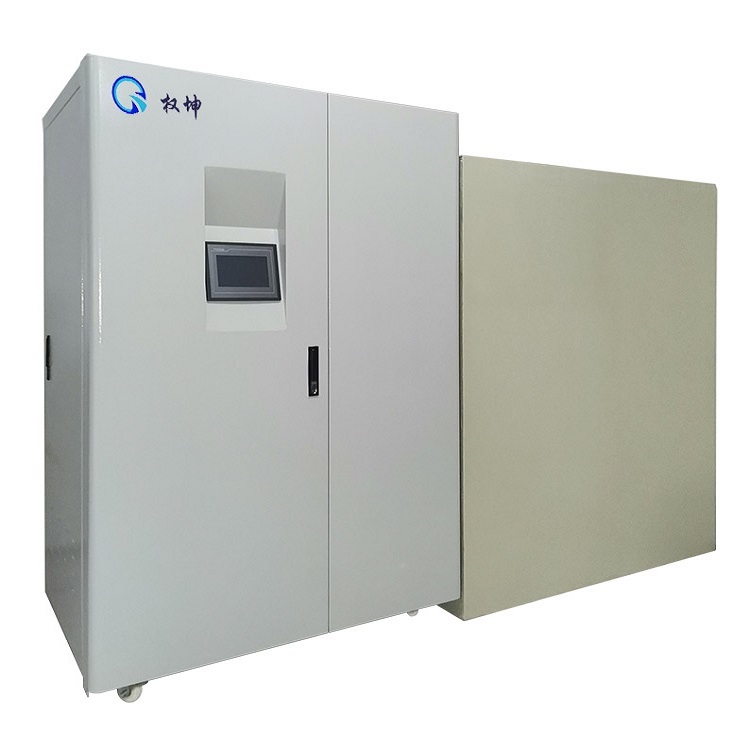
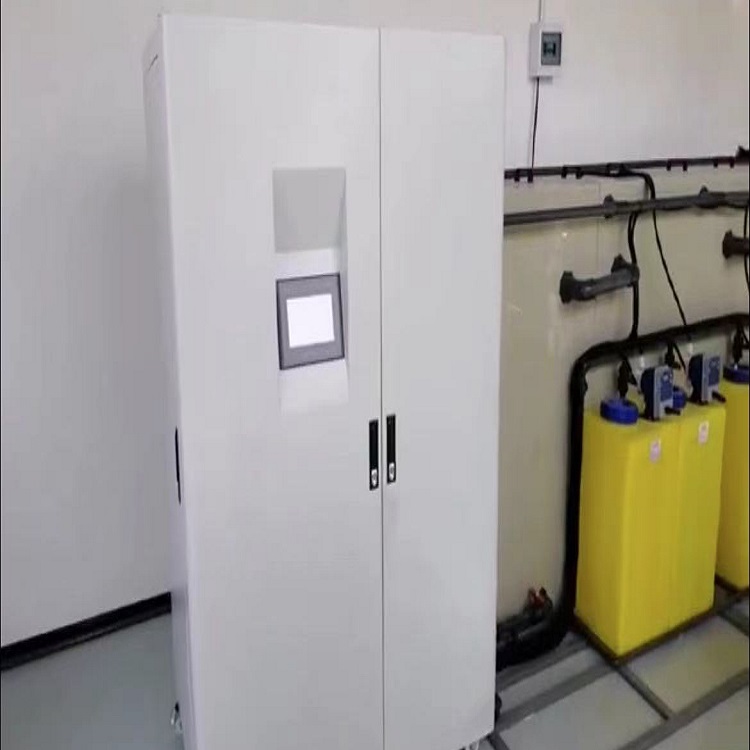












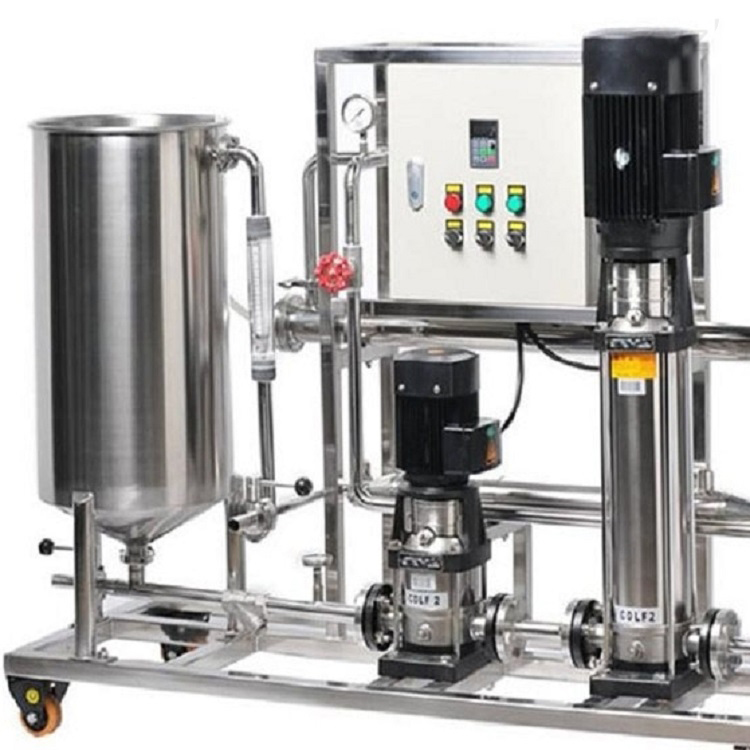
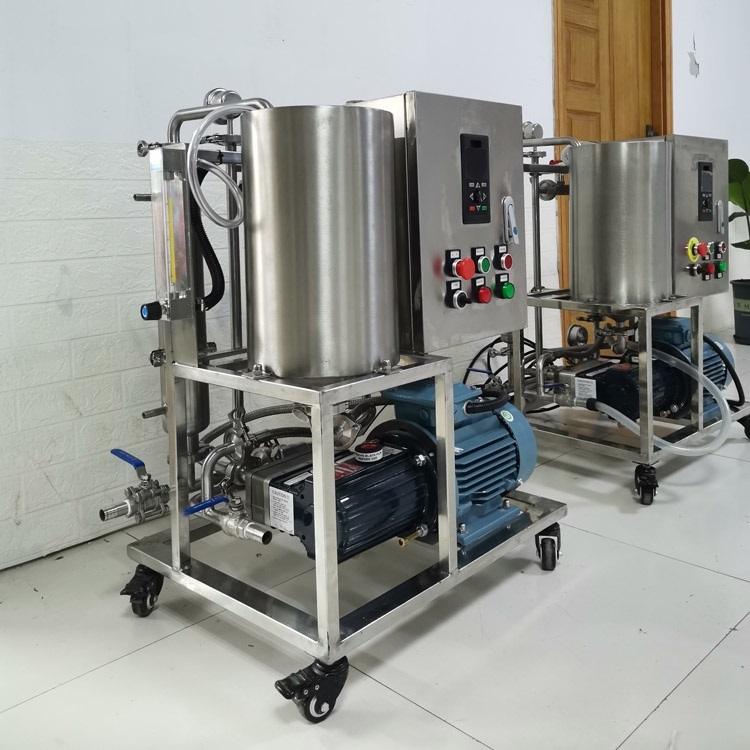
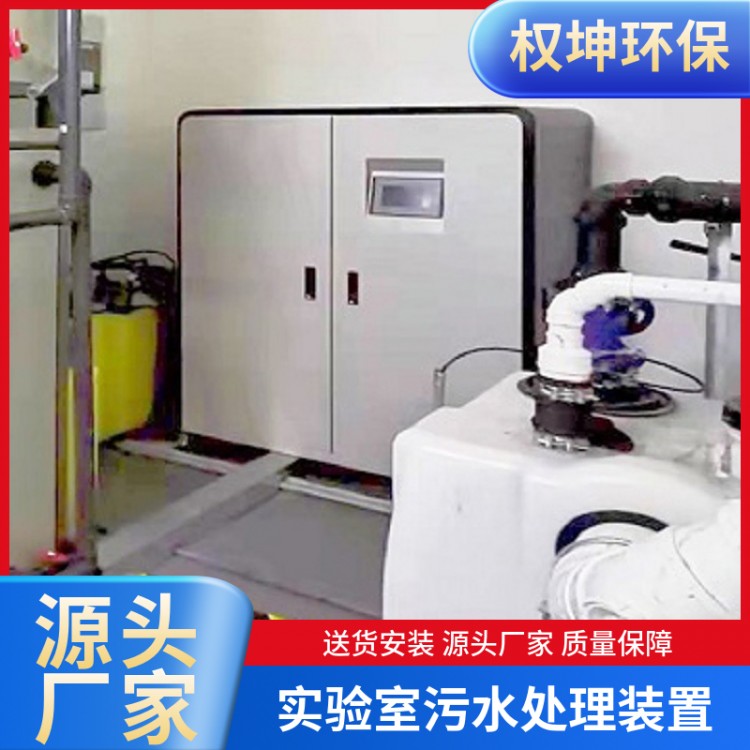
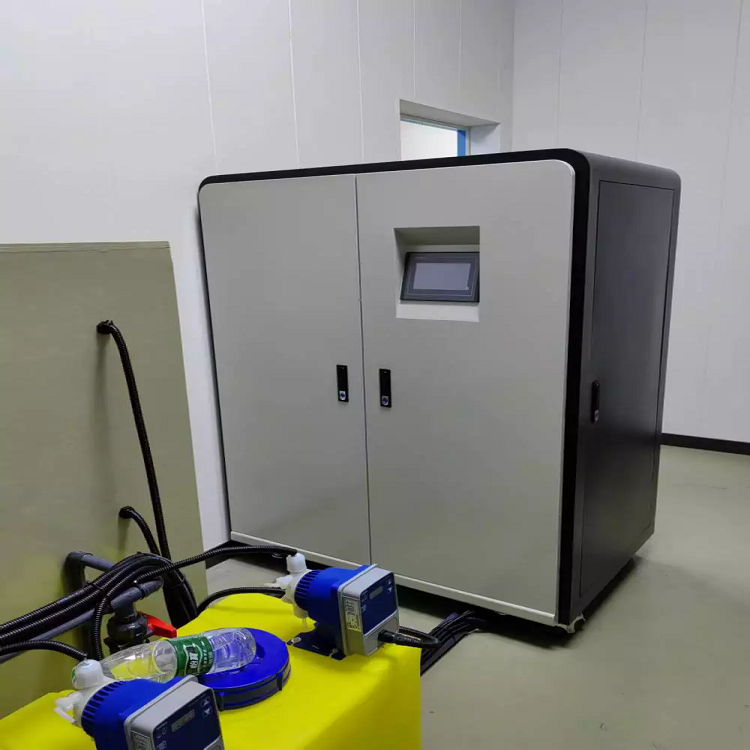
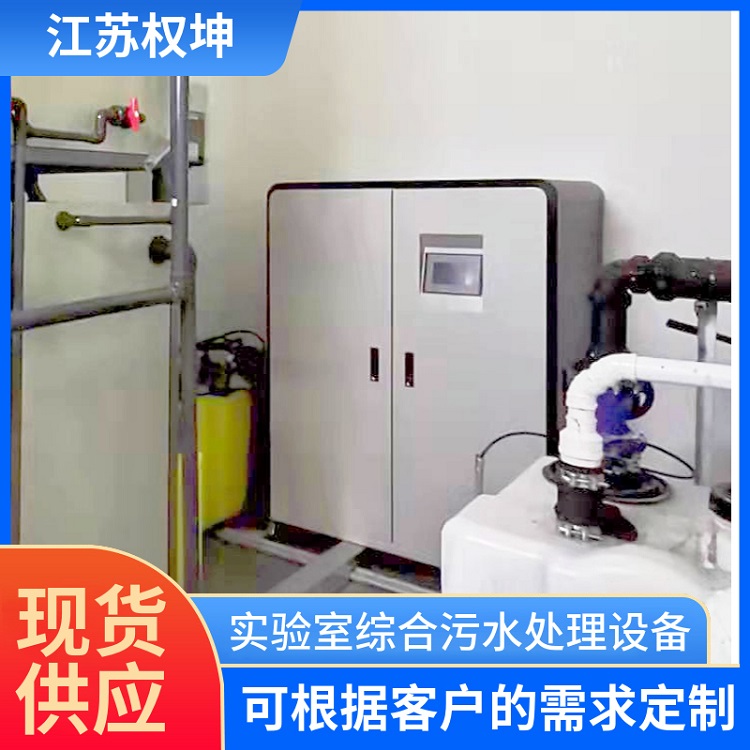
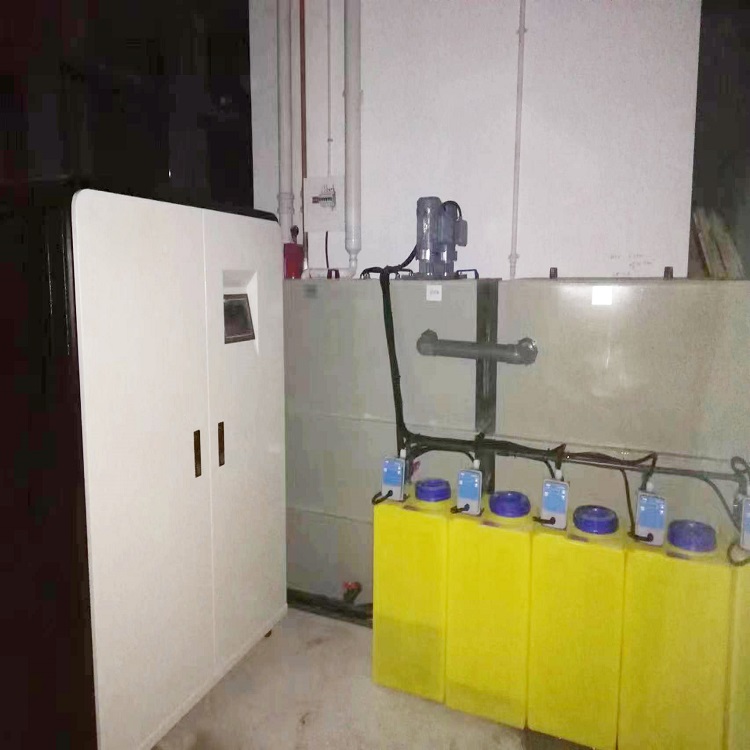
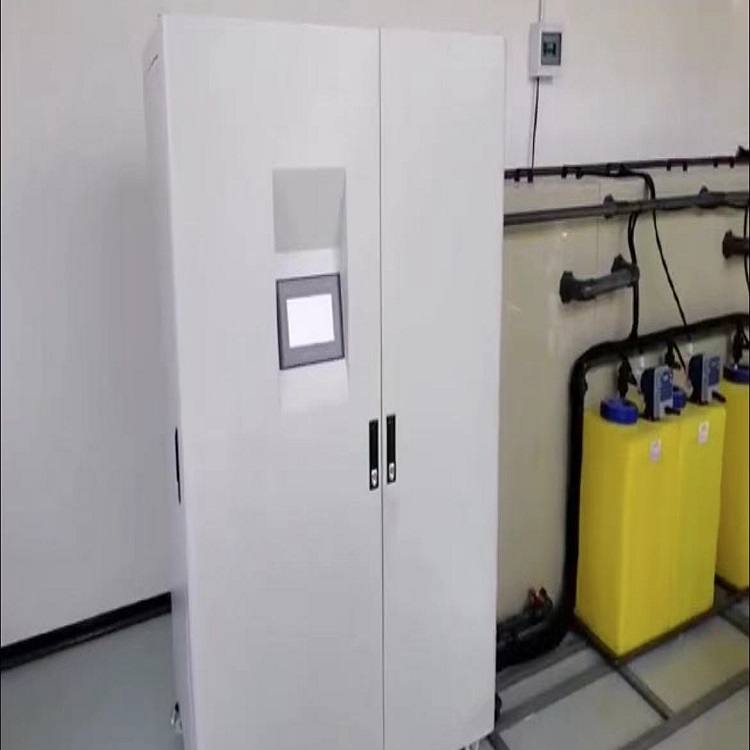
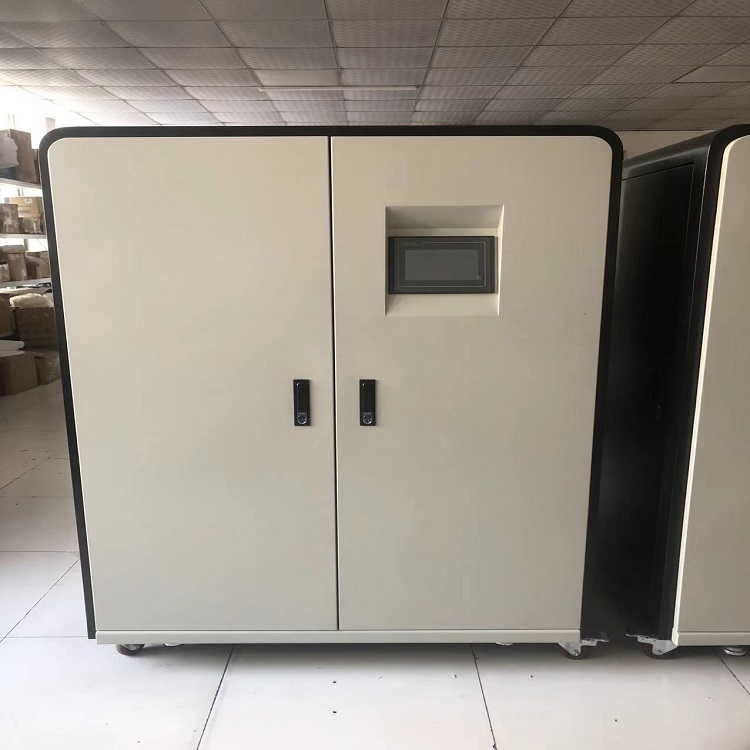
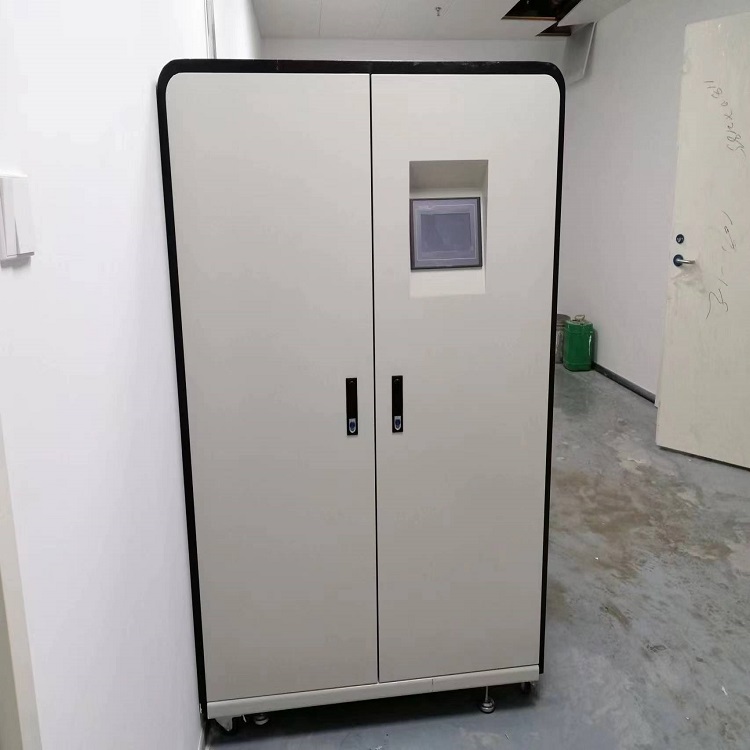
Quan Kun Customized Air-Floating Sedimentation Integrated Wastewater Treatment Equipment, New Material Laboratory Wastewater Treatment Equipment, Includes Installation
Laboratory wastewater originates from teaching and research experimental wastewater, as well as the effluent from the use of various sanitation and office/life utilities within the lab. Teaching and research experimental wastewater refers to the effluent produced during various experiments aimed at yixue skill teaching and research. Due to the differing experimental projects among various labs and researchers, and the frequent changes in the content of experiments by the same researcher, the total amount of experimental wastewater discharged is generally low but varies significantly over time. Its discharge is intermittent, with fluctuating concentrations and complex compositions, posing diverse hazards to both humans and the environment. The pollutants in the laboratory sanitation wastewater are complex in composition, depending on the teaching and research wastewater, though with relatively lower concentrations of pollutants. The pollutants in the laboratory office/life wastewater are simpler, mainly consisting of COD, BOD, and suspended solids.
Treatment methods for this type of laboratory wastewater:
Floc Precipitation Method – This method is suitable for inorganic experimental wastewater containing a high concentration of heavy metal ions. Once the heavy metal ions in the wastewater are identified, an appropriate flocculant, such as lime, iron salts, or aluminum salts, can be selected. Under weakly alkaline conditions, these can form floc precipitates like Mn(OH)2, Fe(OH)3, and Al(OH)3. These floc precipitates also have an adsorptive effect, allowing for the removal of other pollutants in the water along with the heavy metal ions, thereby reducing the chemical oxygen demand and enhancing the wastewater's biodegradability.
2 Sulfide Precipitation Method - This method is primarily used for laboratory wastewater containing high levels of heavy metals like cadmium, lead, and mercury. It typically involves using Na2S or NaHS to convert heavy metals in the wastewater into water-insoluble metal sulfides, which are then co-precipitated with Fe(OH)3 for separation. The specific process is as follows: adjust the pH of the wastewater to 8.0-10.0, add an excess of Na2S to form sulfide precipitates, then add FeSO4 as a co-precipitant. The resulting FeS will adsorb the suspended metal sulfide ions in the water, forming a co-precipitate. Allow the mixture to settle, separate, and filter.
3 Redox Neutralization Precipitation Method The principle of this method is: inorganic metal ions in ionic form can be converted into metal monomers by some reductants, and then separated. Common reductants include Fe, Zn, NaBH4, etc.
Activated Carbon Adsorption Method - This method is commonly used for removing trace amounts of organic substances in dissolved state that cannot be removed by chemical or physical methods. Specific treatment process: divide the wastewater into organic and inorganic phases and separate them, then use activated carbon for secondary adsorption. This method can achieve a chemical oxygen demand removal rate of up to 93%, and the activated carbon can also adsorb some inorganic metal ions.
Lab Equipment Operation Precautions:
Before operating the equipment, ensure that the home appliance wiring is in a pre-operational state and the wiring method is appropriate. In case of any anomalies, adjust immediately to ensure safety.
2. Inspect the windmill oiling seat for proper operation, ease of rotation, loose ground screws, and whether lubricant needs to be added to the specified flow rate before starting up.
3. Inspect each valve body for integrity and ease of opening.
4. Verify that the pump rotates smoothly without any abnormalities; ensure there are no safety risks to normal operation. Address any issues immediately upon observation.
5. No touching of the equipment during operation; other equipment cannot be freely adjusted. For example, when the pump is on, it is strictly prohibited to adjust any other positions to prevent various accidents from occurring due to unstable working pressure.
6. Do not immediately turn off all power switches and leave after each equipment operation.
7. In case of other common equipment malfunctions, staff should not disassemble and resolve them personally. Common malfunctions should be reported to the owner immediately, and the manufacturer's project engineer will handle the repair.
8. Employ appropriate grading and classification methods to address common malfunctions in laboratory wastewater treatment equipment, enhancing operational efficiency without disrupting continuous equipment operation.
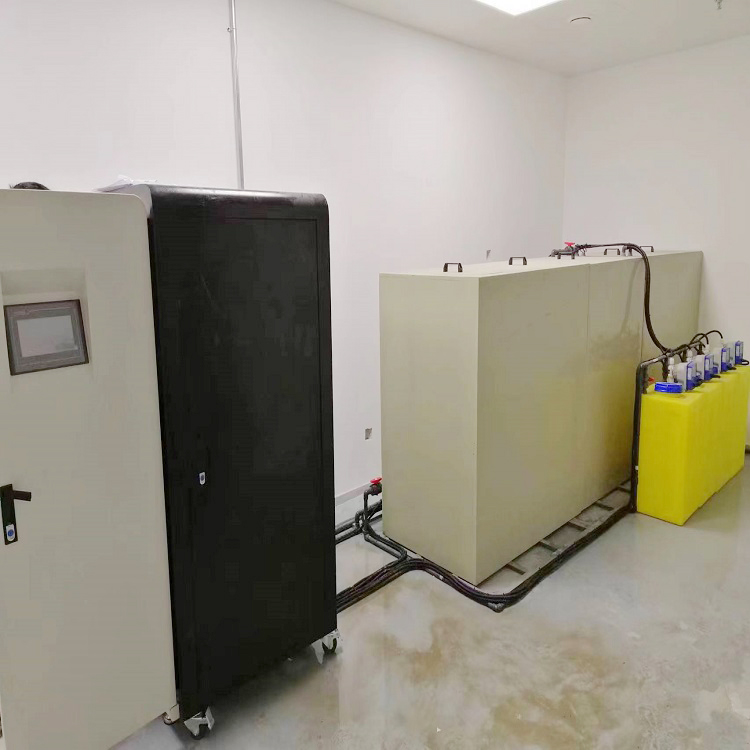
Qiankun Customized Air Floating Sedimentation Integrated Wastewater Treatment Equipment, New Material Lab Waste Water Treatment Equipment, Installation Included
The laboratory wastewater treatment facility consists of wastewater classification collection, wastewater adjustment, advanced wastewater treatment, sedimentation separation, physical treatment, biological treatment, and comprehensive wastewater purification units. It integrates processes such as chemical pretreatment, chemical advanced treatment, inclined tube sedimentation, multi-pass disinfection sterilization, filtration sedimentation separation, micro-electrolysis technology with high and low potential differences, electrochemical oxidation-reduction technology, two-stage organic biological membrane purification, novel packed bed photo-catalytic reaction technology for organic wastewater, selective mass transfer of fresh liquid, and mycelium surface molecular imprinting technology to comprehensively treat organic, inorganic, and biological wastewater generated in the laboratory. This effectively removes COD, BOD, SS, color, and heavy metal ions from the wastewater. Different treatment technologies and control systems are employed based on the composition of different laboratory wastewater types.