













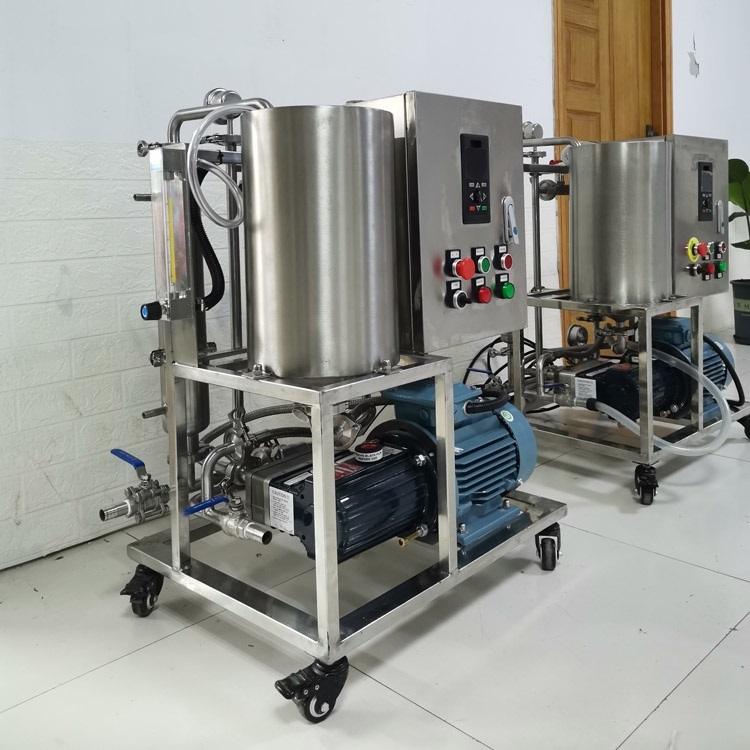
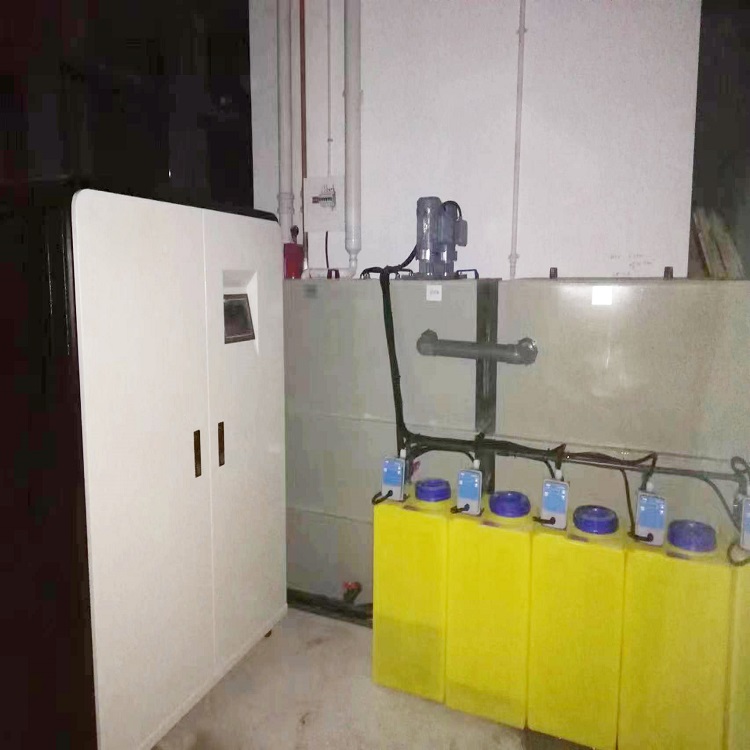
Subsurface Medical Wastewater Treatment Equipment, Low-Temperature Evaporation Waste Water Treatment Equipment, Manufacturer
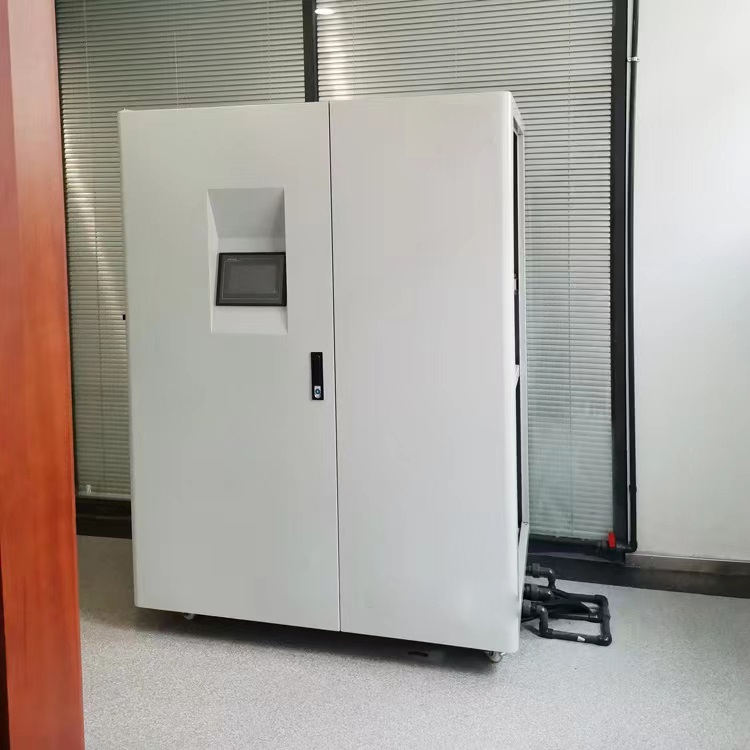
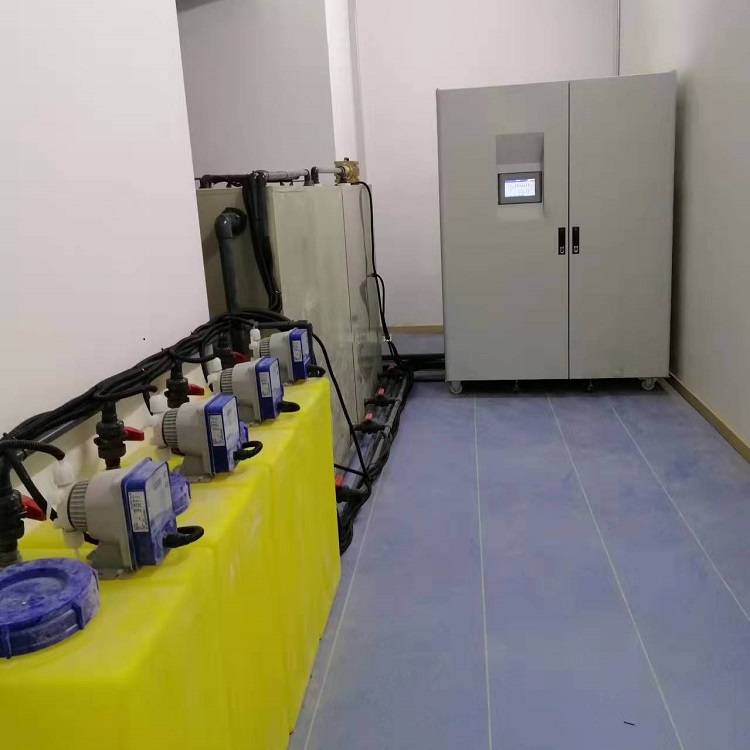
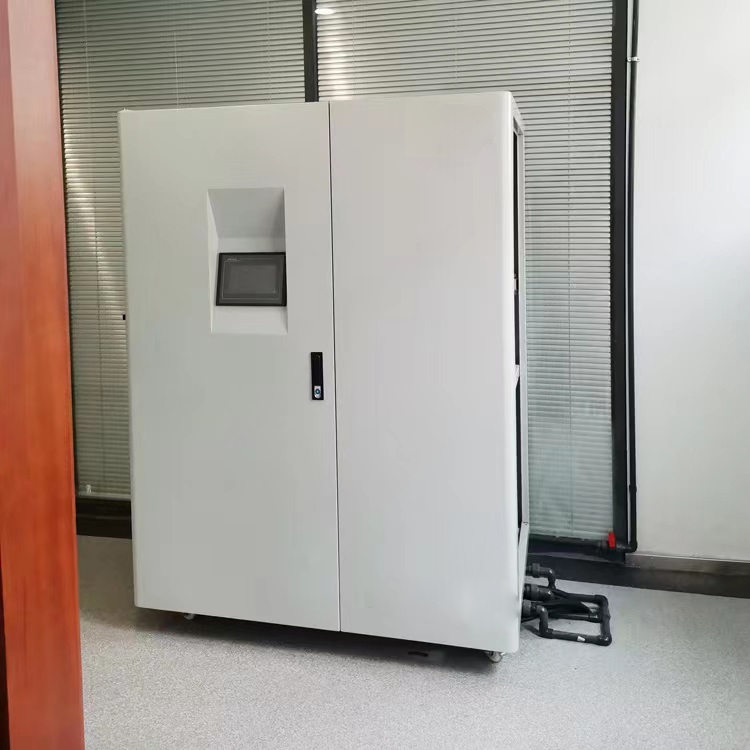
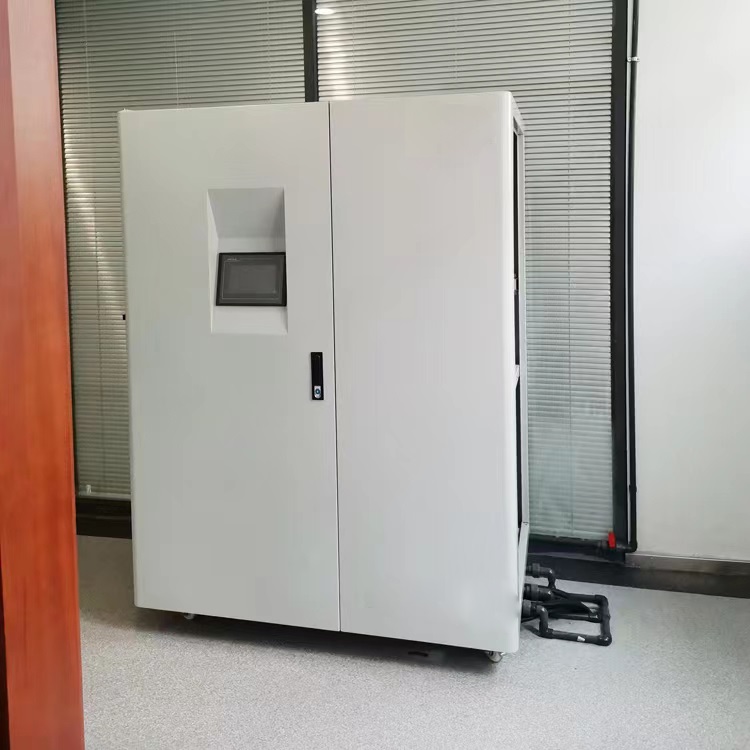
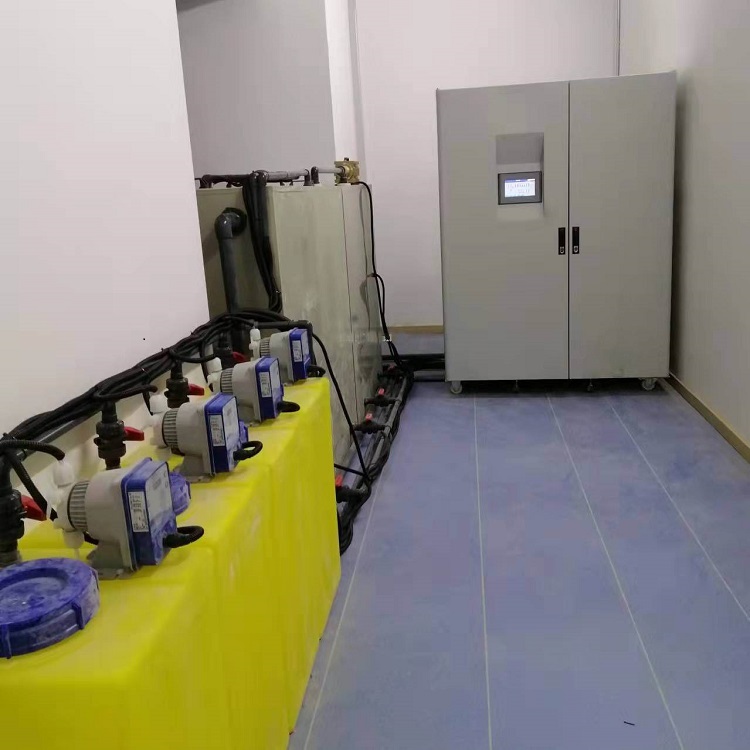
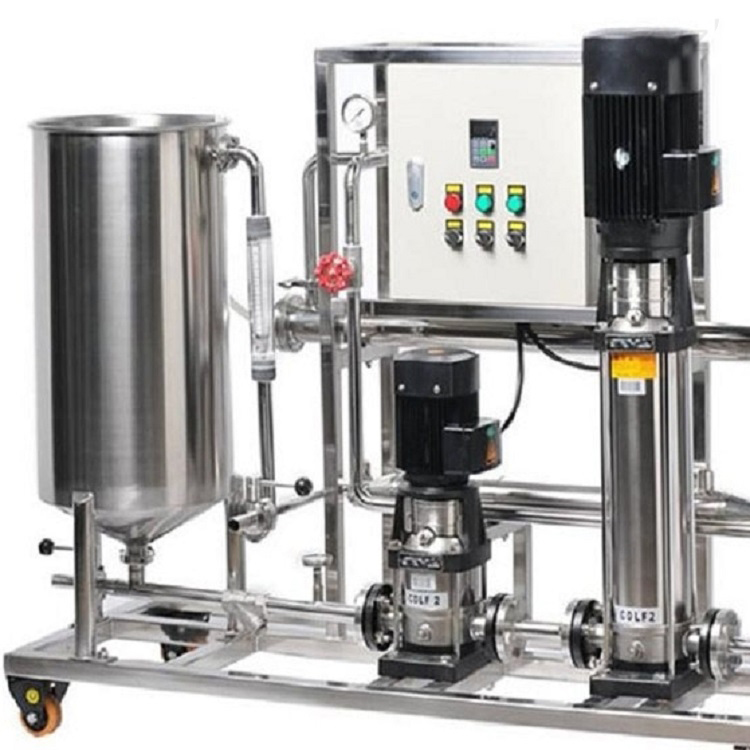
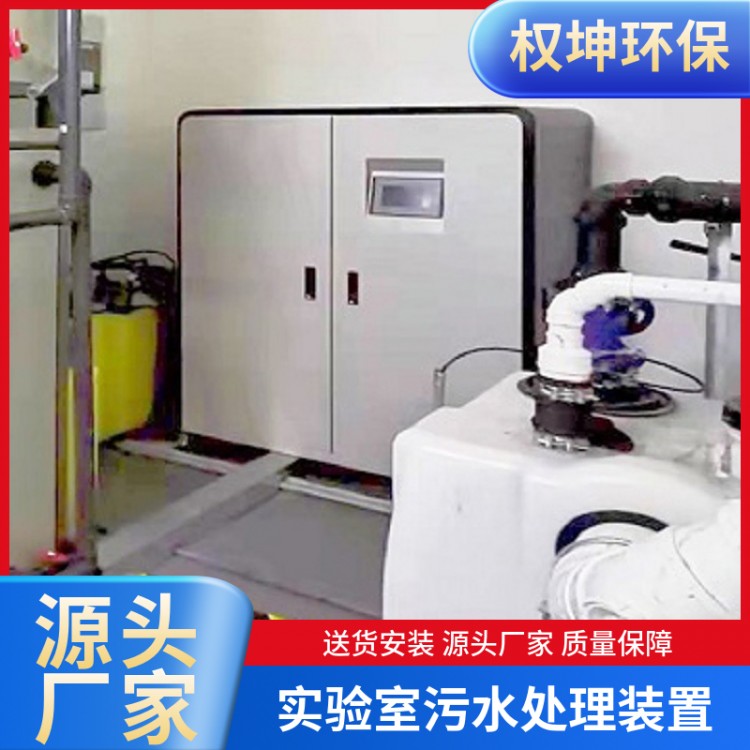
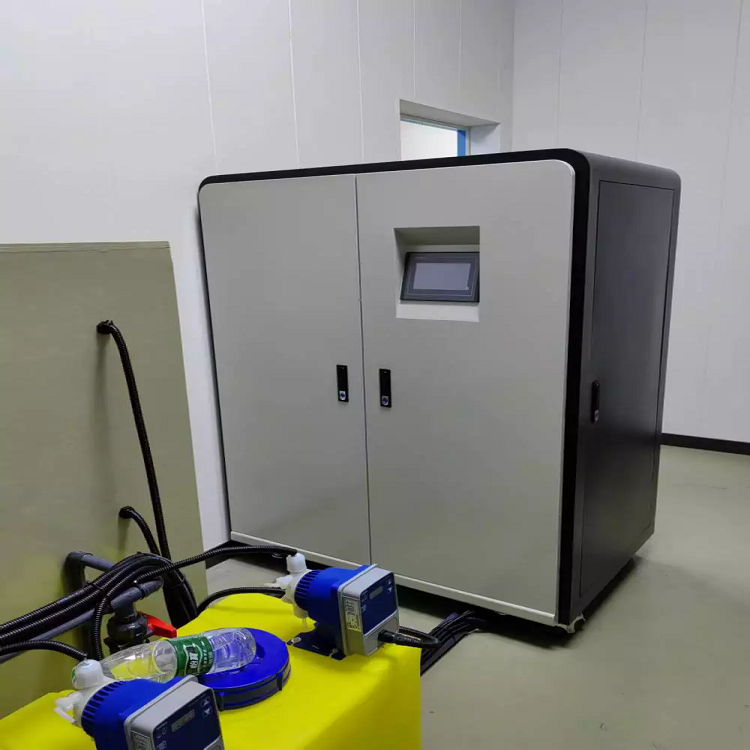
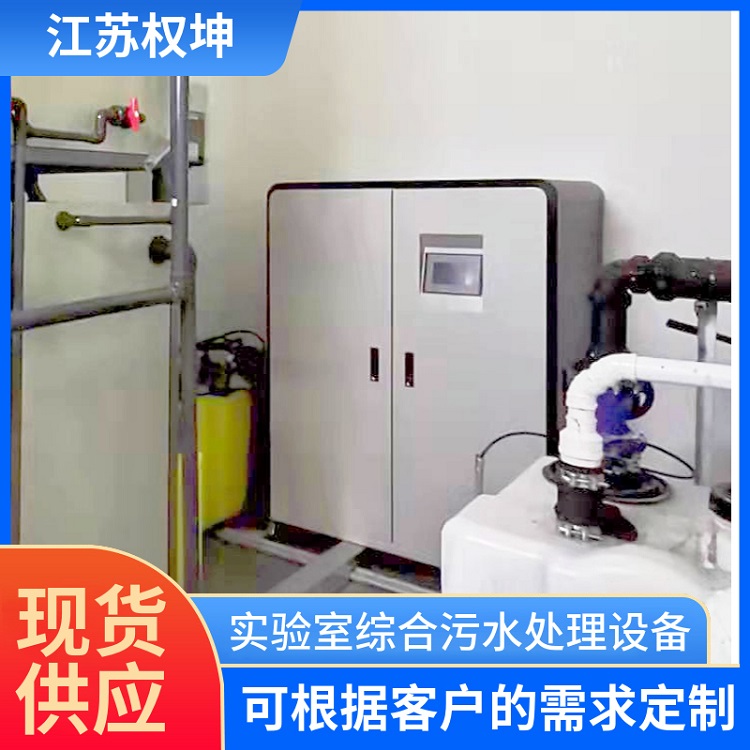
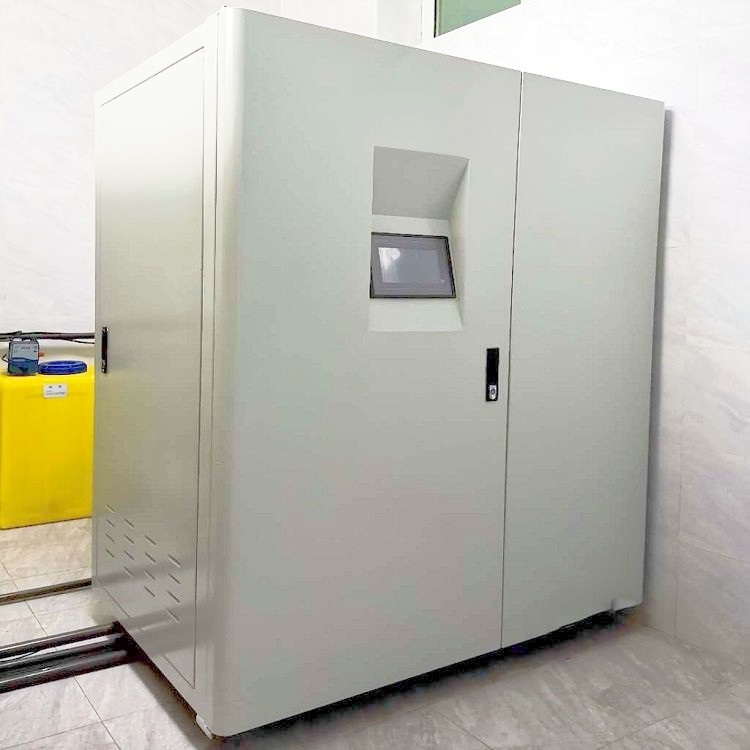
Laboratory wastewater treatment unit, capable of adjusting process equipment combinations and process flow parameters based on the quality and volume characteristics of different wastewater. It completes processes such as influent, dosing, oxidation reaction, flocculation, rapid sedimentation, and drainage within an integrated unit. The continuous flow treatment scheme eliminates the need for lift pumps and booster pumps, ensuring a rational and scientifically proven design of the entire treatment process. It is cost-effective and operates economically, meeting the treatment requirements for complex, difficult-to-treat laboratory wastewater containing organic, inorganic, and pathogenic microorganisms. The effluent after treatment surpasses the standards for pH, color, suspended solids, COD, heavy metals, Escherichia coli, and other indicators, compared to various water treatment systems.
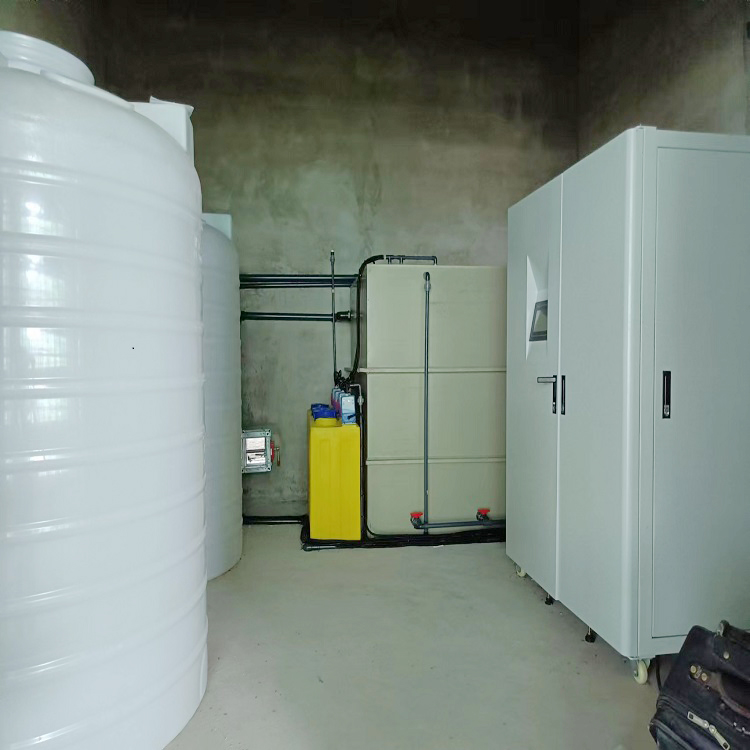
Laboratory wastewater contains acids, bases, organic pollutants, heavy metal ions, and pathogenic microorganisms. It exhibits a wide range of pH variations and high COD concentrations, and is primarily categorized into three major types:
1. Organic Wastewater: Primarily derived from laboratory reagents and solvents.
2. Inorganic wastewater: Main sources include acid and alkali reagents, heavy metal reagents.
3. Biological Pathogenic Wastewater: Main sources include microbial culture, blood biochemical tests, blood stations, disease control centers, etc.
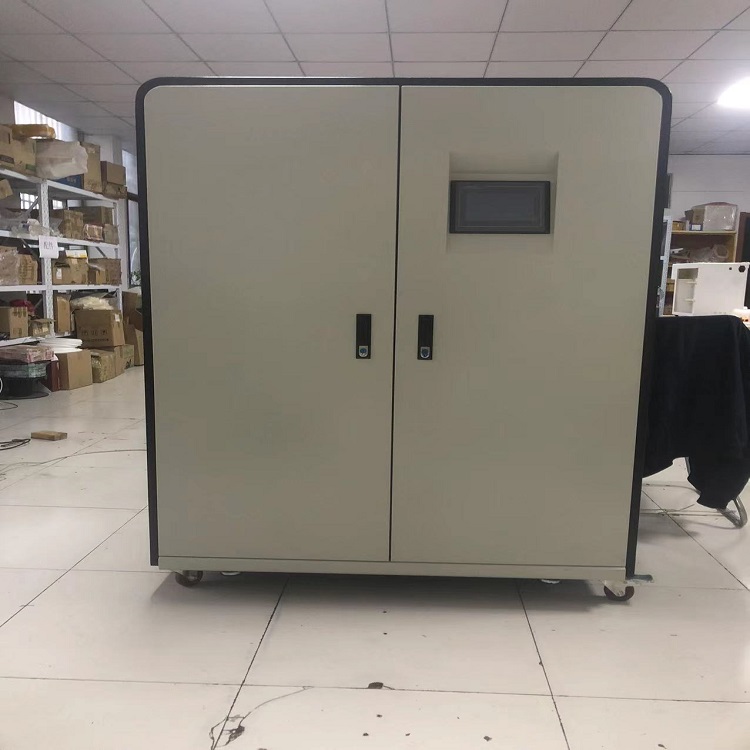
Laboratory Wastewater Discharge Standards: [GB8978-1996] Integrated Wastewater Discharge Standards
Key testing indicators include: heavy metals, pH value, suspended solids, colorimetry, COD, E. coli, etc.
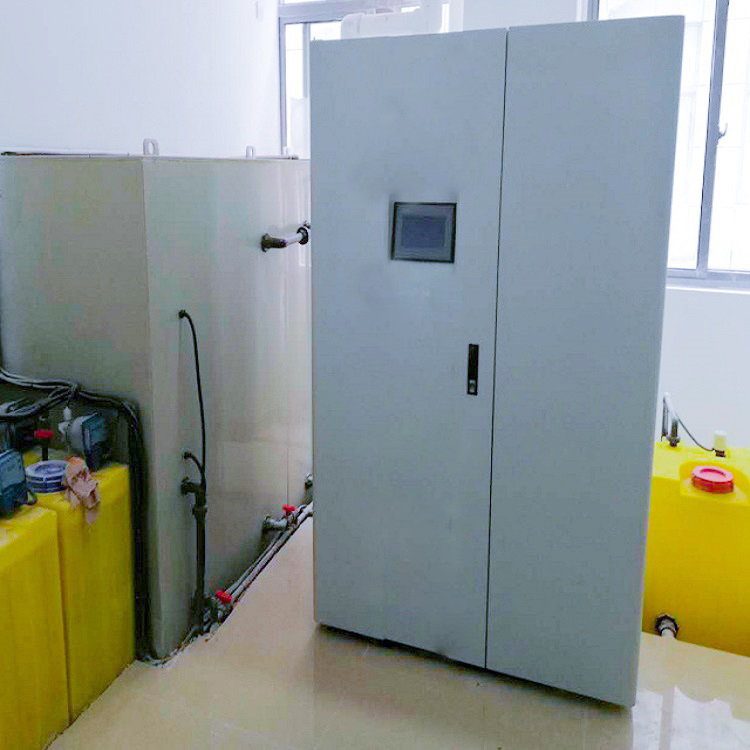
Lab wastewater treatment equipment features:
1. Fully automatic control system utilized.
2. Compact structure, minimal land area required.
3. Low overall cost, corrosion-resistant, and long lifespan.
4. Low operational costs, stable effluent water quality.
Wastewater Treatment Types:
1. Laboratory wastewater sources: laboratory chemicals, reagents, solutions, combined wastewater collected from laboratory after experiments, leftover reagents, expired laboratory chemicals and reagents, etc.
2. Laboratory wastewater composition: inorganic substances, organic substances, biological wastewater, etc.
3) Biological: Pathogens, etc.; a) Pathogens: Bacteria, viruses, chlamydiae, mycoplasmas, spirochetes, fungi, Brucella, anthrax bacteria, etc.; Wastewater treated by the laboratory's sewage treatment facility for nucleic acid testing meets national discharge standards and can be directly discharged into the municipal sewage pipeline network.
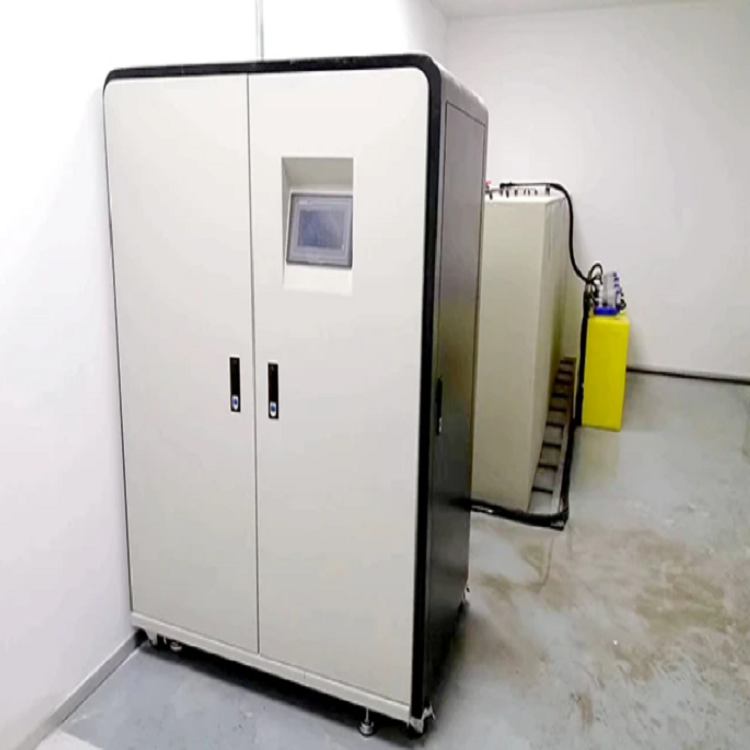
Subsurface Medical Waste Water Treatment Equipment, Low-Temperature Evaporation Waste Water Treatment Equipment, Manufacturer
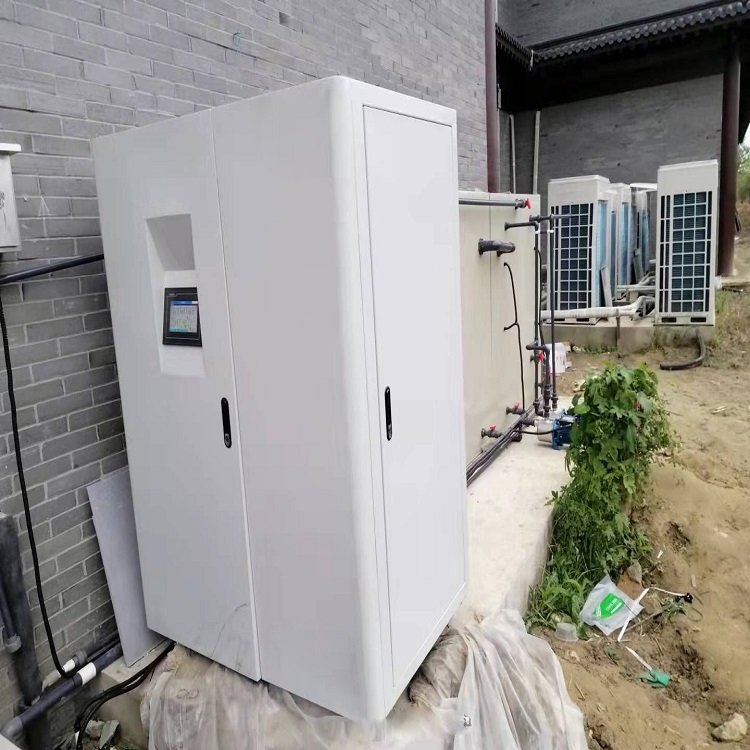
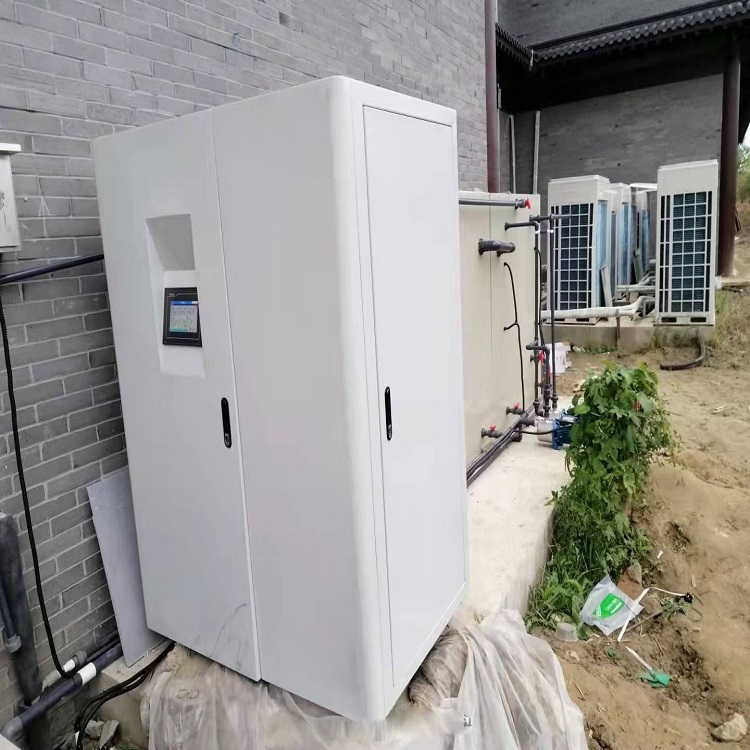
Equipment Installation:
1. Forklift or crane for loading and unloading laboratory comprehensive wastewater treatment equipment.
2. Equipment should be horizontally placed on a concrete bedding, and the electrical control cabinet should be located away from corrosive gases, water, and areas prone to dampness to prevent damage to electrical components.
3. The effluent pipe from the wastewater collection tank connects to the influent pipe of the sewage treatment equipment, ensuring the effluent pipeline is properly connected.
4. Prior to wiring connections, use an insulating sleeve to protect the wires and secure them in the proper position to prevent electrical leakage. The circuit should be equipped with safety devices, and live parts should be properly grounded.
5. After installation, recheck that all parts are securely fastened, that all components are present, that the piping and electrical installations are correct, that the live settings are grounded, and then you can proceed to test the machine if there are no issues.