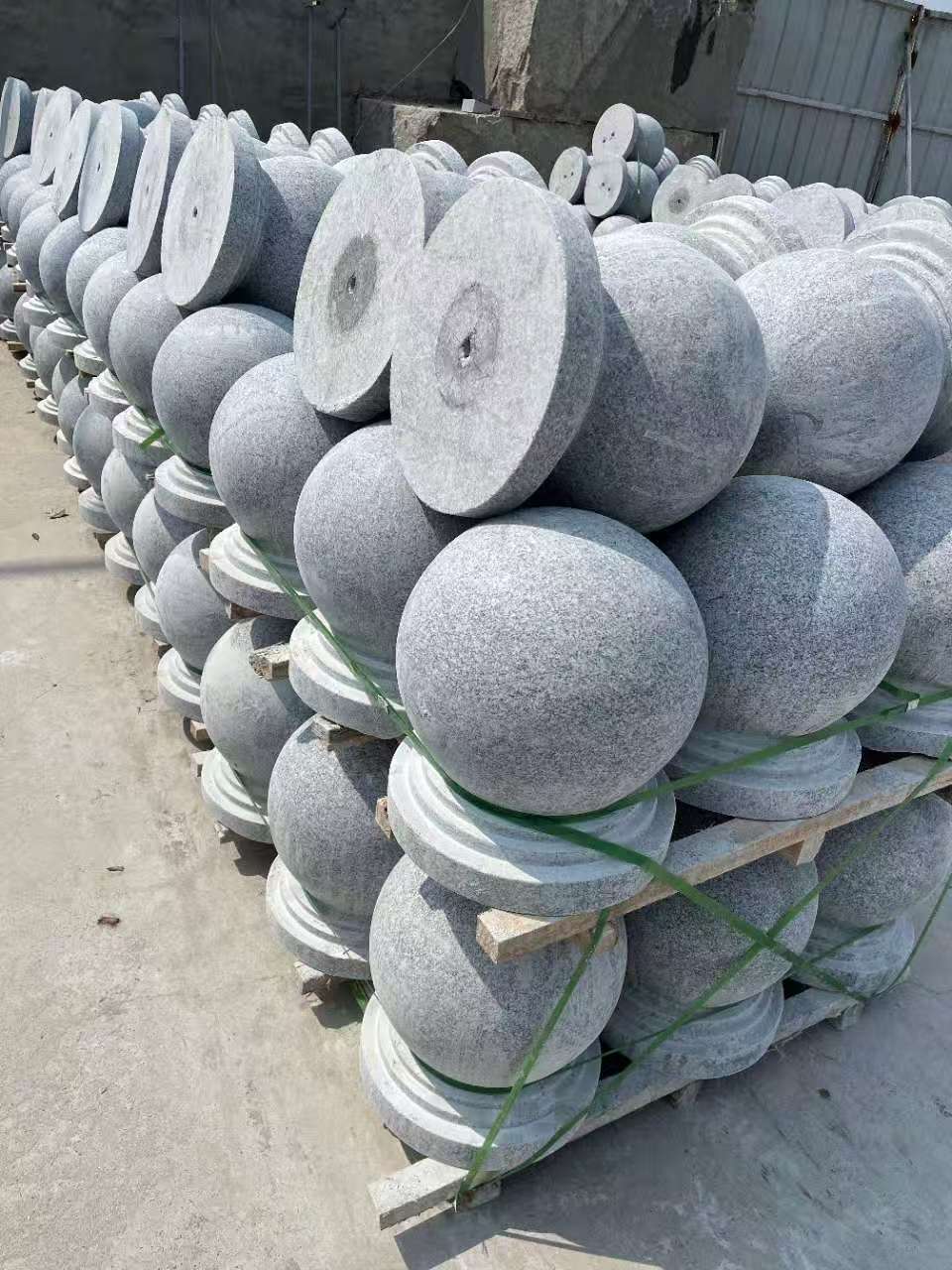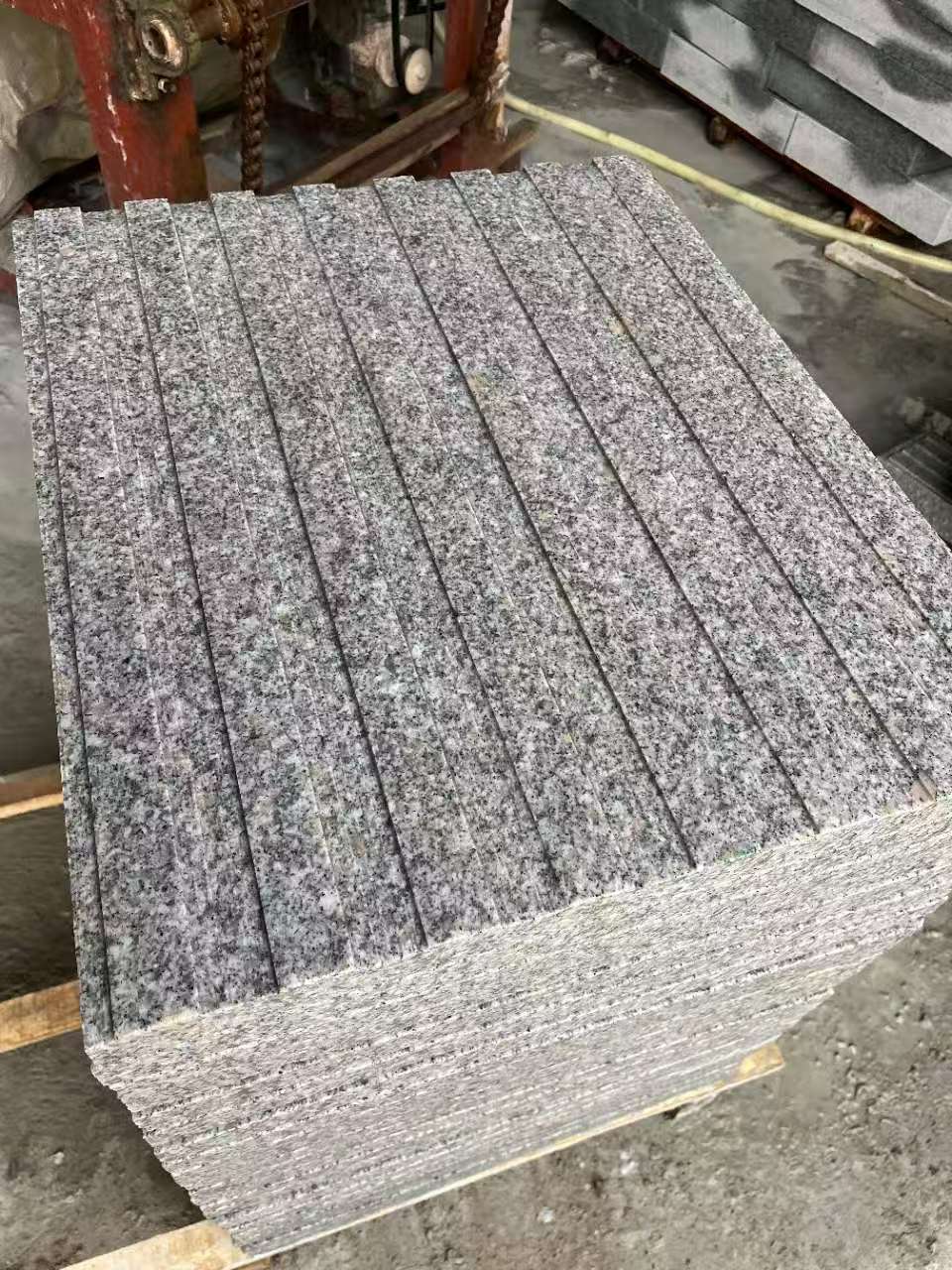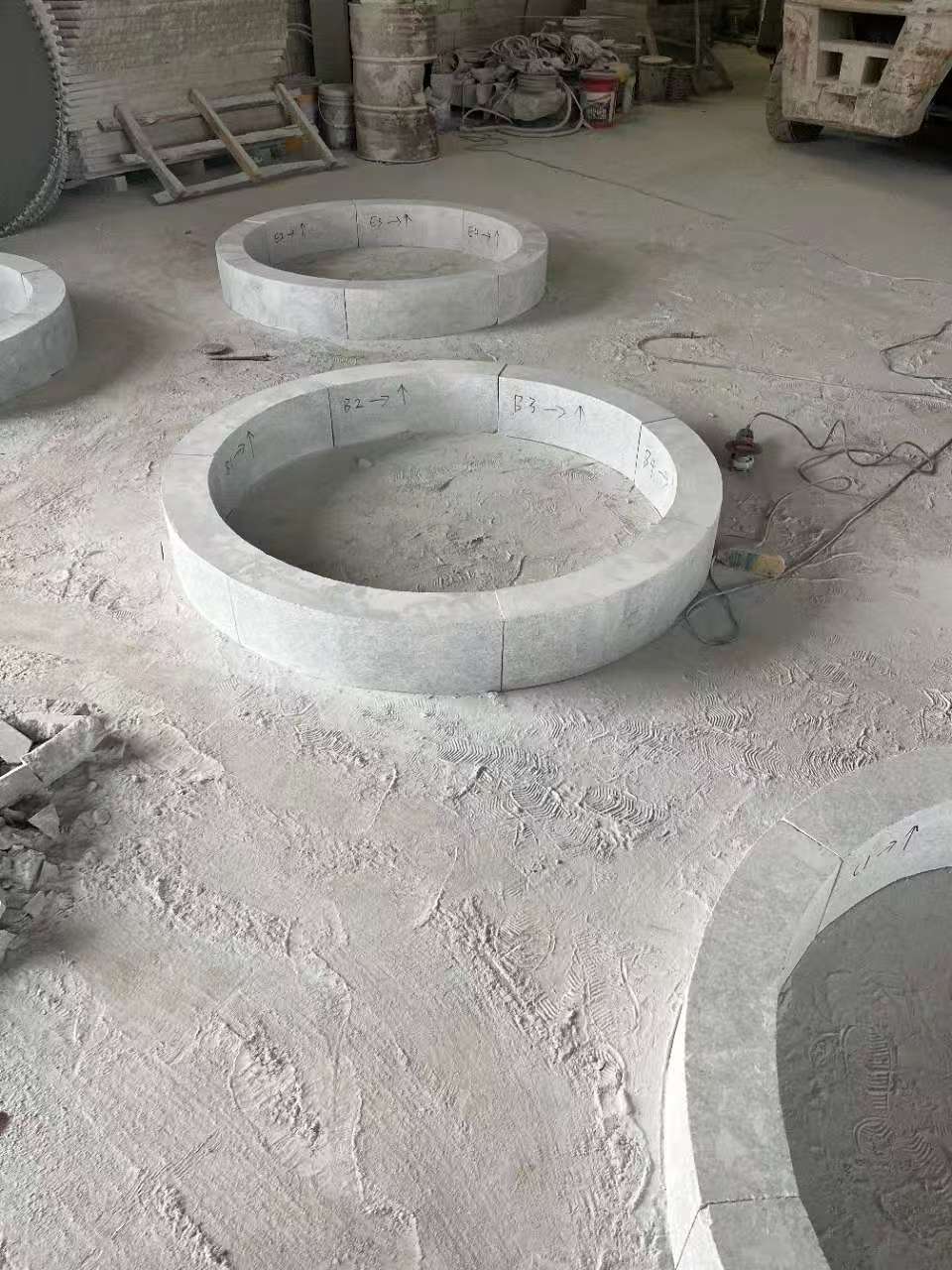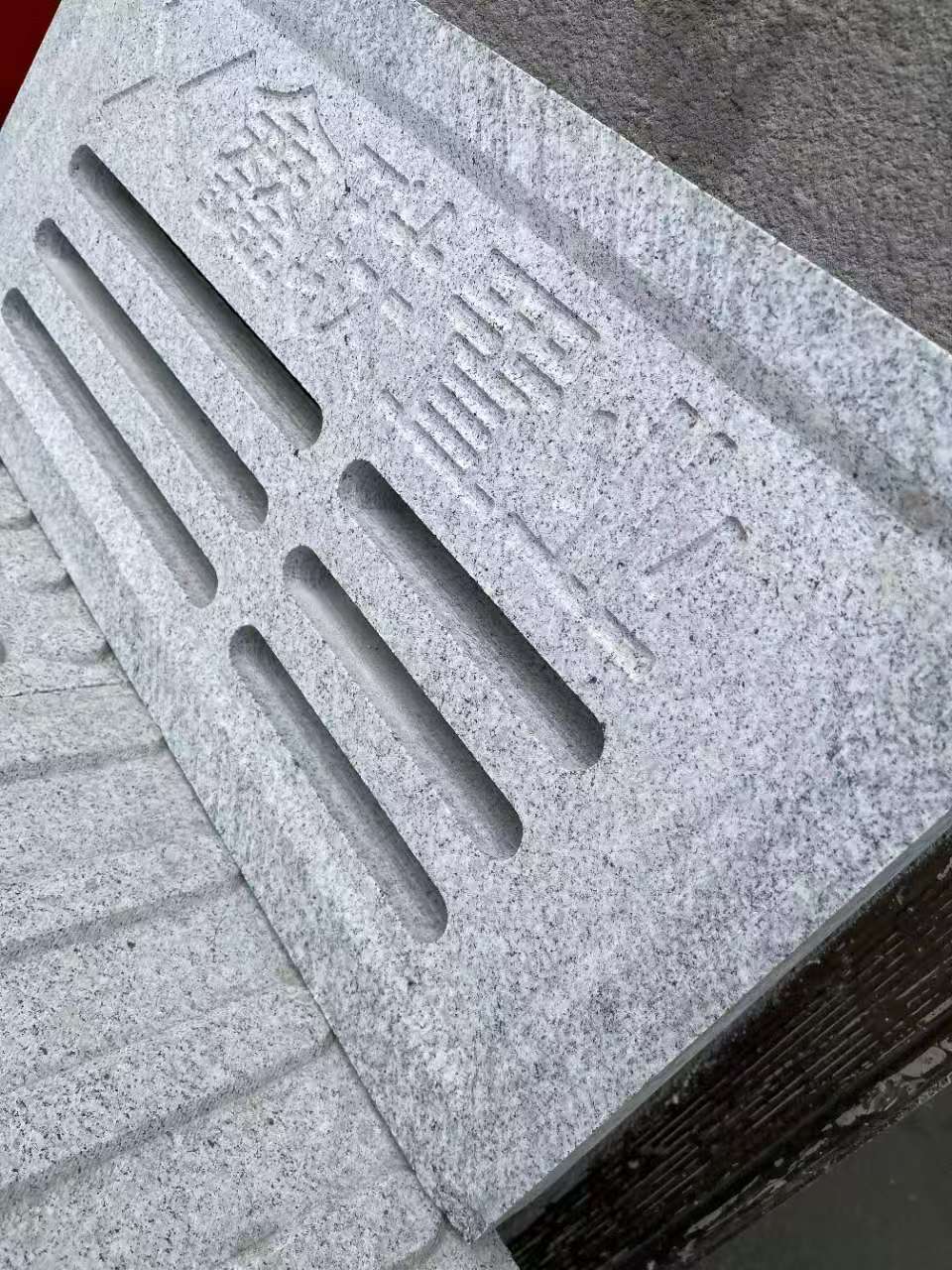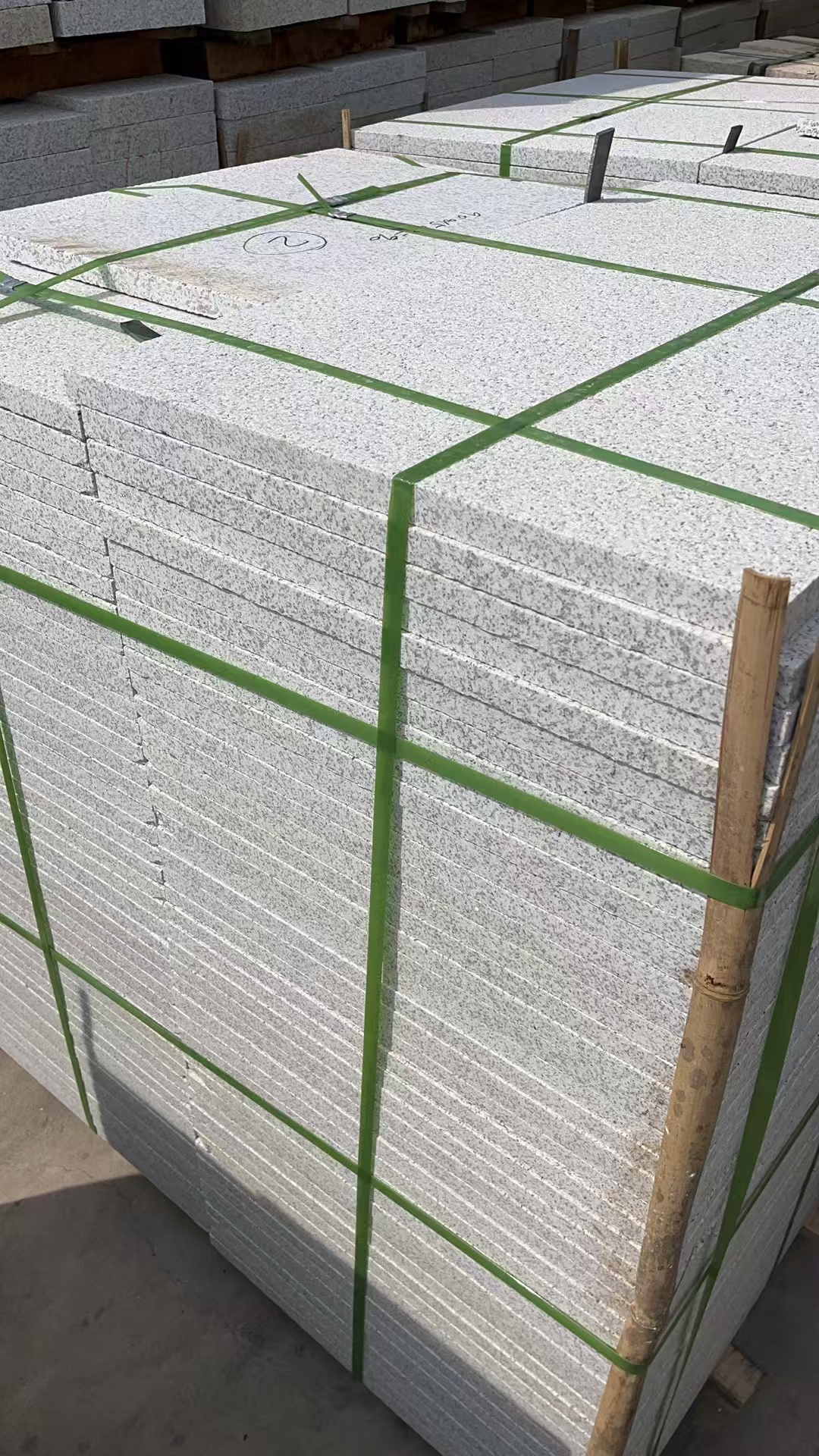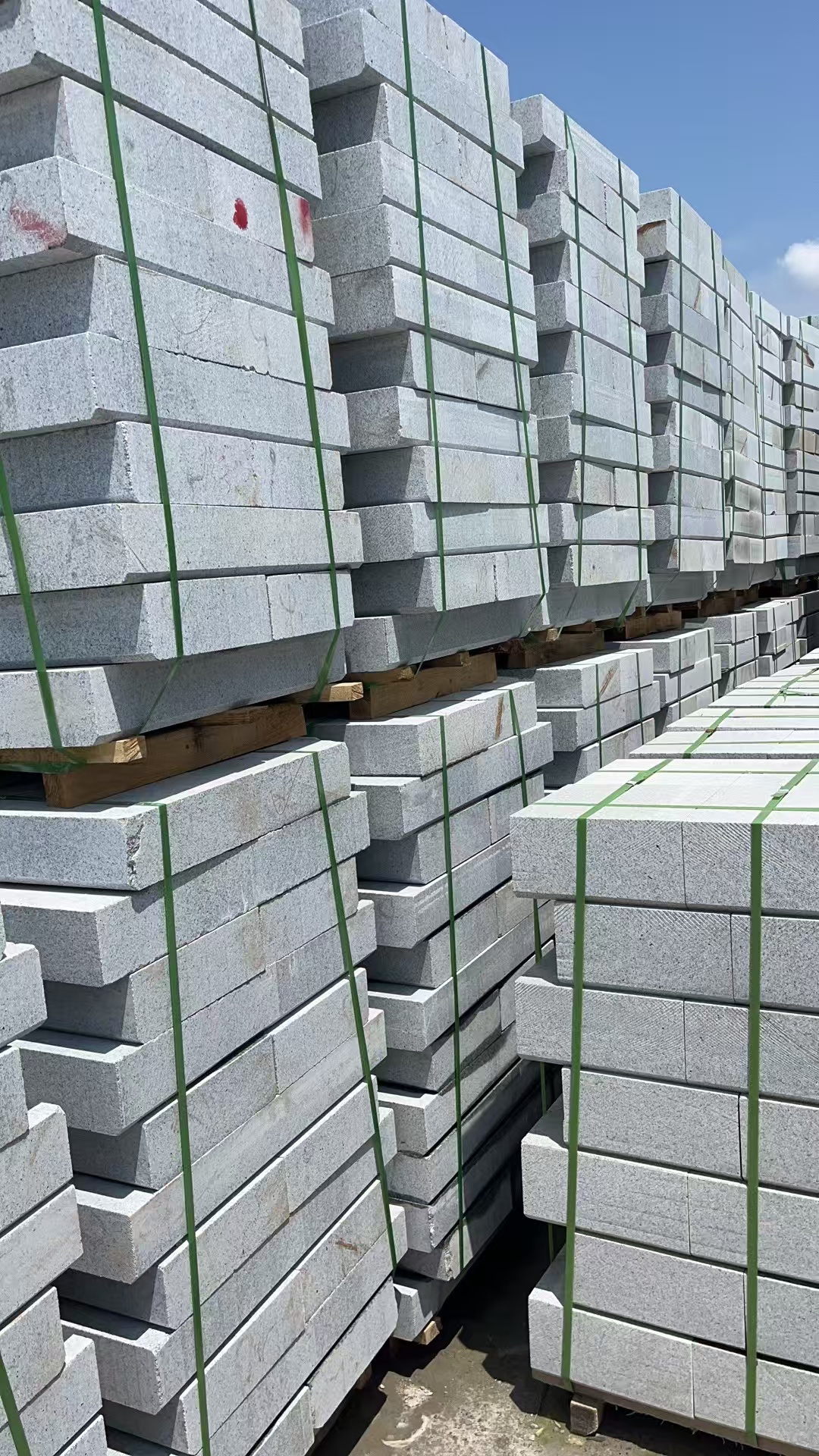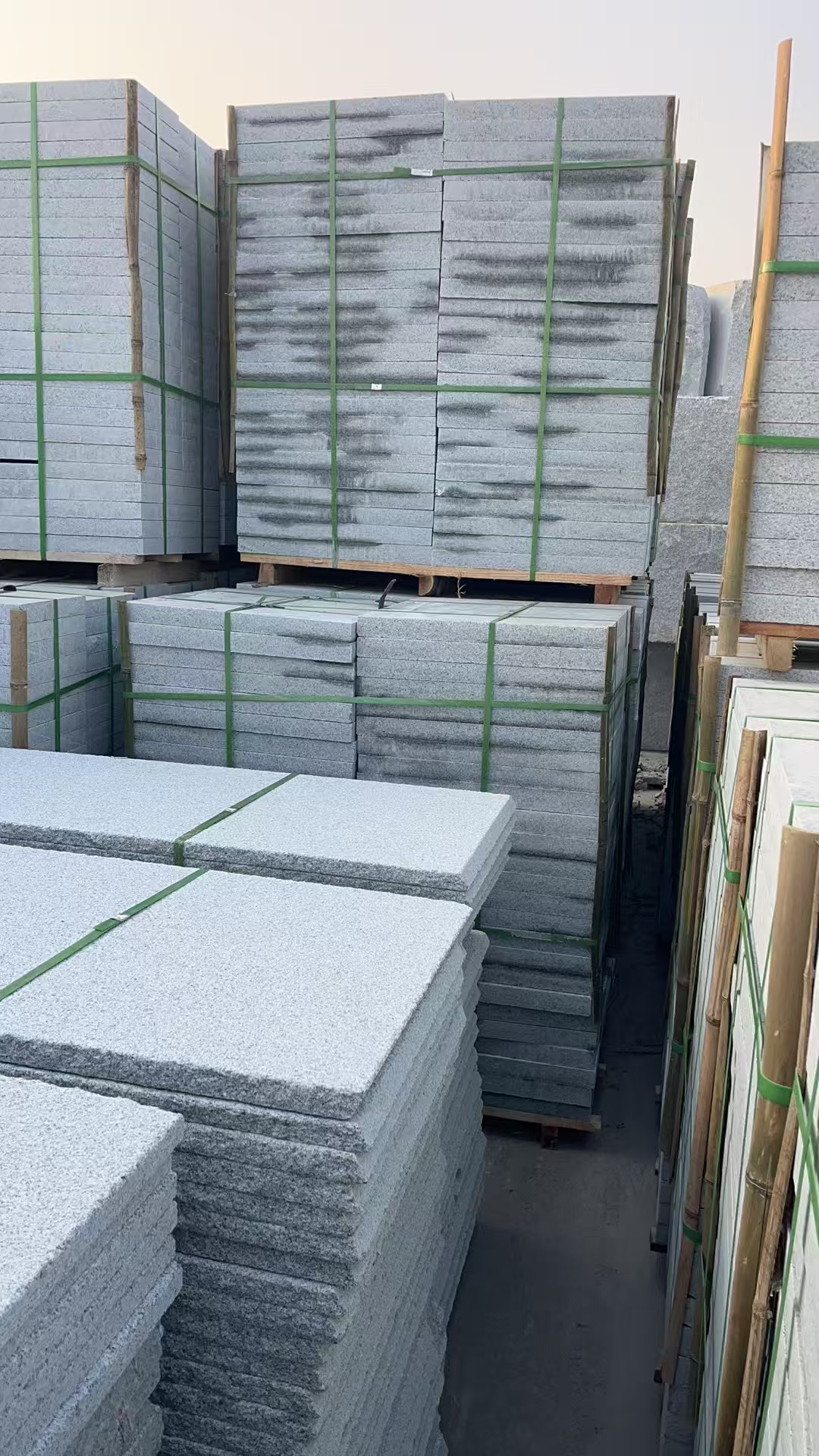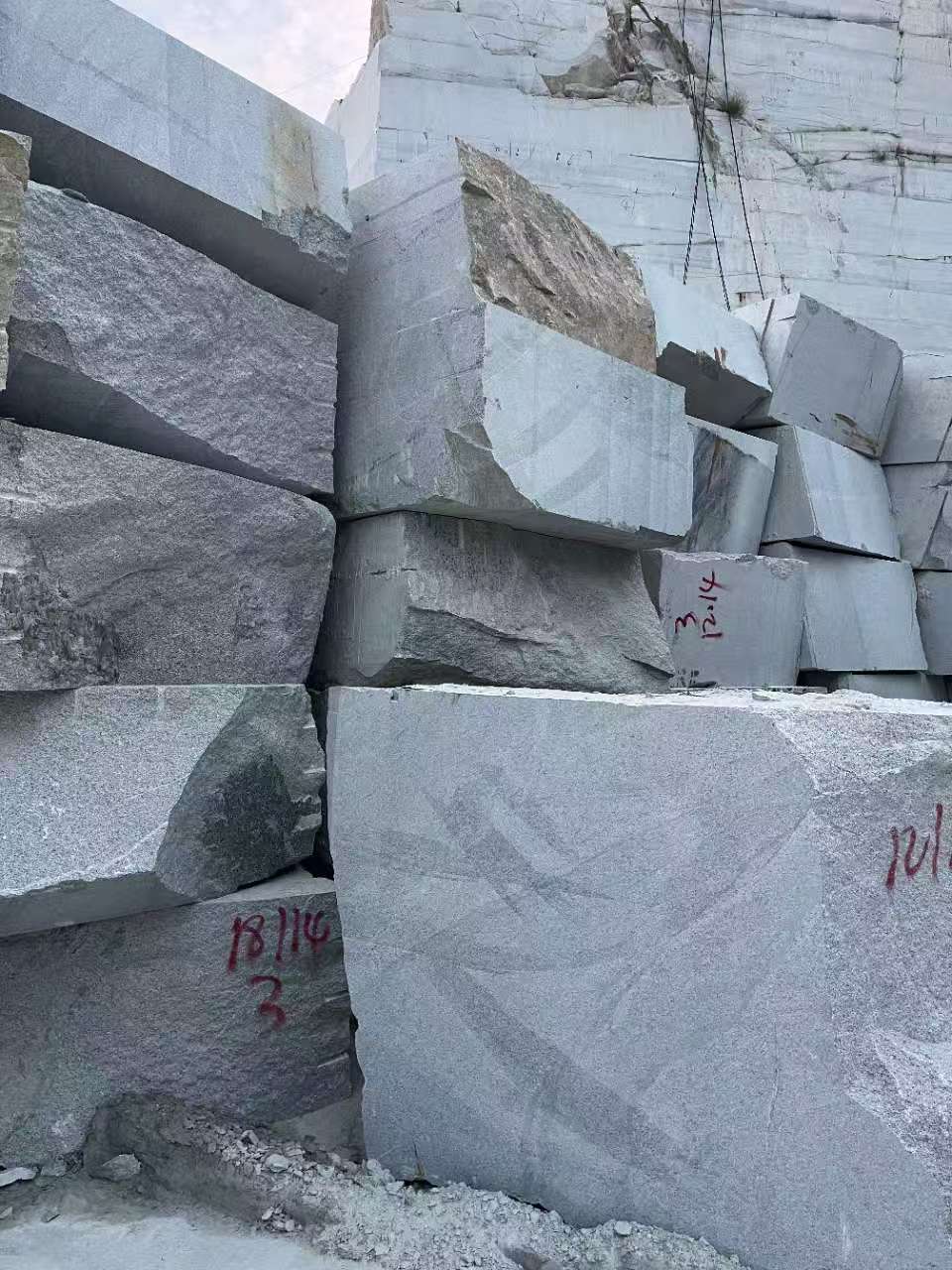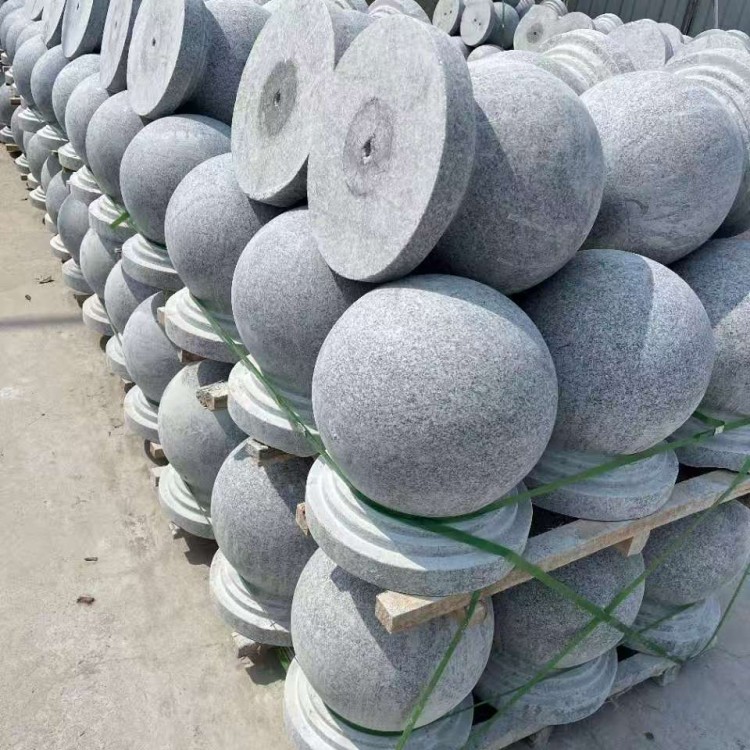
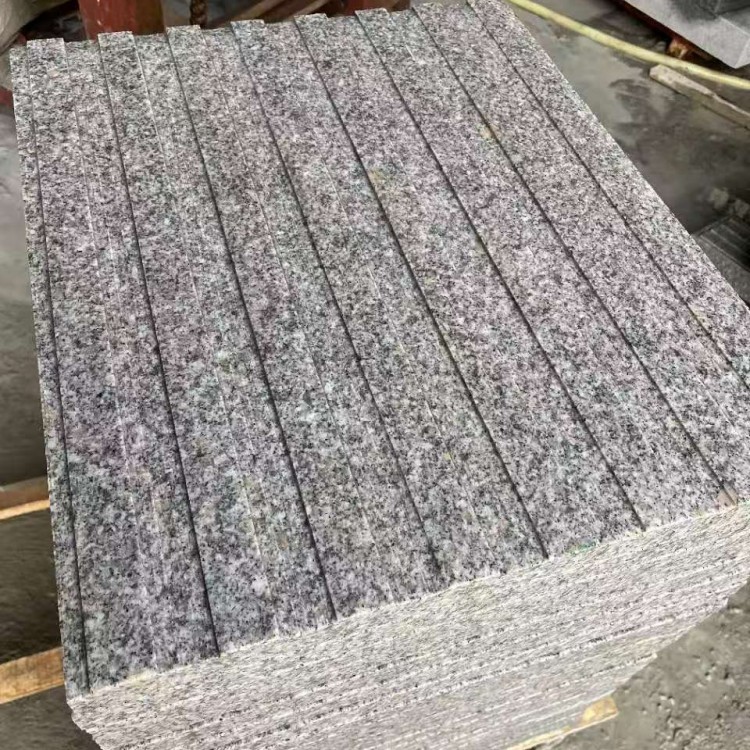













Washed stone is a crucial material for decorative roadways, offering a variety of shapes and colors, making it beautifully refined and pleasing to the eye. Unlike marble or terrazzo, washed stone has a smoother surface, making it a highly demanded decorative option. There are numerous manufacturers of washed stone, scattered across the country to meet consumer demand and provide greater convenience.

Water-washed stone is a decorative technique that involves mixing natural river or sea pebbles or gravels with cement in a certain proportion, applying it to the base, flattening it with a load-bearing tool, cleaning the surface adhesive to reveal the original appearance of the stones. It resembles the water-washed stone technique popular in the 70s and 80s. While wall construction is more challenging, quality is relatively easy to maintain; ground construction, on the other hand, is less difficult but prone to cracking and localized settling. Therefore, the foundation design and construction must ensure the stability of the subgrade, and it may be necessary to use reinforced concrete foundation pads. Additionally, settlement joints should generally be set at intervals of 5 to 6 meters.

The process of washed stone
1. Clear the grassroots level:
Clean dust, grease, and debris from the grassroots level.
2. Apply base mortar layer:
Apply base skim cement mortar layer by layer; level the base mortar with a straightedge and abrade with a wooden trowel. After the mortar has set, water cure it.
3. Agglomerated stone slurry coating layer
Apply a coat of plain cement slurry, apply the gravel slurry in two layers, the finish should be 1mm higher than the sides of the ground, then flatten and compact the gravel slurry layer.
4. Maintenance and Care:
Dip the brush in water, brush off the surface mud, recompact and smooth it, repeating the process 3 to 4 times; once the surface is clean and the stones are exposed, rinse with clean water, seal it, and assign a specialist for maintenance.