






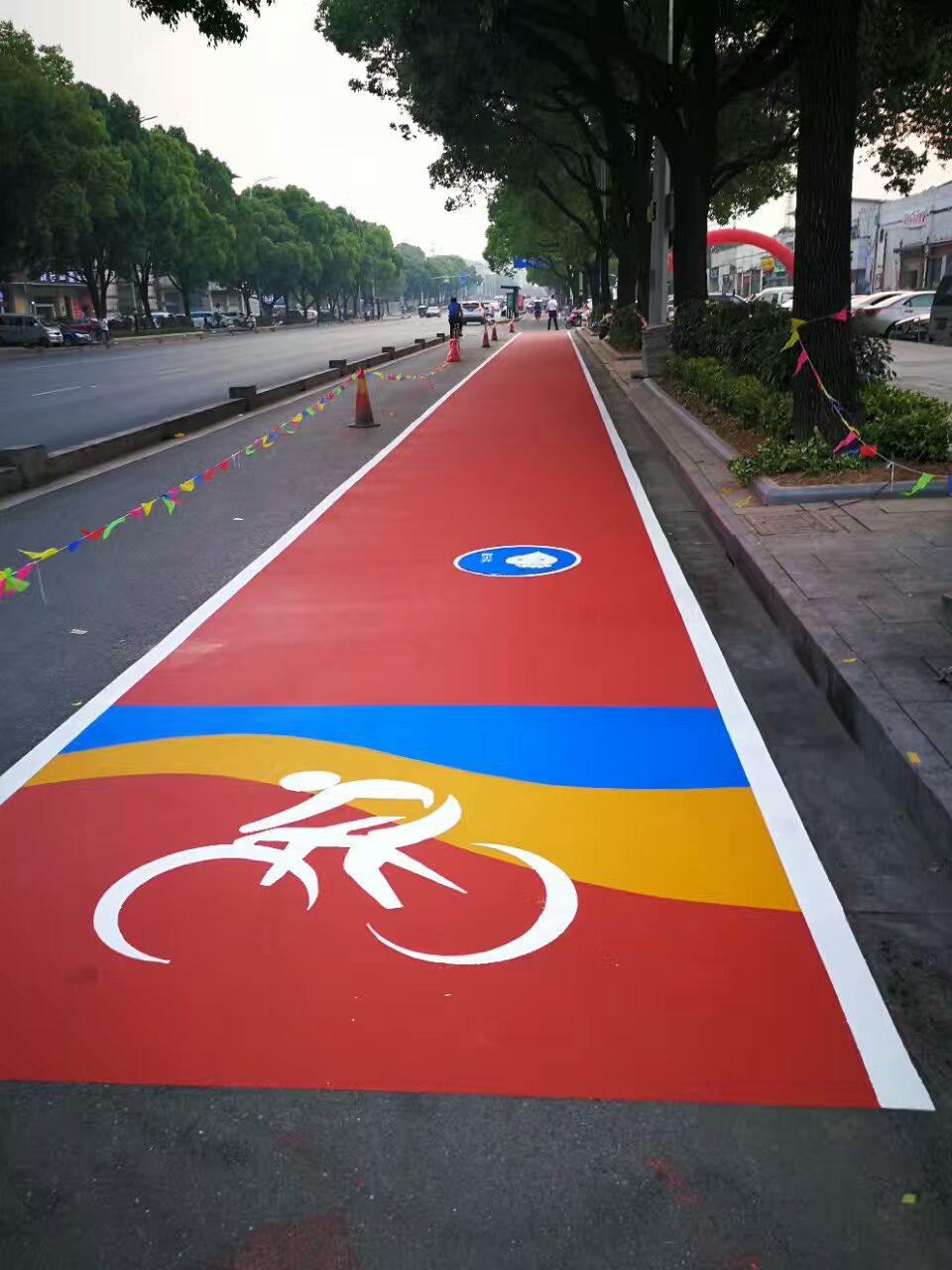
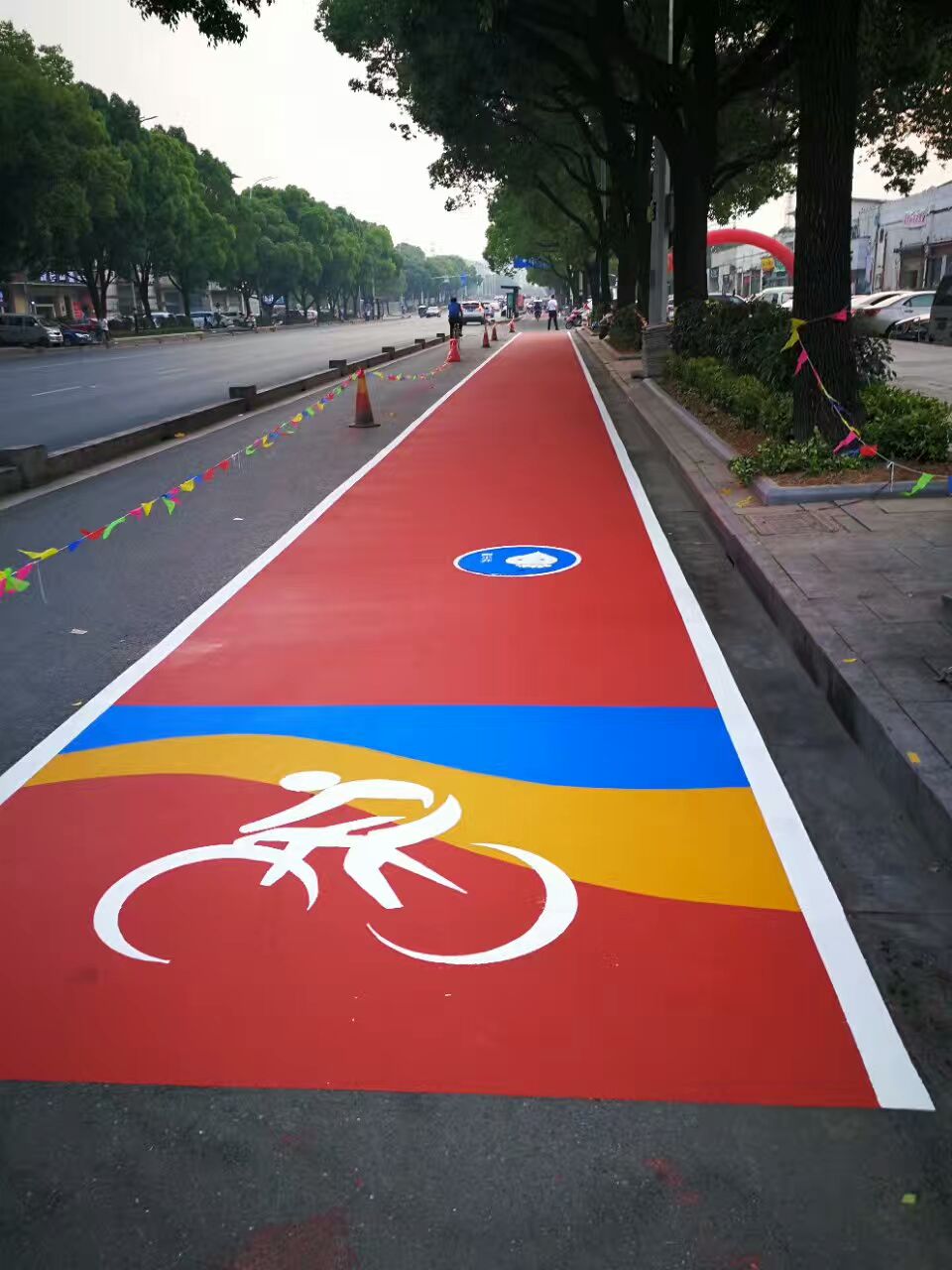
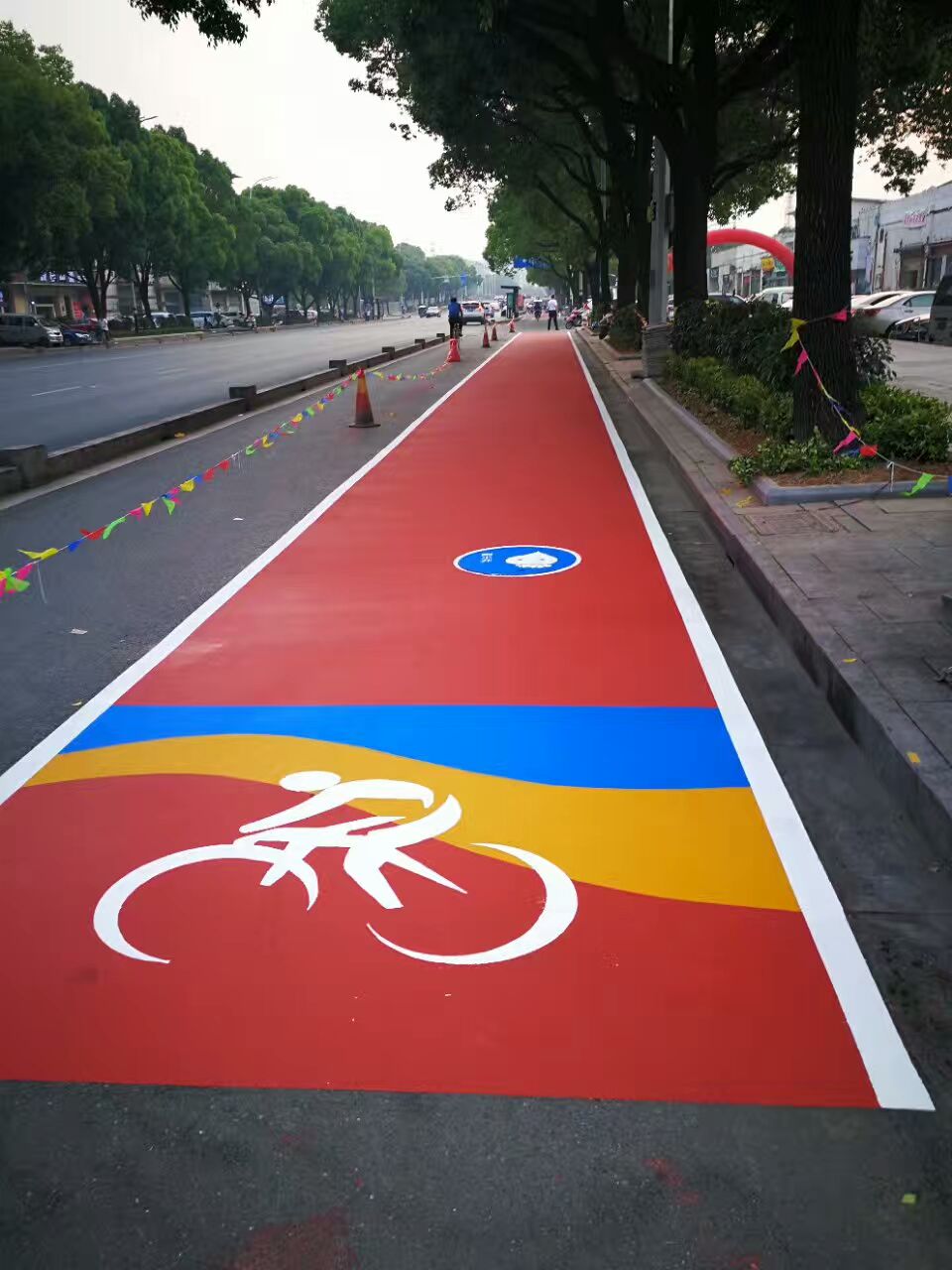
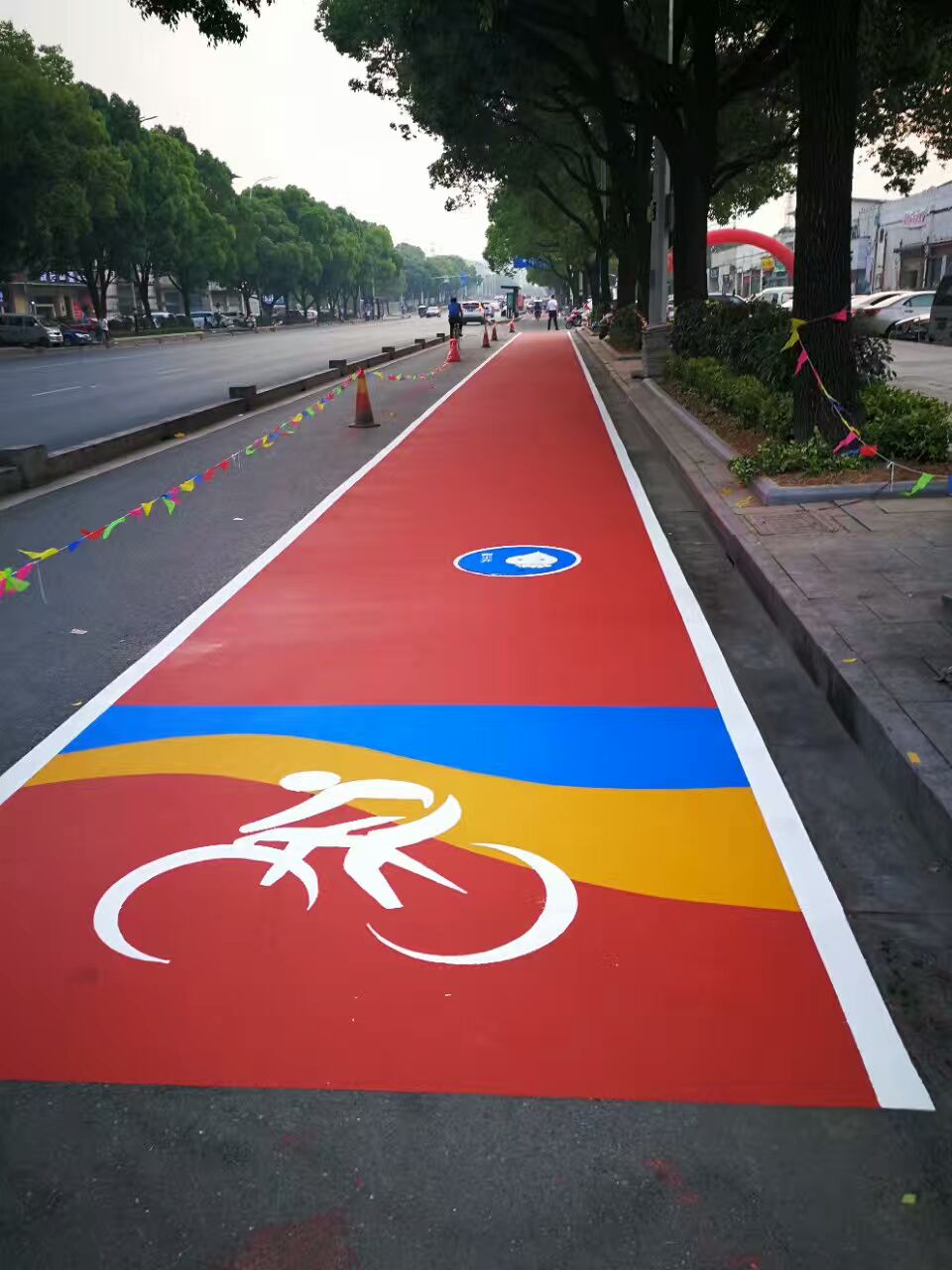
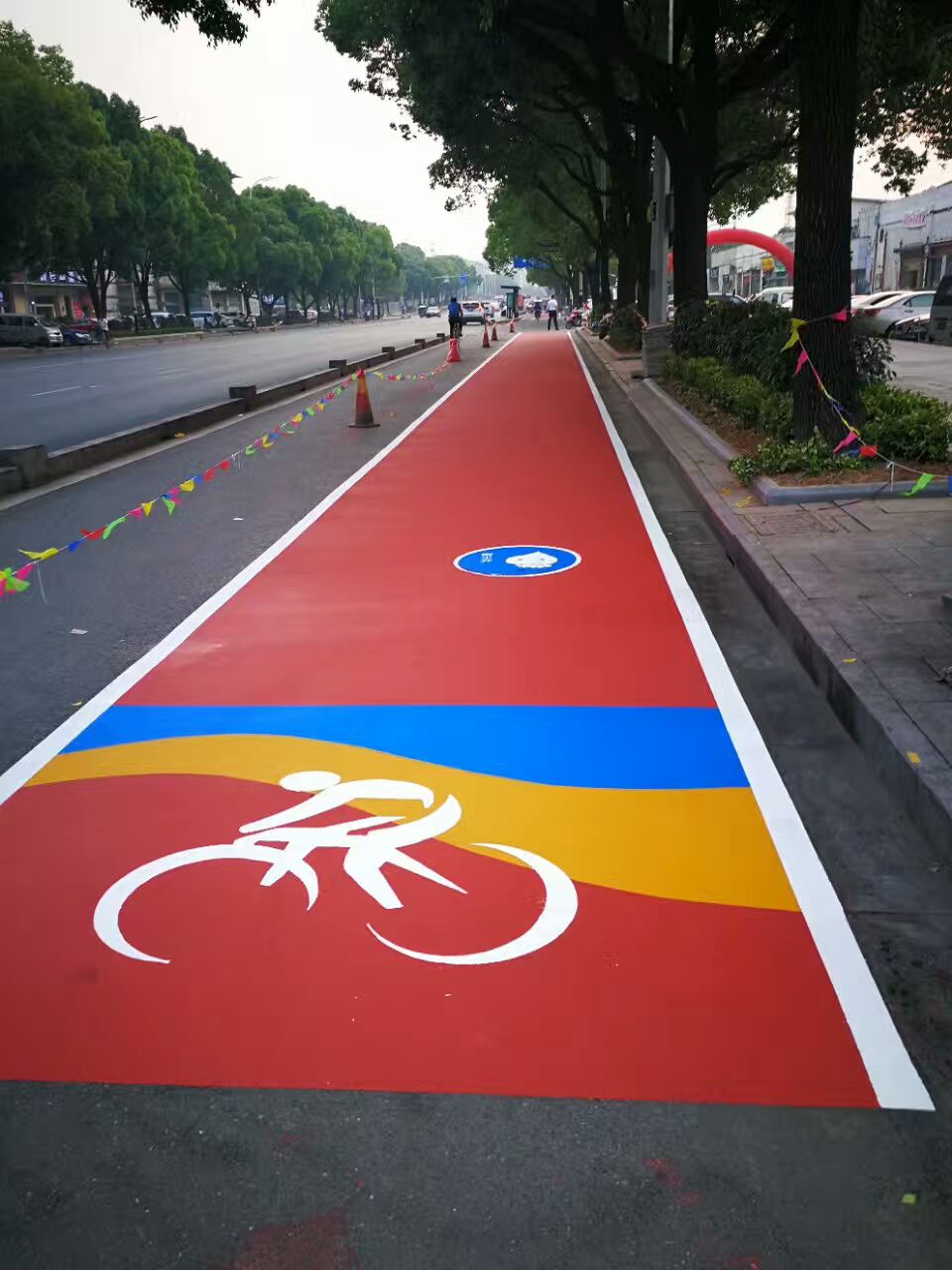
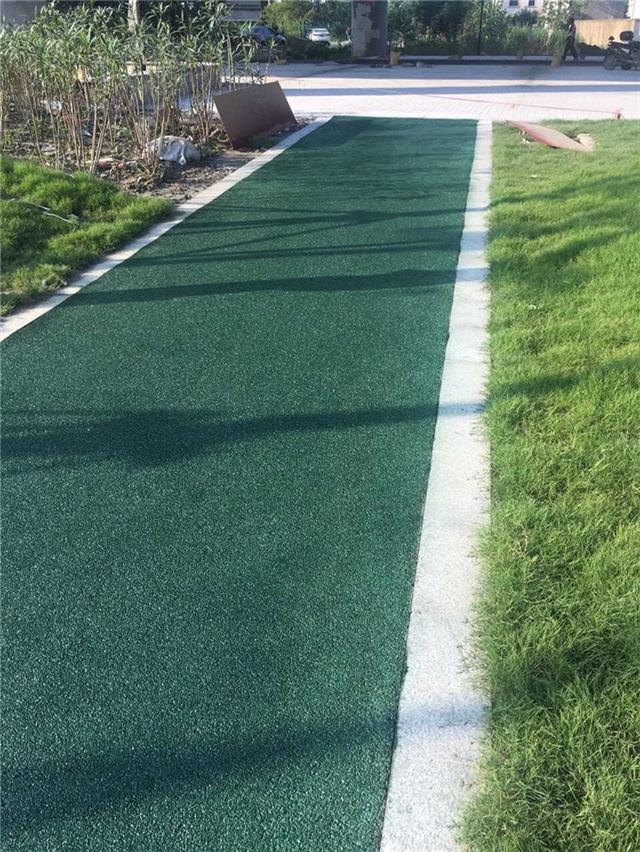
Poured-in-place colored permeable pavement subbase in accordance with design.
3. Spread the evenly mixed colored permeable material onto the prepared base, level it with a flat vibratory plate, then flatten it further using a heavy-duty iron roller or a mill with stainless steel grinding disks. Use small tools to neatly finish the edges and corners promptly.
5.5 to 7 days later, apply the surface protective agent.
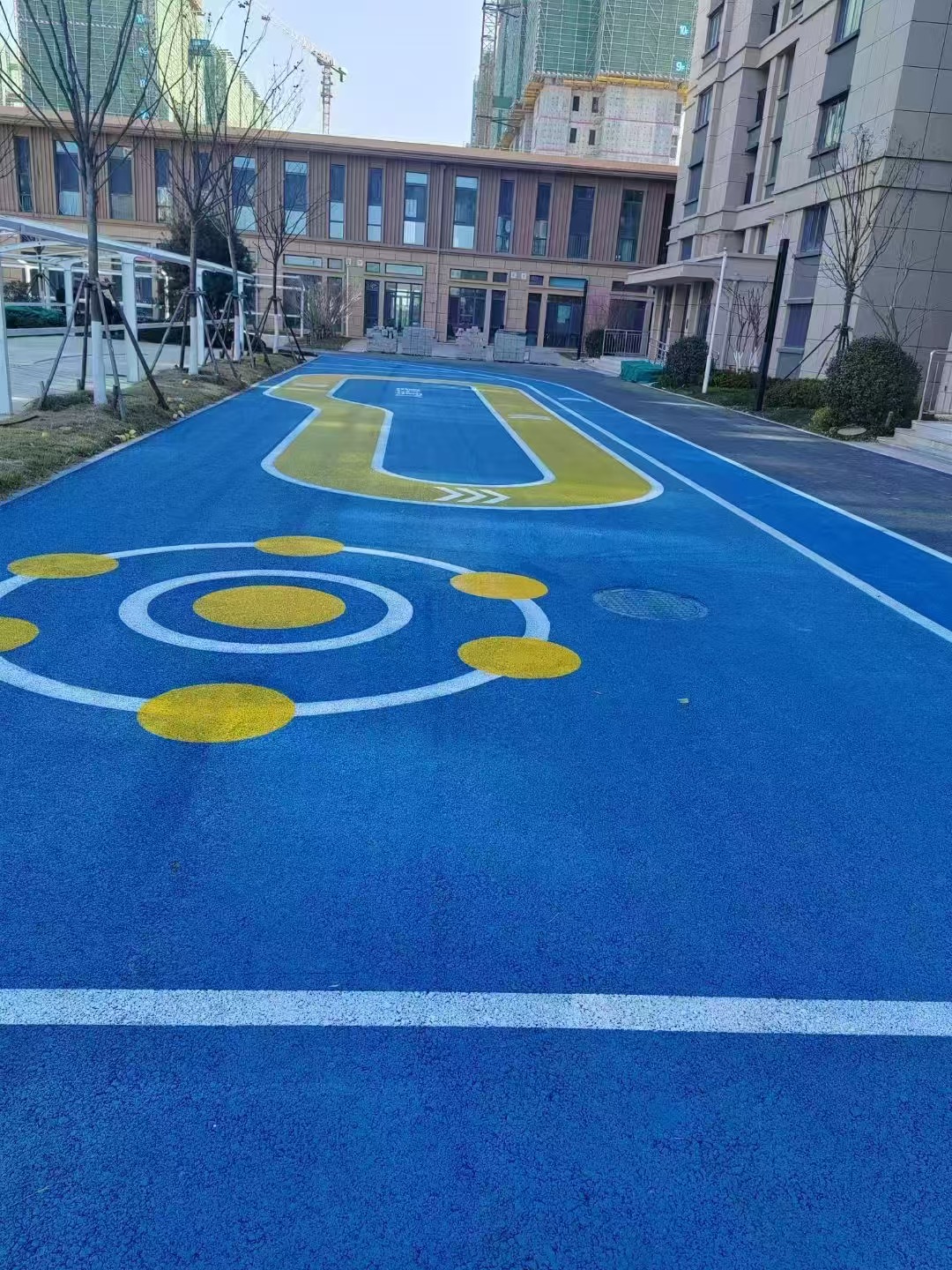
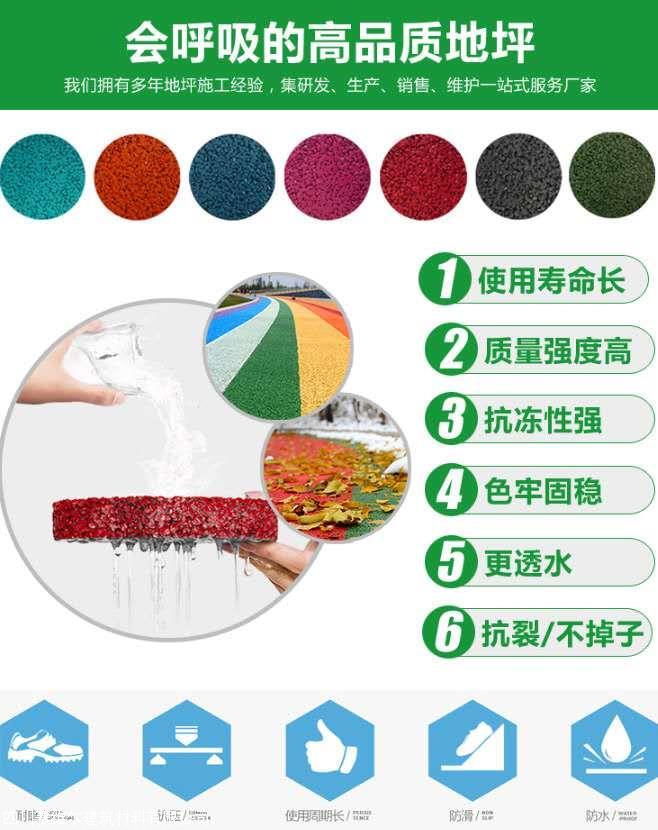
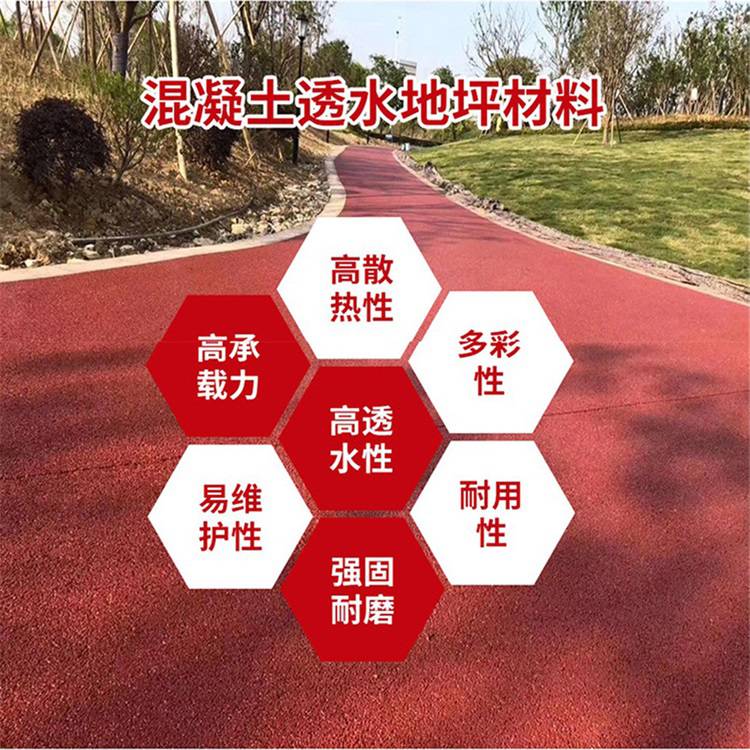
Porous concrete pavements are an excellent material for protecting groundwater, maintaining ecological balance, and alleviating the urban heat island effect. They hold significant importance for the benign development of human living environments, urban rainwater management, and water pollution prevention. As early as the 1970s and 1980s, the United States began researching and applying porous concrete, with many actively promoting its use. For instance, Germany aims to transform 90% of its roads into porous concrete pavements within a short period, replacing past ground coverings that destroyed urban ecosystems, and allowing the social benefits of porous concrete roadways to be widely realized.