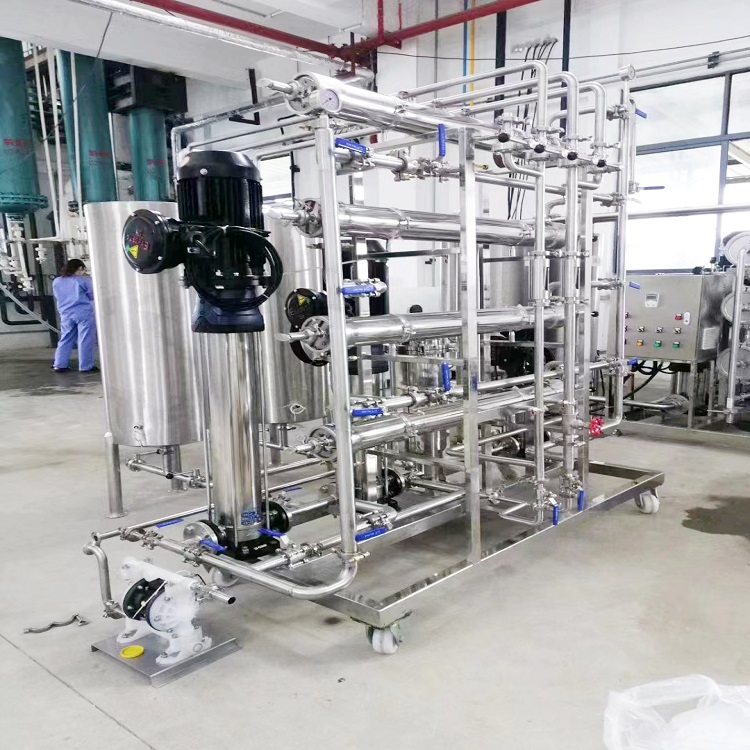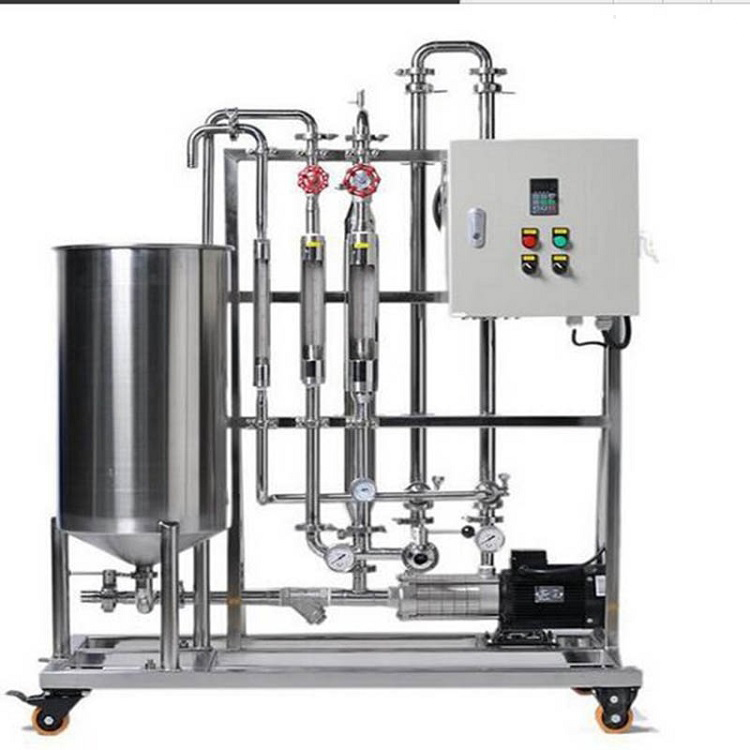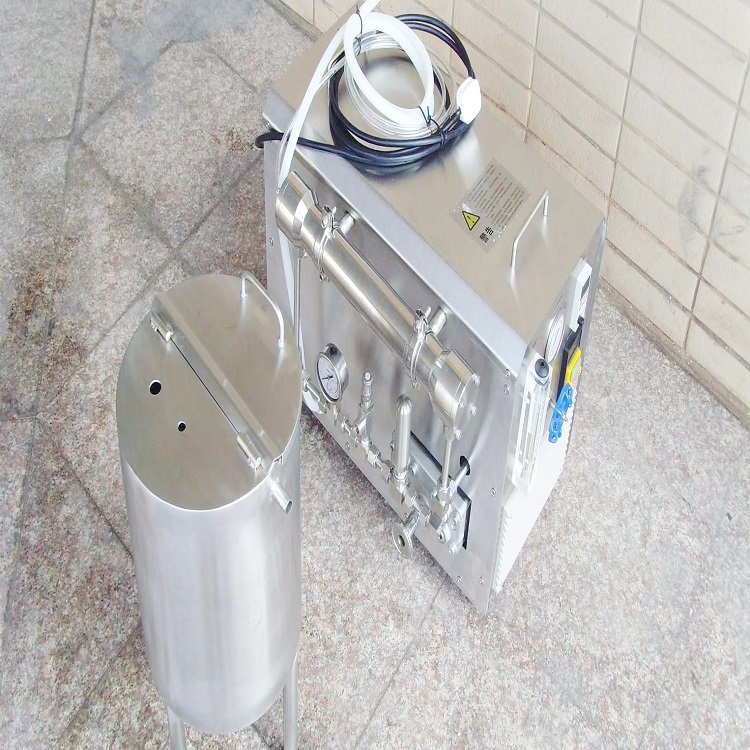

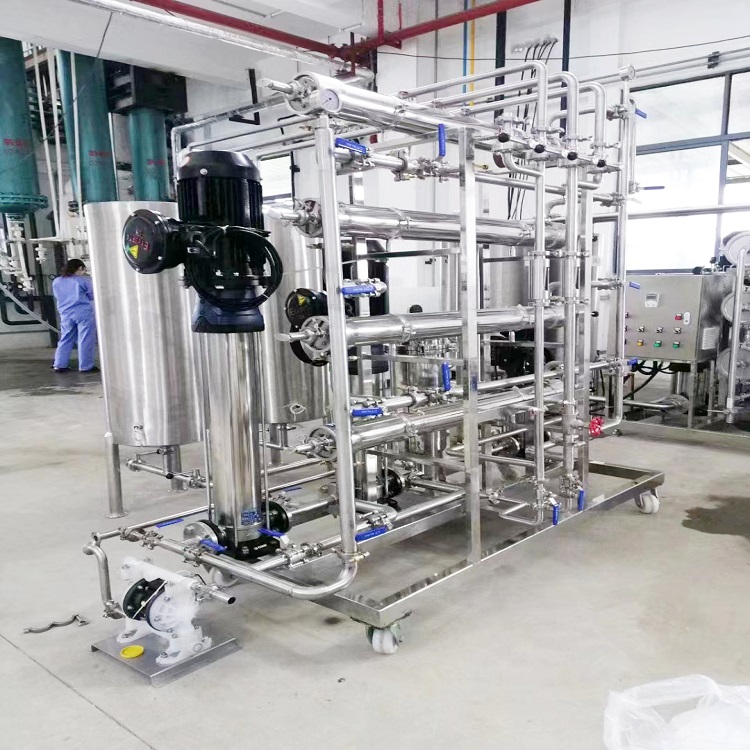


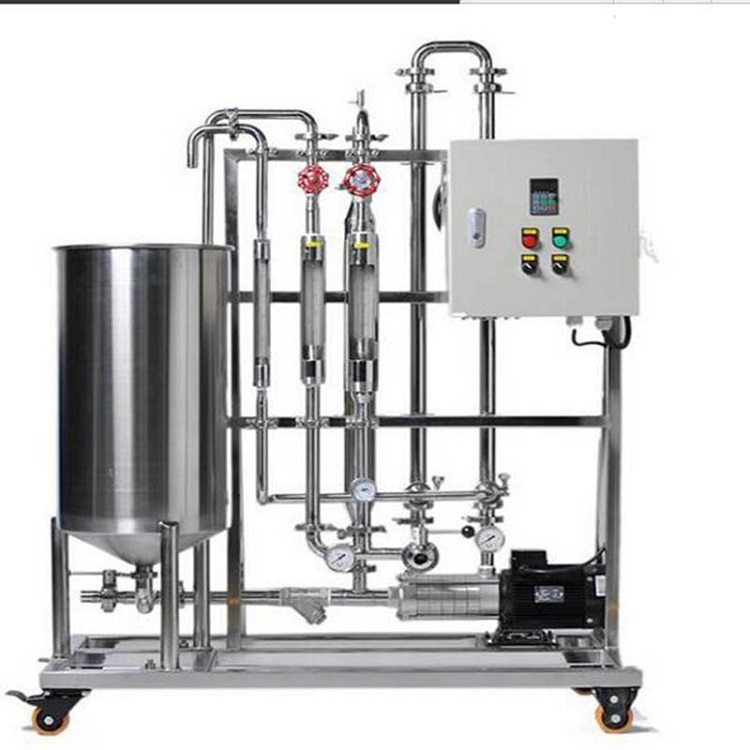
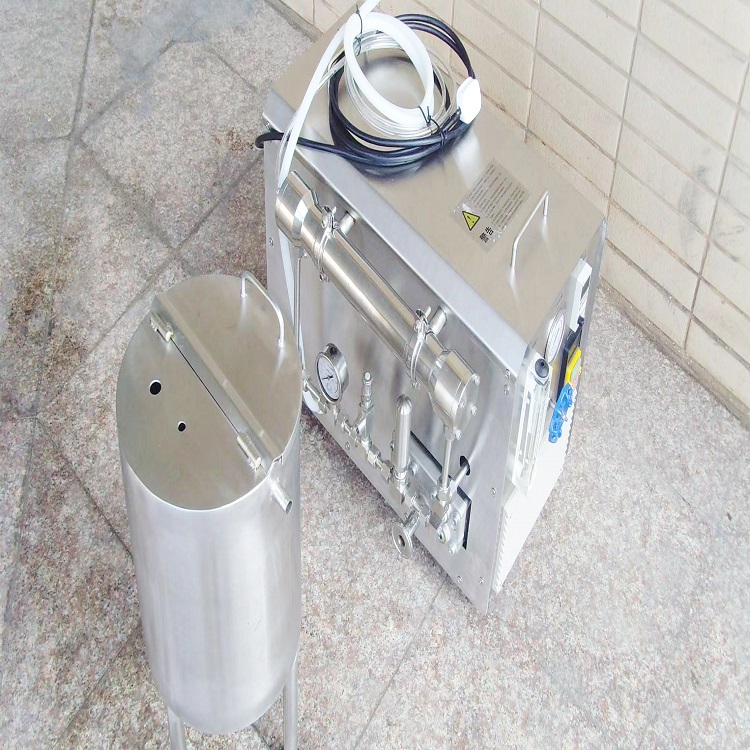












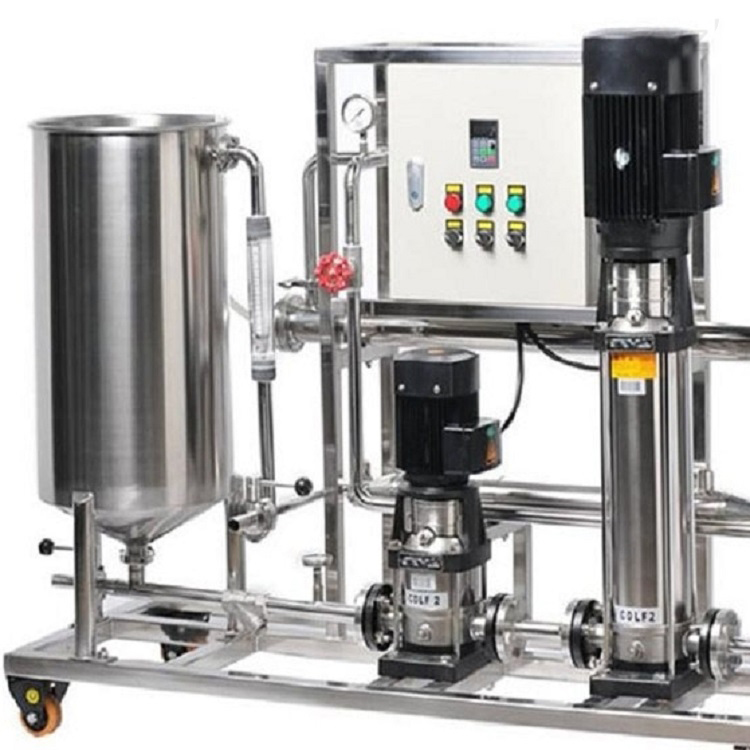
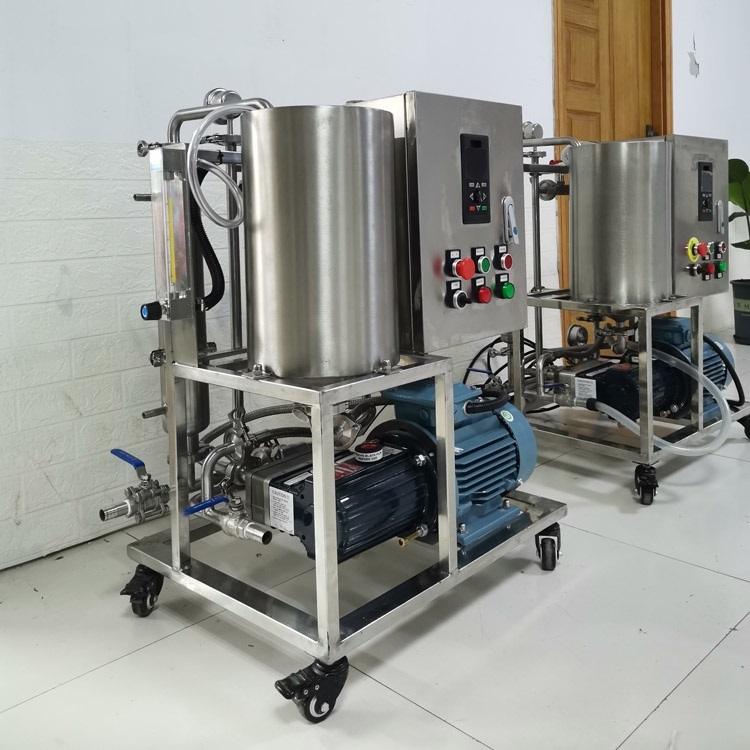
Organic Membrane Separation Experimental Equipment - High Antipollution Precision - Laboratory Membrane Separation Equipment - Quankun
Ceramic membranes are precision ceramic filter materials with a porous structure, formed by high-temperature sintering of inorganic materials such as alumina, titanium oxide, and zirconia. They consist of a three-layer structure including a porous support layer, a transition layer, and a microporous membrane layer, distributed asymmetrically. The filtration precision covers microfiltration, ultrafiltration, and nanofiltration. Tubular ceramic membranes mostly use "crossflow filtration" to achieve fluid separation processes, which means: the raw liquid flows at high speed inside the membrane tube, and under pressure, the permeate containing small molecules passes through the membrane layer vertically, while the concentrate containing large molecular components is retained by the membrane, thereby achieving the objectives of fluid separation, purification, and concentration.
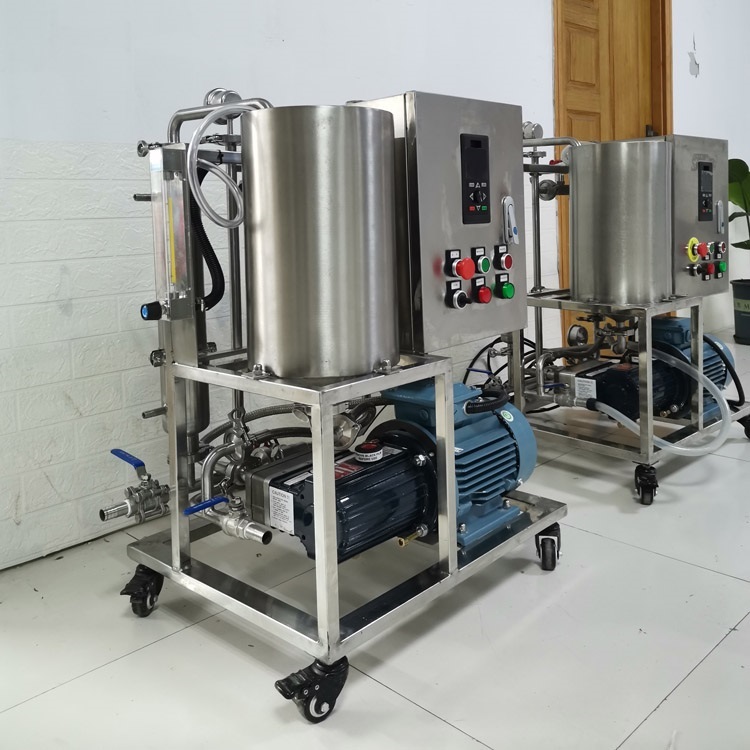
Ceramic Film Complete Equipment Principle and Features:
The ceramic membrane system mainly consists of ceramic membrane modules, filtration systems, control systems, and auxiliary equipment. It operates by forming an extremely thin filtration layer on the surface of the ceramic membrane, utilizing the selective retention effect of the membrane pores to trap impurities such as suspended particles, microorganisms, and colloidal particles in the liquid, thereby achieving liquid purification.
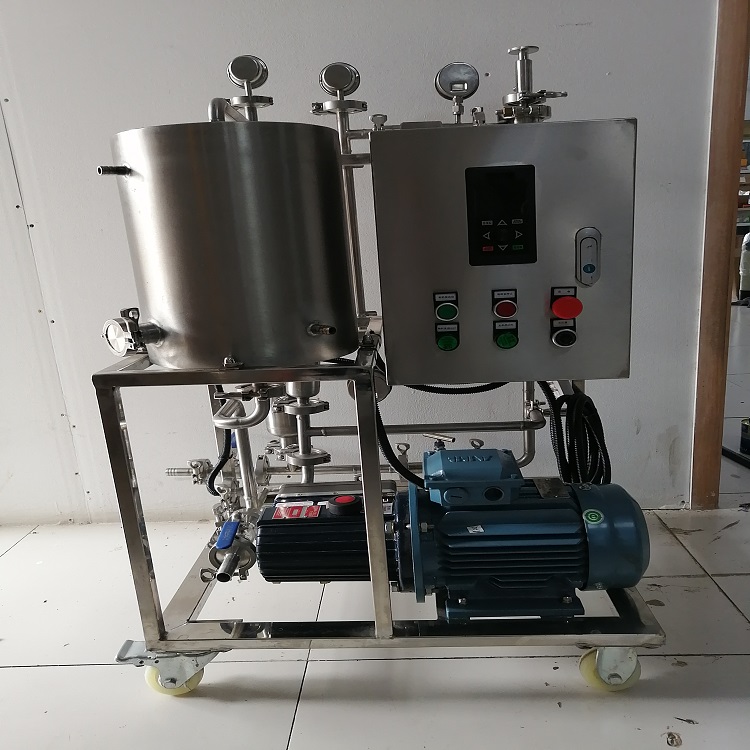
Ceramic membrane tubes feature narrow pore size distribution, high separation efficiency, and stable treatment effects; excellent chemical stability with a wide pH range, resistant to acids, alkalis, organic solvents, and oxidizers; high-temperature resistance, capable of steam backflush regeneration and high-temperature in situ sterilization; strong anti-pollution capability, no secondary leachables produced during separation, no membrane pore swelling leading to changes in retention performance; high mechanical strength, good membrane regeneration properties, stable flux recovery after cleaning; simple separation process with low energy consumption.
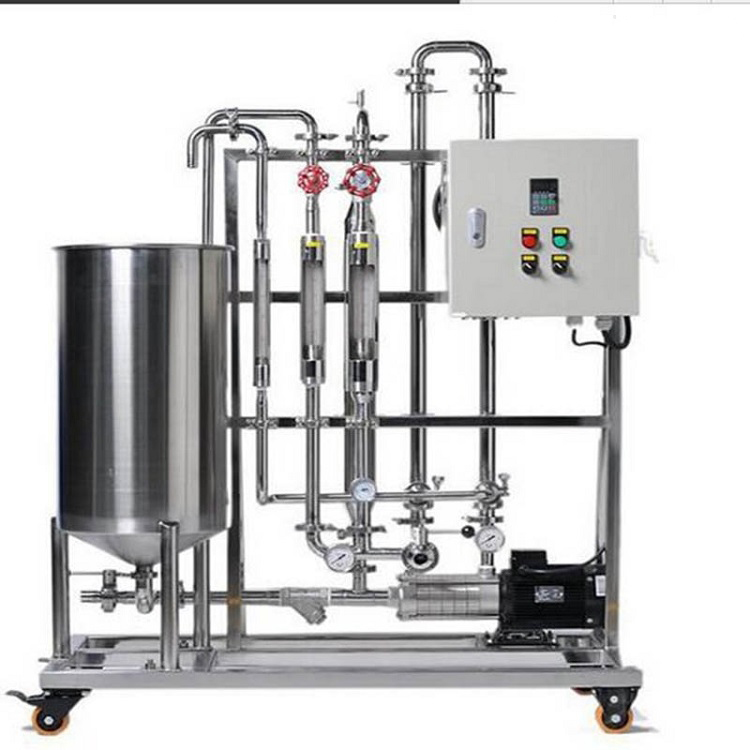
Advantages of the ceramic membrane filtration system:
1. The filtered liquid is clear and transparent, with high product quality and recovery rate.
2. The membrane separation process can be conducted at room temperature, particularly suitable for experiments involving thermosensitive materials.
3. The separation process involves no phase change, allowing for purification, desalination, decolorization, alcohol removal, and concentration of water/alcohol-based liquid mixtures, achieving experimental objectives such as these.
4. Process stable with high batch-to-batch repeatability.
5. High level of equipment automation, low energy consumption and operating costs, easy to self-control and maintain, improving production efficiency, and reducing labor intensity.
6. Reduce environmental pollution and alleviate the burden in subsequent processes.
7. Widely used in pharmaceuticals, food, biological products, health products, blood products, enzyme preparations, cosmetics, and other fields.
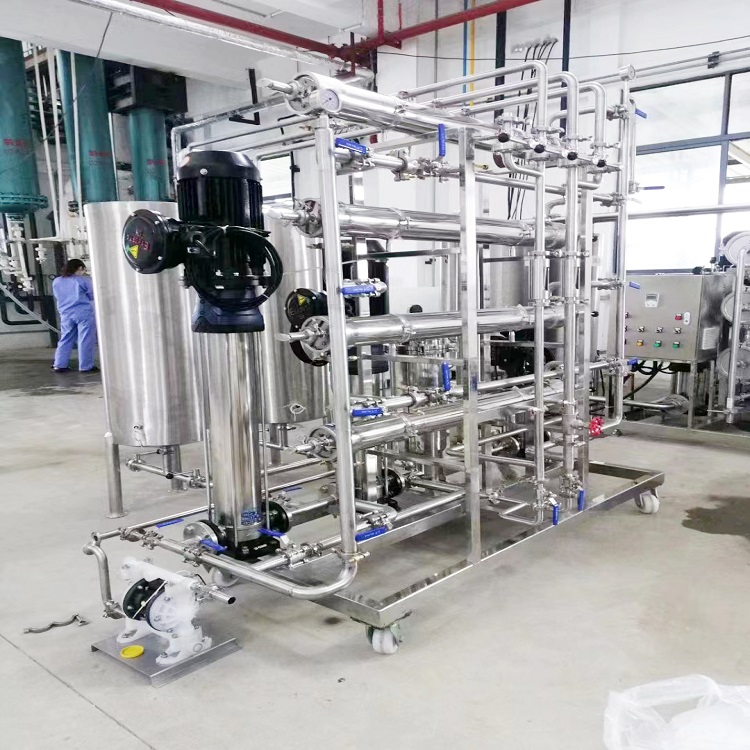
Organic Membrane Separation Experimental Equipment - High Antipollution Precision - Laboratory Membrane Separation Equipment - Quankun
Application Fields:
Complete ceramic membrane equipment finds broad applications in industries such as chemicals, environmental protection, and water treatment. In the chemical industry, it is used for processes like organic solvent recovery, catalyst recovery, and oil-water separation; in environmental protection, for industrial wastewater treatment, domestic wastewater treatment, and landfill leachate treatment; and in water treatment, for drinking water purification, seawater desalination, and brackish water desalination. Moreover, the complete ceramic membrane equipment can also be applied in pharmaceuticals, food, and biotechnology fields.